
Exploring a new city like Jeddah with menus you cannot fully decode and receiving conflicting restaurant recommendations can leave you feeling overwhelmed and hungry.
That is why our team at WildyNess created this guide to help you find the best spots to try the dishes Jeddah has to offer you.
Street Food Stops on Your Jeddah Food Tour
Crispy Mutabbaq in the Historic District
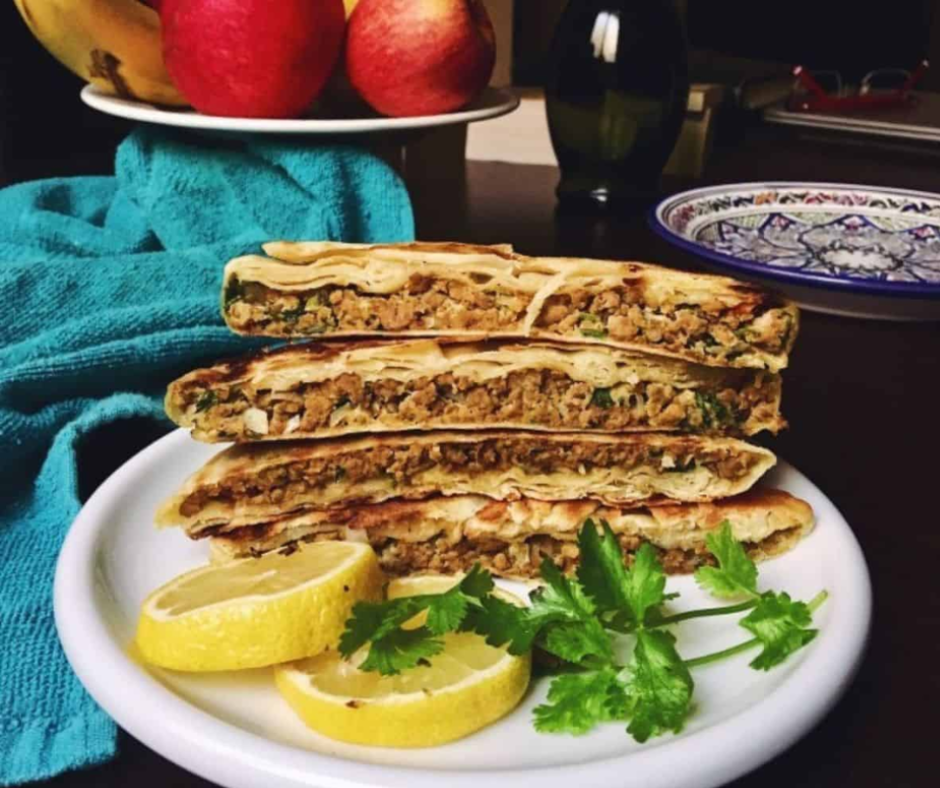
Start your culinary exploration with mutabbaq. This popular street food consists of a paper thin sheet of dough folded around various fillings and pan fried to a crisp on a large flat griddle.
The dish has historical roots connecting the Arabian Peninsula to India and Southeast Asia, reflecting Jeddah's long history as an international port.
You will mostly find savory versions stuffed with spiced minced meat, finely chopped onions, fresh herbs, and beaten eggs. The cook flips the square pastry rapidly until the outside is golden brown and the inside is steaming hot.
Sweet variations exist as well, featuring warm bananas drizzled with condensed milk or stuffed with sweet local cheese. The best place to experience this dish is deep within Al Balad, Jeddah's historic district.
You can follow the rhythmic sound of spatulas hitting hot metal plates to find the most authentic stalls. Watching the cook stretch the dough so thin that it becomes translucent before serving it straight into your hands is a crucial part of the food tour experience.
Savory Samboosa for On the Go Snacking
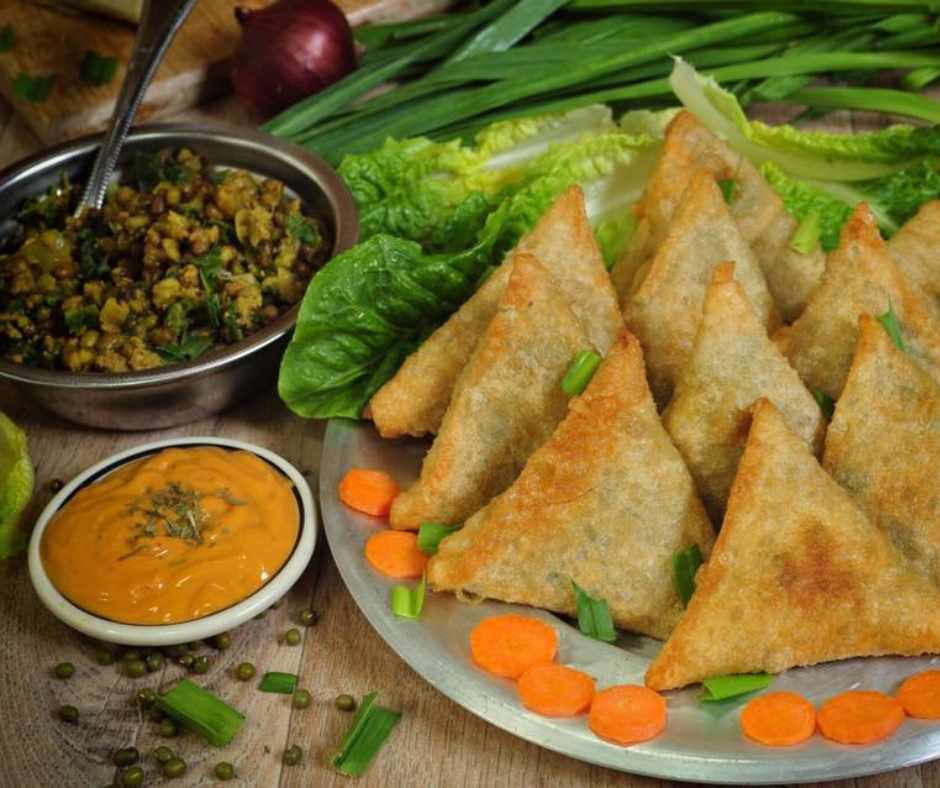
Your next street food target is the beloved samboosa. This triangular pastry is a reliable and delicious snack you will see everywhere across the city, especially during evening family outings and throughout the holy month of Ramadan.
Local vendors fill these crispy dough pockets with highly seasoned beef, shredded chicken, melted white cheese, or deeply spiced vegetables.
The frying process seals the edges perfectly, trapping all the juices and flavors inside. You must eat them immediately while the outer shell remains perfectly crisp and hot. Many local stalls offer a squeeze of fresh lemon or a fiery green chili dipping sauce on the side to cut through the richness of the fried dough.
We highly recommend asking for a mixed dozen so you can sample the complete flavor profile available at the cart. These quick bites travel incredibly well and perfectly reflect Jeddah's historical role as a gateway city for travelers and pilgrims needing hearty, portable food on the move.
Fresh Foul and Tamees for the Perfect Start
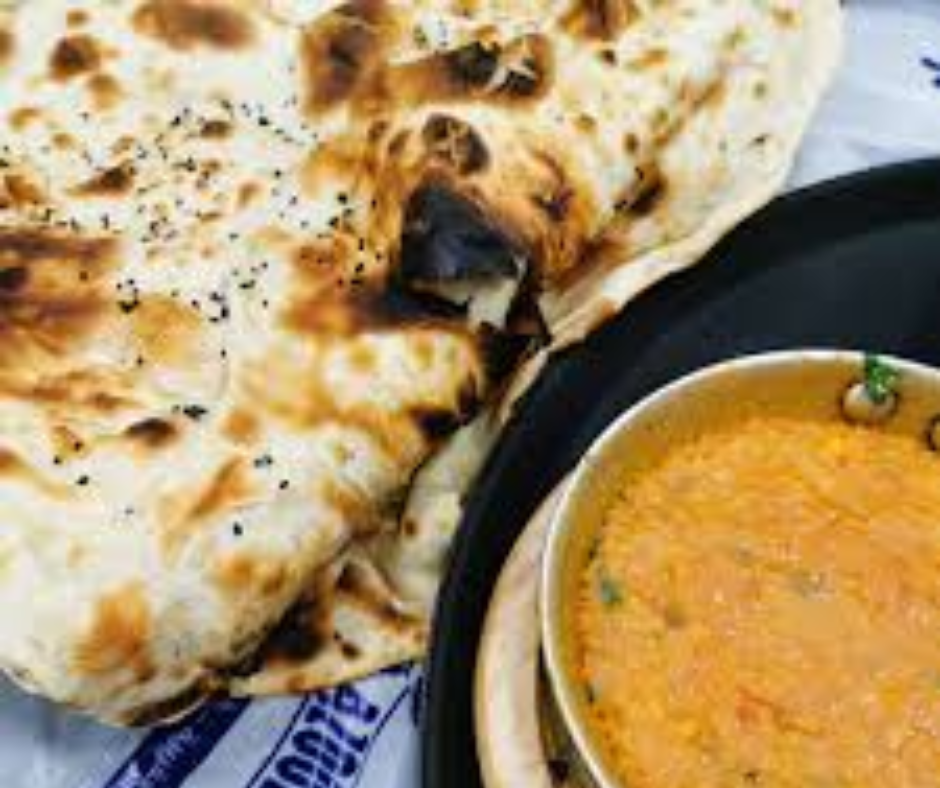
No local food tour is complete without a traditional morning stop for foul and tamees. Foul is an incredibly rich and hearty stew made from fava beans that have been cooked slowly overnight with generous amounts of cumin, high quality olive oil, and crushed garlic.
It is universally served with tamees, a massive disc of Afghan style flatbread baked in a traditional clay oven known as a tandoor. You tear off large pieces of the warm, slightly charred bread and use it as an edible spoon to scoop up the savory bean dip.
Local neighborhood shops begin serving this dish just after dawn, and the line of customers waiting for fresh bread is a universally reliable sign of high quality.
Adding a sprinkle of finely chopped tomatoes, a dash of spicy chili sauce, and an extra drizzle of olive oil elevates the entire plate into a masterpiece of local breakfast culture.
Traditional Saudi Dining Experiences
Sharing Kabsa at a Local Kitchen
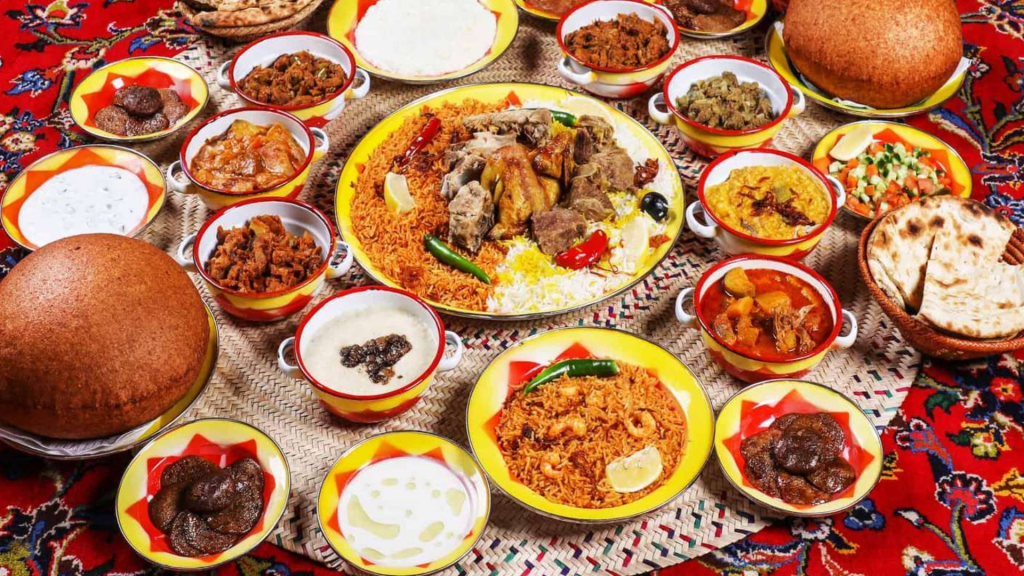
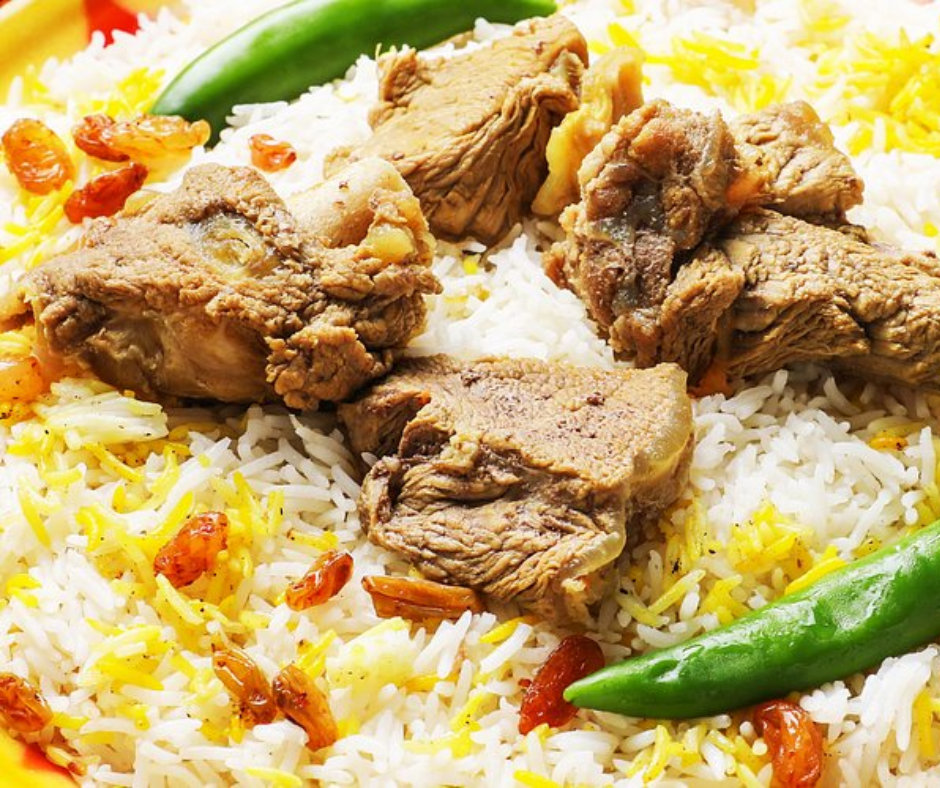
When you are ready for a substantial, sit down meal, it is time to order kabsa. This is the ultimate comfort food in Saudi Arabia and the entire concept is designed around bringing friends and family together.
The dish features fragrant long grain basmati rice cooked slowly in a broth heavily flavored with warm spices like cardamom, cinnamon, cloves, bay leaves, and dried black limes.
Generous portions of incredibly tender chicken, lamb, or camel meat sit proudly on top of the mound of rice. The meal is almost always served on a large communal platter placed directly in the center of the eating area.
You should always request extra portions of dakkous, a tangy and spicy crushed tomato and chili sauce that perfectly balances the richness of the spiced meat. If you want a reliable, high quality introduction to this classic plate, we suggest visiting one of the Al Romansiah restaurant branches.
For a much deeper dive, you can ask the local shopkeepers in Al Balad to point you toward their absolute favorite neighborhood kitchen. If you need help fitting these meals into your broader travel plans, check out our comprehensive Jeddah 3 to 4 day itinerary for a complete daily schedule.
Slow Cooked Mandi and Smoked Flavors
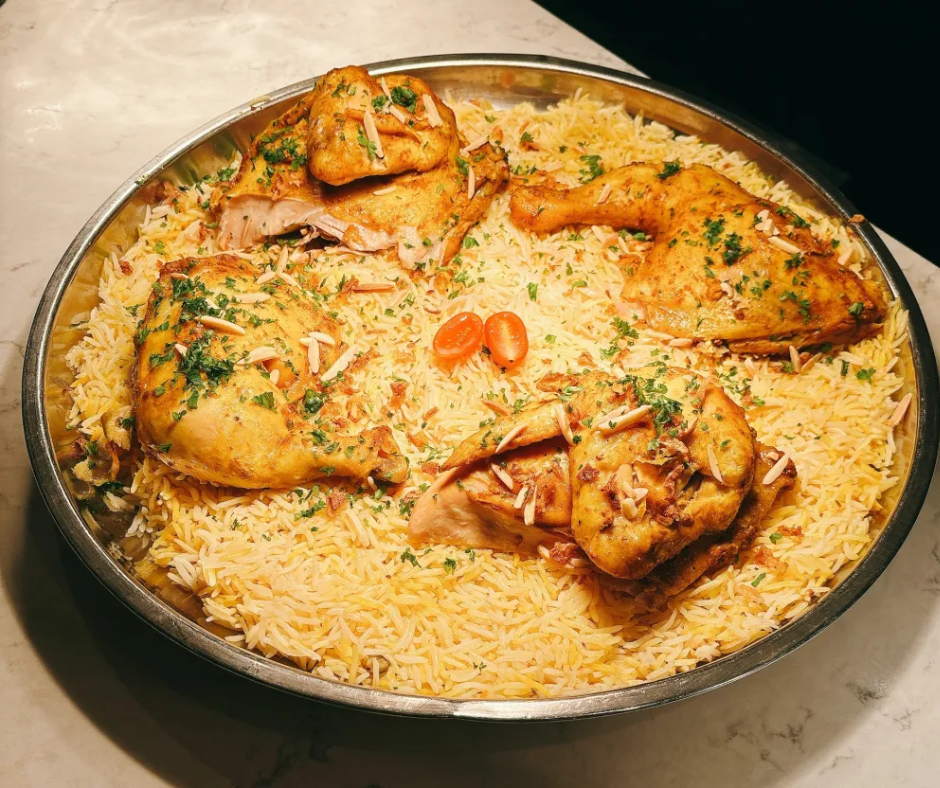
Mandi offers a completely different texture and aromatic profile compared to standard boiled rice dishes. Master cooks prepare the meat for mandi in a special tandoor style pit dug directly into the desert sand, which infuses every single grain of rice with a gentle smokiness.
The lamb or chicken roasts slowly for hours until it becomes so tender that it falls off the bone with the absolute slightest touch. As the meat cooks above the pot, the rendered fat drips down into the spiced rice cooking below, creating a rich and flavorful base layer.
This dish is deeply tied to large local celebrations, weddings, and traditional displays of hospitality. Zain Al Mandi is an excellent starting point for international visitors looking to try this specific cooking technique without venturing far from the city center.
You will most often eat this meal seated comfortably on plush cushions on the floor in a traditional majlis setting, surrounded by vibrant carpets.
Coastal Sayadiyah from the Red Sea
Because Jeddah sits directly on the coast, fresh seafood naturally plays a massive role in the regional diet. Sayadiyah is without question the undisputed king of Red Sea coastal cuisine.
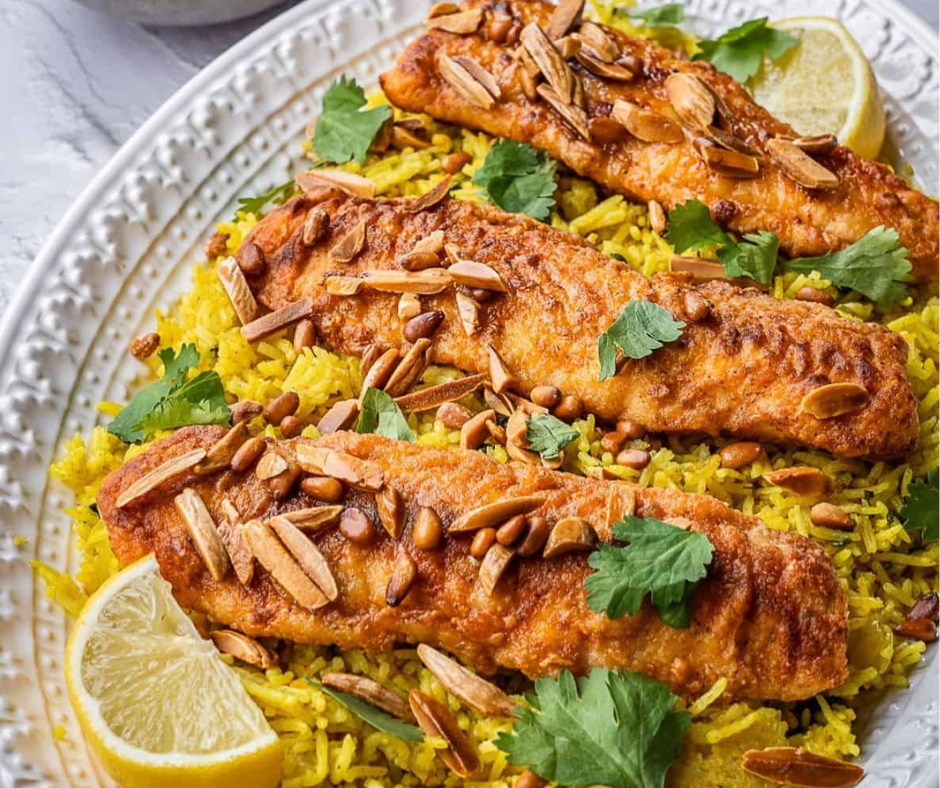
This historic dish features fresh local fish served proudly over a bed of rice that has been dramatically darkened by heavily caramelized onions. The deep brown rice carries a slightly sweet, earthy flavor that pairs perfectly with the delicate, flaky white fish.
The meal typically arrives with a side of thick tahini sauce mixed with fresh lemon juice to brighten the heavy savory flavors. You have two excellent options for trying authentic sayadiyah.
You can visit a highly comfortable, air conditioned seafood restaurant along the popular Corniche, or you can head directly to the chaotic central fish market. The market area offers a fast paced, authentic environment where you choose your exact fish and it goes straight from the morning boats to the local frying pans.
Seafood Signatures Beyond Sayadiyah
Grilled Najil at the Central Fish Market
Jeddah's culinary identity is permanently tied to the Red Sea, making the Central Fish Market an essential stop on your tour. Beyond the classic sayadiyah, the market is the perfect place to experience simple, perfectly executed grilled fish.
Najil, known in English as the roving coral grouper, is the most highly prized catch in the city. The fish features firm, sweet white meat that requires very little seasoning to shine.
When you visit the market, you select your exact fish from the iced displays and carry it directly to the cooking stations located in the same building. The cooks will scale, clean, and butterfly the fish right in front of you.
They typically rub the meat with a simple mixture of cumin, coriander, and olive oil before roasting it over an open charcoal flame. Sitting at the casual plastic tables outside the market while eating fresh Najil with warm flatbread is a cornerstone Jeddah experience.
Fried Shrimp and Tamarind Sauces
While whole grilled fish draws the largest crowds, the local fried shrimp offerings are equally important to the coastal diet. Vendors at the market and in small seaside eateries coat massive Red Sea shrimp in a light, spiced flour batter before flash frying them in very hot oil.
This technique seals the juices inside while creating a crisp outer shell that holds up well to dipping sauces. The traditional pairing for fried seafood in Jeddah is a sharp, tangy tamarind sauce known as homar.
The deep sour notes of the tamarind paste balance the heavy richness of the frying oil perfectly. You dip the hot shrimp into the dark sauce and eat them alongside fresh arugula leaves and raw white onions.
This combination of hot, crispy seafood and acidic dipping sauce provides a completely different flavor profile from the heavy rice dishes you will encounter elsewhere in the city.
Navigating Jeddah's Spice Markets and Souqs
Exploring Herbalists Lane in Al Balad
A truly comprehensive food tour requires understanding exactly where the local flavors originate. The traditional produce and spice markets of Jeddah are loud, highly energetic, and overwhelmingly aromatic.
As you wander, you will hear shopkeepers loudly calling out their best prices and the steady clink of metal scoops digging deep into large burlap spice sacks.
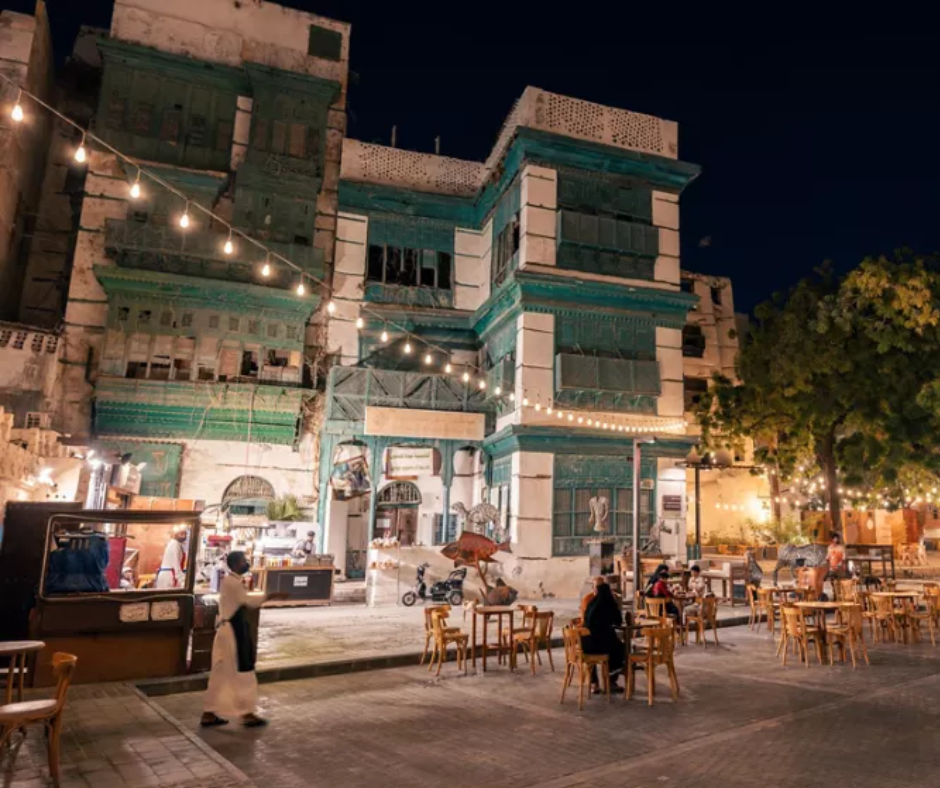
The most immersive place to experience this sensory overload is Herbalists Lane within the heart of Al Balad. As you walk slowly down this remarkably narrow alley, the air shifts rapidly from the heavy scent of roasted nuts to bright dried citrus and fresh green mint.
Vendors proudly display towering pyramids of premium local dates, wooden boxes full of glossy limes, and thick tied bundles of fresh herbs.
Visiting in the early morning gives you plenty of physical space to browse and take photos, while the late afternoon brings a fantastic rush of local residents shopping for their evening dinner ingredients.
Purchasing Authentic Ingredients and Spices
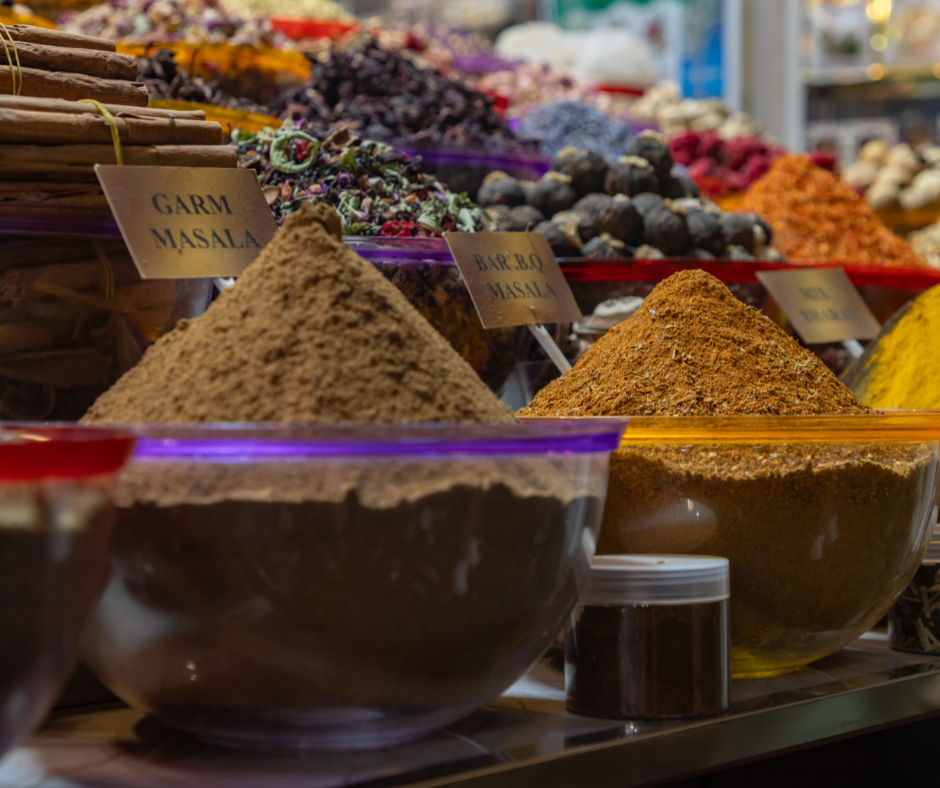
Shopping in the historic souq is an incredibly interactive and social experience. You will find massive open bowls of ground cumin, bright yellow turmeric, dark red sumac, and the essential dried black limes locally known as loomi.
Vendors also expertly mix and sell custom chili and spice blends prepared specifically for traditional meat, rice, or fish dishes. If you are ever unsure what to buy, simply ask the merchant what specific spice they recommend for a particular meal.
The shop owners genuinely love sharing quick cooking tips and often offer tiny samples for you to taste right at the counter. You should carry small denominations of cash and always confirm the final price before the vendor bags your items.
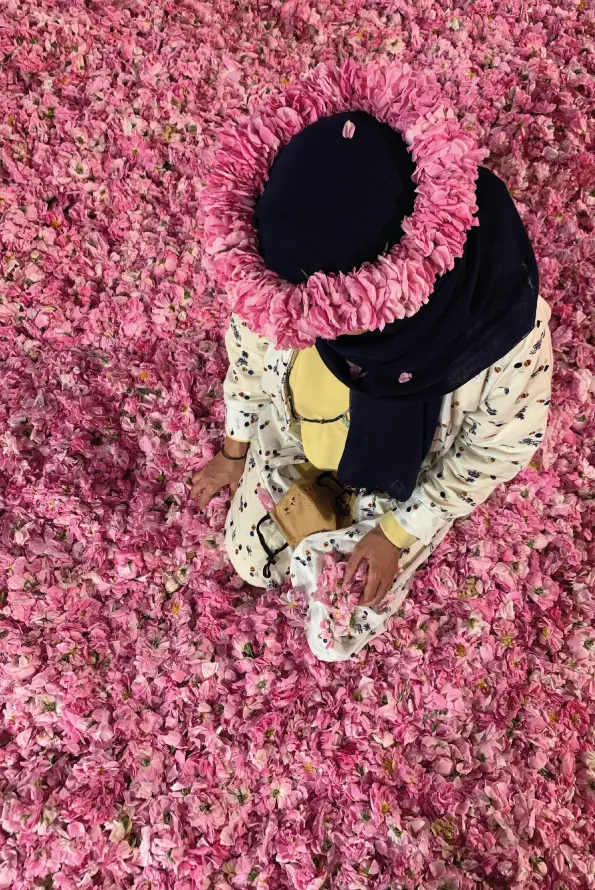
Some of the absolute best culinary souvenirs to pack in your suitcase include premium strands of saffron, fragrant rose water, locally harvested honey, and a custom spice mix blended right in front of your eyes.
Sweet Endings and Coffee Rituals
Warm Kunafa and Syrupy Desserts
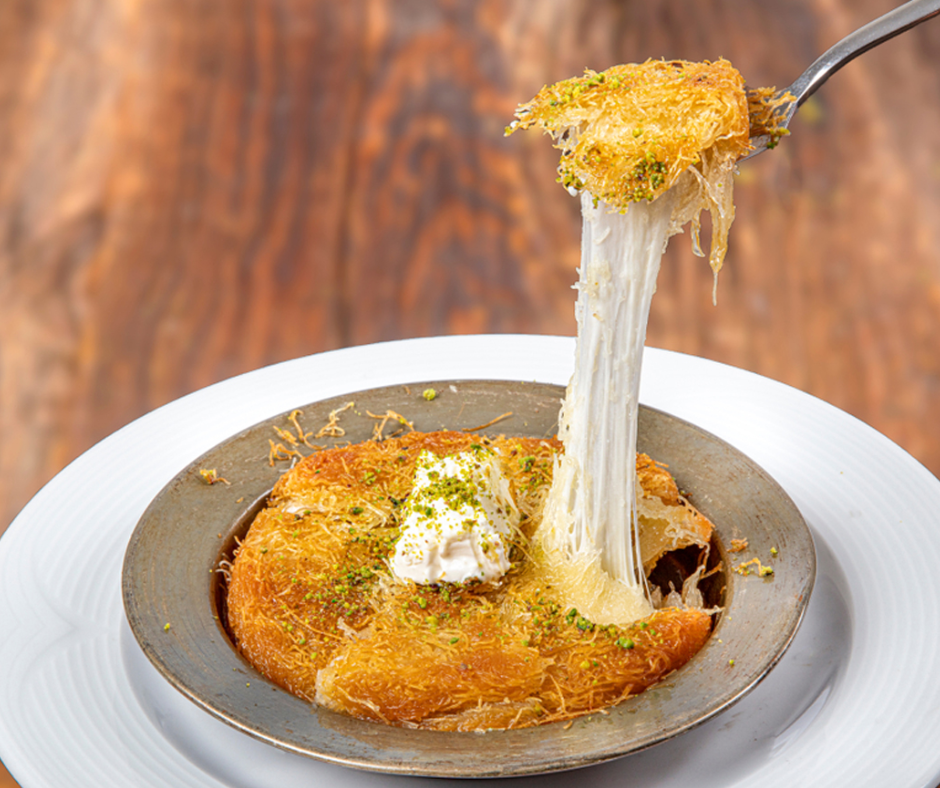
Desserts in Jeddah are a celebrated communal event and serve as the absolute perfect way to wrap up a long day of urban exploring. Kunafa is easily the undisputed star of the local traditional pastry scene. Expert bakers prepare this beloved treat in massive, heavy round metal trays.
They meticulously layer finely shredded phyllo dough with mild white cheese or thick local cream. The entire tray is baked until the top is beautifully golden brown and then immediately soaked in a fragrant, bubbling sugar syrup.
You should always order your portion fresh from the oven so you experience the highly satisfying cheese pull and the delightfully crunchy outer edges. Another excellent sweet option is luqaimat, which are small, bite sized fried dough balls crisp on the outside and wonderfully soft on the inside.
Street vendors drench these hot dough balls in sweet date syrup and generously sprinkle them with toasted sesame seeds. Grab a small cardboard box of these treats to enjoy while walking along the breezy waterfront.
The Arabic Coffee and Date Tradition
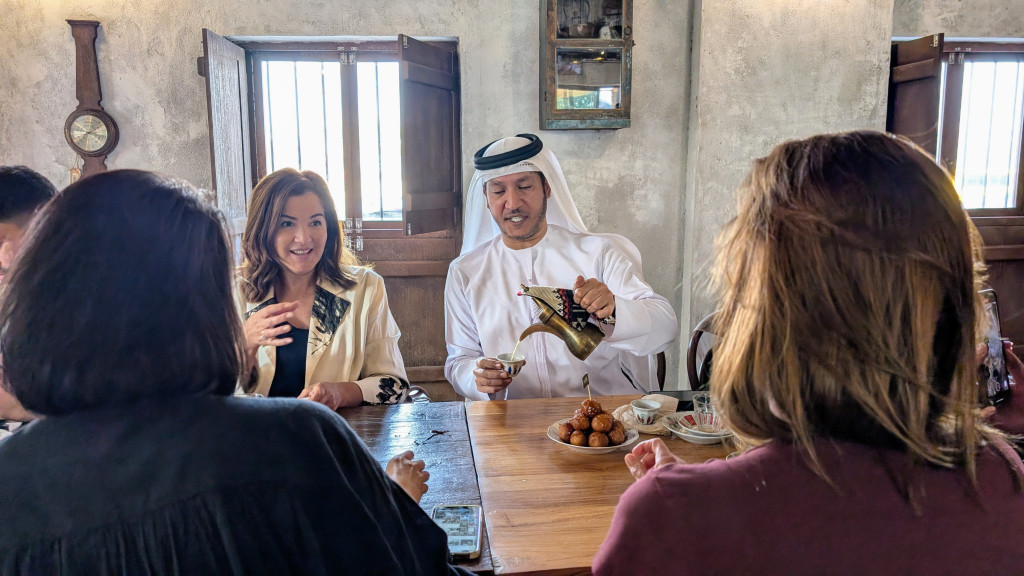
You absolutely must make room in your daily schedule for the essential ritual of Arabic coffee, known universally in the region as qahwa. This daily practice is less about caffeine and more about slowing down to deeply connect with the people around you.
The raw coffee beans are lightly roasted, spiced very heavily with fresh cardamom, and poured in extremely small amounts into delicate, handle free cups. Because the resulting coffee is quite bitter and herbal, you naturally pair it with sweet, sticky local dates to achieve perfect flavor balance.
Your host will continue to generously refill your tiny cup until you give the cup a quick, gentle shake side to side to politely signal you have had enough.
Many of the oldest traditional cafes around the historic district serve qahwa the classic way in beautifully ornate thermos flasks. Sitting outside one of these street side cafes offers a truly fantastic opportunity to rest your tired feet and comfortably watch the daily life of the city unfold around you.