
You might feel a bit of pressure when trying to connect with Saudi culture because you want to show respect while truly experiencing the local way of life without making an etiquette mistake.
That is why our team at WildyNess created this guide to help you navigate the Kingdom’s deep traditions and modern energy with total confidence.
The Foundation of Saudi Hospitality and Coffee Rituals
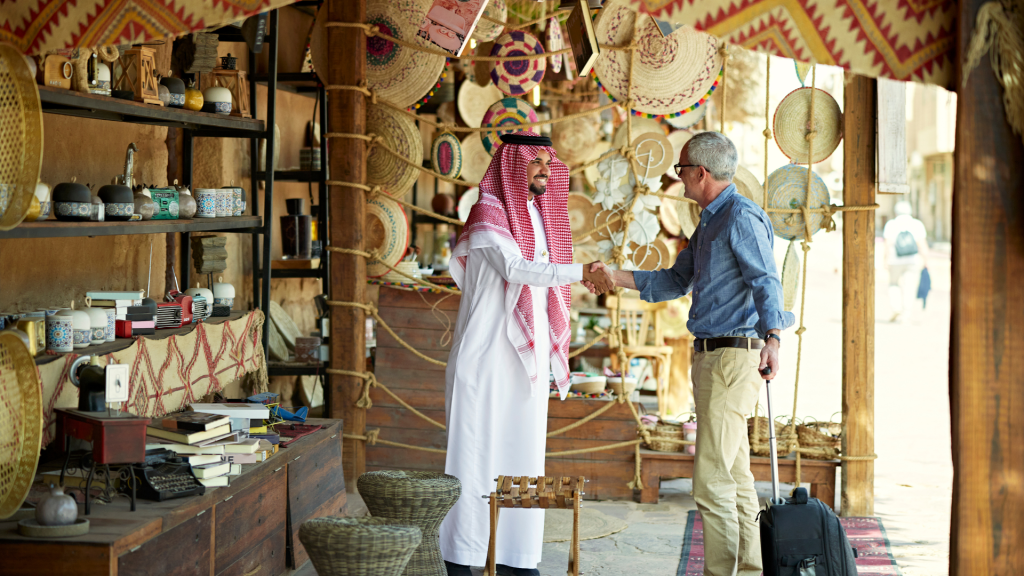
Saudi hospitality is not a polite addition to your trip; it is the core of how people here interact with the world. You will encounter Arabic coffee, known as Gahwa, in almost every setting from hotel lobbies to private homes. When a host offers you coffee, they are inviting you into a social contract of mutual respect and friendship. We suggest you accept at least one cup to show your appreciation for the gesture.
The ritual itself is specific and functional. You should always use your right hand to receive the small, handleless cup. The server will usually fill it only about one-third full, which is a sign of respect that allows the coffee to cool quickly and encourages frequent refills. If you have had enough, a small shake of the cup from side to side as you hand it back is the universal signal that you are finished. The coffee itself is often a light roast, heavily spiced with cardamom and sometimes saffron, which gives it a distinct yellow or golden hue that differs significantly from Western coffee.
Beyond the coffee, your interactions will be defined by a slower, more deliberate pace. Greetings are essential, and starting a conversation with As-salamu alaykum sets a positive tone immediately. You will notice that locals often spend several minutes on greetings before getting to the point of a business transaction or a question. We recommend you mirror this patience because rushing a social interaction is often seen as dismissive of the person you are speaking with.

Exploring the Nabataean Legacy at AlUla
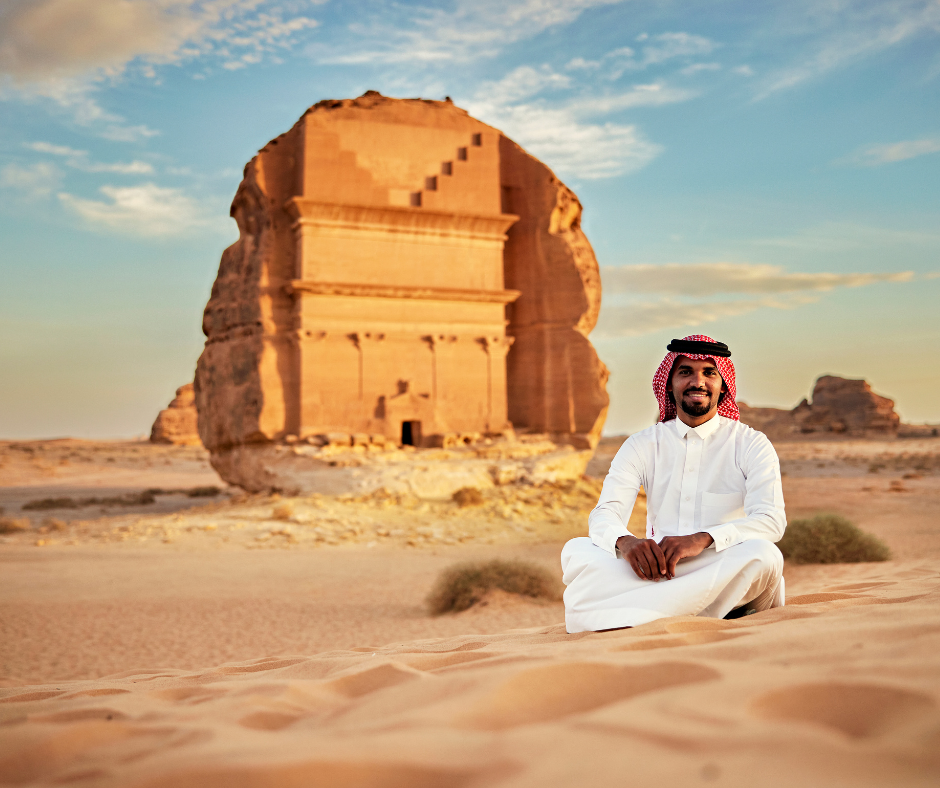
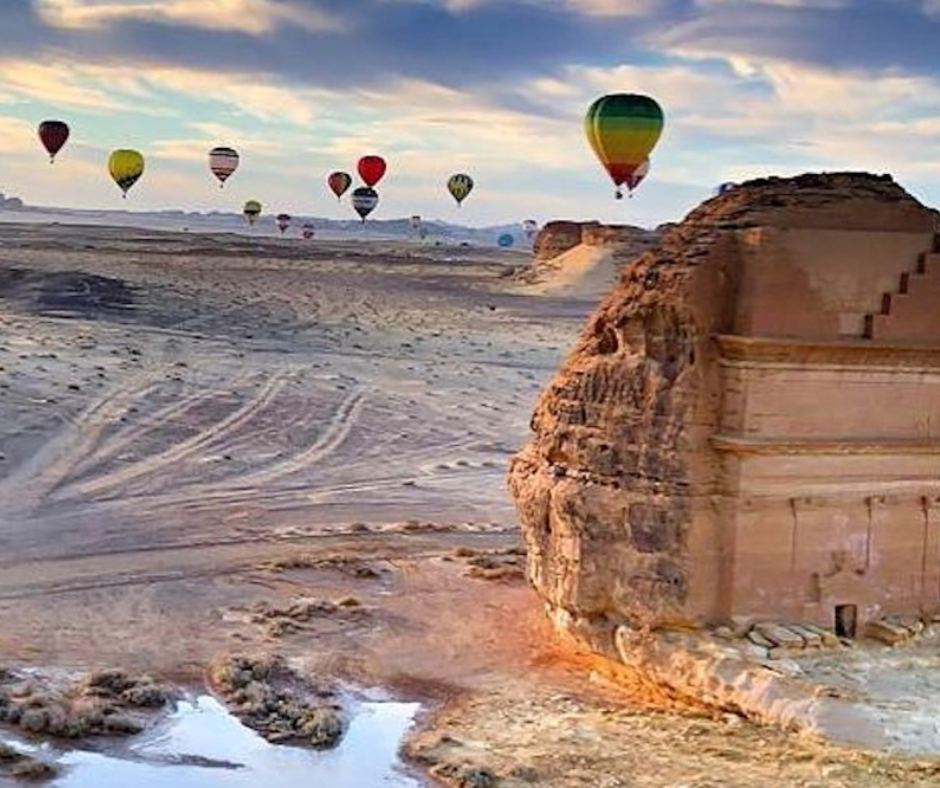
If you want to understand the ancient roots of the Arabian Peninsula, you must head to the tombs of Hegra in AlUla. This was the southern capital of the Nabataean Kingdom, and it served as a vital hub for the incense and spice trade routes. Unlike Petra, which is tucked into a narrow canyon, the tombs here are carved into isolated sandstone outcrops that rise dramatically from the desert floor. There are over 100 monumental tombs here, and the craftsmanship reveals a culture that was influenced by Roman, Greek, and Egyptian styles.
We recommend booking your tour of Hegra for the early morning hours. The light at this time hits the facades of the tombs directly, making it easier to see the intricate carvings of eagles, sphinxes, and rosettes. You should also take time to visit AlUla Old Town, which was inhabited from the 12th century until the 1980s.
Walking through its maze of mud-brick houses gives you a sense of how community life functioned in an oasis environment for hundreds of years.
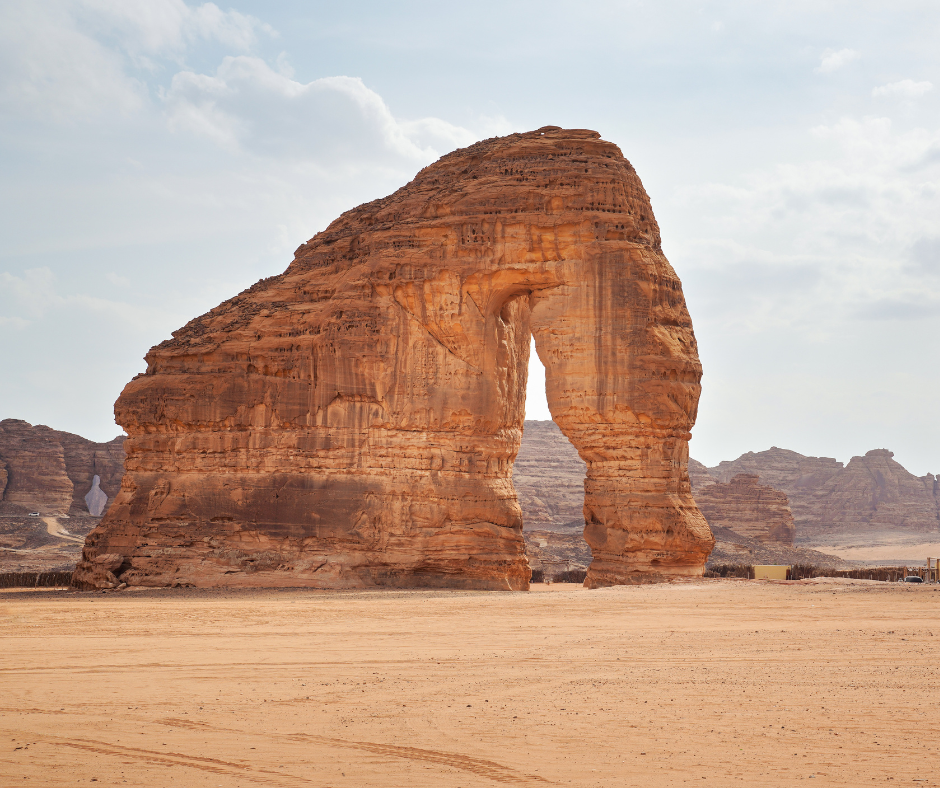
While you are in the region, keep an eye out for Elephant Rock, or Jabal Al-Fil. This is a massive natural sandstone formation that becomes a social hub in the evenings.
Locals and travelers gather here to sit in sunken fire pits, drink tea, and watch the stars. It is one of the best examples of how Saudi Arabia blends its natural history with a contemporary social scene.
The Birthplace of a Nation at Diriyah
Located on the outskirts of Riyadh, Diriyah is perhaps the most significant historical site for understanding the identity of the modern Kingdom.
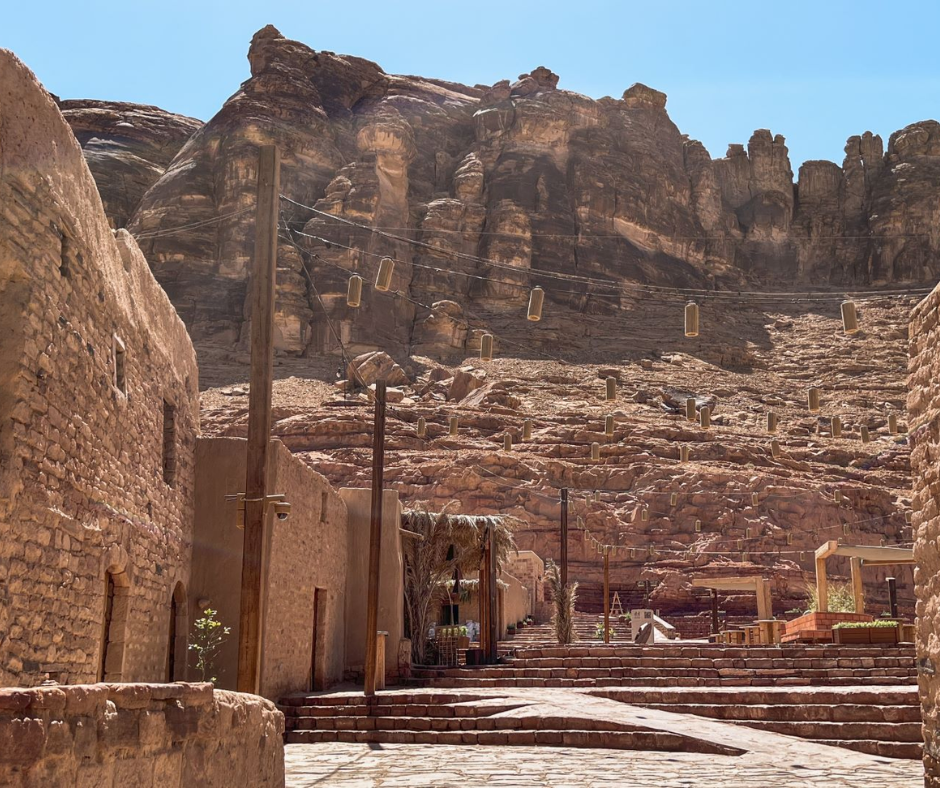
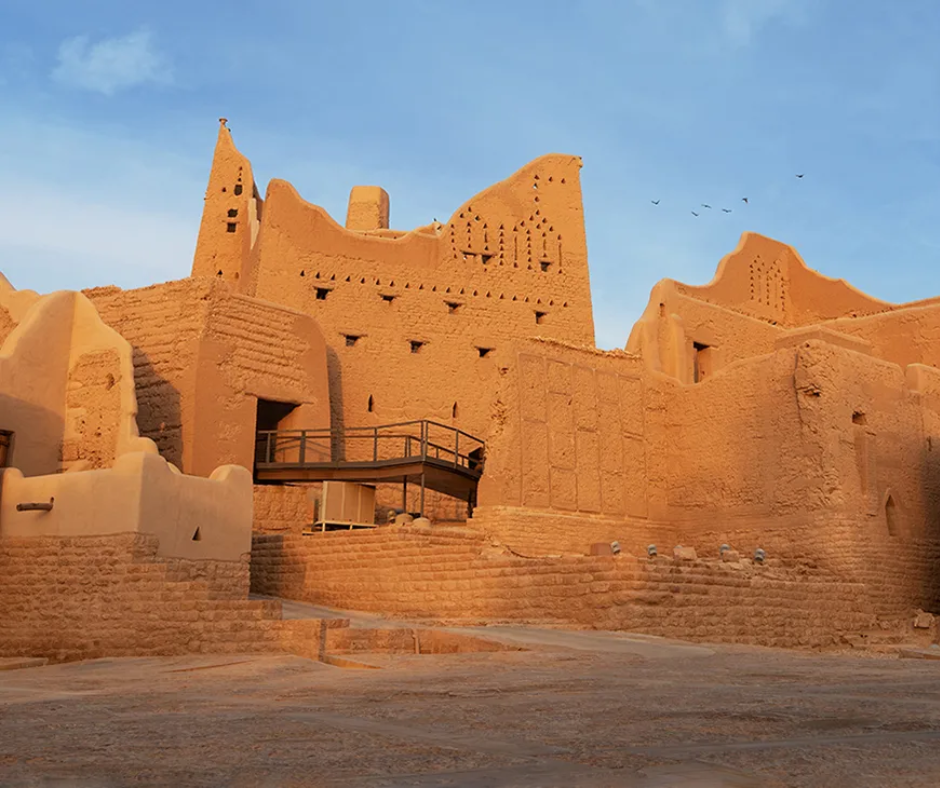
The At-Turaif district is a UNESCO World Heritage site and served as the original home of the Al Saud family. The architecture here is a prime example of the Najdi style, characterized by thick mud-brick walls, triangular windows for ventilation, and defensive towers.
The centerpiece of your visit will be the Salwa Palace, which was the seat of government during the First Saudi State. We suggest you take your time walking through the restored galleries that explain the transition from a collection of desert tribes to a unified nation.
The scale of the palace is impressive, covering over 10,000 square meters, and it provides a clear view of how the royal family managed both private life and public governance.
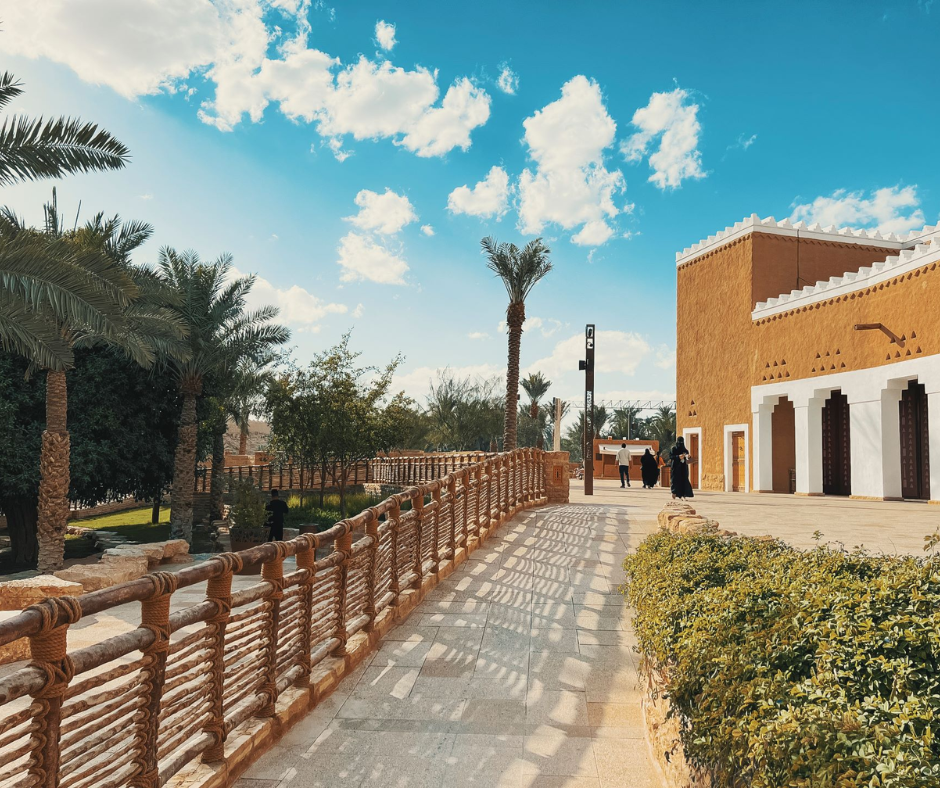
After exploring the ruins, you can cross the bridge to Bujairi Terrace. This area overlooks the historic site and offers a high-end dining experience that contrasts the ancient mud-brick walls with modern culinary trends. It is an excellent spot to watch the sunset over the Wadi Hanifa, providing a visual bridge between the Kingdom’s past and its ambitious future.
Jeddah and the Coastal Traditions of Al-Balad
Jeddah offers a completely different cultural flavor than the interior of the country. As a port city on the Red Sea, it has been the gateway for pilgrims traveling to Makkah for centuries, which has created a diverse and cosmopolitan atmosphere.
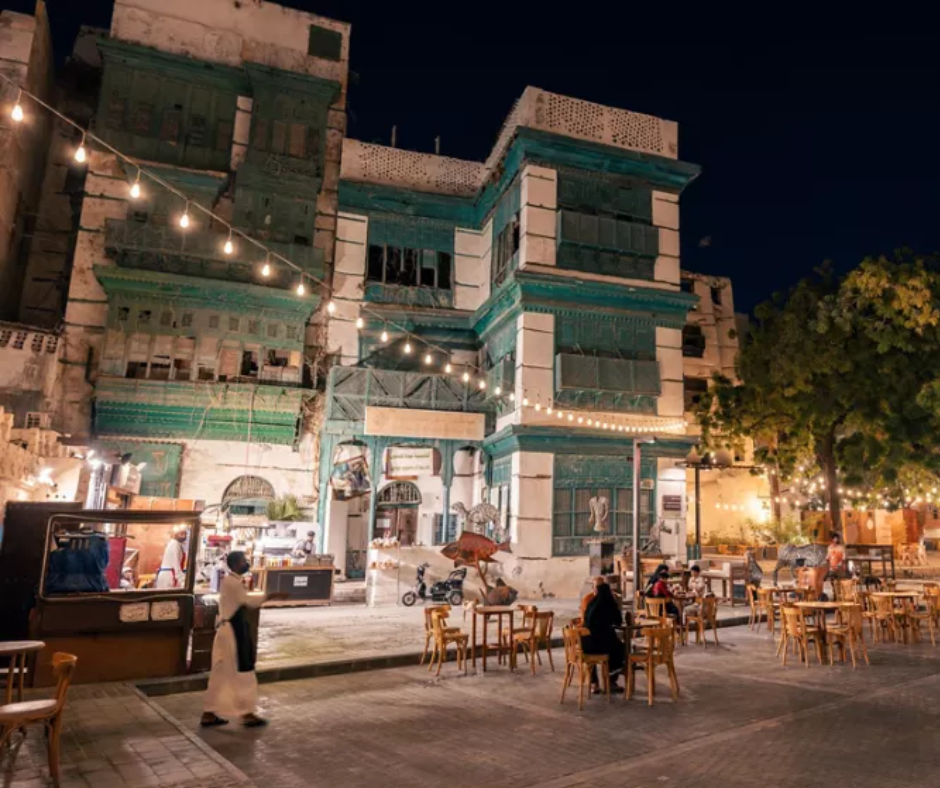
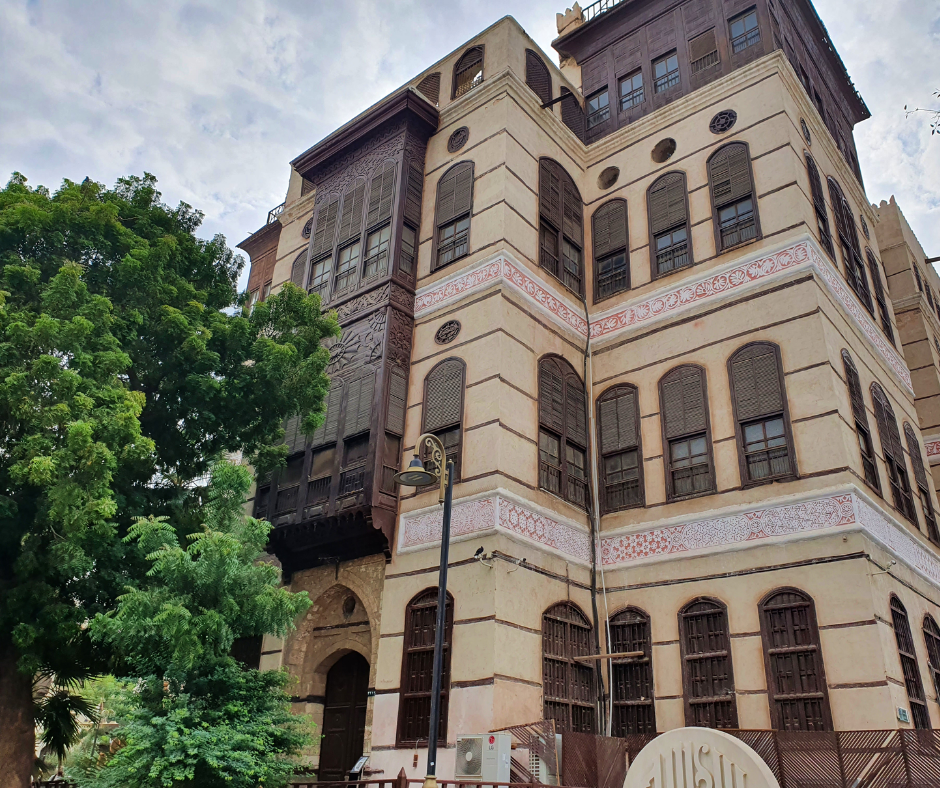
The historic heart of the city is Al-Balad, where you will see the iconic Roshan balconies. These intricate wooden latticework windows were designed to allow sea breezes to cool the homes while maintaining the privacy of the residents inside.
The architecture here uses coral stone from the Red Sea, which gives the buildings a unique texture and color. We suggest you visit Nassif House, which once hosted King Abdulaziz.
The building is designed with wide ramps instead of stairs so that camels could carry supplies directly to the upper floors. It now serves as a museum and cultural center, providing a window into the life of elite merchant families in the 19th century.
Al-Balad is most active in the late afternoon and evening. The alleys fill with the scent of spices and the sound of vendors calling out their wares. You will find that Jeddah’s culture is more focused on the sea, which is reflected in the food and the more relaxed social norms. It is a place where you can spend hours getting lost in the narrow lanes, discovering small art galleries tucked into restored heritage buildings.
Read also: The Best Jeddah Itinerary you can Spend in 3-4 Days
And: Top Things to Do in Jeddah with Travel and Stay Tips
A Deep Dive into Saudi Culinary Traditions
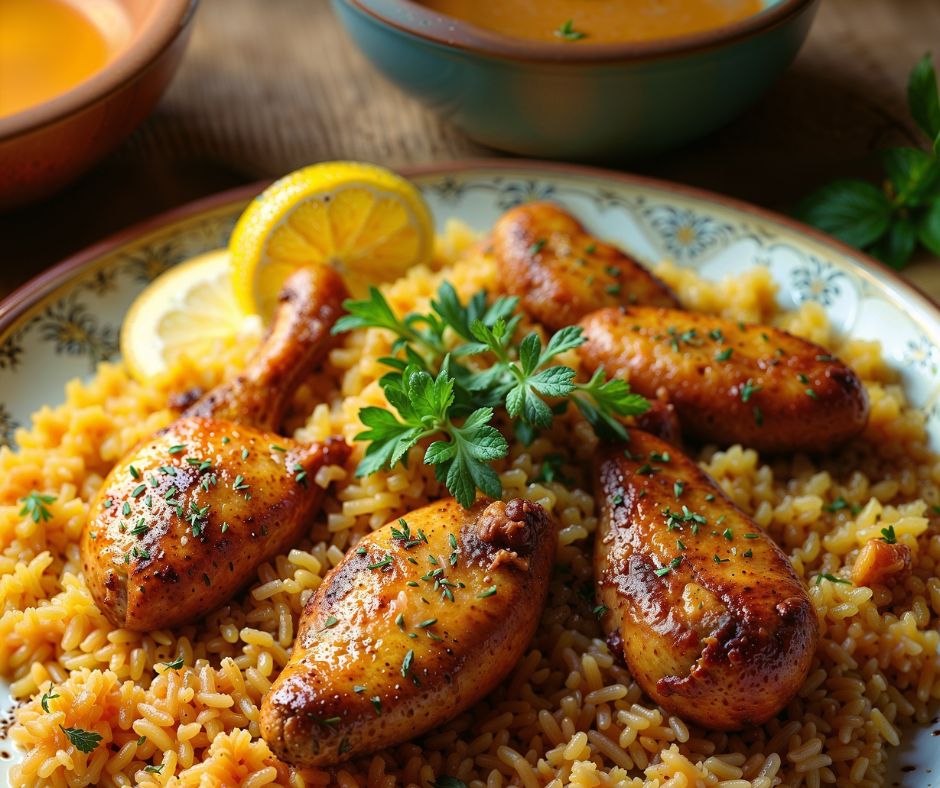
Eating in Saudi Arabia is a communal activity that tells a story of the land and its history. The national dish, Kabsa, is a perfect example of this. It consists of long-grain rice cooked with meat, vegetables, and a blend of spices that often includes black lime, cloves, and cinnamon.
While you can find Kabsa in upscale restaurants, the most authentic experience is in traditional "floor-seating" restaurants where you share a large platter with your companions.
If you are looking for local insights into daily life, explore the street food scene. Sambousek, which are fried or baked pastries filled with meat or cheese, are a staple, especially during the month of Ramadan. You should also try Mutabbaq, a thin, folded crepe stuffed with minced meat, eggs, and green onions. These dishes show the influence of trade and migration, blending flavors from across the Middle East and South Asia into something uniquely Saudi.
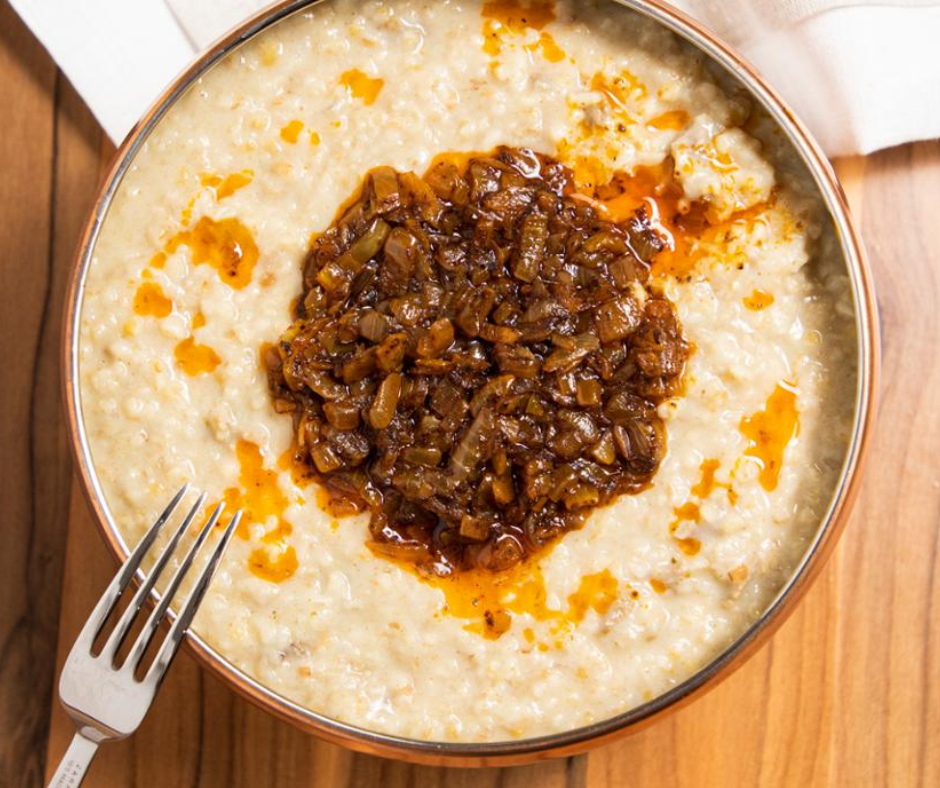
For a more local experience in the central region, look for Jareesh.
This is a savory porridge made from crushed wheat, yogurt, and meat, often topped with caramelized onions. It is a comfort food that has been a staple of the Saudi diet for generations. We recommend pairing your meals with Laban, a refreshing yogurt drink, or a pot of mint tea to balance the spice and heat of the food.
Read also: Street Food in Riyadh: The Ultimate Guide to Authentic Local Eats
Festivals and Modern Cultural Expression
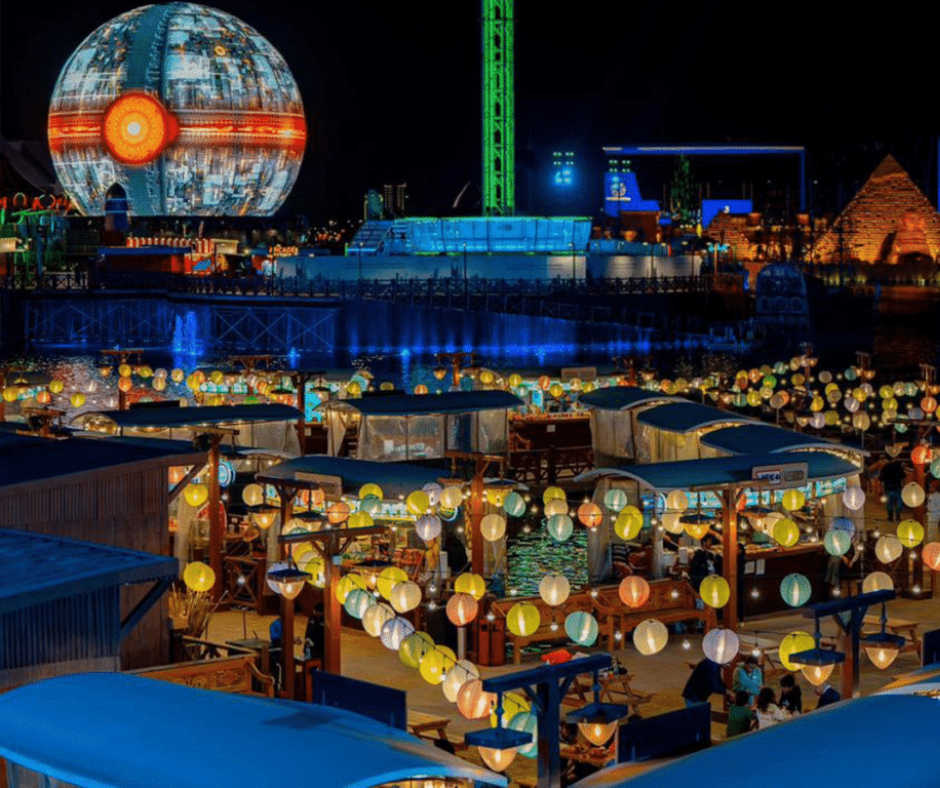
Saudi Arabia is currently experiencing a massive shift in how it presents culture through large-scale festivals. Riyadh Season is the largest of these, turning the capital into a massive entertainment hub from October to March.
The festival is divided into "zones," such as the Boulevard World or VIA Riyadh, each offering different themes ranging from international food to high-end shopping and live performances. We suggest you check the official app for tickets and schedules, as popular events sell out weeks in advance.
In the north, Winter at Tantora in AlUla provides a more refined cultural experience. This festival focuses on music, art, and heritage, often featuring world-class performers at the Maraya concert hall.
Maraya is a feat of modern engineering, covered entirely in mirrors that reflect the surrounding desert landscape, making the building itself a piece of contemporary art. It represents the new Saudi approach of using modern architecture to highlight natural beauty.
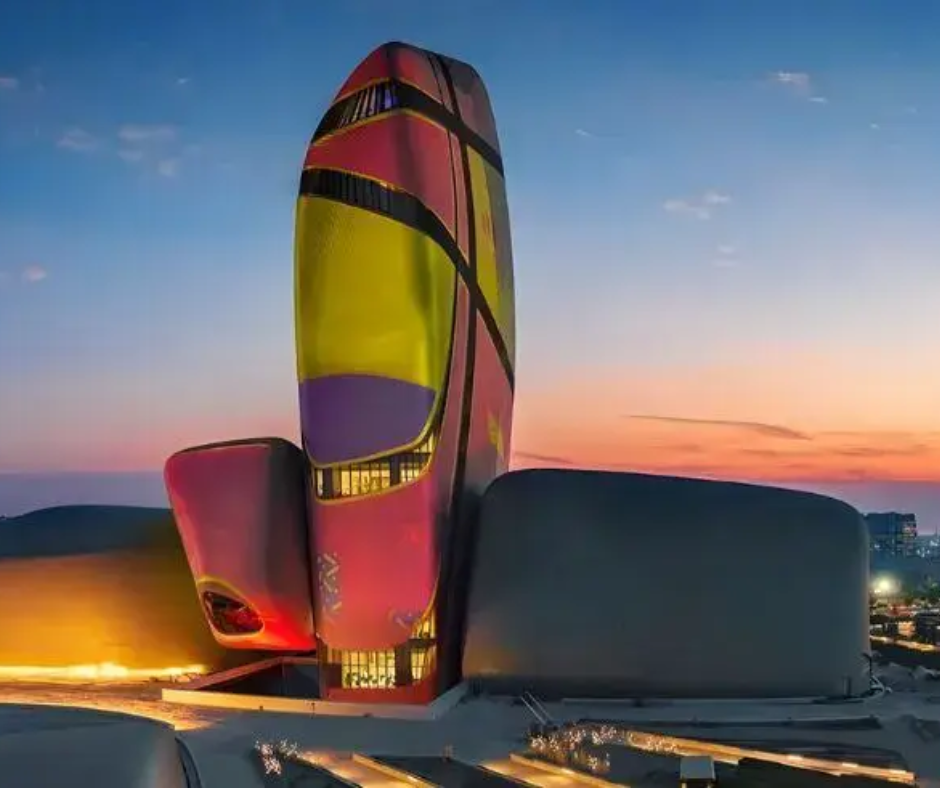
To see the future of Saudi art, a visit to Ithra in Dhahran is essential. The King Abdulaziz Center for World Culture is a hub for film, theater, and contemporary art. Unlike the heritage sites, Ithra is focused on what Saudi artists are creating today.
The center hosts workshops and exhibitions that tackle modern themes of identity and technology, providing a platform for the next generation of Saudi creatives.
Practical Strategies for Your Cultural Expedition
To make the most of your time, we recommend you plan your trip between November and February. The temperatures during these months are typically between 15°C and 25°C, which is ideal for walking through Al-Balad or hiking at the Edge of the World. If you visit during the summer, you will find that most cultural life moves indoors or happens late at night to avoid the heat.
When you are exploring the souks or traditional markets, keep small bills with you. While credit cards are widely accepted in malls and major stores, small vendors in the markets often prefer cash. This is also where you can practice the art of haggling. Start by asking the price and then counter with a lower offer in a friendly, respectful manner. It is a social game, and a smile will often get you a better deal than being aggressive.
We also suggest you use ride-hailing apps like Uber or Careem to get around the major cities. These apps are reliable and take the stress out of navigating traffic or explaining your destination to a driver who might not speak English. For longer trips between cities, consider the high-speed Haramain Railway if you are traveling between Jeddah and Madinah, or domestic flights for reaching AlUla and Abha.
By following these cultural cues and visiting these key sites, you will find that Saudi Arabia is a place of deep layers and unexpected connections. You can use our more detailed itineraries to plan your specific route through Riyadh or Jeddah to ensure you don't miss the smaller details that make this country unique. We are here to help you build a journey that is as smooth as it is insightful.
If you have more questions about specific regions or need a hand with logistics, you can always reach out to us at WildyNess. We can help you create a personalized itinerary that matches your interests, whether you want to focus on ancient history, modern art, or the best street food in the Kingdom. Just send us an email and we will start planning your next adventure together.
If you are a solo traveler, we suggest you read this: Solo Travel in Saudi Arabia: The Ultimate Guide in 2026