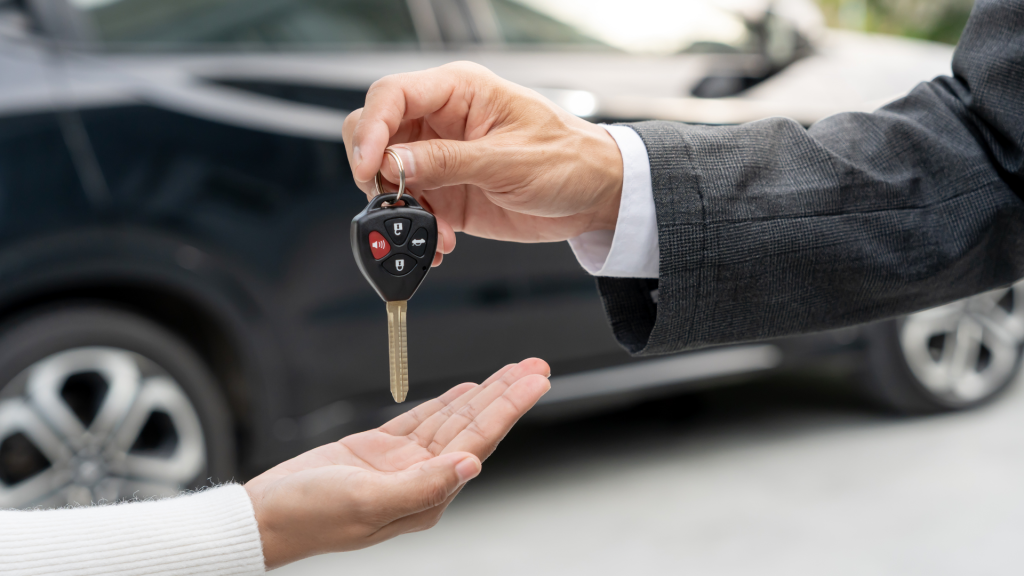

The prospect of navigating Riyadh for the first time can feel overwhelming given its sprawling layout and fast-paced traffic culture. Many travelers experience a sense of hesitation when deciding whether to rely on ride-sharing apps or take the wheel themselves in a city where public transport is still evolving.
That is why our team at WildyNess created this guide to simplify every step of the rental process and give you total autonomy.
Critical Requirements and Legal Documents for 2026
Renting a vehicle in the Kingdom requires a specific set of paperwork that varies slightly depending on your residency status and the type of visa you hold. Ensuring these are in order before you reach the rental counter prevents the frustration of being turned away after a long flight.
Mandatory Identification and Licensing
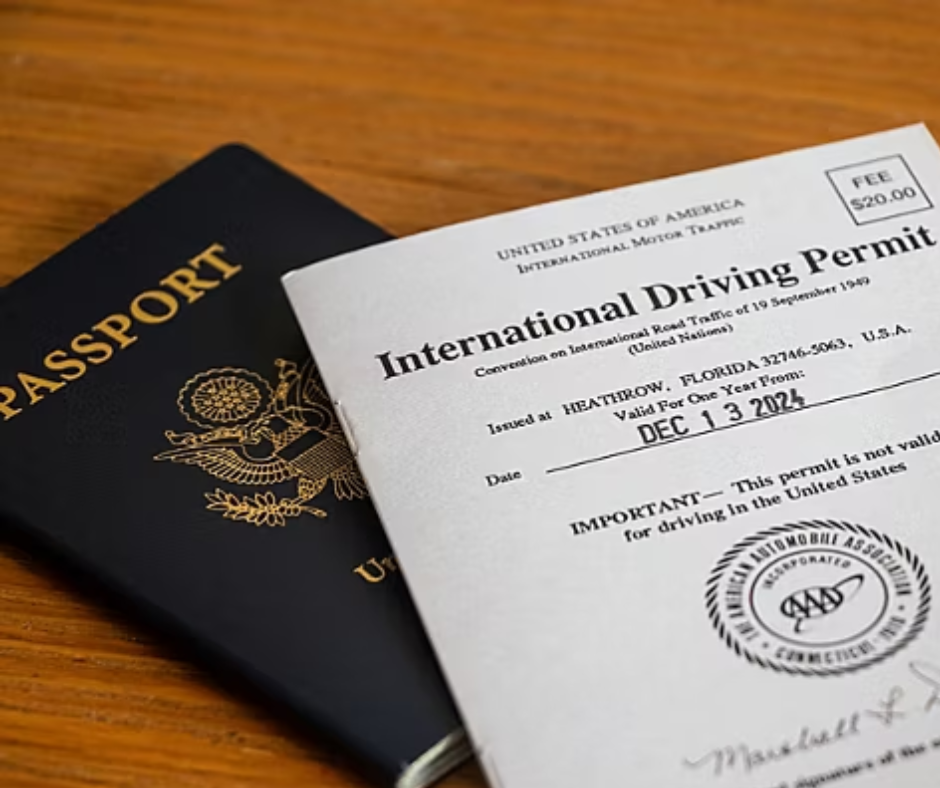
If you are visiting Saudi Arabia on a tourist eVisa, you must present your original passport along with a valid national driver’s license from your home country. For most international visitors, an International Driving Permit is also a strict requirement because it serves as a legal translation of your license.
While citizens of the United States, United Kingdom, European Union, and GCC countries can technically drive for up to one year on their original licenses, almost all major rental agencies in Riyadh still demand an IDP to satisfy their insurance underwriters.
You should also ensure that your license has been held for at least one year and that you are at least 21 years old, as these are standard age and experience thresholds for car rentals across the city.
Financial Requirements and Insurance Coverage
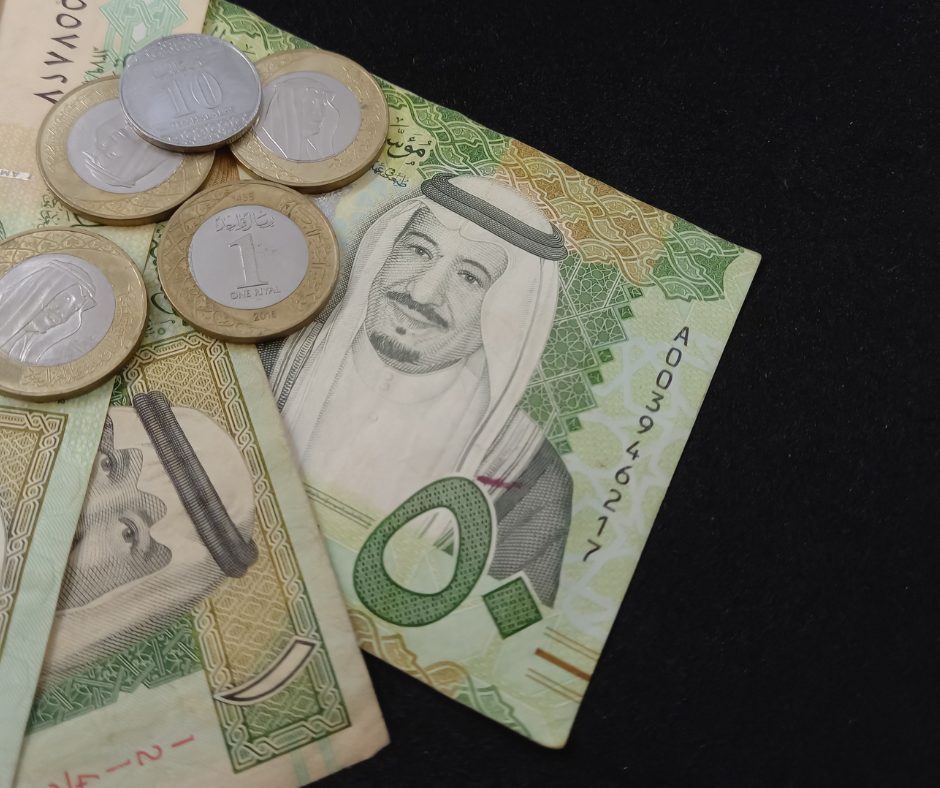
A physical credit card in the name of the primary driver is non-negotiable for the security deposit. Rental companies will place a hold on your card ranging from 1,000 to 3,000 SAR depending on the vehicle class.
Debit cards and cash are rarely accepted for deposits even if they are allowed for the final payment of the rental fee.
Regarding insurance, every rental includes basic third-party liability by law. However, you should strongly consider purchasing a Collision Damage Waiver to reduce your deductible.
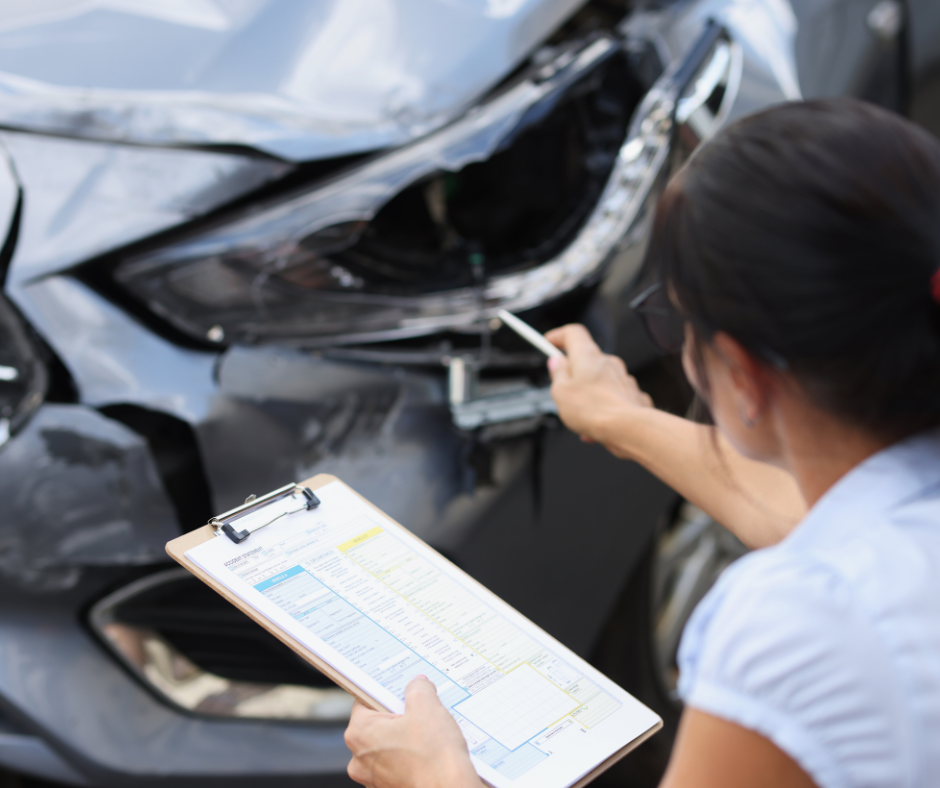
In the event of an accident, you must obtain a police report through the Najm app or by calling the authorities, otherwise your insurance coverage becomes void and you will be held liable for the full cost of repairs.
Selecting Your Pickup Location in Riyadh
Choosing where to collect your vehicle can significantly impact your initial experience with Riyadh traffic and your overall trip budget. Most travelers prefer the convenience of the airport, but city-center locations offer their own set of advantages.
King Khalid International Airport Arrivals
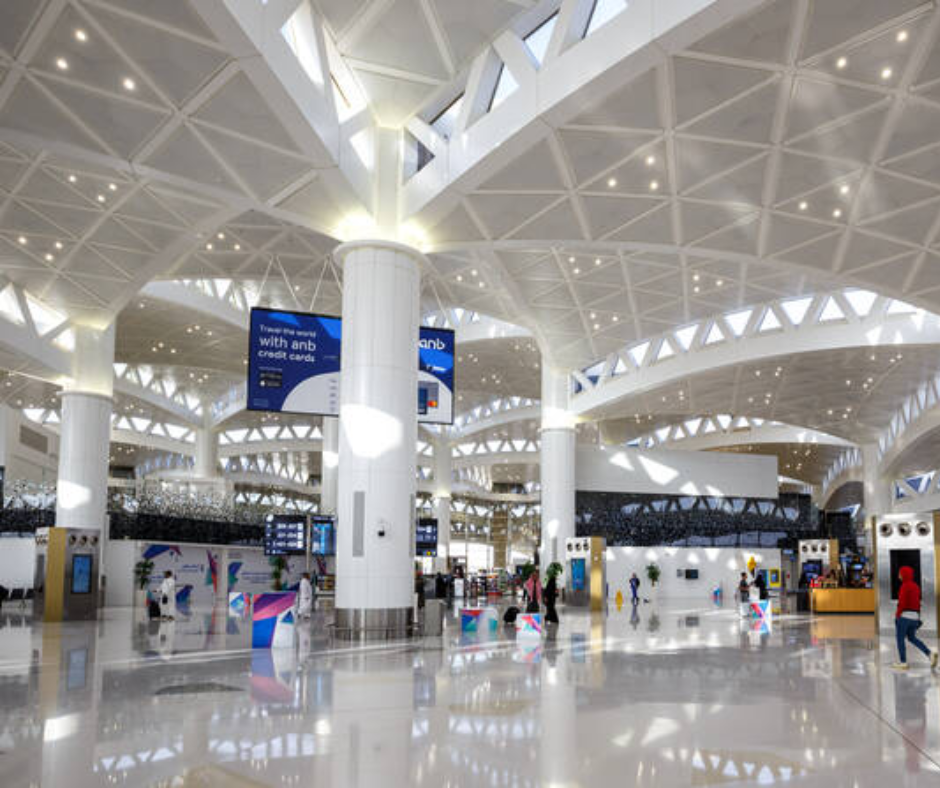
King Khalid International Airport serves as the primary hub for car rentals with desks located in the arrivals halls of Terminals 1, 2, and 5.
Major international brands like Hertz, Avis, and Budget operate here 24 hours a day.
It is advisable to book your vehicle at least one week in advance during peak winter months to ensure your preferred category is available.
City Center Branches and Local Providers
If you prefer to take a taxi to your hotel first and start driving later, you can find numerous rental branches in the Olaya and Al Sulimaniyah districts. Local companies like Key Car Rental and Yelo often provide competitive rates and may offer more flexibility with pick-up and drop-off times.
These urban branches are excellent for those who only need a car for specific days of their trip, such as a weekend excursion to the desert. When renting from local providers, always double-check the mileage limit, as some contracts include only 200 or 300 kilometers per day with steep charges for any distance beyond that.
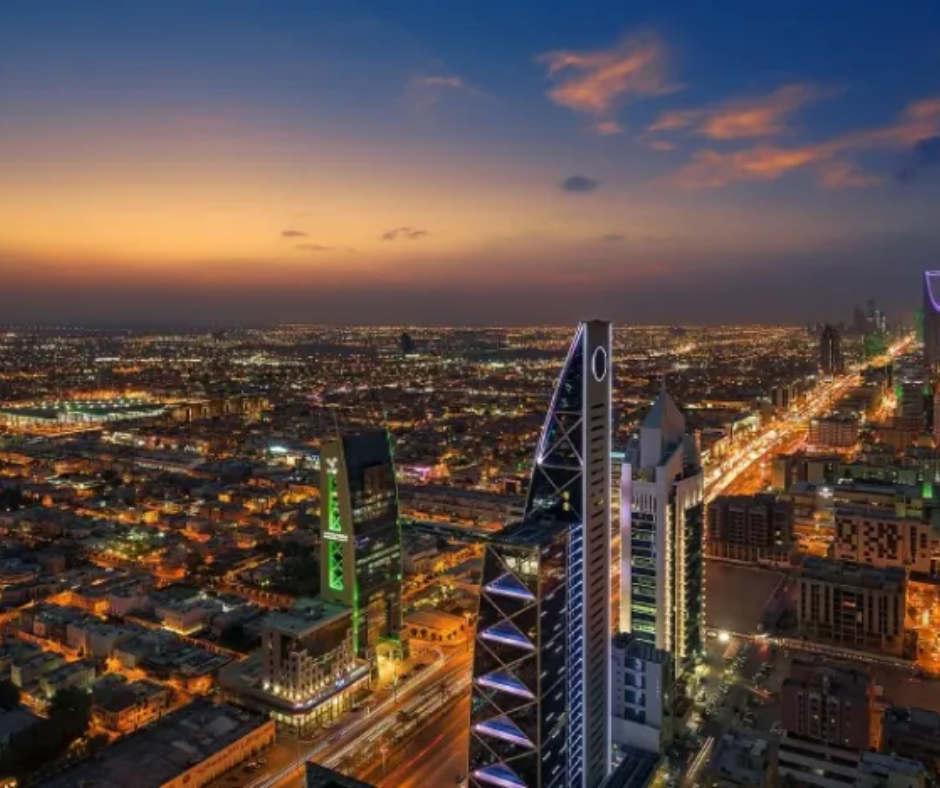
Matching the Vehicle to Your Riyadh Adventure
The diversity of the terrain in and around the capital means that your choice of car should be dictated by your specific travel plans. A vehicle that excels in the narrow streets of the historical district might not be suitable for the rocky paths leading to natural landmarks.
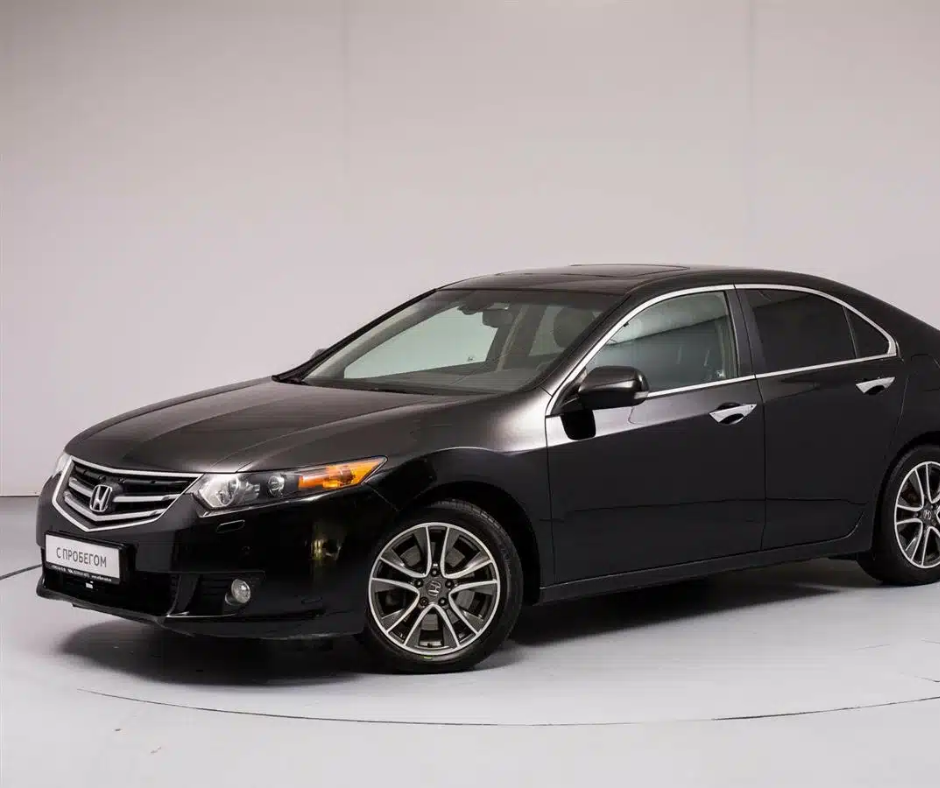
Compact Sedans for Urban Exploration
For those planning to spend the majority of their time within the city limits visiting malls, business districts, and museums, a standard sedan or compact car is the most practical choice. These vehicles are easier to park in tight spots and are more fuel-efficient during the heavy stop-and-go traffic common on King Fahd Road.
Most modern sedans in the rental fleets are equipped with high-functioning air conditioning systems and updated navigation technology. This category is perfect for solo travelers or couples who prioritize ease of movement and budget-friendliness over interior space.
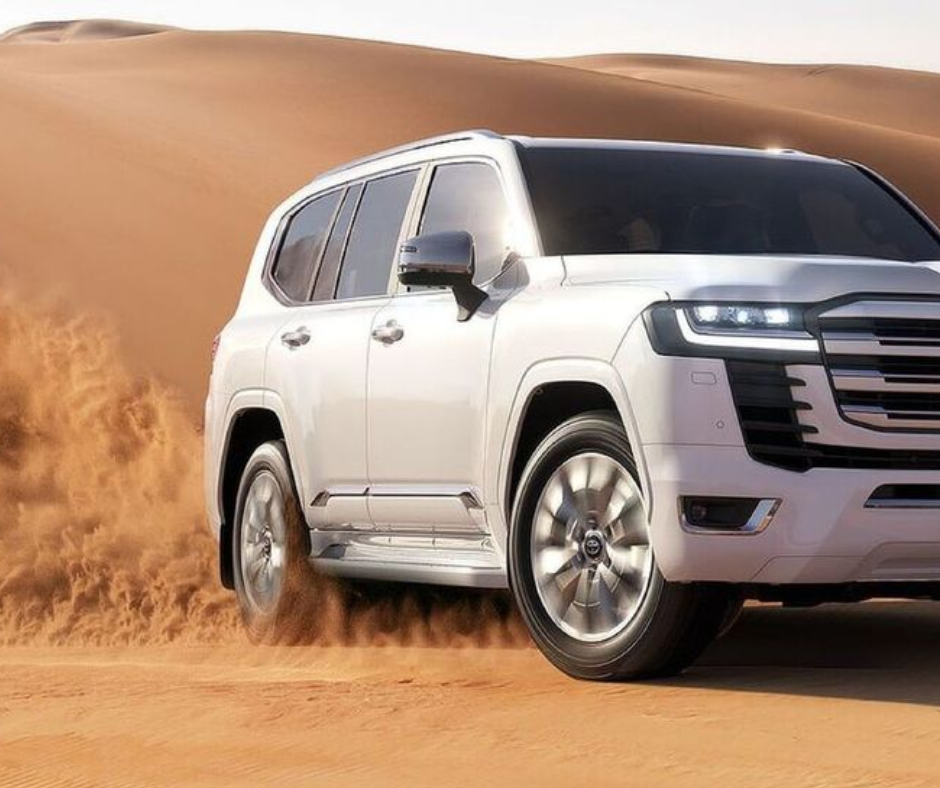
Four-Wheel Drive SUVs for Desert Treks
If your heart is set on visiting the Edge of the World or exploring the sand dunes of the Thumamah National Park, a 4x4 vehicle is essential. A standard sedan does not have the ground clearance or the traction required to navigate the loose gravel and sand found outside the city.
Large SUVs also provide better visibility on high-speed highways and more comfort for groups carrying heavy luggage. When booking an SUV, confirm with the agent that the vehicle is a true four-wheel drive rather than a front-wheel-drive crossover, as the latter will still struggle in deep sand.
Navigating Traffic and Understanding Local Road Culture
Driving in Riyadh is a unique experience that requires a blend of technical skill and cultural awareness. The city’s road network is sophisticated, but the behavior of other drivers can be unpredictable for those used to quieter environments.
Peak Hours and High-Speed Highways
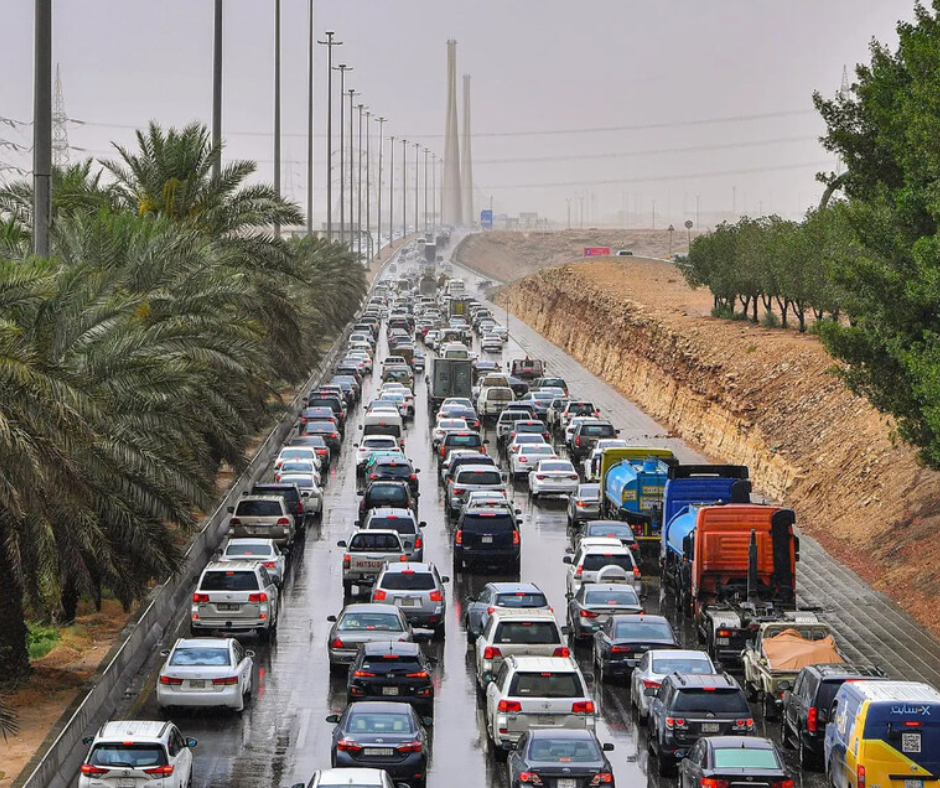
Riyadh follows a distinct rhythm where traffic peaks between 7:30 and 9:30 in the morning and again from 4:30 to 8:30 in the evening. Thursday nights are particularly busy as residents head out for weekend dining and social events.
The city is connected by massive multi-lane highways where the speed limits reach 100 or 120 kilometers per hour. It is common for faster drivers to flash their high beams as a signal that they wish to pass in the left lane.
You should move to the right as soon as it is safe to do so. Using navigation apps like Google Maps or Waze is vital because they provide real-time updates on accidents and construction detours.
Cultural Etiquette and Driving Norms
There are several local customs that travelers should recognize to drive safely. For example, drivers often turn on their hazard lights to indicate a sudden slowdown or a complete stop ahead on the highway.
During the five daily prayer times, you may notice some smaller shops close and traffic patterns shift slightly as people head to mosques. While most signage is in both Arabic and English, some older areas may lack clear markings.
Always maintain a respectful distance from other vehicles and avoid using your horn aggressively, as local driving culture values a certain level of patience despite the high speeds.
The Saher System and Traffic Enforcement
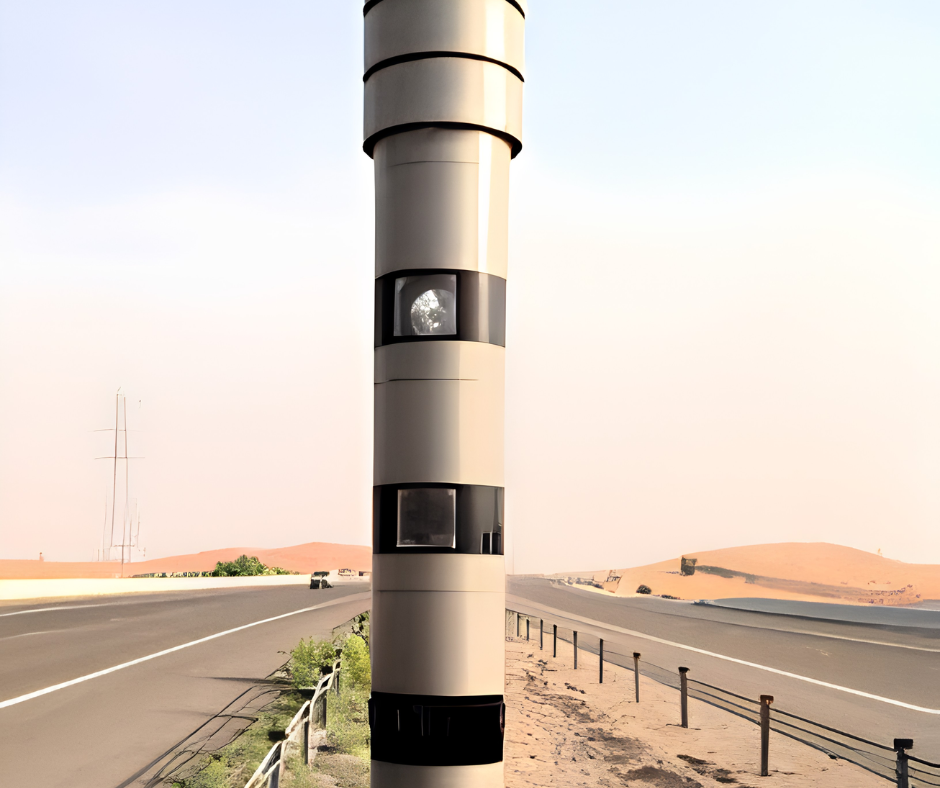
Saudi Arabia utilizes one of the most advanced automated traffic monitoring systems in the world, known as Saher.
Speeding and Signal Violations
The Saher system uses fixed and mobile cameras to track vehicle speeds with extreme precision.
Running a red light is considered a severe offense and carries a minimum fine of 3,000 SAR.
Always adhere to the posted limits to avoid significant unexpected costs at the end of your trip.
Seatbelts and Mobile Phone Usage
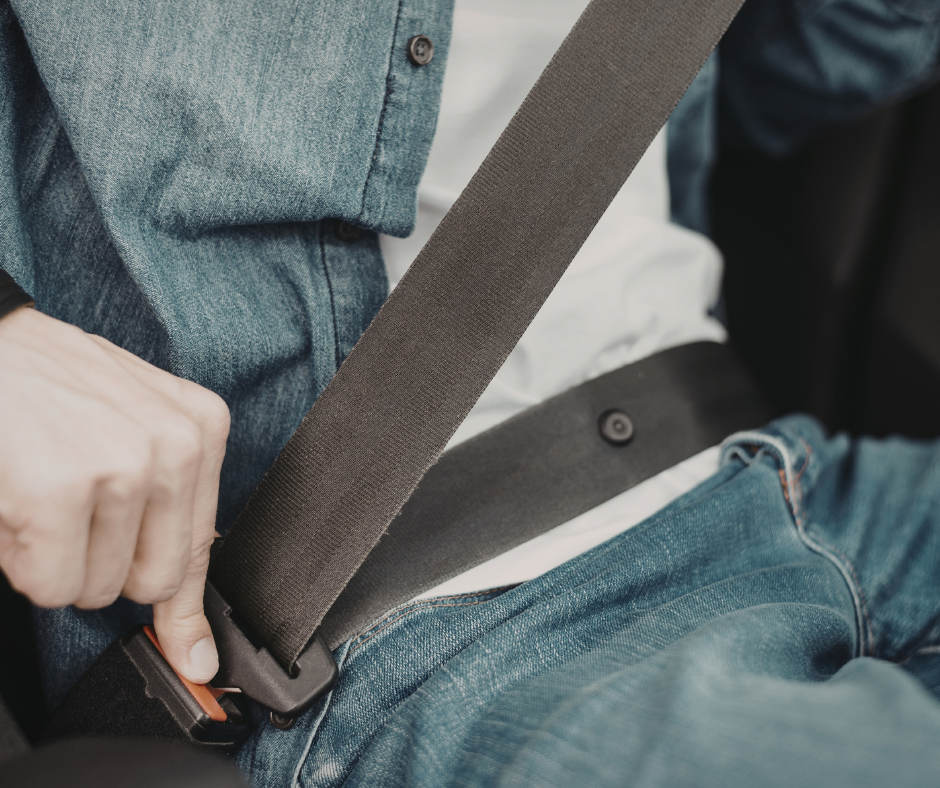
In recent years, the enforcement system has expanded to include AI-powered cameras that detect whether the driver and front-seat passenger are wearing seatbelts.
These same cameras can also identify if a driver is holding a mobile phone.
For a seamless and well-planned trip, you can pair these driving tips with our 3 Days Riyadh Itinerary Guide to ensure you see the best of the city without any logistical stress.
Practical Fueling and Parking Strategies
Managing the logistics of fuel and parking will save you time and prevent minor headaches during your daily excursions. Riyadh is well-equipped with modern facilities, but knowing how to use them efficiently is key.
Fuel Stations and Octane Choices
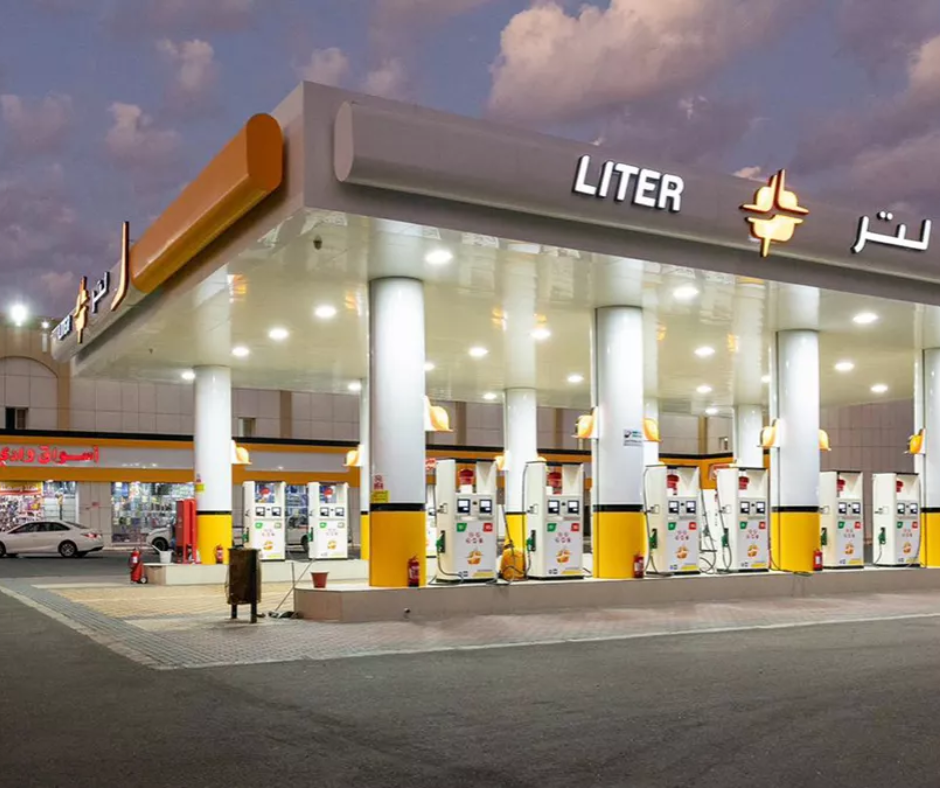
Gas stations are plentiful throughout the city and along all major highways. You will typically find two types of petrol: 91 octane (green pump) and 95 octane (red pump).
Most rental sedans run perfectly on 91, but you should confirm the preference with your rental agent. Many stations are now large complexes that include convenience stores, cafes, and restrooms. While credit cards are widely accepted, it is smart to carry a small amount of cash in case a station's payment terminal is offline.
Always fill your tank before heading into the desert, as stations become much more infrequent once you leave the urban perimeter.
Navigating Mall and District Parking
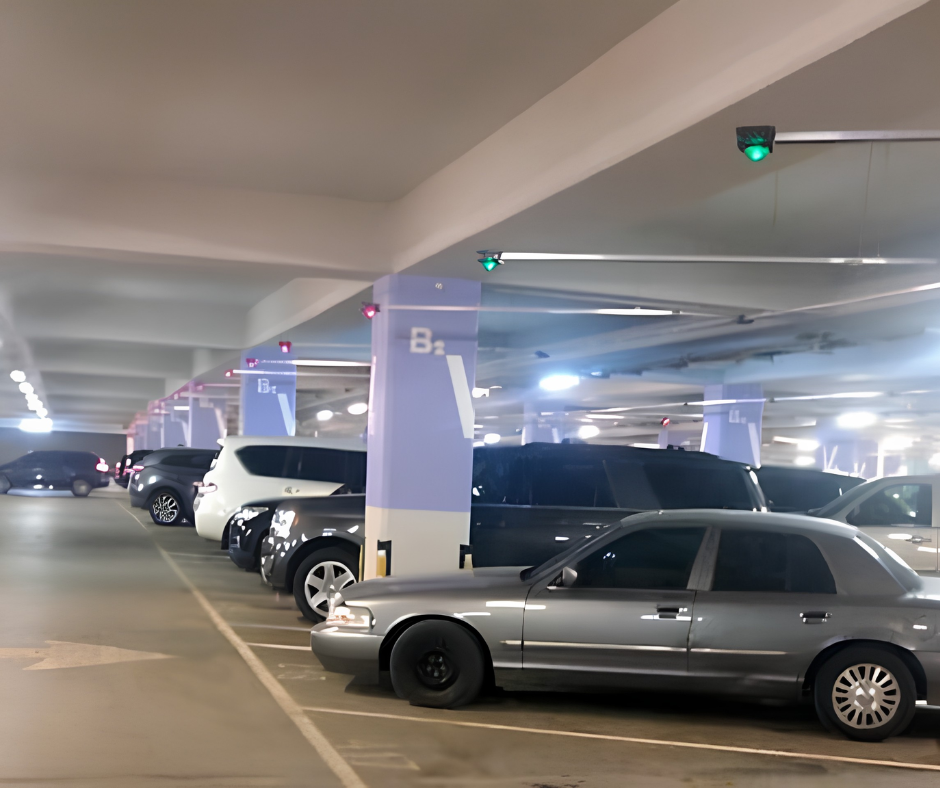
Parking in Riyadh varies greatly by neighborhood. Large shopping malls like Riyadh Park or Kingdom Centre offer massive multi-level parking garages that are usually free for the first few hours.
In busy commercial districts like Tahlia Street, finding a spot can be difficult in the evenings, so using valet services offered by restaurants is often worth the small fee.
When visiting historical sites like Diriyah, look for the designated parking lots and prepare for a short walk to the pedestrian zones. Never park in front of private gates or on sidewalks, as the police are quick to issue fines or tow vehicles that obstruct traffic.
Finalizing Your Rental and Returning the Vehicle
The end of your rental period is just as important as the beginning. Taking a few extra minutes to follow a standard return protocol will protect you from potential disputes regarding the condition of the car.
The Vehicle Inspection Protocol
When you first pick up the car, use your phone to record a slow, detailed video of the entire exterior and interior. Pay close attention to the wheels, the underside of the bumpers, and the windshield for any small chips or scratches.
Ensure the rental agent notes every existing mark on the contract. When you return the vehicle, ask the agent to conduct a final walk-around in your presence and provide a signed document stating that the car was returned in the same condition.
This simple step provides you with the evidence needed if any damage claims arise after you have left the country.
Resolving Fines and Final Payments
If you have incurred any traffic fines during your trip, they may not show up in the system immediately. Most rental companies will charge your credit card for these fines several days or even weeks after the rental has ended, often adding an administrative fee.
It is a good practice to check the Absher platform if you have access, or simply ask the rental desk to check for any pending violations upon return.
Ensure you return the car with the same level of fuel as when you started to avoid high refueling surcharges. Once the keys are handed over, keep your final receipt and the signed inspection report for at least three months as a permanent record of your successful rental.
Read also: The Ultimate Road Trip from Riyadh: 6 Iconic Routes
And Riyadh with Family: Best Things to Do & Top Tips for Your Trip