
Deciding when to visit the United Arab Emirates can feel overwhelming when you are trying to balance extreme desert temperatures with specific cultural festivals and school holiday price hikes.
That is why our team at WildyNess created this guide to help you navigate the calendar and choose the perfect window for your Arabian journey.
Understanding the UAE Climate and Seasonal Shifts
The climate in the United Arab Emirates is defined by two primary seasons consisting of a long, hot summer and a pleasant, mild winter. Understanding these shifts is the most important step in planning because the weather dictates exactly which activities will be available to you. While the coastal cities like Dubai and Abu Dhabi experience high humidity, the inland desert areas offer a dryer heat that feels significantly different.
The Peak Winter Season from November to March
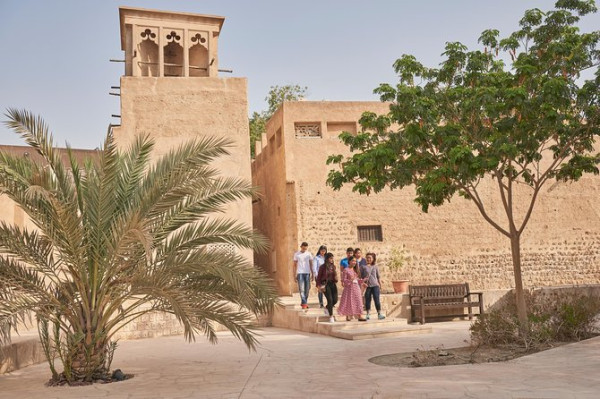
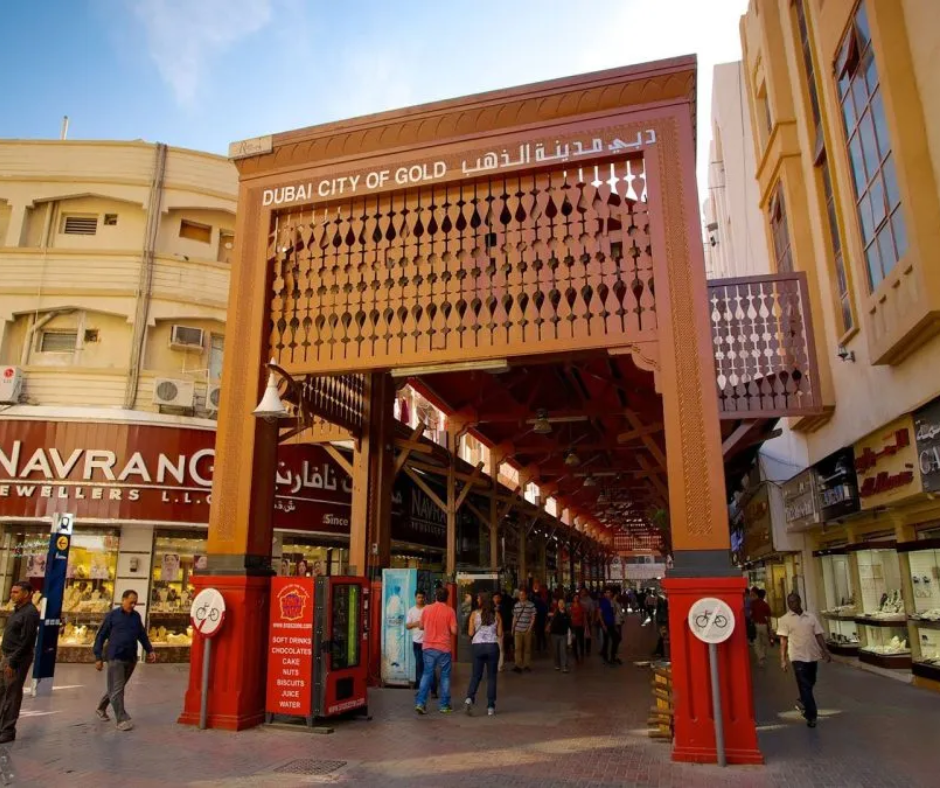
The period from November through March represents the absolute peak of the tourist season for very good reason. During these months, the daytime temperatures usually hover between 20 degrees Celsius and 28 degrees Celsius, making it comfortable to spend the entire day outside. This is the only time of year when you can comfortably hike in the mountains or spend hours exploring the traditional souks without needing frequent breaks in air conditioning.
The evenings during winter can actually become quite chilly, particularly if you are out in the open desert or up in the Hajar Mountains. You will find that the sky is almost always clear and blue, providing the perfect backdrop for photography and outdoor dining. Because this is the most popular time to visit, you should expect larger crowds at major landmarks and higher prices for premium accommodation.
Read also: Souks in UAE: The Complete Guide to Emirati Markets
The Transitional Shoulder Months of April and October
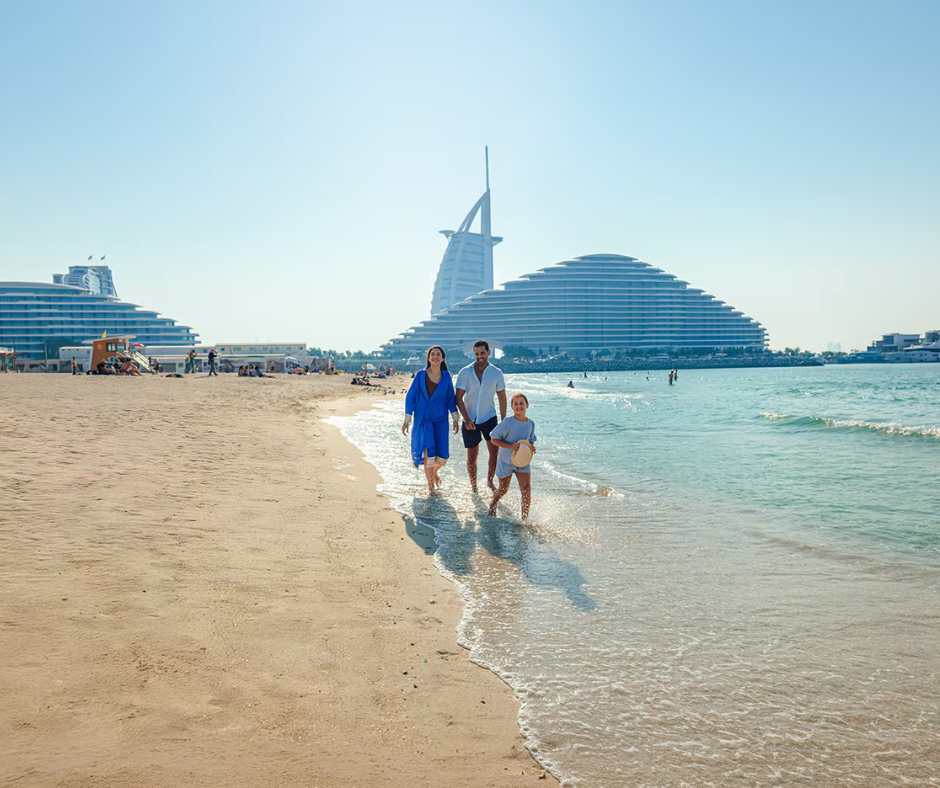
If you are looking for a balance between manageable weather and lower prices, the shoulder months of April and October are excellent choices. During these times, the heat is certainly present as temperatures often climb into the mid-thirties, but it has not yet reached the extreme levels of mid-summer. These months are particularly favored by those who enjoy water sports like kitesurfing or paddleboarding because the sea temperature is nearly perfect.
Mornings and evenings remain very pleasant during the shoulder season, allowing for a split schedule where you explore early and late while resting during the peak heat of the afternoon. You will often find that hotels offer better rates during these windows compared to the December holidays. It is a strategic time to visit if you want to enjoy the beach clubs and outdoor pools without the winter breeze feeling too cool.
Read also: Dubai Summer Guide - 9 Best Things to Do in Dubai
Prime Timing for Desert and Mountain Adventures
For the adventure seeker, timing is not just about comfort but also about safety and access. The desert and the mountains are the heart of the Wildyness experience in the UAE, and they require specific windows to be enjoyed fully. When the temperatures rise, these environments can become inhievable for those who are not properly prepared or acclimated to the heat.
Optimal Windows for Desert Safaris and Camping
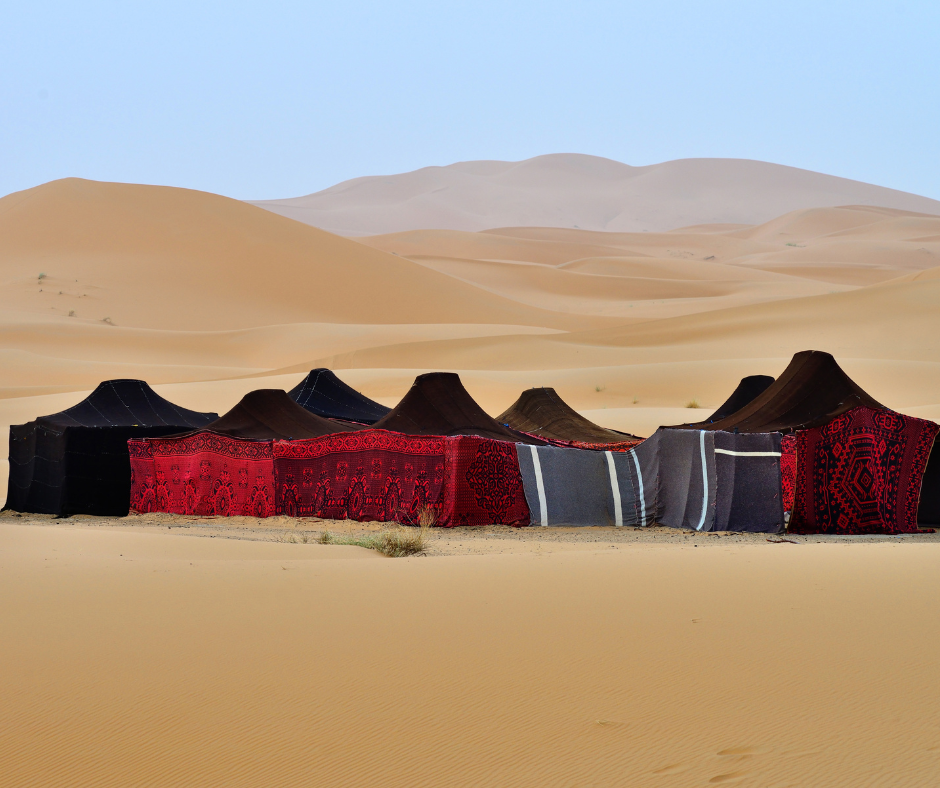
The best time to head into the rolling dunes of the Rub' al Khali or the Lahbab desert is undoubtedly between October and April. An evening safari during these months allows you to enjoy dune bashing and camel trekking followed by a traditional dinner under a canopy of stars without the humidity being a factor. If you are considering an overnight camping experience, the months of December and January provide the most authentic feel as the desert floor cools down significantly at night.
During the hotter months, desert activities are strictly limited to the very early morning hours. A sunrise safari can still be a beautiful experience in May or June, but you must be prepared to head back toward the city by 9:00 AM as the sand begins to reflect the intense heat. For those who want the full desert experience including sandboarding and long walks, the winter window remains the gold standard.
Read also: Desert Camping UAE: The Ultimate Guide to Spots, Gear & Safety
Hiking and Exploring the Hajar Mountains
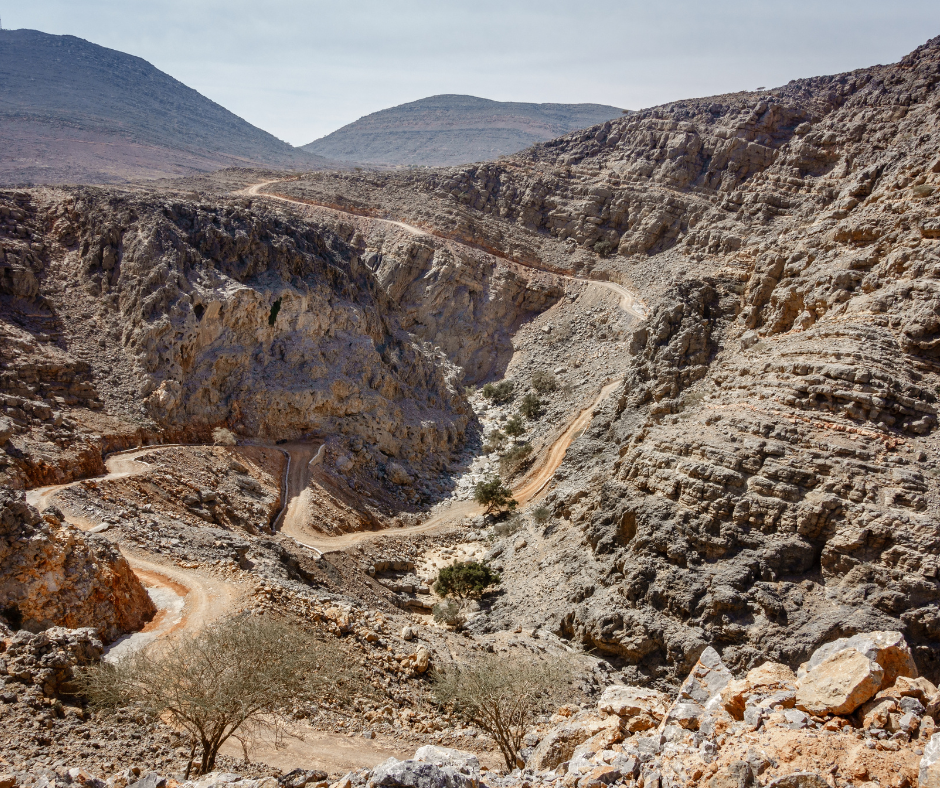
The Hajar Mountains, stretching through Ras Al Khaimah and Fujairah, offer a rugged escape from the urban sprawl. The best time to tackle trails like the Wadi Shawka or the Rainbow Valley in Fujairah is from November to February. These paths offer little shade, so the cooler ambient air is necessary for a safe and enjoyable hike. Our team highly recommends these months for anyone looking to see the greener side of the Emirates that appears after the occasional winter rain.
In the height of summer, mountain hiking is generally discouraged due to the risk of heat exhaustion. However, the East Coast of the UAE, specifically Fujairah, often stays a few degrees cooler than the West Coast. This makes it a popular spot for weekend escapes even in the warmer months, though most activity is centered around the water and diving rather than ascending the rocky peaks.
Read also: Hiking in the UAE | Everything You Need to Know Before You Go
Cultural Events and Religious Calendars
Your experience in the UAE will be deeply influenced by the cultural and religious events that take place throughout the year. The Islamic calendar is lunar, which means that significant events like Ramadan shift by approximately ten or eleven days every year. Planning around these dates is essential if you want to understand the local rhythm and ensure that your favorite attractions are open when you arrive.
Navigating the Holy Month of Ramadan
Traveling during Ramadan offers a unique perspective on the local culture, though it requires some adjustments to your daily routine. During the day, the pace of life slows down significantly, and many locals spend their time in prayer or rest while fasting. You will find that the cities become incredibly quiet during the daylight hours, only to burst into vibrant life after the sun sets and the Iftar meal is shared.
While many restaurants remain open with screened-off areas for non-fasting visitors, it is important to be respectful and avoid eating or drinking in public spaces. The evening atmosphere during Ramadan is truly special, with festive lights and late-night markets staying open until the early hours of the morning. It is a fantastic time for food lovers to experience the diverse range of Middle Eastern cuisines offered at grand Iftar tents across the country.
Celebrating National Holidays and Festivals
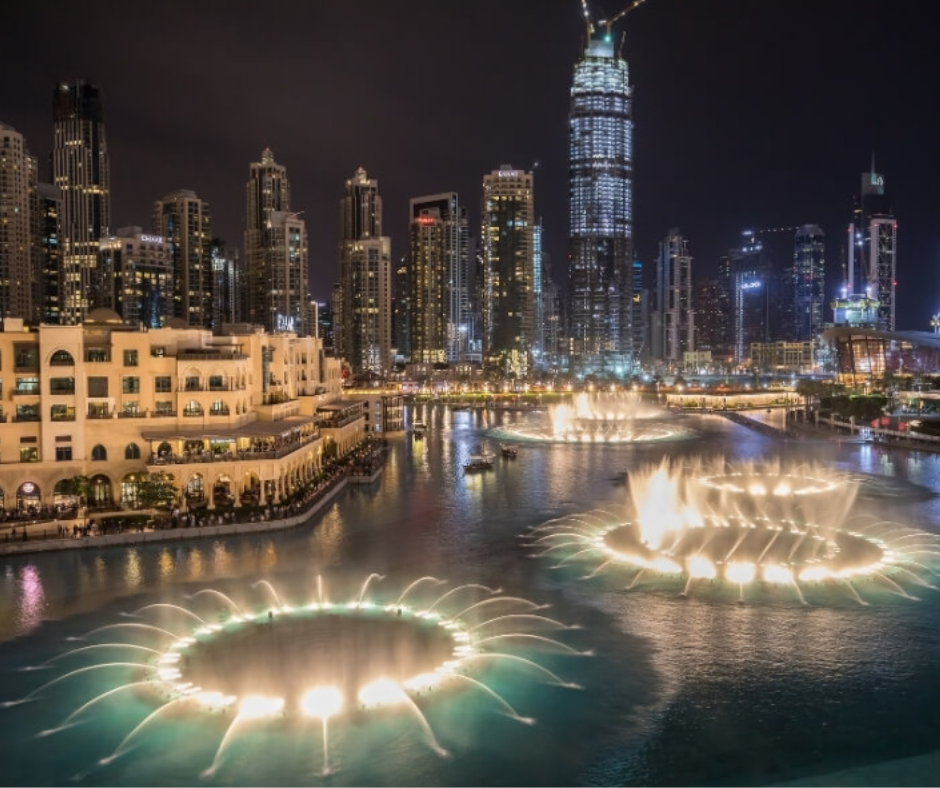
If you enjoy a high-energy atmosphere, timing your visit for UAE National Day on December 2nd is a great move. The entire country is covered in flags, and every city hosts massive parades, air shows, and fireworks displays. It is a period of great national pride and public celebration that visitors are encouraged to join. Similarly, the two Eid holidays provide a festive environment with many malls and theme parks offering extended hours and special performances.
The winter months also host the Dubai Shopping Festival and various heritage festivals in Abu Dhabi, such as the Sheikh Zayed Festival. These events bring together traditional crafts, local food, and international entertainment in an outdoor setting. Because these festivals are designed to be enjoyed in the cool weather, they offer a perfect way to spend your evenings exploring the intersection of modern luxury and traditional Emirati culture.
Strategies for Visiting During the Summer Heat
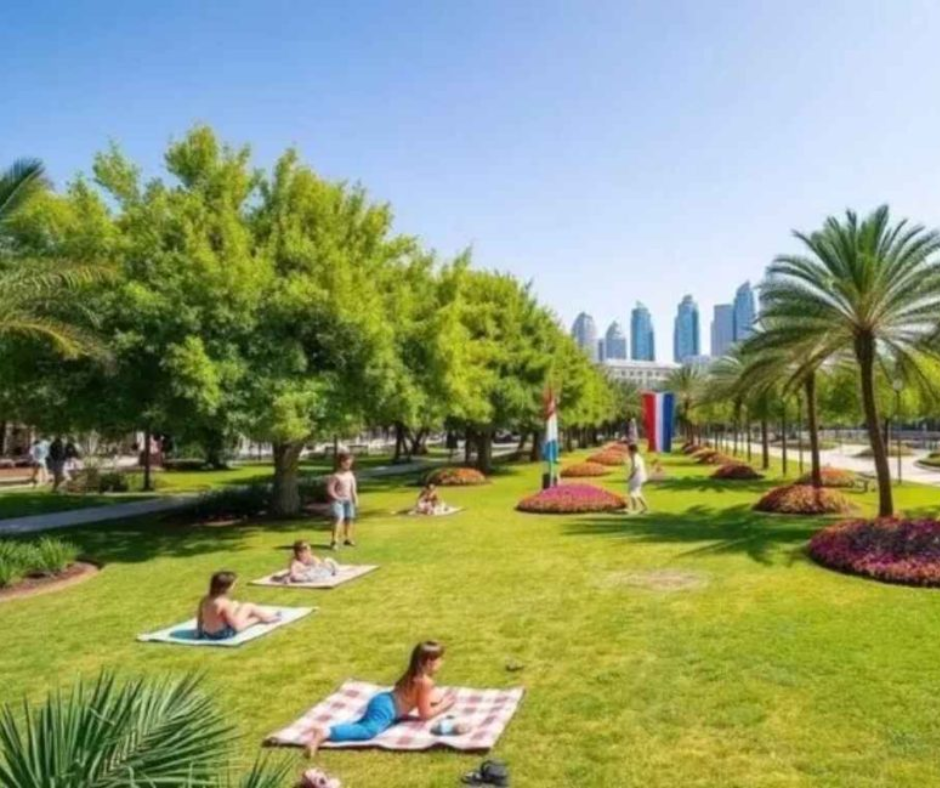
While the winter is the most comfortable time to visit, the summer months from June to September offer their own set of advantages for certain types of travelers. This is the season for deep discounts on luxury hotels and world-class indoor entertainment. If you are prepared to stay indoors and move between climate-controlled environments, you can experience a very high-end version of the UAE for a fraction of the winter cost.
Mastering the Indoor Experience
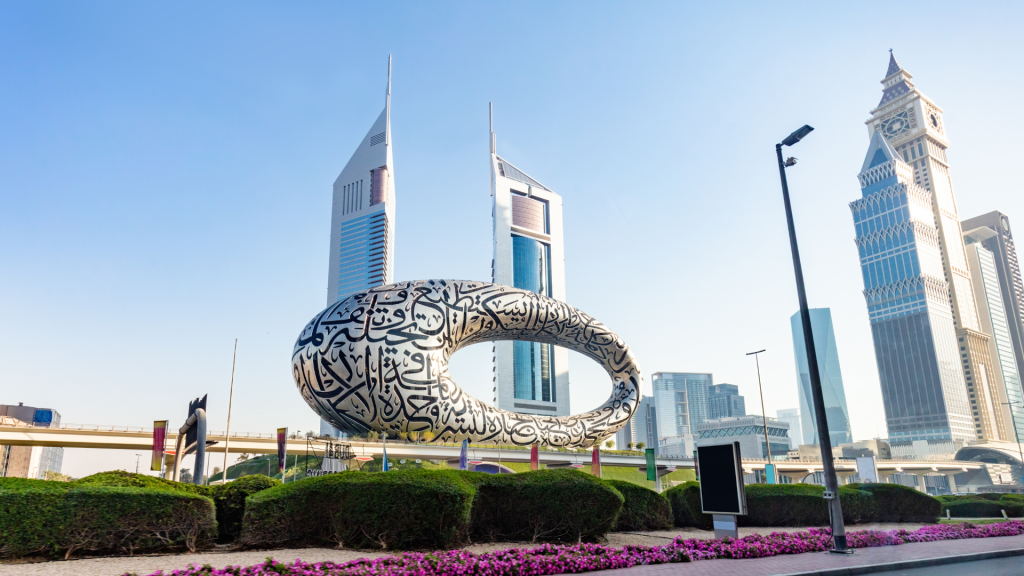
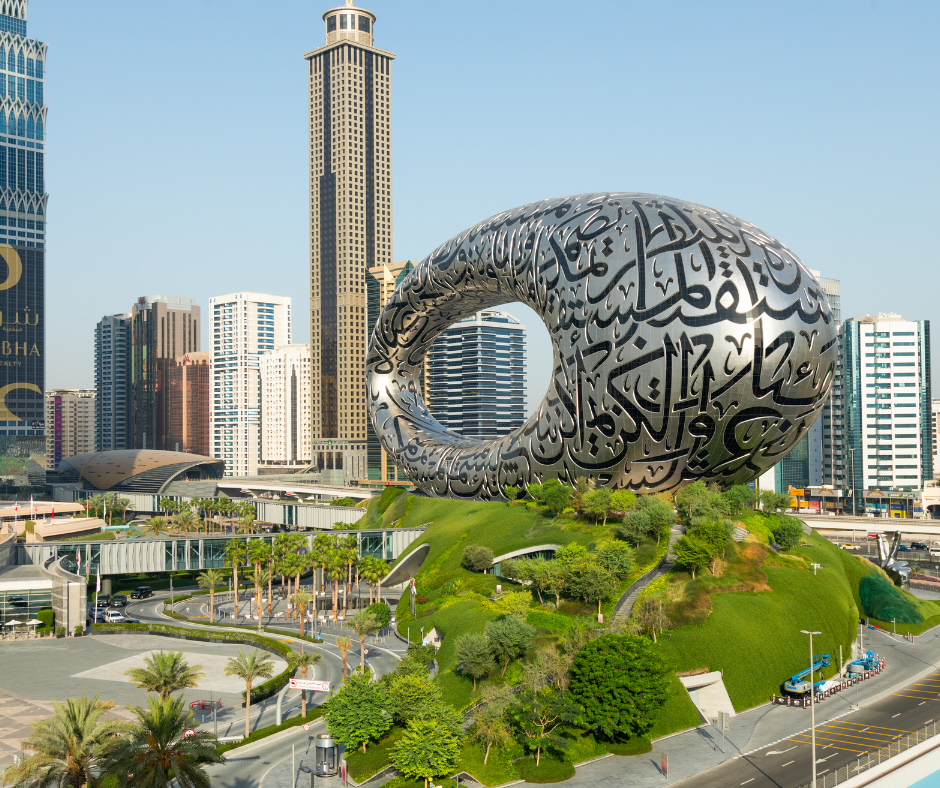
The UAE has perfected the art of the indoor lifestyle, meaning you never have to be bored when the temperature climbs above 40 degrees Celsius. You can spend your days exploring massive cultural institutions like the Louvre Abu Dhabi or the Museum of the Future in Dubai, both of which are fully air-conditioned and designed for comfort. There are also sprawling indoor theme parks and even an indoor ski slope that allow for active fun without any sun exposure.
We suggest focusing your summer itinerary on these indoor marvels and scheduling any necessary outdoor transitions for the very early morning or late evening. Many of the luxury hotels have stunning indoor pools or shaded outdoor areas with cooling systems that make a quick dip possible. It is a different kind of trip, centered more on relaxation and luxury rather than rugged exploration, but it remains a viable option for budget-conscious travelers.
Read also: Dubai Travel Guide: Authentic Things to Do & Practical Tips
Health and Hydration in the Heat
If you do choose to visit during the summer, staying hydrated is your most important task. You should be drinking significantly more water than you think you need, and we always suggest carrying a reusable bottle that can keep your water cold. Adding electrolytes to your drinks is a smart move if you are doing any walking, even if it is just between a taxi and a building entrance.
Sun protection is equally vital during these months. Even a short walk in the midday sun can lead to a burn, so high SPF sunscreen and light, breathable clothing are essential. Most people find that wearing loose cotton or linen fabrics is actually cooler than leaving skin exposed to the direct sun. By following these simple health strategies, you can enjoy the summer offerings of the UAE without any physical setbacks.
Practical Tips for Your Final Itinerary
As you finalize your plans, there are a few expert tips that can make your journey smoother and more enjoyable. The UAE is a fast-moving country where things change quickly, so staying flexible and informed is the best way to travel. Whether you are looking for a high-adrenaline desert adventure or a quiet cultural retreat, these final considerations will help you refine your schedule.
Booking Logistics and Transportation
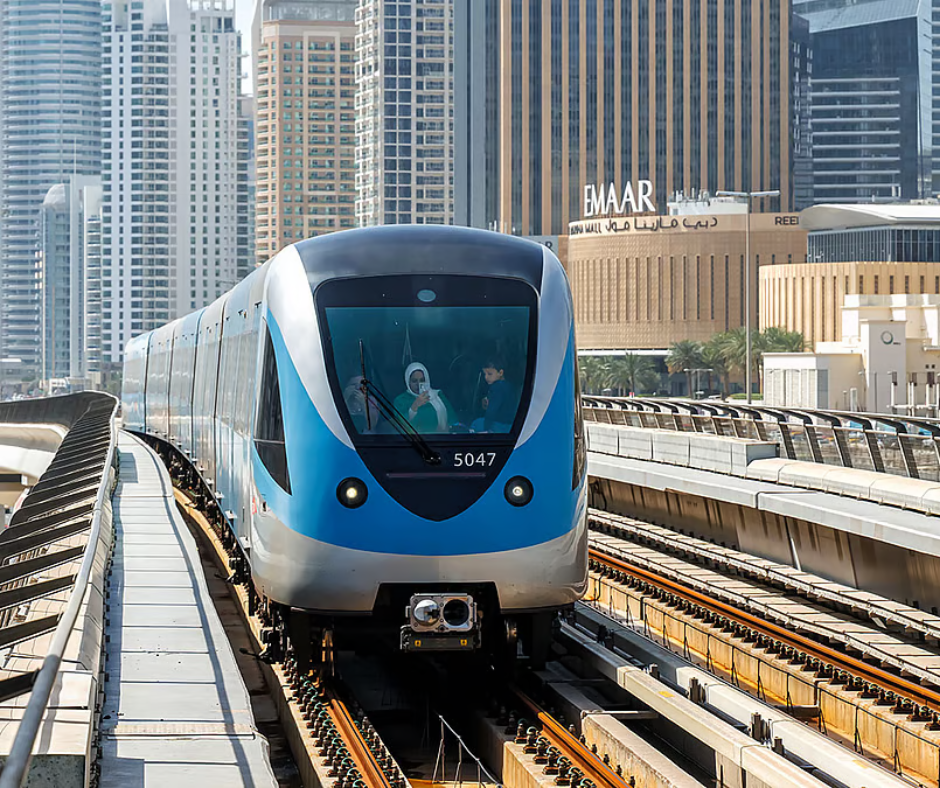
For those visiting during the peak winter months, we recommend booking your flights and desert safaris at least three months in advance. The best guides and the most popular camps fill up quickly when the weather is perfect. If you are planning to use the Dubai Metro, try to avoid the peak commuting hours in the morning and evening to ensure a more comfortable ride. For longer journeys between cities, ride-hailing apps are very reliable and offer a fixed price that is easy to manage.
You should also keep in mind that the weekend in the UAE currently runs from Monday to Friday, with Friday afternoon being a significant time for communal prayers. Some smaller shops might close for a few hours on Friday afternoon, but the major malls and attractions remain open. Saturday and Sunday are the busiest days for local leisure, so if you want to visit a popular beach club or water park, a Tuesday or Wednesday will usually be much quieter.
Packing for the Unique Environment
Packing for the UAE requires a bit of strategy because you have to account for both the heat and the intense air conditioning. We always suggest bringing a light sweater or a pashmina even in the middle of summer because the malls and cinemas can feel quite cold. For outdoor adventures, a pair of sturdy closed-toe shoes is essential for the rocky mountain trails and the hot desert sand.
If you plan on visiting any religious sites like the Sheikh Zayed Grand Mosque, remember that modest dress is required for both men and women. Having a light scarf in your bag is a quick and easy way to meet these requirements when needed. By packing layers, you will be prepared for everything from a sunrise hike to a high-end dinner at a rooftop lounge.
If you have any further questions about the best time for your trip, you can contact us through our website or email us directly to begin planning your next adventure.
Using this guide as your foundation, you are now ready to experience the very best that the United Arab Emirates has to offer regardless of which month you choose to visit.