Tracking down and choosing between the UAE’s scattered national parks can feel incredibly overwhelming. Because these protected reserves span across different emirates, each maintaining its own unique ecosystem, distinct entry regulations, and strict seasonal access windows, finding reliable and centralized information is often the hardest part of planning your journey.
That is why our team at WildyNess created this guide. We have compiled a comprehensive directory of the country's wildlife reserves alongside the exact seasonal timing windows and digital booking steps you need to explore them with absolute certainty.
Comprehensive Directory of UAE National Parks and Wildlife Reserves
Coastal Wetlands and Marine Ecosystems
To understand the biodiversity of the region, you must first look at the coastal zones where saltwater systems support specialized vegetation and extensive avian populations. These low-lying reserves provide critical stopover points for migratory birds traveling along global flyways.
Ras Al Khor Wildlife Sanctuary
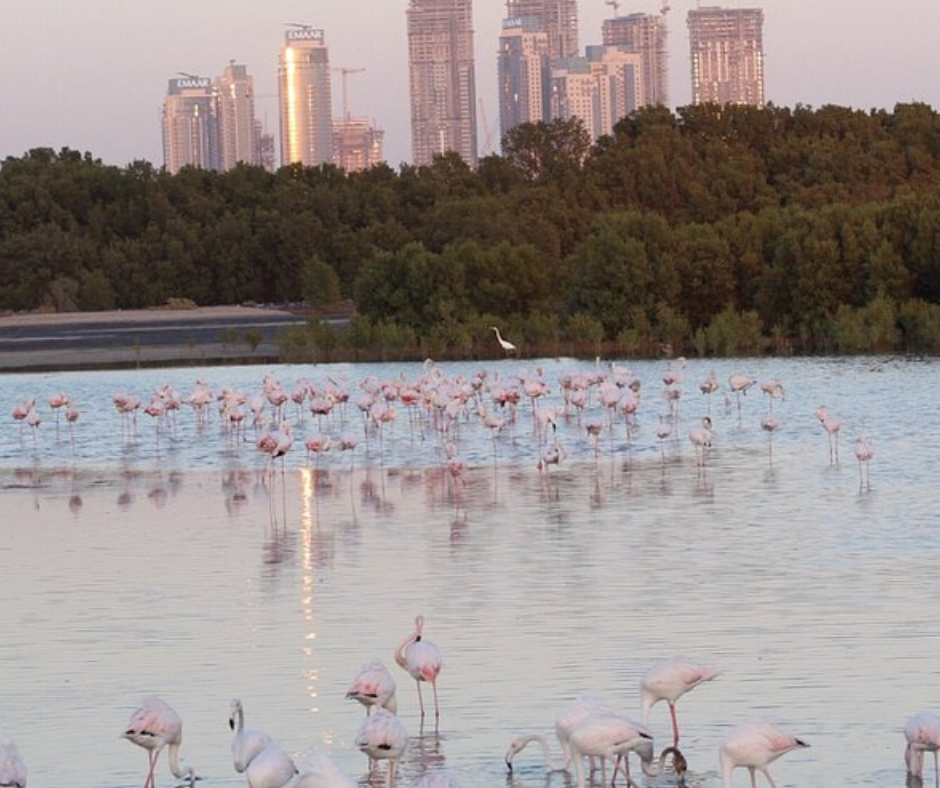
This protected wetland reserve sits remarkably close to the urban center of Dubai, serving as a critical sanctuary for thousands of migratory birds. The landscape consists of expansive mudflats, saltwater lagoons, and dense mangrove fringes that host a resident population of greater flamingos.
Visitors can observe these birds from three hidden, climate-controlled viewing structures positioned at strategic points along the sanctuary perimeter. It is best to schedule your arrival during a low tide cycle because the receding water exposes the nutrient-rich mudflats where the birds actively feed.
Mangrove National Park
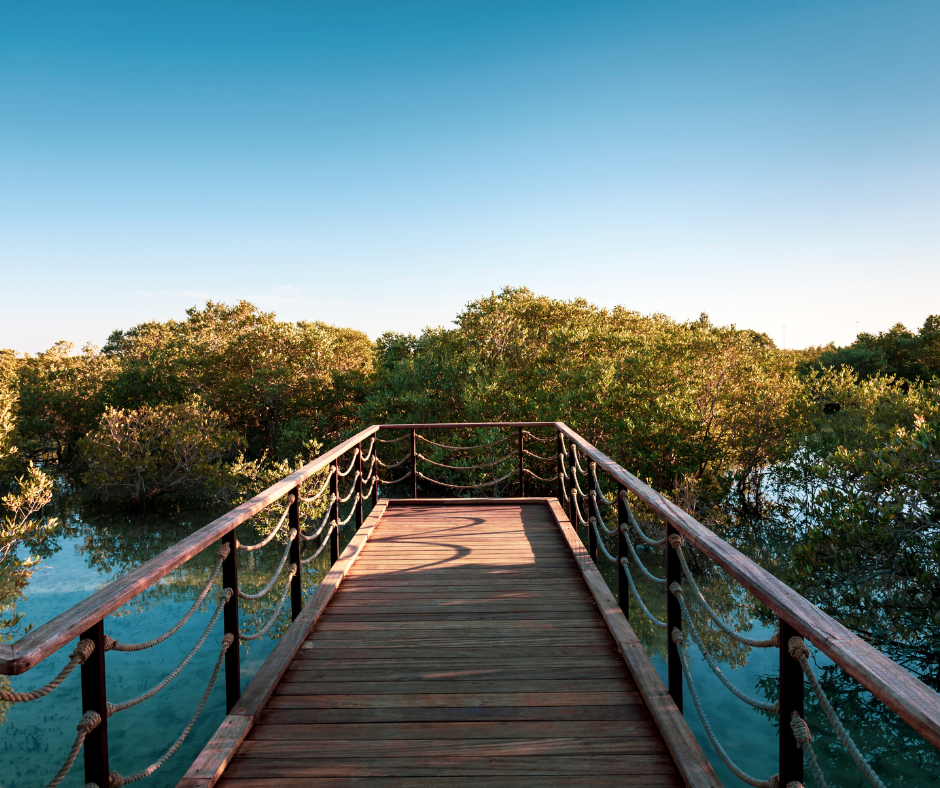
Located along the edge of Abu Dhabi, this expansive marine forest protects a massive percentage of the total mangrove cover found within the country. The park functions as a natural carbon sink and serves as a vital protective nursery for young fish, crabs, and delicate marine mollusks.
The most effective way for you to explore these protected water channels is by reserving a guided kayak or paddleboard excursion. Navigating the narrow pathways during a high tide allows you to glide silently past western reef herons and foraging shorebirds without disrupting their natural environment.
Al Wathba Wetland Reserve
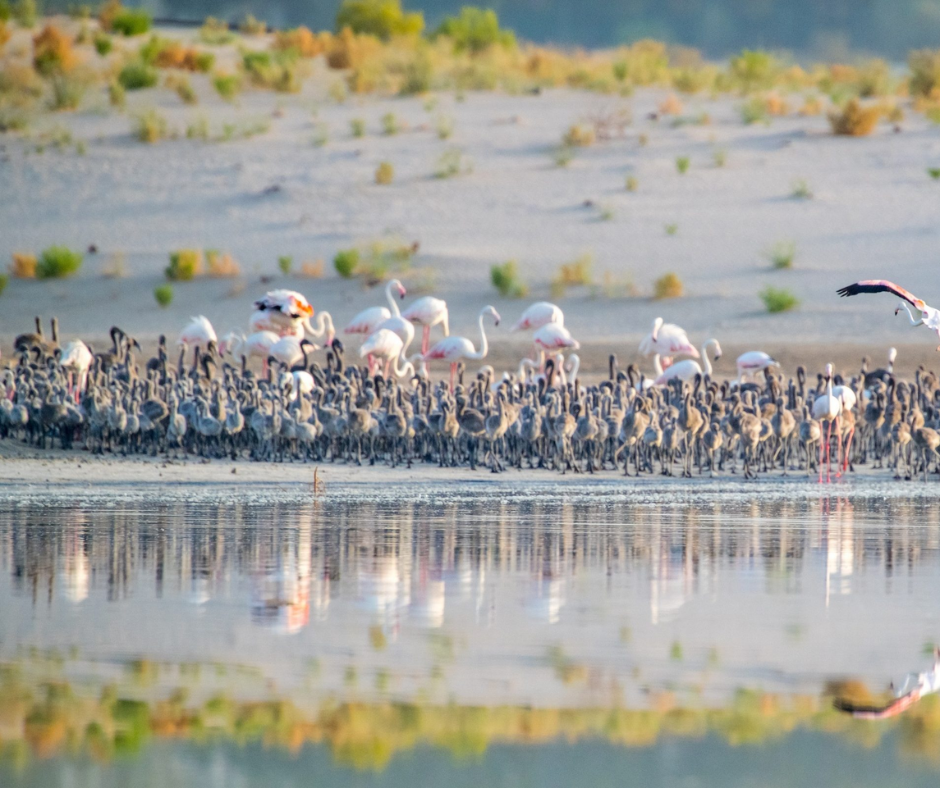
This specialized reserve located just outside Abu Dhabi is highly regarded as a crucial breeding ground for the greater flamingo population. The terrain features a complex mix of natural and man-made lakes, salt flats known locally as sabkhas, and ancient fossilized sand dunes.
A fixed walking trail guides you through the property to dedicated observation points that overlook the water bodies. You should aim for a late afternoon visit when the shifting light provides optimal visibility for identifying the numerous waterfowl and shorebird species.
Arid Deserts and Mountain Ranges
Moving away from the coastlines reveals the rugged interior of the country, where high elevations and sweeping sand dunes demand durable gear and careful route planning.
These reserves protect highly adapted land mammals and unique geological formations.
Wadi Wurayah National Park
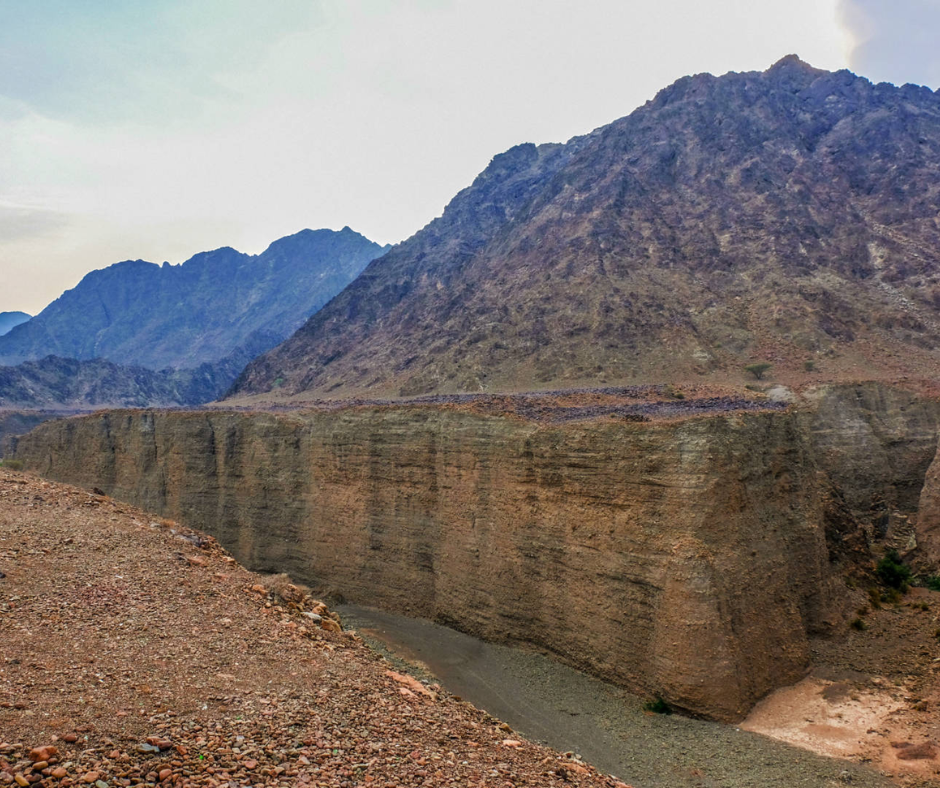
Situated within the steep Hajar Mountain range of Fujairah, this park represents one of the few permanent freshwater mountain habitats in the region. The area relies on an intricate network of underground aquifers that feed year-round streams, deep rock pools, and natural waterfalls.
This unique moisture level supports rare regional wildlife including the Arabian tahr, specialized mountain leopards, and unique freshwater fish. Because the terrain involves traversing loose gravel and slick rock faces, you must wear rigid hiking boots with excellent ankle support.
Sir Bani Yas Island
This massive natural island destination sits off the western coast of Abu Dhabi and functions as a fully managed wildlife sanctuary. The property hosts thousands of free-roaming mammals, including the Arabian oryx, which was successfully saved from the brink of extinction through local breeding initiatives.
You can explore the interior plains by participating in structured nature drives led by professional conservation guides. This destination offers a rare look at large-scale habitat restoration where gazelles, cheetahs, and giraffes coexist within a protected island environment.

Hatta Mountain Conservation Area
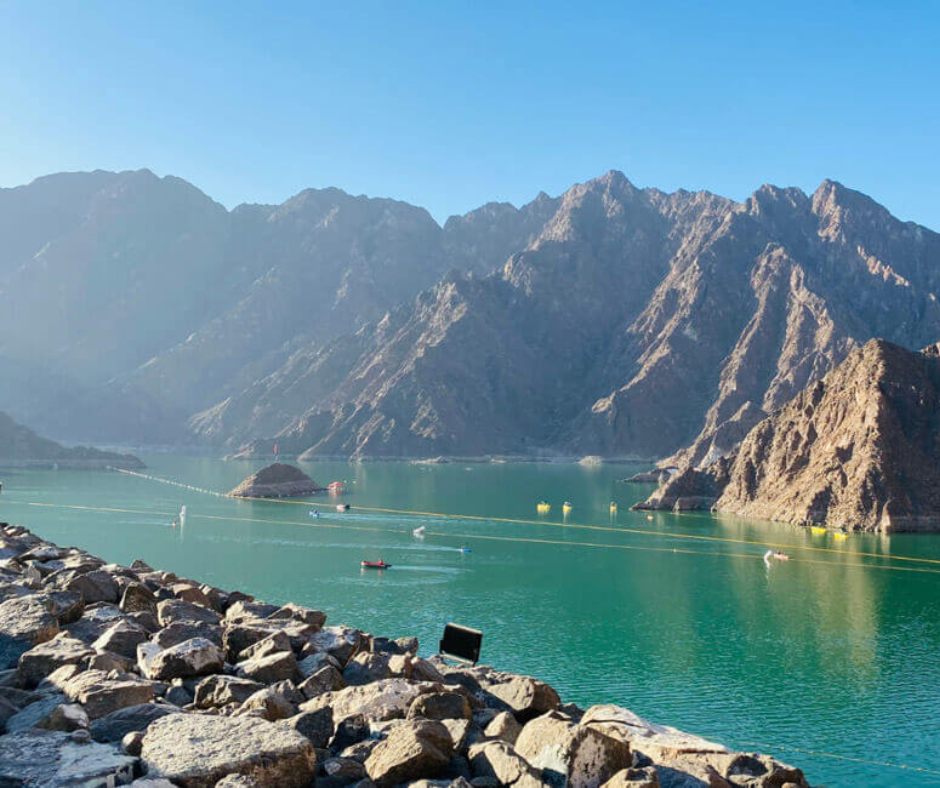
This mountain enclave belongs to the Dubai emirate and delivers a rugged landscape characterized by high peaks, deep valleys, and challenging technical trails. The area is a primary destination for mountain biking, trail running, and steep hiking along clearly marked paths.
The local ecosystem features resilient mountain shrubs and unique reptile species that find shelter within the deep rock crevices. Exploring this terrain requires a strict early morning start to ensure you complete the highest elevation gains before the sun strikes the exposed rock faces.
Dubai Desert Conservation Reserve
As the first official national park established to protect the interior desert, this massive reserve safeguards a pristine dune ecosystem. Access is strictly regulated to prevent damage to the vegetation, meaning you must enter with an approved conservation guide or a licensed tour operator.
The reserve provides a sanctuary for the Arabian oryx and multiple species of gazelles that roam freely across the red sand ridges. Visitors can participate in camel treks, guided dune walks, and low-impact desert camping experiences that emphasize environmental preservation.

Al Qudra Lakes
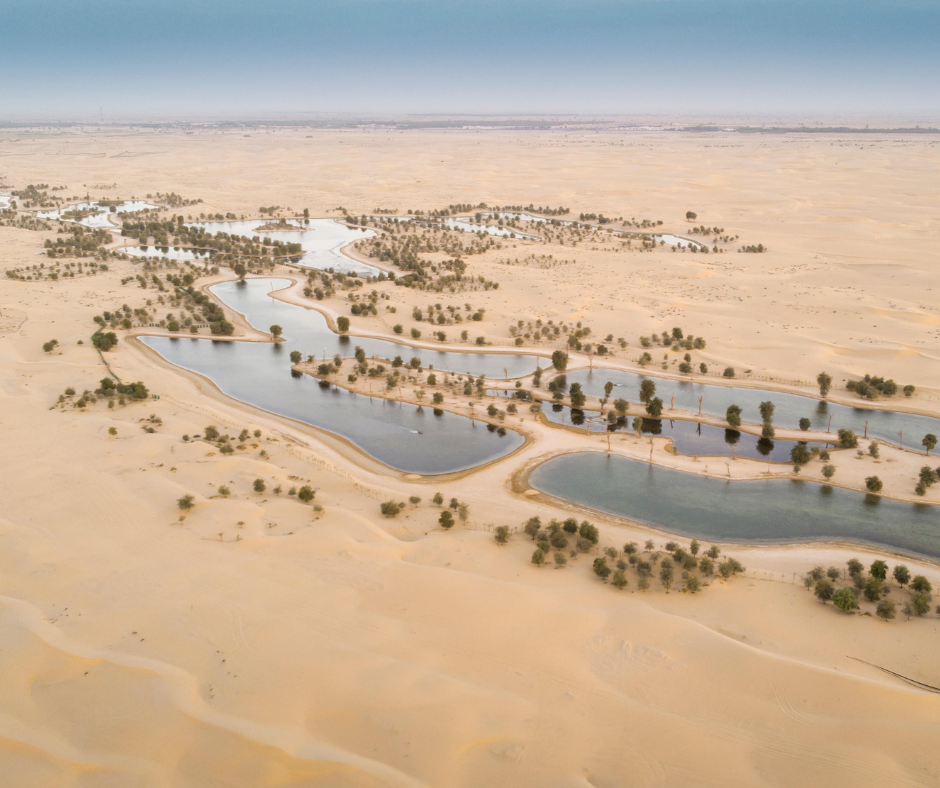
This expansive network of man-made lakes sits within the Bab Al Shams desert desert zone, creating a massive artificial wetland environment. The lakes attract more than a hundred distinct bird species, making it a popular hub for casual birdwatchers and desert cyclists.
A dedicated asphalt cycling track runs along the perimeter of the dunes, offering a safe way to exercise alongside the water. Planning an excursion here during the late afternoon allows you to enjoy cooler temperatures as the desert breeze picks up over the water.
Dubai Safari Park
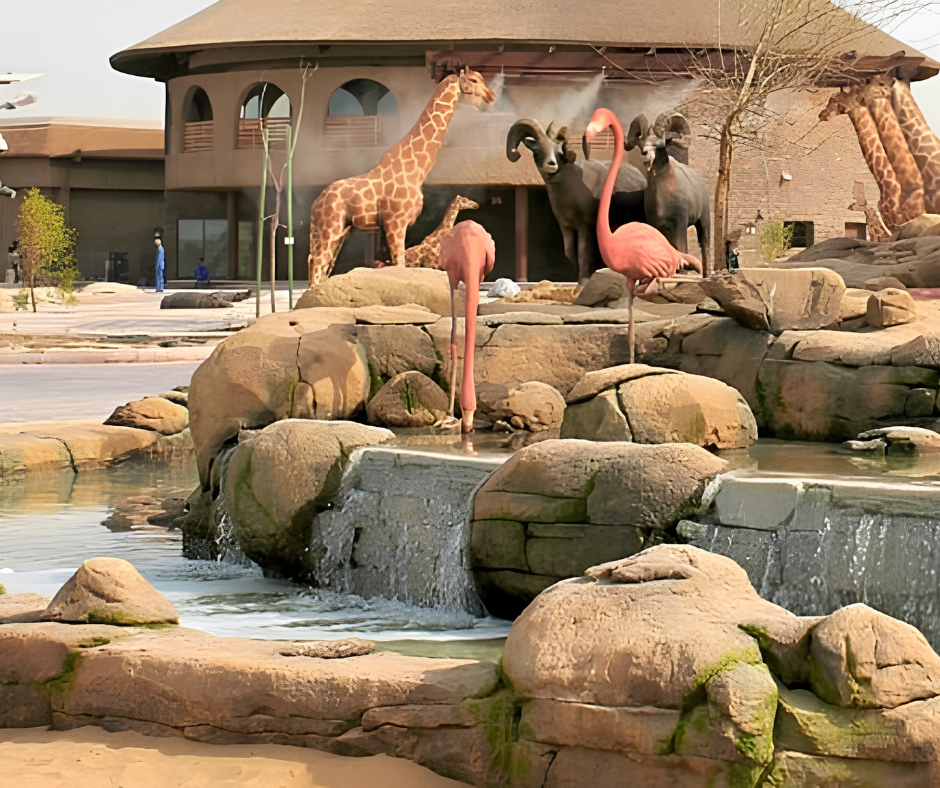
This environmental park functions as a specialized animal sanctuary and educational research center dedicated to global wildlife preservation. The park is divided into distinct climate zones that replicate natural habitats, allowing visitors to observe animals in open, carefully designed ecosystems.
Because the park features open-air walking trails and extended outdoor exhibits, the entire facility closes for the summer season at the end of May to protect the animals and visitors from extreme heat. A winter visit provides a comfortable walking experience across the expansive park grounds.
Optimal Seasonality and Daily Windows for Exploration
The Core Winter Travel Season
The primary window for planning any extensive outdoor excursion in the United Arab Emirates runs from the beginning of November through the end of March. During these specific winter months, the daytime temperature drops to a comfortable range that allows for sustained physical exertion without the danger of overheating.
This period matches the peak arrival of migratory birds, transforming the coastal wetlands into active feeding grounds. The morning air is typically clear and calm, providing excellent conditions for long-range wildlife observation and technical mountain navigation.
Transition months such as October and April can still offer successful outings if you adjust your daily schedule to match the sun. During these shoulder periods, you must begin your hikes or paddling trips precisely at sunrise to take advantage of the coolest hours.
Wildlife is also significantly more active during the early dawn hours before the rising heat forces animals to seek shelter. If you are planning an excursion during these warmer transition weeks, make sure your outdoor activities wrap up before the intense midday sun hits.
Summer Restrictions and Heat Management
From June through the end of September, the regional climate enters a phase of extreme heat and high humidity that significantly limits safe outdoor exploration. The interior desert dunes and unshaded mountain trails become hazardous for casual hikers due to the risk of rapid dehydration.
Many managed reserves adjust their operational hours or close their gates entirely during the peak afternoon periods to ensure public safety. You should shift your focus away from strenuous daytime physical tracks and restrict your visits to short walks along covered coastal boardwalks during the late evening.
Understanding the behavior of desert animals during the summer months helps you avoid empty viewings and unproductive trips to the sanctuary hides. Large mammals conserve vital energy by remaining completely stationary in deep shade or underground burrows throughout the day, making sightings very rare.
Bird populations also thin out noticeably as the major migratory flocks travel northward toward cooler breeding grounds. If you choose to visit an open sanctuary during the summer, always check the updated gate schedules online before departing from your accommodation.
Advanced Logistics and Pre-Trip Booking Procedures
Digital Permits and Identification Requirements
Access policies across the different emirates vary considerably depending on whether a site functions as a public sanctuary or a restricted research reserve. Many managed wilderness areas require you to secure your entry permits or pay vehicle fees through official digital portals before arriving at the gates.
Securing these confirmations well in advance guarantees your entry slot, which is particularly important during the popular winter weekends when visitor caps are enforced. You should always review the specific rules of your chosen park to see if you need independent permits for activities like kayaking or night photography.
When you are exploring remote mountain routes or desert tracks that sit close to internal borders, you must keep valid identification on your person. Local residents should ensure their physical Emirates ID is accessible, while international tourists need to keep a clear digital copy of their passport saved on their phones.
Security staff at interior park checkpoints frequently check these credentials before granting access to back-country routes. Verifying these administrative details before you start driving prevents frustrating delays or unexpected turnarounds at the entry gates.
Offline Route Planning and Safety Backups
Cellular data coverage often becomes highly unstable or disappears entirely when you travel deep into mountain canyons or deep sand dunes. To maintain accurate navigation, you need to download comprehensive offline map files of the entire park region before leaving the major city highways.
Save all your digital entry passes, booking confirmations, and emergency park contact numbers directly to your mobile device's local storage. Maintaining a backup navigation method ensures you can track your position accurately without relying on a live cellular connection.
You should always maintain a flexible mindset and keep a secondary destination choice ready in case weather conditions change your original park plans. Sudden rainstorms in the rugged mountain areas can cause immediate flash floods through the wadis, making low-lying roads and tracks highly dangerous.
If your chosen mountain trail is closed by local authorities, shift your group to a coastal mangrove boardwalk or an elevated desert cycling path instead. Prioritizing safety ensures that your journey through the natural spaces remains highly productive and secure.