Exploring Saudi Arabia's rich culture and landscapes often feels like an expensive venture that might drain your savings before you even land. The daunting price tags on luxury desert resorts and the fear of high daily costs in cities like Riyadh can make any traveler hesitant to book that flight.
That is why our team at WildyNess created this guide to show you exactly how to navigate the Kingdom on a budget without losing the authentic experience.
Understanding the True Cost of Saudi Travel
We want to start with a clear reality check on what you will actually spend. Saudi Arabia is not the cheapest destination in the region, but it is far from the most expensive if you avoid the international hotel chains and luxury mall dining. You should expect to budget approximately $60 to $90 per day for a comfortable mid-range budget trip. This covers your bed in a clean guesthouse, three solid local meals, and moving around via public transport or ride-hailing apps.
Your biggest upfront cost will always be the tourist visa. When you apply through the official Saudi e-visa portal, you will pay roughly $117 to $130 depending on the current exchange rate. This fee is mandatory and includes your health insurance for the duration of your stay. We recommend avoiding third-party agencies that promise "faster" processing for double the price. The official portal is fast and usually grants approval within minutes or hours.
Strategic Booking for Flights and Visas
Flying into the Kingdom does not have to break your bank if you use the right local carriers. We recommend looking beyond the national carrier, Saudia, and checking flights with flyadeal or flynas. These are the primary low-cost airlines that connect Riyadh, Jeddah, and Dammam with neighboring hubs like Dubai, Cairo, or Istanbul. If you book at least four to six weeks in advance, you can often find domestic hops between cities for as little as $40 to $60.
We have found that packing light is the best way to keep these flight costs down. Budget airlines in Saudi Arabia are strict about cabin bag dimensions and weight. If you plan to travel between three or four cities, those extra baggage fees will quickly add up to the price of another flight. If you do need a checked bag, always pay for it online during the initial booking process because the airport counter rates are significantly higher.
Choosing Your Base: Budget Accommodations in Saudi Arabia
Finding a place to sleep that is both affordable and well-located requires a shift in how you search. In the major cities, you should look for "Apart-hotels" or "Furnished Apartments" rather than standard hotels. These are widely used by locals and offer better value. You get a small kitchenette and more space for roughly $40 to $55 per night. This allows you to prepare simple breakfasts or dinners, which is a major win for your daily budget.
In Riyadh, we suggest looking for stays in the Batha or Al Olaya districts. Batha is the older part of the city and offers the lowest prices, while Olaya provides a more central location with better access to the Metro.
In Jeddah, the Al Sharafiyah district is a great middle ground for budget travelers. It sits between the historic Al Balad area and the modern Corniche, giving you easy access to both without the premium prices of the beachfront resorts.
Mastering the Local Transport System in Saudi Arabia
Getting around used to be the most expensive part of a Saudi trip, but the landscape changed with the full launch of the Riyadh Metro. You can now cross the capital for about 4 SAR, which is roughly $1.10 per trip. This is a massive saving compared to the $15 or $20 you might spend on a long taxi ride during rush hour. We recommend downloading the official transport app for whichever city you are in to track bus and metro schedules in real-time.
For areas not yet covered by the rail network, ride-hailing apps are your best tool. Uber is reliable, but Careem is often the local favorite with more frequent promotions. If you want the absolute lowest price, try the app called Kaiian. It often has cheaper base rates than the international giants.
You must have a local SIM card with a data plan to use these services effectively. We recommend picking up a SIM from providers like STC or Mobily at the airport arrival hall so you can call a ride immediately without paying for expensive roaming.

Dining Like a Local on a Dime in Saudi Arabia
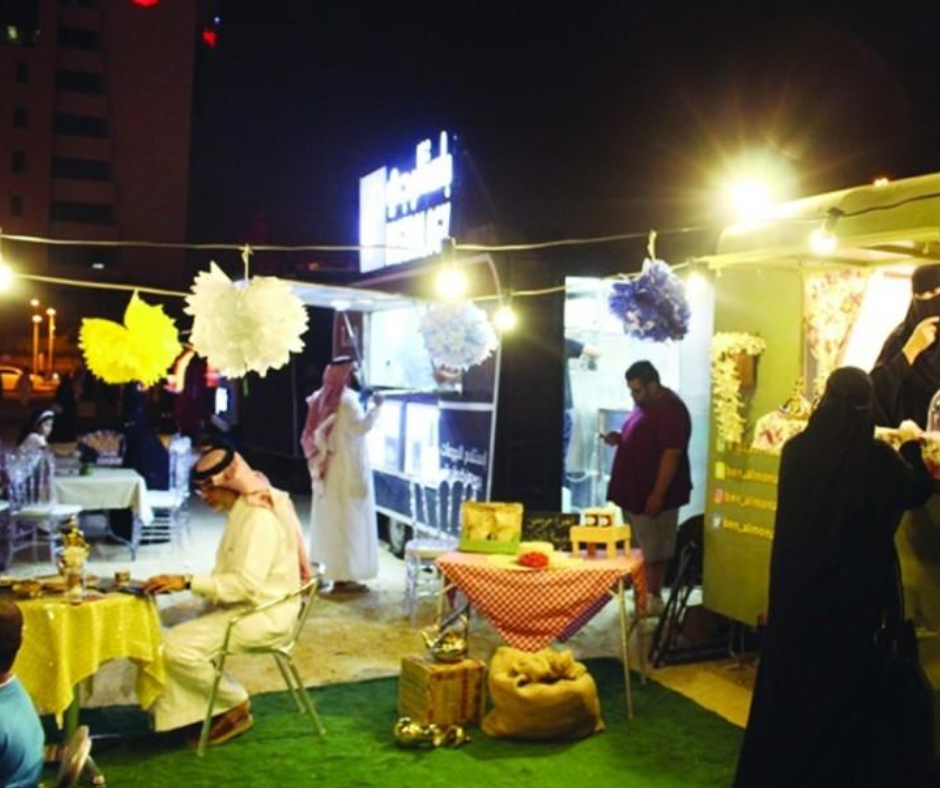
You can eat exceptionally well in Saudi Arabia for very little money if you follow the local crowds. A standard chicken shawarma or a falafel wrap will cost you between 5 and 10 SAR. If you want a more substantial sit-down meal, look for "Bukhari" restaurants. These spots specialize in rotisserie chicken served on a massive bed of flavored rice with spicy tomato salsa and salad. A half-chicken meal is usually around 20 to 25 SAR and is often large enough for two people to share.
We also suggest trying Foul and Tamees for breakfast. This is a staple meal of fava bean stew served with giant rounds of fresh bread baked in a clay oven. It is incredibly filling and rarely costs more than 10 SAR. For a unique snack, look for Mutabbaq, which is a thin, stuffed pan-fried pancake filled with either savory meat and vegetables or sweet cream and bananas. These are typically found at small corner stalls and are perfect for eating while you explore the local markets.
If you'll be in Riyadh at some point, check out Street Food in Riyadh: The Ultimate Guide to Authentic Local Eats
Exploring Without Entry Fees in Saudi Arabia
Many of the most significant cultural experiences in Saudi Arabia are actually free. In Riyadh, you can visit the Al Masmak Fortress and the surrounding Souq Al Zel for no cost. Walking through these mud-brick structures gives you a direct connection to the founding of the modern Kingdom.
We also recommend spending an evening at the King Abdullah Park or walking the Sky Bridge at Kingdom Centre. While the bridge has a fee, the surrounding mall and its public spaces offer a great view of the city's architectural growth for free.
In Jeddah, your entire day can be spent wandering through the UNESCO-listed Al Balad district. The real value here is in the atmosphere of the narrow coral-stone alleys and the intricate wooden balconies known as rawashin.
You do not need a paid guide to enjoy this area. You can simply walk, interact with the shopkeepers, and visit the small public museums that often have very low or no entry fees. At night, the Jeddah Corniche offers miles of walking paths along the Red Sea where you can watch the sunset alongside local families.
We recommend reading Top Fun Things to Do in Saudi Arabia for more inspiration.

Timing Your Trip in Saudi Arabia for Maximum Savings
If your main goal is to save money, you need to be careful about when you visit. The peak tourist season runs from November through February because the weather is the most comfortable. During these months, you will see the highest prices for flights and hotels. If you can handle warmer temperatures, the shoulder seasons of March to April and October to November offer a better balance. You will find that hotel rates drop significantly as the summer heat begins to approach.
Summer travel from June to August is the absolute cheapest time to visit, but we only recommend this if you plan to spend your days indoors or in the cooler mountainous regions like Abha. In the cities, temperatures frequently exceed 45°C. However, if you are a night owl, the cities come alive after 9:00 PM during the summer. You can find massive discounts at hotels and shopping festivals that only happen during the hottest months.
Strategic Tips for the Budget Traveler in Saudi Arabia
We recommend planning your itinerary around two or three main hubs rather than trying to see the entire country in one go. Every time you move between regions, you incur transport costs and lose half a day of exploration. By staying in Jeddah for four days and using it as a base to explore the surrounding coast, you save on last-minute logistics and get a better "long-stay" rate at your accommodation.
You should also keep an eye on prayer times. Everything in the Kingdom closes for about 20 to 30 minutes during each of the five daily prayers. If you call a ride-hail car or head to a restaurant right as the call to prayer begins, you might find yourself waiting around or paying for a car that cannot move. We suggest using a prayer time app to plan your movements. If you time your transport and meals between these windows, your day will feel much smoother and more productive.
Key Takeaways for Your Saudi Adventure
-
Apply for your visa only through the official portal to avoid unnecessary service fees and middlemen costs.
-
Focus your dining on local Bukhari and falafel shops where a full meal stays under 25 SAR.
-
Use the Riyadh Metro and local apps like Kaiian to move through the cities without paying taxi premiums.
-
Choose apart-hotels in neighborhoods like Batha or Al Sharafiyah for the best balance of price and local vibe.
-
Plan your sightseeing around free heritage sites like Al Balad and Al Masmak to keep your daily spending low.
-
Travel during the shoulder seasons of spring or autumn to avoid peak winter pricing while staying comfortable.
-
Pick up a local SIM card immediately upon arrival to access lower ride-hailing rates and real-time transport maps.
This guide provides the foundation you need to discover the expansive beauty of Saudi Arabia while keeping your budget under control. The Kingdom is more accessible than ever for those who know where to look for local value. If you have any remaining questions about planning your route or managing your costs, feel free to reach out to our team for personalized advice.
For premaid itineraries, checkout WildyNess Itineraries
For Authentic experiences, checkout SA WildyNess experiences.
If you have a question or anything you need help with, we would be glad to help a fellow traveller out. All you have to do is reach out to us.