
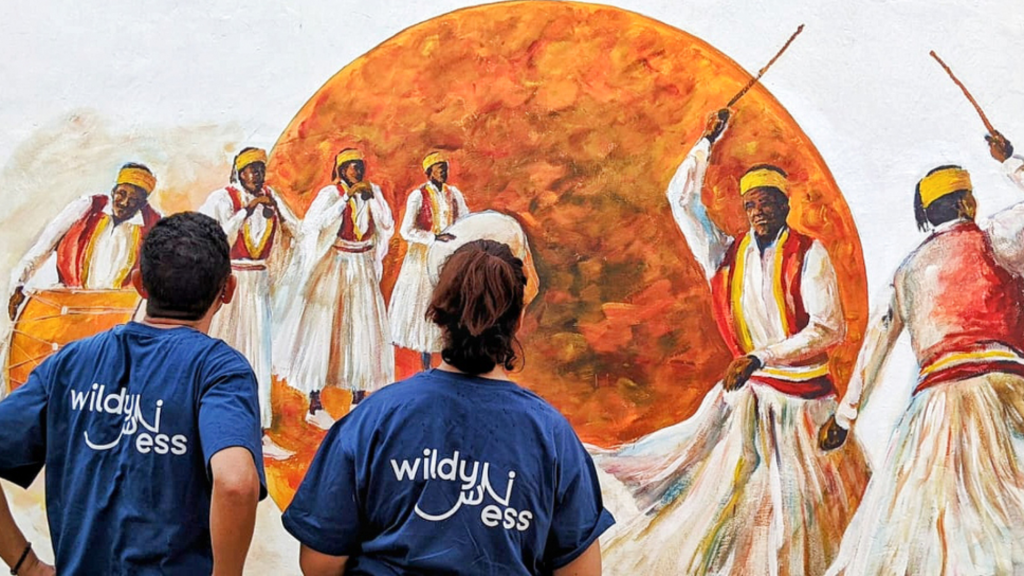

Ever dreamed of stepping into a world where ancient walls tell new stories and every corner bursts with color? Consider a sun drenched village in the Mediterranean, a labyrinth of white washed homes and blue shuttered windows, suddenly reborn as one of the planet's most unique art galleries. This isn't a fantasy; it's Djerbahood, and it’s waiting for you on the Tunisian island of Djerba.
This incredible transformation took place in the summer of 2014. The vision belonged to Mehdi Ben Cheikh, a Parisian gallery owner who invited more than 150 street artists from 30 different nations to the historic village of Erriadh. He gave them the ultimate canvas: the village itself. The result is a living museum, a place where you can get lost in winding alleyways and discover world class art in the most unexpected places.
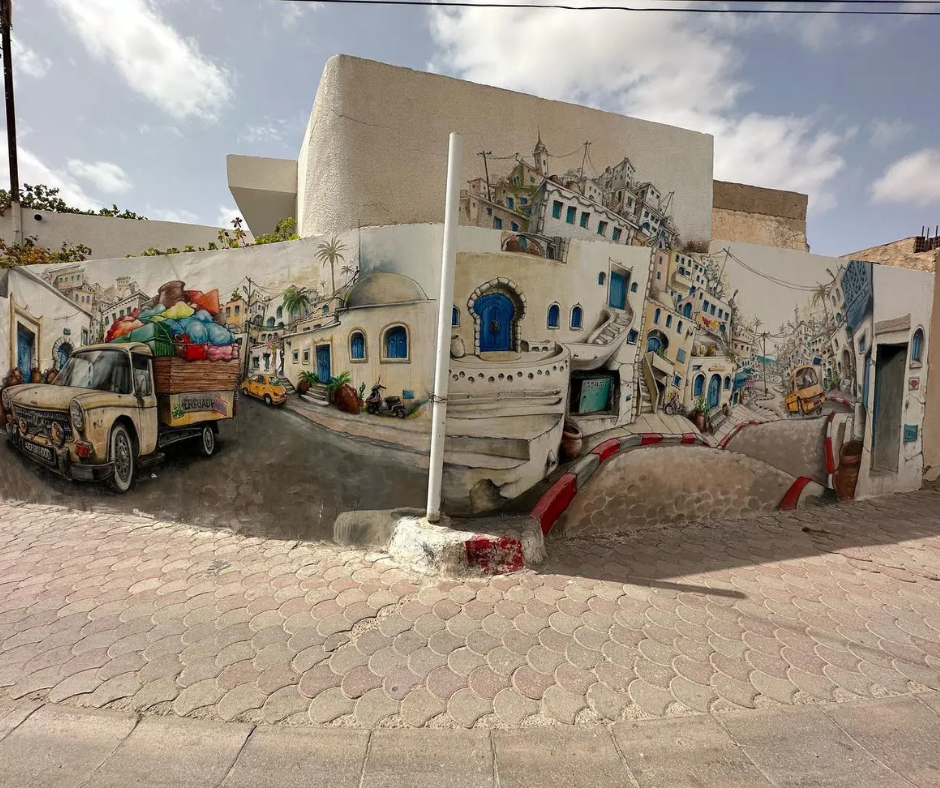
So, if you're looking for an experience that goes beyond the typical tourist trail, you've found it. Djerbahood is a journey into a powerful conversation between art, history, and the vibrant culture of Tunisia. It’s an experience that will stay with you long after you leave.
The Essence of Djerbahood: Where History Meets the Spray Can
What makes Djerbahood so profound is that the art isn't on a blank canvas; it's painted directly onto the pages of history. The village of Erriadh is one of the oldest Jewish settlements in the world, where ancient walls hold stories of coexisting Berber, Arab, and Jewish cultures.
The art project doesn't cover this history, it enters into a dialogue with it. This is more than just paint on walls; it’s a bold experiment that sparked global conversations, revitalized the local community, and connected a quiet village with the world.
You’ll see how artists responded to this unique setting, blending their styles with traditional motifs and creating a powerful celebration of Djerba's identity through a modern lens.
Navigating Your Way to Djerbahood
Getting to Djerbahood is an adventure in itself! The island of Djerba is well connected, making the journey relatively straightforward.
By Air
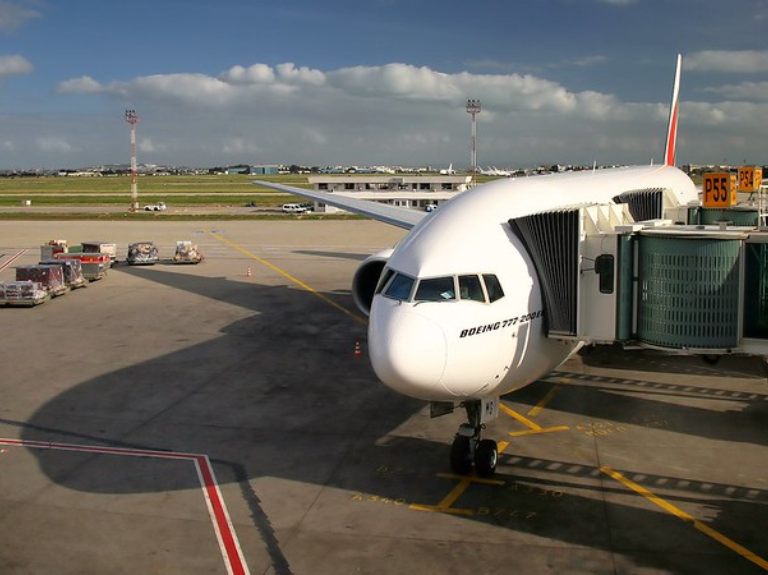
The most convenient way to reach the island is by flying into Djerba Zarzis International Airport (DJE). From major Tunisian cities like Tunis or Sousse, a domestic flight is a quick hop, usually an hour or less, saving you significant travel time. Several international carriers also fly directly to Djerba, especially during the tourist season.
Overland Travel
For a more scenic and budget friendly journey, you can travel overland. This route typically involves taking a short ferry ride (about 15 minutes) to Ajim on Djerba. Regular buses connect major cities to Djerba.
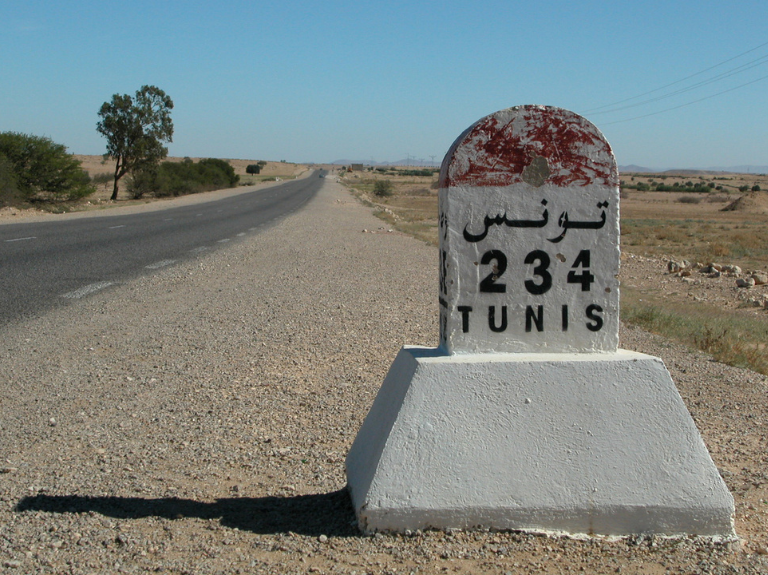
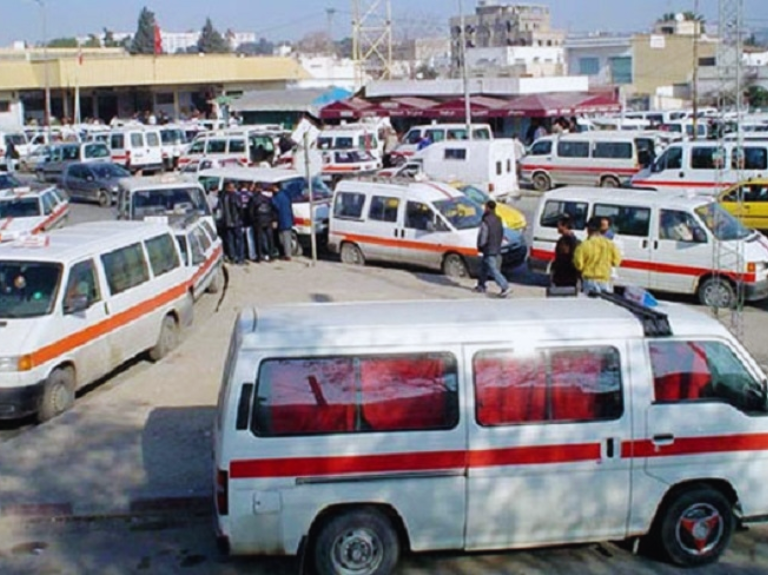
For a more authentic Tunisian experience, consider a louage. These shared, long distance taxis are faster than buses and offer a chance to travel like a local. The journey from Tunis by land can take around 8 to 9 hours.
Read also: Louage Guide in Tunisia
Getting Around Djerba
Once on the island, Djerbahood (in the village of Erriadh) is about a 20 minute drive from Houmt Souk, the main town. Taxis are plentiful and affordable. If you prefer flexibility, renting a car is an excellent option for exploring the entire island at your own pace.
Get in touch with us, and we’ll handle your car rental with no deposit to pay.

Exploring Djerbahood: An Artist's Playground
Ready to explore? Djerbahood isn't a museum with a map; it's an adventure waiting to unfold in a living, breathing canvas.
Here’s how to make the most of it.
Your Ultimate Guide to Exploring the Art:
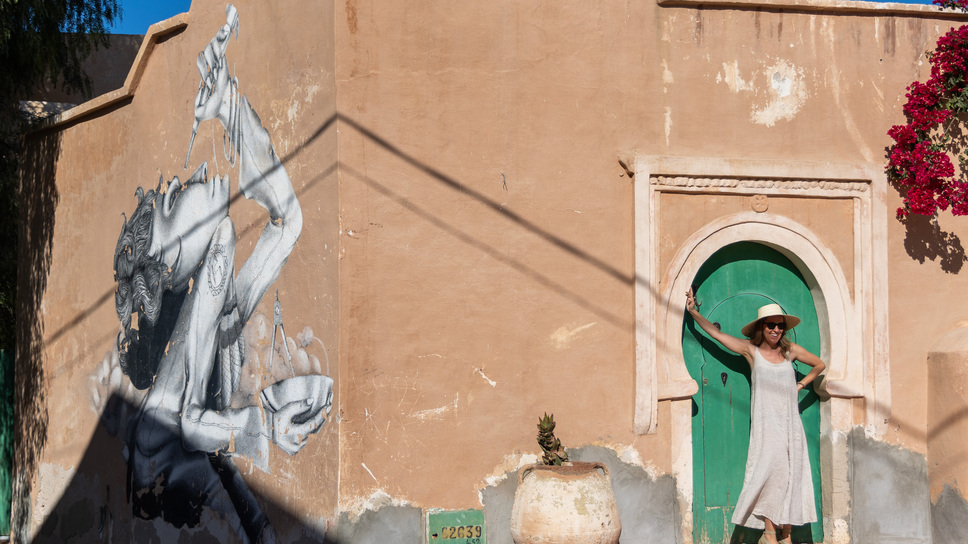
- Embrace the Maze: The best way to experience Djerbahood is to simply wander. Let the narrow, winding streets guide you. Put away your map and let your curiosity lead the way. Some of the most impactful murals are hidden gems tucked away in quiet courtyards or down unassuming alleys.
- Look for the Details: Pay attention to how the artists integrated their work with the environment. A piece might cleverly incorporate a doorway, a window, or even the texture of an old wall. This interaction between the art and its architectural canvas is a defining feature of the project.
- Chat with a Local Guide: As you wander, you’ll likely meet some of the local young boys who know the village by heart. They often speak English and French and can guide you to hidden artworks while sharing stories about the pieces and their history. It's a wonderfully authentic way to see the area.
If you prefer a more structured experience, you can also book a guided Djerbahood tour with WildyNess to get an even deeper insight.
Must See Murals and Artists
While discovering art on your own is part of the fun, here are a few iconic artists and pieces to look out for:
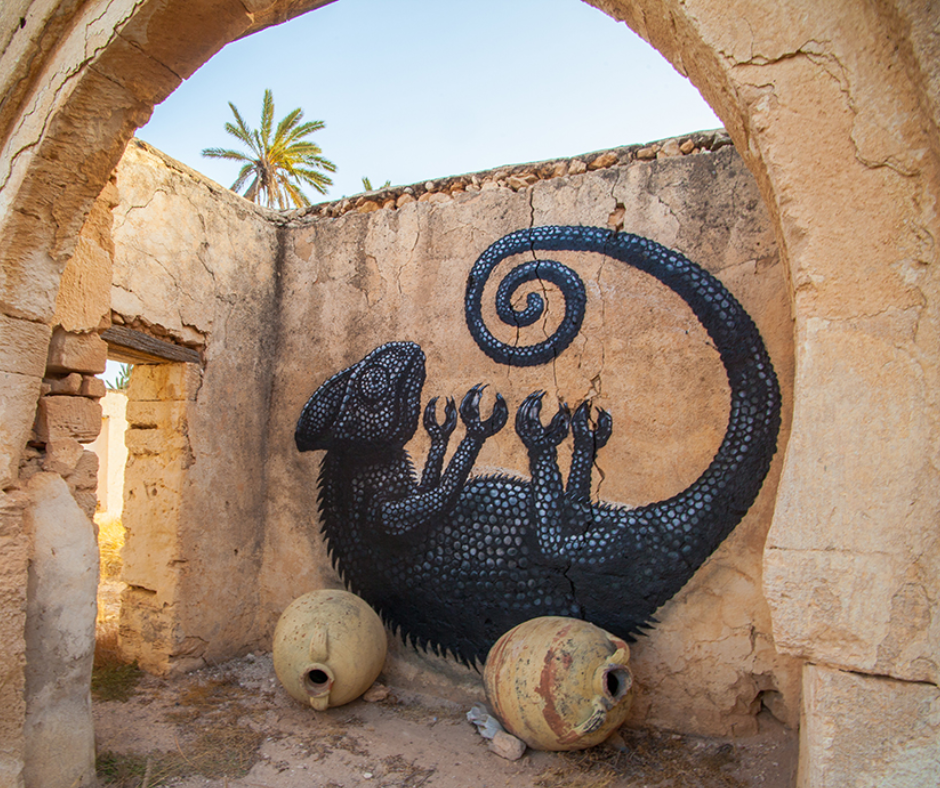
- ROA's Animals: The Belgian artist ROA is famous for his large scale, monochromatic paintings of animals. In Djerbahood, you can find his giant octopus sprawling across a building and other creatures native to the region, rendered in his signature black and white style.
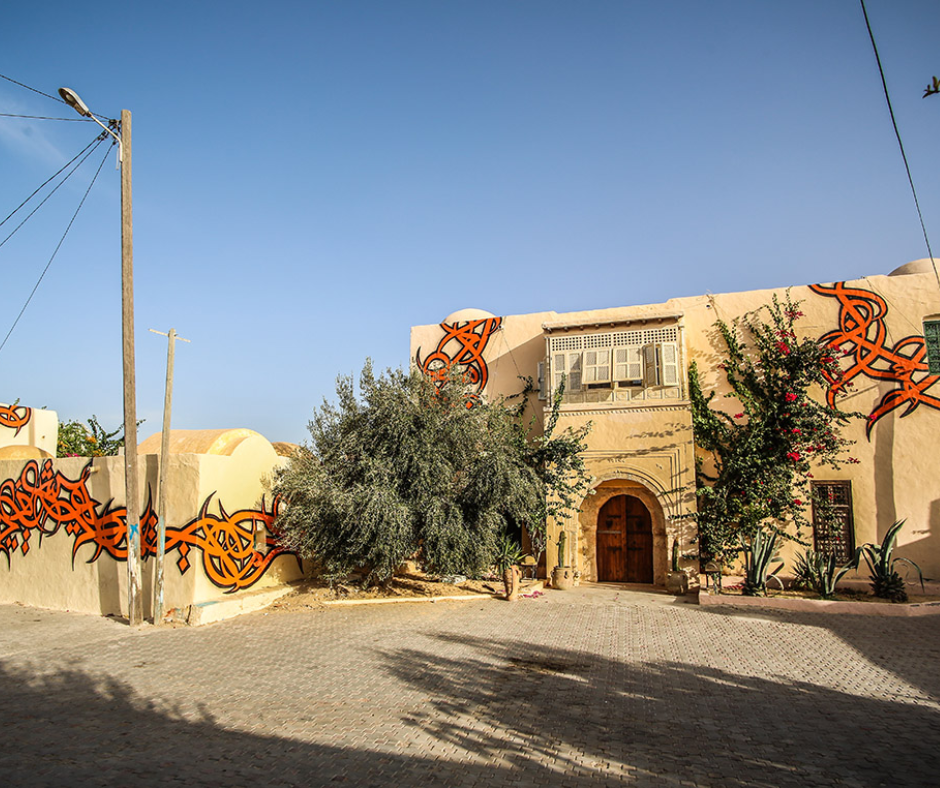
- El Seed's Calligraffiti: French Tunisian artist El Seed masterfully blends Arabic calligraphy and graffiti. His work in Djerbahood is a stunning pink and black mural quoting a local proverb: "Oh you who are passing by, what you are looking for is within you." It’s a message that speaks to both travelers and the inner journey of self discovery.
- C215's Stencils: Look closely for the intricate, colorful stenciled portraits by French artist Christian Guémy, also known as C215. His work often depicts local residents, adding a deeply personal and human element to the collection.
- INTI's Ekeko: The Chilean artist INTI contributed a massive, vibrant mural of a "Ekeko," a traditional Andean character representing abundance and joy. Its bright colors and cultural symbolism stand out beautifully against the white walls.
- Swoon's Portraits: American artist Swoon is known for her life sized, wheatpasted portraits cut from paper. Her delicate and deeply human figures seem to emerge from the walls, telling stories of everyday life and community.
- Add Fuel's Azulejo Homage: From Portugal, Add Fuel creates stunning pieces that mimic the traditional Portuguese *azulejo* tiles, but with a modern, graffiti inspired twist. His work is a beautiful nod to the cross cultural connections of decorative arts.
- Know Hope's Figures: Israeli artist Know Hope adds his signature minimalist, long limbed figures, often in moments of quiet contemplation or connection, creating poetic and thought provoking scenes throughout the village.
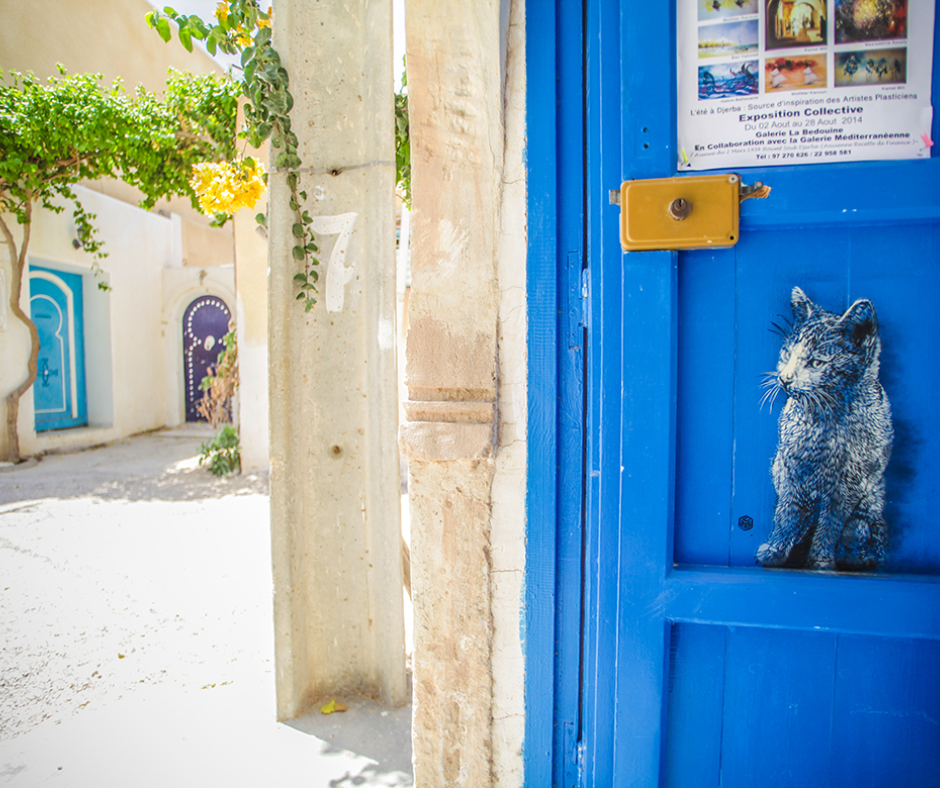
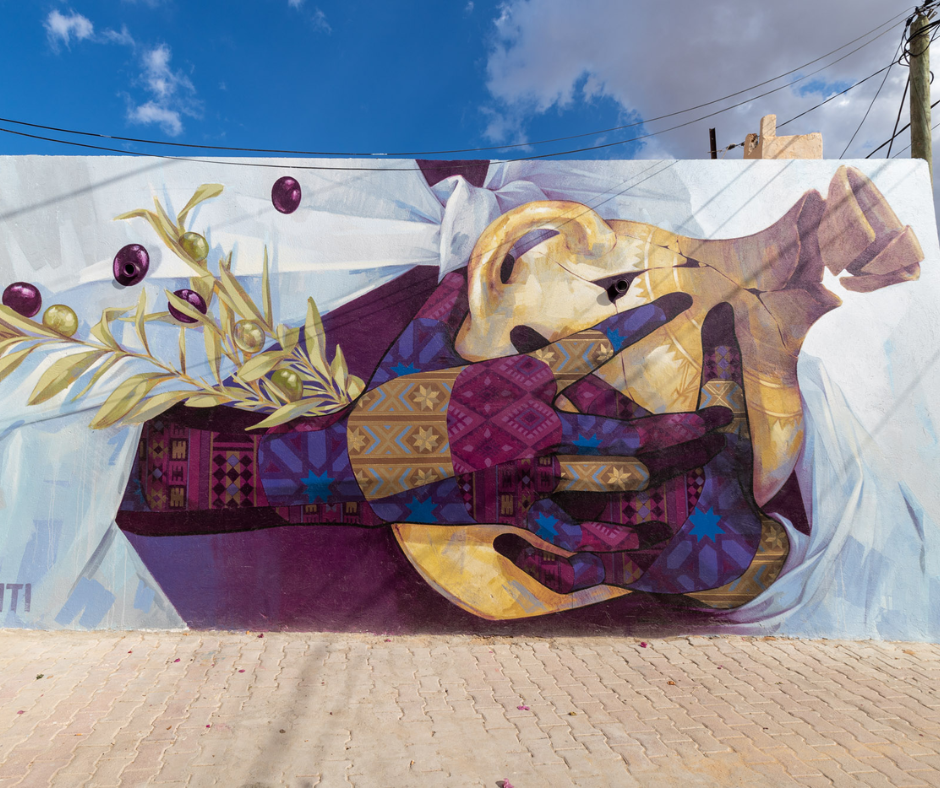
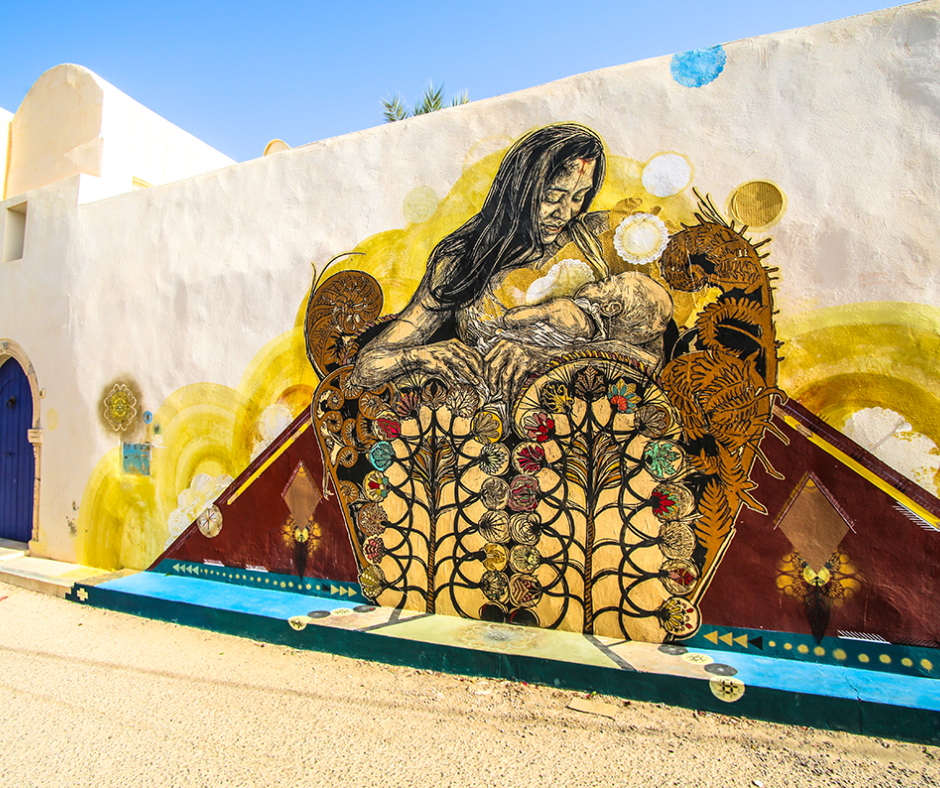
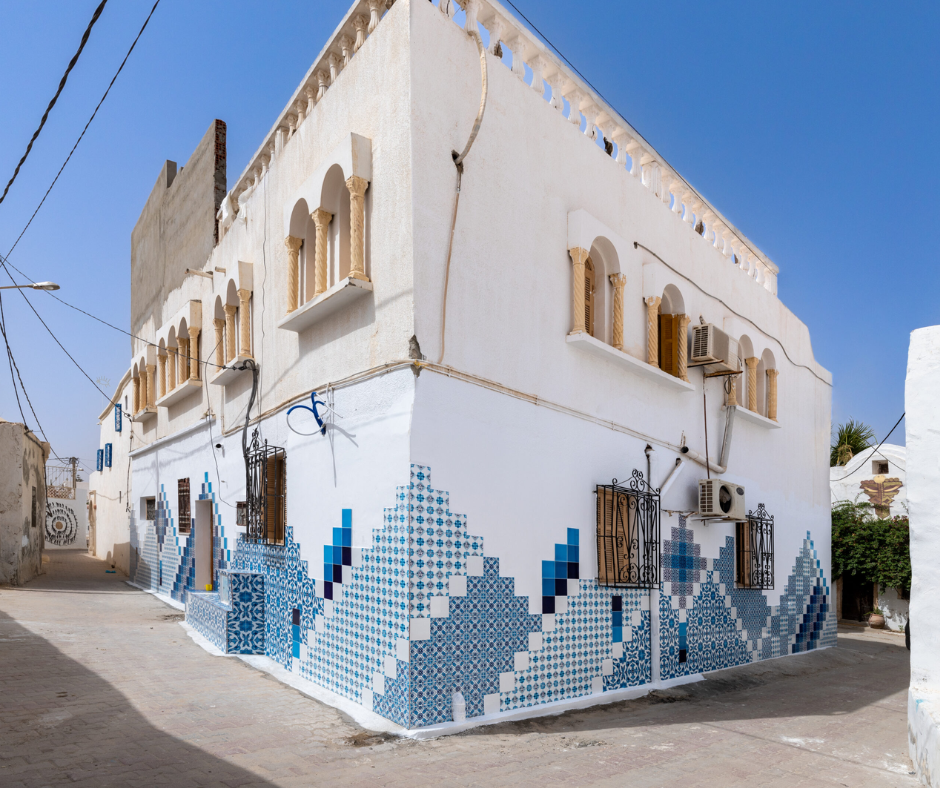
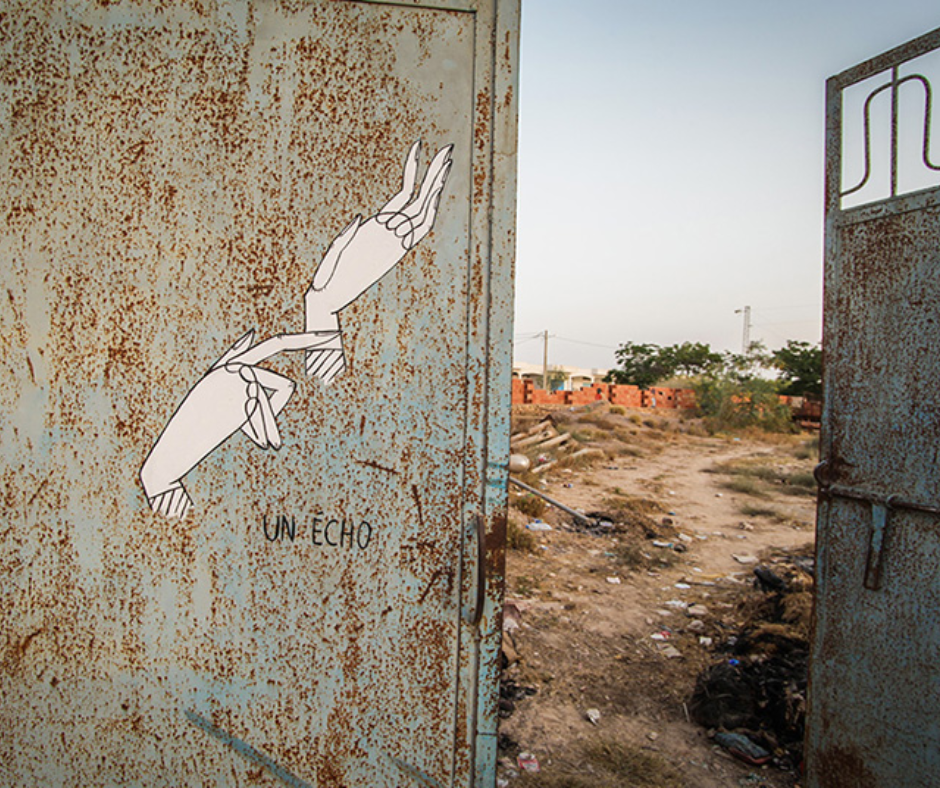
These are just a handful of the incredible artists who left their mark. There are so many more to discover as you explore. You can see the full roster of talent on the official Djerbahood website.
Staying in Djerba: Boutique and Unique Accommodations
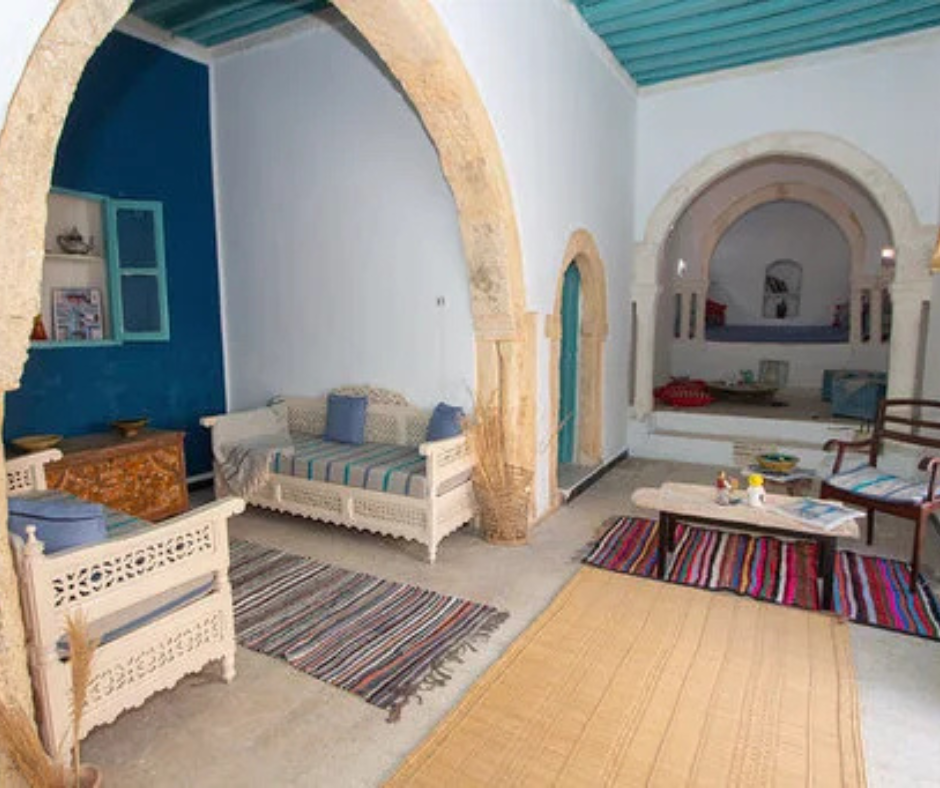
To complete the experience, find accommodations that are as unique and charming as the village itself. Forget the large, impersonal hotel chains. Djerba excels in offering authentic stays in charming guesthouses, often known as a DAR (traditional home) or Houch (a fortified farmhouse complex). Many are styled like riads, with beautiful hidden courtyards perfect for relaxing after a day of exploration.
Waking up to the smell of freshly baked bread and the offer of hot coffee is a far more memorable experience. Your hosts often provide the best insider tips on hidden murals, local markets, and the best places to eat.
For a truly special stay that we at WildyNess can personally vouch for, look into Dar Tenast. It's a boutique guesthouse that perfectly captures the island's charm and guarantees a perfect experience.
For a deeper dive into everything the island offers, from visiting the historic El Ghriba Synagogue to finding the best beaches, check out our guide on things to do in Djerba before you go.
Savoring Local Flavors: Dining in and around Djerbahood
A trip to Djerbahood is also a culinary adventure! The island's cuisine is a delicious fusion of Berber, Arab, and Mediterranean influences, with a strong emphasis on fresh seafood.
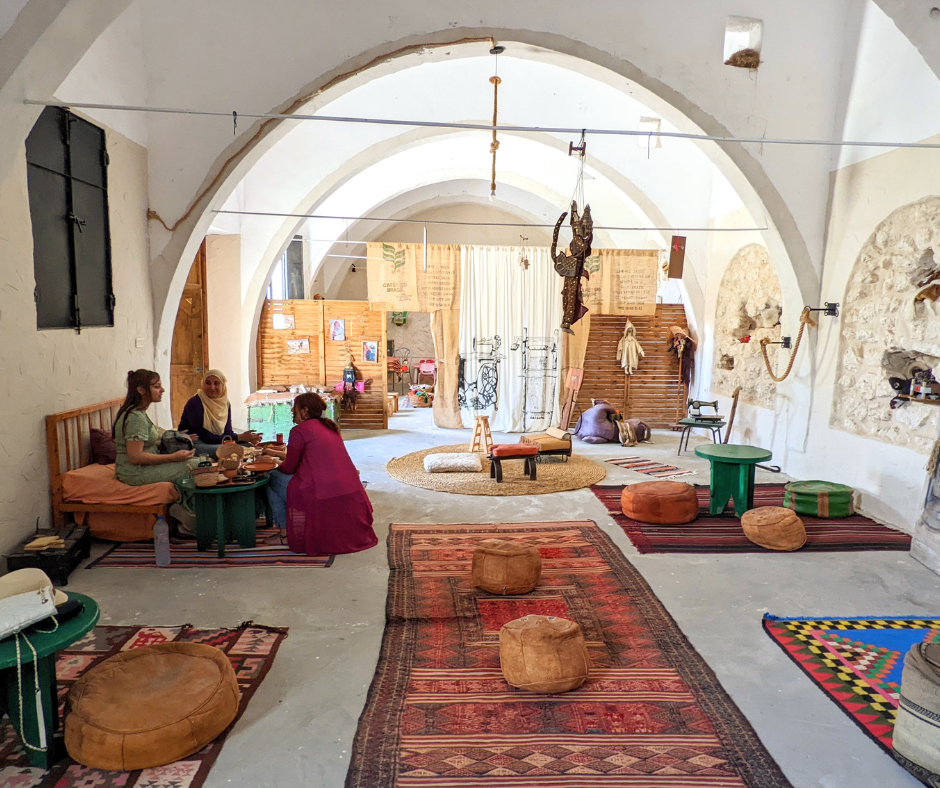
The best dining spots are often the ones recommended by locals. Don't hesitate to ask your guesthouse owner or a friendly shopkeeper for their favorite place. If you're looking for a specific recommendation, you can't go wrong with Houch Yamma.
It's a fantastic spot to try authentic local dishes like mlawi or a classic salade mechouia (grilled) in a beautiful setting.
Travel Tips for a Seamless Visit
Each country, as you may know by now, has its own culture. Djerba, and Tunisia in general, have theirs too. So here are a few tips to make your visit smooth and respectful:
- Respect the Art and the Homes: Remember that Djerbahood is not just an art gallery; it's a living village where people reside. The murals are on private homes and public buildings. Be respectful of residents' privacy, don’t block doorways, and treat the art with care. It's a living museum for everyone to enjoy.
- Best Time to Visit: The best weather for exploring is during the spring (March to May) and fall (September to November) when temperatures are pleasant. The summer months can be very hot, especially for walking around midday.
- Stay Hydrated: The Tunisian sun is strong. Carry a reusable water bottle and drink plenty of water throughout the day.
- Dress Respectfully: While Djerba is a tourist friendly island, it's wise to dress modestly out of respect for the local culture. Covering your shoulders and knees is a good practice, especially if you plan to visit religious sites like the synagogue.
- Photography Etiquette: Feel free to photograph the art, but always ask for permission before taking close up pictures of local people. A simple smile and a gesture are often enough.
- Learn a Few Phrases: While French is widely spoken, learning a few words of Arabic (like "As salamu alaykum" for hello and "Shukran" for thank you) will be greatly appreciated and can enhance your interactions with locals.
For more helpful advice, have a look at our top Tunisia travel tips.
Ready for Your Own Tunisian Adventure?
Feeling inspired? Let us take the stress out of planning. We're a team of travel experts who were born and raised right here in Tunisia. We know this country by heart, and we specialize in crafting personalized itineraries so you can simply enjoy a memorable trip.
We'll handle all the planning and coordination for you.
Got a trip in mind? Tell us what you are dreaming of and we will handle the rest after a quick call to get to know your style.
Share Your Idea With UsCurious what other travelers have to say? WildyNess reviews on Google


