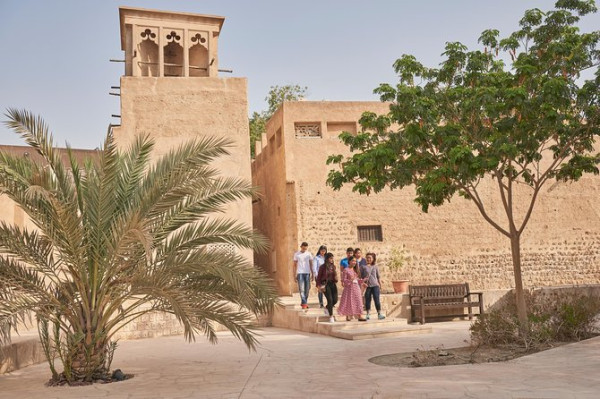

Packing for a trip to Dubai often brings up questions about local regulations and cultural expectations.
Preparing your wardrobe does not mean you have to compromise your personal style or pack an entirely separate wardrobe. It simply requires understanding where specific dress codes apply so you can move through the city with complete ease.
That is why our team at WildyNess created this guide to help you choose the right pieces for every neighborhood and activity.

Outfitting for the Extreme Dubai Climate
The ambient heat in the city can be intense, especially during the summer months when daytime temperatures routinely surpass 40 degrees Celsius.
To remain active and energized without constantly seeking refuge indoors, your wardrobe must focus heavily on fiber composition. Selecting the correct textiles will allow heat to escape your body rather than trapping moisture against your skin.
Selecting High-Performance Natural Fabrics
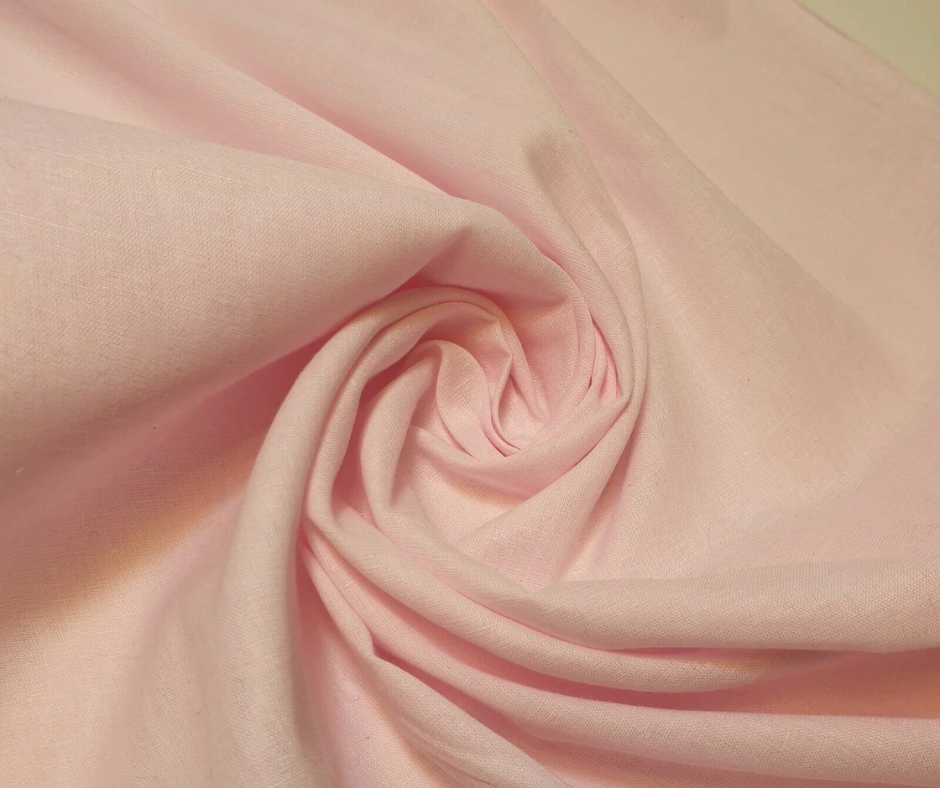
Natural fibers are your absolute best defense against the intense desert sun. Pure flax linen and lightweight cotton, such as cambric or voile, allow air to circulate freely around your skin.
When sourcing clothes for your trip, look for items labeled as 100 percent natural, as even small percentages of polyester or nylon blend can trap sweat and cause significant discomfort.
Light-colored fabrics, including sand, stone, cream, and soft pastel shades, are highly functional because they actively reflect solar radiation instead of absorbing it.
Breathable Tops and Bottoms for Daily Sightseeing
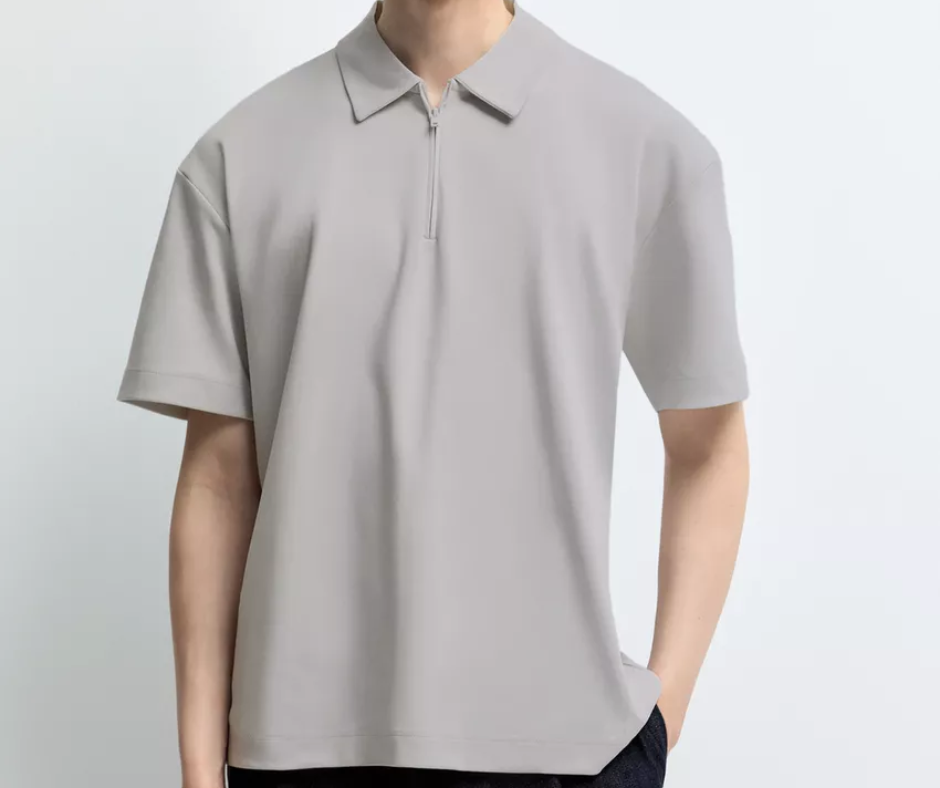
For a standard day of urban exploration, men will find that short-sleeved cotton polo shirts or lightweight linen button-downs paired with relaxed chinos provide an ideal balance.
For women, a breezy maxi dress with sleeves or a combination of an airy cotton blouse and a midi skirt creates a reliable outfit for a full day of activities.
If you prefer to wear sleeveless styles, simply plan to adapt your outfit by layering a thin textile over your shoulders when entering public thoroughfares.
Layering for Severe Air Conditioning Whiplash
One of the most surprising elements of exploring the city is the dramatic temperature shift between the outdoor environment and indoor spaces.
Malls, museums, movie theaters, and indoor theme parks keep their climate control systems set to low temperatures, creating an immediate chill the moment you step inside.
The Essential Companion Cardigan
You should always carry a dedicated light layer in your daypack or shoulder bag rather than leaving it behind at your accommodation.
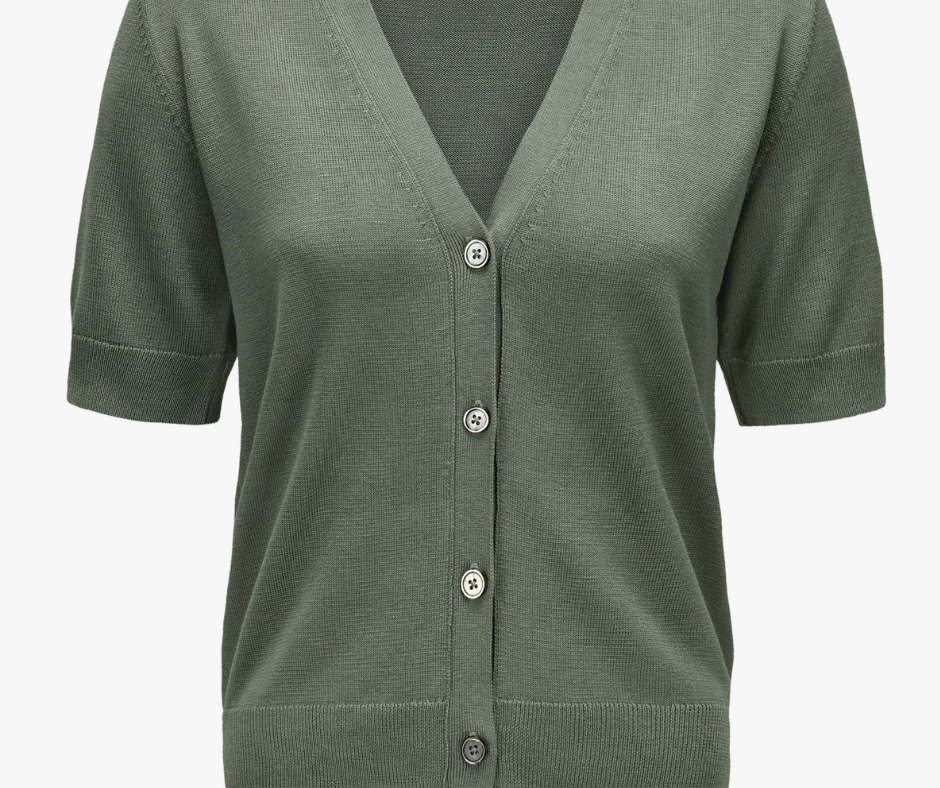
A high-quality cotton cardigan, a fine-knit pashmina, or a structured long-sleeve overshirt can be thrown on in seconds when transitioning into an air-conditioned building.
This simple addition prevents the physical shock of dropping from extreme heat into a simulated winter environment, keeping you comfortable during long walks through expansive shopping arenas.
Smart Base Layers for Seamless Transitions
To make layering efficient, build your look on top of an ultra-breathable base layer. A premium cotton crewneck tee or a lightweight jersey top allows you to stay entirely cool when standing outside waiting for transport.
Once you enter an air-conditioned venue, your top layer provides immediate protection from the cold drafts, ensuring you remain comfortable without needing to carry heavy, bulky outerwear.

High-End Resort Wear and Fine Dining Etiquette
The city is globally renowned for its luxury hospitality, Michelin-starred restaurants, and exclusive beach clubs. These venues enforce distinct dress codes that lean toward sophisticated glamour, requiring a shift away from casual daytime wear once the sun begins to set.
Poolside Coverage and Luxury Beach Clubs
While two-piece swimwear, bikinis, and standard swim trunks are completely acceptable at resort pools and private beach clubs, they are usually restricted strictly to those wet areas.
The moment you step away from your sun lounger to visit an indoor restaurant, a hotel lobby, or a bar, you must use a proper cover-up.
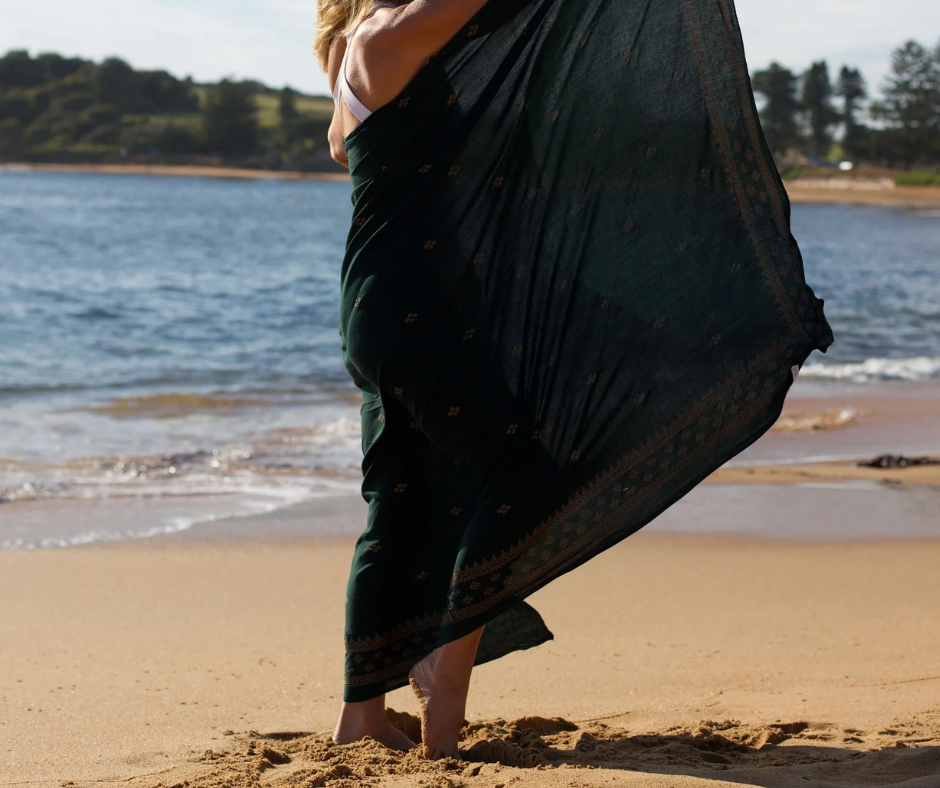
Pack a long-line linen button-up shirt, or an elegant sarong to ensure you maintain appropriate coverage while walking through shared resort properties.
Evening Elegance for Fine Dining Outfits
Upscale restaurants generally enforce a smart-elegant or formal dress code where casual items are outright prohibited.
For men, this means packing a sharp dinner jacket, tailored trousers, and collared shirts, as open-toed shoes, shorts, and sportswear are not permitted in premium dining rooms.
For women, elegant maxi dresses made from refined silks or high-quality modals paired with statement jewelry offer an ideal look. Ensure you select footwear that matches this elevated standard, such as sleek leather loafers for men and elegant flats or low blocks for women.

Practical Footwear and Gear for Urban Explorers
A successful trip relies heavily on your choice of footwear, as the sheer scale of the shopping districts and historic developments requires miles of walking over hard marble and hot asphalt.
Selecting Shoes for Pavement and Marble
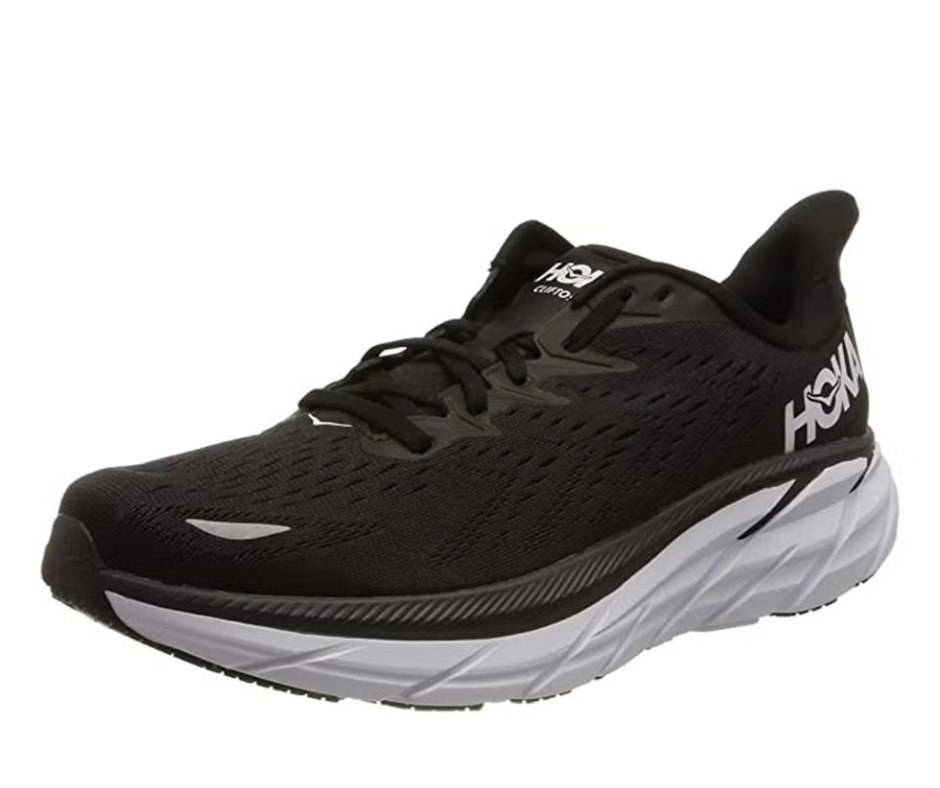
For major sightseeing days, choose supportive trainers with excellent arch support and breathable mesh uppers.
Many upscale establishments permit smart, clean sneakers, but sports-specific running shoes may restrict access to high-end venues in the evening.
For more relaxed afternoons, structured leather sandals with secure straps offer a highly functional option, whereas flimsy plastic flip-flops should be reserved purely for the pool deck or beach.
Crucial Sun Protection Accessories
Your daily accessories must focus on minimizing direct UV exposure to protect your health while out in the sun.
A wide-brimmed hat or a quality canvas cap helps shield your face and neck during walking tours.
Pair your headwear with polarized sunglasses to combat the intense glare reflecting off the architectural glass and white pavements, and always apply a broad-spectrum sunscreen with a minimum rating of SPF 50 before leaving your room.
Desert Safari Outfits for Dunes and Movement
An excursion into the dunes requires a complete shift in your packing logic, as you will need to prepare for fine blowing sand, physical activities, and sudden environmental changes.
Closed-Toe Protection Against Sand
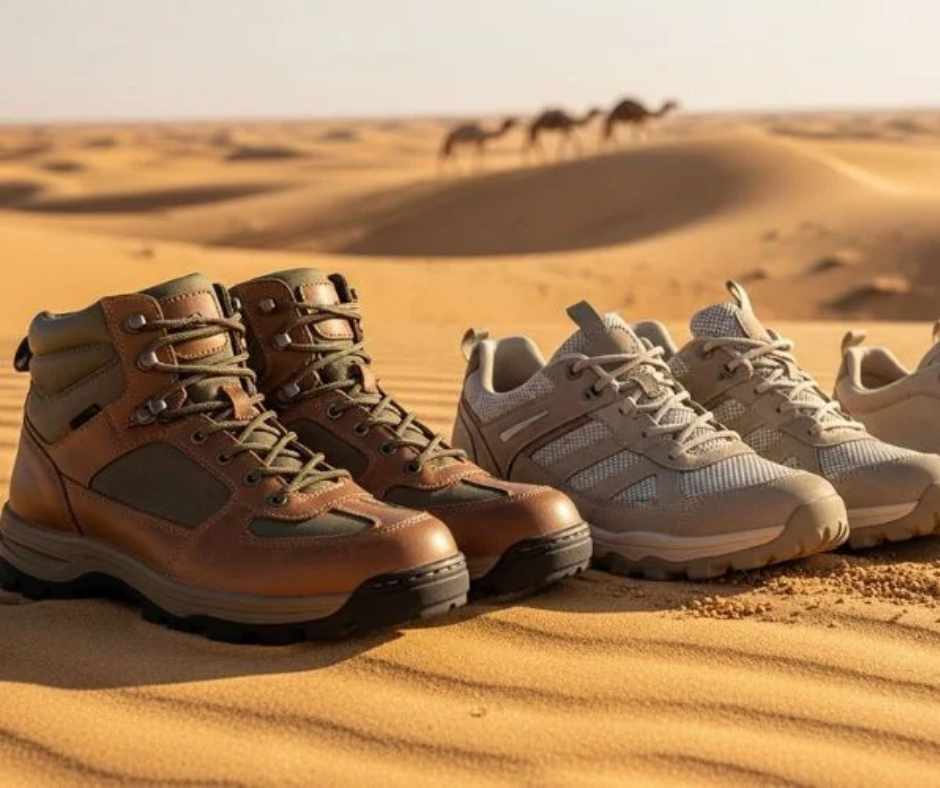
When participating in a desert safari, you must wear closed-toe shoes such as sturdy trainers or light hiking boots.
Open sandals or slides allow the hot, fine desert sand to accumulate rapidly between your toes, causing friction that can rub your skin raw within minutes.
Wearing closed shoes with breathable cotton socks keeps your feet fully protected when climbing steep dunes, mounting camels, or boarding quad bikes.
Durable Fabrics for Active Adventures
Select utilitarian pieces made from durable fabrics that can handle outdoor movement without restricting your flexibility.
Cargo pants, relaxed chinos, or long utility shorts are far superior to tight denim jeans, which trap heat and restrict movement.
Safeguarding Against Chilly Desert Nights
Many travelers assume the desert remains hot around the clock, but dry wilderness environments do not retain thermal energy once the sun sets, causing temperatures to shift rapidly.
Preparing for Winter Temperature Drops
If you book a desert safari between December and February, nighttime temperatures in the open dunes can drop to 15 degrees Celsius or lower.
A crisp breeze can make an outdoor camp setup feel significantly colder than expected, turning a pleasant dinner under the stars into a freezing experience if you are underdressed.
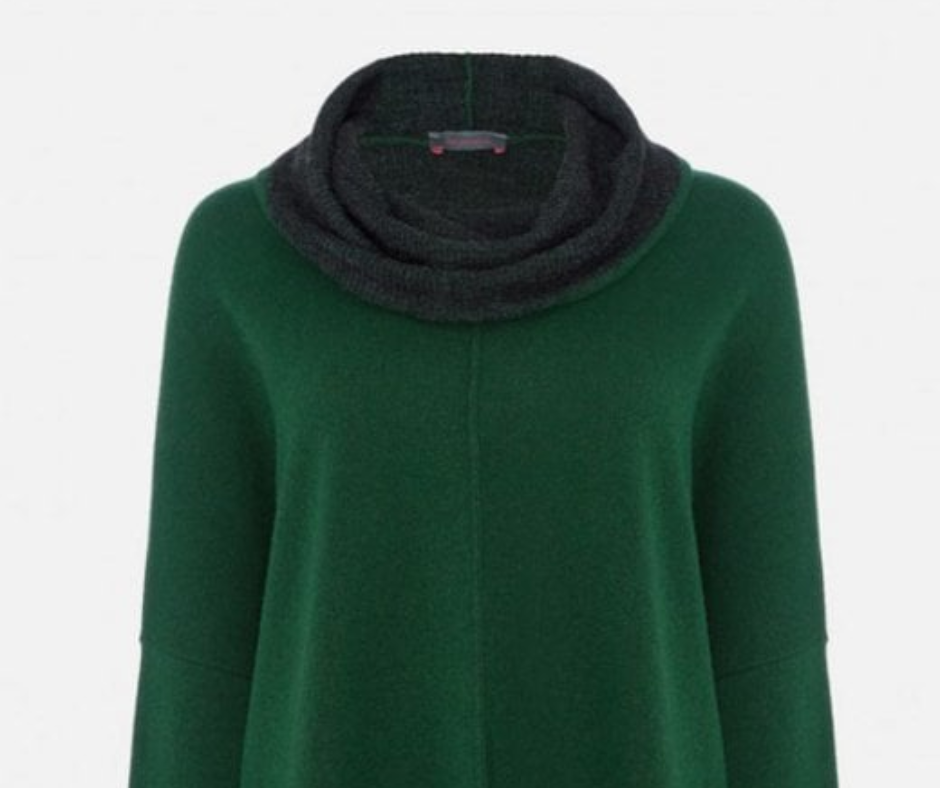
Packing a structured denim jacket, a heavy knit sweater, or a windproof fleece ensures you can comfortably enjoy the evening entertainment.
Layering for Overnight Wilderness Stays
For those embarking on overnight desert glamping experiences, layering remains the key to getting a restful night of sleep. Bring along mid-weight thermal base layers or long loungewear sets that you can easily wear inside your tent.
Staying warm allows you to fully enjoy stargazing and early morning sunrises without rushing back inside to escape the morning chill.
Wardrobe Requirements for Mosques and Heritage Sites
Visiting traditional heritage sites and active places of worship requires the highest level of conservative dressing to show proper respect for local religious traditions.
Strict Mosque Entry Protocols
When entering major religious landmarks, such as the Jumeirah Mosque, dress codes are strictly enforced at the gates.
Men must wear long trousers that completely cover the ankles and shirts that cover the upper arms, as shorts and tank tops are forbidden.
Women must ensure their ankles and wrists are fully covered by loose, non-transparent clothing, and a lightweight headscarf must be worn to completely cover the hair before entry.
Many major mosques provide traditional abayas or clothing adjustments for visitors, but arriving prepared in your own respectful clothing ensures a seamless entry process.

Navigating Historic Neighborhoods with Respect
When walking through older historical districts, traditional spice markets, and gold souks, dressing conservatively helps you integrate smoothly into the local environment.
Wearing modest attire signals an appreciation for local customs, which fosters warm interactions with traditional merchants and artisans.
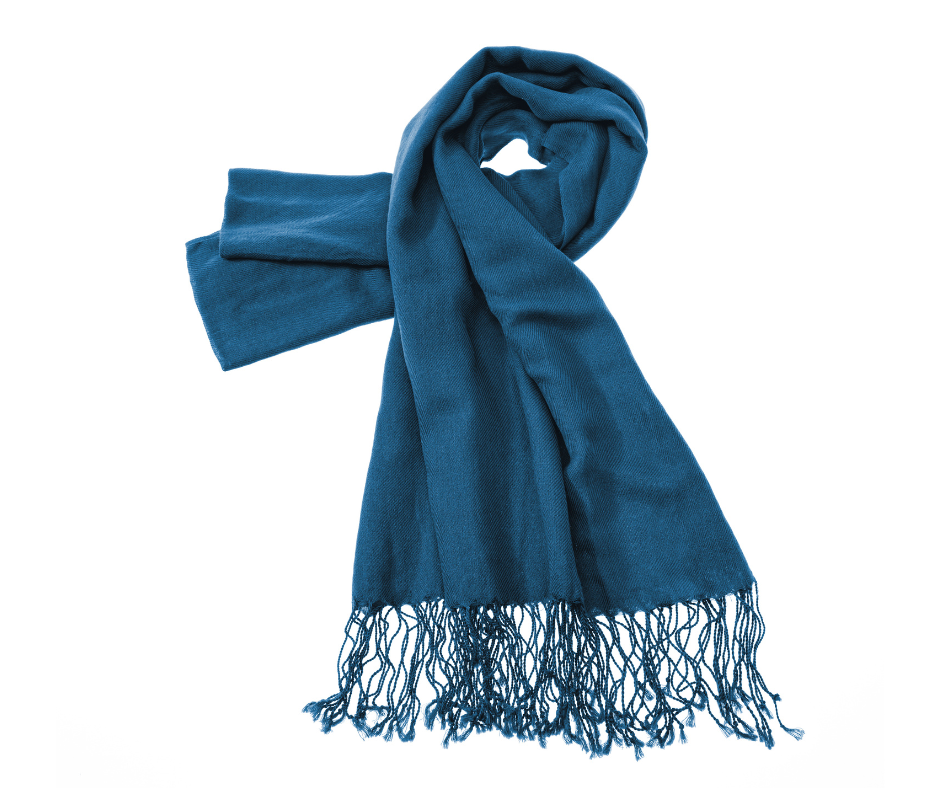
Carrying a large, versatile cotton scarf in your daypack allows you to instantly provide extra coverage over your head or shoulders whenever you decide to step into a conservative neighborhood or local structure.
A Comprehensive Summary for Your Suitcase
To wrap up your planning, focus on creating a streamlined selection of mix-and-match items that maximize versatility while respecting local etiquette.
Prioritize breathable fabrics like linen and cotton to manage the daily heat effortlessly, and keep a light cardigan close at hand to
handle intensive indoor cooling systems.
Always respect cultural standards by keeping your shoulders and knees covered in public spaces, and switch to elegant smart attire when visiting high-end dining venues.
Protect your feet with closed-toe trainers during desert excursions, pack warm layers for cool wilderness nights, and ensure you have ankle-length options ready for heritage areas.
By balancing practical heat management with cultural respect, you will step out of your hotel every morning feeling entirely confident, stylish, and prepared for your adventure.
Curious about logistics and costs? read:
Car Rental in Dubai: The Ultimate Guide
Cost of Travel in Dubai: A Complete 2026 Budget Guide
Solo Travel Dubai: The Ultimate Guide to Independent Trips
You're trying to build your Dubai Itinerary? we recommend reading:
The Soul of Dubai: A Two Day Explorer's Guide
The Ultimate 3-day Dubai Itinerary Guide
The Ultimate Dubai 7 Day Itinerary for Your First Trip
If you enjoy cafés and nice views, read:
Most Instagrammable Cafes in Dubai: A Photography Guide for 2026
Tipping in Dubai: How Much to Tip and Who to Tip in the UAE
Where to Watch the Sunset in Dubai: A WildyNess Travel Guide
If you're curious what activities you can do in Dubai, we suggest reading:
Dubai's Pottery Pulse: A Creative Oasis in the City of Gold
Sandboarding Dubai: A Beginner's Guide
Yoga Retreat Dubai: A Guide to Desert & Beach Wellness Stays
Dubai Travel Guide: Authentic Things to Do & Practical Tips
Explore Dubai Hidden Gems: History, Art, and Local Eats
Dubai Museum Quarter UAE: Explore the Real Old Dubai
The Ultimate Old Dubai Walking Tour: A Guide to the City's Soul