
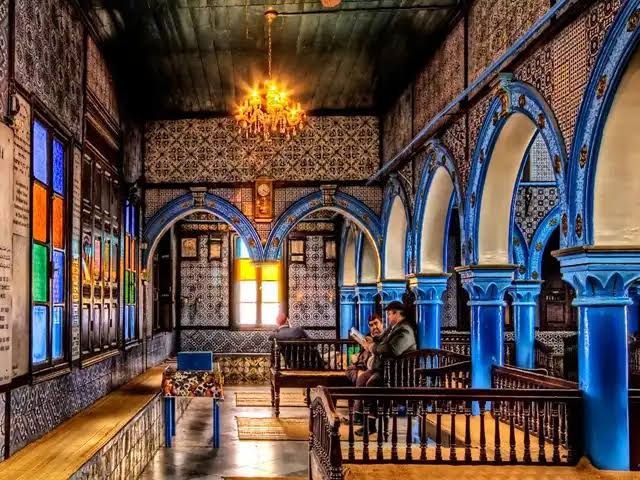

There is a small village on the island of Djerba, off Tunisia's southern coast, where a whitewashed courtyard with blue-tiled arches has held Jewish prayer for roughly 2,500 years without interruption. It's called El Ghriba, and it is not a ruin, not a museum, and not a relic of a vanished world. It is a living synagogue — one of the oldest in existence — where Torah scrolls still emerge on Shabbat, where kosher bread is still baked nearby, and where every spring thousands of pilgrims still gather to sing, pray, and remember.
At WildyNess, we've spent the past few years building something we're proud of: cultural tourism experiences centered on El Ghriba, designed to help travelers of every background step into that living history — not as spectators, but as guests of a community that has quietly kept its traditions alive through millennia of change.
A Synagogue That Never Stopped
Legend says El Ghriba was founded by priests fleeing Jerusalem after the destruction of Solomon's Temple, who carried with them a stone and a door from the original sanctuary. Historians trace the community's roots almost as far back. Either way, what's remarkable isn't just the age of the building — it's the continuity. Djerba is home to one of the largest Jewish communities left in the Arab world, still practicing, still teaching Hebrew school, still keeping a kosher slaughterhouse, still gathering at El Ghriba for the holidays.
In 2023, UNESCO recognized the island of Djerba as a World Heritage Site, citing its unique settlement pattern built around centuries of religious coexistence between Muslim, Jewish, and other communities living side by side. El Ghriba, and the neighboring Jewish quarters of Hara Sghira and Hara Kebira, sit at the heart of that story.
Every year around Lag BaOmer, in the spring, the island fills with pilgrims from France, Israel, and across the Jewish diaspora who come to honor two revered rabbis and take part in the Hilula — a festival of candles, processions, music, and shared meals that spills out of the synagogue and into the streets, drawing in Muslim neighbors as guests and hosts alike.
A Community We Choose to Stand With
This place has also been tested. It was attacked in 2002, and again in May 2023, when a gunman opened fire near the synagogue during the pilgrimage, killing worshippers and security officers who were protecting them. For those of us who have spent time in Djerba, that day wasn't a distant headline — it was an attack on people we know, a community we've worked alongside for years.
What we took from that grief wasn't a reason to look away. It was a reason to come back, and to build something that helps more people understand what's actually at stake here: a rare, resilient thread of Jewish life in North Africa that has survived by being protected, valued, and visited — not left in isolation. Tourism, done respectfully, is part of how that thread stays strong.
What the Experience Includes
Our Ghriba experience is built around learning, connection, and respect — not a quick photo stop. Depending on the season and group size, a typical visit includes:
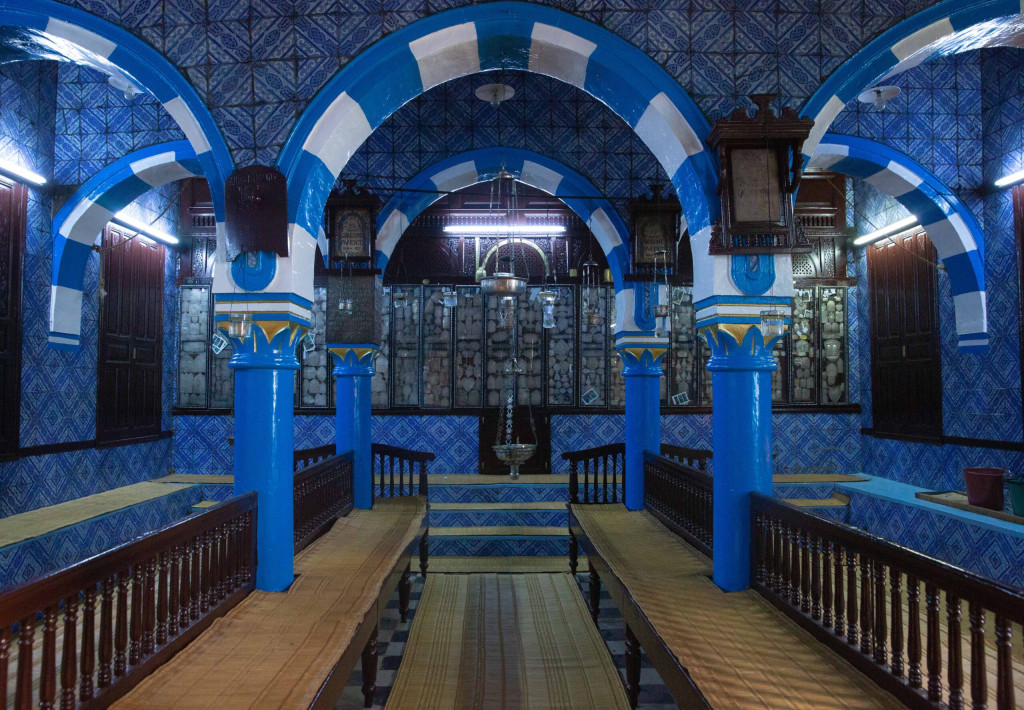
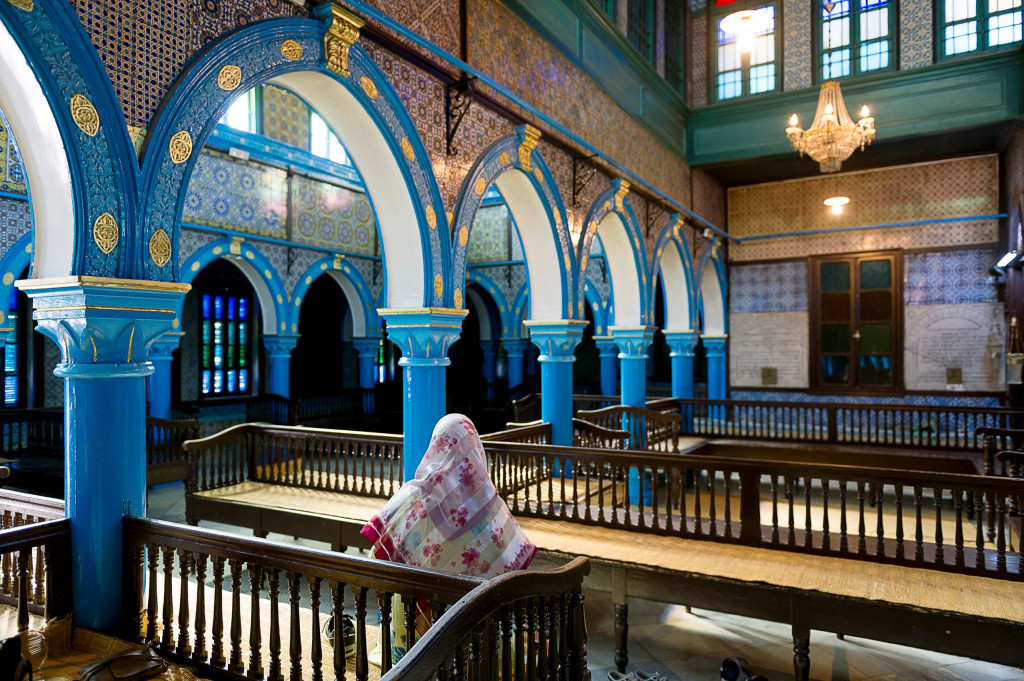
- A guided walk through El Ghriba itself, with a local guide explaining the synagogue's architecture, its legends, and its unbroken role in Djerban Jewish life — including the tradition of writing wishes on eggs and leaving them in the synagogue's inner sanctuary.
- Time in Hara Sghira and Er Riadh, the historic Jewish neighborhoods, where visitors can meet members of the community, see a working synagogue in daily use, and hear firsthand what it means to keep these traditions alive as a small and aging population.
- A conversation with a local host or community member about Jewish life in Tunisia today — food, language, family, and the everyday realities of practicing a minority faith with deep local roots.
- A visit to a Jewish silversmith or jewelry workshop. Djerban Jews have long been renowned artisans in gold and silver work, a craft still passed down within families.
- A shared meal, often featuring Djerban-Jewish dishes, prepared and eaten together — because so much of interfaith understanding happens over a table, not a lecture.
- For travelers visiting in spring, the option to witness (respectfully, as guests) the Lag BaOmer pilgrimage itself — one of the most moving displays of faith and coexistence anywhere in the Mediterranean.
Every element is designed with one goal: to replace assumptions with actual contact. Most visitors arrive knowing very little about Tunisian Jewish life. They leave having shared tea, or a meal, or a conversation with someone whose family has lived on this island for longer than most nations have existed.
Why This Matters
Interfaith tourism isn't just a nice add-on to a Tunisia itinerary — it's a quiet, practical form of protection. Every visitor who comes to learn, who spends money in these neighborhoods, who leaves and tells others what they saw, adds one more reason for this heritage to be preserved rather than forgotten. Cultural cohesion isn't built through statements; it's built through people standing in the same courtyard, eating the same food, and listening to each other.
Djerba has spent centuries proving that different faiths can share a small island without erasing one another. That's not a footnote in Tunisia's history — it's one of the most hopeful stories the region has to offer, and it deserves to be witnessed, not just read about.
Planning Your Visit
- Best time to go: Year-round for the core cultural experience; late April to May if you want to witness the Lag BaOmer pilgrimage (dates shift with the Hebrew calendar, so check ahead).
- Dress code: Modest clothing is expected — shoulders and knees covered — as a sign of respect when entering the synagogue. Head coverings are available on site if needed.
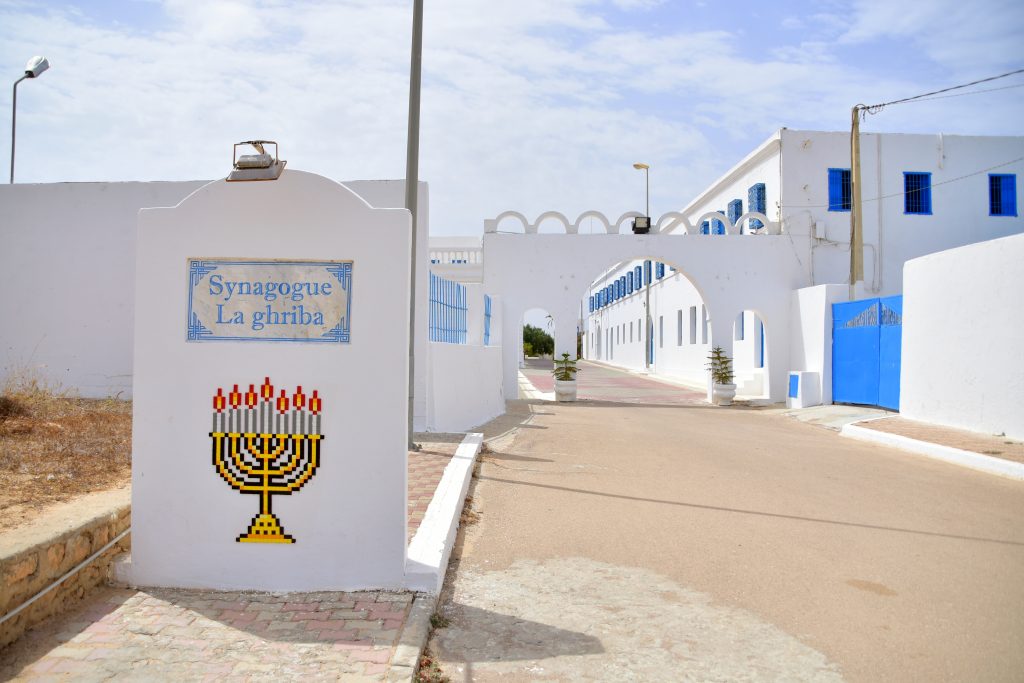
- Getting there: El Ghriba is about 20 minutes from Houmt Souk, Djerba's main town, and easily combined with a wider island itinerary.
- Group size: We keep these experiences small and unhurried, so conversations stay genuine rather than performative.
Ready to see it for yourself? [Reach out to WildyNess] to book your Ghriba Synagogue experience, or ask us to build it into a full Djerba itinerary alongside the island's markets, mosques, and pottery villages. Some of the most meaningful travel doesn't come from seeing a new place — it comes from being welcomed into one.


