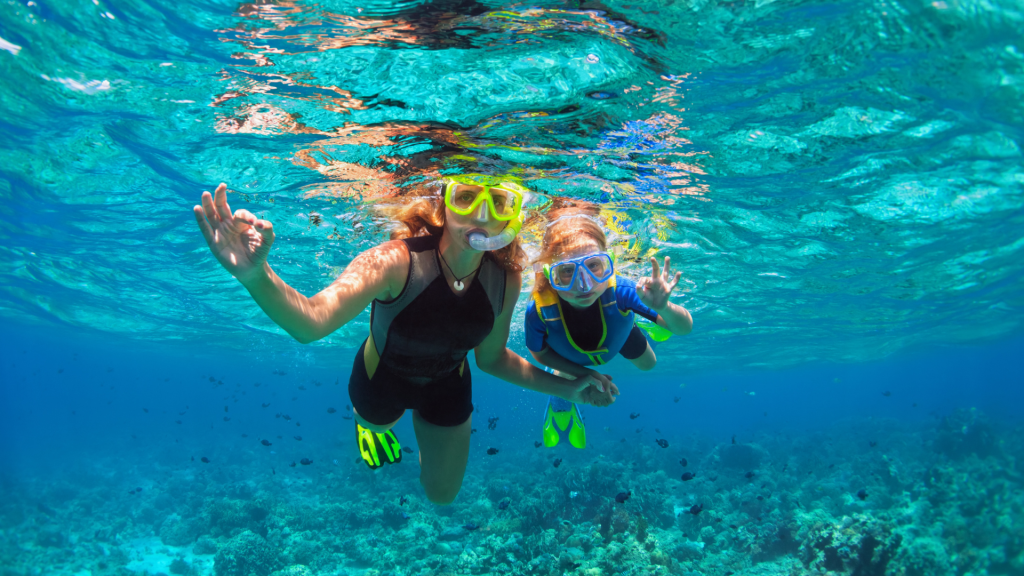

Finding yourself at a beach with murky water and no fish can be a frustrating start to your vacation.
That is why our team at WildyNess created this guide to help you find the best snorkeling spots across the United Arab Emirates.
Top Snorkeling Locations in the United Arab Emirates
The United Arab Emirates offers a surprisingly diverse range of underwater environments that cater to different skill levels. While many people associate the country with skyscrapers and desert dunes, the coastlines along the Gulf of Oman and the Arabian Gulf provide unique opportunities for marine exploration. Understanding the geography of these spots is the first step toward a successful trip.
Fujairah and the East Coast Gems
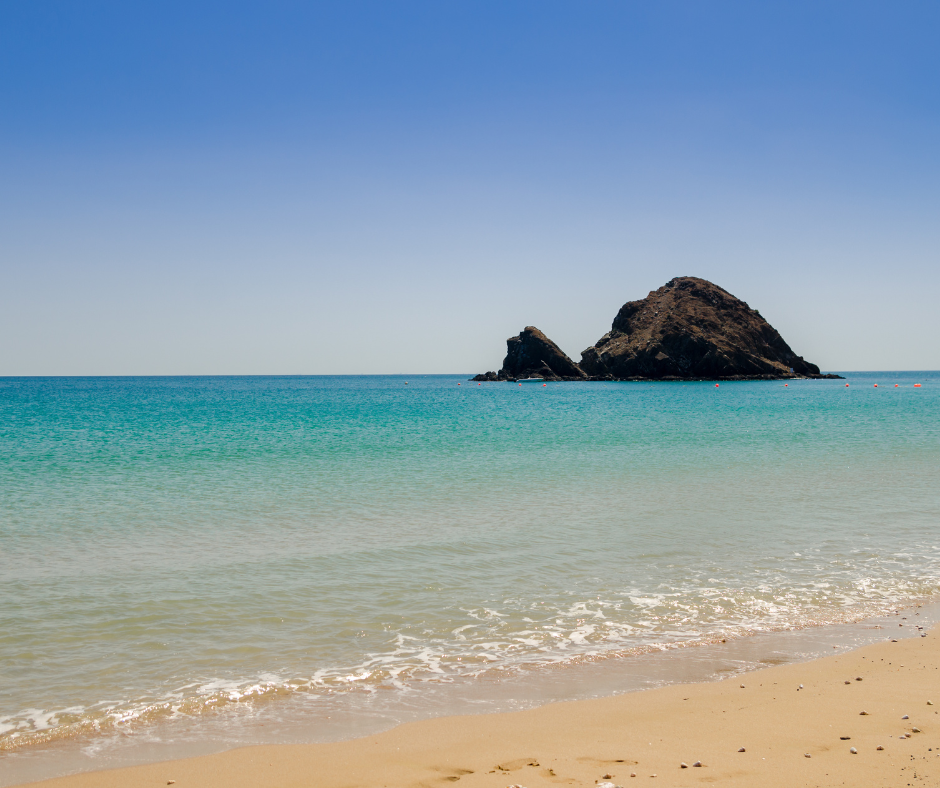
Fujairah is widely considered the premier destination for snorkeling in the country because it faces the Indian Ocean. The water here is generally deeper and clearer than on the west coast. Snoopy Island is perhaps the most famous spot in this region. It is easily accessible from the shore and features a rocky perimeter where coral has settled. You can expect to see a variety of reef fish and the occasional sea turtle gliding through the shallows.
Another essential location in Fujairah is Dibba Rock. This site usually requires a short boat ride to reach, but the effort is rewarded with better visibility and larger marine life. The rock is surrounded by soft and hard corals that act as a nursery for many species. Because it is a protected area, the fish populations are often more dense here than at other shore-accessible sites.
Read also: Snorkelling in Fujairah: Best Spots, Marine Life & Local Tip
Abu Dhabi and Dubai Coastal Options
Abu Dhabi offers a different experience that focuses more on calm, shallow waters and mangrove ecosystems. Saadiyat Island is a popular choice for those who prefer a relaxing day by the sea with the chance to spot some marine life. The visibility depends heavily on the weather, so it is best to visit when the winds are low. The sandy bottom is often home to small rays and various species of crabs that are interesting for younger snorkelers to observe.
Dubai also has specific areas where you can enjoy the water, though many of the best experiences are found around man-made structures. The World Islands and certain areas around the Palm Jumeirah have developed their own mini-ecosystems over time. While these spots may not offer the same reef density as Fujairah, they provide a convenient way for city residents and tourists to get into the water without a long drive.
Read also: Top Things to Do in Abu Dhabi: A Local’s Guide to Hidden Gems

And, Dubai Travel Guide: Authentic Things to Do & Practical Tips
Seasonal Guide and Optimal Water Conditions
Timing your trip is just as important as choosing the right location. The UAE experiences extreme temperature shifts throughout the year, which affects both your comfort and the behavior of the fish. Planning around the seasons ensures that you spend more time looking at fish and less time fighting the elements.
When to Visit for Maximum Visibility
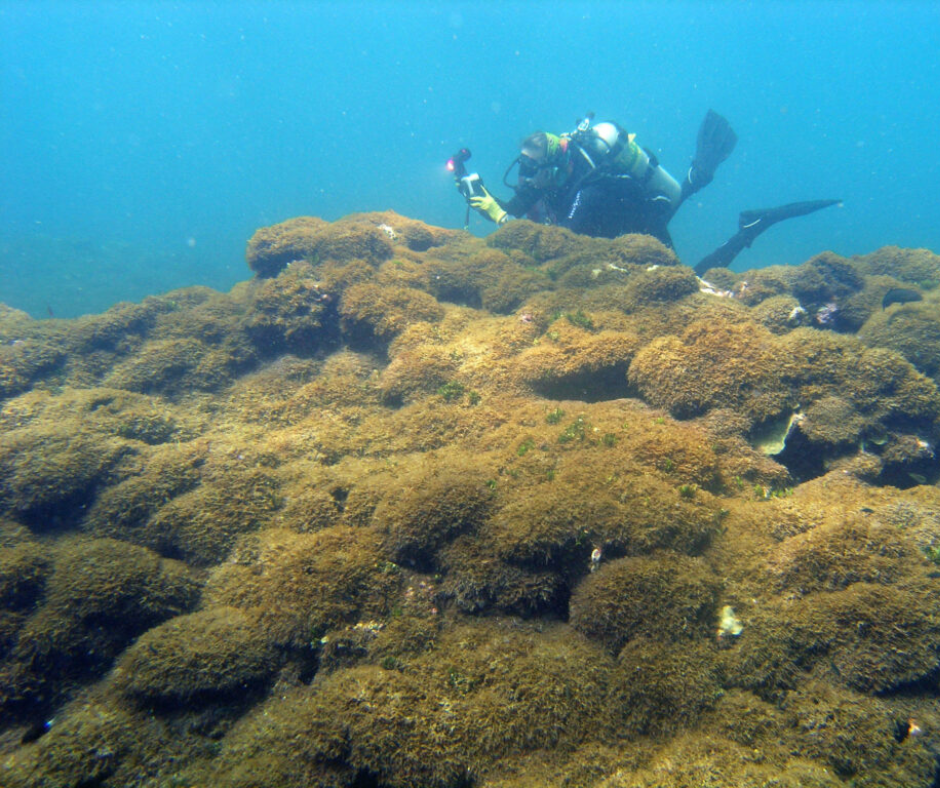
The best months for snorkeling in the UAE are generally from October to May. During this period, the air temperature is manageable and the water is refreshing. Visibility tends to be at its peak during the shoulder seasons when the water is neither too hot nor too cold. In the height of summer, the water can become very warm, which sometimes leads to algae blooms that can cloud the view.
Winter months offer the clearest water, but you should be prepared for cooler temperatures. A thin wetsuit or a thick rash guard is often necessary if you plan to stay in the water for more than twenty minutes. The East Coast remains relatively stable compared to the West Coast, making it a reliable year-round choice for enthusiasts.
Daily Timing and Weather Impacts
Mornings are almost always the best time to head into the water. Winds typically pick up in the afternoon, which creates chop and stirs up sediment from the sea floor. By arriving at your chosen spot early, you take advantage of the calmest conditions and the best natural light. Sunlight hitting the water at a direct angle makes it much easier to see the colors of the coral and the patterns on the fish.
You should also keep an eye on the local weather reports for any signs of recent rain or high winds. Rain can cause runoff that lowers visibility for several days. High winds create swells that make snorkeling near rocks like Snoopy Island or Dibba Rock potentially hazardous. Always check the sea state before you commit to a long drive to the coast.
Essential Gear and Packing for the Arabian Gulf
Having the right equipment can make the difference between a relaxing swim and a constant struggle with your gear. While many hotels and dive centers offer rentals, bringing your own items ensures a perfect fit and better hygiene. A few specialized items can also protect you from the intense sun and local marine conditions.
Choosing the Right Snorkel and Mask
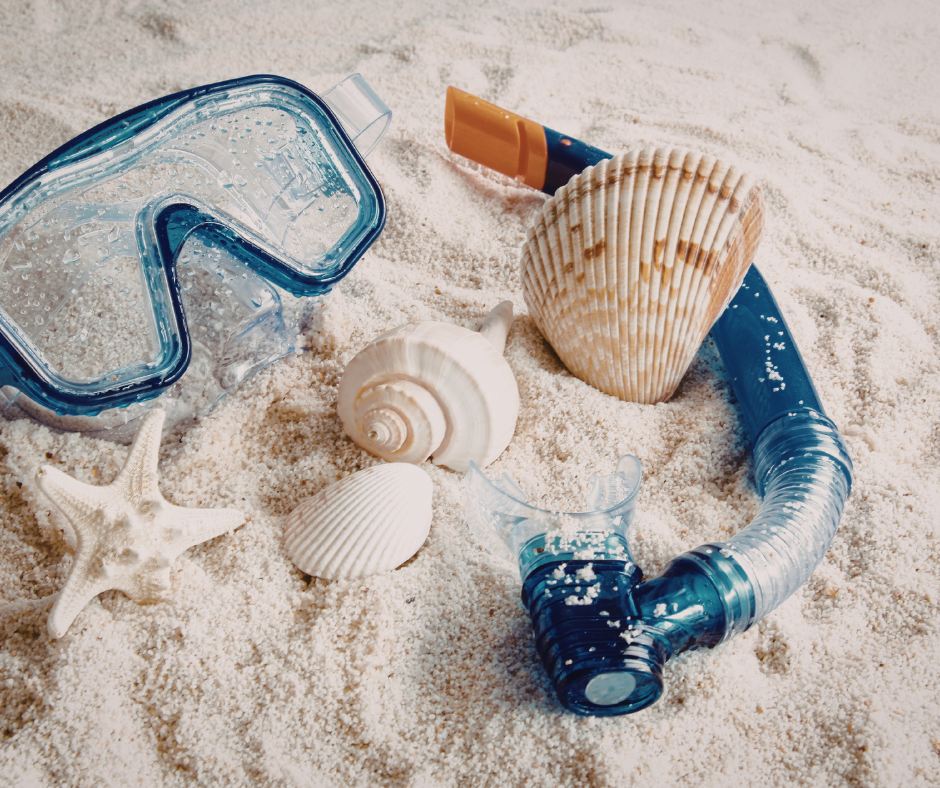
A well-fitting mask is the most important piece of equipment you will own. It should create a perfect seal around your face without being so tight that it causes discomfort. You can test this by placing the mask on your face without the strap and inhaling slightly through your nose. If the mask stays in place, the fit is correct. Tempered glass lenses are preferred because they are more durable and less likely to fog up than plastic alternatives.
The snorkel itself should be comfortable in your mouth and easy to clear of water. Dry-top snorkels are excellent for beginners because they have a valve that closes when you go underwater. This prevents you from accidentally swallowing salt water if a wave passes over you. If you choose a traditional snorkel, make sure you practice the blast clear method in shallow water before heading out to deeper areas.
Sun Protection and Exposure Suits
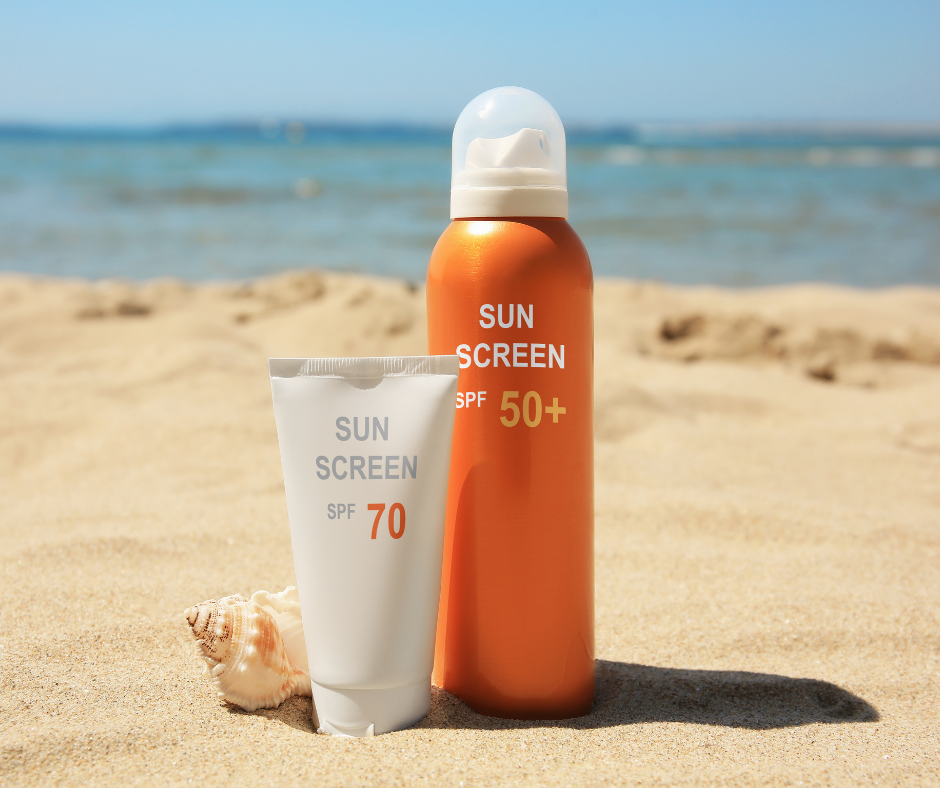
The sun in the UAE is exceptionally strong, even on cloudy days. Because your back is constantly exposed while snorkeling, a high-quality rash guard with UPF 50 protection is highly recommended. This is often more effective than sunscreen because it does not wash off and provides a physical barrier against jellyfish stings. If you prefer using sunscreen, ensure it is a reef-safe mineral formula to protect the delicate coral reefs.
Fins are another essential item that help you move efficiently through the water with minimal effort. Short, flexible fins are usually sufficient for casual snorkeling and are much easier to pack in a suitcase. For those snorkeling in Fujairah, where currents can sometimes be stronger, a slightly longer fin may provide better propulsion. Always wear neoprene socks or booties if your fins have open heels to prevent blisters.
Marine Life Encounters and Species Identification
The waters of the UAE are home to a surprising array of biodiversity. From small, colorful reef fish to majestic sea turtles, there is always something new to discover. Knowing what to look for and how these animals behave will enrich your experience and help you spot things you might otherwise miss.
Identifying Common Reef Fish
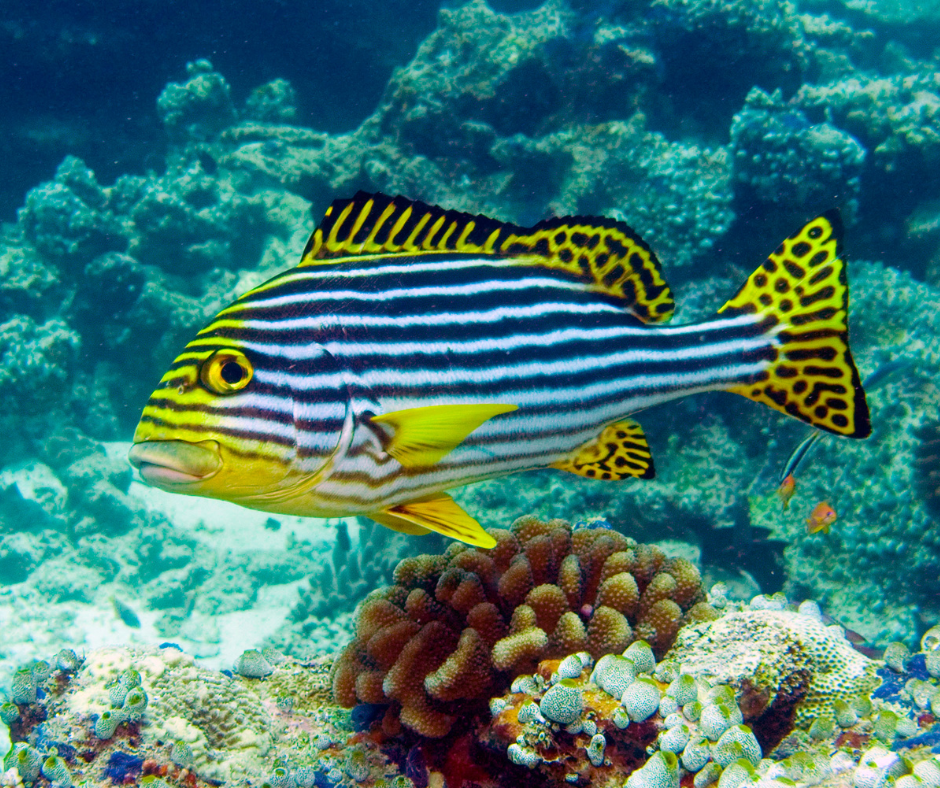
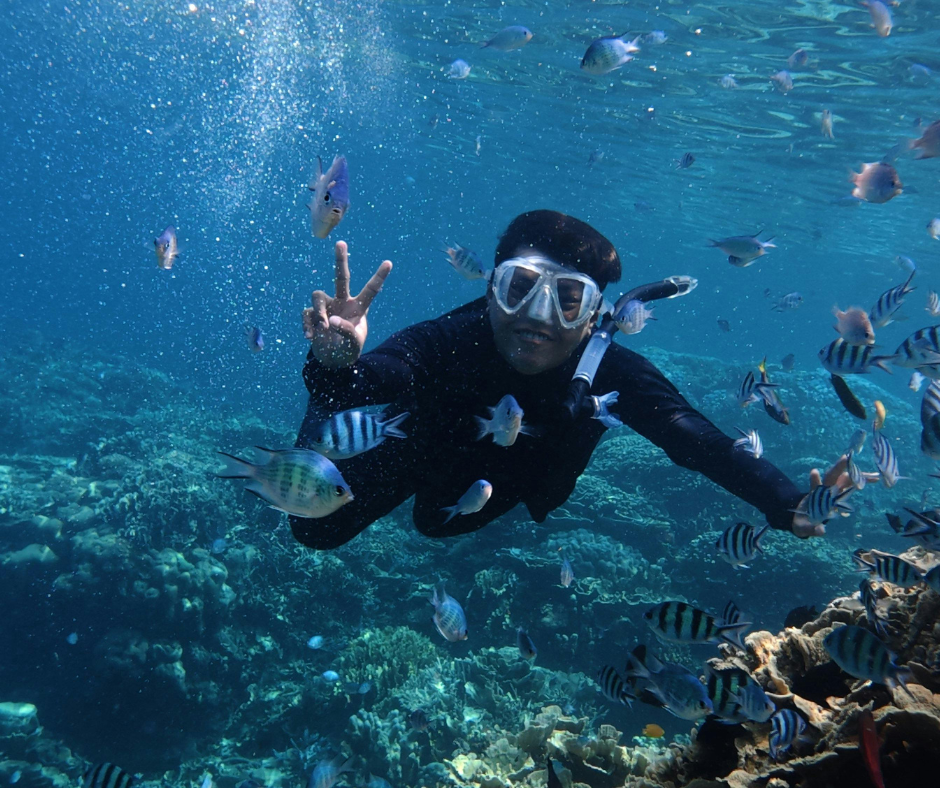
Parrotfish are among the most colorful residents of the UAE reefs and are easily recognized by their beak-like mouths. You will often hear them before you see them as they crunch on coral to eat the algae inside. Another common sight is the Arabian Butterflyfish, which usually travels in pairs and has striking yellow and black patterns. These fish are relatively brave and will often allow you to watch them from a short distance.
You might also encounter schools of Sergeant Majors, which are small fish with vertical black stripes. They are very active and often congregate near the surface or around rocky outcrops. If you look closely into the crevices of the rocks, you might find a moray eel peeking out. These creatures are not aggressive but should be treated with respect and given plenty of space.
Encountering Turtles and Rays
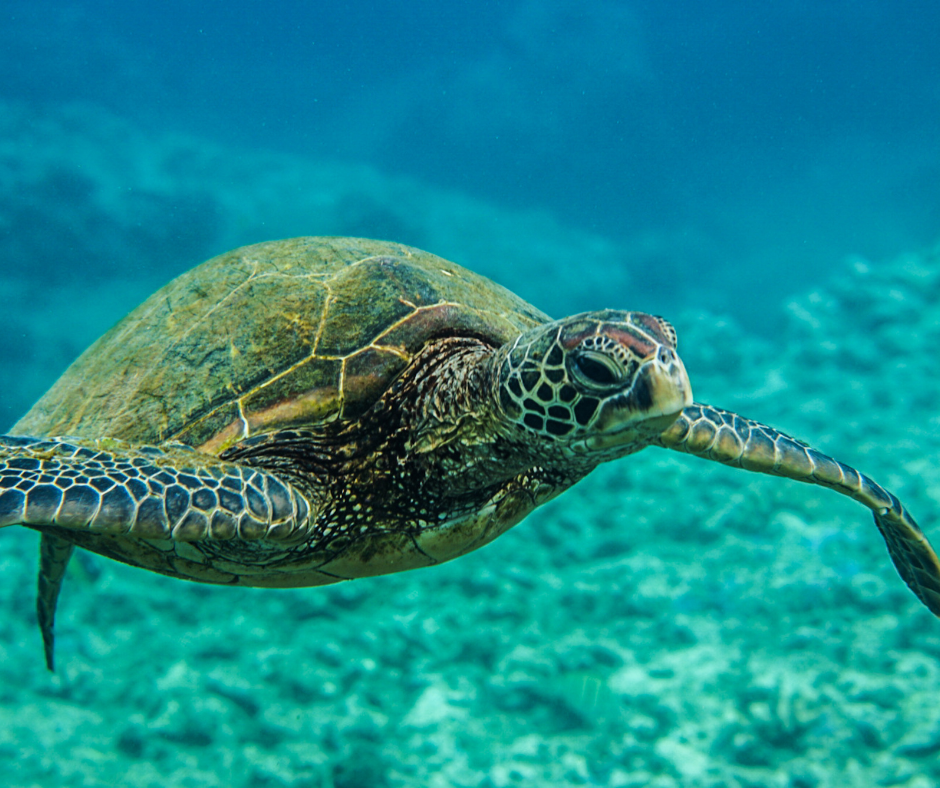
Sea turtles are a highlight for many visitors to Snoopy Island and Dibba Rock. Green turtles and Hawksbill turtles are the most common species found in these waters. They are often seen feeding on sea grass or resting on the sandy bottom between reef sections. To get the best view, stay still and move slowly. If a turtle feels threatened, it will swim away quickly, so it is best to observe them from the side rather than swimming directly over them.
Rays are frequently found in the sandy areas near the reefs or in the shallow waters of Abu Dhabi. Blue-spotted ribbontail rays are particularly beautiful with their bright blue spots and long tails. They often bury themselves in the sand for camouflage, so keep a sharp eye out for their distinctive shapes. Like all marine life, rays should never be touched or chased, as they can be quite shy.
Planning Your Trip: Tours versus Independent Exploration
Deciding how to access the water depends on your comfort level and how much gear you want to carry. Both guided tours and shore-based adventures have their own benefits. Choosing the right method will help you manage your budget and ensure that you see the best parts of the reef.
Benefits of Guided Boat Tours
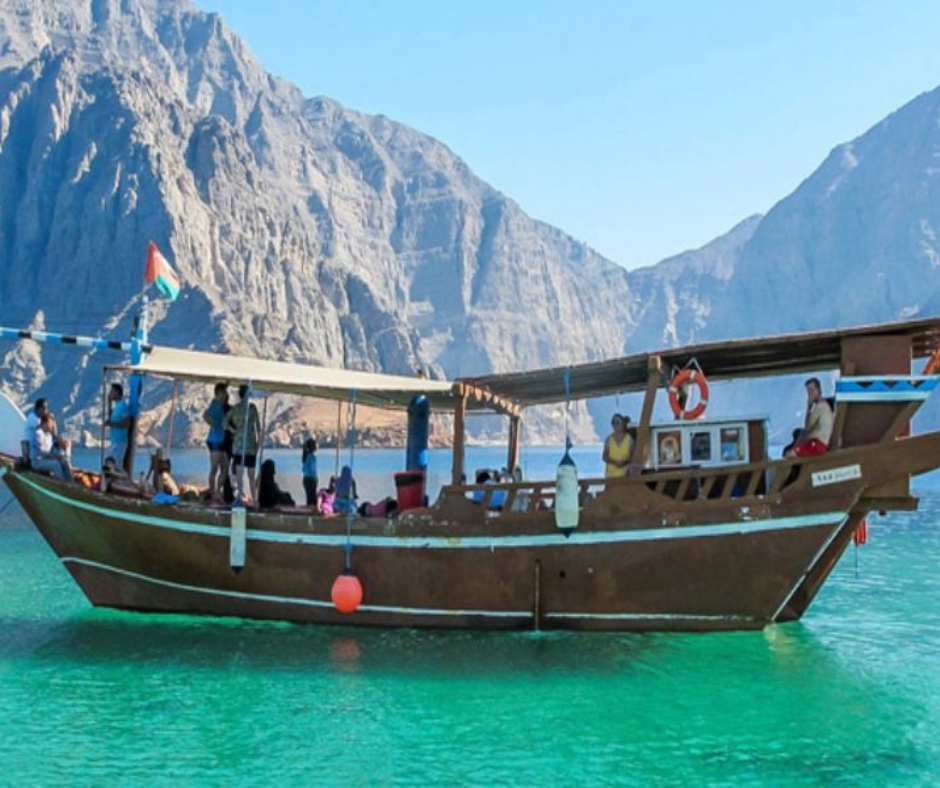
Guided tours are an excellent option for families or those who want a stress-free experience. Most tours depart from the Fujairah coastline and include all necessary equipment, snacks, and a professional guide. The guides know exactly where the fish are hiding and can help you identify different species as you see them. Taking a boat also allows you to reach offshore sites like Dibba Rock that are impossible to get to from the beach.
Safety is another major advantage of booking a tour. The boat provides a secure base for your belongings and a place to rest if you get tired. Captains also monitor the weather and currents constantly, ensuring that you are only in the water when it is safe. If you are a beginner, having an expert nearby to help with your mask or provide a flotation vest can make the experience much more enjoyable.
Tips for Self-Guided Shore Snorkeling
If you prefer flexibility and want to save money, shore snorkeling is a great alternative. Sites like Snoopy Island are perfect for this because you can simply walk into the water from the public beach. This allows you to set your own schedule and spend as much or as little time in the water as you like. You do not need to worry about boat schedules or group timelines.
When planning a self-guided trip, make sure you have a plan for your valuables on the beach. It is also important to tell someone where you are going and when you expect to be back. Since you will not have a guide, you should research the specific entry and exit points for each site. For example, at Snoopy Island, the easiest entry is from the sandy stretch directly in front of the island, avoiding the sharp rocks to the sides.
Safety Protocols and Environmental Responsibility
Snorkeling is a low-risk activity, but it still requires a basic understanding of water safety and environmental etiquette. The reefs in the UAE are fragile ecosystems that face many challenges, so every visitor plays a role in their preservation. Following a few simple rules ensures that these underwater landscapes remain healthy for years to come.
Navigating Currents and Staying Hydrated
Currents can change quickly, especially around islands and rocky points. Before you enter the water, take a moment to watch the surface for any signs of fast-moving water or ripples that look different from the surrounding area. It is usually best to swim against the current at the start of your snorkel so that you have an easier trip back to your exit point when you are tired. If you find yourself in a strong current, do not panic and swim across it rather than directly against it.
Dehydration is a common issue in the warm climate of the UAE. You lose fluids even while you are in the water, so it is essential to drink plenty of water before and after your session. Avoid heavy meals right before you go snorkeling to prevent cramps or discomfort. If you start to feel dizzy or tired, exit the water immediately and rest in the shade.
Sustainable Snorkeling Practices
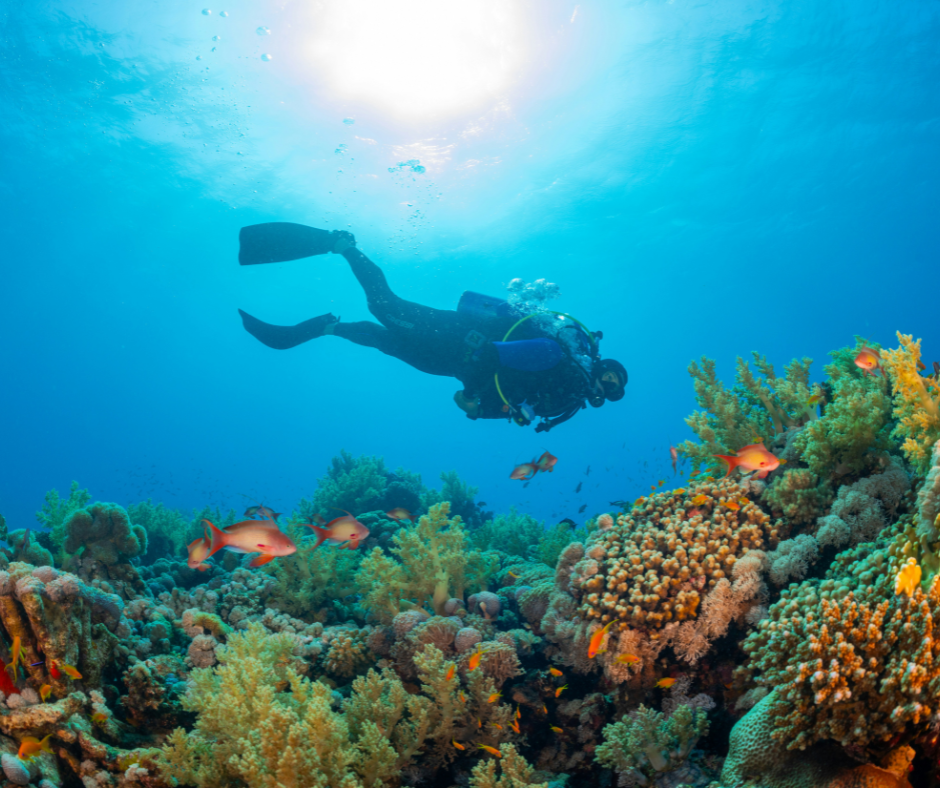
The coral reefs are living organisms that can be easily damaged by a single touch or a kick from a fin. Always maintain a safe distance from the reef and never stand on the coral, even if it looks like a rock. If you need to adjust your gear, look for a patch of sand where you can safely stand without disturbing any marine life. This simple habit protects the reef and ensures that the fish have a healthy place to live.
You should also be mindful of the products you use. Many standard sunscreens contain chemicals that are toxic to coral. Choosing a reef-safe brand or wearing a rash guard is a much better choice for the environment. Additionally, never take anything from the ocean, including shells or pieces of dead coral. These items serve as homes and nutrients for other organisms within the ecosystem.
Family-Friendly Snorkeling Strategies
Taking children snorkeling is a wonderful way to introduce them to the wonders of nature. However, it requires a bit more preparation and patience to ensure that everyone has a positive experience. Choosing the right location and the right gear will help your kids feel confident and safe in the water.
Introducing Children to the Water
The best way to start is in very shallow water where the child can easily stand up. Let them practice wearing their mask and breathing through the snorkel on the beach or in a pool before heading into the ocean. This helps them get used to the sensation without the added distraction of waves or fish. Once they are comfortable, you can move into knee-deep water and let them look down at the sand.
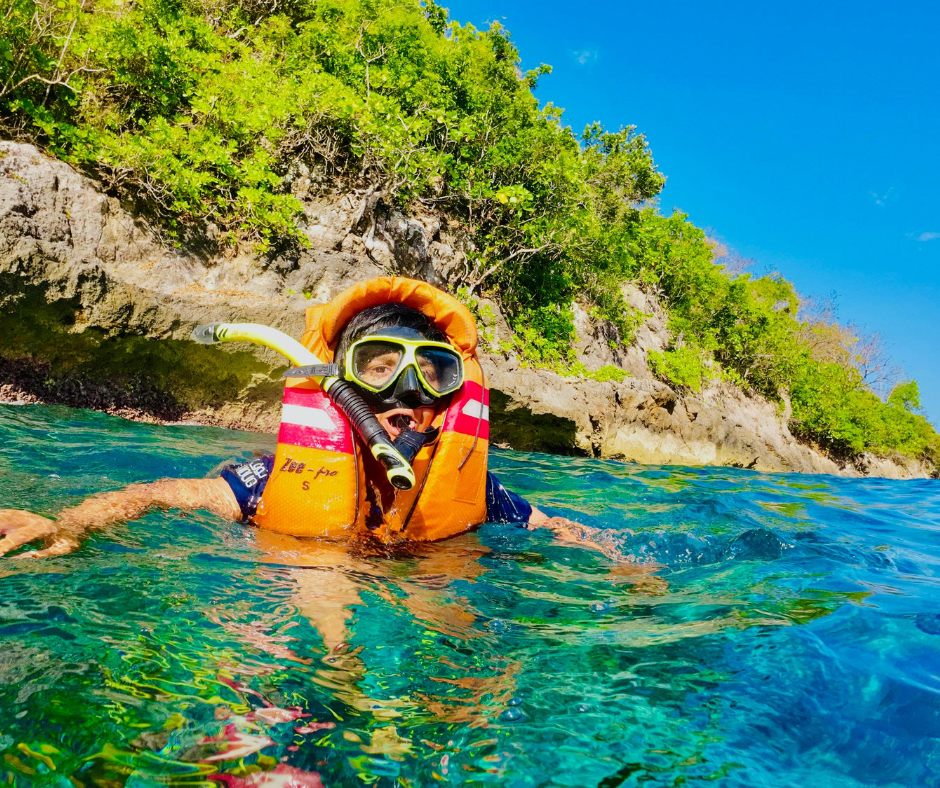
Using a flotation aid like a life jacket or a snorkel vest is highly recommended for children. This allows them to float effortlessly on the surface so they can focus entirely on looking at the fish. It also gives you peace of mind as a parent, knowing that they have extra buoyancy. Keep the first few sessions short to avoid fatigue and make sure to celebrate every small discovery they make.
Top Locations for Beginners and Kids
For families, the calm waters of Saadiyat Island in Abu Dhabi or the shallow areas around the Sandy Beach Resort in Fujairah are ideal. These spots have easy beach access and plenty of amenities nearby, such as restrooms and shade. The water at these locations stays shallow for a long distance, which is perfect for kids who might be a little nervous about deep water.