
Planning a journey through vast desert landscapes can feel overwhelming when you do not know where to start.
That is why our team at WildyNess created this guide to ensure you have all the practical insights needed to explore these protected areas safely and sustainably.
High-Altitude Havens of the Southwest
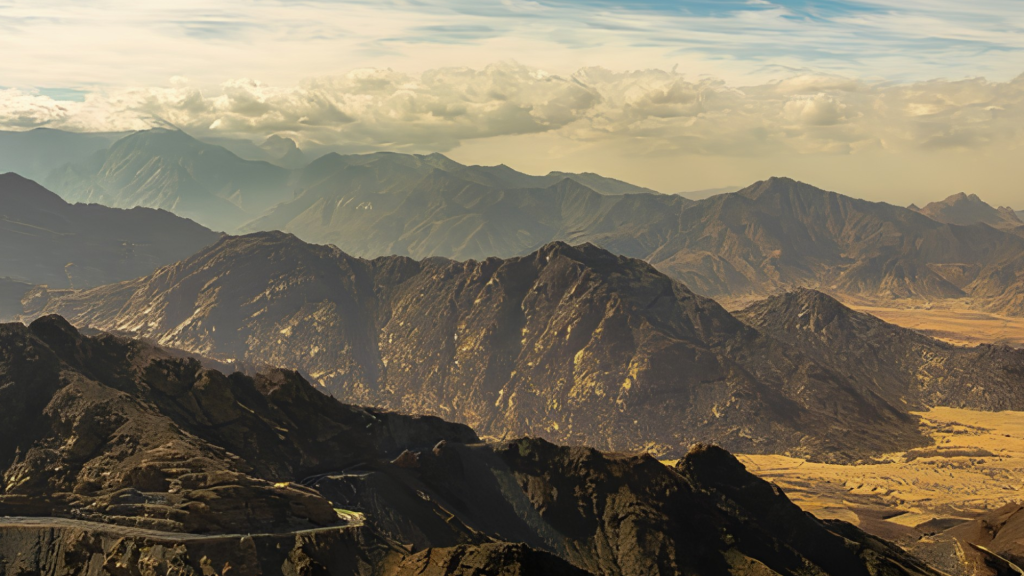
Asir National Park and Jabal Soudah
Located in the southwestern highlands, Asir National Park is where the landscape becomes vertical and green.
We recommend starting your morning near Abha and pushing toward the high viewpoints of Jabal Soudah for ridge walks and sunrise views.
Raghadan Forest Park in Al Baha
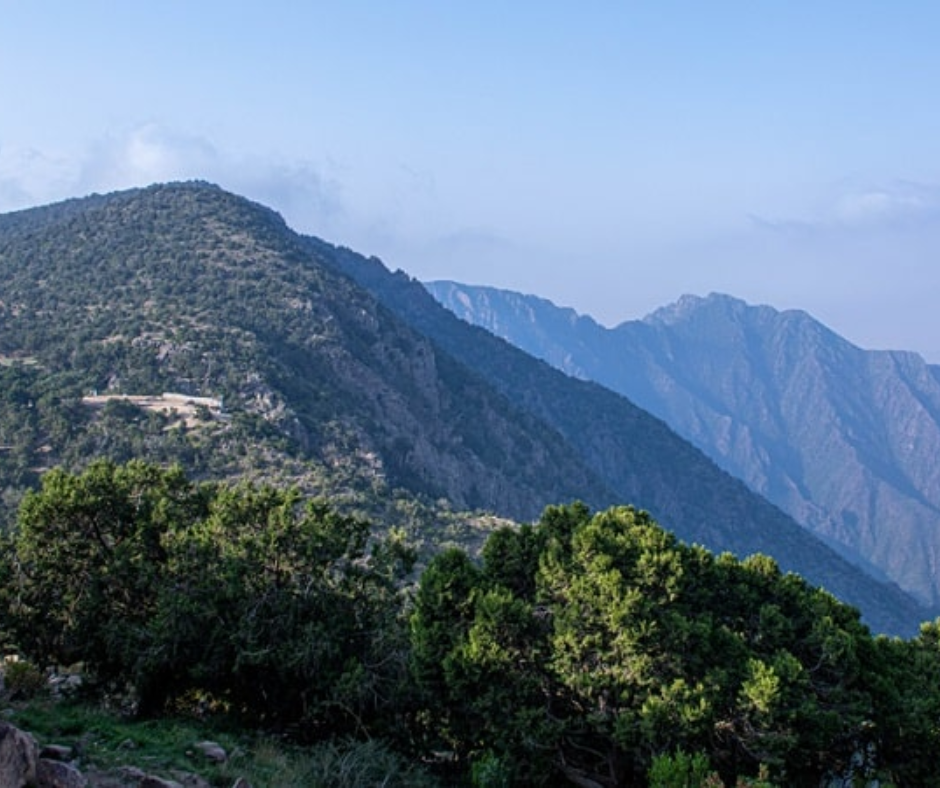
If you want a mountain destination with a wilder, less crowded feel, add the forested slopes of Al Baha to your travel plan. The trails here focus on accessible daytime treks and clear viewpoints rather than highly technical mountain climbing.
The main draws include steep paths covered in green foliage, clear clearings that offer a peaceful retreat, and cool evening breezes that make outdoor cooking comfortable. It serves as an excellent intermediate trekking spot for those adjusting to the high elevation of the western mountain ranges.
Volcanic Fields and Dramatic Escarpments
Harrat Khaybar Volcanic Desert
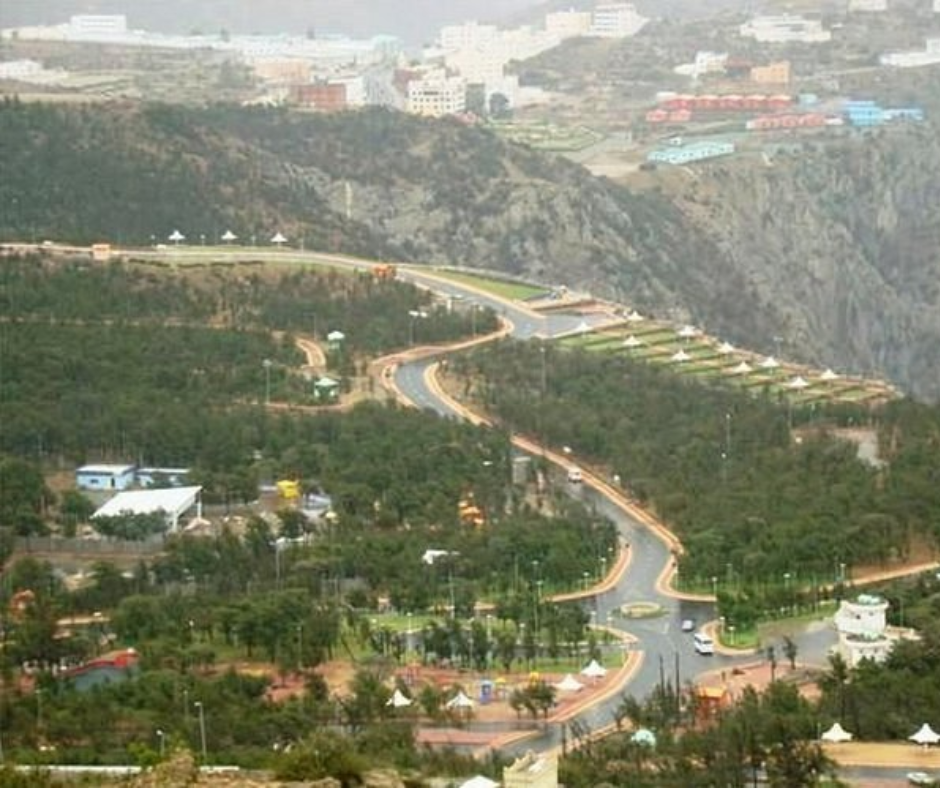
Shifting away from the green peaks, Harrat Khaybar offers an adventure across a massive volcanic field.
Walking here allows you to explore ancient geological formations up close. We advise planning a half-day loop to examine the white and black cones, timing your trek for the late afternoon when the sun highlights the deep textures of the volcanic rock.
The Tuwaiq Escarpment and Al Kharrarah
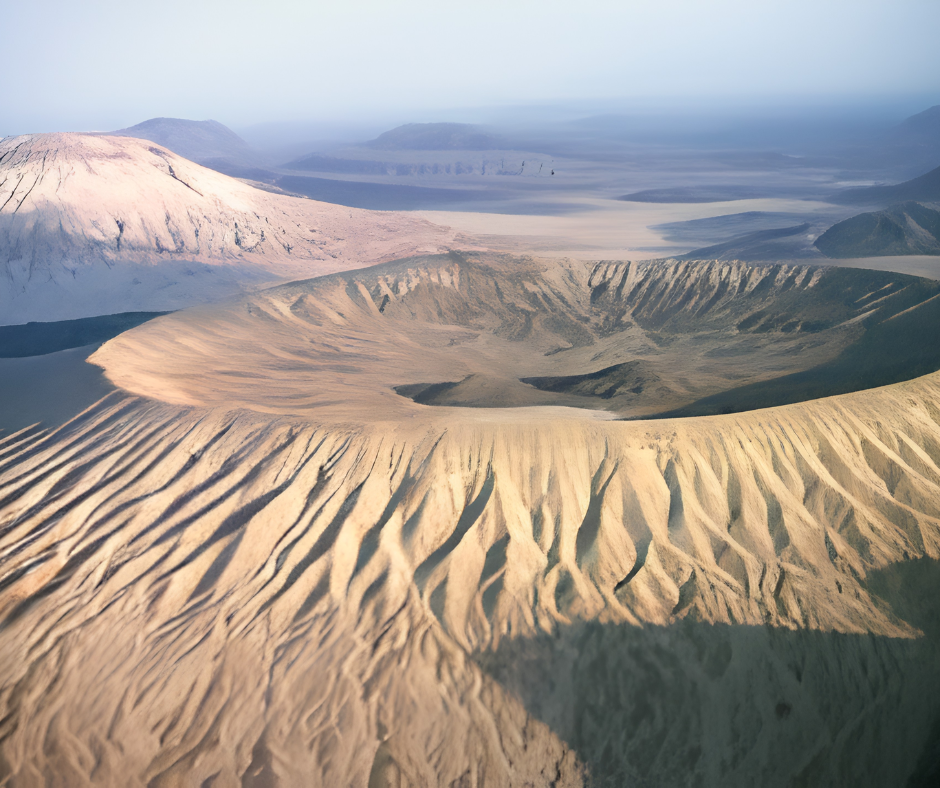
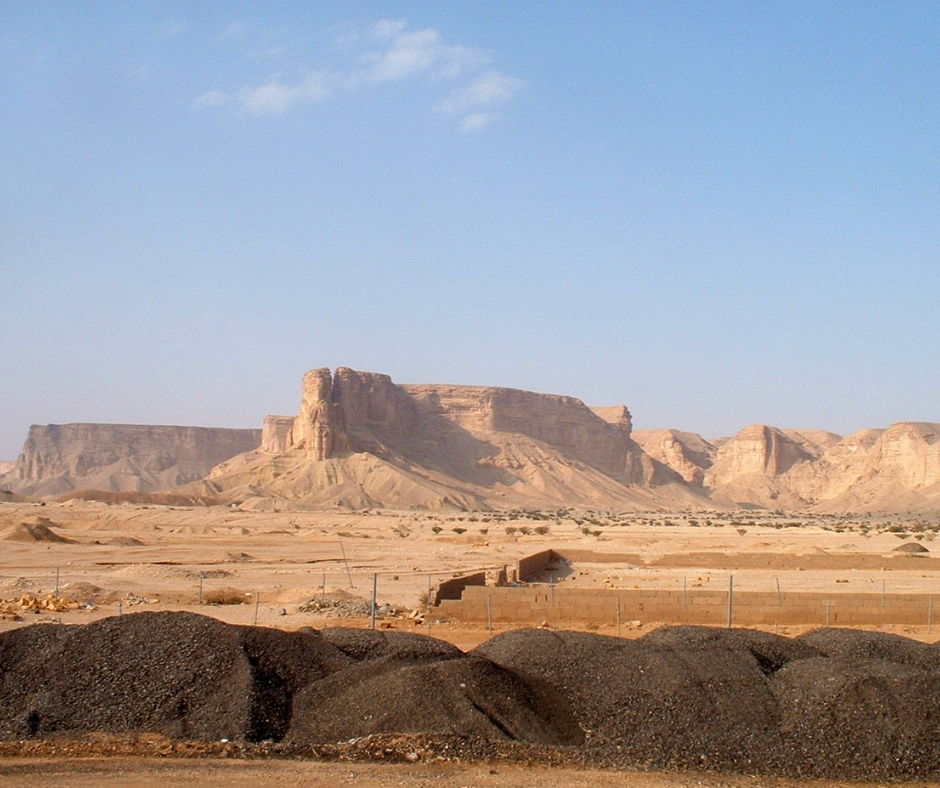
For dramatic views within driving distance of Riyadh, the Tuwaiq escarpment delivers the classic Edge of the World experience, characterized by sheer cliffs and an endless horizon.
Just a short drive away lies Al Kharrarah National Park, where massive red sand dunes meet seasonal lakes after heavy rainfall.
Sandstone Monuments and Arid Reserves
Sharaan Nature Reserve in AlUla
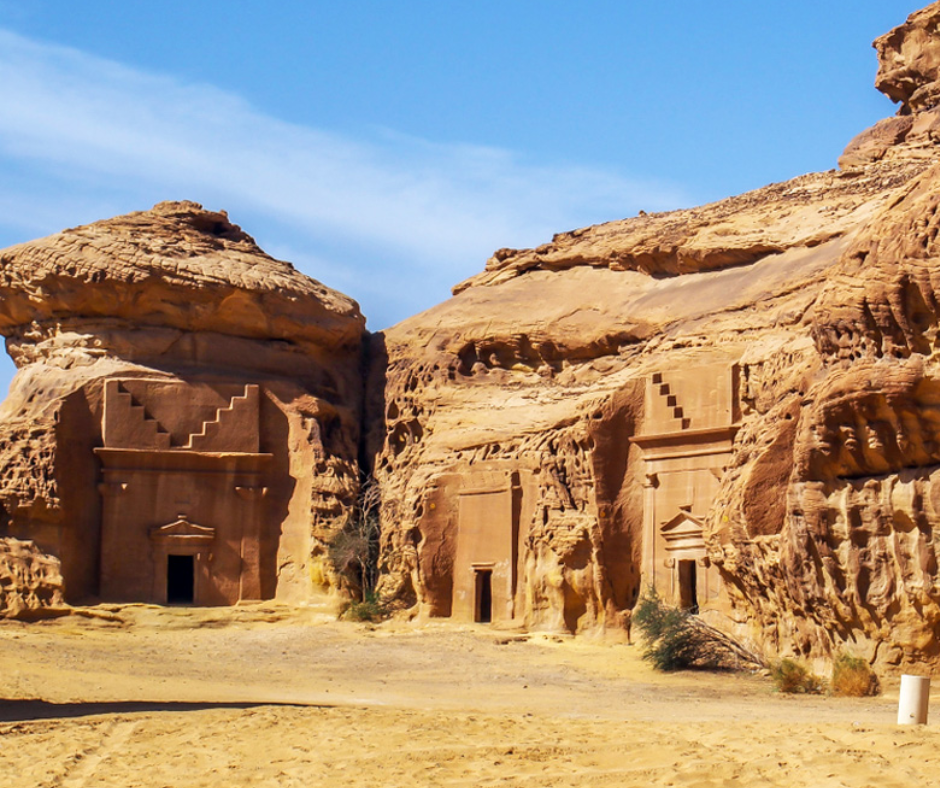
The protected landscapes of AlUla offer a spectacular mix of cultural heritage and sandstone valleys. At the Sharaan Nature Reserve, canyons and red rocks create a unique desert ecosystem that shelters vulnerable wildlife species.
You can combine a morning trek around distinct rock formations like Elephant Rock with a walk along the lush Oasis Heritage Trail. This combination allows you to see how ancient civilizations interacted with the natural water sources of the region.
Mahazat as-Sayd Protected Area
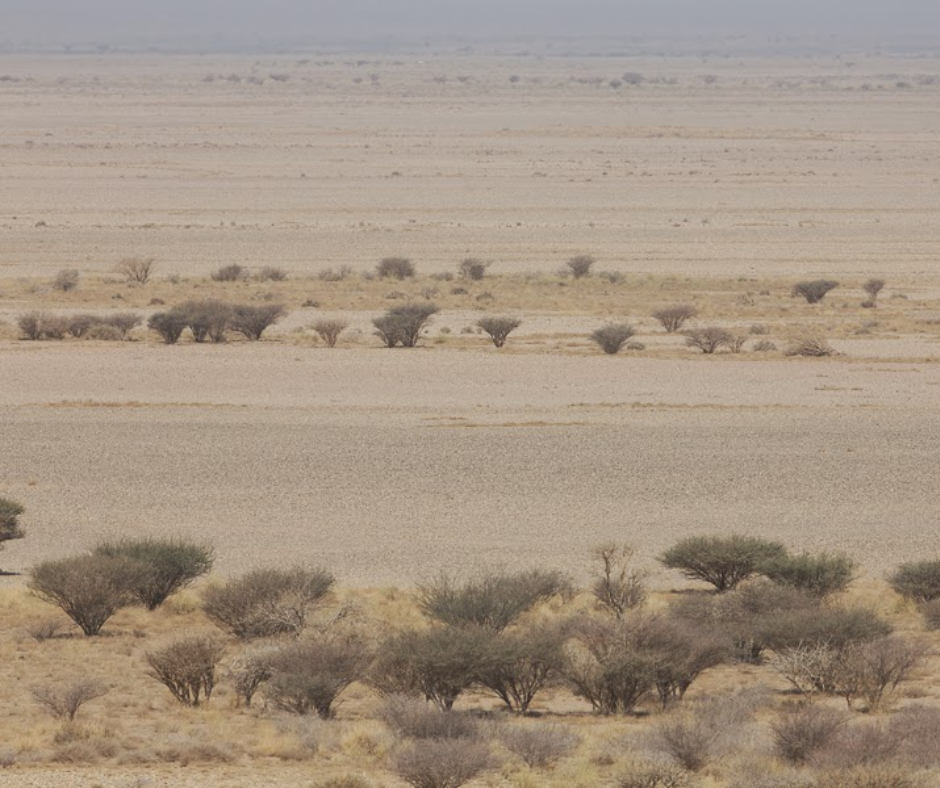
For a deep safari experience in the flat desert plains, this fenced reserve stands as a major conservation success story. The landscape consists of open gravel plains and low vegetation, making it an optimal environment for tracking native species.
Travelers can explore the designated Oryx Trail, which spans eight kilometers across sandy paths and rocky ridges.
Seasonal Timing and Climate Management
The Optimal Winter Window
Weather conditions dictate the safety and comfort of any outdoor excursion in the Arabian Peninsula. The cooler months from November to February represent the prime window for trekking and camping. During this season, daytime temperatures regularly stay between 15°C and 25°C across the central and northern parks.
This mild climate allows you to remain active throughout the day without the risk of heat exhaustion, and it coincides with the period when local wildlife is most active during daylight hours.
Managing the Shoulder and Summer Months
The shoulder months of September and April require a flexible daily schedule to avoid midday heat. If you visit during these times, you must start your treks at sunrise, rest in shaded areas or air-conditioned vehicles during the peak afternoon sun, and resume outdoor activities late in the evening.
The summer period from May to August brings extreme heat that often exceeds 45°C in the desert. During these months, activities should be restricted to brief coastal excursions, early morning drives, and high-altitude mountain trails in the Asir region.
Entry Logistics and Conservation Guidelines
Securing Permits and Access Rights
Many of the top natural areas and wildlife reserves operate under specific conservation regulations that require administrative permits before entry.
We recommend taking clear screenshots of your entry confirmations and saving your identification documents offline, as mobile network coverage is unreliable in remote desert valleys and deep mountain canyons.
Working with Local Eco-Guides
Booking a licensed local eco-guide is highly beneficial when exploring unmarked trails, navigating complex volcanic fields, or entering areas with sensitive wildlife populations. Local experts ensure accurate route navigation, share essential safety tips regarding regional terrain, and handle the logistics of transport and emergency communications.
Before committing to an excursion, always confirm the specific route plan, group numbers, and the precise list of gear provided by your guiding team.
Wildife Tracks and Marine Environments
Land Species and Desert Tracking
Saudi Arabia's conservation areas host unique desert-adapted species that require a quiet, patient approach to observe. The Arabian oryx, with its white coat and long horns, is best spotted during the dawn hours when these animals move to feeding grounds before the sun peaks.
To maximize your chances of spotting gazelles, desert foxes, and migrating birds of prey, you should position yourself at elevated viewpoints early in the morning and scan the landscape slowly without making sudden movements or loud noises.
Red Sea Ecosystems and Coastal Parks
The marine reserves along the western coast offer a completely different adventure centered on coral reefs and diverse marine life. The waters near Jeddah and Yanbu feature pristine coral gardens, deep underwater walls, and mangrove lagoons that shelter schools of reef fish, marine turtles, and passing dolphins.
For the best clarity and calmest waters, plan your snorkeling or diving sessions for the early morning hours, and ensure your equipment does not touch or damage the fragile coral structures.
Balancing Wilderness and Urban Bases
Single-Day Park Excursions
Integrating nature treks with city comfort keeps your journey balanced and logistically simple. Many of the finest natural features sit within a two-hour drive of major urban centers, allowing you to tackle demanding trails in the morning and return to a city base by nightfall.
This strategy lets you enjoy a local dinner in traditional markets, utilize reliable laundry services, and rest in standard accommodation before your next outdoor day.
Multi-Day Hub Strategies
For longer itineraries, choosing a strategic regional hub like Abha, AlUla, or Tabuk allows you to unpack once and execute multiple day trips into different surrounding parks. This method eliminates the stress of moving heavy luggage across rough terrain and gives you a reliable base to monitor local weather alerts.
Our team focuses on creating seamless travel plans that merge these authentic natural encounters with local cultural immersion. If you want to experience these diverse landscapes with expert route design and sustainable logistics, you can look through our curated travel guides at WildyNess to build your next regional itinerary.