
Traveling through a new country often involves the stress of not knowing local customs or which dishes actually define the culture.
That is why our team at WildyNess created this guide to help you navigate the rich flavors and unique dining etiquette of Saudi Arabia with total confidence.
National Staples You Cannot Miss
The Legends of Kabsa and Long Grain Rice
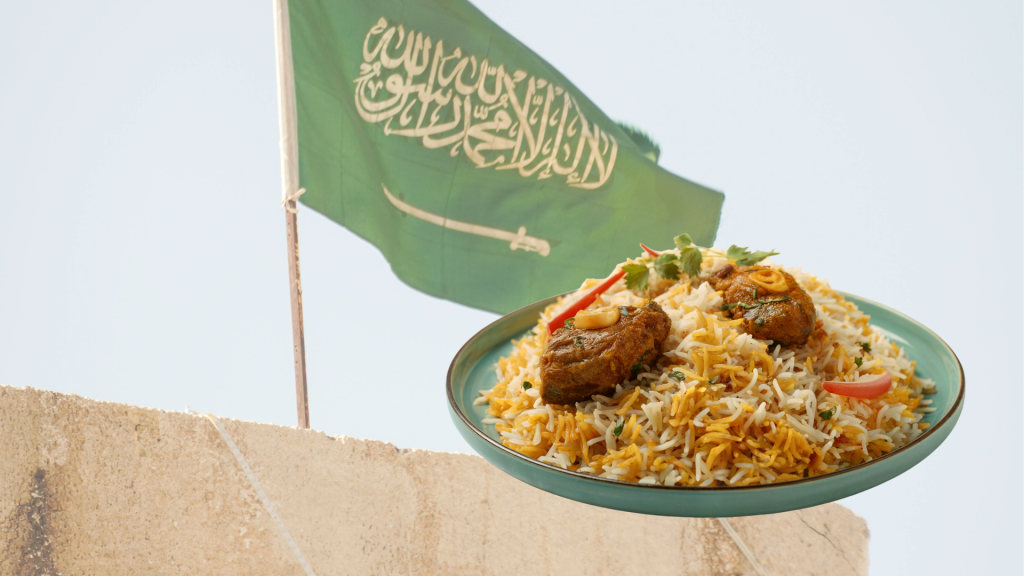
Kabsa stands as the undisputed national dish of Saudi Arabia and serves as the centerpiece of almost every major social gathering. This meal consists of long grain rice cooked with a blend of black lime, cloves, cardamom, and cinnamon which gives the grains a deep orange hue and a warm aroma. You will typically find it topped with a large portion of chicken, lamb, or occasionally camel meat for those seeking a more traditional desert experience.
When you order Kabsa in a local restaurant, it usually arrives on a massive shared platter intended for several people to enjoy together. It is often served with a side of dakkous, which is a spicy tomato salsa that cuts through the richness of the meat. We recommend adding a side of fresh yogurt to help balance the spices and cool your palate between bites.
The Smoky Tradition of Mandi
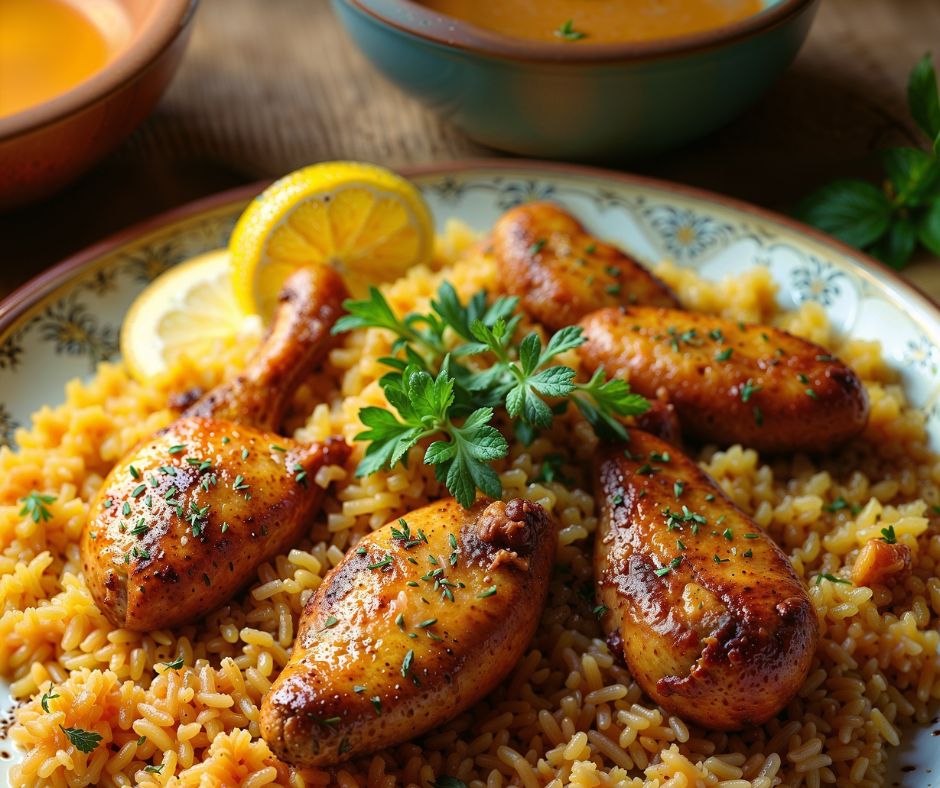
Mandi offers a different flavor profile than Kabsa due to its unique ancient cooking method involving an underground clay oven. The meat is suspended above the rice inside the pit so that the fat and juices drip down onto the grains while everything smokes over hot coals. This process results in incredibly tender meat that falls off the bone and rice infused with a distinct charcoal scent.
You will find that Mandi is particularly popular in the southern regions of the country, though it is a staple in cities like Riyadh and Jeddah as well. Because of the lengthy cooking process, many traditional Mandi spots prepare a set amount each day and may close once they sell out. We suggest arriving for an early lunch around 1:00 PM to ensure you get the freshest serving straight from the pit.
Regional Specialties from Mountains to Coasts
Creamy Comfort with Saleeg and Jareesh
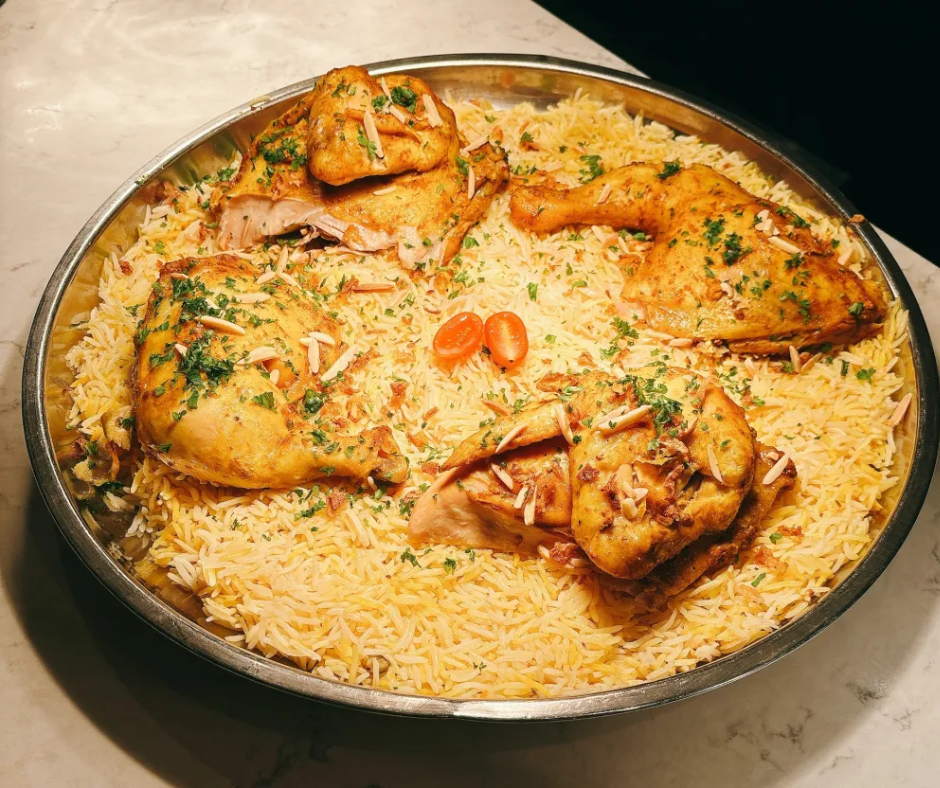
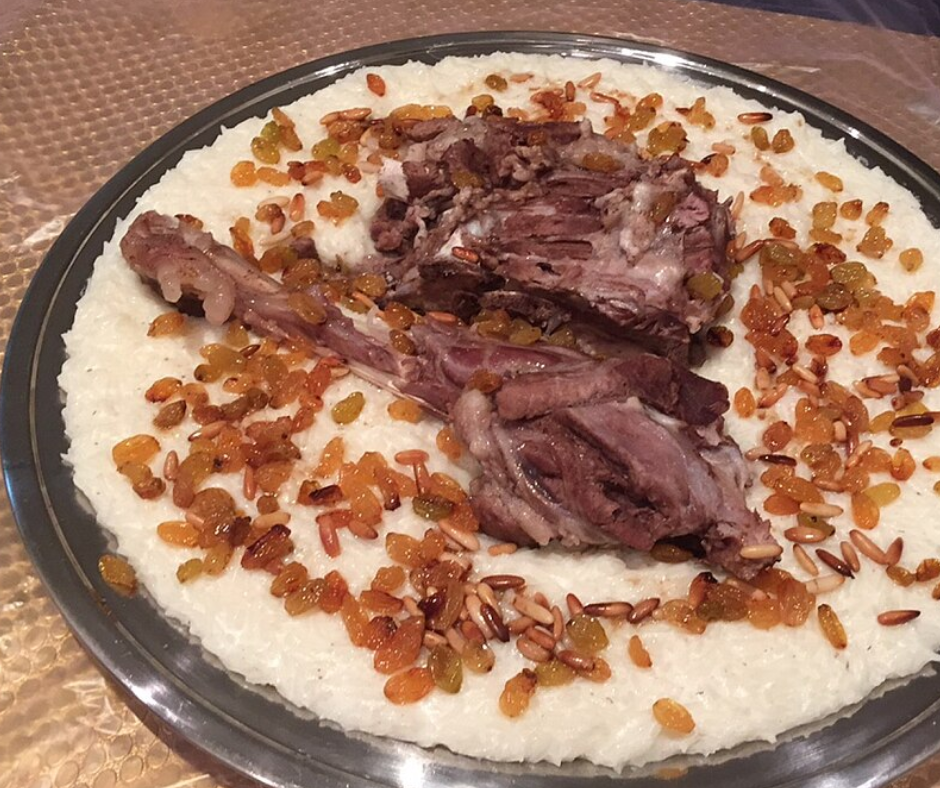
Saleeg is the ultimate comfort food hailing from the Hijaz region around Makkah and Taif. Unlike the fluffy grains found in Kabsa, Saleeg uses a short grain rice boiled in broth and then finished with milk until it reaches a consistency similar to a creamy risotto. It is traditionally served with roasted chicken and a side of pickled lemons or a spicy tomato garnish to provide a sharp contrast to the mild, milky base.
In the central Najd region, you will more commonly encounter Jareesh, which is one of the oldest dishes in the Arabian Peninsula. This dish is made from crushed wheat that is cooked slowly with yogurt and onions until it becomes a thick, savory porridge. It is often topped with a drizzle of clarified butter and caramelized onions, making it a filling and heart-warming meal during the cooler winter months in the desert.
Coastal Flavors and Red Sea Seafood
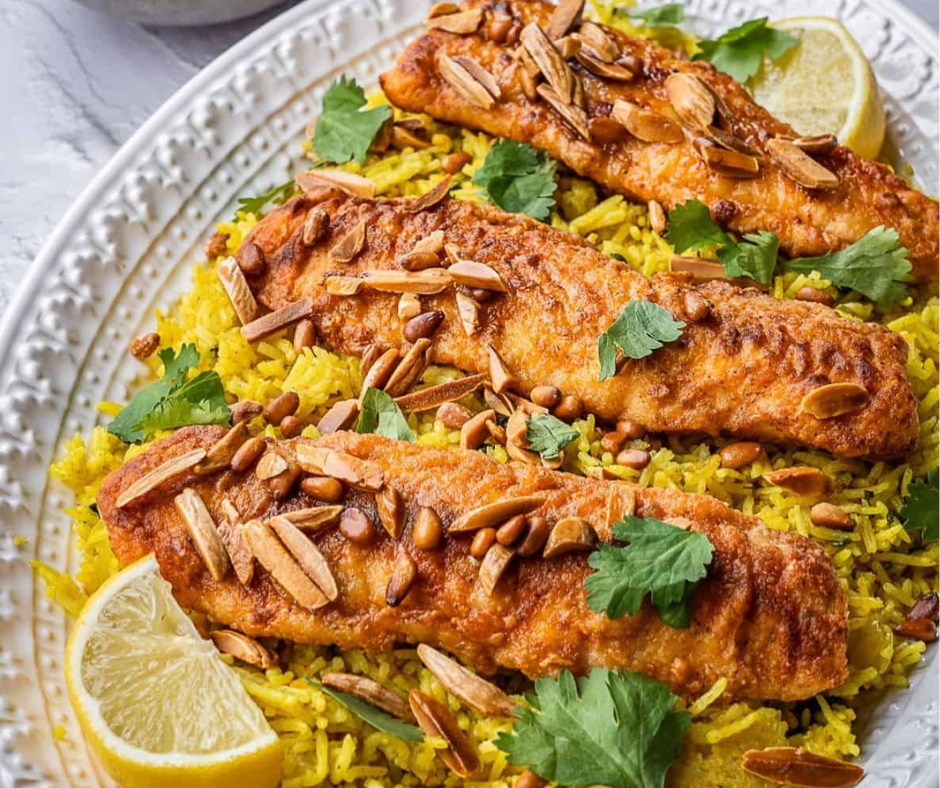
The Western and Eastern coasts of Saudi Arabia offer a completely different culinary experience centered on the bounty of the sea. Sayadieh is a popular fish dish where the rice is cooked with caramelized onions until it turns a dark brown color, providing a deep earthy flavor that pairs perfectly with fried or grilled Red Sea fish. Najel, a local red snapper, is highly prized for its firm white meat and is a local favorite in Jeddah.
Beyond the rice dishes, coastal dining often involves simple preparations that let the freshness of the catch shine through. You can visit the central fish markets where you pick your fish directly from the ice and have it grilled with a blend of local spices like cumin and coriander. This style of eating is much lighter than the heavy meat dishes of the interior and reflects the maritime history of the kingdom.
The Secrets of Saudi Street Food
Savory Pastries and Mutabbaq
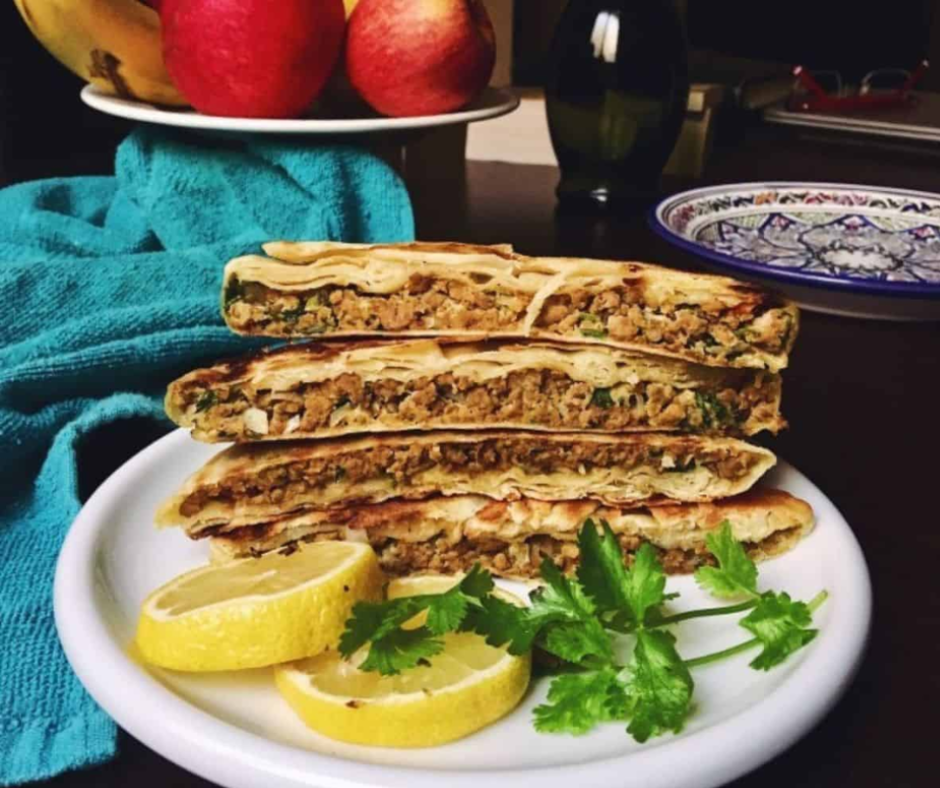
Street food in Saudi Arabia is fast, affordable, and incredibly flavorful, with Mutabbaq being a standout choice for a quick snack. This dish consists of thin layers of dough folded over a savory filling of minced meat, eggs, leeks, and green onions before being fried on a flat griddle until crispy. You can also find sweet versions filled with bananas or cream, though the savory version served with a squeeze of fresh lemon and a whole green chili is the classic choice.
Most Mutabbaq stalls are located in busy market areas or near neighborhood mosques and stay open late into the night. Watching the cook stretch the dough until it is paper-thin is part of the experience and showcases a level of skill passed down through generations. It is an excellent option for travelers on a budget as a single portion is quite large and usually costs very little.
The Art of the Perfect Shawarma
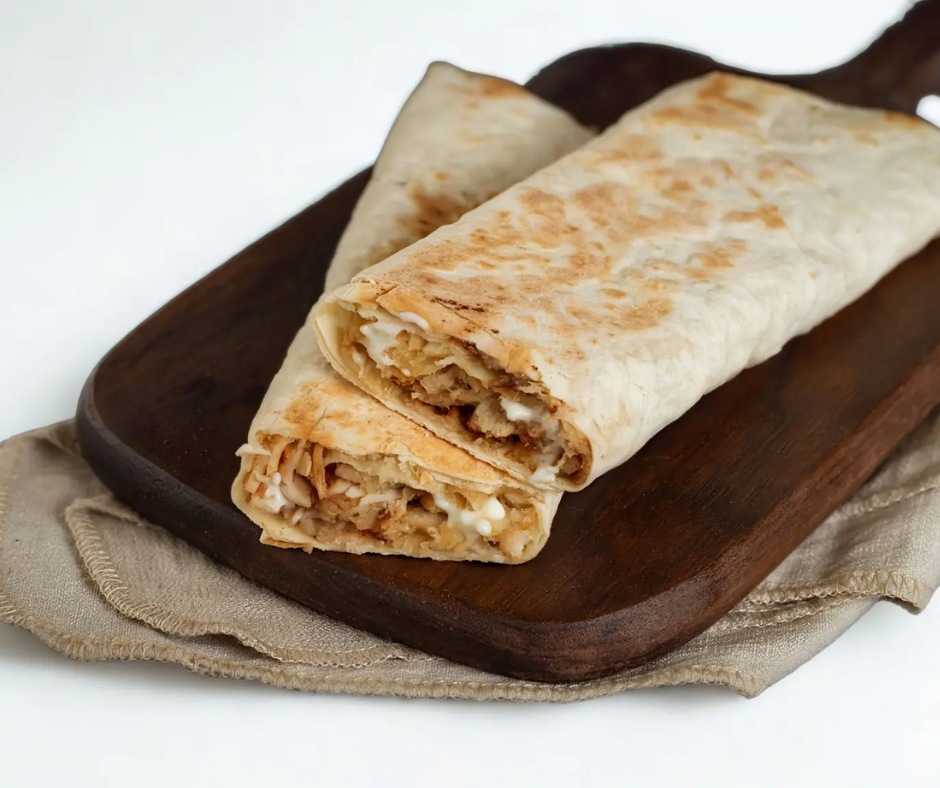
While Shawarma is found across the Middle East, the Saudi version has its own distinct character often characterized by the use of thick garlic sauce known as toum. The meat is shaved from a vertical rotisserie and wrapped in thin khubz bread with pickles and fries tucked inside the wrap itself. In many Saudi cities, you will find "Shawarma streets" where dozens of vendors compete to see who has the best marinade.
For a more local twist, look for Shawarma "Saroukh" which translates to "rocket" because of its extra-long size. Many locals also enjoy their shawarma in a "platter" style where the meat is served alongside heaps of fries, salad, and extra bread for dipping. It is the go-to late-night meal for residents and provides a reliable, delicious option no matter which city you are visiting.
Dining Etiquette and Cultural Norms
Master the Art of Eating with Your Hands
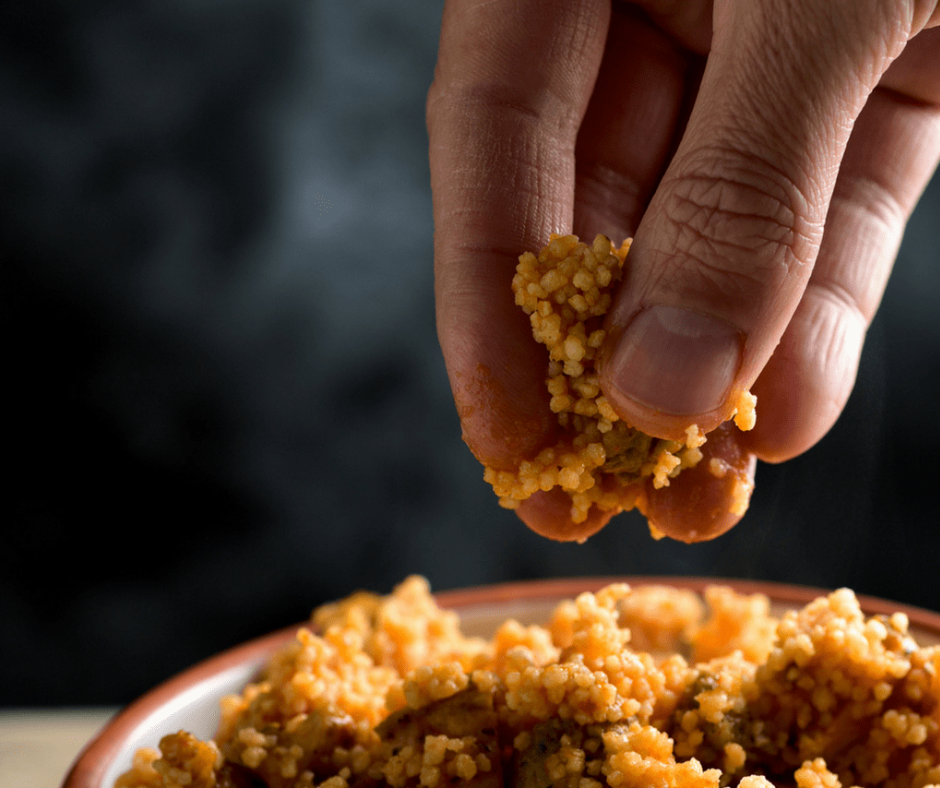
In traditional Saudi settings, many meals are eaten while sitting on the floor on a decorative carpet or a plastic mat. Using your right hand is the most important rule of the table because the left hand is traditionally reserved for personal hygiene. You should use your thumb and first two fingers to scoop up a small ball of rice and meat, pressing it together before bringing it to your mouth.
If you find this difficult, most modern restaurants will provide spoons and forks upon request, but attempting to eat with your hands is often seen as a sign of respect for the culture. It creates a more intimate and social atmosphere where everyone shares from the same central plate. Always remember to wash your hands at the designated stations found in every restaurant both before and after you sit down to eat.
The Ceremony of Gahwa and Dates
Hospitality in Saudi Arabia almost always begins with a cup of Arabic coffee, known as Gahwa, accompanied by a plate of high-quality dates. The coffee is lightly roasted and flavored with cardamom or saffron, resulting in a yellow or greenish hue rather than the dark brown of Western coffee. It is served in small handleless cups called finjals and is meant to be sipped slowly while chatting with your host.
There is a specific etiquette to follow when being served Gahwa to ensure you are being a polite guest. Always accept the cup with your right hand and remember that the server will continue to refill it automatically until you give the signal that you are finished. To signal you have had enough, you should gently jiggle or shake the empty cup from side to side before handing it back.

Sweet Finishes and Refreshing Drinks
From Crispy Kunafa to Buttery Ma'amoul
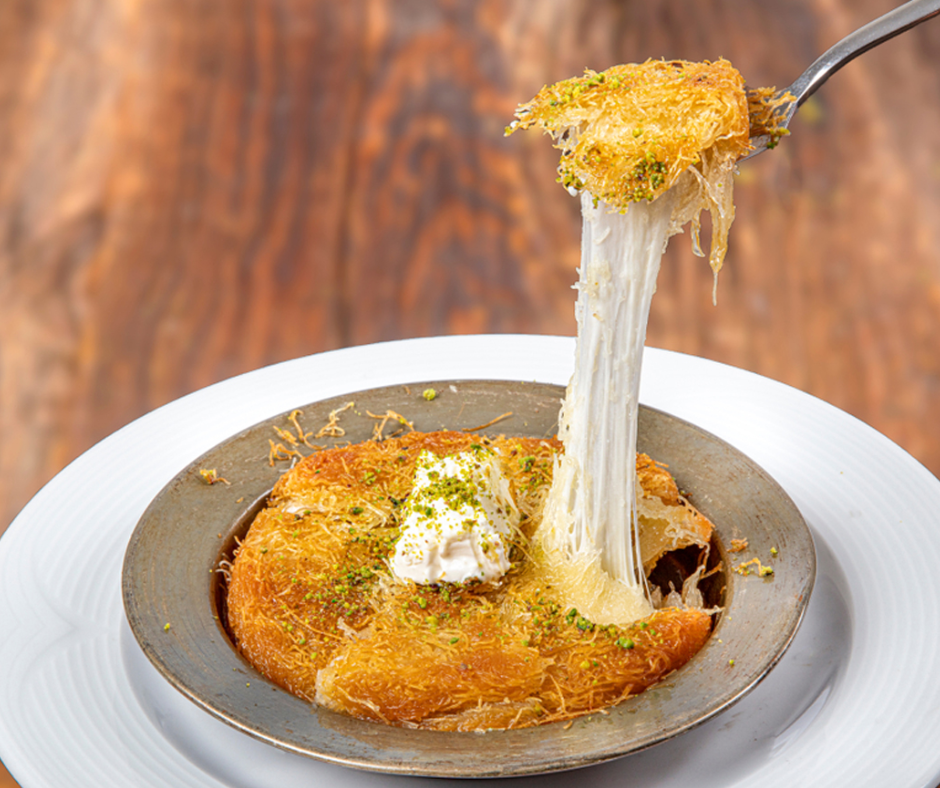
No Saudi meal is truly complete without a selection of sweets that highlight the local love for honey, nuts, and dates. Kunafa is perhaps the most famous dessert, featuring a base of melted cheese or thick cream topped with crunchy shredded pastry and soaked in a sweet sugar syrup. It is best eaten hot while the cheese is still stretchy and the pastry is at its crispest.
For a more portable treat, look for Ma'amoul, which are shortbread cookies stuffed with date paste or crushed pistachios. These are often intricately molded into beautiful shapes and are a staple during Eid celebrations and family visits. You can find these at almost any local bakery, and they make for an excellent snack to keep in your bag while exploring the various historical sites around the country.
Saudi Champagne and Probiotic Laban
To wash down the heavy spices of a traditional meal, locals turn to a few specific beverages that offer cooling relief. Saudi Champagne is a popular non-alcoholic mocktail made from a mixture of chilled apple juice and sparkling water infused with fresh mint leaves and slices of orange or lemon. It is incredibly refreshing and is almost always ordered in a large glass pitcher to be shared by the whole table.
Another essential drink is Laban, a cold and slightly salty yogurt drink that is packed with probiotics. It is specifically designed to aid digestion after a large meat-heavy meal like Mandi or Kabsa. You can find Laban in every convenience store and supermarket in the country, ranging from thin and drinkable versions to thicker varieties that are almost like a snack in themselves.
Logistics for the Hungry Traveler
Understanding Restaurant Layouts
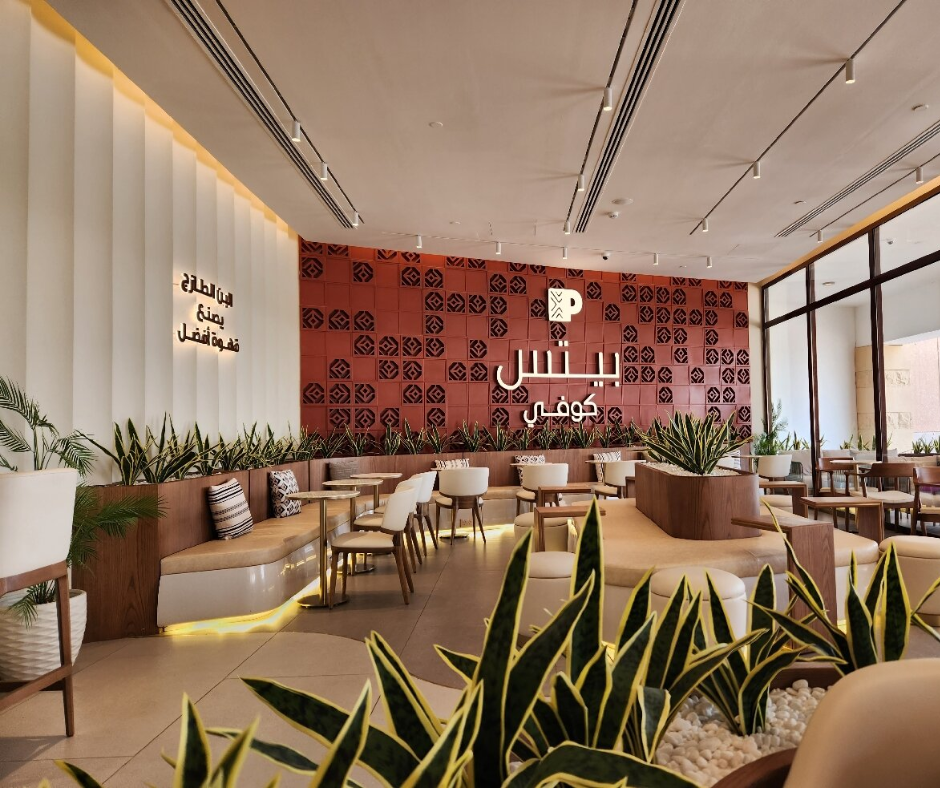
When dining in Saudi Arabia, you will notice that many traditional restaurants are divided into two distinct sections. There is the "singles" section which is reserved for men dining alone or with other men, and the "family" section which is for women, children, and mixed groups. While these distinctions are becoming less rigid in modern cafes in Riyadh and Jeddah, it is still common practice in more traditional establishments.
If you are looking for a more authentic experience, seek out "Bukhari" restaurants which are recognizable by the large rotisserie chickens spinning in the window. These spots offer some of the best value for money and provide a glimpse into the everyday dining habits of local residents. For a more elevated experience, there are now many "Najdi studios" that offer traditional food in a high-end setting designed to look like an old mud-brick palace.
Finding the Best Local Bites
The best way to find great food in Saudi Arabia is to follow the crowds, especially during the peak dinner hours after 8:00 PM. Many of the most famous eateries do not have English menus, but the staff are generally very helpful and will often invite you to look at the food being prepared to help you choose. Using simple gestures and a few basic Arabic words will go a long way in making your dining experience more enjoyable.
Our team at WildyNess is passionate about helping travelers discover these authentic moments without the stress of planning everything alone. If you would like us to create a custom food-focused itinerary that takes you from the street stalls of Jeddah to the high-end eateries of Riyadh, we can handle the logistics for you.
Read also:
Saudi Food Tour in Riyadh: A Guide to Authentic Flavors
Street Food in Riyadh: The Ultimate Guide to Authentic Local Eats
Saudi Arabia Budget Travel Guide: Explore the Kingdom for Less