
You arrive in Riyadh with a simple goal to eat well, but the sheer scale of the city can quickly become overwhelming. Every district seems to offer a new collection of high-end cafes, sprawling malls, and local recommendations that pull you in different directions.
That is why our team at WildyNess created this guide to help you navigate the capital's culinary landscape with confidence.
Authentic Najdi Flavors at Najd Village
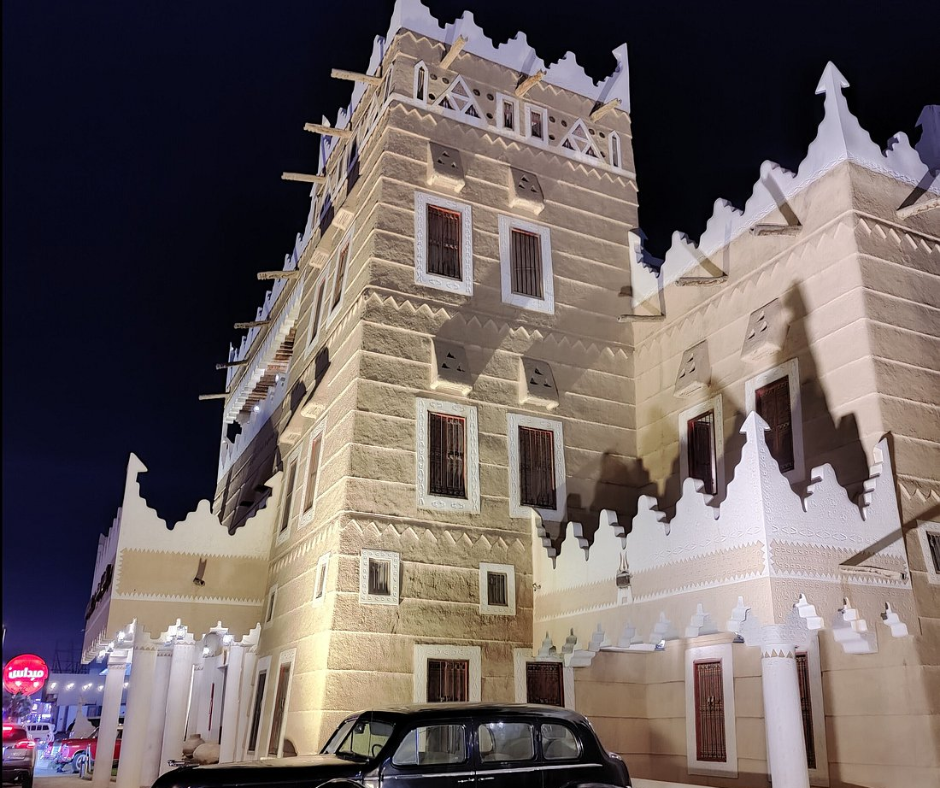
If you want to understand the foundational flavors of central Saudi Arabia, you should start at Najd Village. This location is designed to replicate the traditional mud-brick architecture of the region, providing an environment that feels like a living museum.
We recommend visiting this spot for your first major dinner because it sets the standard for local hospitality and communal dining.
Navigating the Majlis Experience
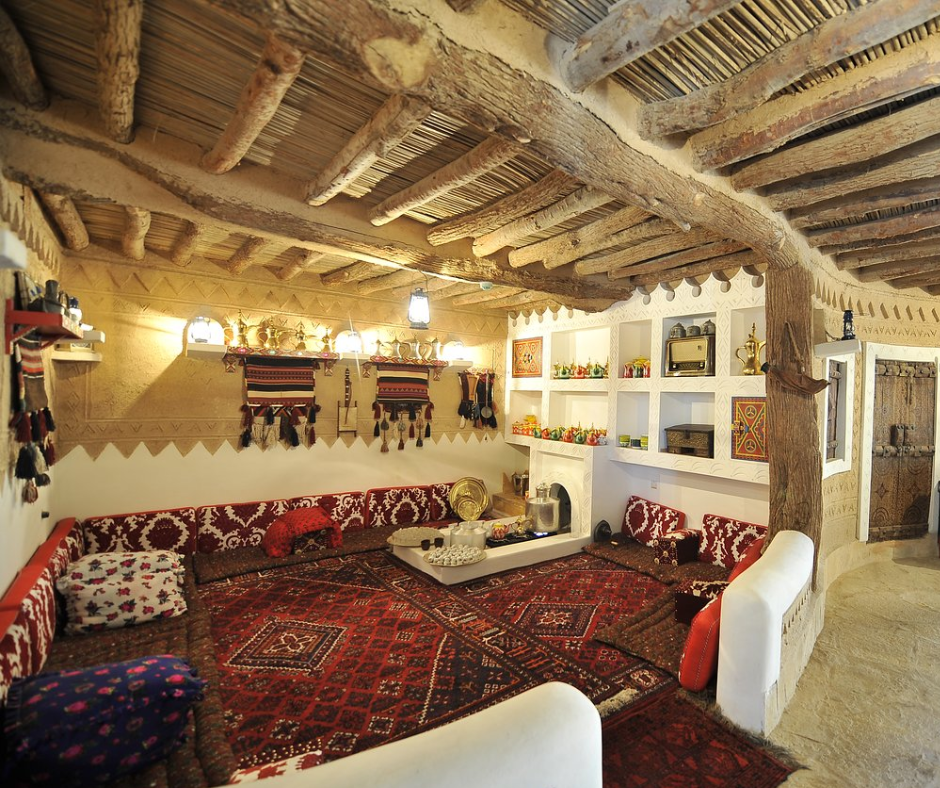
When you enter, you will likely be seated in a private or semi-private booth with floor cushions known as a majlis. This is the traditional way to enjoy a meal in the Najd region, allowing for a relaxed pace and easy conversation.
You should remove your shoes before stepping onto the carpeted area and prepare to share large platters with your group. The staff is accustomed to international visitors and will gladly explain the various seating options available to ensure you are comfortable.
Essential Dishes to Order
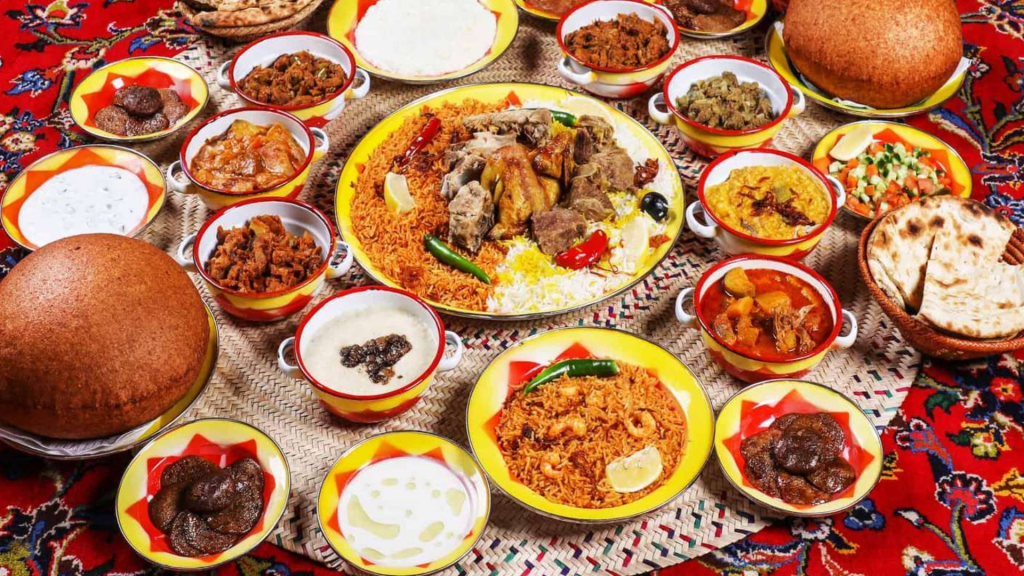
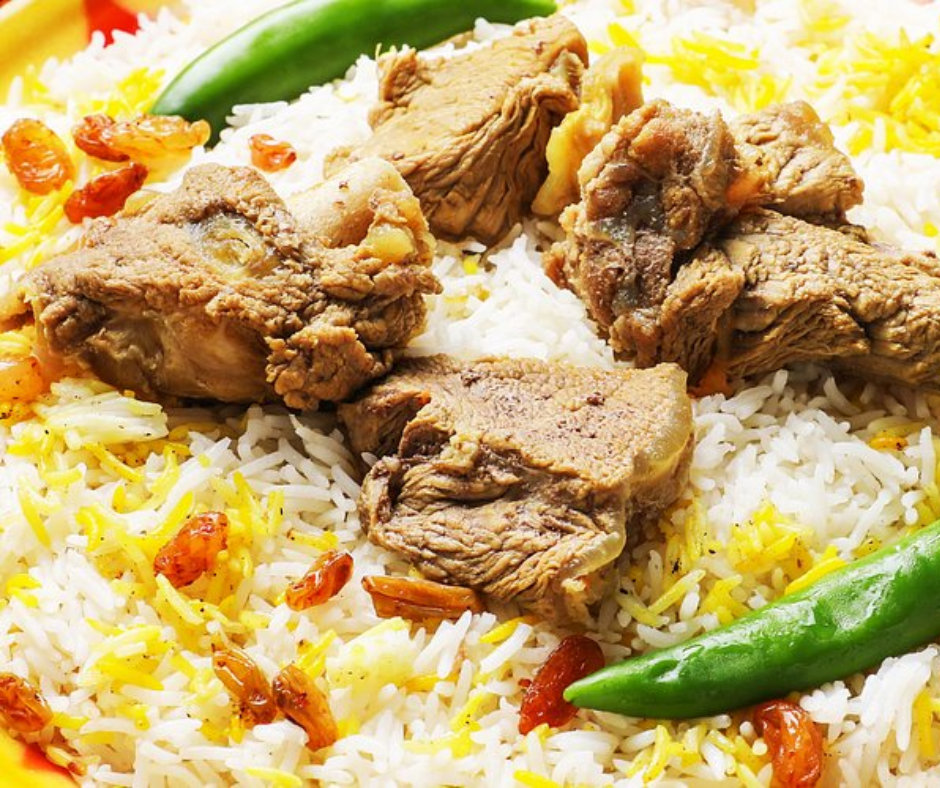
The menu focuses on hearty, slow-cooked staples that have sustained desert travelers for centuries. You should prioritize ordering Kabsa, which is a fragrant rice dish seasoned with a blend of black lime, cinnamon, and cloves, usually topped with tender lamb or chicken.
Another necessary addition is Jareesh, a savory porridge made from crushed wheat and yogurt that offers a creamy, comforting texture. To round out the meal, try the Temman rice or the Saleeg if you prefer a smoother, milk-based rice dish that highlights the simplicity of traditional ingredients.
Street Food Secrets in the Al-Batha District
For a complete contrast to the quiet courtyards of Najd Village, you should head to the Al-Batha neighborhood. This is the historic commercial center of the city where the energy is high and the food is incredibly affordable. It is the best place to see the multicultural side of Riyadh, where Saudi traditions meet influences from across the Middle East and South Asia.
The Art of the Perfect Mutabbaq
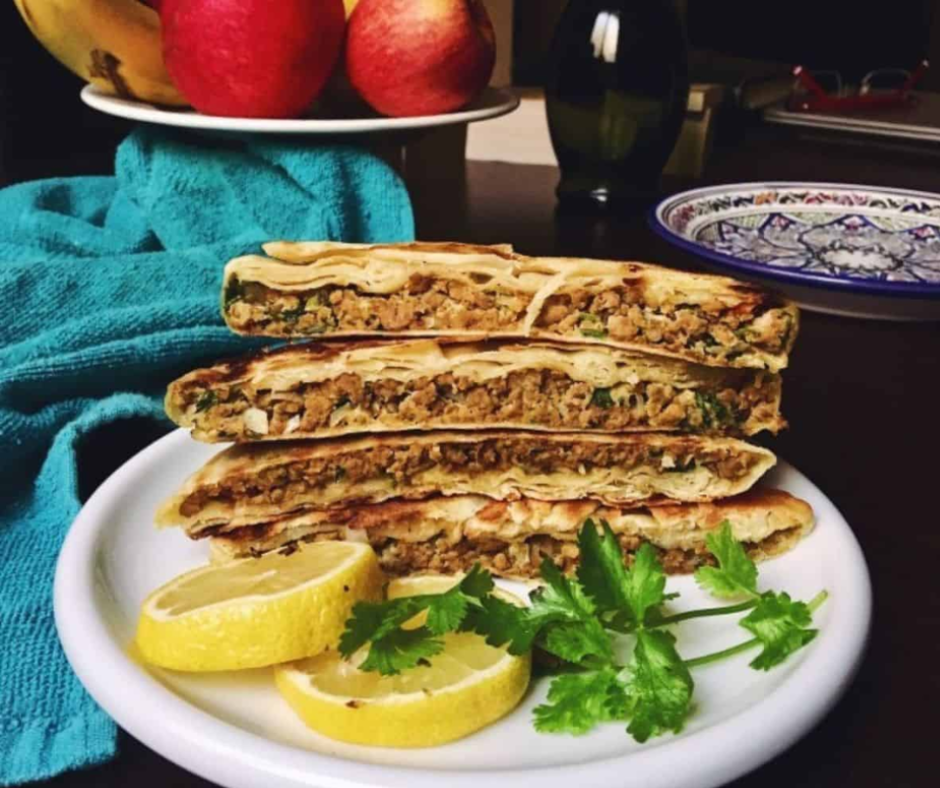
As you walk through the crowded streets, look for vendors manning large, flat rectangular griddles. They are making Mutabbaq, a thin dough folded over a savory or sweet filling and fried until crispy.
The most popular version includes a mix of minced meat, eggs, leeks, and tomatoes. We suggest watching the preparation process, as the speed at which the chefs flip and fold the dough is impressive. Always squeeze the fresh lime provided on the side to cut through the richness of the fried dough.
Samboosa and Quick Bites
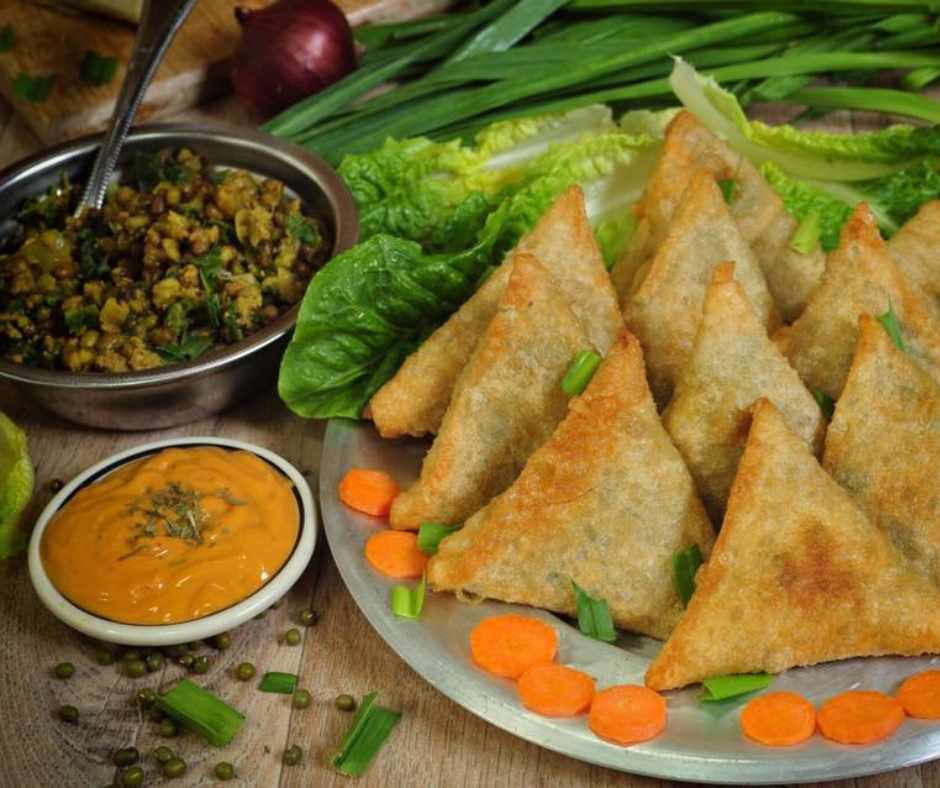
Al-Batha is also the capital of the Samboosa, especially during the early evening hours. These triangular pastries are filled with spiced meat or cheese and serve as the perfect fuel for exploring the nearby markets. You will find small windows where locals gather to buy these by the dozen.
Beyond the fried snacks, this area offers some of the most authentic falafel sandwiches in the city. These are typically stuffed with fresh herbs, pickled turnips, and a generous amount of tahini sauce.
Read also: Street Food in Riyadh: The Ultimate Guide to Authentic Local Eats
Historical Snacking at Souq Al Zal
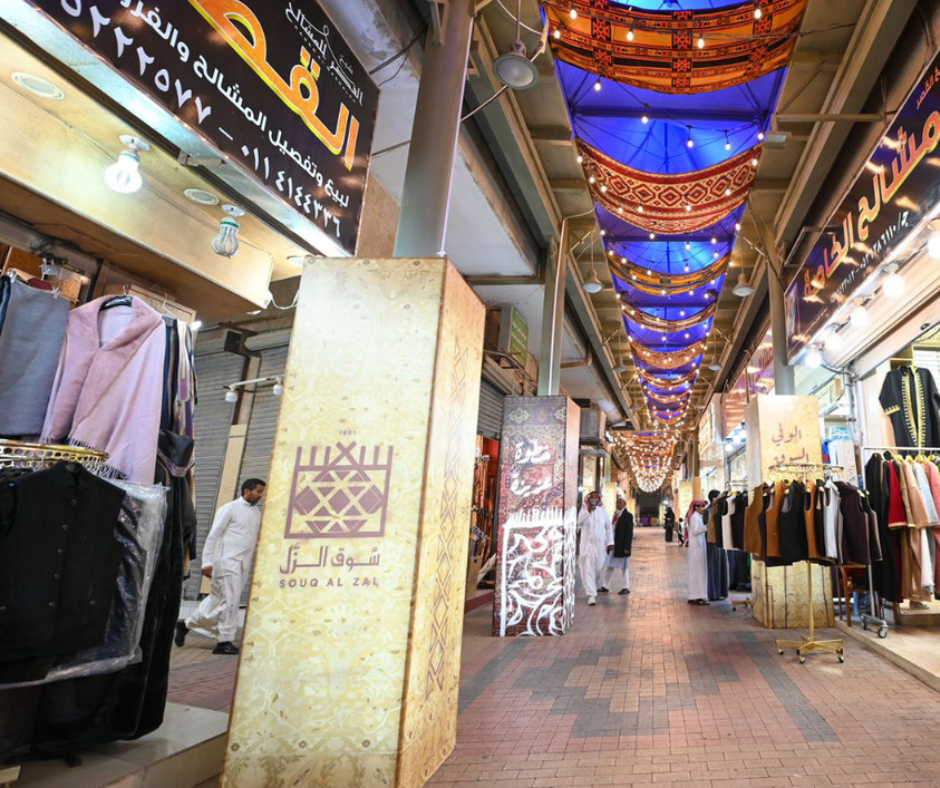
Souq Al Zal is the oldest market in Riyadh and serves as a vital stop for anyone interested in the ritualistic side of Saudi food. While the market is famous for antiques and incense, the peripheral stalls offer a deep dive into the snacks that define daily life for many residents.
It is an ideal spot to visit in the late afternoon when the auctioneers are active and the tea stalls are at their busiest.
Traditional Coffee and Date Pairings
In the heart of the market, you will find small shops dedicated to the art of Saudi coffee, known locally as Dallat Al Qahwa. This is not the dark, bitter brew you might expect, but a light, golden liquid infused with cardamom and saffron.
It is always served with dates to balance the spice with natural sweetness. You should accept the cup with your right hand and expect small, frequent refills until you gently shake your cup to signal you have had enough. This interaction is a core part of the local social fabric.

Market Sweets and Spices
After your coffee, explore the vendors selling Maamoul, which are shortbread cookies stuffed with date paste or nuts. These are often flavored with rosewater or orange blossom, giving them a distinct floral aroma.
You can also find stalls selling various types of honey and exotic spices used in Saudi kitchens. If you want to take a piece of the food tour home, this is the best place to purchase high-quality saffron or the specific spice blends used for Kabsa and Mandi.

Modern Culinary Trends and Food Truck Culture
Riyadh is currently undergoing a massive transformation, and the food scene is at the forefront of this change. While traditional meals remain popular, a new wave of dining parks and fusion concepts has taken over the city. This side of Riyadh is perfect for those who want to see how the younger generation is reinterpreting classic ingredients.
Exploring the Food Truck Parks
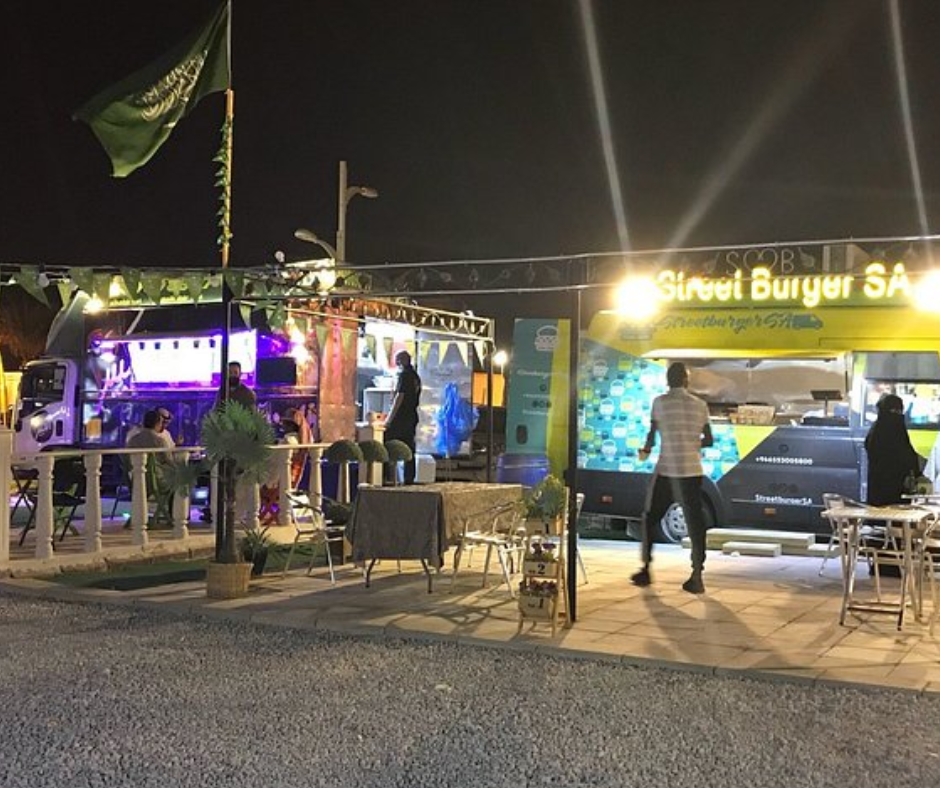
Places like Boulevard Riyadh City and various seasonal food truck zones offer a festive atmosphere where you can sample multiple cuisines in one evening. These parks are popular for their creative takes on regional favorites, such as shawarma sliders or loaded fries topped with Middle Eastern spices.
The energy in these areas peaks late at night, often well after 10:00 PM, making them the perfect choice for an evening outing. You will find a mix of local Saudi startups and international brands competing for your attention.
The Rise of Saudi Fusion
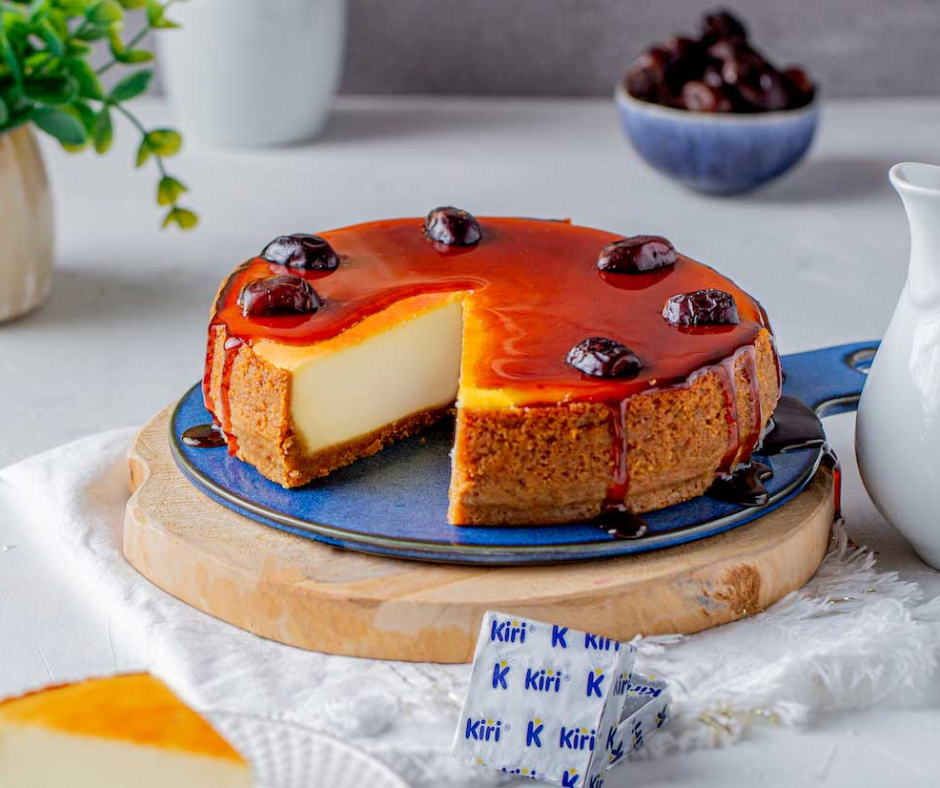
Beyond the trucks, several new districts focus on "New Saudi" cuisine. These restaurants take traditional ingredients like camel meat or local dates and apply modern cooking techniques to create something entirely new. You might find camel sliders with truffle mayo or a cheesecake infused with the flavors of Arabic coffee.
These spots are usually located in the newer northern parts of the city and offer a more upscale, contemporary environment compared to the historic markets.
Late Night Traditions and Dessert Culture
In Riyadh, the night is often longer than the day when it comes to socializing and eating. The city truly comes alive after the final prayer of the day, and dessert is a serious business that can last until the early hours of the morning.
Luqaimat and Sweet Syrups
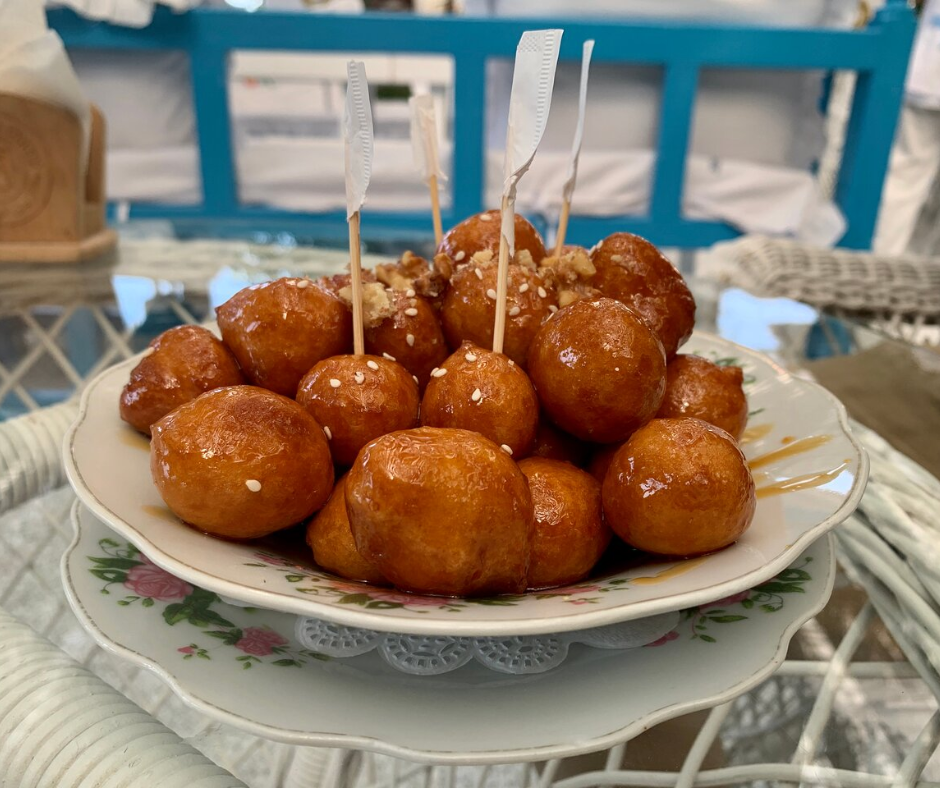
You cannot leave Riyadh without trying Luqaimat. These are small, deep-fried dough balls that are crunchy on the outside and airy on the inside. They are typically drizzled with date syrup and sprinkled with sesame seeds or black seeds.
You will find dedicated Luqaimat stations in almost every major shopping area and park. They are best enjoyed when they are piping hot, providing a satisfying contrast between the warm dough and the cool evening air.
Kunafa and Hot Teas
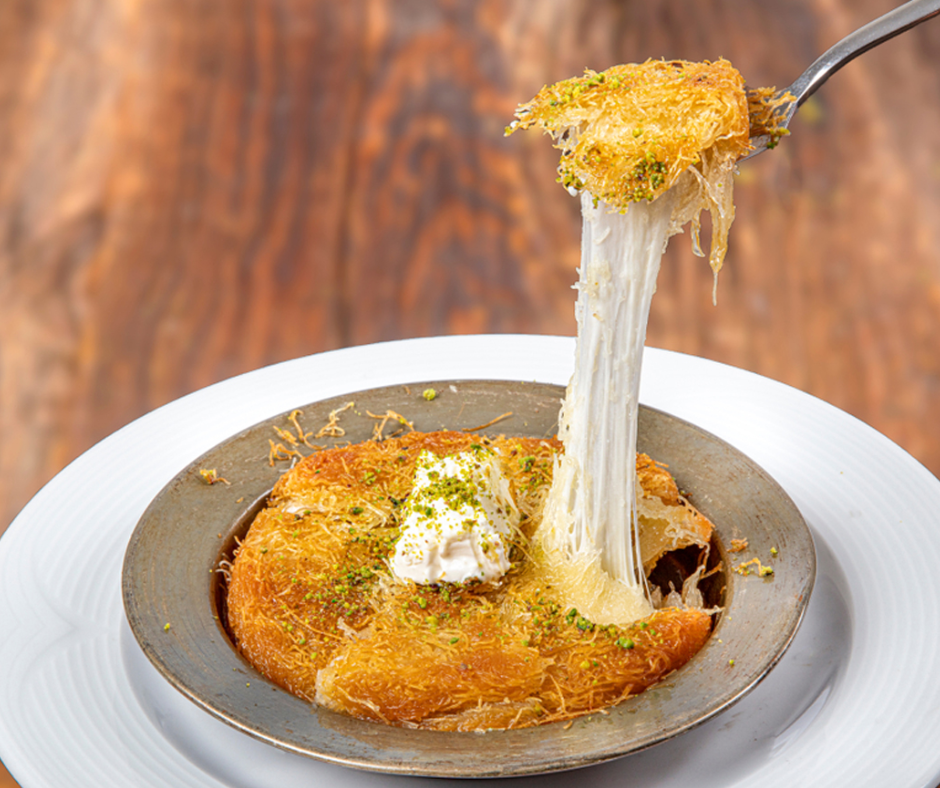
Kunafa is another staple that deserves your attention. This dessert consists of a thin, noodle-like pastry or semolina dough soaked in sweet syrup and layered with cheese or cream. Many specialized Kunafa shops stay open until 2:00 AM, serving slices alongside pots of hot mint tea or Karak.
The cheese version is particularly popular for its salty and sweet profile. Sharing a large tray of Kunafa with friends is a common sight in Riyadh cafes, reflecting the city's emphasis on communal enjoyment.
Practical Logistics for Your Food Tour
To make the most of your culinary journey, you need to understand the rhythm of the city. Riyadh operates on a schedule that might differ from what you are used to, especially regarding prayer times and peak dining hours.
Timing and Reservations
Most restaurants in Riyadh close briefly during prayer times, which happen five times a day. While many establishments now allow guests to remain inside during the break, service will pause for about 20 to 30 minutes. Furthermore, the city dines late.
Lunch usually happens between 2:00 PM and 4:00 PM, while dinner rarely starts before 9:00 PM. If you plan to visit popular spots like Najd Village on a weekend, we strongly suggest making a reservation or arriving early to avoid long wait times.
Payments and Etiquette
Digital payment is the standard in Riyadh. You can use your phone or credit card almost everywhere, from high-end restaurants to small street stalls in Al-Batha. However, carrying a small amount of cash is still useful for tipping or buying small items in the traditional souks.
Regarding etiquette, it is important to remember that the right hand should always be used for eating and shaking hands. If you are invited to join a local group for a meal, your hosts will likely be very generous, and it is polite to accept at least a small portion of what is offered.
Planning Your Culinary Itinerary
Integrating these food stops into your broader travel plans will ensure you see the best of the city without rushing. Many of the best food experiences are located near major landmarks, allowing you to combine sightseeing with snacking.
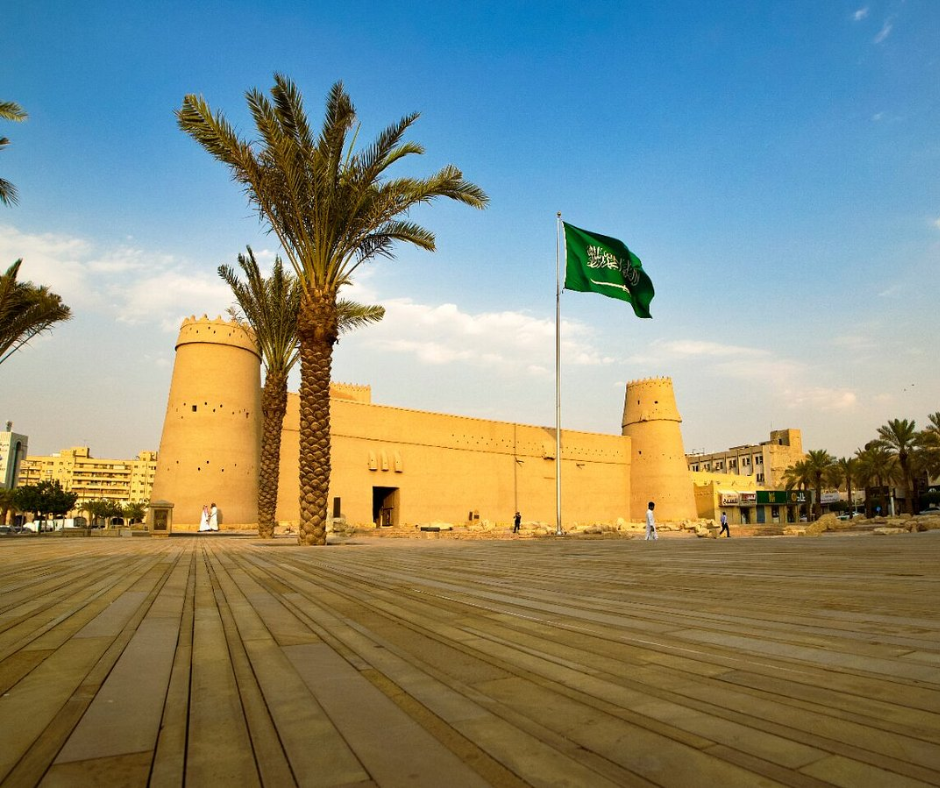
For example, a visit to Al Masmak Fortress is easily paired with a walk through Souq Al Zal for coffee and dates. Similarly, exploring the modern skyline of the Kingdom Centre can be followed by a trip to a nearby food truck park.
Strategic Neighborhood Hopping
We suggest focusing on one or two neighborhoods per day to minimize time spent in traffic. You could spend one afternoon in the historic south exploring Al-Batha and the old markets, then move north the next day to experience the modern cafes and fusion restaurants of the Al-Olaya district.
This approach allows you to see the evolution of the city through its architecture and its food simultaneously.
Staying Hydrated and Prepared
The Riyadh climate can be dry, so keeping water with you at all times is essential. While you will find plenty of juice shops selling fresh mango and pomegranate blends, plain water is your best friend between spicy meals.
If you plan an excursion to the outskirts of the city, such as the Edge of the World, you should pack snacks and water in advance. Most of these natural sites do not have food vendors nearby, and an empty stomach can quickly dampen the experience of a desert sunset.
If you don't want to just eat, but experience the cooking of traditional saudi food, check out Live Cooking and Baking Night at Riyadh Bakery — One Night Escape into Fun & Dough
Read also: Riyadh with Family: Best Things to Do & Top Tips for Your Trip
Saudi Arabia Budget Travel Guide: Explore the Kingdom for Less