
The reputation of the Saudi capital often centers on sprawling luxury developments, glass skyscrapers, and high-end shopping venues that suggest a massive financial barrier for visitors. Many travelers review initial accommodation listings and assume the city remains closed to cost-conscious independent exploration.
That is why our team at WildyNess created this guide to show you exactly how to navigate the capital efficiently without overspending. Let us break down the baseline mechanics of your daily spend.
Strategic Neighborhood Selection for Budget Accommodations
Finding affordable lodging in the capital means shifting your focus away from international resort brands and toward local apart-hotels or serviced apartments. These properties provide substantial space and include practical amenities that naturally lower your overall trip costs. Booking these stays a few weeks in advance ensures access to the best rates across the primary transit corridors.
Visualizing Your Riyadh Budget Allocation
To help you plan your finances effectively, it helps to see how a typical budget breaks down when balancing local options against standard convenience costs. The following comparison illustrates the differences between a standard commercial itinerary and an optimized local budget approach.
Daily Spending Category vs Optimized Local Choice vs Standard Commercial Choice
Accommodation cost per night: Local apart-hotels average forty to fifty-five dollars while standard international business hotels often exceed one hundred and eighty dollars.
Three daily meals: Local bakeries and traditional street kitchens cost ten to fifteen dollars total while international hotel buffets and mall restaurants easily reach fifty dollars.
Daily transport cost: Riyadh Metro passes and targeted rideshare links average five to eight dollars while continuous private taxi bookings routinely exceed thirty-five dollars.
Daily activity access: Historic state-run museums and heritage zones range from free to less than three dollars while commercial skyscraper observation decks cost twenty-five dollars or more.
Exploring the Corporate Corridors of Olaya and Al Murabba
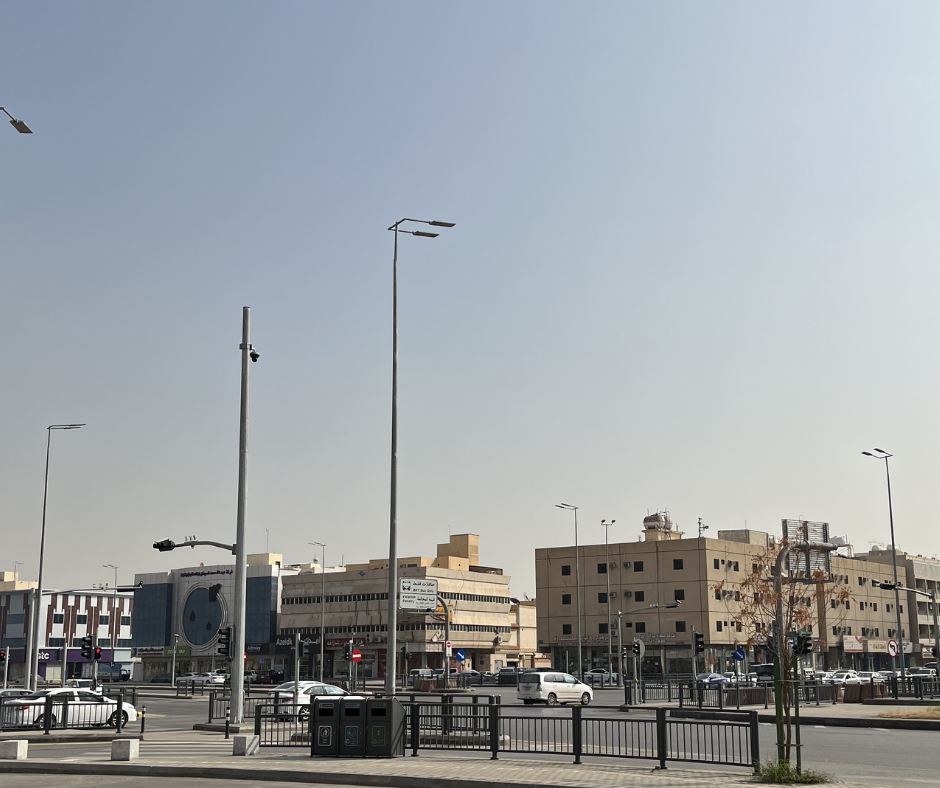
Olaya serves as the primary commercial spine of the city, hosting major corporate offices alongside residential blocks. Searching the secondary streets of this district reveals numerous locally run serviced apartments that offer lower rates than the main road hotels. Staying here positions you near major metro links and places you within walking distance of local supermarkets.
Al Murabba offers a different advantage, featuring older architectural layouts and lower average room rates while keeping you close to the premier historical museums of the city.
Navigating the Residential Value of Al Malaz
Al Malaz presents a highly authentic residential setting where accommodation prices remain clear of the corporate markups found in the financial district. The streets here are lined with traditional apartment blocks that cater to long-term residents and visiting professionals alike.
This neighborhood guarantees access to inexpensive laundry services, local fruit markets, and neighborhood grocery stores. Furthermore, the central location ensures that a rideshare hop to either the old city center or the northern districts remains mathematically sound.
Dining Intelligently via Traditional Saudi Kitchens
Food costs can be optimized by avoiding westernized commercial developments and hotel dining rooms. Embracing the culinary habits of the local population allows you to experience authentic flavors while keeping your daily food costs between ten and fifteen dollars.
Sourcing Morning Items from Local Bakeries
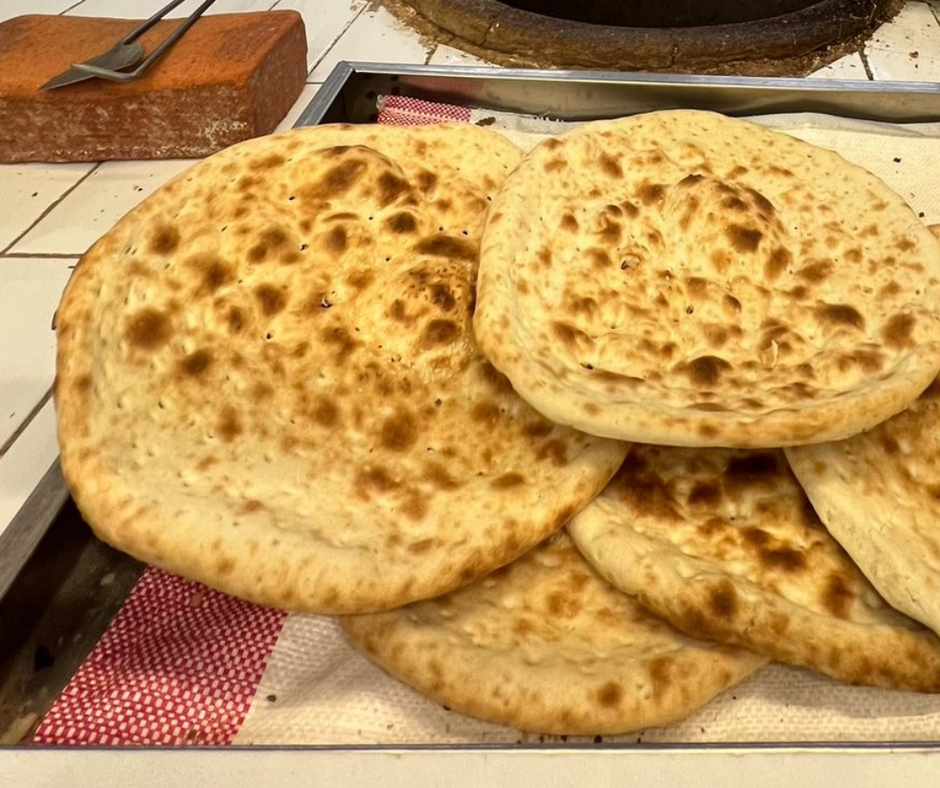
The morning food routine should center on traditional bakeries that serve fresh bread options straight from the oven.
Tamees bread, a massive flatbread baked in traditional clay ovens, costs less than one dollar and provides an excellent foundation for a filling breakfast. Pairing this flatbread with a standard portion of ful medames, which is a slow-cooked fava bean dish seasoned with olive oil and cumin, costs around two dollars. This combination represents the standard breakfast for working locals and is readily available across every residential neighborhood.
Maximizing Value via Lunch and Dinner Staples
For your primary afternoon and evening meals, seek out busy neighborhood storefronts that specialize in high-turnover local dishes. Mutabbaq, a thin layer of pan-fried pastry stuffed with minced meat, eggs, and green onions, serves as a dense and inexpensive lunch option.
When hunting for dinner, look for traditional shawarma spots where a standard chicken or beef wrap costs less than three dollars. If you prefer a larger sit-down option, local mandate kitchens serve substantial plates of chicken kabsa, the spiced rice national dish, which easily feeds two people for less than seven dollars.

Mastering the Public Transit System and Rideshare Apps
The geography of the capital is famously expansive, making transport a critical focus for anyone trying to save money. Navigating the urban sprawl successfully involves combining the brand new rail network with calculated secondary rideshare connections.
Utilizing the Expanded Riyadh Metro Network
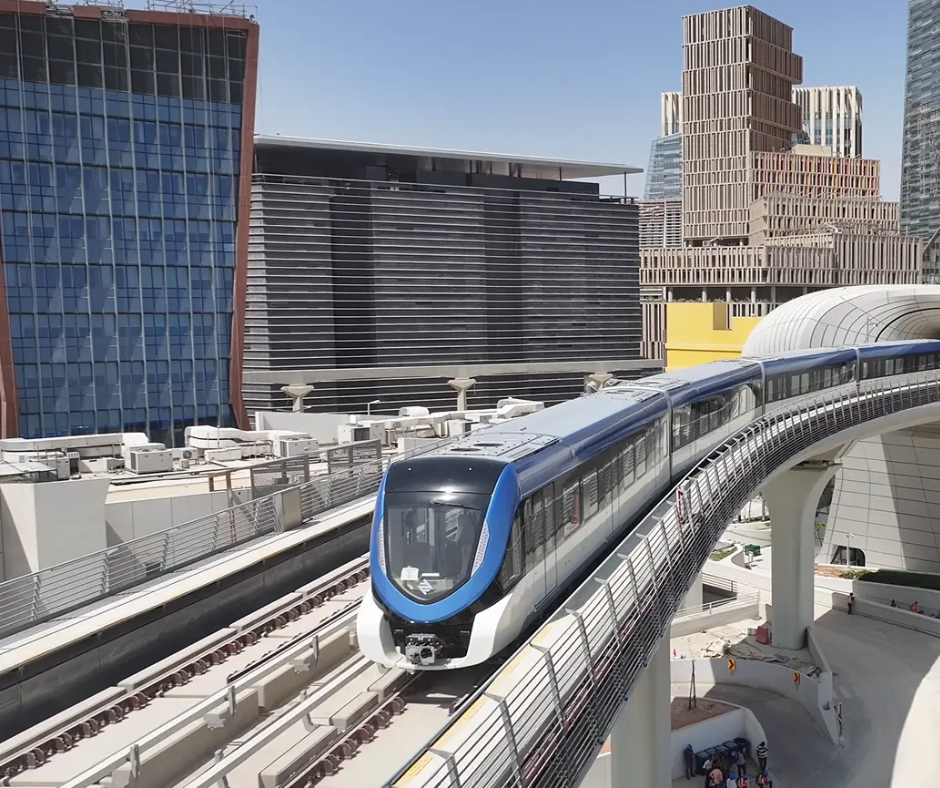
The activation of the comprehensive Riyadh Metro network has completely transformed budget travel within the capital. A standard two-hour regular ticket costs a fixed rate of four Saudi Riyals, which translates to just over one dollar.
Travelers can purchase a three-day pass for twenty Riyals or a seven-day pass for forty Riyals, allowing unlimited travel across the major residential and commercial sectors. Utilizing the metro allows you to bypass heavy afternoon traffic delays while keeping your daily transit costs entirely predictable.
Incorporating Strategic Rideshare Hops
While the rail network covers major arterial pathways, specific destinations require a secondary vehicle link to bridge the final kilometer. Downloading local applications such as Careem alongside international options like Uber allows you to compare real-time pricing before booking.
To maximize efficiency, ride the metro to the station closest to your destination, then request a short rideshare connection for the remaining distance. This hybrid method keeps your transportation budget low while shielding you from the intense midday heat.
Mandatory Operational Costs and Administrative Budgeting
Before exploring the local attractions, you must account for the fixed administrative entry fees required to access the country and move between major urban centers. Factoring these non-negotiable costs into your initial travel plan ensures you do not encounter surprise expenses during your stay.
Breaking Down the Saudi Tourist E-Visa Fees
The official entry permit represents a fixed initial cost that all independent international travelers must account for prior to departure. The base government application fee stands at three hundred Saudi Riyals, with an additional mandatory medical insurance fee of one hundred and eighty Riyals to cover emergency care.
When processing fees and transaction charges are included, the total expense amounts to approximately five hundred and thirty-five Riyals, which is roughly one hundred and forty-three dollars. Ensuring your passport remains valid for at least six months beyond your entry date prevents administrative reapplication charges.
Budgeting for Necessary Domestic Transits
If your travel plans involve moving between regional hubs like Riyadh and Jeddah, internal transit planning becomes highly important. While long-distance regional buses offer the absolute lowest pricing, booking domestic flights several weeks in advance often yields competitive rates between forty and sixty dollars.
Choosing to fly during midweek windows rather than weekend blocks keeps these ticket costs low. If you choose to explore the surrounding desert regions or plan an extensive regional route, pairing these travel insights with our comprehensive three days riyadh itinerary provides a highly structured and dependable framework.
Exploring Heritage Sites on a Minimal Entry Budget
The deep cultural narrative of the capital lives within its carefully preserved historic districts and state-supported museum complexes. These locations offer immersive educational value for nominal fees, making them ideal for an inexpensive day of exploration.
Accessing the Foundations of Al Masmak Fortress
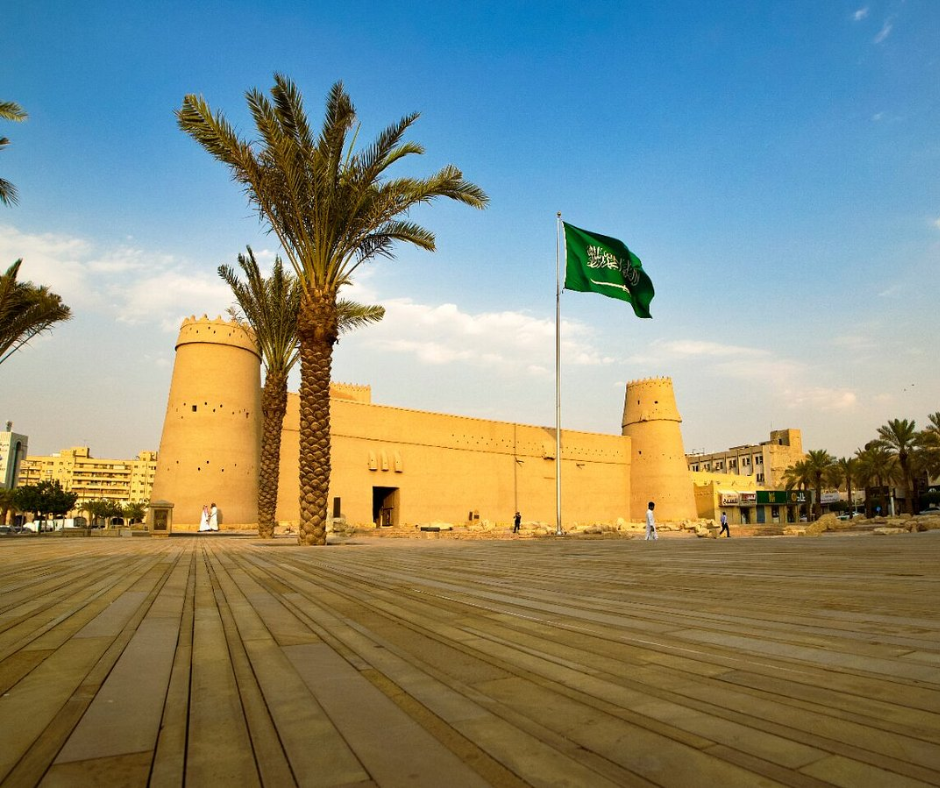
Al Masmak Fortress stands in the center of old Riyadh, representing the clay and mudbrick citadel that played a pivotal role in the unification of the kingdom. Entry to the interior museum is entirely free of charge, allowing you to study historical weaponry, maps, and vintage photographic galleries without touching your wallet.
The surrounding courtyard area connects directly to Souq Al Zal, where you can observe traditional carpet auctions and spice trading without any obligation to purchase luxury items.
Walking the Historic Grounds of Diriyah and At-Turaif
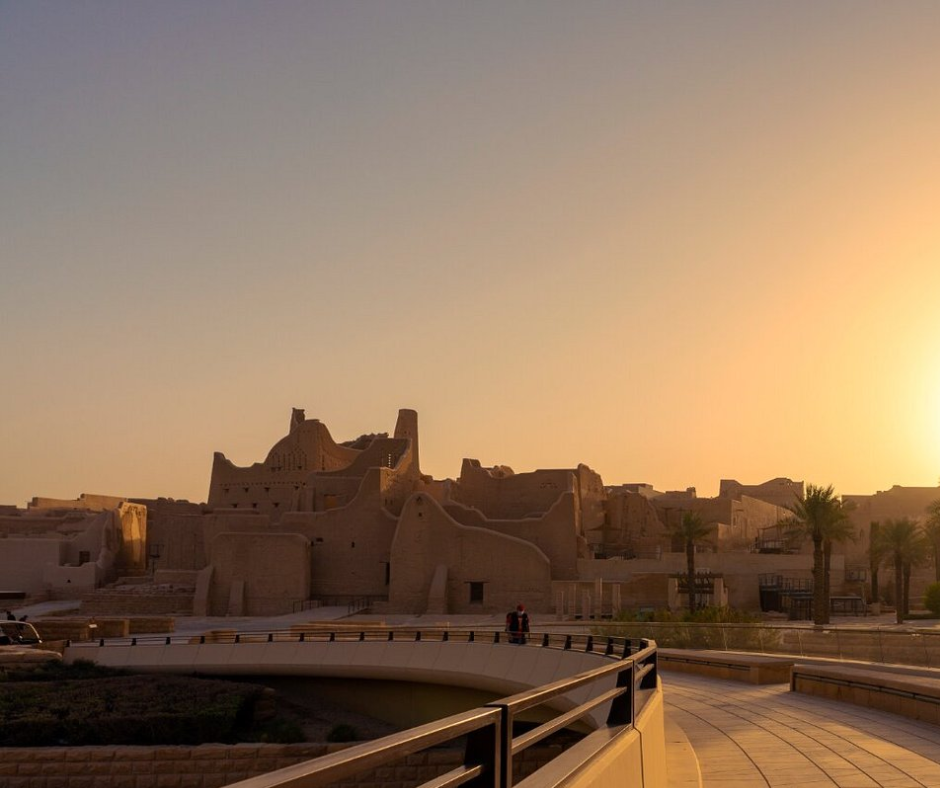
Diriyah serves as the ancestral home of the Al Saud dynasty and houses the UNESCO World Heritage site of At-Turaif. Independent travelers can secure access tickets online, which frequently include credits redeemable for food and beverages at the adjacent dining developments.
Exploring the restored mudbrick palaces and advanced architectural water management systems provides essential context on eighteenth-century Najdi design. Walking these grounds during the late afternoon allows you to experience the historic mud walls as the sun sets, avoiding peak heat windows entirely.
Navigating the King Abdulaziz Historical Center
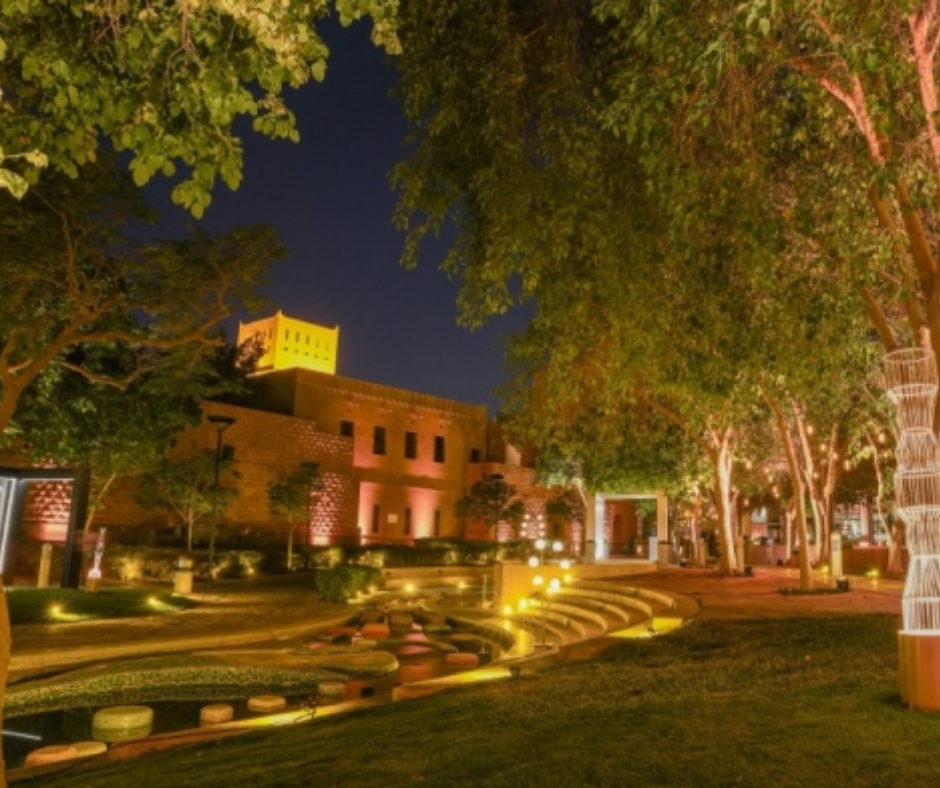
The King Abdulaziz Historical Center is located in the Al Murabba district and acts as a massive cultural campus containing manicured public gardens and traditional architectural compounds. The main anchor of this site is the National Museum of Saudi Arabia, which charges an entry fee of only ten Saudi Riyals for adults, amounting to less than three dollars.
The interior galleries guide you through eight distinct chronological halls, ranging from prehistoric Arabian geology to the complex trade routes of the pre-Islamic era. This center provides hours of academic value in a climate-controlled environment, offering maximum return on a minimal monetary investment.