
Dreaming of a journey where authentic culture is actually lived rather than just observed through the window of a tour bus?
Navigating a new country can often leave you feeling disconnected from the local people, especially when language barriers and unfamiliar customs make you hesitant to step outside your comfort zone.
That is why our team at WildyNess created this guide to help you find local culture and life in Saudi Arabi through homestay experiences.
Understanding the Saudi Homestay Environment
The Shift from Hotel Tourist to Welcomed Guest
When you book a homestay in Saudi Arabia, you are participating in a deep cultural tradition known as Hafawah. This translates roughly to an overwhelming sense of welcoming hospitality. You must immediately shift your mindset away from the expectations of a standard hotel stay.
There is no concierge desk, no strict buffet schedule, and no anonymous room service. Instead, you become an active participant in the daily life of a local family.
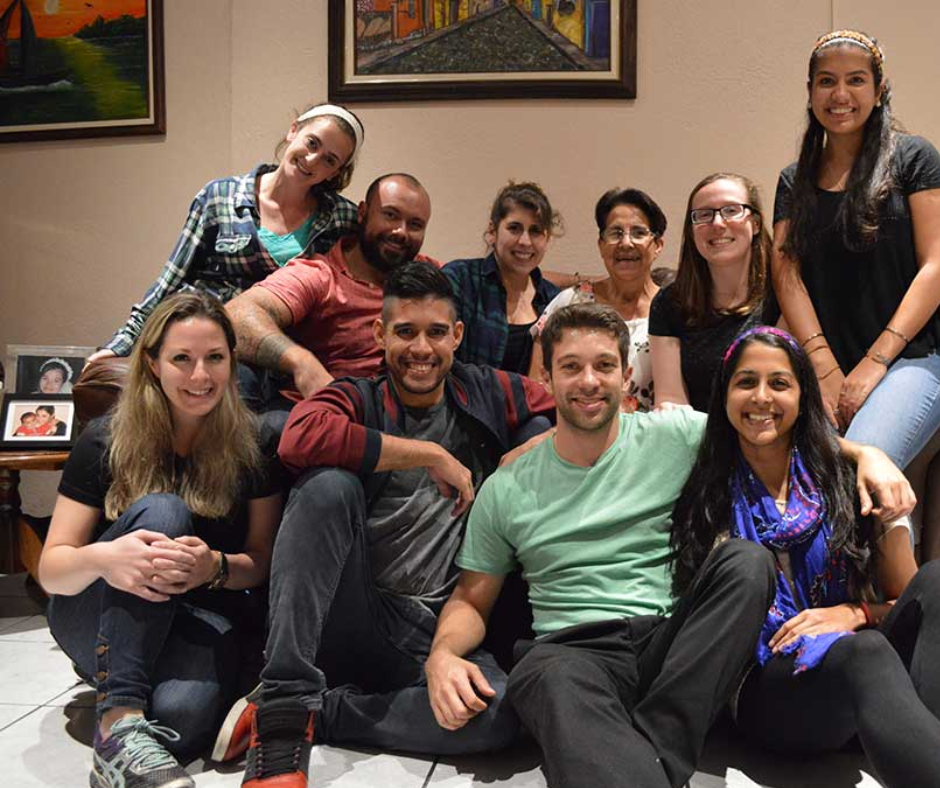
Your hosts will treat you with immense respect and generosity, often going out of their way to ensure you are comfortable. In return, they expect you to engage with them genuinely.
Sitting in the family living room, sharing stories, and showing interest in their heritage are the most important aspects of your stay. This environment requires flexibility. If your host invites you to sit for another cup of tea, you should prioritize that connection over sticking to a rigid sightseeing schedule.
Navigating Daily Household Rhythms and Prayer Times
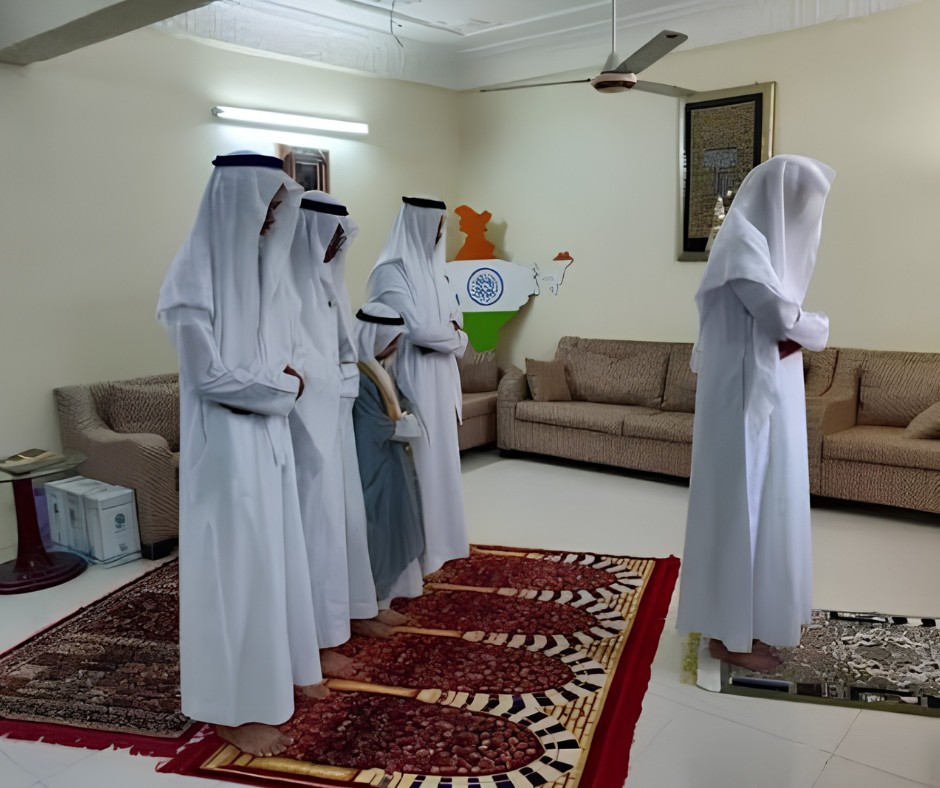
Life in a Saudi household follows a very specific rhythm dictated by the sun and the Islamic call to prayer. You will notice that the day is structured around the five daily prayers, starting just before dawn and ending in the late evening.
Mornings in rural areas and farmstays start very early to take advantage of the cool weather. By the time the midday sun peaks, the entire household slows down. The afternoon siesta is a vital part of local culture.
You should expect the house to remain quiet between the midday and late afternoon prayers, giving everyone a chance to rest and escape the heat. As the sun sets, the household comes back to life.
Evenings are highly active and social, with dinner often served quite late into the night. Adapting your own energy levels to match this daily cycle will make your stay incredibly smooth.
Regional Homestay and Farmstay Destinations
Mountain Living in the Asir and Jazan Highlands
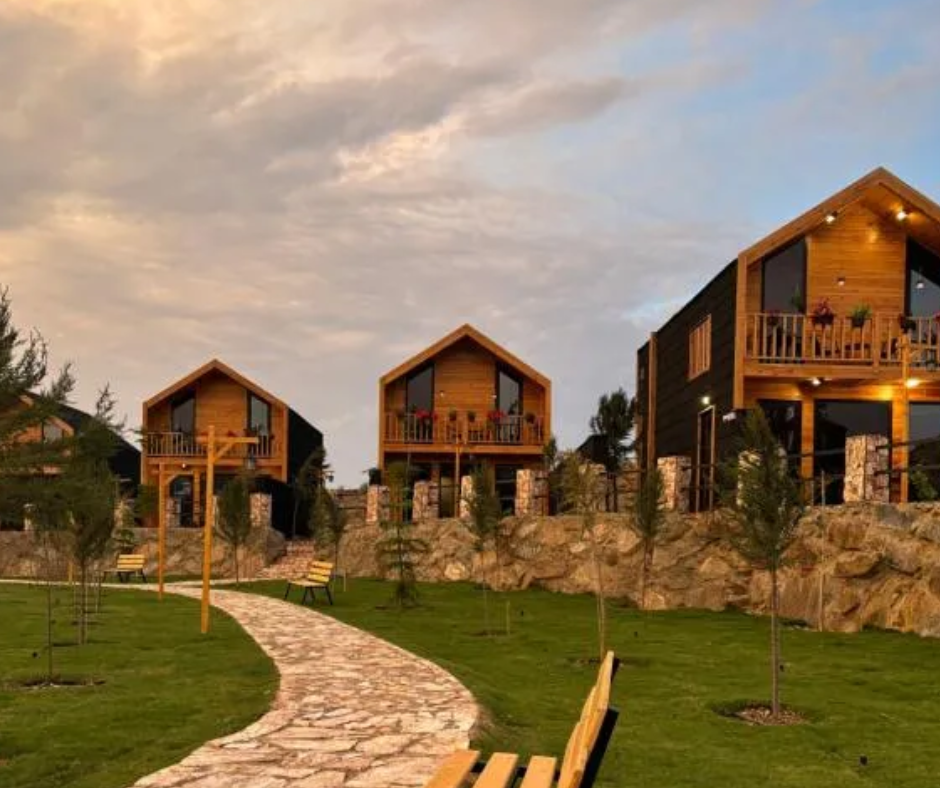
The southwestern highlands offer a completely different climate and architectural style compared to the rest of the country. Booking a homestay in the Asir mountains allows you to experience life inside traditional multi story stone houses.
These impressive structures feature incredibly thick walls designed to insulate the interior from the chilly mountain air. Staying here provides a hands on history lesson.
Your hosts will proudly show you how their ancestors adapted to the steep terrain. Further south in the Jazan region, you can stay with families who cultivate Khawlani coffee on ancient agricultural terraces.
These mountain farmstays are highly interactive. You can walk through the terraced fields in the early morning, learn how the farmers position the trees to catch the mountain mist, and observe the careful process of hand picking the ripe coffee cherries.
Oasis Farmstays Among the AlUla Palm Groves
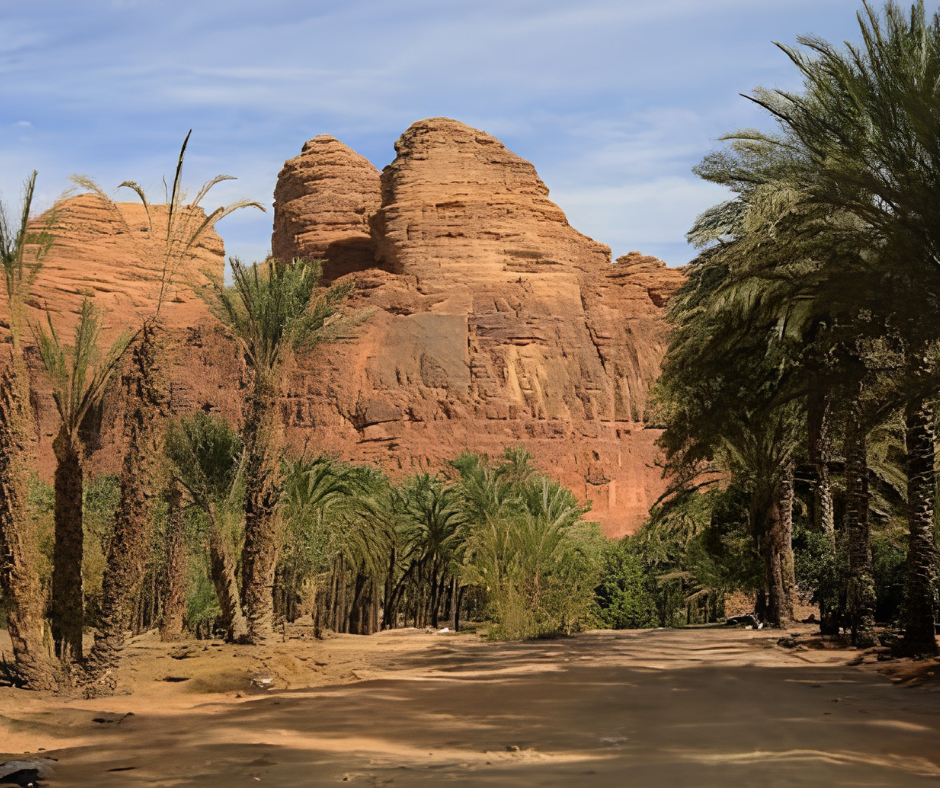
While most visitors come to AlUla to see the famous ancient tombs, staying on a working farm inside the oasis offers a much deeper cultural connection.
The AlUla oasis is a massive, lush green valley completely surrounded by towering sandstone cliffs. Homestays here are typically run by families who have cultivated dates and citrus fruits in the valley for generations.
Your day will revolve around the agricultural calendar. Depending on the season, your host might invite you to help prune the palm fronds, harvest the dates, or manage the intricate network of water channels that keep the soil fertile.
This is not a staged tourist demonstration. You are participating in real, necessary farm work. After a few hours among the trees, you will retreat to the shade of the palms to drink tea and listen to the farmers explain how they share the water supply across the community.
Agricultural Immersion in Taif and Qassim
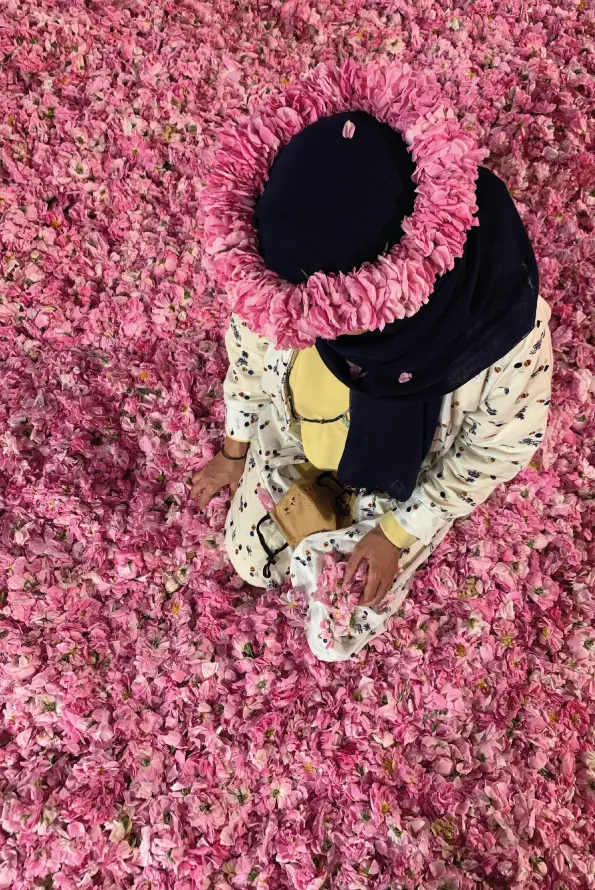
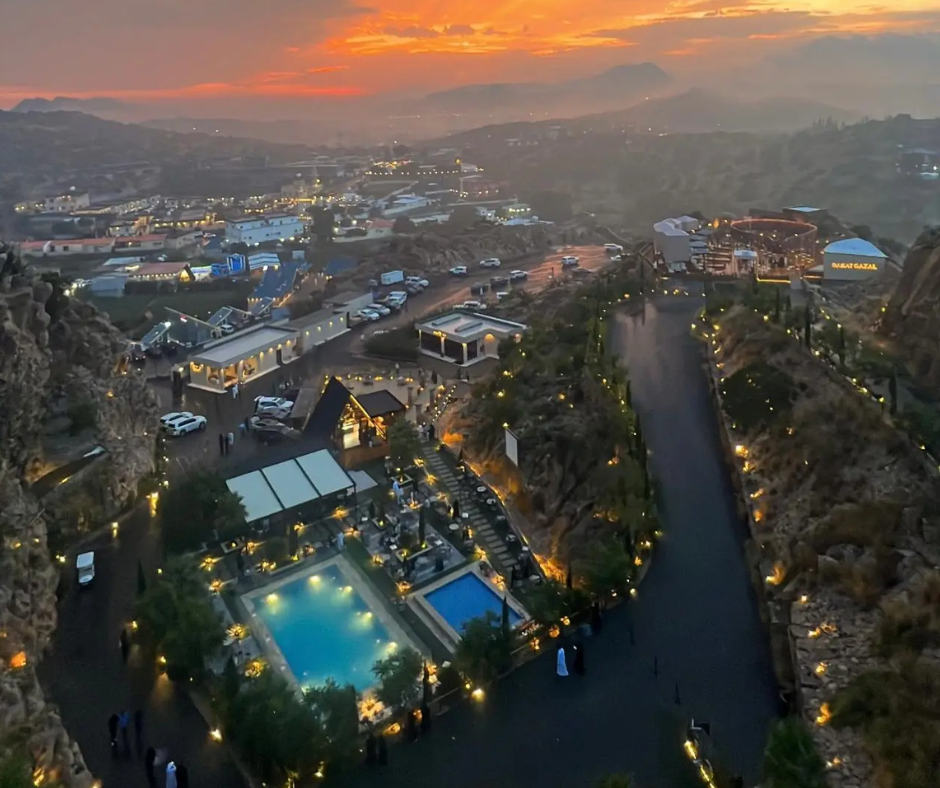
The city of Taif is famous across the Middle East for its fragrant damask roses. A homestay in this high altitude region during the spring harvest is a highly sensory experience.
Rose picking starts before dawn because the petals must be collected before the sun evaporates their aromatic oils. You will walk through the fields alongside the farmers, gently snapping the pink blossoms from their stems.
Afterward, you can watch the traditional distillation process that turns the petals into precious rose water and essential oil. In the central region of Qassim, agricultural stays focus heavily on fruit orchards and berry farms.
Visiting during the harvest season allows you to join local families in the fields. The atmosphere is incredibly joyful and communal. Children run between the rows, neighbors share baskets of fresh fruit, and you are immediately welcomed into the celebration of a successful harvest.
Culinary Traditions and Shared Family Meals
The Crucial Ritual of Saudi Coffee and Dates
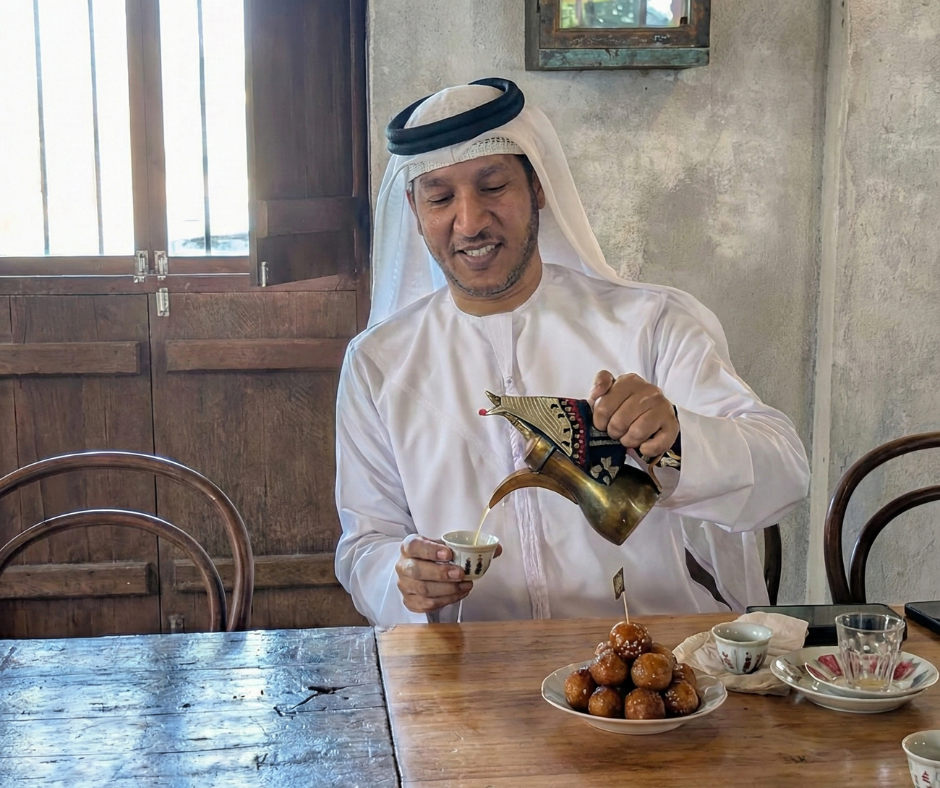
You cannot discuss Saudi hospitality without highlighting the central role of coffee and dates. The moment you enter a home, you will be directed to the majlis, which is the main reception room for guests.
Here, your host will serve you traditional Saudi qahwa. This coffee is brewed using lightly roasted green beans, giving it a golden color, and it is heavily spiced with cardamom and saffron.
The serving process follows strict cultural rules. Your host will hold the traditional pot in their left hand and pour a small amount of coffee into a handleless cup using their right hand.
You must always receive the cup with your right hand. The coffee is bitter, so you balance the flavor by eating a sweet local date between sips. When you have had enough coffee, you simply give the small cup a gentle shake as you hand it back to the host.
Sharing the Communal Kabsa Platter
Sharing a meal is the ultimate expression of trust and welcoming in Saudi culture. Dinner is almost always a communal event centered around a massive platter of food.
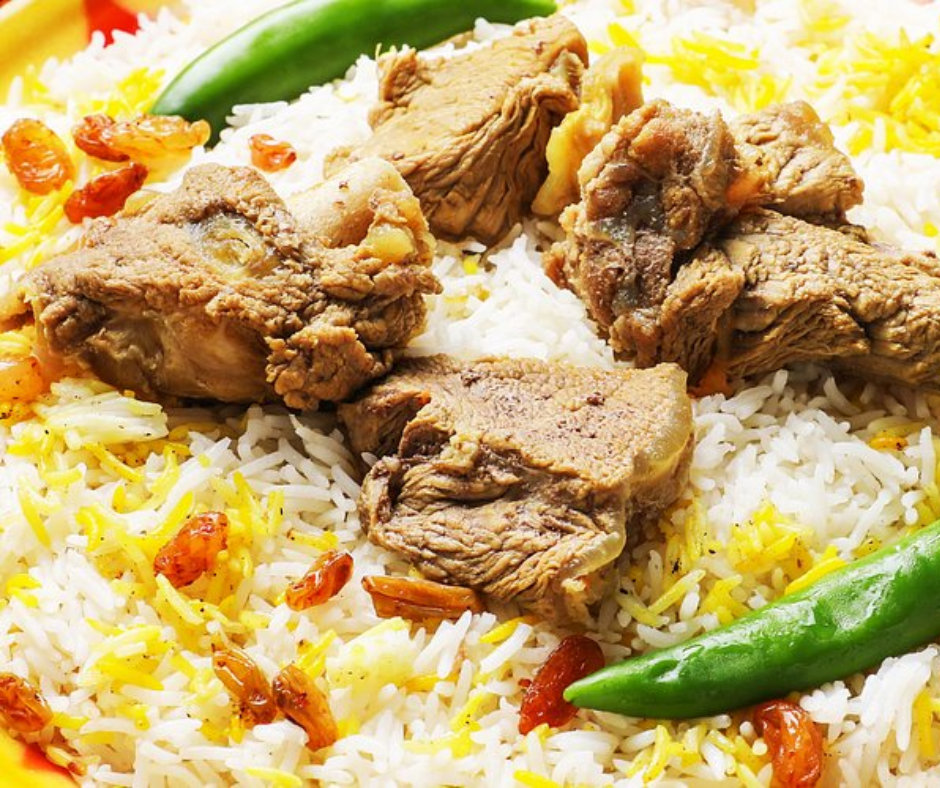
The most iconic dish you will encounter is kabsa, which consists of spiced basmati rice topped with tender, slow cooked lamb or chicken.
The meal is usually served on a protective mat laid directly on the floor of the majlis. You will sit cross legged around the platter with the family. Eating from a shared dish creates a strong sense of community. You must only eat from the section of the platter directly in front of you.
While many hosts will offer you a spoon, eating with your right hand is the traditional method. You simply gather a small amount of rice and meat with your fingers and press it into a compact bite. Always make sure to praise the flavors and thank the person who cooked the meal.
Starting the Day with a Regional Breakfast
Breakfast in a Saudi homestay is a slow, relaxed affair that features incredibly rich regional specialties. If you are staying in the western or southern provinces, you will likely be served masoub or areeka.
These are warm, comforting dishes made from mashed bananas, ground flatbread, local honey, and fresh cream. The combination of sweet honey and savory bread provides massive amounts of energy for the day ahead.
In other regions, breakfast revolves around foul, which is a savory stew made from slowly simmered fava beans seasoned with cumin and olive oil. You eat the stew by tearing off pieces of warm, freshly baked flatbread and scooping it up.
Breakfast is meant to be savored. You will sit around the table sipping sweet, dark tea infused with fresh mint leaves while discussing the plans for the day.