
You land in the UAE with a plan to eat local and five minutes later you are staring at a menu that runs from shawarma to sushi or gold-leaf desserts to dishes you cannot pronounce.
Dubai alone can make you feel like you need a second stomach and a second brain just to navigate the options. When every corner claims to be a must-try spot, it is easy to end up eating what is convenient rather than what is real.
That is why our team at WildyNess created this guide to help you find the authentic flavors and genuine hospitality that define the Emirates.
Table of Contents
The Foundations of the Emirati Table
To understand the food, you have to understand the geography. Emirati cuisine is a reflection of the desert, the sea, and the historic spice trade. Because the climate was historically harsh, the ingredients are often preserved, such as dried limes or salted fish, yet they are elevated by expensive spices brought over by merchant ships centuries ago.
The Coffee and Date Ritual
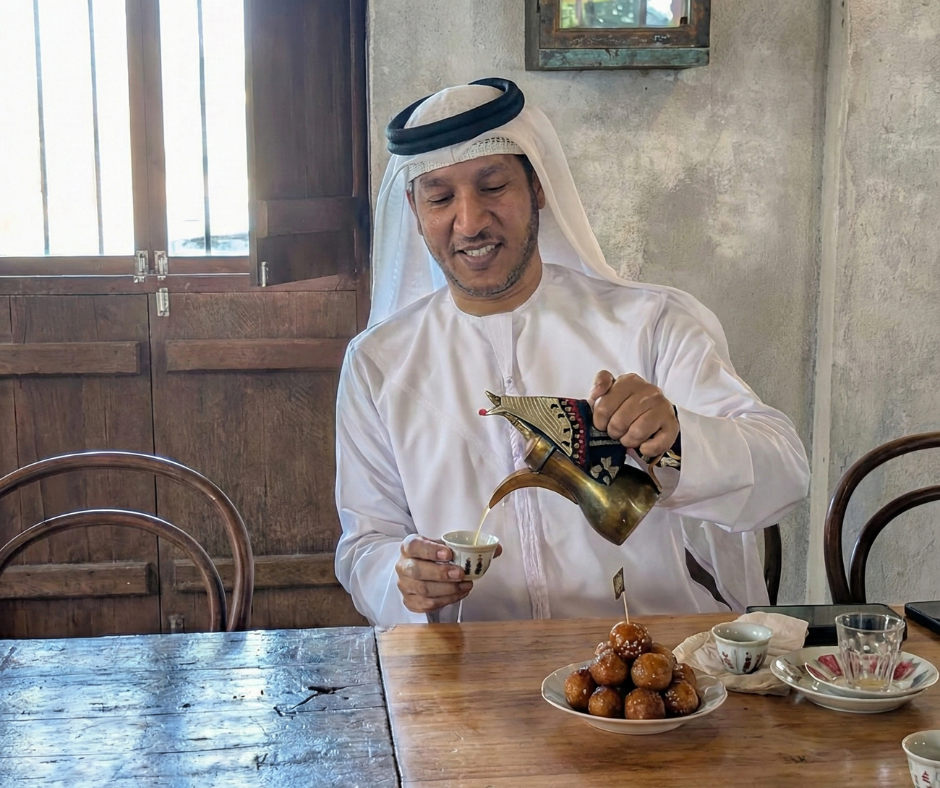
Hospitality in the UAE almost always begins with a small cup of Arabic coffee, known as gahwa, and a plate of dates. This is not a quick snack but a local way of saying you are welcome and should take your time. The coffee is usually lightly roasted and heavily spiced with cardamom or cloves. It is served in a small handleless cup called a finjan.
You should accept the cup with your right hand and take small sips. The host will continue to refill your cup until you gently shake it from side to side to signal you have had enough. This tiny gesture is the key to finishing the ritual gracefully. Dates are served alongside to balance the bitterness of the coffee. You will likely see varieties like Khalas or Medjool, each with different levels of sweetness and texture.
Khudri is another variety worth trying, chewy and closer to caramel than the softer Khalas.
Find the best way to live the Gahwa ritual in: Emirati Breakfast & Coffee Ritual: A Cultural Exchange with Locals
For a hands-on version of this ritual, the Dubai Pottery and Emirati Coffee Morning experience is a good place to start.
Essential Spices and Flavors
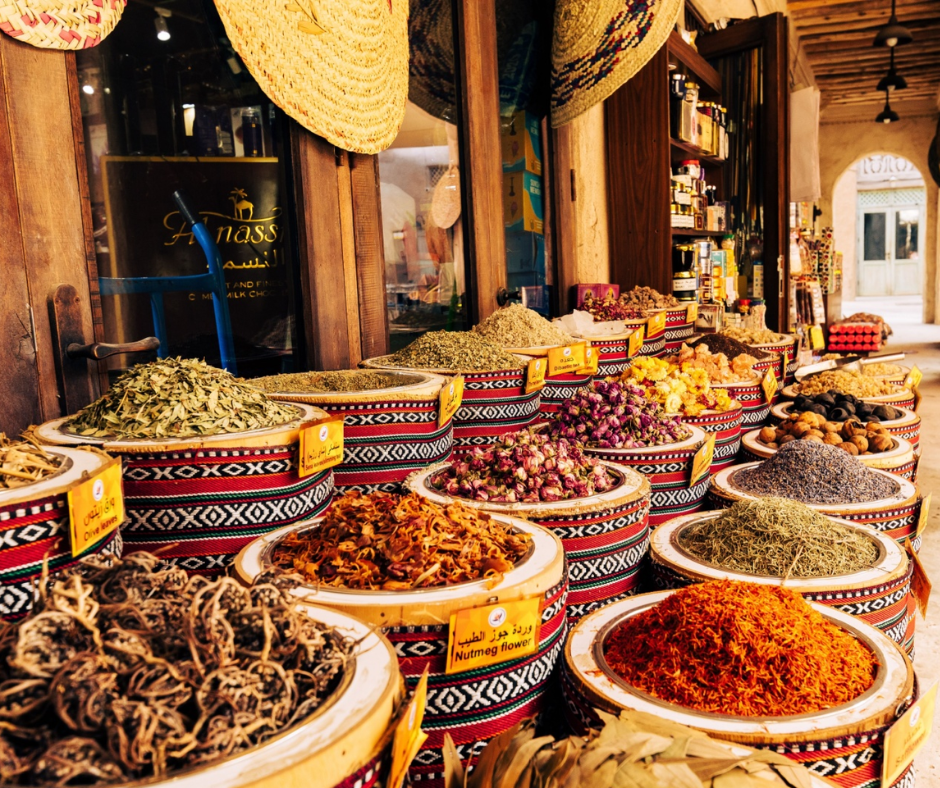
The backbone of almost every savory dish is a spice blend called Bezar. This is the Emirati version of garam masala or baharat. It typically includes black pepper, cumin, ginger, coriander, cinnamon, and turmeric.
Another vital ingredient is Loomi, which is a sun-dried lime. It adds a distinct sour, earthy punch to stews and rice. When you taste something and cannot quite place the citrus note, it is likely the Loomi working in the background.
Breakfast Traditions to Start Your Day
Emirati breakfast is a unique mix of sweet and savory that fuels you for the day without feeling overly heavy. You should look for spots in the Al Fahidi Historical Neighbourhood or near the Abu Dhabi Corniche where these items are made fresh to order.
Balaleet
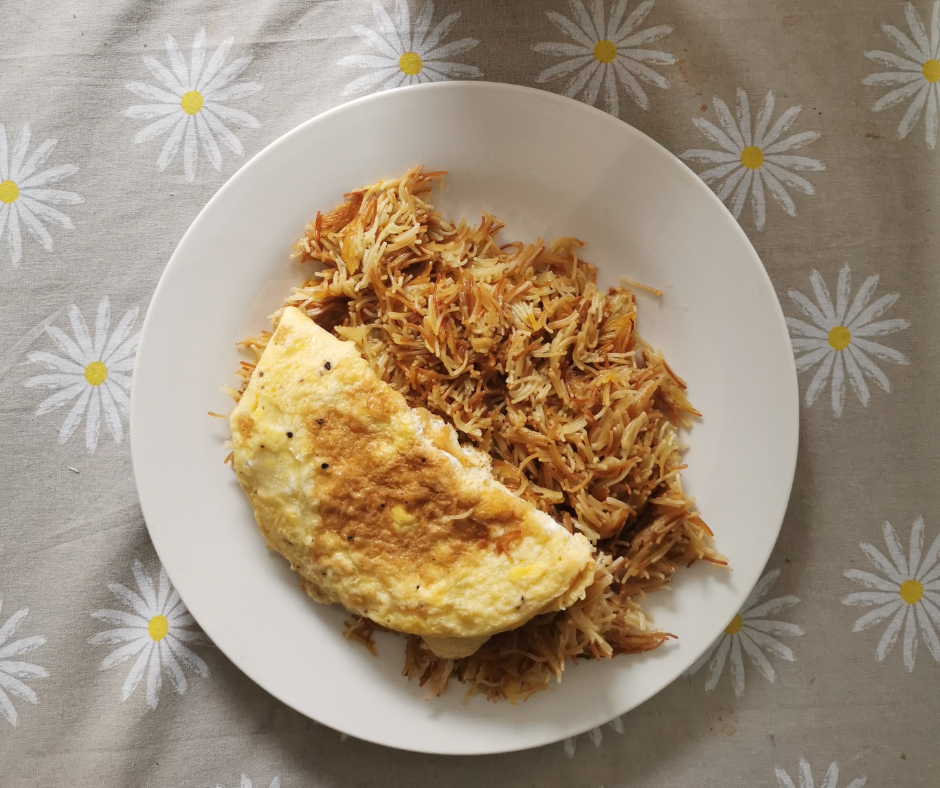
This is perhaps the most iconic Emirati breakfast dish. It consists of thin vermicelli noodles cooked with sugar, cardamom, and rose water.
It is then topped with a thin, salty omelet. The contrast between the sweet, aromatic noodles and the savory egg is a flavor profile you will not find elsewhere. It is best eaten hot when the textures are most distinct.
Chebab and Rigag
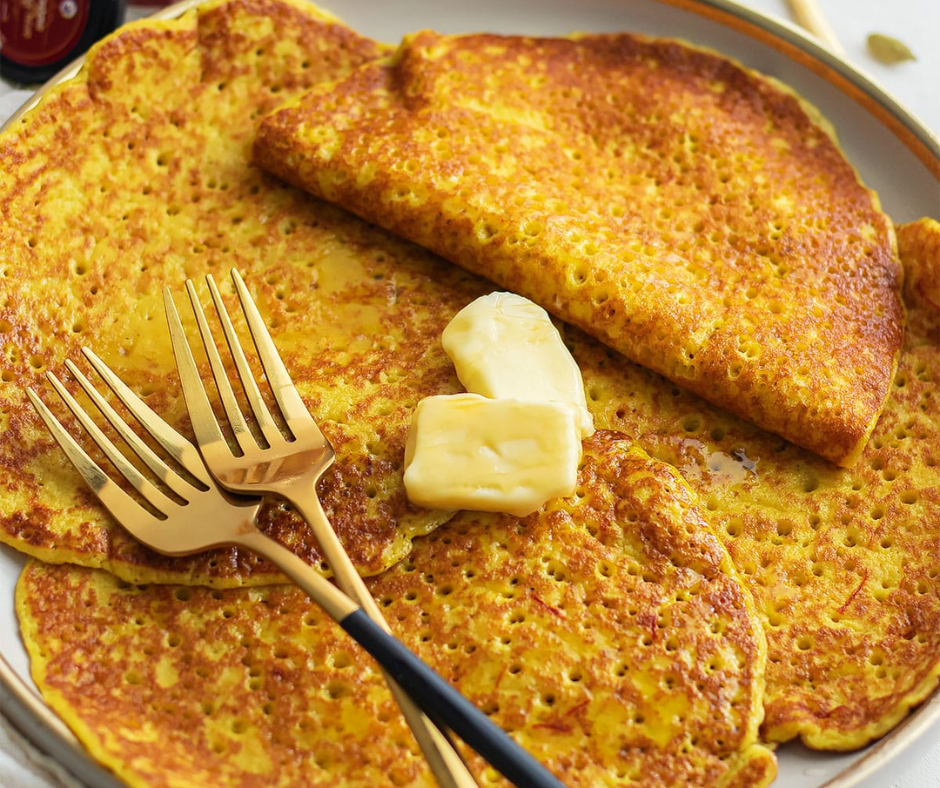
Chebab are the Emirati version of pancakes. These are yeast-leavened and flavored with saffron and cardamom, giving them a yellow hue and a slightly bubbly texture. They are typically served with date syrup or honey and a spread of salty cream cheese.
Rigag is another staple you must try. It is a paper-thin, crisp flatbread cooked on a large hot plate. It is similar to a crepe but much crunchier. You can have it plain or brushed with egg, cheese, or even fish sauce known as mahyawa. Watching a cook spread the dough by hand in a local market is as much a part of the experience as the meal itself.
Hearty Main Courses and Shared Platters
Lunch is traditionally the main meal of the day in an Emirati household. This is when the large platters come out and the slow-cooking methods shine.
Machboos
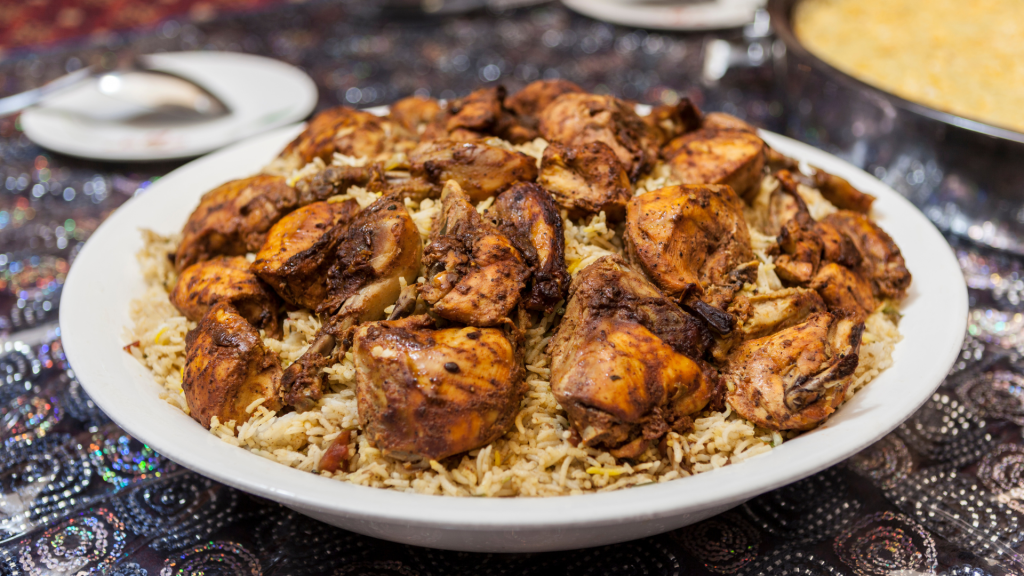
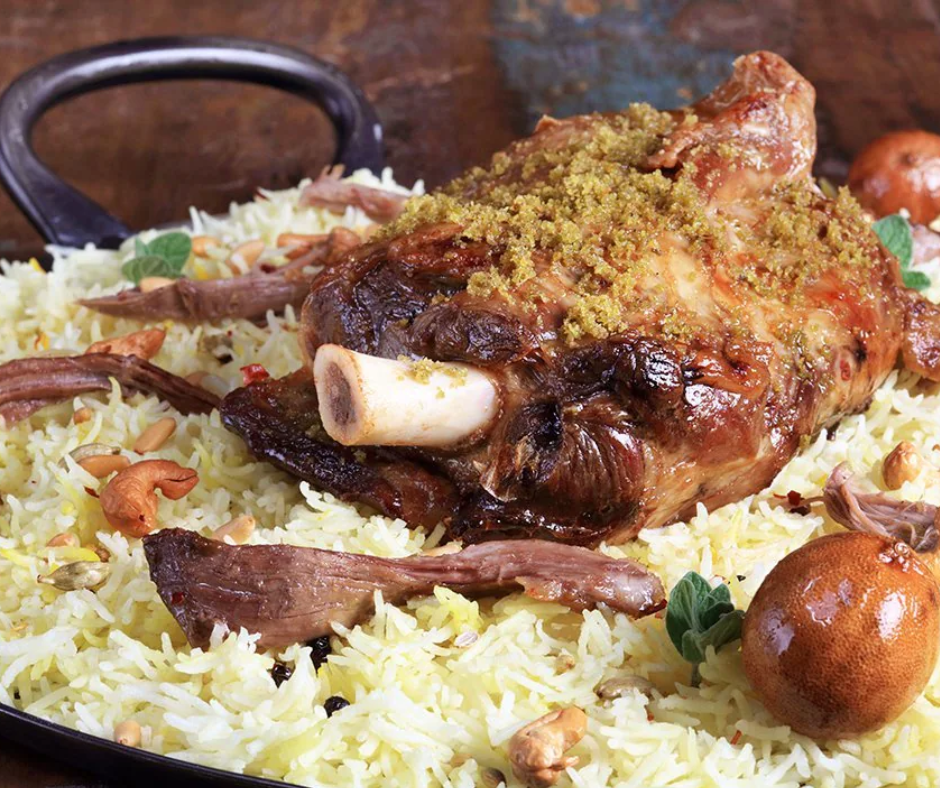
Machboos is the undisputed king of the Emirati table. It is a spiced rice dish usually prepared with chicken, lamb, or fish. The meat is simmered with the Bezar spice blend and dried limes until tender, then the rice is cooked in the remaining flavorful broth.
It is often topped with a mixture of fried onions, raisins, and split peas. Each family has their own version, but the result is always a fragrant, deeply comforting pile of rice that is meant to be shared.
Harees
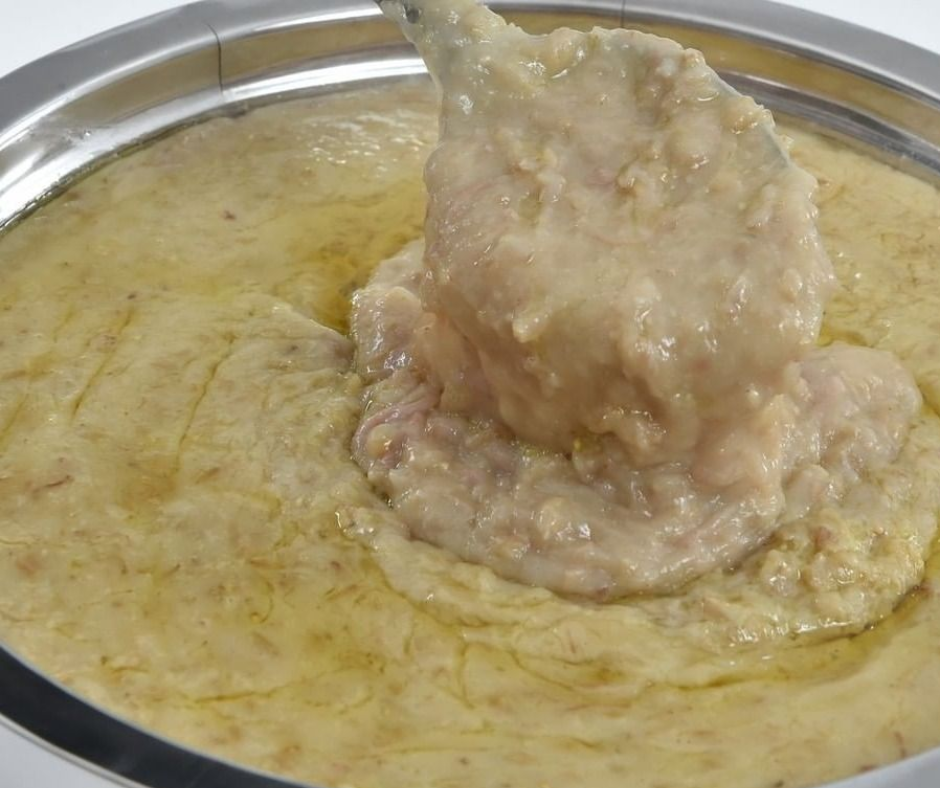
Harees is a dish that speaks to the history of the region. It is made from cracked wheat and meat, usually chicken or lamb, which is cooked together for hours until the consistency is like a thick porridge or a savory mousse.
It is then beaten with a wooden spoon to reach a smooth texture and topped with a drizzle of clarified butter or ghee. Because it is so labor-intensive, it is a staple for weddings and the holy month of Ramadan.
Saluna and Ouzi
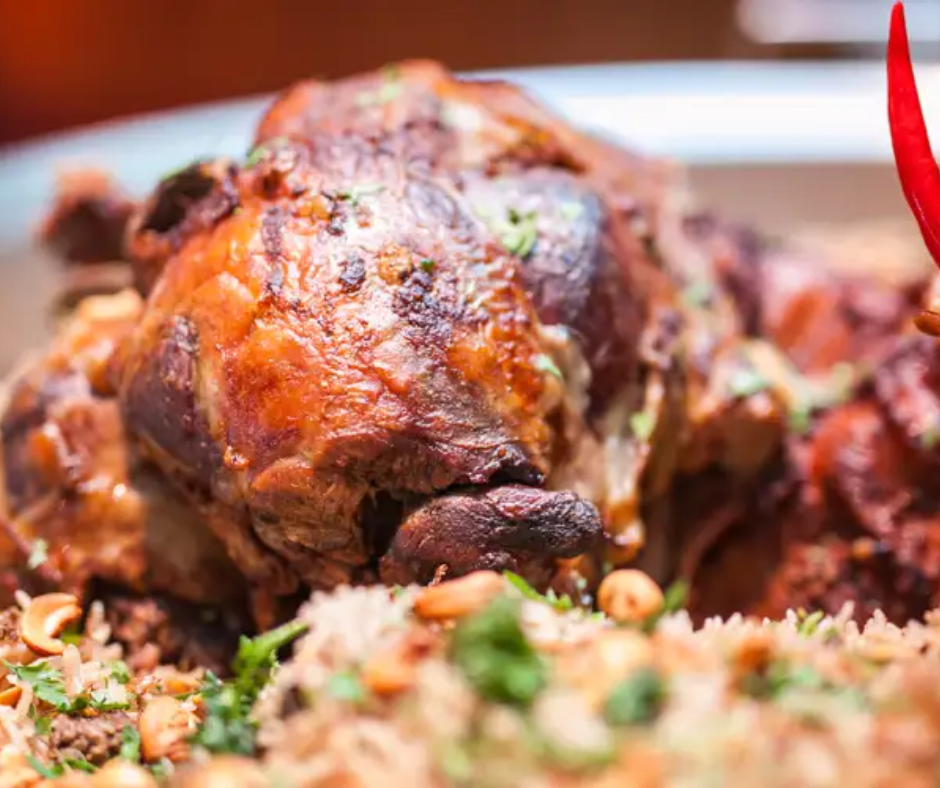
If you want something stew-based, order a Saluna. This is a classic vegetable and meat stew cooked in a tomato-based broth with heavy spice. It is perfect for dipping local bread. For the ultimate celebration, there is Ouzi. This is a whole roasted lamb served on a massive bed of spiced rice.
While you might not order a whole lamb as a solo traveler, many traditional restaurants serve individual portions of Ouzi-style lamb that has been slow-roasted until the meat falls off the bone.
Street Food and Quick Bites
Street food in the UAE is fast, social, and very affordable. You will find these snacks outside mosques, near the souks, and in busy commercial districts like Deira or Al Rigga.
Luqaimat
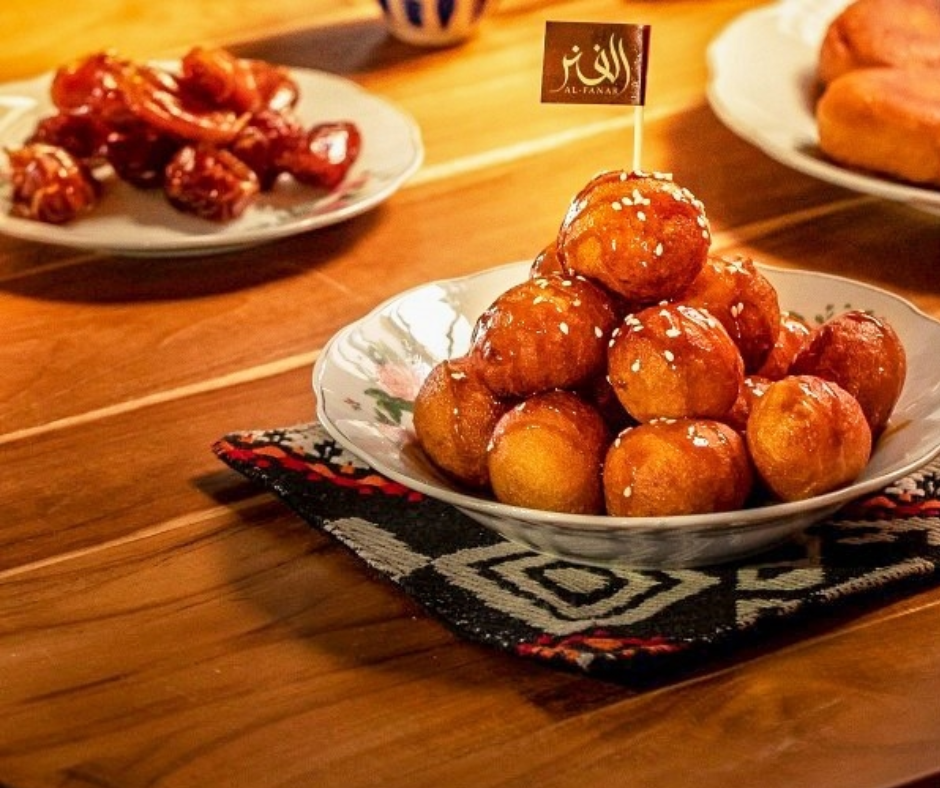
These are the most popular sweet street snacks in the country. Luqaimat are small, deep-fried dough balls that are crunchy on the outside and airy on the inside.
They are drizzled with sticky date syrup and sprinkled with sesame seeds. You should always buy these fresh from a stall where you can see them being fried. If they have been sitting in a container too long, they lose their signature crunch.
Two more desserts are worth looking for. Khabeesa is made from toasted flour, sugar, and ghee, with a crumbly texture and the same warm notes of cardamom and saffron you'll find across Emirati cooking. Mahalabiya is lighter: a milk-based pudding often finished with pistachios or rose petals.
Shawarma and Karak
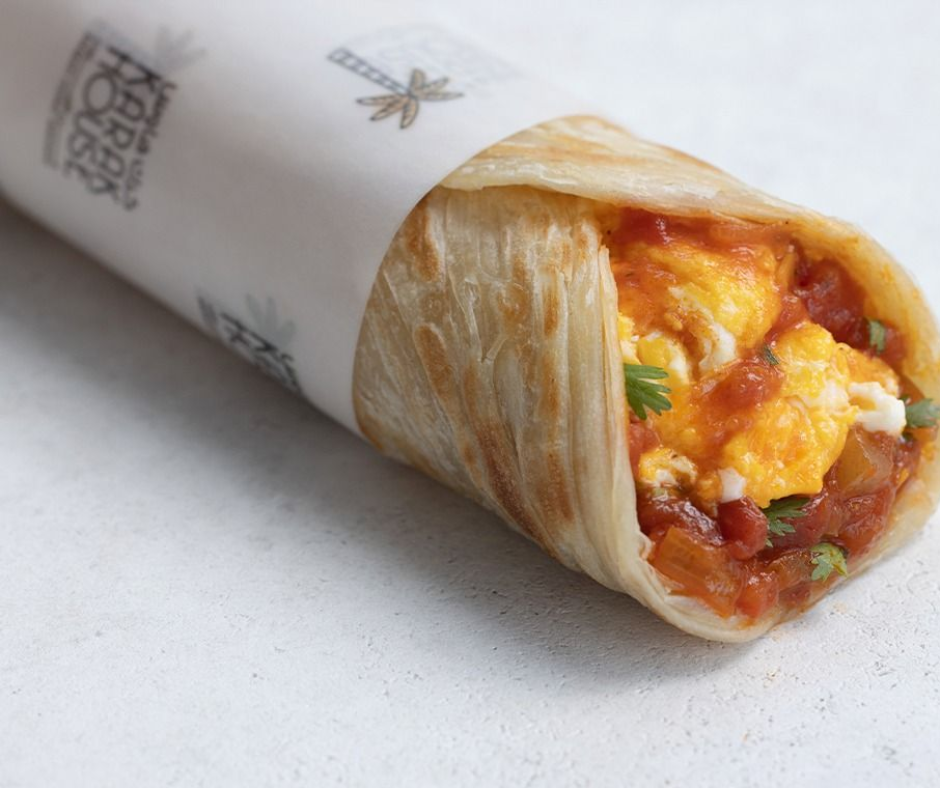
While shawarma has roots across the Levant, the UAE has made it its own. You will find it in small cafeterias on almost every street corner. Pair your wrap with a cup of Karak Chai. This is a strong, spiced tea made with black tea leaves, evaporated milk, sugar, and cardamom.
It is the unofficial fuel of the UAE. You will often see locals pulling up to cafeterias in their cars and honking for a server to bring a cup of Karak directly to their window.
Navigating the Best Heritage Dining Spots
To find the best food, you should build your mission around neighborhoods where the local routine still exists.
Al Fahidi and Bur Dubai
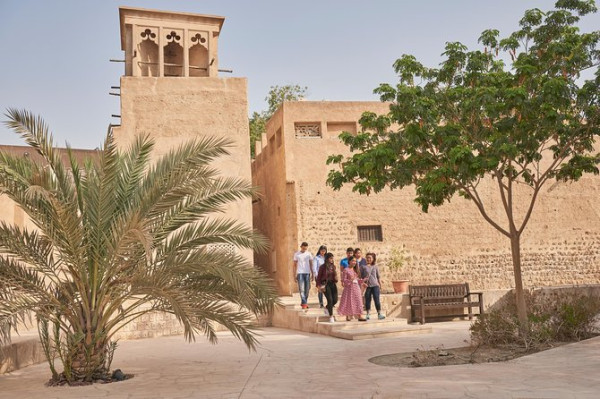
Start in the Al Fahidi Historical Neighbourhood. The lanes here were built for shade and are home to spots like the Arabian Tea House.
This is a great place to order a full Emirati breakfast tray to sample a bit of everything. From here, you can take a traditional abra boat across the creek for just two dirhams to reach the Spice Souk in Deira.
If you want something more formal, Al Fanar Restaurant and Cafe in Dubai is worth the stop. The setting brings back the UAE of the mid-twentieth century, and the Machboos and Harees here are some of the best in the city.
Deira Spice Souk
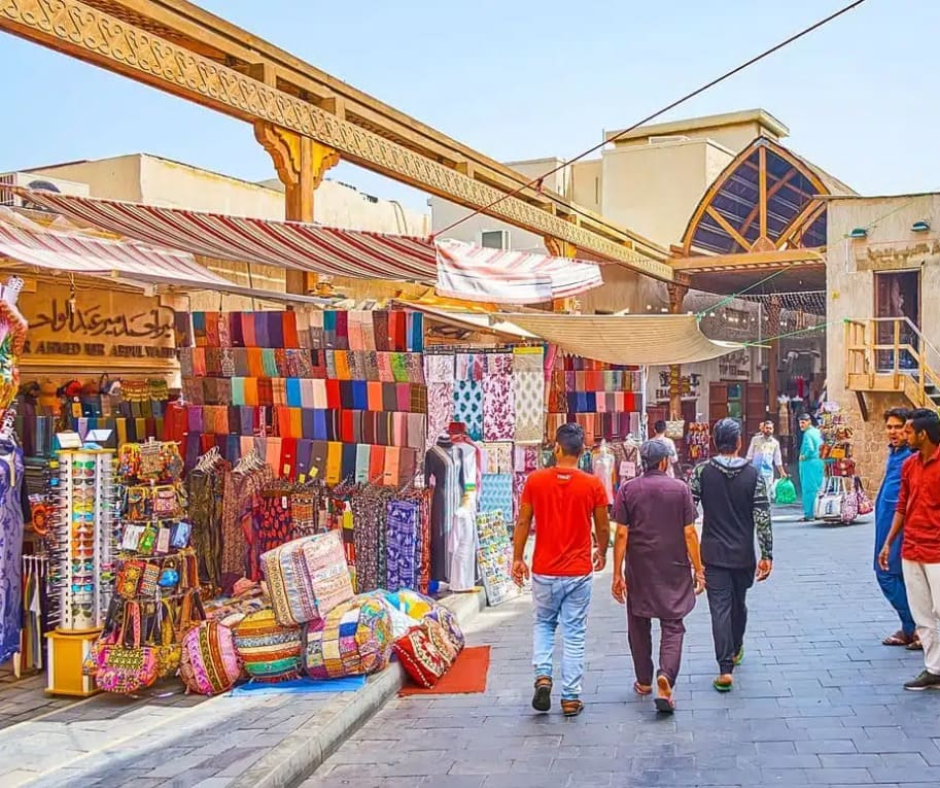
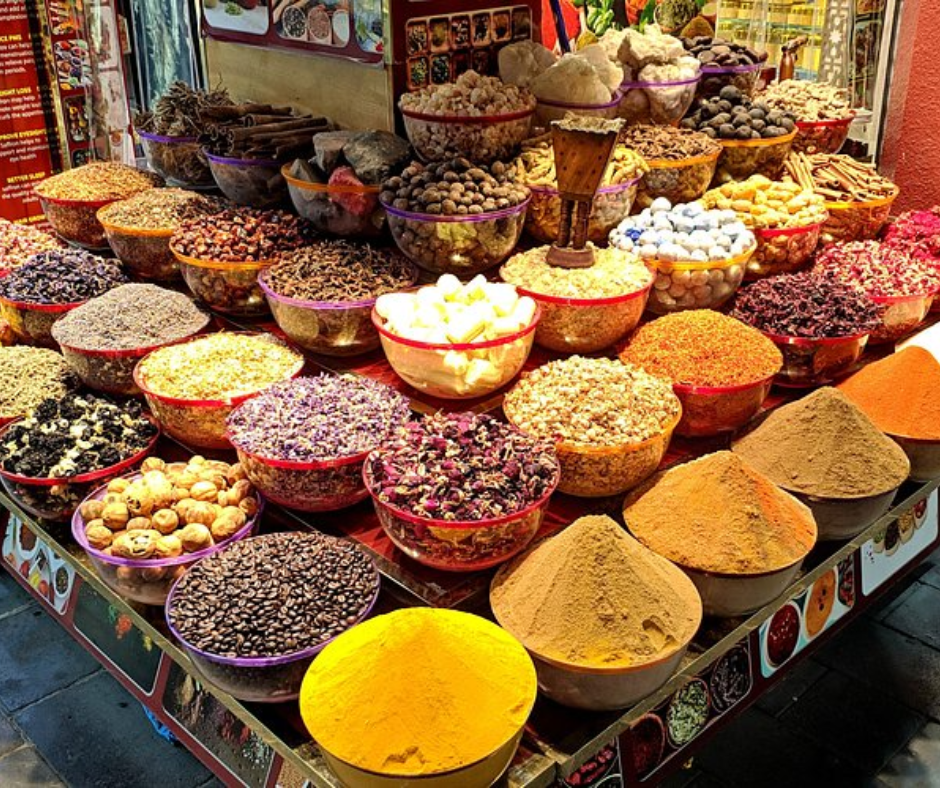
This is where you can see the raw ingredients of Emirati cuisine. We recommend walking through the narrow alleys to find high-quality saffron and dried limes.
Talk to the vendors and ask where they eat their lunch. They often point you toward small, unnamed kitchens that serve the most authentic Machboos in the city.
A short trip from the Spice Souk is the Dubai Waterfront Market. This is where the daily catch from the Arabian Gulf comes in. Watching the auction at the fish section is a good way to understand how central seafood is to the Emirati table.
Abu Dhabi Heritage Spots
Dubai isn't the only place to eat with history in mind. In Abu Dhabi, Al Dhafra offers a traditional dining experience near the water. For something more refined, Le Cafe at Emirates Palace serves Arabic coffee and dates in a setting built for the occasion. If your trip takes you further out, heritage villages and local community events are worth asking about.
For pantry shopping, head to the Mina Markets near the port. This is where local families buy their dates and staples, so prices are fair and quality is high. A box of good dates travels better than any souvenir.
Cultural Centers
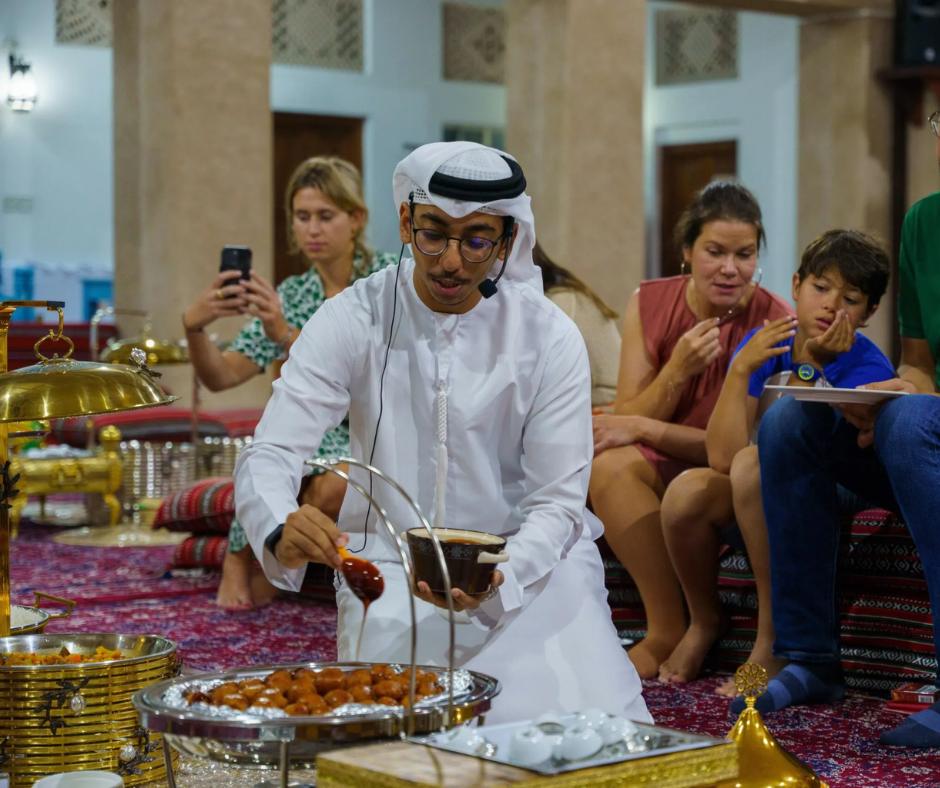
For those who want a deeper understanding of the "why" behind the food, the Sheikh Mohammed Centre for Cultural Understanding is an excellent resource.
They host traditional meals where you sit on floor cushions and eat from communal platters while a host explains the history and social rules of the meal. It is a zero-pressure environment to ask questions about etiquette and traditions.
Mastering Emirati Dining Etiquette
Emirati dining is governed by generosity and respect. You do not need to be an expert, but following a few simple rules will make your experience much smoother.
Always use your right hand for eating and for passing dishes. The left hand is traditionally reserved for personal hygiene and is considered impolite at the table.
If you are eating from a large communal platter, stick to the portion directly in front of you. It is also common for the host to pick out choice pieces of meat and place them in front of you as a sign of respect.
You should always accept the offer of coffee and dates even if you only have a small amount. Turning down hospitality can sometimes be seen as a slight. If you are invited into a home, remember to remove your shoes at the entrance and dress modestly.
Keeping your phone off the table and engaging in conversation shows that you value the company as much as the food.
A Final Word on Your Culinary Journey in the UAE
The food of the United Arab Emirates is a gateway to understanding the culture of the people who live here. It is a cuisine that prizes patience and sharing over speed and individual portions. Whether you are sipping tea on a street corner in Sharjah or sharing a massive platter of Machboos in a heritage house in Dubai, the experience is about more than just calories.
We encourage you to be adventurous and try the dishes that seem unfamiliar. You will find that the flavors are warm and welcoming. If you have more questions about planning your trip or want to find a specific local spot, you can reach out to us. Our team is always ready to help you plan a personalized itinerary that hits all the right notes.
Frequently Asked Questions
What is the national dish of the UAE?
Machboos is widely considered the national dish. It's a spiced rice dish made with meat, chicken, or fish, and it shows up at nearly every family gathering.
What do Emiratis eat for breakfast?
Breakfast usually mixes sweet and savory. Balaleet, sweet vermicelli topped with a savory omelet, is the most iconic choice, often served alongside Chebab or Rigag.
Is Emirati food spicy?
Not really. Emirati cooking leans on warm, aromatic spices like cardamom, saffron, and the Bezar blend rather than heat. Loomi, dried lime, adds tang instead of spice.
What is Gahwa?
Gahwa is Emirati Arabic coffee, lightly roasted and often spiced with cardamom. It's served in small cups called finjan, always with dates, and refusing it is considered impolite.
Where can I find authentic Emirati food in Dubai?
Al Fahidi and Deira are the best starting points. Look for the Arabian Tea House, Al Fanar Restaurant and Cafe, or small unnamed kitchens near the Spice Souk that locals actually eat at.
What should I eat for dessert in the UAE?
Luqaimat is the classic choice, fried dough balls drizzled with date syrup. Khabeesa and Mahalabiya are worth trying too if you want something beyond the usual.