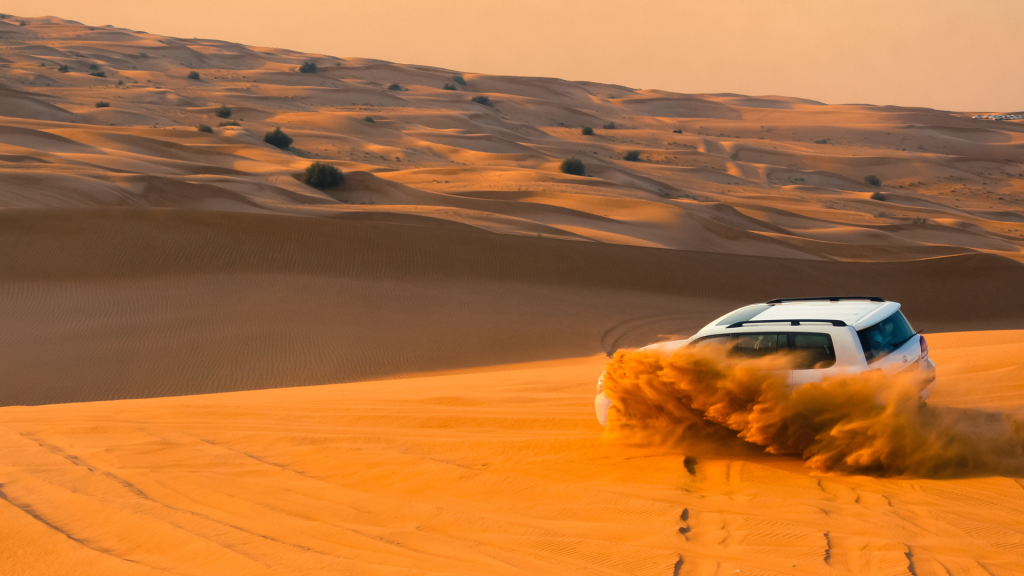

A Dubai desert safari is much more than a simple passenger ride across the sand. Driving over shifting dunes takes real skill, built up over decades of local desert navigation, and knowing what's involved helps you pick the right experience for your comfort level.
This guide, made by the WildyNess Team, covers how dune bashing actually works, the best desert spots around Dubai, safety and packing tips, what to expect at an evening desert camp, and how to fit it all into your trip.
The Mechanics and Culture of Dubai Off Road Driving
Technical Elements of Navigating Shifting Sand Formations
Successful sand driving relies entirely on maintaining momentum, managing tire surface area, and understanding the fluid weight distribution of a four by four vehicle.
Before entering the off road track, professional drivers systematically reduce the tire pressure of their vehicles to approximately twelve to fifteen pounds per square inch.
This deflation widens the tire footprint, creating a larger contact patch that distributes the weight of the vehicle evenly and prevents the rubber from digging into the loose, fine particles.
Drivers must constantly read the contours of the dunes, accelerating up the windward slopes where the sand is relatively packed and easing off the throttle precisely at the crest to avoid launching the vehicle into the air.

Distinguishing Between Morning and Afternoon Desert Conditions
The time of day you choose for your excursion fundamentally alters the physical characteristics of the sand and the overall ambient environment.
Morning sessions feature cooler air temperatures and more resilient, compacted sand that has settled overnight, which allows vehicles to climb steep ridges with greater efficiency and less mechanical strain.
Afternoon sessions present a different set of conditions because hours of intense sunlight expand the air between the grains, making the sand incredibly soft, powdery, and challenging to traverse.
The late afternoon however provides long shadows and a softer light gradient that highlights the dramatic topography of the ridgelines, making it the preferred choice for photography enthusiasts.

Environmental Conservation and Heritage Guidelines
The desert ecosystems surrounding urban centers are highly sensitive environments that host specialized flora and fauna capable of surviving extreme conditions.
Responsible operators adhere to strict conservation rules by remaining exclusively on established tracks to prevent the destruction of sparse desert scrub and low-lying vegetation.
Disturbing local wildlife such as the Arabian oryx or the sand gazelle is strictly prohibited, and carrying out all waste is a fundamental expectation for every visitor.
Understanding this balance helps protect the natural landscape while honoring the historical connection that regional communities have maintained with these arid spaces for generations.
Primary Destinations for Dune Bashing Across the Dubai Emirate
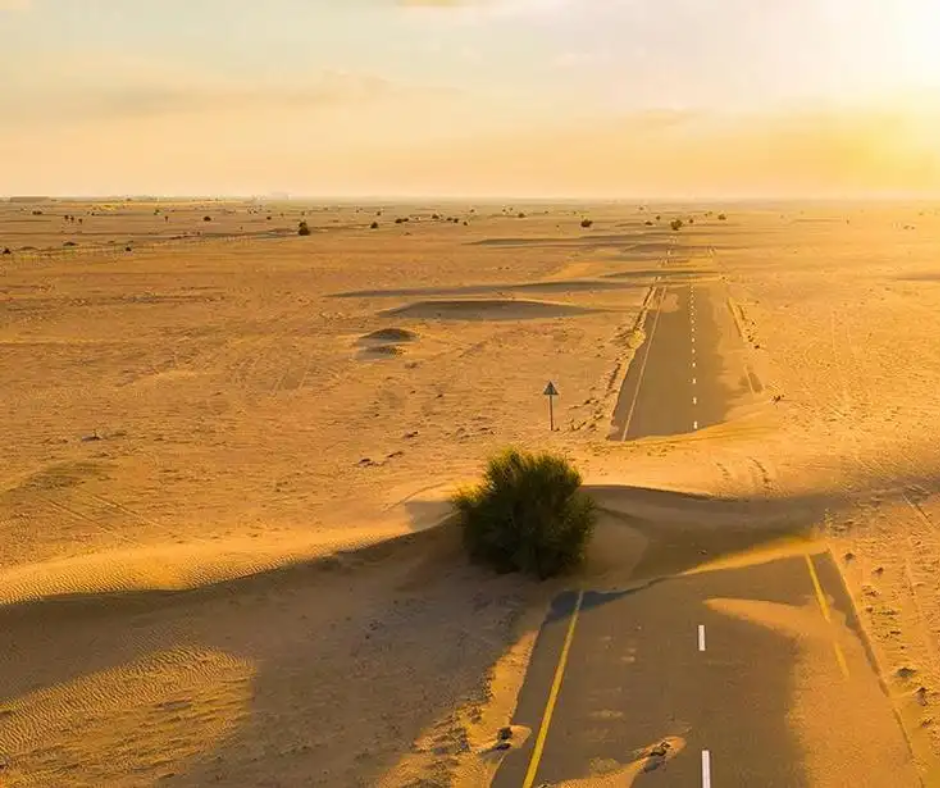
The landscape surrounding the city features distinct desert regions, each offering unique terrain variations, sand colors, and technical challenges for off road drivers.
Selecting the right location determines the intensity of your drive and the specific activities available during your visit.

High Intensity Maneuvers in the Al Lahbab Region
Al Lahbab is widely recognized as the premier destination for high stakes off road driving due to its massive scale and distinctive deep red sand formations.
Located approximately fifty kilometers southeast of the city center, this region features immense dunes with steep slip faces that allow drivers to perform thrilling sideways slides and vertical drops.
The height of the crests here provides the ideal topography for sandboarding, an activity where you strap into a wax-coated board and navigate down the steep dune faces by leaning your weight back to control your speed.
The sheer scale of the landscape makes Al Lahbab the top choice for travelers seeking maximum adrenaline and dramatic vast vistas.
Technical Climbs at the Big Red Dune
Situated along the highway connecting the coast with the interior, Big Red is a massive, naturally occurring sand mountain known locally as Al Hamriya.
This specific landmark rises nearly one hundred meters above the surrounding desert floor, presenting a formidable technical challenge for even the most experienced off road operators.
The composition of the sand here contains high levels of iron oxide, giving the formation its signature deep orange color.
Watching custom built dune buggies and high powered four by four vehicles attempt to conquer the sheer incline of Big Red provides an authentic look at local off road car culture.

Accessible Ground Training in the Al Awir Desert
For travelers who prefer a gentler introduction to desert driving or those accompanied by young family members, the Al Awir region offers an excellent alternative.
Located closer to the northern urban boundary, Al Awir features a mixed terrain consisting of smaller, rolling low dunes interspersed with flat gravel plains.
The reduced gradient of the slopes allows for a smoother ride with fewer jarring drops, making it highly suitable for building initial confidence on the sand.
This area is also highly popular for introductory quad biking sessions, where visitors can operate all terrain vehicles within a controlled, flat environment before attempting higher ridges.

Safety Protocols and Preparation for Passenger Comfort
Participating in a desert safari requires proper physical preparation and an understanding of passenger safety requirements to ensure the trip remains enjoyable. Because off road driving involves sudden shifts in momentum, following established safety guidelines is necessary for every participant.
Vehicle Safety Standards and Passenger Communication
Every legitimate tour operator utilizes modern four by four vehicles that have been heavily modified to meet strict governmental safety regulations. These modifications include the installation of heavy duty internal roll cages, reinforced suspension systems, and multi point safety harnesses for every passenger seat.
It is essential to keep your seatbelt securely fastened at all times during the drive and to secure any loose belongings such as cameras or mobile devices inside the vehicle.
Passengers should always communicate openly with their driver regarding their comfort levels, as guides can easily adjust the speed and aggressiveness of the maneuvers to accommodate those prone to motion sickness.
Wardrobe Selection and Sun Protection Strategies
Dressing correctly for the desert climate requires choosing materials that offer protection from both the intense sun and the fine windblown sand particles.
Lightweight, loose fitting clothing made from breathable natural fibers like linen or organic cotton will help keep your body cool throughout the day.
Closed toe shoes are far superior to open sandals because the sand can reach exceptionally high temperatures by early afternoon, making direct skin contact highly uncomfortable.
You should also pack a lightweight scarf or a cotton wrap to shield your face during sudden gusts of wind, along with high quality sunglasses to protect your eyes from intense glare.
Hydration Metrics and Dietary Recommendations
The dry desert air can cause rapid dehydration long before you experience the sensation of actual thirst, making proactive water intake a priority.
We recommend drinking plenty of fluids in the hours leading up to your scheduled pickup time and carrying a reusable insulated water bottle to maintain a cool supply throughout the journey.
It is wise to consume only light meals prior to the dune bashing session, as the repetitive dropping and tilting motions of the vehicle can cause physical discomfort on a heavy stomach.
Avoiding heavy, rich foods or dairy products immediately before entering the off road tracks will greatly reduce the likelihood of experiencing motion sickness.
Transitioning to an Authentic Evening Heritage Camp
The conclusion of a high energy desert drive typically shifts toward a traditional campsite where the focus moves from modern mechanical adventure to regional culture, gastronomy, and astronomy.
This transition allows you to experience the historic hospitality that has defined life in the Arabian Peninsula for centuries.
Architectural Design of Traditional Bedouin Style Settlements
Authentic heritage camps are carefully constructed within natural low lying desert basins to shield guests from prevailing evening winds.
The layout mirrors traditional nomadic settlements, utilizing low level wooden tables, heavy woven textiles, and comfortable floor cushions arranged around a central communal fire pit.
This design encourages social interaction and reflection, allowing you to relax comfortably as the temperature drops rapidly following the sunset.
The deliberate absence of harsh overhead electrical lighting preserves the natural ambiance of the desert night, creating a peaceful environment that contrasts sharply with the bustling coastal metropolis.
Regional Culinary Practices and Nomadic Gastronomy
The evening meal at a desert camp serves as an excellent introduction to traditional Middle Eastern culinary arts and local wood fire cooking techniques.
Guests are typically greeted with fresh Arabic coffee infused with cardamom, paired alongside sweet local dates as a gesture of welcome.
The main dinner features a wide variety of slowly roasted meats prepared using local spices, served with fresh flatbreads, chickpea dips, and seasoned rice dishes cooked over open flames.
Sampling these slow cooked dishes allows you to appreciate the resourceful cooking methods developed by nomadic communities who relied on simple, portable ingredients to create nourishing meals.
Astronomy and Desert Navigation Traditions
Before the development of modern satellite tracking and highway infrastructure, desert travelers relied entirely on the alignment of the stars to navigate across the featureless sand dunes.
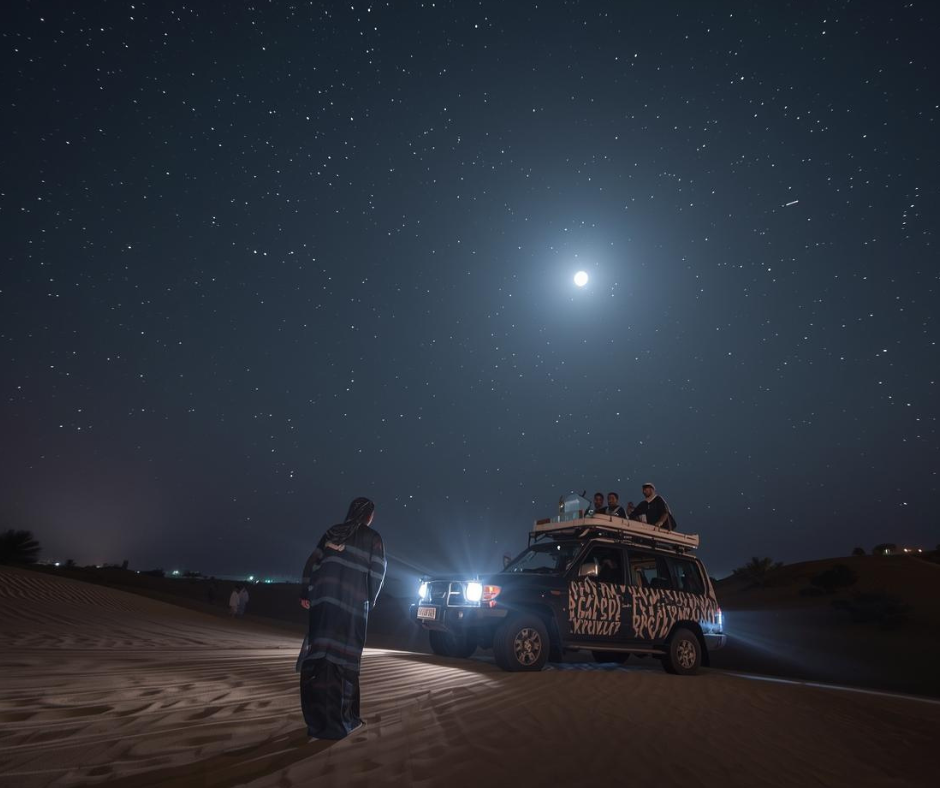
Once the camp activities draw to a close, operators will often extinguish all ambient fires and remaining lights to allow for a period of absolute stargazing.
Looking up at the clear sky reveals an immense tapestry of constellations that are completely invisible from the city center due to urban light pollution.
Spending time in this profound silence provides a meaningful conclusion to your journey, reminding you of the ancient relationship between the land, the sky, and the travelers who have moved through these dunes for millennia.
Curious about logistics and costs? read:
Car Rental in Dubai: The Ultimate Guide
Cost of Travel in Dubai: A Complete 2026 Budget Guide
Solo Travel Dubai: The Ultimate Guide to Independent Trips
You're trying to build your Dubai Itinerary? we recommend reading:
The Ultimate 3-day Dubai Itinerary Guide
How to Spend 4 Days in Dubai: The Perfect Itinerary
The Ultimate Dubai 7 Day Itinerary for Your First Trip
If you enjoy cafés and nice views, read:
Most Instagrammable Cafes in Dubai: A Photography Guide for 2026
Tipping in Dubai: How Much to Tip and Who to Tip in the UAE
Where to Watch the Sunset in Dubai: A WildyNess Travel Guide
If you're curious what activities you can do in Dubai, we suggest reading:
Dubai's Pottery Pulse: A Creative Oasis in the City of Gold
Sandboarding Dubai: A Beginner's Guide
Yoga Retreat Dubai: A Guide to Desert & Beach Wellness Stays
Dubai Travel Guide: Authentic Things to Do & Practical Tips
Explore Dubai Hidden Gems: History, Art, and Local Eats
Dubai Museum Quarter UAE: Explore the Real Old Dubai
The Ultimate Old Dubai Walking Tour: A Guide to the City's Soul