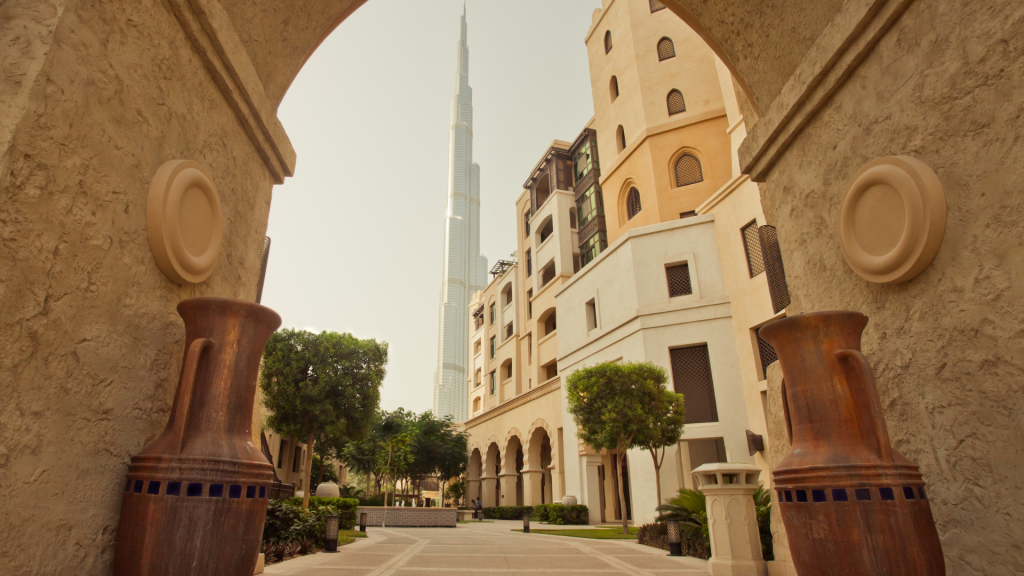

Finding the authentic pulse of a global metropolis can feel overwhelming when you are surrounded by record-breaking skyscrapers and endless shopping malls.
That is why our team at WildyNess created this guide to help you navigate the historic soul of the city with ease and purpose.
The story of this region did not begin with steel and glass. It started along the banks of a saltwater creek where trade routes converged and families built homes designed to breathe with the desert wind. When you step into the Dubai Museum Quarter, you are leaving the fast-paced modern world behind to enter a space defined by coral-stone walls and the rhythmic call of the water. This area serves as the cultural anchor of the city, offering a look at the endurance and creativity of the people who built a life here long before the arrival of modern technology.
We recommend treating this district as a slow-motion discovery rather than a checklist of sights. You will find that the most rewarding moments happen when you stop looking at your map and start noticing the architectural details of the wind towers or the scent of burning bukhoor drifting from a doorway. By focusing on the Al Fahidi and Al Shindagha neighborhoods, you can experience a version of the city that feels personal, grounded, and deeply historical.
Architectural Wonders of Al Fahidi Historical Neighbourhood
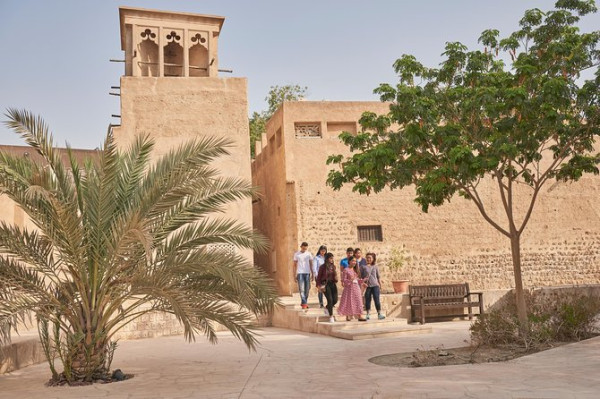
The Al Fahidi district stands as one of the oldest heritage sites in the United Arab Emirates, preserved to show the traditional way of life from the mid-nineteenth century. Walking through these lanes allows you to appreciate the ingenious ways early residents dealt with the intense coastal heat. The sand-colored buildings are not just for show, as they represent a sophisticated understanding of natural ventilation and communal living.
The Function of Traditional Wind Towers
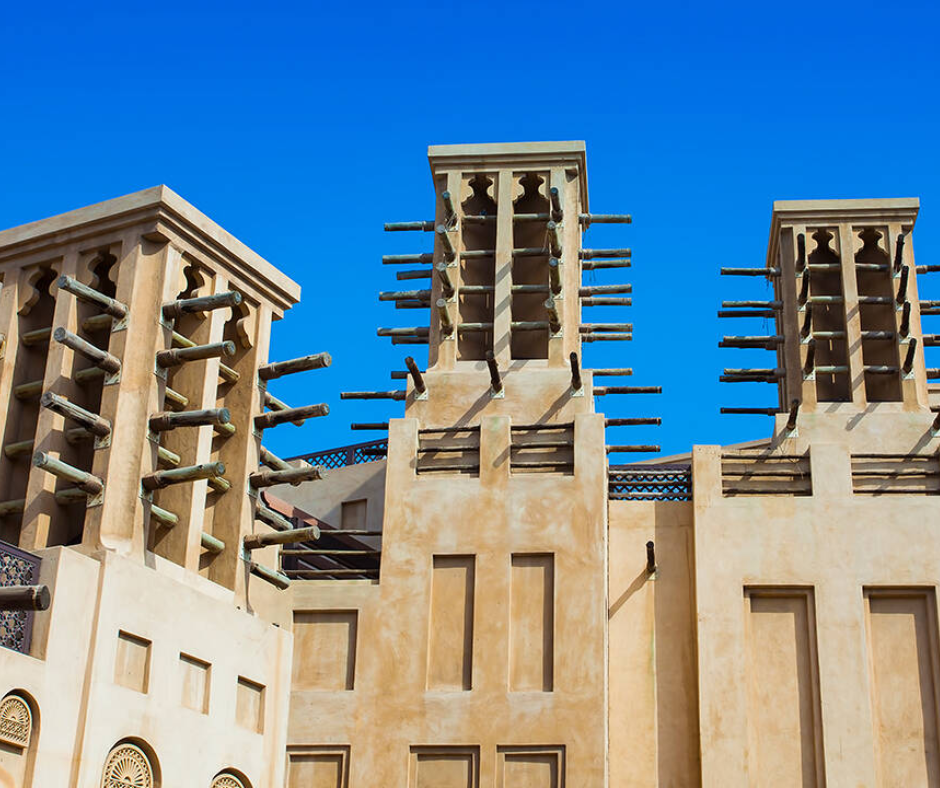
The most striking feature of the Al Fahidi skyline is the collection of square towers rising above the rooftops. These structures, known as barjeel, served as the original air conditioning units for Emirati homes. They were designed to catch even the slightest breeze from any direction and funnel the cool air down into the living quarters below.
When you stand beneath one in a courtyard, you can feel the temperature drop significantly, which demonstrates the practical brilliance of local builders who worked with the environment rather than against it.
Navigating the Sikka Alleyways
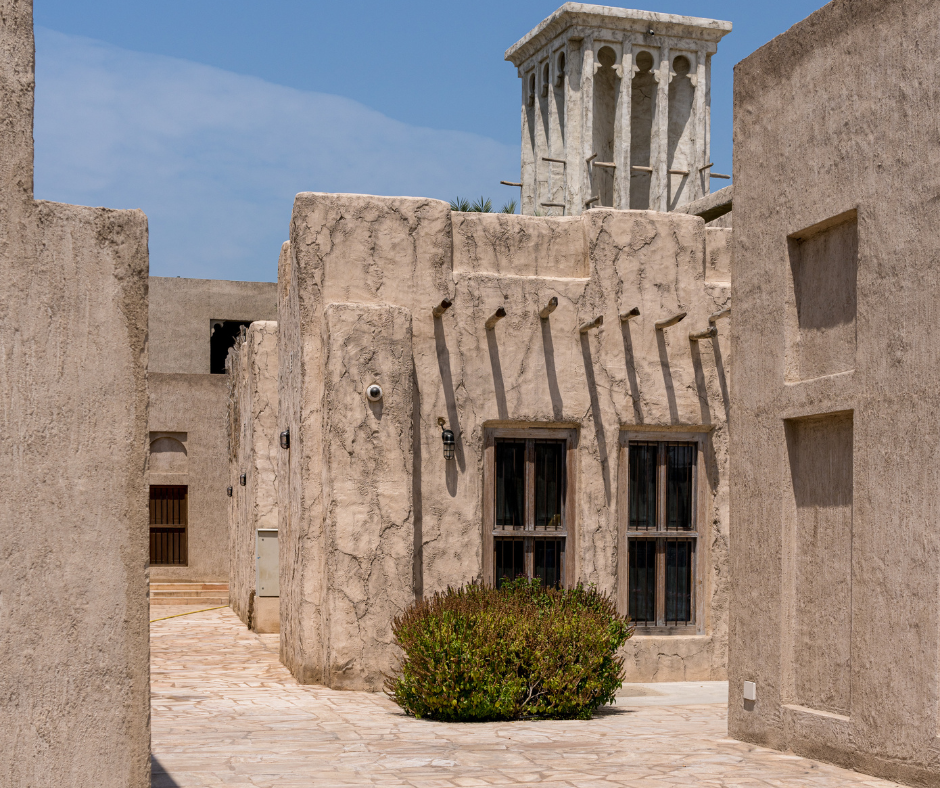
Between the high walls of the heritage houses lie narrow passages called sikkas. These lanes were intentionally designed to be thin so that the buildings themselves would cast shadows over the walkways for most of the day. As you wander through these paths, you will notice that the ground is often cool and the air stays still.
This layout also provided privacy for families, creating a quiet labyrinth where the noise of the outside world fades away. It is best to explore these alleys in the early morning when the light is soft and the district is at its most peaceful.

Immersion in the Al Shindagha Museum Hub
Located closer to the mouth of the Creek, Al Shindagha is a massive open-air museum complex that has transformed former royal residences and family homes into high-tech galleries.
This area focuses on the human element of the city's growth, from the pearl divers who risked their lives in the Gulf to the merchants who established global trade links. It is a place where oral histories are preserved through interactive displays and physical artifacts.
The Story of the Creek and Global Trade
The pavilion titled Dubai Creek: Birth of a City provides the essential foundation for understanding the entire quarter. You will move through a series of rooms that use state-of-the-art projections and maps to explain how a small fishing village became a global pivot point.
The exhibits detail the arrival of various merchant communities and the evolution of the shipping industry. This context is vital because it explains why the city looks the way it does today, linking the old wooden dhows to the massive container ports of the modern era.
Sensory Traditions at the Perfume House
Fragrance plays a central role in Emirati hospitality and personal identity, and the Perfume House offers a deep dive into this aromatic history. You can learn about the different types of oud, the harvesting of rose water, and the complex art of blending resins and oils.
The museum displays traditional tools used for creating scents and explains how perfume is used in social rituals and religious ceremonies. You will likely recognize these scents later in the day as you walk through the local markets or visit traditional homes.
Authentic Dining and Cultural Exchange
You cannot fully understand a culture without sitting down to share a meal or a conversation. The Dubai Museum Quarter offers specific venues where the food and the setting work together to tell a story. This is your chance to move beyond the international food courts and taste the flavors that have sustained people in this region for generations.
Morning Rituals at the Arabian Tea House
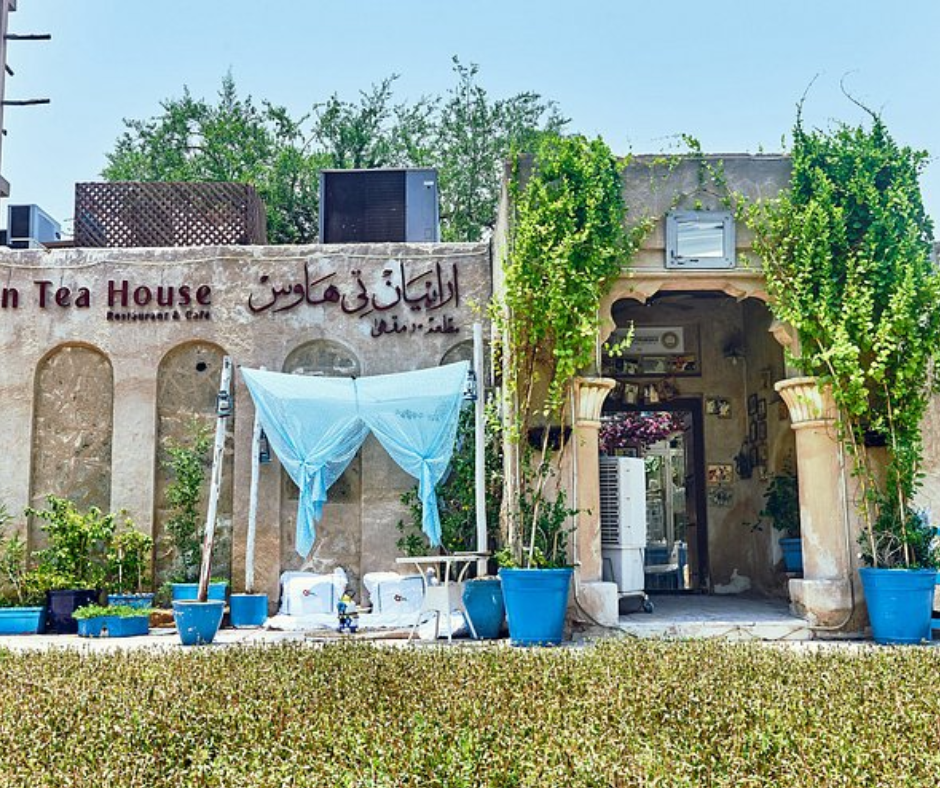
The Arabian Tea House is an essential stop for anyone looking to experience a traditional Emirati breakfast in a historic setting. You will find yourself in a bright courtyard filled with turquoise benches and white lace curtains, providing a calm escape from the midday sun.
We suggest ordering the breakfast tray which includes items like balaleet, which is vermicelli seasoned with cardamom and saffron, or khameer bread served with date syrup and cheese. This meal is meant to be shared, reflecting the communal nature of local dining traditions.
Conversations at the Sheikh Mohammed Centre
For those who want to ask direct questions about local life, the Sheikh Mohammed Centre for Cultural Understanding is the primary resource. They host cultural meals where you sit on traditional floor cushions and enjoy a feast while a local host explains customs, dress, and religious practices.
The atmosphere is open and welcoming, following the motto of "Open Doors, Open Minds." It is an ideal way to clear up common misconceptions and gain a nuanced perspective on the social fabric of the United Arab Emirates.
Traditional Crafts and Artisanal Heritage
While the museums tell the story of the past, there are several locations within the quarter where you can see traditional crafts still being practiced. These spots allow you to interact with the materials that built the city, from the sturdy wood of the ships to the delicate threads of the weaving looms.
The House of Artisans and Textile Arts
Inside the Al Shindagha area, the House of Artisans focuses on the physical skills required to survive and thrive in the desert and by the sea. You can observe demonstrations of Sadu weaving, which is a traditional form of embroidery used by Bedouin women to create tent fabrics and camel saddles. The precision and patience required for these crafts are remarkable, and seeing the process firsthand makes the finished products much more meaningful. You will also find displays on Talli, which is a decorative braiding technique used for the collars and cuffs of traditional clothing.
Pottery and Coffee Traditions
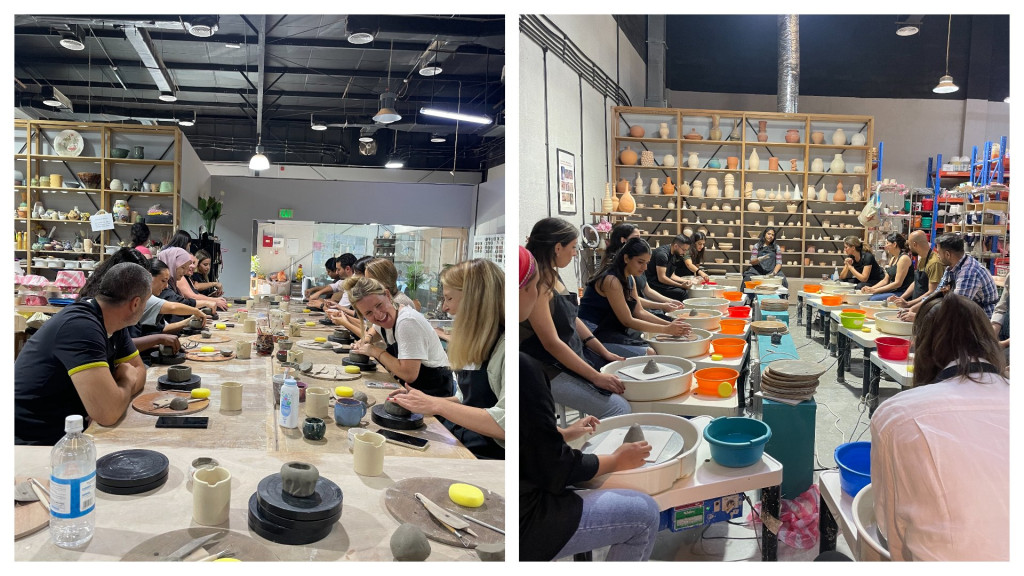
The intersection of utility and hospitality is best seen in the production of pottery and the serving of Arabic coffee. Traditional clay pots were once essential for cooling water and storing grains in the arid climate. This craft is often paired with the ritual of Gahwa, or Arabic coffee, which is served from a distinctively shaped pot called a dallah.
For a truly personal connection to these traditions, you might enjoy our Dubai Pottery and Emirati Coffee Morning, which is a local-led session that allows you to try your hand at these ancient skills in a relaxed environment.
Navigating the Historic Waterways
The Creek remains the lifeblood of the old city, and crossing it is a mandatory experience for any visitor. The water acts as a natural divider between the districts of Bur Dubai and Deira, but it also serves as a bridge that has connected people for centuries.
The Traditional Abra Experience
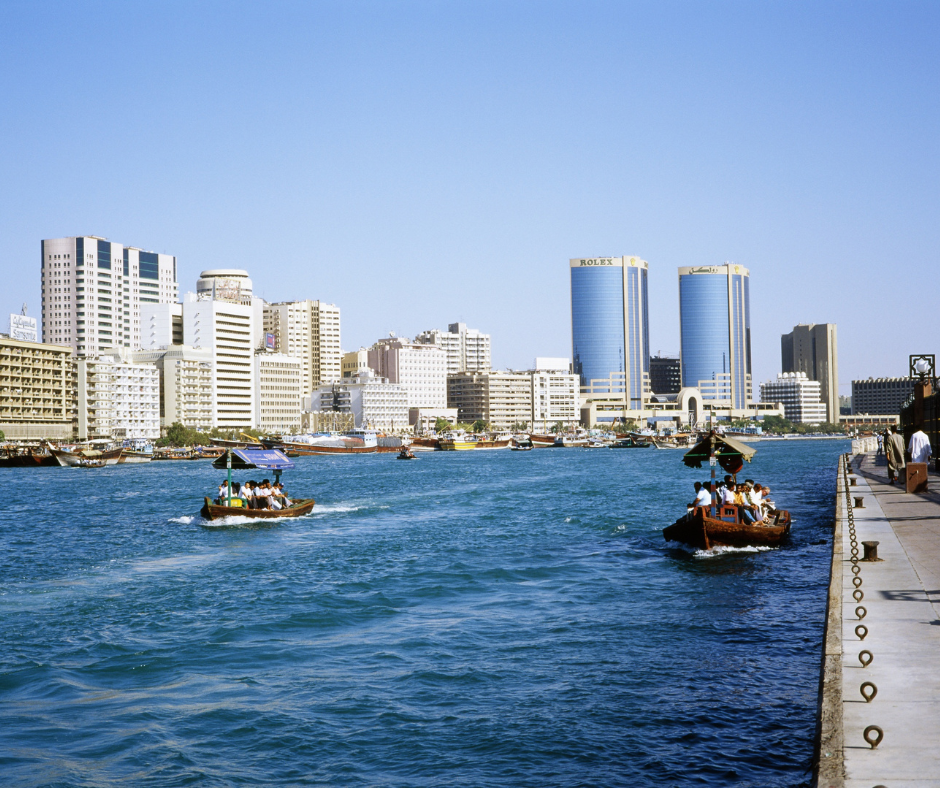
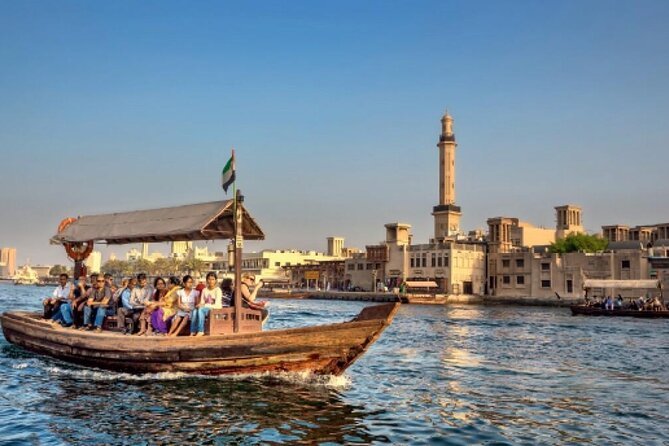
The most authentic way to move between the different parts of the museum quarter is by using an abra. These are small wooden motorized boats that ferry passengers across the water for a very small fee. You will sit on a central wooden bench with locals and traders as the boat weaves through the larger dhows and modern yachts.
This short journey offers the best views of the heritage architecture from the water and provides a cooling break from walking.
Observing the Dhow Wharfage
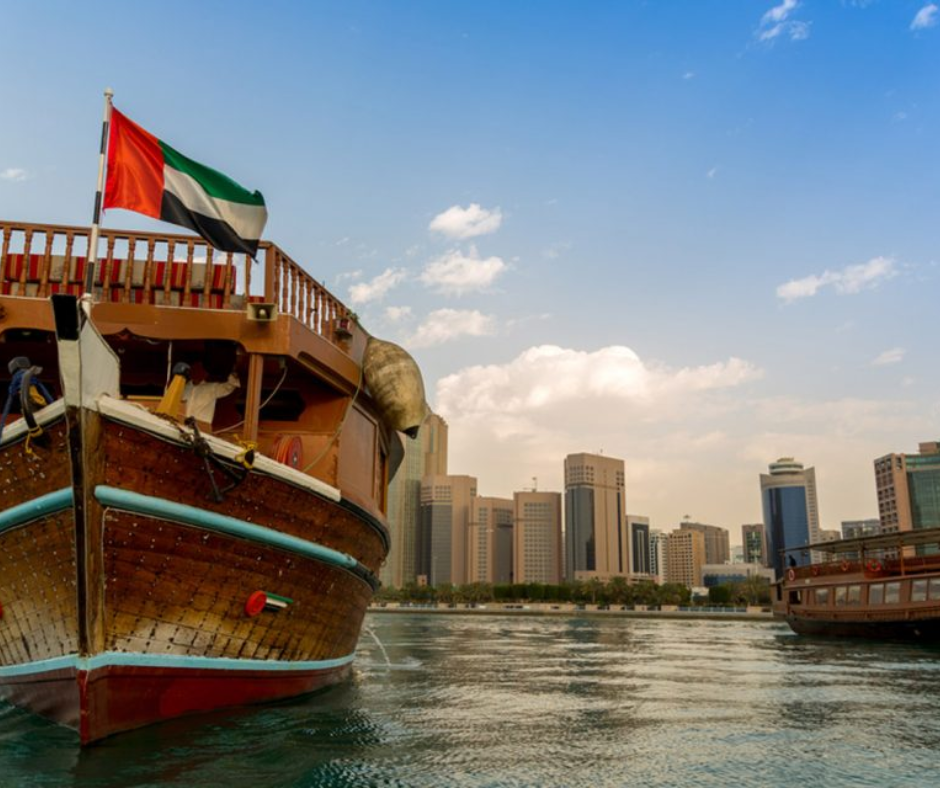
On the banks of the Creek, you can walk along the dhow wharfage where wooden cargo ships are still loaded and unloaded by hand. These vessels travel to ports across the Indian Ocean and the Gulf, carrying everything from refrigerators to spices.
Watching the crews work provides a glimpse into the gritty, functional side of the city that many tourists never see. The stacks of boxes and the call of the sailors remind you that this is still a working port with a history that predates the modern era by centuries.
Exploring the Traditional Souks
Across the water from the Al Fahidi district lie the famous markets of Deira. These souks are an extension of the cultural quarter, representing the commercial heart that fueled the city's expansion. Exploring these markets requires a bit of energy and a willingness to engage with the vendors.
The Spice Souk and Sensory Discovery
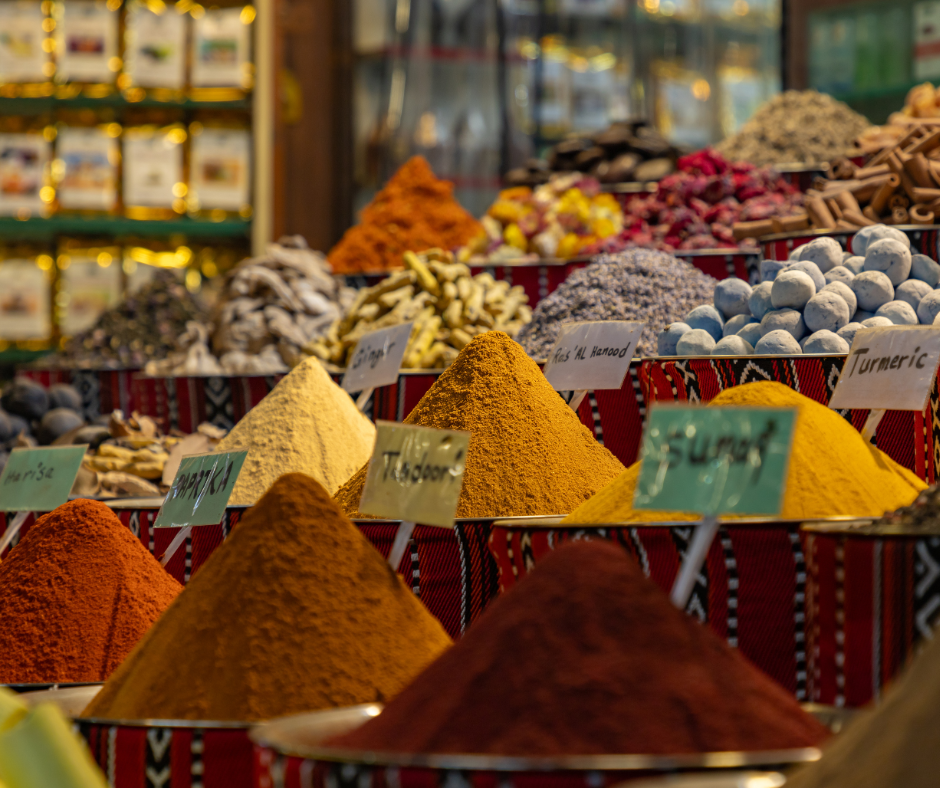
The Spice Souk is a narrow network of lanes where the air is thick with the smell of cinnamon, cloves, and dried lemons. Vendors display their goods in large open sacks, creating a colorful landscape of powders and pods. This is the place to find high-quality saffron or frankincense from neighboring Oman.
We recommend looking for the brightest colors and strongest scents to ensure freshness, and do not be afraid to ask the sellers about the medicinal or culinary uses of the different spices.
The Gold and Textile Markets
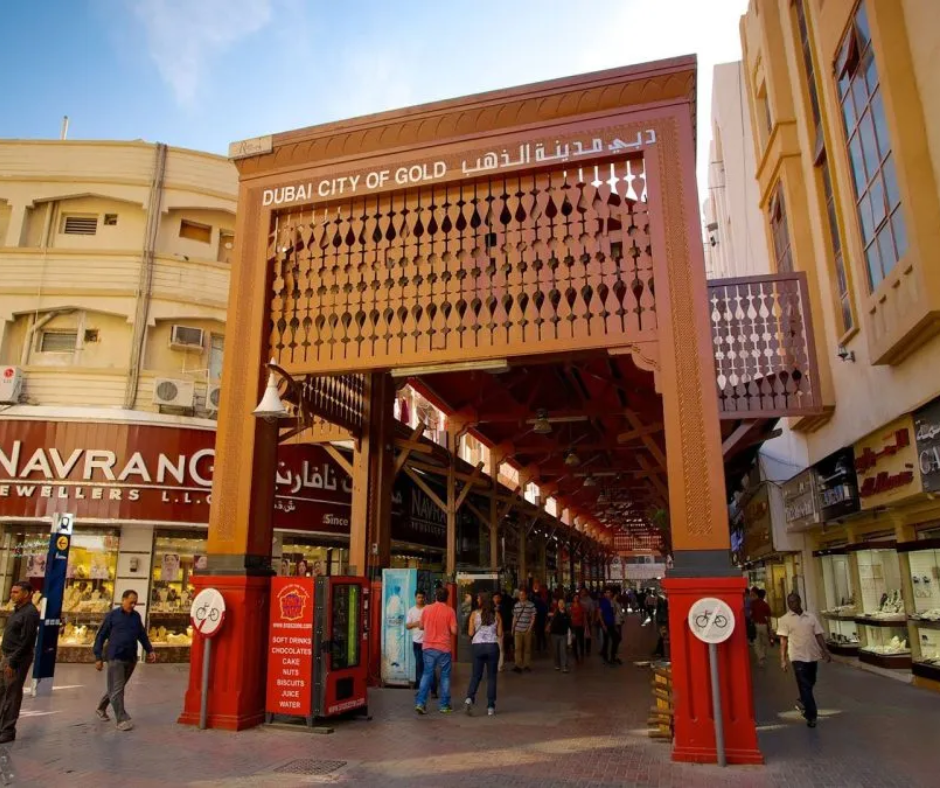
Nearby, the Gold Souk offers a dazzling display of craftsmanship and wealth, with windows filled from floor to ceiling with intricate jewelry. Even if you are not planning to buy, the sheer scale of the gold on display is a sight to behold. If you prefer fabrics, the Textile Souk in Bur Dubai offers rolls of silk, cotton, and embroidered fabrics.
When shopping in these areas, remember that a friendly approach and a bit of lighthearted negotiation are expected parts of the process.
Practical Logistics for the Museum Quarter
Planning your visit to the heritage districts requires a little bit of logistical foresight to ensure you stay comfortable and make the most of your time. Because this is an older part of the city, the layout is more suited to pedestrians than cars.
Timing and Seasonal Considerations
The best time to visit the Dubai Museum Quarter is between October and March when the temperatures are mild enough for extended walking. During these months, the courtyards are cool and the outdoor exhibits are fully accessible.
If you are visiting during the hotter months, plan your outdoor exploration for the very early morning and retreat into the air-conditioned museum houses by 11:00 AM. Many of the galleries in Al Shindagha are climate-controlled, making them a great refuge during the heat of the day.
Using Public Transport and the Nol Card
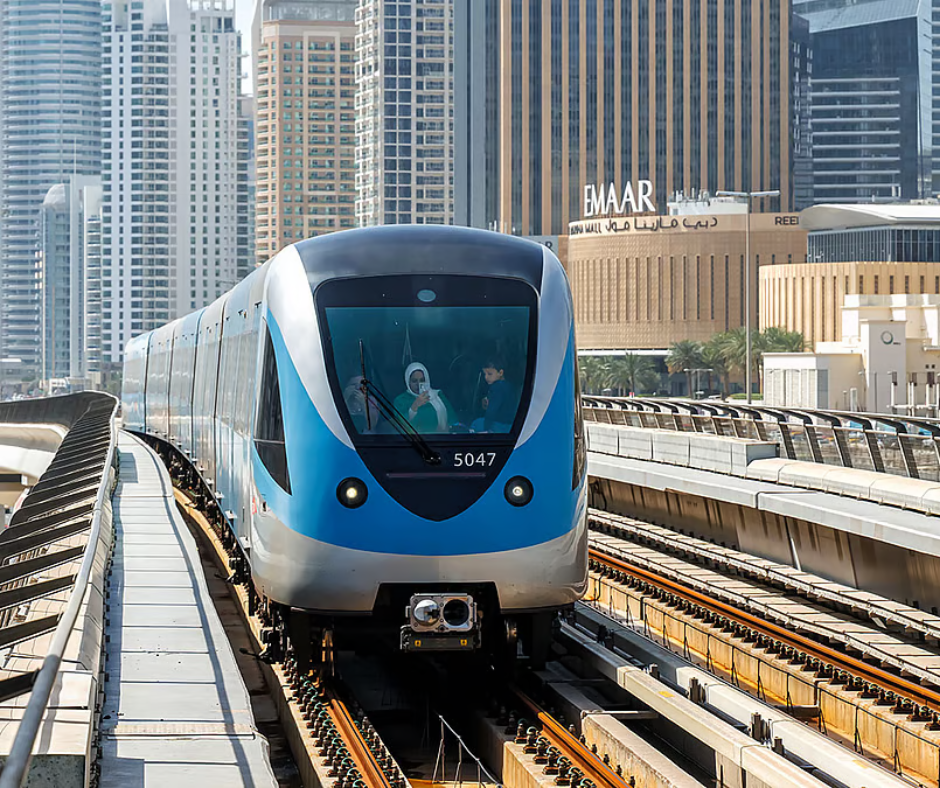
To reach the quarter, we suggest using the Dubai Metro and getting off at the Al Ghubaiba or Sharaf DG stations. From there, it is a short walk to the main museum entrances.
You will need a Nol card to pay for the metro and the public abras. This card is a simple tap-and-go system that works across all public transport in the city. Using the metro also allows you to avoid the traffic congestion that often occurs in the older, narrower streets of Bur Dubai.
Pro-Tips for a Meaningful Visit
To maximize your cultural immersion, start your day as early as possible. Arriving at Al Fahidi by 8:00 AM gives you a chance to see the district wake up before the larger tour groups arrive. You should wear comfortable walking shoes because the ground can be uneven in the historic lanes. Always carry a bottle of water and wear sun protection even during the winter months.
When you are in the souks, it is helpful to have some cash in the local currency for smaller purchases, though most larger shops will accept credit cards. Finally, take the time to read the plaques outside the heritage houses, as they often tell the specific story of the family that once lived there.
Final Thoughts about Your Dubai Cultural Adventure
The culture of this city is not something you merely observe from a distance. It is something you step into through every conversation, every taste of local food, and every quiet moment spent in a wind-tower courtyard.
By exploring the museum quarter with curiosity, you gain a perspective that goes far deeper than the typical tourist experience. The memories of the scent of the spice souk and the sound of the water against an abra will stay with you long after you leave the city.
Read also:
Dubai Travel Guide: Authentic Things to Do & Practical Tips
Solo Travel Dubai: The Ultimate Guide to Independent Trips
Dubai Summer Guide - 9 Best Things to Do in Dubai
The Ultimate Old Dubai Walking Tour: A Guide to the City's Soul