
Staying in one city is great, but that itch to explore what lies just beyond the limits is real, isn't it?
You have certainly seen the Instagram photos of Dubai before you even booked your ticket.
The skyscrapers, the fountain shows, and the luxury malls are usually the first things travelers list on their itinerary.
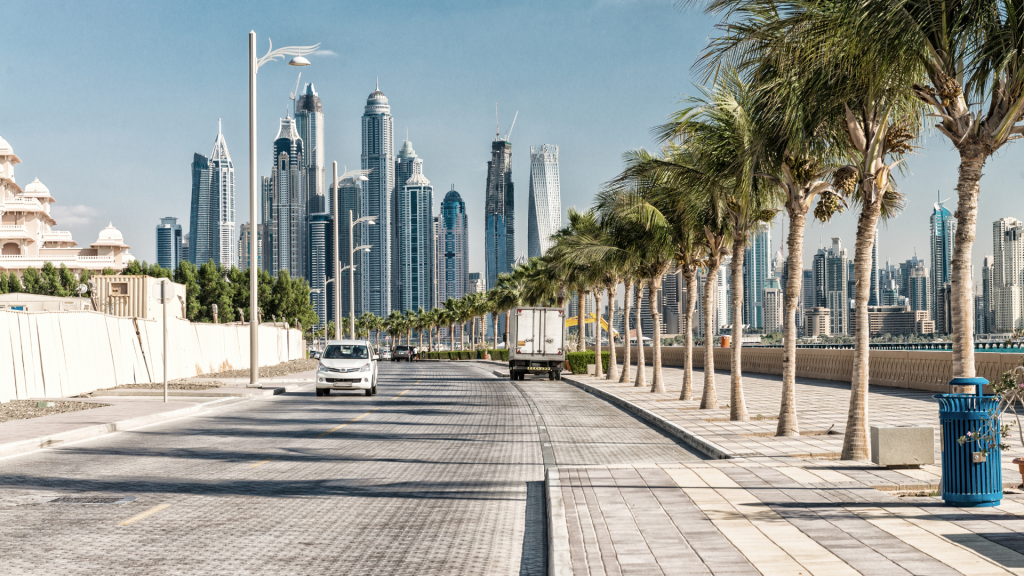
But there is a common problem for many visitors: they leave Dubai feeling like they visited a shiny theme park rather than a living, breathing city. They see the glitz, but they miss the soul.
That is why our team at WildyNess put together this guide just for you!
We specialize in bridging the gap between the tourist trail and local life. We believe the true magic of Dubai is found in its narrow alleyways, its desert silence, and its bustling community cafeterias, not just its observation decks.
Old Dubai: Where Heritage Meets Daily Life
To understand where Dubai is going, you must understand where it came from. The northern part of the Creek, comprising Deira and Bur Dubai, offers a stark and welcome contrast to the glass towers of Downtown. This is where the city began, and it remains the beating heart of trade and tradition.
Wandering Al Fahidi Historical Neighborhood
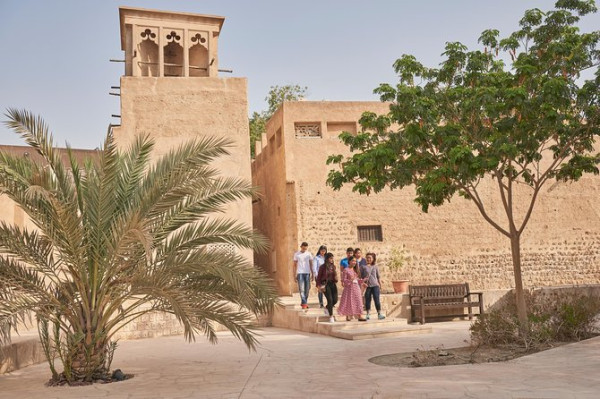
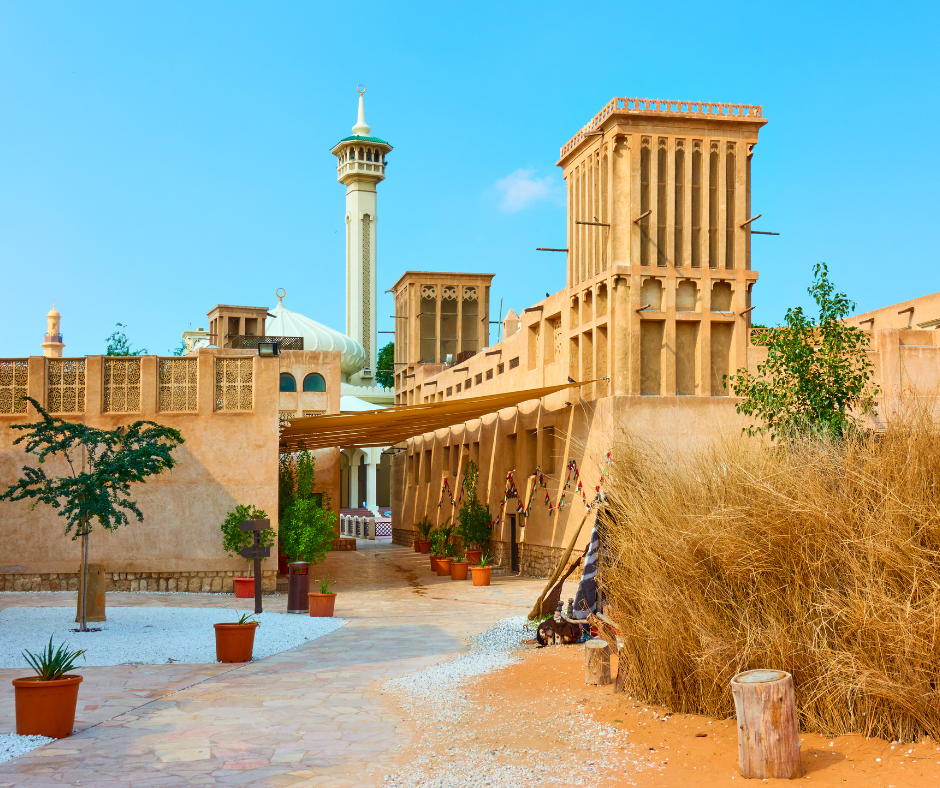
Start your journey in Al Fahidi, also historically known as Al Bastakiya. This area offers a glimpse into life before the oil boom changed everything. The district is a preservation of traditional coral block architecture featuring the iconic barjeel or wind towers. These towers were an early form of climate control, catching the breeze to cool the houses below.
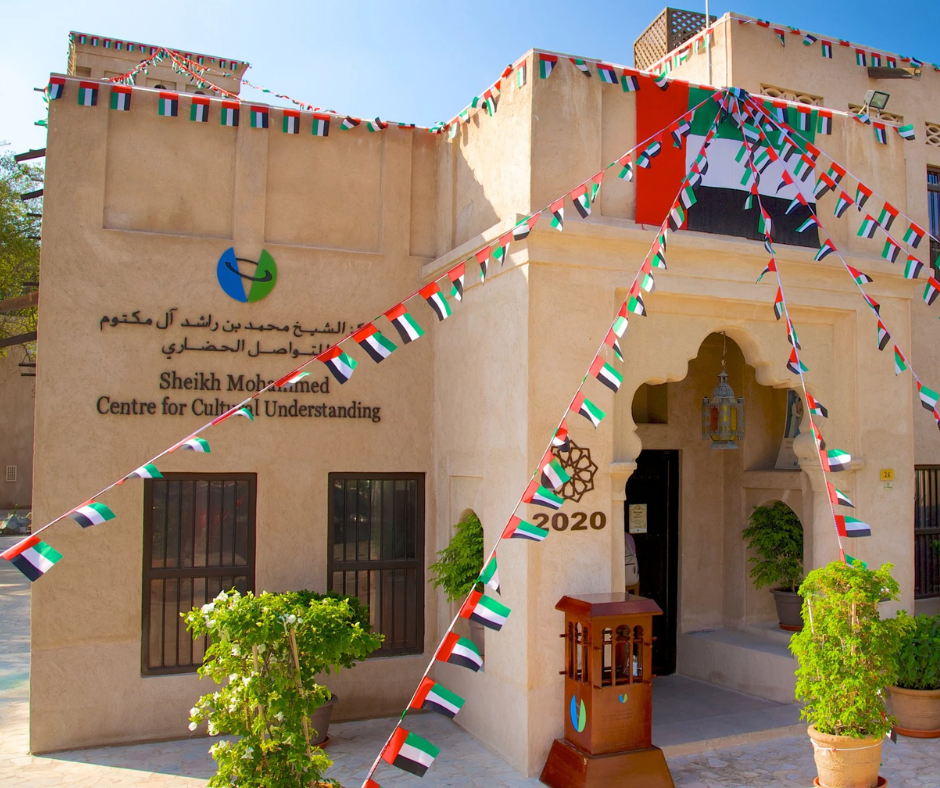
We recommend visiting the Sheikh Mohammed Centre for Cultural Understanding (SMCCU) located here. They run a fantastic program called "Open Doors, Open Minds" where you can enjoy a traditional Emirati meal while asking an Emirati host literally anything about their culture, dress, or religion. It is one of the most honest and educational experiences in the city.
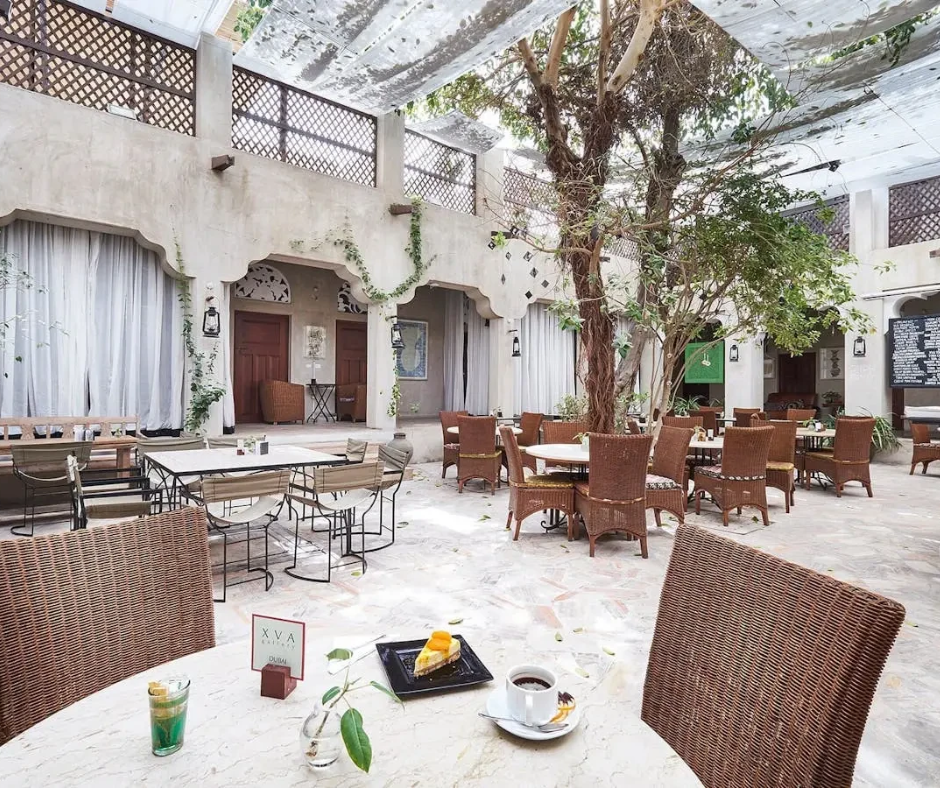
While walking through the beige alleyways, stop at the XVA Gallery for contemporary art housed in a traditional courtyard, or grab a camel milk coffee at the Arabian Tea House.
Pro Tip: Go early in the morning, around 9:00 AM, to beat the heat and the large tour groups.
The Al Shindagha Museum District
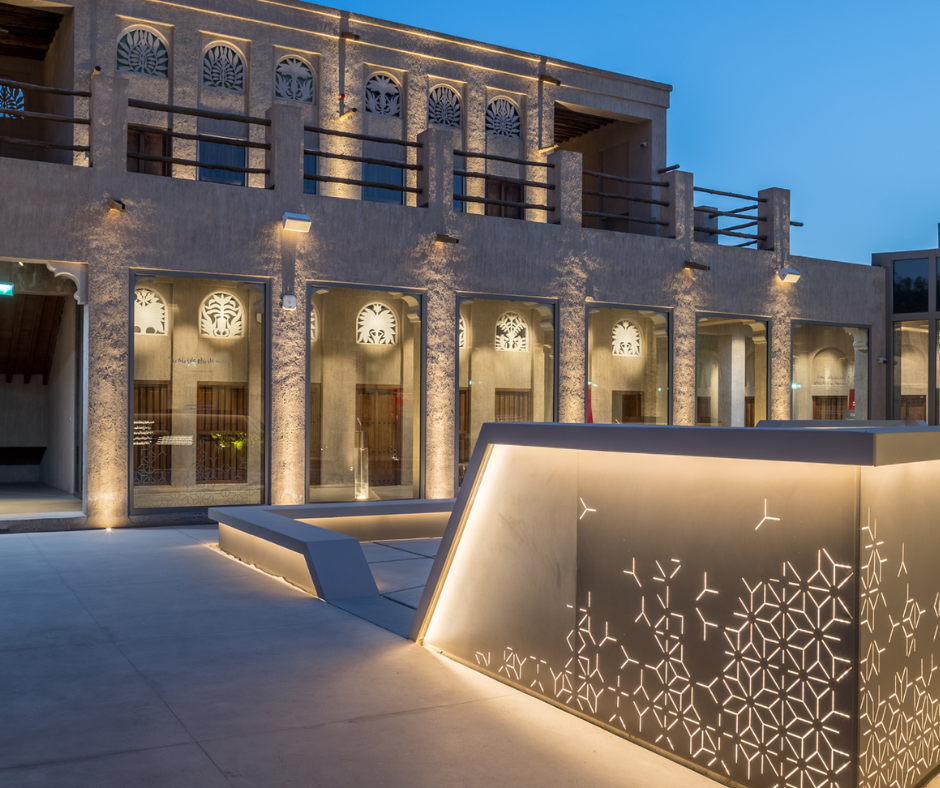
Since the old fort museum is closed, we recommend walking along the creek to the Al Shindagha Museum. This is not just a single building; it is a world class open air museum district located on the historic creek bank.
The exhibits here are high tech and deeply moving. The Perfume House is particularly fascinating, detailing the integral role of scent and incense in Emirati hospitality.
You will learn how grandmothers used to mix secret recipes of oils and oud for their families. You will leave with a profound appreciation for the local culture that you simply cannot get from reading a plaque.
Crossing the Creek on an Abra
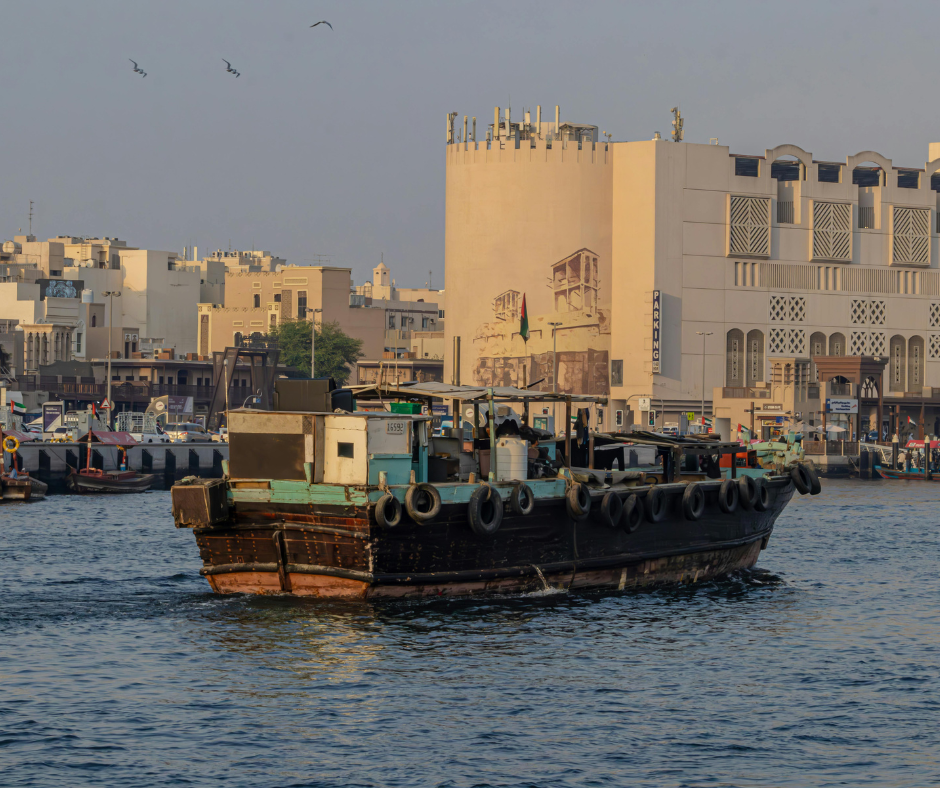
Transport in Dubai is usually about speed, but here it is about nostalgia. To get from Bur Dubai to Deira, head to the water station and hop on an abra. These motorized wooden boats are the oldest form of public transport in the city.
The ride takes about five minutes and costs from 1 AED to 5 AED. You pay the driver directly once you are seated. It is the best value experience in the entire UAE. The breeze, the sound of the engine, and the view of dhows loading cargo bound for Iran and India provide a sensory connection to the trading roots of Dubai.
Navigating the Deira Souks
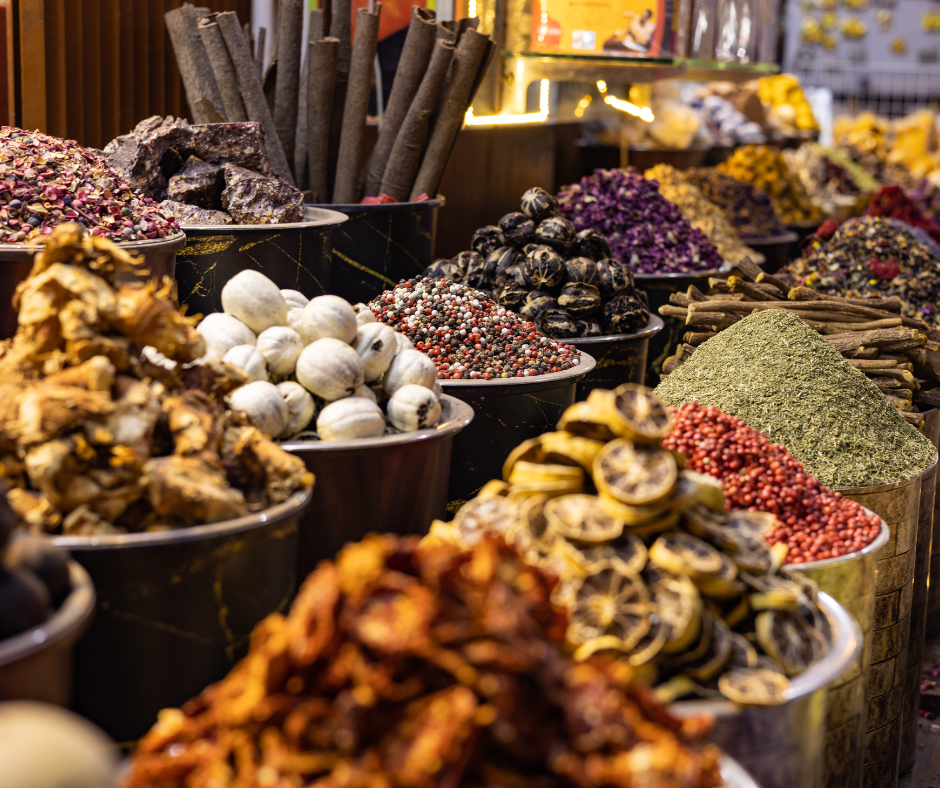
Once you dock in Deira, you are in the heart of the market district. The Spice Souk hits you first. You will see mounds of dried lemons, indigo, rose petals, and saffron.
Saffron Buying Guide: If you are buying saffron, ask for "Super Negin" or premium Iranian saffron. Real saffron should smell sweet but taste slightly bitter. If it tastes sweet on your tongue, it is fake or dyed corn silk.
A short walk away is the famous Gold Souk. Even if you are not buying, the sheer scale of gold on display is impressive. If you do plan to buy, check the daily gold price monitors first. The gold price is fixed by the market, but the "making charge" (the labor cost) is negotiable. This is where you haggle. Be polite but firm, and do not be afraid to walk away to get a better price.
The Art Scene: Industrial Warehouses and Independent Cinema
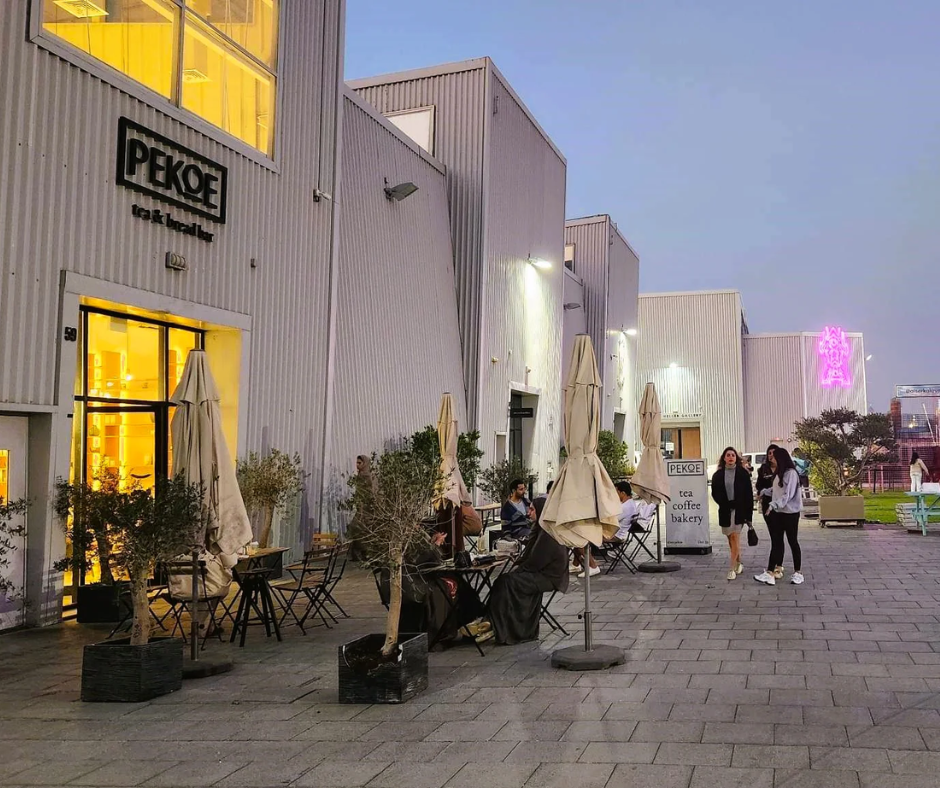
Dubai is often criticized for lacking culture, but those critics have likely never visited Alserkal Avenue. Located in the industrial Al Quoz area, this collection of warehouses has been transformed into the premier arts hub of the region.
Alserkal Avenue
This is a gritty, cool, and creative district. You can spend an entire afternoon hopping between galleries like The Third Line or Carbon 12, which showcase bold contemporary art from Middle Eastern talent.
We highly recommend checking the schedule for Cinema Akil. It is an independent art house cinema furnished with mismatched vintage sofas, screening foreign films and documentaries you will not see in the mall multiplexes. Grab a karak chai from Project Chaiwala next door before the movie starts. It is a fantastic way to see a different community in Dubai.
Jameel Arts Centre
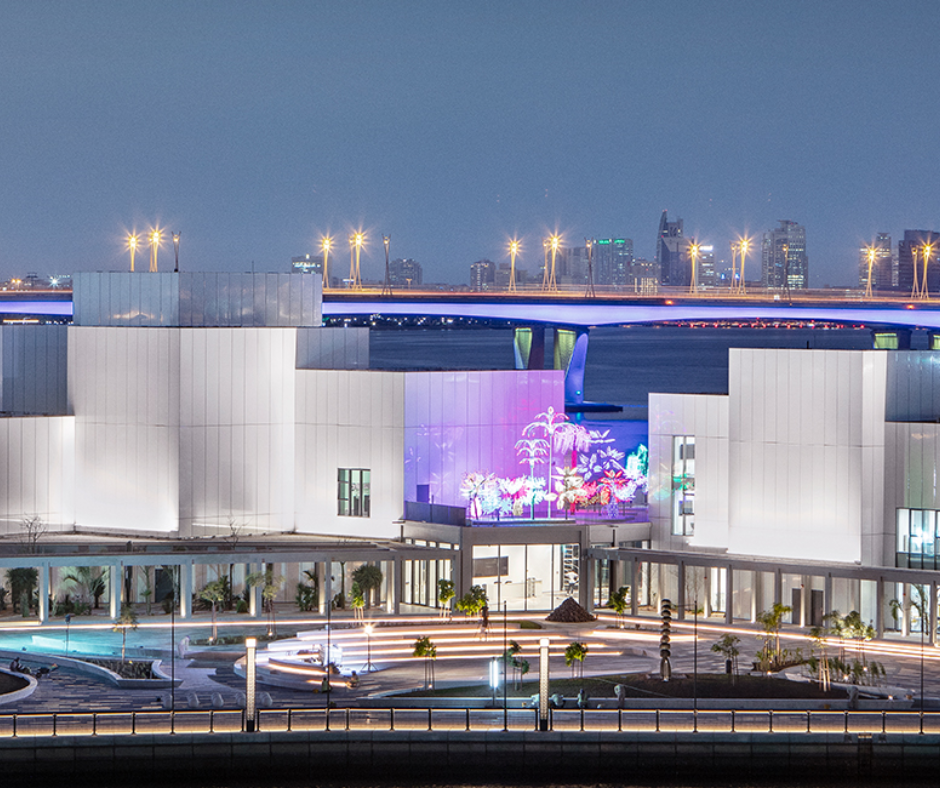
For a more serene art experience, visit the Jameel Arts Centre on the Jaddaf Waterfront. The architecture is white and minimalist, contrasting with the water. It focuses on contemporary art from the Global South.
After viewing the galleries, walk through their desert gardens, which feature plants native to the UAE landscape. It is quiet, contemplative, and completely free to enter.
Nature Escapes: Mountains and Lakes
When people think of Dubai nature, they usually just think of sand. However, the emirate possesses a surprising diversity of landscapes if you are willing to drive about an hour out of the city.
Hatta Mountain Enclave
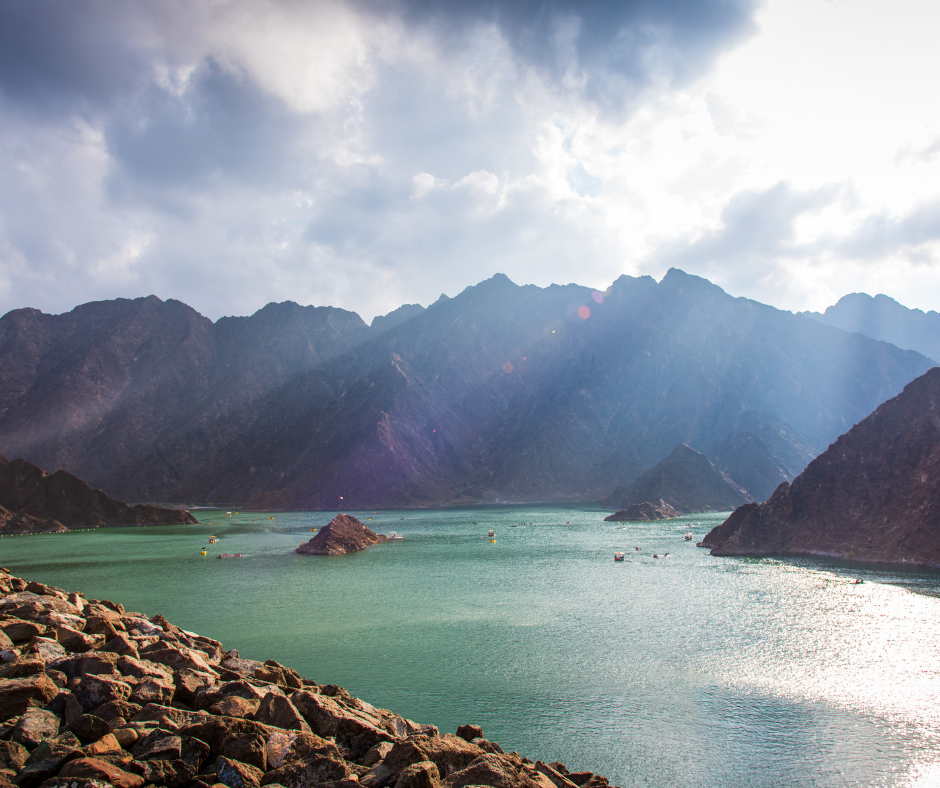
Hatta is an enclave of Dubai located high in the Hajar Mountains. The temperature here is often a few degrees cooler than the city. The main attraction is the Hatta Dam, where you can rent kayaks or paddle boats. The contrast of the turquoise water against the jagged, dark mountains is dramatic and feels worlds away from the city skyline.
For the active traveler, the Hatta Mountain Bike Trail Centre offers over 50 kilometers of trails for all ability levels. It is a rugged, dusty adventure that proves Dubai is not just for shoppers.
Al Qudra Lakes
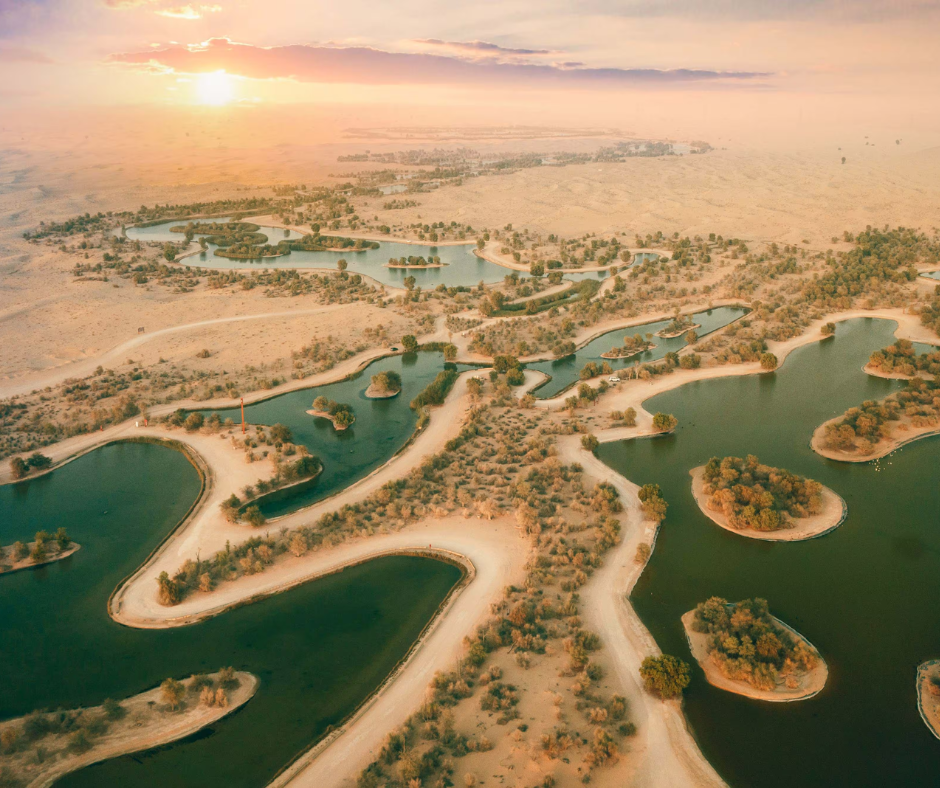
If you prefer a desert setting that feels accessible, head to Al Qudra. This man made desert oasis is home to over 170 species of birds, including wild flamingos and swans. It is a popular spot for weekend picnics and camping.
The Al Qudra Cycle Track is a standout feature here. It is an 86 kilometer path winding through the dunes. You can rent top tier road bikes at the start of the track. Cycling at sunrise, watching the gazelles and oryx wander across the path as the sun lights up the sand, is a magical experience.
Dining Like a Local: Beyond the Hotel Buffets
Skip the celebrity chef outposts for a night and eat where the residents eat. The food in Old Dubai is affordable, flavorful, and devoid of pretension.
The Institution of Ravi Restaurant
Located in Al Satwa, Ravi Restaurant is legendary. It is a Pakistani eatery that has been feeding taxi drivers and millionaires alike for decades. There are no white tablecloths here. You sit on plastic chairs and eat with your hands or fresh naan bread.
What to Order:
-
Butter Chicken: Rich, creamy, and not too spicy.
-
Mutton Peshawari: Tender meat in a thick, spicy gravy.
-
Chicken Tikka: Grilled to perfection.
The portion sizes are generous and the prices are incredibly low. It is loud, chaotic, and absolutely delicious.
The Cafeteria Culture: The Famous "Chips Oman"
For a quick bite, look for a small cafeteria with a sign saying "Antar" or "Jabal Al Noor." These ubiquitous cafeterias serve the lifeblood of busy residents: the Hassan Matar or the Chips Oman Sandwich.
The classic version involves a paratha (flaky flatbread) rolled up with Kraft cheese spread, spicy hot sauce, and crushed Chips Oman (a local chili flavored potato chip). It sounds strange, but it is a flavor bomb. Pair it with a fresh avocado shake or a hot karak chai for a meal that costs less than 20 AED.
Authentic Emirati Flavors
If you want to try the food of the land, look for restaurants serving Emirati cuisine, which is distinct from general Lebanese or Indian fare.
Dishes to Look For:
-
Machboos: Spiced rice cooked with meat (chicken, lamb, or fish) and dried lime (loomi). It is the national dish.
-
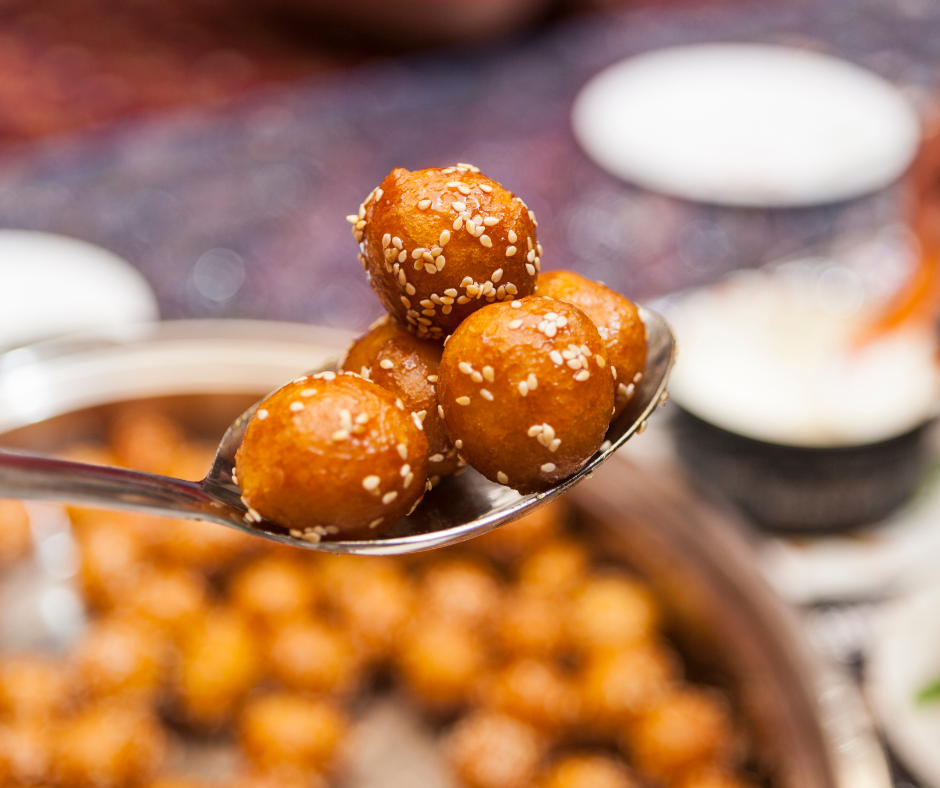
Luqaimat: Sweet, deep fried dough balls drizzled with date syrup and sesame seeds. A must have dessert.
-
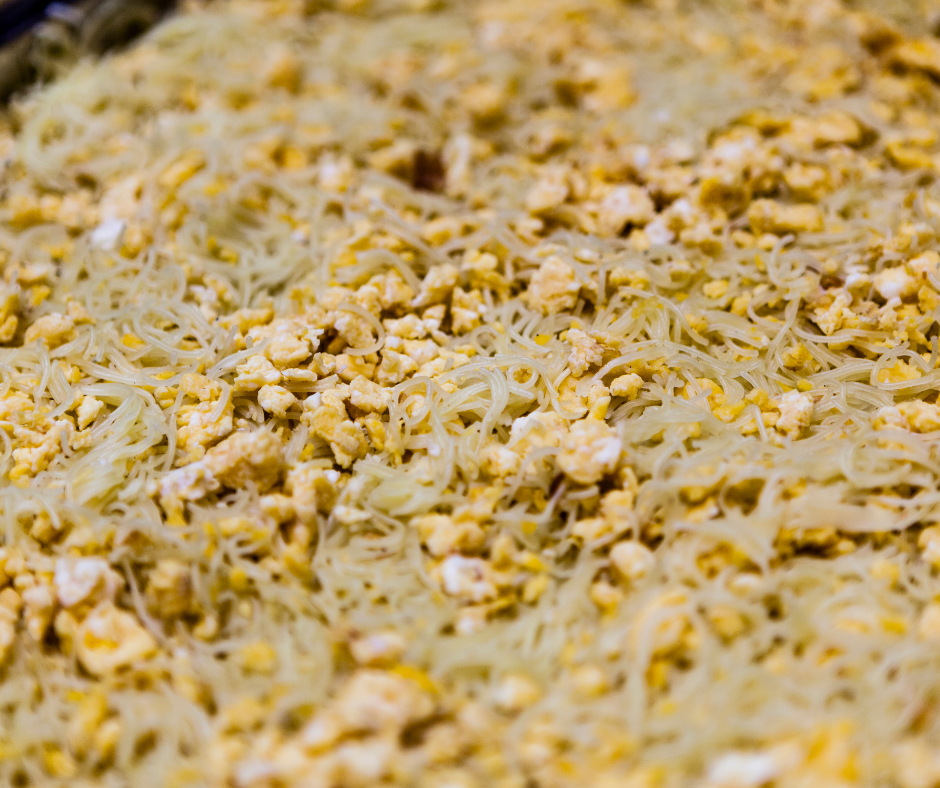
Balaleet: Sweet vermicelli noodles served with a savory saffron omelet on top. It is a classic breakfast dish.
Try Al Fanar Restaurant for a setting that mimics a 1960s Emirati village, offering a very atmospheric dining experience.
Retail Therapy with a Twist: Al Karama
If the Dubai Mall feels too overwhelming or expensive, head to the Al Karama district. This is a bustling residential area famous for its "genuine fake" market.
While we do not endorse buying counterfeit luxury goods, the experience of walking through the Karama Complex is fascinating. You will be whispered to by salesmen offering "good quality watches" and "designer bags."
Beyond the fakes, Karama is excellent for:
-
Souvenirs: You can find magnets, pashminas, and trinkets for a fraction of the airport price.
-
Street Art: In recent years, the buildings in Karama have been covered in massive, colorful murals, making it a great spot for photography.
A Cultural Day Trip: Sharjah
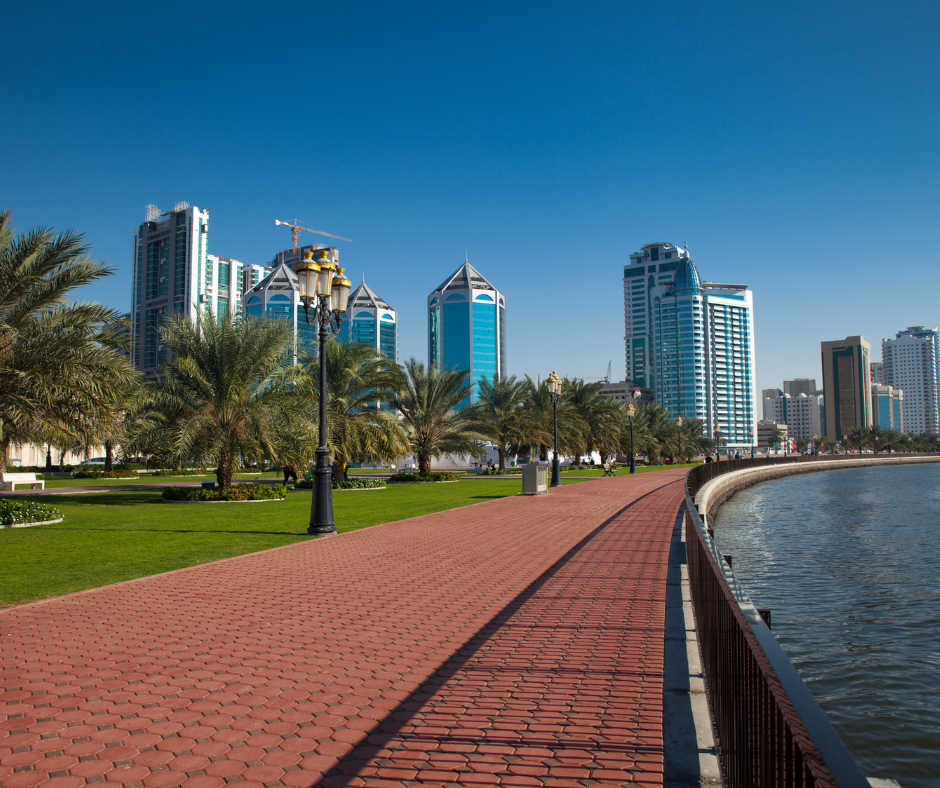
If you have an extra day, we highly recommend crossing the border into Sharjah. It is the neighboring emirate and is recognized as the Cultural Capital of the Arab World by UNESCO. It is only a 30 minute drive from Dubai (traffic permitting).
Highlights in Sharjah:
-
The Rain Room: An immersive art installation where you walk through a downpour of continuous rain, but sensors detect your movement and stop the water directly above you, keeping you dry.
-
Sharjah Museum of Islamic Civilization: Housed in a stunning converted souk, this museum holds thousands of rare artifacts covering the history of Islam and science.
-
The Blue Souk: A beautiful building perfect for buying carpets, silver, and antiques.
Practical Logistics for the Smart Traveler
To enjoy these experiences smoothly, you need to know how the city functions. Here is our practical advice for logistics and etiquette.
Connectivity
Staying connected is easy. As soon as you arrive at DXB Airport, you can pick up a free tourist SIM card at passport control (usually provided by Du or Virgin Mobile). It comes with a small amount of data to get you started. You can top it up easily at any mall or grocery store. WhatsApp is the primary mode of communication for everything from booking tours to messaging restaurants.
Getting Around
-
The Metro: The Dubai Metro is clean, driverless, and efficient. To use it, buy a Silver Nol Card at any station. You can use this card on the metro, tram, buses, and even to pay for parking.
-
Gold Class: If you want a better view and a seat during rush hour, you can buy a Gold Nol Card. It costs a higher fare but gives you access to the front carriage (Gold Class) which is less crowded and offers panoramic views through the front window.
-
Taxis: Taxis are reliable and metered. Uber and Careem are also widely used, but the local "Hala Taxi" option within the Careem app is usually cheaper than a private car.
Money Matters
Dubai is very card friendly. You can pay with Visa or Mastercard almost everywhere, including taxis and small cafes. However, you will need cash (Dirhams) for:
-
The Abra ride (1 AED coins are best).
-
Tipping (not mandatory, but 10% to 15% is appreciated).
-
Small purchases in the Old Souks (cash gives you better bargaining power).
Cultural Etiquette
Dubai is tolerant but traditional. When visiting malls, souks, or historical areas like Al Fahidi, dress modestly.
-
Shoulders and Knees: It is respectful for both men and women to cover shoulders and knees in these areas. Swimwear is strictly for the beach or pool.
-
PDA: Public displays of affection should be minimal. Holding hands is generally fine for married couples, but hugging and kissing in public is frowned upon and can attract negative attention.
-
Ramadan: If you visit during the Holy Month of Ramadan, be aware that eating, drinking, or smoking in public during daylight hours is restricted out of respect for those fasting. Many restaurants remain open but will have screened off areas for dining.
The Best Time to Visit
Timing is everything in the desert.
-
Winter (November to March): This is the prime season. Temperatures range from 20°C to 30°C (68°F to 86°F). You can walk outside comfortably, dine al fresco, and enjoy the desert.
-
Summer (June to September): It gets intensely hot, often exceeding 40°C (104°F) with high humidity. Outdoor activities like the souks or Hatta become very difficult. If you visit during summer, focus on indoor activities like museums, galleries, and malls.
Dubai rewards curiosity. The more you look for the local, the traditional, and the natural, the more the city opens up to you. Whether you are haggling for a ring in the Gold Souk or cycling past an oryx in the desert, these moments offer a depth that a view from a skyscraper simply cannot match.
Curious about logistics and costs? read:
Car Rental in Dubai: The Ultimate Guide
Cost of Travel in Dubai: A Complete 2026 Budget Guide
Solo Travel Dubai: The Ultimate Guide to Independent Trips
You're trying to build your Dubai Itinerary? we recommend reading:
The Soul of Dubai: A Two Day Explorer's Guide
The Ultimate 3-day Dubai Itinerary Guide
How to Spend 4 Days in Dubai: The Perfect Itinerary
The Ultimate Dubai 7 Day Itinerary for Your First Trip
If you enjoy cafés and nice views, read:
Most Instagrammable Cafes in Dubai: A Photography Guide for 2026
Tipping in Dubai: How Much to Tip and Who to Tip in the UAE
Where to Watch the Sunset in Dubai: A WildyNess Travel Guide
If you're curious what activities you can do in Dubai, we suggest reading:
Dubai's Pottery Pulse: A Creative Oasis in the City of Gold
Sandboarding Dubai: A Beginner's Guide
Yoga Retreat Dubai: A Guide to Desert & Beach Wellness Stays
Dubai Travel Guide: Authentic Things to Do & Practical Tips
Explore Dubai Hidden Gems: History, Art, and Local Eats
Dubai Museum Quarter UAE: Explore the Real Old Dubai
The Ultimate Old Dubai Walking Tour: A Guide to the City's Soul
Ready for Your Own Adventure in UAE?
Let us take the stress out of planning. We're a team of travel experts who specialize in crafting personalized itineraries that combine authentic local encounters with breathtaking landscapes, all with seamless logistics.
Let us handle the planning and coordination so you can simply enjoy a memorable trip.
Share with us your ideal trip, budget, and preferences.
You'll receive a fully personalized travel plan, completely free of charge, after a short call to understand better your preferences.
Share Your Trip Idea With WildyNess
Curious what other travelers have to say? WildyNess reviews on Google