A successful desert camping experience in the UAE requires a unique set of skills, from managing tire pressure to mastering "Leave No Trace" fire practices. Without the right technical knowledge and gear, the serene dunes can quickly become an unforgiving environment for the unprepared traveler.
That is why our team at WildyNess created this guide to ensure your night under the stars is memorable for the right reasons.
Best Places for Desert Camping in the UAE
Choosing the right location depends on your vehicle and your comfort with off-road driving. The UAE offers everything from accessible lakeside spots to deep-desert dunes that require serious navigation skills.
Liwa Desert in the Empty Quarter
Liwa is the ultimate destination for those seeking the Rub’ al Khali experience. Located in Abu Dhabi, this area features some of the highest dunes in the world and offers a sense of isolation that is hard to find elsewhere. You must have a capable 4x4 vehicle and experience in soft sand to venture here safely.
We recommend pitching your camp on the lee side of a dune to stay protected from the wind. It is also wise to keep your camp at least fifty meters away from the base of high dunes to avoid any sand shifts during the night.

Al Qudra Lakes in Dubai
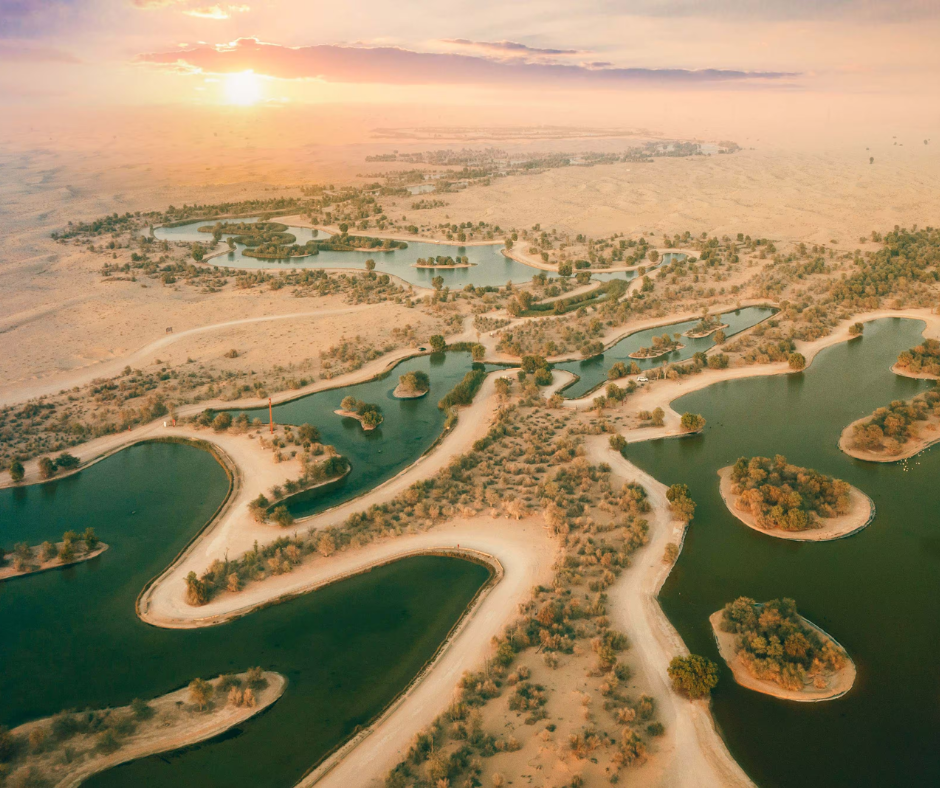
Al Qudra is the most accessible spot for beginners or those with standard crossovers. The area features man-made lakes surrounded by low dunes, making it a favorite for families and quick overnight trips.
Since this area is close to the city, it can get crowded on weekends, so we suggest arriving before 3:00 PM to secure a quiet spot away from the main tracks. While the sand here is firmer than in Liwa, you should still stick to established paths if you do not have a heavy-duty off-road vehicle.
Lahbab Desert (The Red Dunes)
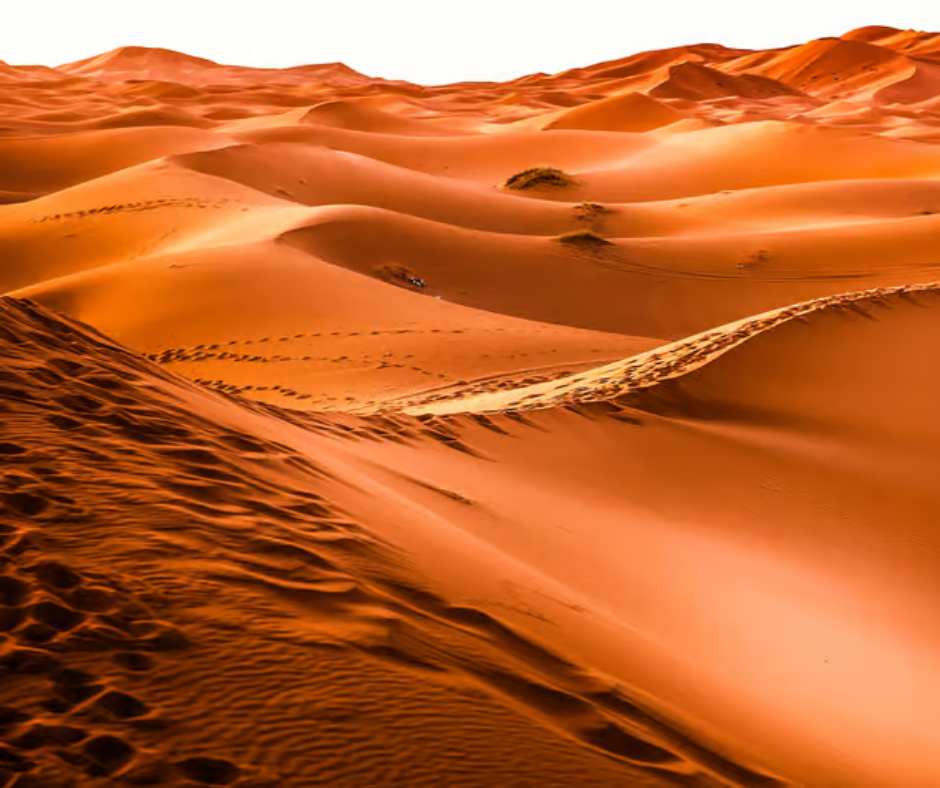
Lahbab is famous for its high-crested red dunes that get their color from a high concentration of iron oxide. Located about 45 minutes from Dubai, this area is a favorite for both campers and off-road enthusiasts. The sand here is soft and requires a capable 4x4 vehicle with deflated tires.
Because the dunes are so steep, we recommend finding a flat "inter-dune" area to set up your camp. This provides a natural windbreak and ensures your tent stays level throughout the night.
Half Desert Road
For those who want a desert experience without driving deep into the dunes, the Half Desert Road area near Al Ruwayyah is a unique choice. This location is famous for the segments of asphalt road that have been partially reclaimed by the sand, creating a cinematic backdrop. It is easily accessible with a standard crossover, though you should still stay on the firmer tracks near the road. It is a popular spot for social camping and photography, so expect some company during the cooler winter weekends.
Wadi Al Amardi
Wadi Al Amardi is a more secluded area located near the Al Khawaneej district. It features a mix of low dunes and ghaf tree clusters, which provide excellent natural shade. If you plan on a long-term stay here, be aware that Dubai Municipality requires a permit for seasonal camps. However, for a single night under the stars, you can generally set up without a permit as long as you follow the cleanliness rules. The proximity to local farms means you might hear camels or goats in the distance, adding to the authentic desert atmosphere.
When to Plan Your UAE Desert Trip
The desert environment is unforgiving during the summer months when temperatures regularly exceed 45°C. The ideal camping season in the UAE runs from late October to early March. During this window, daytime temperatures are comfortable for hiking and setup, while the nights provide the crisp air necessary for a campfire.
January and February are the peak months for desert adventures. During this time, you can expect nighttime temperatures to dip as low as 10°C in the open dunes and even lower in mountainous areas like Jebel Jais. You should also be aware of the "Shamal" winds, which are strong northwesterly winds that can cause sandstorms. Always check the local weather forecast for wind speed before heading out, as high winds can make pitching a tent nearly impossible and ruin the experience.
Essential Gear for a Desert Overnight
Packing for the desert is a balancing act between being prepared for heat and preparing for a cold night. Your gear should focus on durability and ease of use in sandy conditions.
Shelter and Sleeping Equipment
A high-quality tent with a full fly sheet is necessary to keep sand from blowing through the mesh during the night. We recommend using sand stakes, which are longer and wider than standard tent pegs, to ensure your shelter stays anchored in soft ground. For sleeping, a self-inflating mattress or a thick foam pad will provide a barrier against the cold ground. Even if the day is hot, the desert floor loses heat rapidly after sunset, and a proper mat is often more important than the sleeping bag itself for staying warm.
Clothing and Layering Strategies
We suggest wearing light, breathable fabrics like linen or moisture-wicking synthetic blends during the day. Long sleeves are better than short sleeves as they protect your skin from direct sun exposure and prevent dehydration. As soon as the sun sets, the temperature will drop quickly. You should have a mid-layer fleece and a windproof jacket ready to go. A scarf or a traditional buff is also a practical tool for protecting your face from dust and keeping your neck warm at night.
Kitchen and Hydration Logistics
You should carry at least five liters of water per person per day for drinking, with extra for cooking and cleaning. In the desert, it is better to have too much water than to run out. For food, we recommend meals that require minimal water for preparation.
Pre-marinated meats for grilling or one-pot pasta dishes work well. Use a sturdy cool box with plenty of ice packs to keep perishables safe, as the interior of a car can heat up quickly during the drive to your campsite.

Mastering Desert Driving and Safety
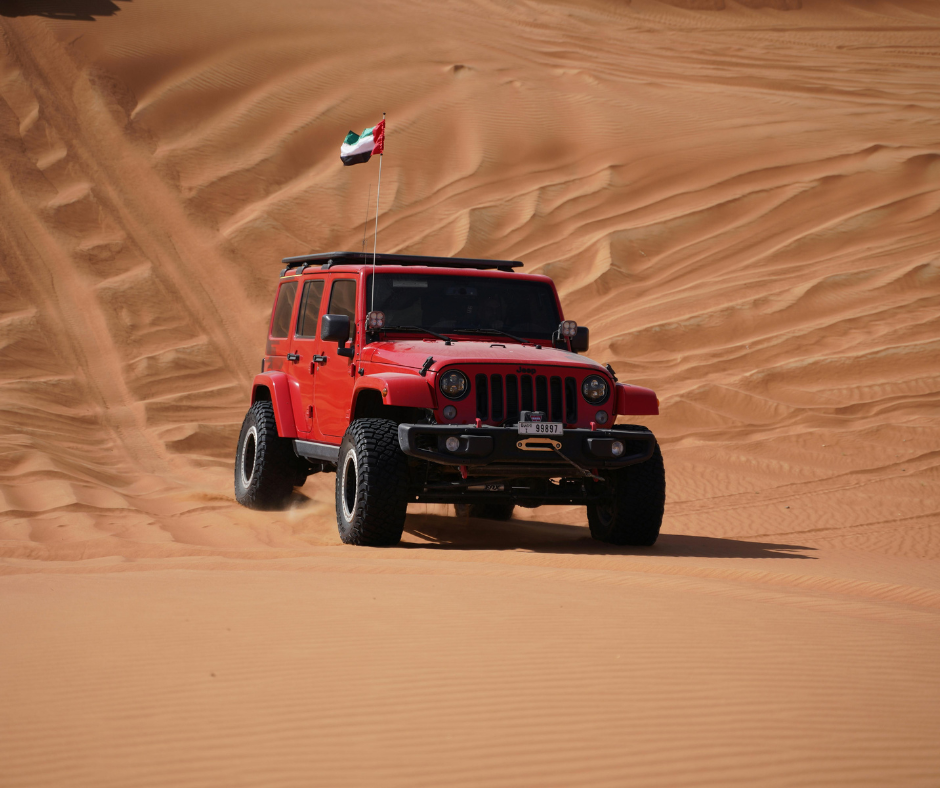
Driving on sand is a skill that takes time to master. The most important rule is to never enter the dunes alone. Always travel with at least one other vehicle so you can assist each other if someone gets stuck.
Handling Soft Sand
Before your tires leave the asphalt, you must lower your tire pressure. Deflating your tires to between 12 and 15 PSI increases the surface area of the tire, allowing the vehicle to float on top of the sand rather than digging in. When driving, maintain a steady momentum and avoid sudden braking, which can cause the tires to bury themselves. If you feel the vehicle starting to lose power or sink, do not floor the accelerator. Instead, gently back out in your own tracks and try a different line with more momentum.
Essential Vehicle Recovery Tools
Your vehicle must be equipped with a few non-negotiable items for recovery. A heavy-duty shovel is the most basic and important tool for clearing sand from under the chassis. You should also carry traction boards, which can be placed under the tires to provide grip in soft spots.
A reliable air compressor is necessary to reinflate your tires once you return to the paved road. Driving on asphalt with low tire pressure is dangerous and can damage your rims and tires.
Fire Management and Desert Ethics
A campfire is a central part of the experience, but it must be handled responsibly to protect the environment. We always follow "Leave No Trace" principles to ensure the desert remains clean for others.
Responsible Fire Practices
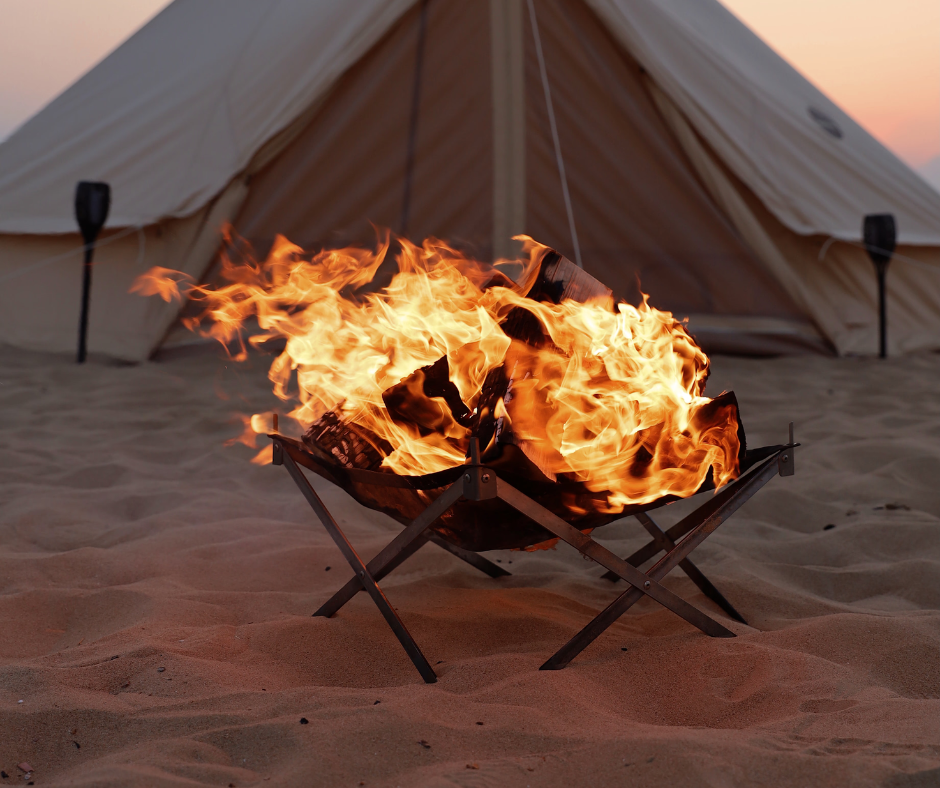
You should never burn wood directly on the sand. This leaves behind charcoal and nails that can injure wildlife and other campers. Use a portable fire pit or a metal tray to keep the fire off the ground.
Most fuel stations in the UAE sell bundles of firewood and charcoal, so there is no need to scavenge for local brush, which provides vital habitat for desert creatures. When you are finished, ensure the fire is completely extinguished with water or sand and pack out the ashes with your trash.
Waste Management
The desert does not break down trash quickly. Everything you bring in must be taken back out. We recommend bringing heavy-duty trash bags and double-bagging any food waste to prevent smells from attracting animals to your camp. Cigarette butts and small scraps of plastic are particularly harmful to the local ecosystem and should be stored in a sealed container until you find a proper bin. We also suggest avoiding glass bottles whenever possible to prevent the risk of broken glass in the sand.
Wildlife and Nature Safety
The UAE deserts are home to a variety of resilient species, including Arabian oryx, gazelles, and several types of reptiles. While encounters are exciting, they require a respectful distance.
Interacting with Desert Creatures
You should never feed wildlife as it disrupts their natural diet and can make them dependent on humans. Most desert animals, including snakes and scorpions, are nocturnal and prefer to avoid human contact. To stay safe, always use a headlamp when walking around your camp at night and wear closed-toe shoes. It is a good habit to shake out your boots and sleeping bag before using them to ensure no small visitors have crawled inside for warmth.
Securing Your Campsite
To avoid attracting insects or larger animals, keep your food storage containers sealed and stored inside your vehicle when not in use. Avoid leaving any standing water around the camp, as this can attract wasps and other insects. If you do encounter a larger animal like an oryx, remain calm and give it plenty of space to move away. They are generally shy but can be defensive if they feel cornered.
DIY Camping vs. Managed Glamping
The UAE has seen a rise in luxury desert resorts that offer a camping feel with high-end amenities. Choosing between a DIY trip and a glamping experience depends on your level of expertise and the equipment you own.
The DIY Adventure
DIY camping is for those who enjoy the process of self-reliance. It offers the freedom to choose your own view and change locations on a whim. This is the most cost-effective way to see the desert, but it requires a significant investment in gear and vehicle maintenance. If you love the challenge of navigating with GPS and cooking over an open fire, the DIY route is the most rewarding way to experience the wilderness.
Managed Glamping Options
For those who want the beauty of the desert without the logistical hurdles, glamping sites provide pre-pitched tents, beds, and catering. This is an excellent option for beginners or travelers who do not have access to a 4x4 vehicle. Many glamping sites also offer guided activities like dune bashing or camel trekking, making it a more curated experience. While it lacks the isolation of wild camping, it provides a comfortable entry point into the desert environment.
Navigation Without a Mobile Signal
In deep-desert areas like Liwa, mobile signal is often non-existent. You should not rely on streaming maps or online navigation once you leave the main roads.
Digital and Analog Backups
We recommend downloading offline maps on apps like Google Maps or specialized off-road navigation tools before you leave home. Pin your starting point, your intended campsite, and the nearest major road. A dedicated GPS device is a valuable tool as it does not rely on cellular towers and often has a better battery life than a smartphone. It is also a smart move to carry a physical compass and a printed map of the area as a final backup.
Sharing Your Plans
Before you head off-grid, tell someone exactly where you are going and when you plan to return. Give them a "check-in" time, and let them know which local authorities to contact if they do not hear from you. This simple step is the most effective safety measure you can take when exploring the remote parts of the UAE.
With these basics covered, you are ready to experience the scale and quiet of the UAE's desert landscapes. Whether you are aiming for the high dunes of Liwa or a quiet night at Al Qudra, the key is to respect the environment and stay prepared for the changing conditions.
For more about camping, we recommend How to Camp in the UAE: A Complete Desert & Mountain Guide
For more about Dubai, check out Dubai Hidden Gems: History, Art, and Local Eats