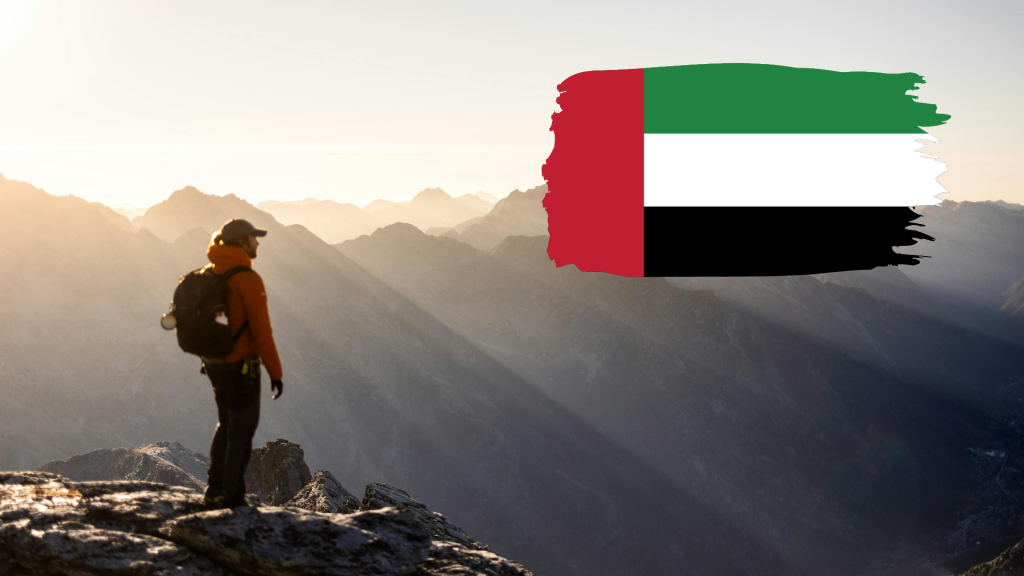

Backpacking in a country like the UAE known for record breaking luxury, towering skyscrapers, and expensive beach clubs can feel intimidating when you are traveling on a strict budget.
That is why our team at WildyNess created this guide to make you feel confident about backpacking the United Arab Emirates.
Planning Your Backpacking Trip to the United Arab Emirates
Best Times of Year to Visit on a Budget
Timing is everything when you want to travel cheaply in the Middle East. The winter months from November to March offer the best weather for outdoor activities, but they also bring the highest flight prices and hostel rates.
If you want to stretch your budget further, consider visiting during the shoulder seasons of October or April. During these months, the heat is manageable for early morning or late afternoon exploration, and you will find much better deals on accommodation.
Traveling during the summer months of June through September is generally not recommended for backpackers because the extreme heat forces you indoors, where activities like mall visits and indoor theme parks eat up your budget quickly.
By choosing a shoulder season, you get a balance of lower costs and the ability to spend your days outside exploring neighborhoods and nature trails.
Now since we figured the best time to visit. Let's talk about what you need in your backpack.
Essential Packing List for a Backpacker in the UAE
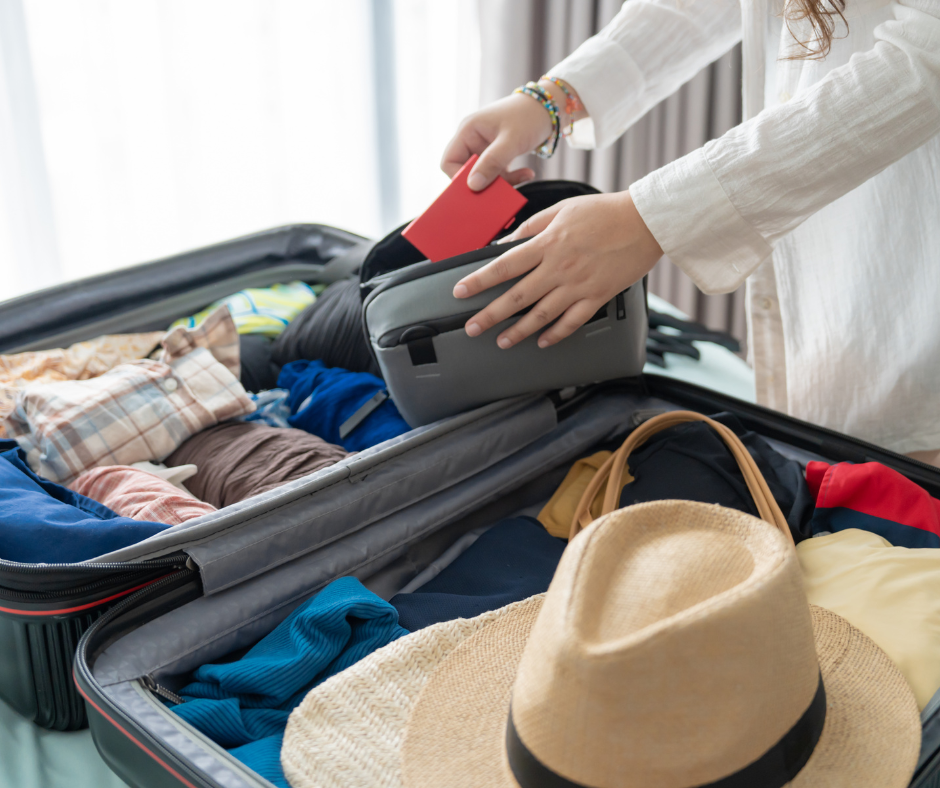
Packing correctly saves you from buying expensive emergency gear upon arrival. The heat dictates your wardrobe, so bring lightweight and breathable fabrics like linen or moisture wicking cotton.
You also need to pack with cultural modesty in mind. While tourists dress freely at private beach clubs, exploring public spaces like malls, old neighborhoods, and government buildings requires clothing that covers your shoulders and knees.
You should always keep a lightweight scarf in your daypack. This allows you to easily cover your head or shoulders when entering mosques or more conservative districts if you're a woman.
A high quality reusable water bottle is an absolute necessity because buying single use plastic bottles every few hours will drain your daily budget.
Finally, bring a universal travel adapter, a strong power bank for long days of navigating with your phone, and a reliable pair of walking shoes.
The cities here are massive, and you will be walking far more than you might expect. You should also include sturdy water shoes or sandals with strong grip if you plan to explore the mountain wadis, as the rocks can be incredibly slippery.
Sunscreen is expensive in local pharmacies, so bring a large bottle of high SPF protection from home to avoid the tourist markup.
Navigating the Emirates Without Breaking the Bank
Mastering the Metro and NOL Card System
Your transportation strategy will make or break your daily budget in Dubai. Taxis and ride hailing apps are convenient, but relying on them will quickly deplete your funds.
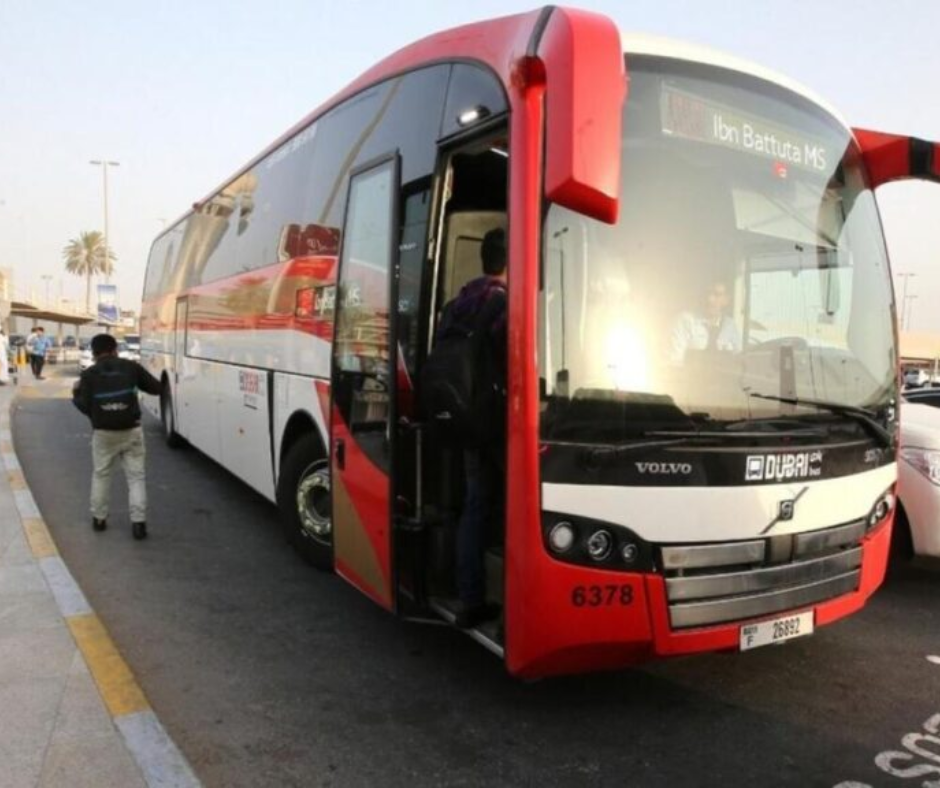
Instead, you need to master the Dubai Metro. The first thing you should do upon arrival is purchase a silver NOL card at the airport station. This tap and go smart card works on the metro, public buses, and even the tram network. Fares are calculated by zones, meaning you only pay for the distance you travel.
To save the most money, group your daily sightseeing by neighborhood. Spend one entire day exploring the historical district of Deira and Bur Dubai, and dedicate another day to the modern downtown area.
Zigzagging across the city will cost you unnecessary time and transit fees. Always check the metro timings as well, keeping in mind that the trains start later on Sunday mornings.

Budget Intercity Buses Between Emirates
Many backpackers assume they are stuck in Dubai, but exploring neighboring emirates like Abu Dhabi is completely doable on a budget. You do not need to book an expensive private tour or rent a car.
The government run intercity buses are clean, air conditioned, and highly affordable. Head to the Al Ghubaiba Bus Station in Dubai and look for the E100 or E101 routes heading to Abu Dhabi.
The journey takes about two hours and costs just twenty five dirhams each way, which you can pay using the same NOL card you use for the metro.
Once you arrive in Abu Dhabi, you can use local buses to visit major landmarks like the Sheikh Zayed Grand Mosque.
Similar cheap bus routes connect Dubai to Sharjah and Ajman, allowing you to easily hop between emirates and experience different atmospheres without spending more than a few dollars on transport.
Finding Affordable Accommodation
Hostels and Budget Stays in Dubai
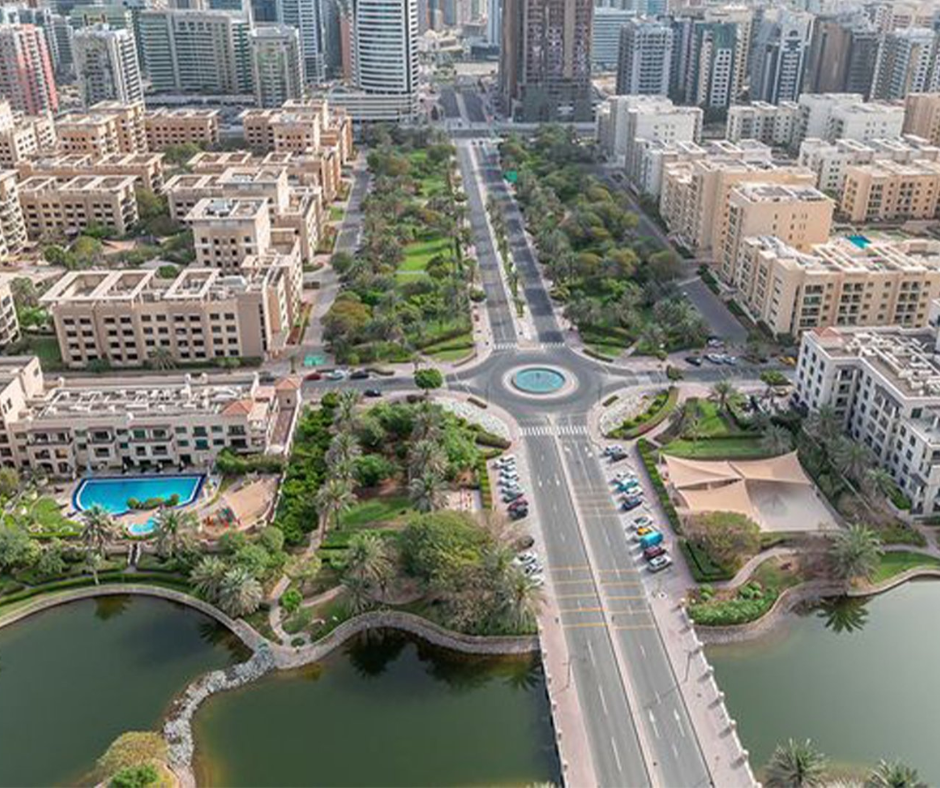
Finding a cheap place to sleep requires looking beyond the famous luxury hotel districts. The fastest way to cut your accommodation costs is to book a bed in a shared dormitory rather than a private room.
Neighborhoods like Al Barsha and the older districts of Deira and Bur Dubai are excellent hubs for budget travelers. These areas are packed with registered youth hostels and budget guesthouses that offer clean beds, locker storage, and communal kitchens.
Staying in a hostel not only saves you money but also connects you with other backpackers who can share taxi fares to remote locations or team up for day trips.
When choosing your hostel, always prioritize locations that are within a ten minute walk of a metro station. A cheap bed is no longer a bargain if you have to pay for a taxi every morning just to reach the nearest train line.
Safe and Legal Camping Spots
If you want to reduce your accommodation budget to zero for a night or two, camping is a fantastic option during the cooler months. The country has a strong culture of outdoor living, and there are several free, legal camping zones.
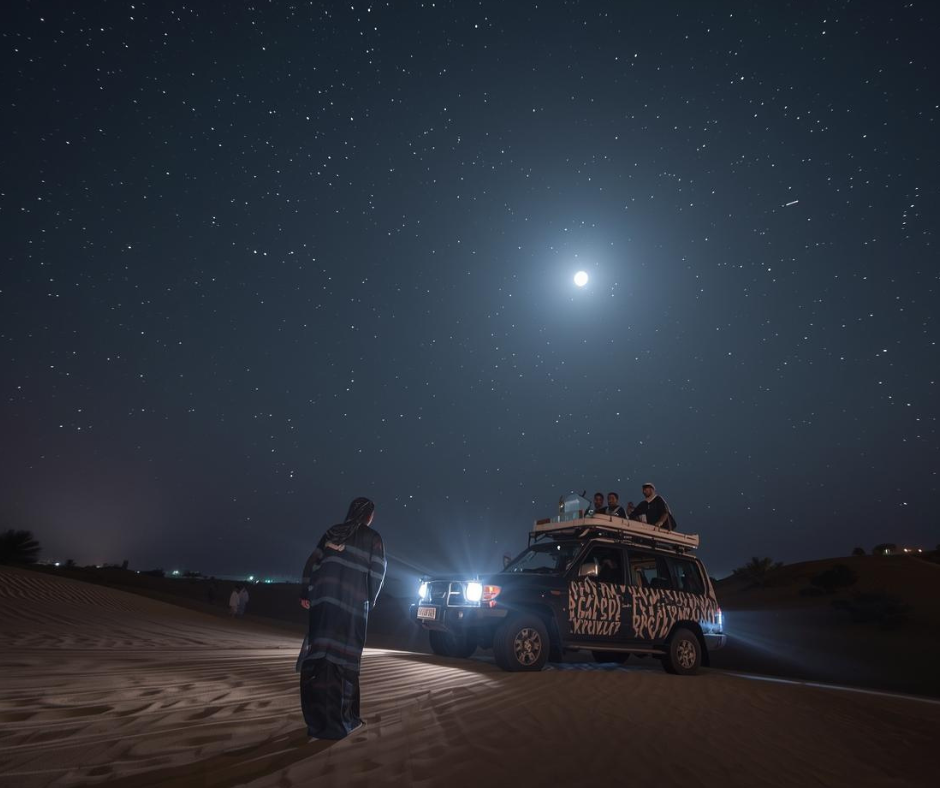
Al Qudra Lakes is a popular spot located on the edge of the Dubai desert. Here, you can pitch a tent near the water, watch the local wildlife, and sleep under the stars.
However, you must follow the strict local regulations. Do not drive off the designated tracks unless you have an appropriate vehicle and deep sand experience, and never light a fire directly on the sand.
You must use a raised fire pit or barbecue grill. You will need to bring all your own supplies, including plenty of drinking water, a sleeping mat, and warm layers because the desert temperature drops significantly after sunset.
Most importantly, practice a strict leave no trace policy and pack out all your trash when you leave.
Additionally, ensure you download offline maps of the desert tracks before you lose mobile signal. The dunes can all look identical once you step away from the main camp, and navigation apps are useless without a connection.
Always inform someone at your hostel about your camping plans and expected return time.
Best Free and Cheap Activities for Backpackers
Crossing Dubai Creek by Traditional Abra
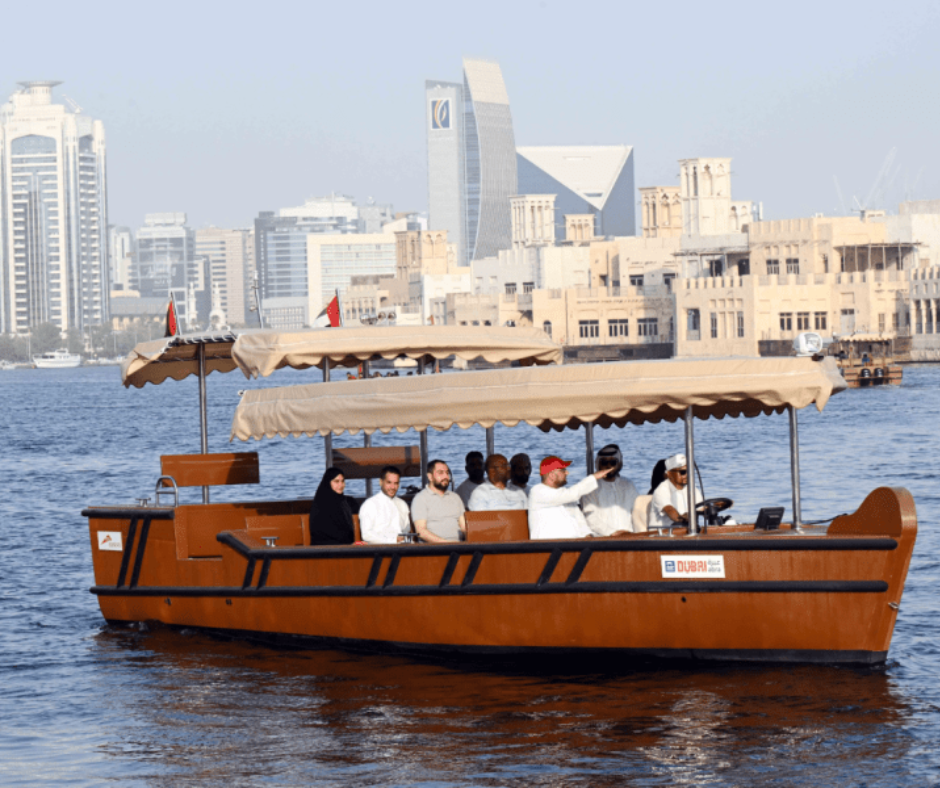
One of the most authentic and cheapest experiences in the country costs exactly one dirham. The traditional wooden abra boats operate on Dubai Creek, ferrying locals and tourists between the historical neighborhoods of Deira and Bur Dubai.
These motorized boats offer a fantastic vantage point to see the trading dhows loading cargo and the older architecture of the city contrasting with the modern skyline in the distance.
The ride only takes about five minutes, but it drops you right at the entrance of the spice and gold souks. You can wander through the narrow alleys, smell the frankincense, and practice your bargaining skills.
Walking the lively streets on both sides of the creek is entirely free and provides a sharp, fascinating contrast to the polished marble of the modern shopping malls.
Exploring the Mountains of Fujairah
You must leave the city limits to truly appreciate the rugged natural beauty of this region. The eastern emirate of Fujairah is home to the Hajar Mountains, offering incredible landscapes that feel worlds away from the urban centers.
One of the best ways to experience this area is by tackling the local trails. A prime example is Rainbow Valley, also known as Wadi Ghub, which sits about a ninety minute drive from Dubai.
The hike offers varying distances depending on your fitness level, ranging from five to fourteen kilometers with significant elevation changes.
Relaxing at Public Beaches
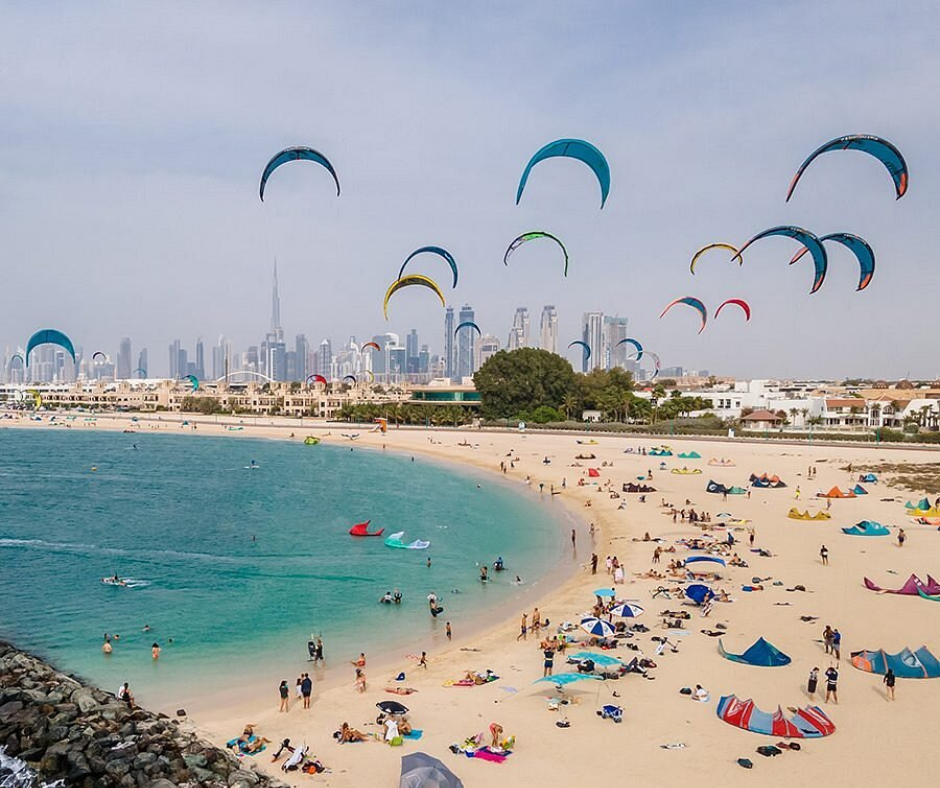
You do not need to pay an exorbitant entrance fee at a private beach club to enjoy the warm waters of the Arabian Gulf. The coastline is dotted with pristine public beaches that are completely free to access.
Kite Beach is a favorite among active travelers because it offers a lively atmosphere, free running tracks, and open sand where you can lay out your towel.
Another great option is the JBR public beach, which sits right against a stunning backdrop of residential skyscrapers.
To keep costs down, avoid renting loungers or umbrellas. Instead, visit early in the morning or late in the afternoon to avoid the harshest sun, bring your own beach towel, and pack a reusable bottle filled with cold water.
Many of these public beaches also feature free outdoor gym equipment, making them a perfect spot for an afternoon workout by the sea.
If you travel down towards Abu Dhabi, the Corniche Beach offers immaculate white sand and safe swimming areas guarded by professionals.
You can easily spend an entire day here reading, swimming, and socializing with other travelers without spending a single dirham on admission.
Walking the Marina and Canal Promenades
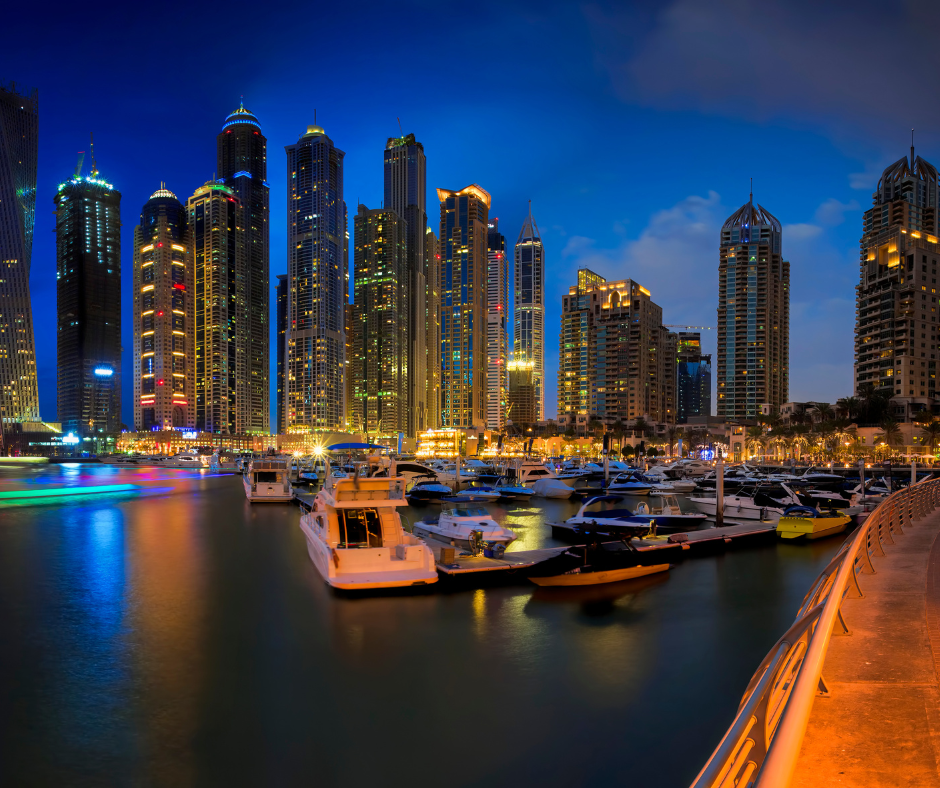
When the sun begins to set, the cities transform, and the best way to experience this shift is on foot. Both Dubai Marina and the Dubai Water Canal feature extensive, beautifully paved pedestrian promenades that cost nothing to explore.
Walking the Marina circuit takes about two hours and offers spectacular views of illuminated skyscrapers and luxury yachts. It is prime territory for people watching and capturing stunning nighttime photography.
The Water Canal boardwalk offers a more serene environment, passing under a mechanical waterfall that parts for passing boats.
Taking a long evening walk allows you to soak in the luxurious atmosphere and marvel at the engineering achievements of the city without spending a single coin. It is the perfect way to wind down a busy day of sightseeing while keeping your budget perfectly intact.
Eating Like a Local on a Backpacker Budget
Street Food and Cafeteria Culture
Dining out can easily become your biggest expense if you stick to tourist heavy areas. To eat well on a budget, you need to embrace the local cafeteria culture.
Small, unassuming cafeterias are found on almost every street corner in the older neighborhoods, catering to the diverse expatriate workforce.
Here, you can buy a freshly made chicken shawarma wrapped in warm bread with garlic sauce for less than ten dirhams. Pair it with a steaming cup of sweet, cardamom infused karak tea for just one or two dirhams, and you have a classic local meal.
For breakfast, look for bakeries serving hot manakish, which is a flatbread topped with zaatar spices or cheese.
Bur Dubai is also a haven for incredibly cheap and delicious Indian vegetarian food, where massive dosas and unlimited thali platters will fill you up for a fraction of the cost of a mall restaurant.
Supermarket Hacks and Affordable Groceries
When you are traveling for longer than a few days, cooking some of your own meals is the smartest financial move you can make. The major supermarkets here, like Carrefour and Lulu Hypermarket, are massive and stock ingredients from all over the world.
They also have excellent deli sections offering affordable hot meals, fresh salads, and rotisserie chickens that are perfect for a cheap picnic lunch.
If your hostel has a communal kitchen, visit the supermarket in the evening to grab discounted fresh produce and bakery items. Stock up on dates, mixed nuts, and fresh fruit to carry in your daypack. Having your own snacks prevents you from giving in to the temptation of overpriced convenience stores when hunger strikes during your daily adventures.
Many local supermarkets also feature a roastery section where you can buy fresh spices, dried fruits, and nuts by weight, which is significantly cheaper than buying prepackaged brands.
Grab a few bags of fresh almonds and local dates to keep your energy high during long walking days. By balancing supermarket runs with cheap street food, you will eat abundantly while protecting your travel funds.