
The prospect of exploring a vast and historically rich kingdom often brings a sense of financial uncertainty for independent travelers.
That is why our team at WildyNess created this guide to help you navigate the Kingdom of Saudi Arabia without overspending.
Essential Financial Planning for the Saudi Backpacker
Understanding the local economy is the first step toward a successful journey across the Arabian Peninsula. While Saudi Arabia is often associated with luxury, a focused backpacker can maintain a modest budget by choosing local eateries and public infrastructure.
You should expect to spend between sixty and ninety dollars per day if you prioritize hostels and street food.
Detailed Daily Budget Breakdowns
Your primary daily costs will consist of food and accommodation. A typical budget hotel or a bed in a shared hostel room in Riyadh or Jeddah averages around thirty to fifty dollars per night.
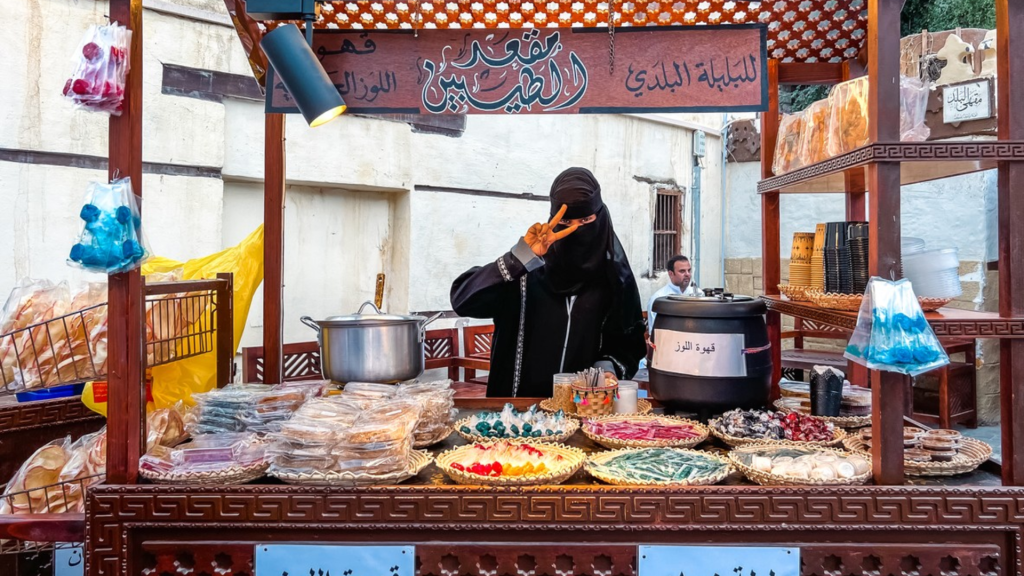
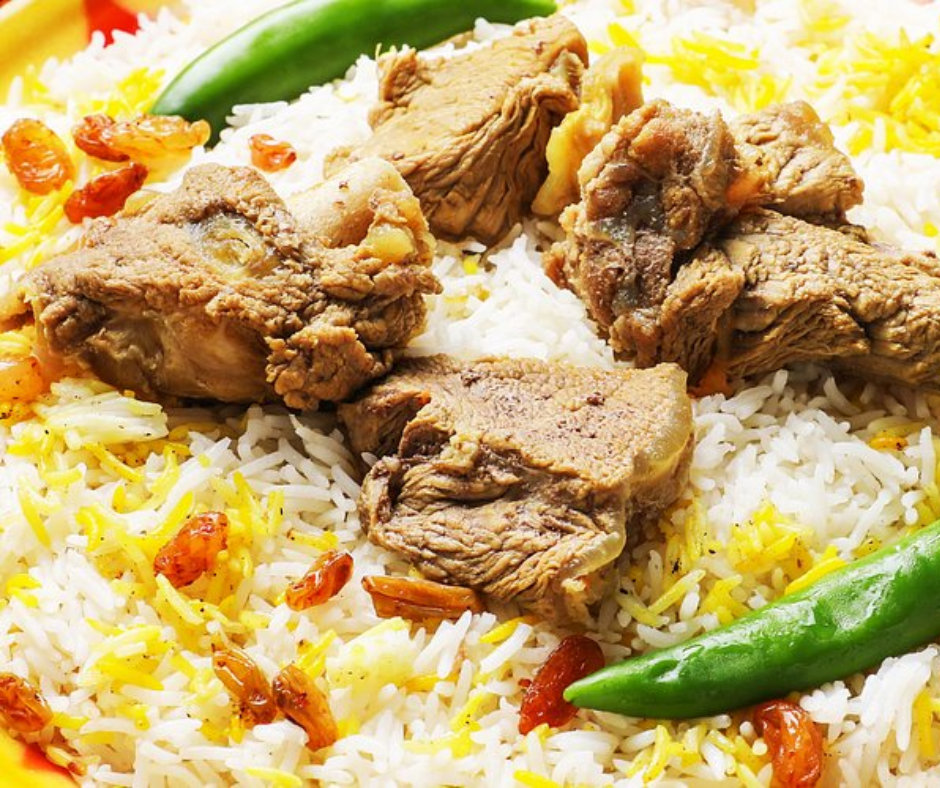
Food is remarkably affordable if you avoid international chains and sit-down tourist restaurants. You can enjoy a filling meal of chicken kabsa or fresh falafel for five to ten dollars at neighborhood diners.
Managing Visa and Insurance Costs
The tourist eVisa for 2026 costs approximately 535 SAR, which is roughly 142 dollars.
Keep a digital copy and a printed version of your eVisa because you will need to present it at check-in desks and transport hubs.
Navigating the Kingdom Through Affordable Transport
The massive scale of Saudi Arabia requires a strategic approach to movement to avoid draining your funds on domestic flights. Ground transport has seen significant investment, offering modern and reliable alternatives for the budget traveler.
You will find that taking the bus, the metro or the train allows you to see more of the landscape while keeping your wallet intact.

The SAPTCO Bus Network
The Saudi Public Transport Company, known as SAPTCO, is the backbone of budget travel in the region. These buses connect every major city, including Riyadh, Jeddah, Dammam, and Abha, with fares that are significantly lower than air travel.
For example, a bus ticket from Riyadh to Jeddah typically costs between 219 and 230 SAR.
High Speed Rail and North South Lines
The Haramain High-Speed Railway offers a fast connection between the holy cities of Medina and Makkah via Jeddah.
For those heading north, the Saudi Arabia Railways North-South line connects Riyadh to Hail and Al Jouf.
Selecting Budget Friendly Regions for Exploration
Not every region in Saudi Arabia carries the same price tag, so choosing your base cities wisely is vital. While the capital and the Red Sea hubs offer many free attractions, the mountainous and coastal outskirts provide the best value for your money.
These areas allow you to experience authentic culture and natural beauty without the high costs of the central business districts.
The Highlands of Asir and Abha
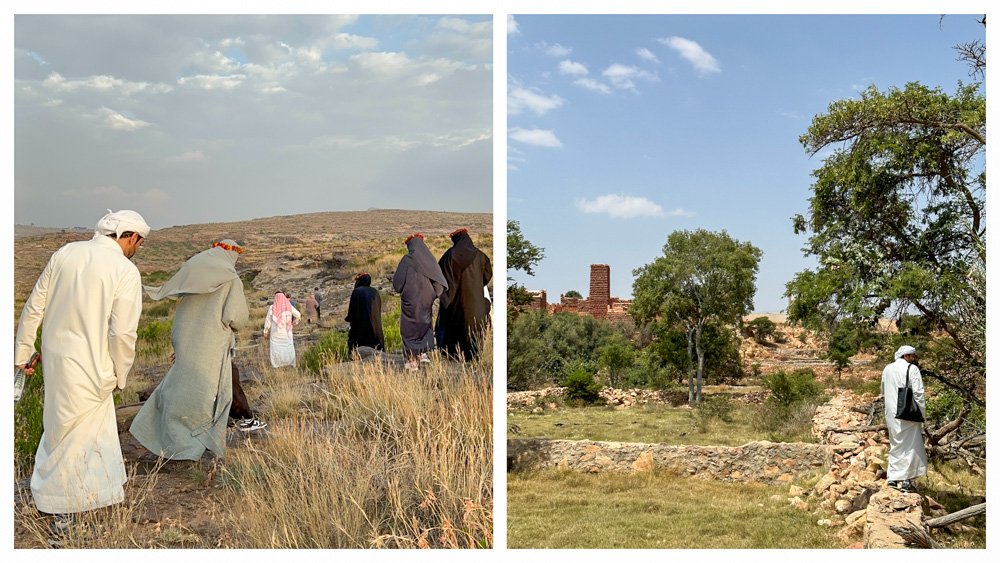
The southwestern region of Asir is a perfect destination for backpackers who enjoy outdoor activities and cooler climates.
You can spend your days hiking through the Jebel Sawda mountains or exploring the colorful Rijal Almaa heritage village. Many of these sites are either free or require only a small entry fee, and the local guesthouses in the highlands are often more affordable than city hotels.
Jazan and the Farasan Islands
Heading further south to Jazan reveals a coastal culture that is quite different from the northern cities. From the Jazan port, you can take a ferry to the Farasan Islands, where you will find clear waters and mangrove forests.
The government often subsidizes the ferry for travelers, making this one of the most cost-effective ways to enjoy the Red Sea coast. It is a fantastic spot for snorkeling and wildlife observation on a limited budget.
Maximizing Value Through Local Culinary Habits
Eating like a local is the most effective way to save money while traveling in Saudi Arabia. The culinary landscape is rich with flavors that are both filling and inexpensive.
You will find that some of the best food is served at small, unassuming stalls that do not even have a formal menu in English.
Street Food and Traditional Breakfasts
Start your morning with a plate of foul medames or a savory mutabbaq, which is a stuffed and fried pancake.
These traditional breakfast items cost only a few dollars and provide enough energy for a full morning of sightseeing. Look for the busiest street stalls in the early morning or evening because high turnover usually indicates the best quality and value.

Market Shopping and Picnic Supplies
Visiting local grocery markets and fruit stalls is a smart strategy for lunch and snacks. You can buy fresh dates, local bread, and cheeses to create your own picnic while you are out exploring the desert or historic districts.
This habit allows you to sample regional produce at wholesale prices and significantly reduces your overall daily food expenditure.
Embracing Cultural Etiquette for Better Experiences
Understanding the social fabric of the country will help you avoid awkward situations and may even save you money.
Demonstrating respect for local customs often leads to better hospitality and more authentic connections with the people you meet. Saudi culture is built on a foundation of generosity and traditional protocols.
Dress Codes and Public Modesty
While the rules for visitors have become much more flexible, modesty remains the standard for both men and women.
You should wear loose clothing that covers your shoulders and knees to ensure you are welcomed in all public spaces. Women are not legally required to wear an abaya in most areas, but having a light scarf or a long tunic is useful when visiting more traditional neighborhoods or religious sites.

Social Interaction and Prayer Times
Starting your interactions with a friendly "As-salamu alaykum" is a powerful way to show respect. Be mindful of the five daily prayer times, as many shops and restaurants will close for approximately twenty to thirty minutes during these periods.
Use these short breaks to rest or plan your next move rather than feeling frustrated by the temporary pause in city life.
Practical Logistics for a Smooth Journey
A successful backpacking trip depends on having your logistics organized before you arrive. Taking care of the small details ensures that you can focus on the adventure once you hit the road.
We suggest preparing a physical folder for your documents and keeping local currency on hand for smaller purchases.
Connectivity and Navigation
Purchasing a local SIM card at the airport is essential for using ride-sharing apps and navigating public transit schedules.
Having a reliable internet connection allows you to check bus times in real-time and use translation apps when communicating with local vendors who may not speak English.
Timing Your Visit for Value
The best time to visit Saudi Arabia on a budget is during the shoulder seasons of October and March.
If you choose to travel during the winter months, be sure to book your accommodation at least four weeks in advance to avoid the highest rates.
Conclusion and Final Expert Tips
The rewards of backpacking through Saudi Arabia are found in the spontaneous conversations and the vast, open landscapes. By following these practical strategies, you can experience the true heart of the Kingdom while keeping your finances under control.
Success comes to those who plan their routes but remain open to the unexpected detours that define a great adventure.
Building Your Itinerary
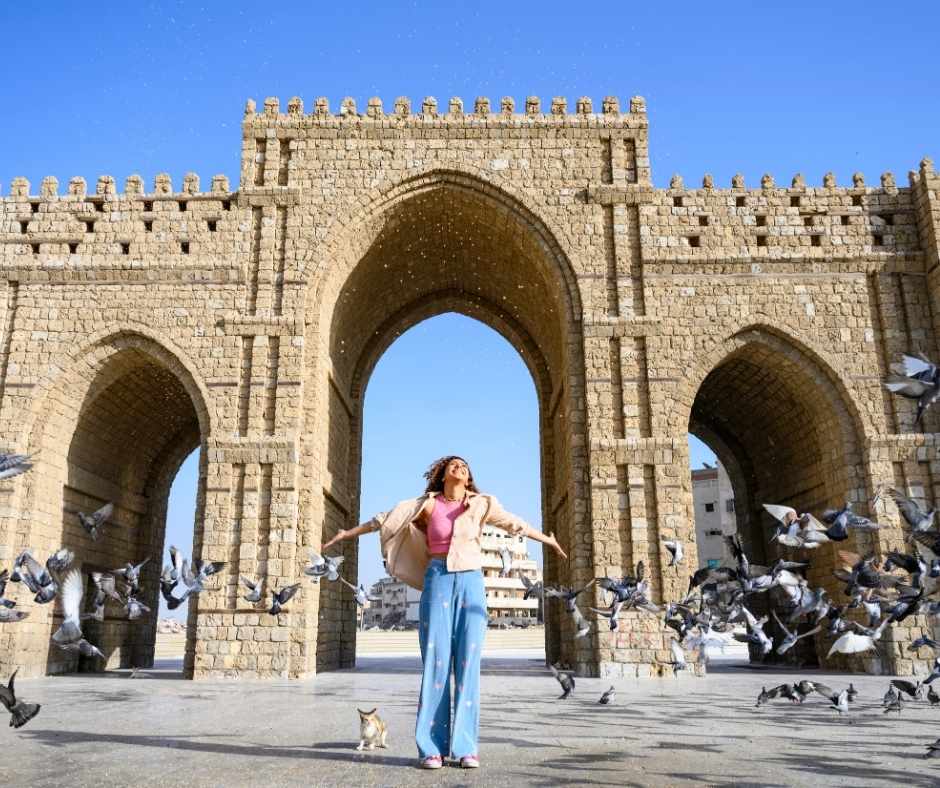
We recommend starting your journey in Jeddah to experience the historic Al Balad district before moving toward the mountains or the desert.
This allows you to ease into the local rhythm and find your footing with the transport systems. Balancing your time between the fast-paced cities and the quiet rural provinces will give you the most comprehensive view of the country.
Continued Support from Wildyness
The team at WildyNess is always available to help you refine your travel plans and answer specific questions about your route. For more tailored travel advice, don't hesitate to contact us through our website and we will respond quickly to your inquiry.