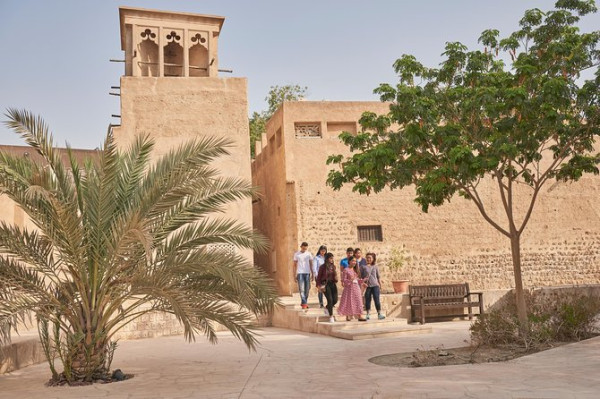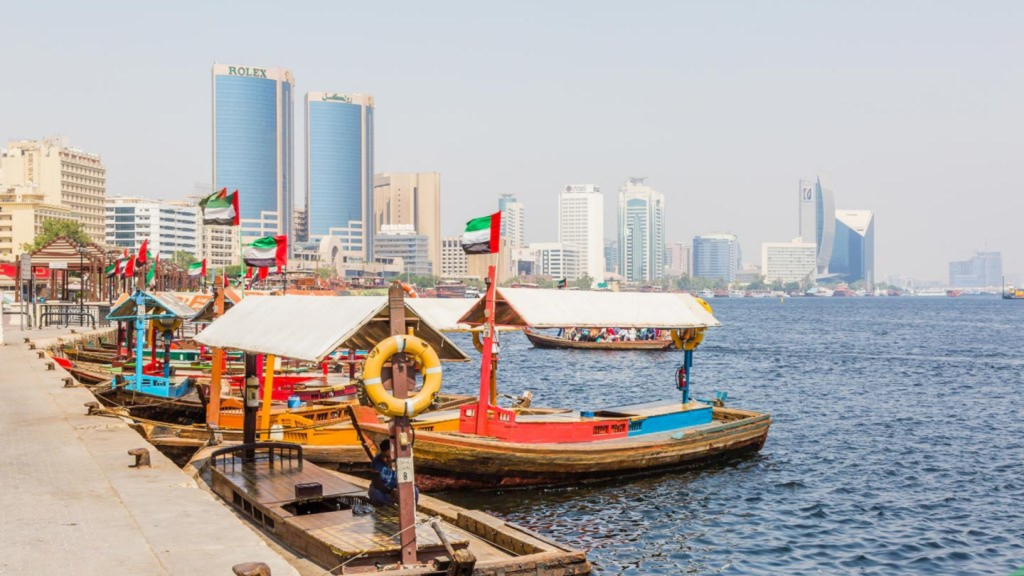

Standing on the edge of the water while dozens of wooden boats buzz past can feel like a chaotic leap back in time compared to the sleek glass towers of Downtown Dubai.
That is why our team at WildyNess created this guide to help you navigate the historic waterways of the Creek with the confidence of a seasoned local.

Navigating the Most Popular Abra Routes
The Dubai Creek functions as the original heart of the city and remains a primary transport artery for thousands of residents every day. Understanding the specific routes allows you to move between the historic districts of Bur Dubai and Deira without getting lost in the heat or ending up at the wrong dock.
The Classic Bur Dubai to Deira Old Souk Crossing
This is the most frequent and famous route for travelers looking to experience the traditional side of the city. You will board at the Bur Dubai Abra Station, which is located near the textile souk and the Al Fahidi district. The boat takes you directly across to the Deira Old Souk Abra Station.
This crossing is ideal if your primary goal is to visit the Spice Souk or the Gold Souk immediately after docking. The ride usually lasts about five to seven minutes and offers a perfect vantage point for photographing the traditional dhows that line the wharf.
The Al Sabkha Route for Market Access
If you find yourself further down the Creek near the Baniyas Square area, the Al Sabkha route is your best option. This route connects the Al Sabkha Abra Station in Deira with the Dubai Old Souk Abra Station in Bur Dubai. It is often less crowded with tourists and more populated by local traders moving goods.
Choosing this route gives you a closer look at the logistical side of the Creek where you can see workers loading and unloading everything from refrigerators to heavy textiles onto the larger wooden dhows.
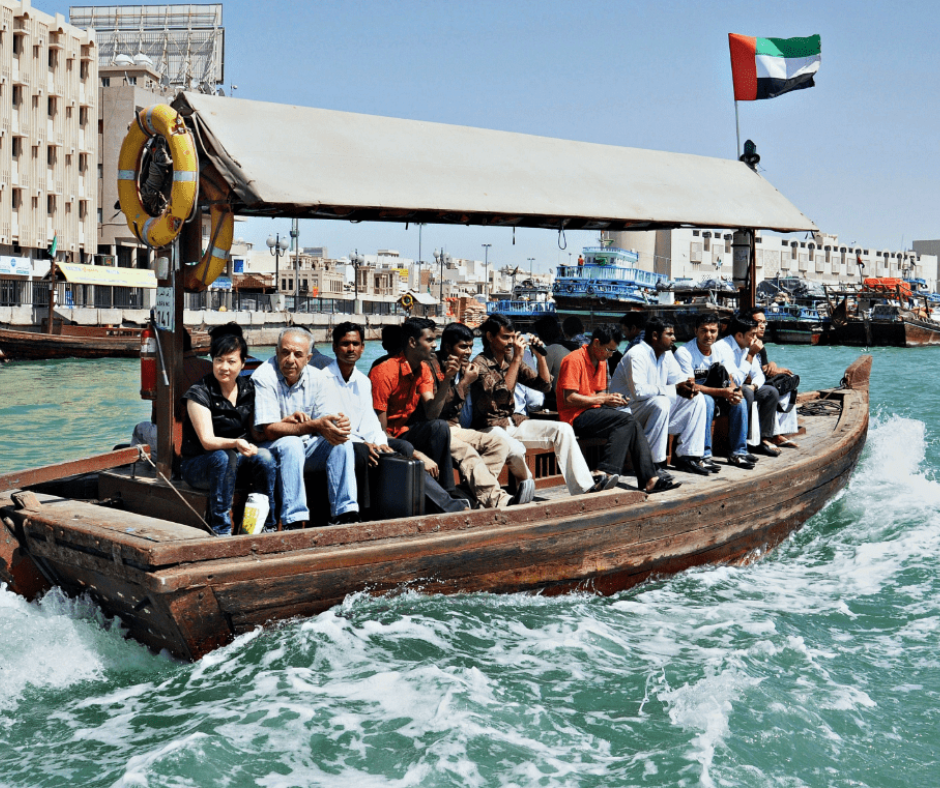
Essential Logistics and Payment Procedures
One of the most appealing aspects of the abra is its simplicity, yet many visitors feel a moment of hesitation when it comes to the actual boarding process. The system is designed for speed and high volume so knowing the unspoken rules will make your entry much smoother.
Carrying the Right Currency
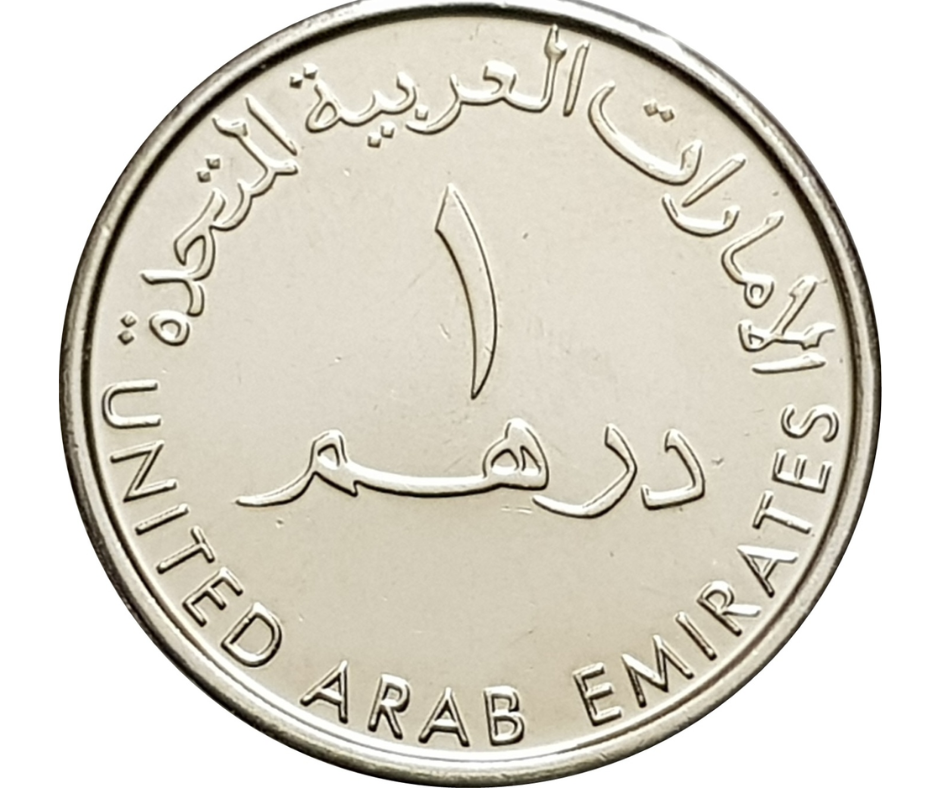
Traditional motorized abras do not accept credit cards, Nol transport cards, or mobile payments at the time of boarding. The fare is a flat rate of 1 AED per person for a standard crossing. It is important to have a one dirham coin ready before you step onto the boat.
While some drivers can change a five or ten dirham note if they are not too busy, having the exact coin is the best way to ensure you do not hold up the line of commuters behind you.
Boarding and Seating Etiquette
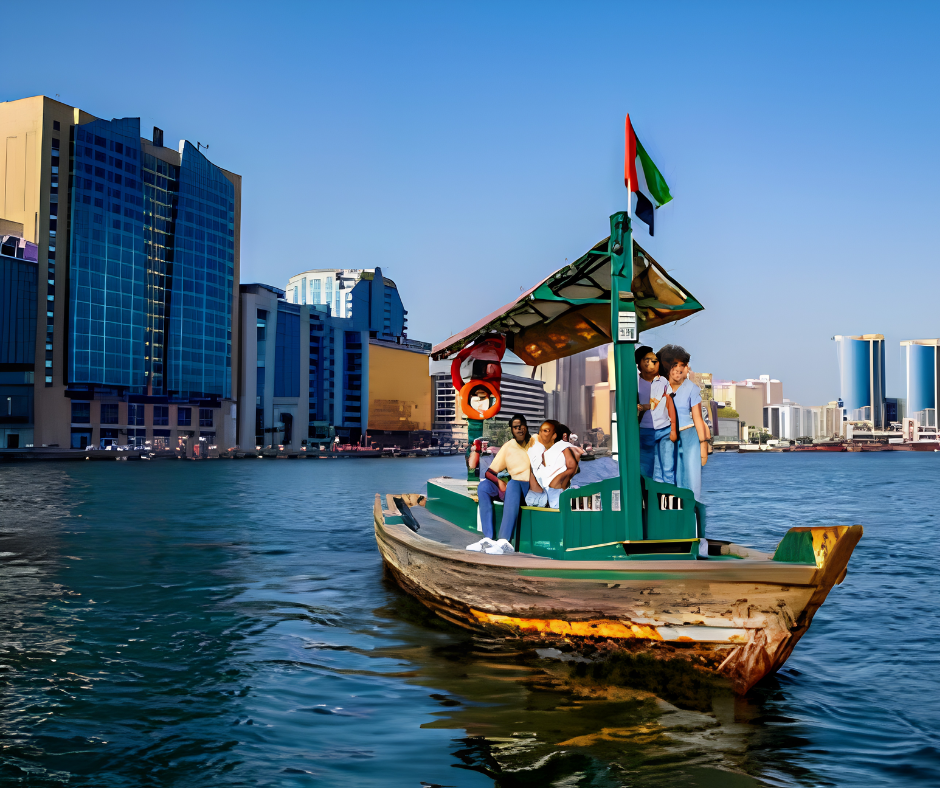
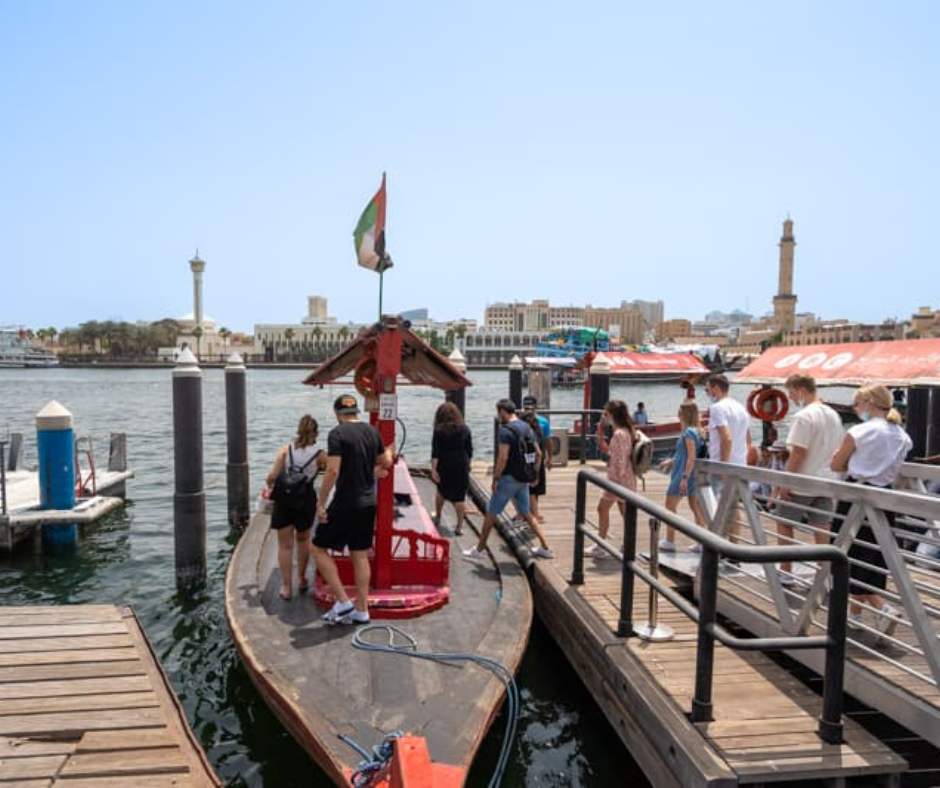
Abras do not operate on a strict timed schedule like a bus or a train. Instead, they depart as soon as they are full, which usually means twenty passengers are seated. You will walk down the wooden ramp and find a spot on the central wooden bench that runs down the middle of the boat.
It is common practice to move toward the center of the bench to allow others to fill in the edges. Once the boat is full, the driver will collect the coins from everyone before pulling away from the dock.
Heritage of the Traditional Abra on Dubai Creek
To truly appreciate the ride, you must understand that the abra is more than a cheap ferry. It is a symbol of the maritime history that allowed Dubai to survive as a trading hub long before the discovery of oil.
Evolution from Oars to Motors
In the early twentieth century, these boats were much smaller and relied entirely on the physical strength of the rower. These oar-powered boats were eventually replaced by the motorized versions you see today during the mid-1900s to keep up with the increasing pace of global trade.
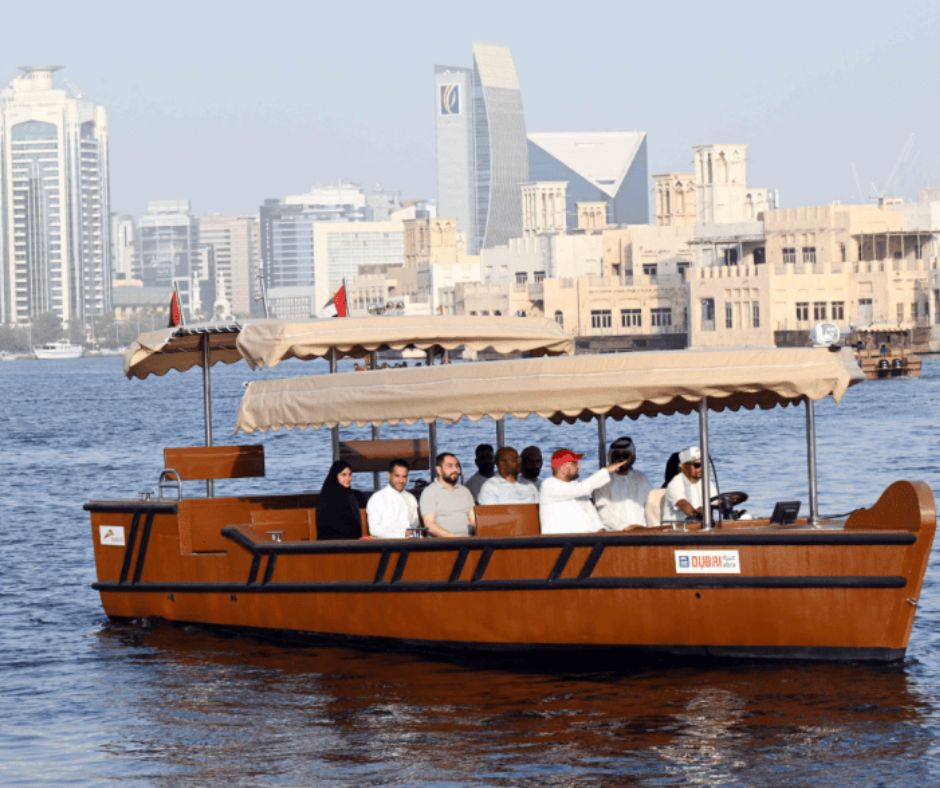
Today, you might also see modern electrical abras operating in certain areas. These are quieter and more environmentally friendly, but the motorized wooden versions remain the authentic soul of the Creek.
Architecture of a Traditional Boat
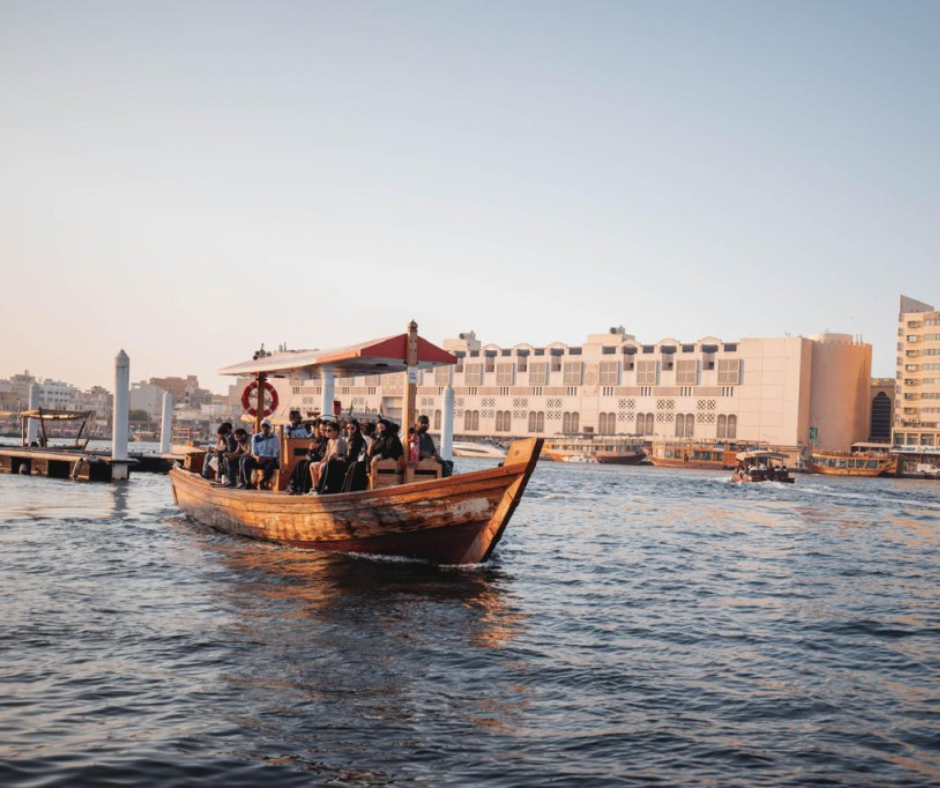
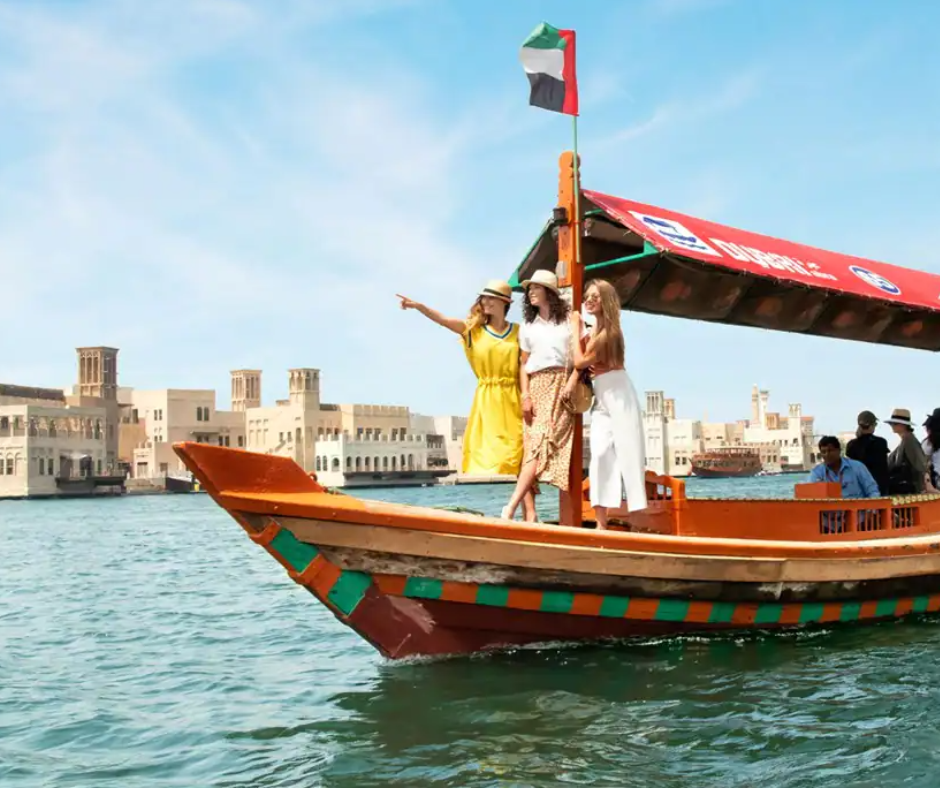
The word abra comes from the Arabic verb abara, which means to cross. The design has remained remarkably consistent over the decades. They feature a low-slung wooden hull made from durable timber and a central engine housing that doubles as a seating area.
The open sides allow for a constant breeze, which was the original form of air conditioning for merchants crossing the water during the peak of summer. Observing the weathered wood and the simple mechanical steering will give you a deep appreciation for the craftsmanship that goes into maintaining this fleet.
Capturing the Perfect Moment: Best Times for Scenic Rides
While the abras run from early morning until late at night, the quality of your experience changes drastically depending on the position of the sun and the density of the crowds.
The Magic of the Blue Hour
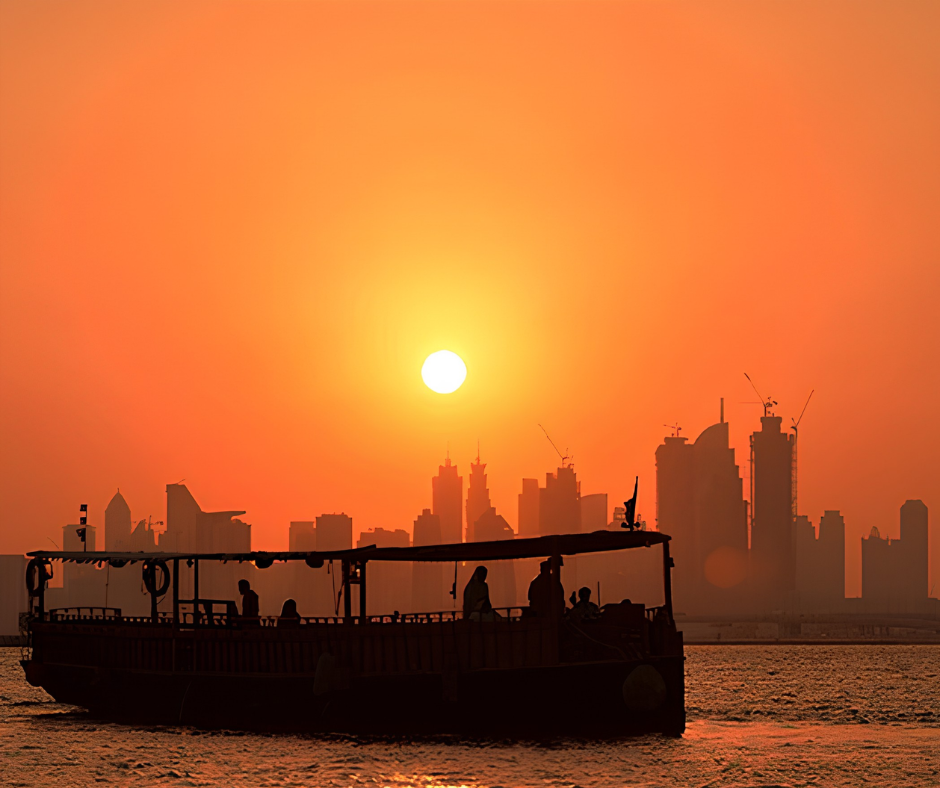
For the most striking photography, we recommend riding the abra during the blue hour, which occurs just after the sun has set but before the sky goes completely dark. During this window, the lights of the souks and the old wind towers begin to glow, creating beautiful reflections on the water.
The temperature is much more comfortable during this time, and the harsh glare of the midday sun is gone. This allows you to capture the textures of the wooden boats and the silhouettes of the seagulls without overexposing your photos.
Early Morning Quiet
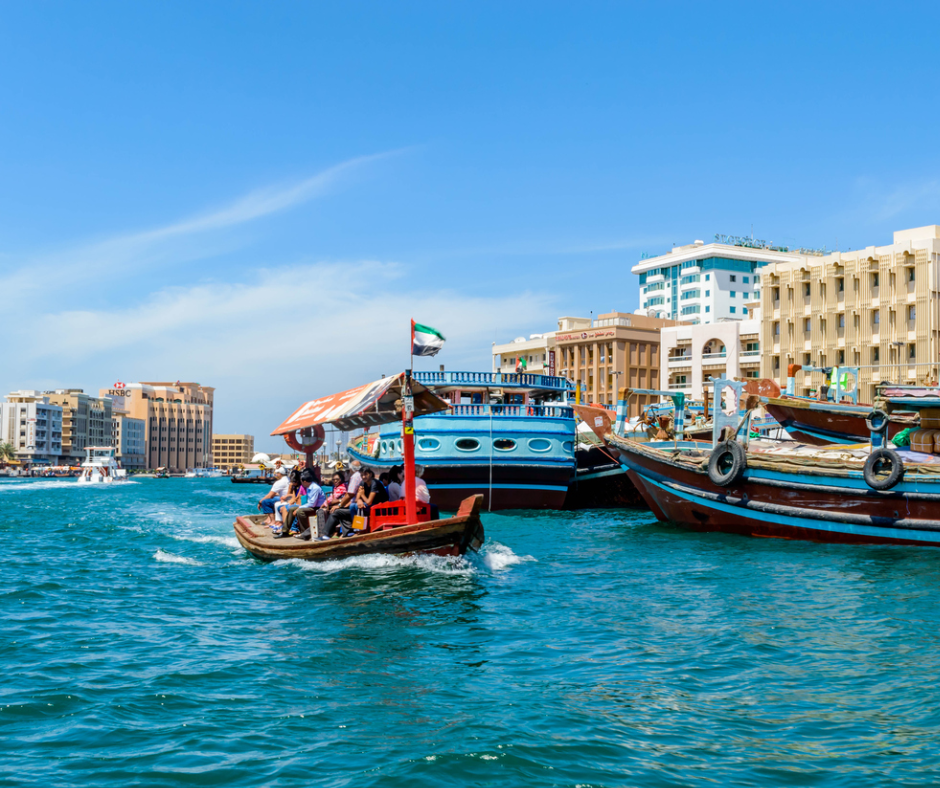
If you prefer a peaceful experience, arriving at the docks between 7:00 AM and 8:30 AM is your best strategy. You will be sharing the boat with residents heading to work and shopkeepers opening their stalls. The water is usually at its calmest during these hours, and the air is crisp.
It is the best time to see the Creek as a functional waterway rather than a tourist destination. You can watch the dhow sailors preparing their morning tea on the decks of their ships while the city slowly wakes up around you.
Personalizing Your Experience: Private Abra Charters
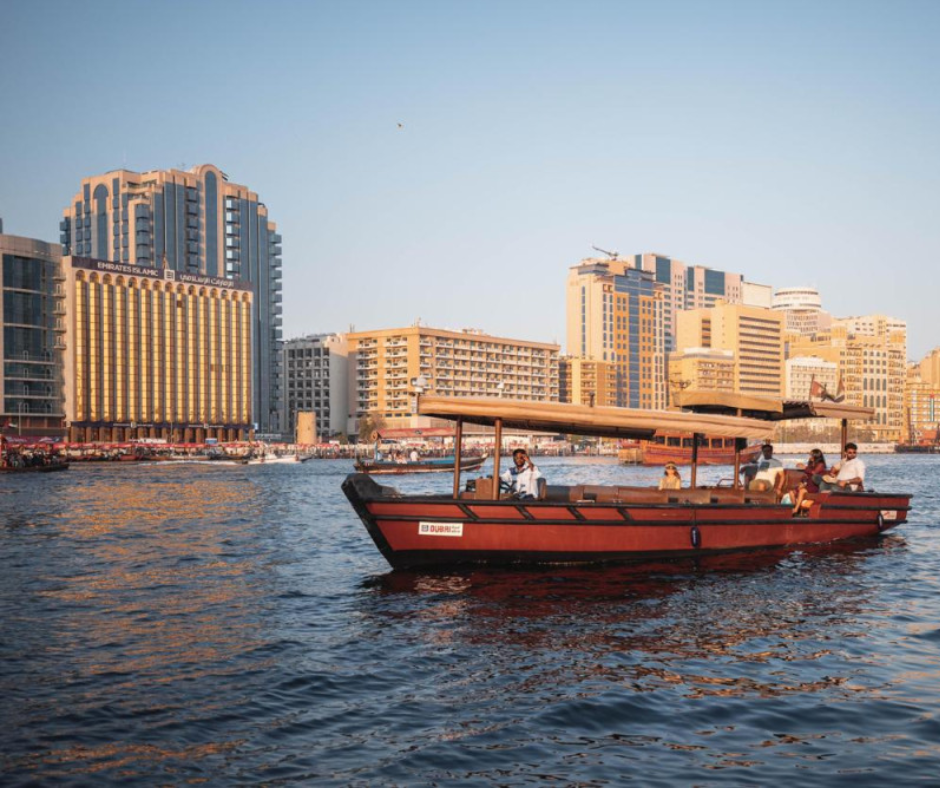
Sometimes a quick crossing is not enough to satisfy your curiosity. If you want more time on the water to explore the further reaches of the Creek toward the Al Seef district, a private charter is a flexible and affordable luxury.
How to Arrange a Private Trip
You do not need to book a private abra weeks in advance. Most drivers at the main stations are happy to take you on a private tour if you negotiate a price for a thirty or sixty-minute loop. The standard rate is approximately 120 AED per hour for the entire boat.
This allows you to tell the driver to slow down for photos or to head toward specific landmarks like the Dubai Chamber of Commerce building or the historic Al Maktoum Bridge. It is an excellent option for families or groups who want to stay together without the rush of the standard commuter line.
Check out: A Sunset Abra Journey Through Time
Curating Your Sightseeing Route
With a private boat, you can see the contrast between the old and new sections of the city from a unique angle. Ask your driver to take you past the dhow wharfage where you can see the massive scale of the wooden cargo ships that still travel to ports in India and Africa.
You can also view the traditional wind towers of the Bastakiya quarter from the water, which provides a better perspective on how these ancient cooling systems were positioned to catch the creek breeze. This personalized approach turns a simple transit into a comprehensive historical tour.
Cultural Etiquette and Local Considerations
The Creek is a place of work and worship for many people. Being mindful of local customs ensures that your visit is respectful and that you are welcomed by the community.
Respectful Dress and Behavior
While Dubai is a cosmopolitan city, the heritage districts of Bur Dubai and Deira are more traditional than the beach resorts. We suggest wearing clothing that covers your shoulders and knees out of respect for the local culture.
When you are on the abra, keep your voice at a moderate level as many people are using the time to commute quietly. If you wish to take photos of people, it is always polite to ask for permission first with a simple nod or a smile.
Navigating During Ramadan
If your visit falls during the holy month of Ramadan, be aware that the rhythm of the Creek changes. Many shops in the souks will close during the afternoon and reopen late into the evening after the Iftar meal. It is also important to refrain from eating, drinking, or chewing gum in public during daylight hours, including while you are on the abra.
The evening atmosphere during Ramadan is particularly special, as the Creek comes alive with families heading to the waterfront to break their fast together.
Key Takeaways for Your Adventure
First, you should select the Bur Dubai to Deira Old Souk route for the most direct access to the famous markets.
Second, ensure you have multiple one dirham coins ready to pay the driver as soon as you board the boat.
Third, plan your visit for the early morning or the late afternoon to secure the best lighting for your photography and to avoid the peak heat.
Fourth, consider hiring a private abra for an hour if you want a deeper look at the cargo dhows and the historic architecture from the water.
Fifth, remember to dress modestly when exploring the souks and heritage areas to respect the local traditions of these historic neighborhoods.
If you still have any other questions, do not hesitate to contact us through our website and we will respond to you quickly.
For more informations about Dubai in details, read:
Car Rental in Dubai: The Ultimate Guide
Cost of Travel in Dubai: A Complete 2026 Budget Guide
The Ultimate Old Dubai Walking Tour: A Guide to the City's Soul
For Itinerary inspiration in Dubai, we suggest reading:
The Soul of Dubai: A Two Day Explorer's Guide
The Ultimate 3-day Dubai Itinerary Guide
If you're into cafés and photography, read:
Most Instagrammable Cafes in Dubai: A Photography Guide for 2026
Tipping in Dubai: How Much to Tip and Who to Tip in the UAE
Where to Watch the Sunset in Dubai: A WildyNess Travel Guide
For more things to do in Dubai, we recommend reading:
Dubai's Pottery Pulse: A Creative Oasis in the City of Gold
Sandboarding Dubai: A Beginner's Guide
Yoga Retreat Dubai: A Guide to Desert & Beach Wellness Stays
Dubai Travel Guide: Authentic Things to Do & Practical Tips
Explore Dubai Hidden Gems: History, Art, and Local Eats
Dubai Museum Quarter UAE: Explore the Real Old Dubai