


Tunisia is like any other country in terms of having its own culture, law and religion.
So grab a coffee and let us, locals, give you tips and advice so that you know what to expect and know how to adapt yourself before visiting this beautiful country filled with natural wonders, diverse historical sites and many must-visit attractions.
In this article, we will go through helpful tips mainly about
- The 29 Things You Should Know Before Coming To Tunisia
- Where Exactly is Tunisia ?
- Best Time To Visit Tunisia
- Safety in Tunisia
- Visa Requirements for Tunisia
- Sim Cards to Buy in Tunisia
- Currency in Tunisia
- Prices in Tunisia
- Payments in Tunisia
- Tipping in Tunisia
- Bargaining in Tunisia
- Public Transportation in Tunisia
- Rental Car in Tunisia
- Driving in Tunisia
- Religion in Tunisia
- Ramadan in Tunisia
- Language in Tunisia
- Clothing in Tunisia
- Greetings in Tunisia
- Photography in Tunisia
- Nightlife in Tunisia
- Food in Tunisia
- Drinkable Water in Tunisia
- Alcohol in Tunisia
- Star Wars Filming Locations in Tunisia
- Beaches in Tunisia
- Sahara in Tunisia
- Roman Ruins in Tunisia
- Kerkennah in Tunisia
- Traditional Hammams in Tunisia
- Why Tunisia Should Be on Your Travel List

Let’s dive now right into what you should know !
The 29 Things You Should Know Before Coming To Tunisia
Where Exactly is Tunisia ?
Tunisia is a small yet captivating country located in North Africa between Algeria to the west and Libya to the east. It offers a rich diversity in its landscapes, from the vast Sahara Desert in the south, to sandy beaches along the large coastline, and snow forests in the north-west.
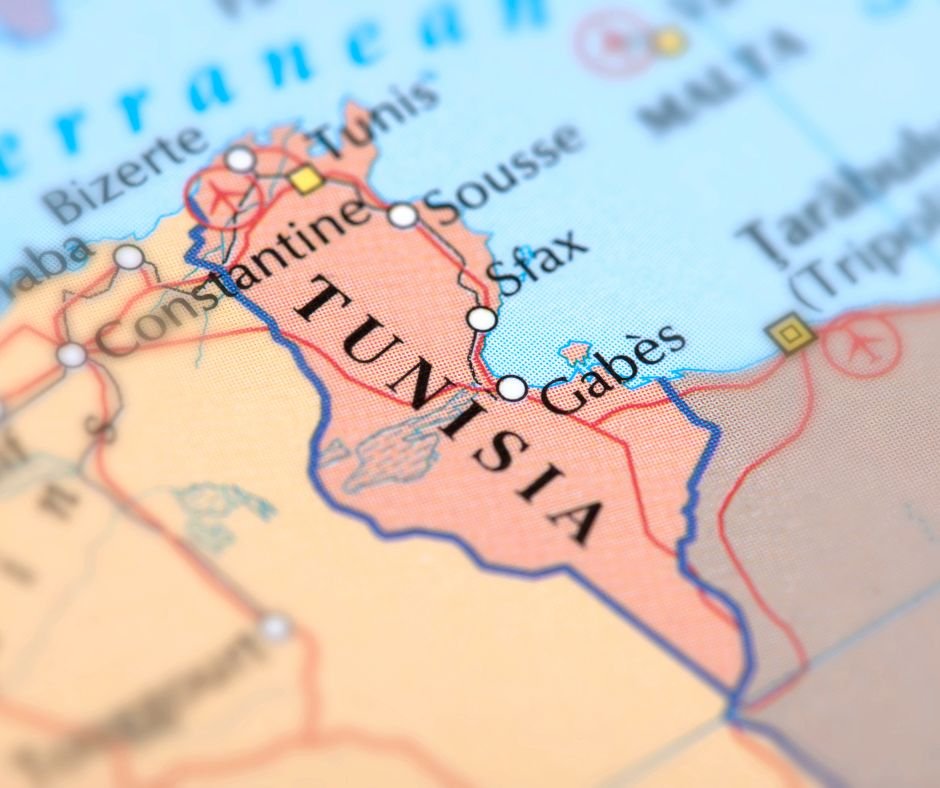
This land of contrasts also boasts a wide variety of cuisines, historical sites, religious sites and cultural treasures, making it an ideal destination for travelers looking to explore hidden gems and experience new cultures.
Best Time To Visit Tunisia
The summer months (June to August) are the most popular time to visit Tunisia, as travelers flock to enjoy the stunning beaches. The calm waves, mild winds, and very hot temperatures (around 45°C) make it the perfect time for beach goers, but it can also mean crowded destinations. If you’re looking for the best swims, this is the time to be in Tunisia.
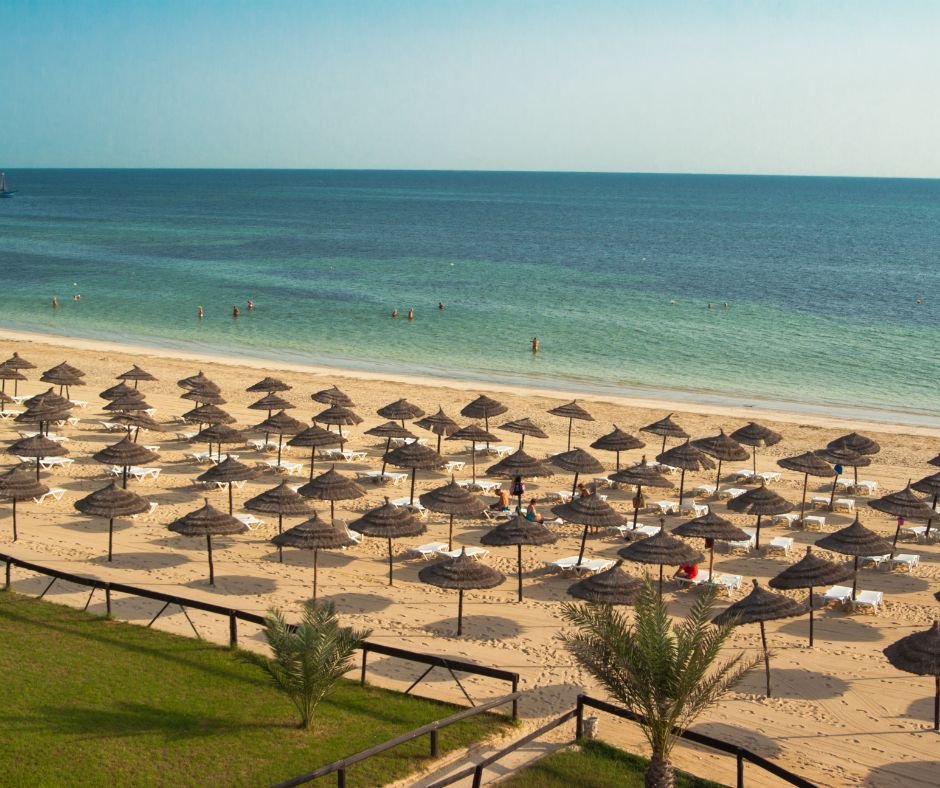
However, if you prefer less crowded places or if the beach isn’t your main attraction, other seasons might be a better fit. Here’s a breakdown:
April, May, September, and October: These months are ideal for exploring the Sahara in the south, as the weather is more moderate and comfortable for desert adventures.
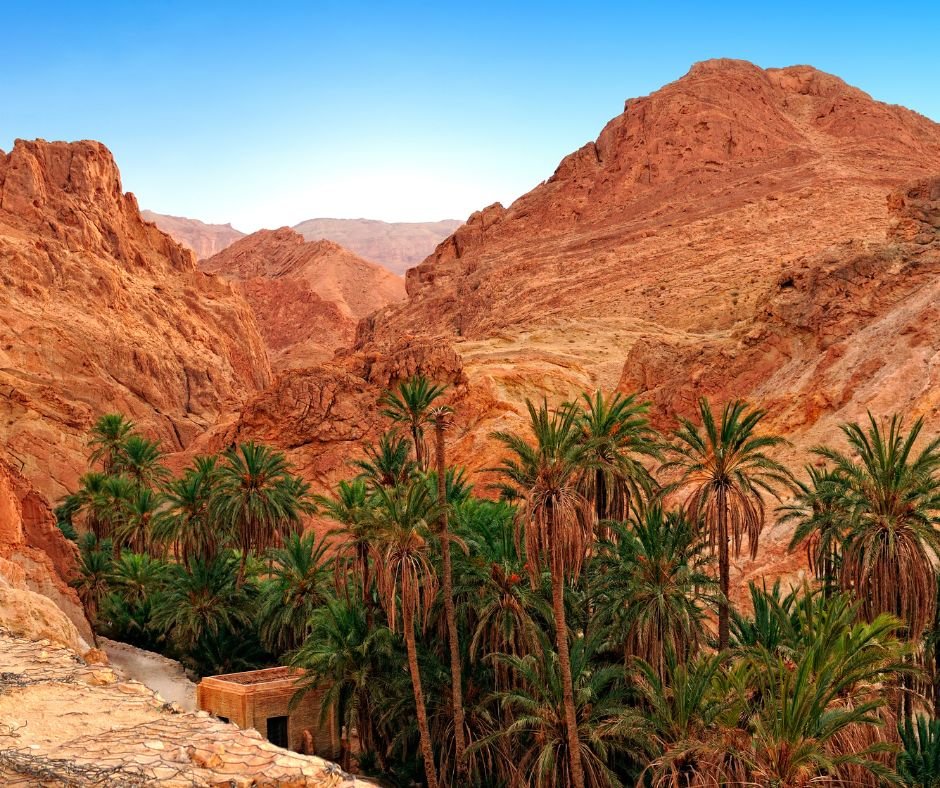
Winter (December to February): While still a good time to visit the Sahara, winter brings the possibility of snowfall in places like Ain Drahem, which typically occurs in January. It's a unique experience for those looking to explore beyond the typical tourist spots.
Read also: Best Time to Visit Tunisia - A Climate Guide Included
Safety in Tunisia
While it's true that Tunisia faced some challenges in recent years due to terrorist attacks, the security situation has improved significantly, and it’s generally safe to travel, especially in tourist areas like Tunis, Sousse, and Hammamet. The local laws and Tunisian security forces have taken strong measures to ensure the safety of both locals and visitors, so you can enjoy your trip with peace of mind.
However, like any destination, it’s always best to stay cautious.
A quick travel advice: certain areas, particularly to the west of Tunis the capital city, may not be ideal for late-night exploration. It's best to avoid these areas after dark, as they can be less populated and may feel a bit more isolated. Always stay aware of your surroundings, and use common sense when traveling around unfamiliar places.
Visa Requirements for Tunisia
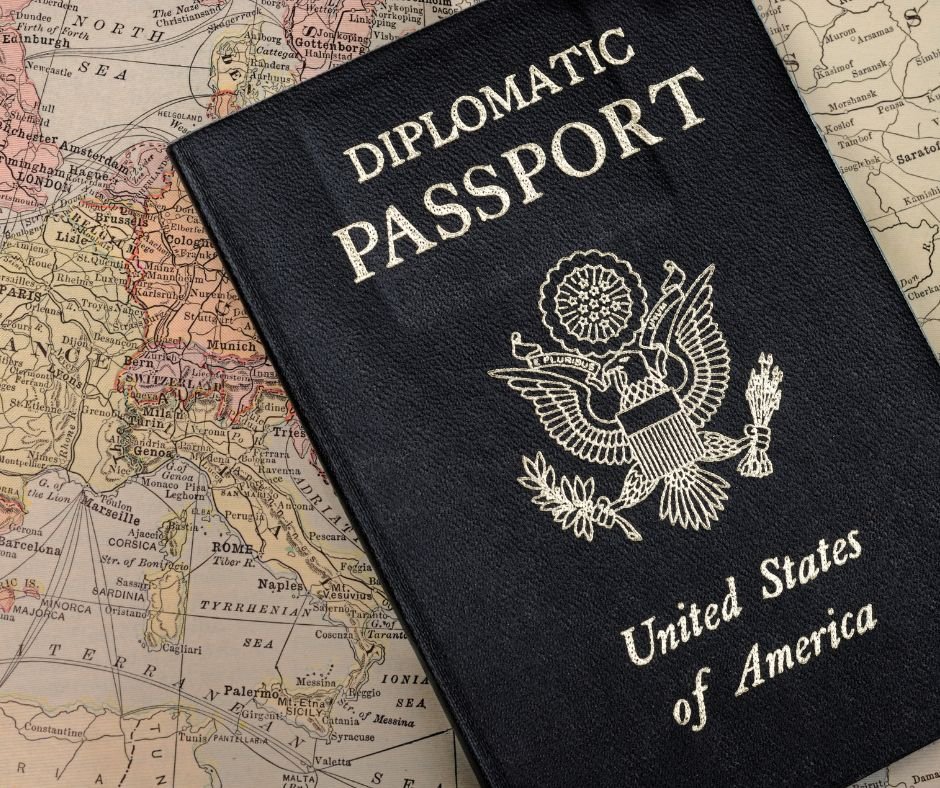
Entering Tunisia is quite easy for travelers from most countries, including the USA, UK, and most of Europe. All you need is your valid passport, and you’ll be allowed to enter without the need for a visa for short stays, making it a straightforward destination for travelers.
Sim Cards to Buy in Tunisia
There are three main SIM card providers in Tunisia, and their offerings are quite similar. You'll find their shops everywhere, making it easy to get a free SIM card. Yes, the SIM card is often free of charge.
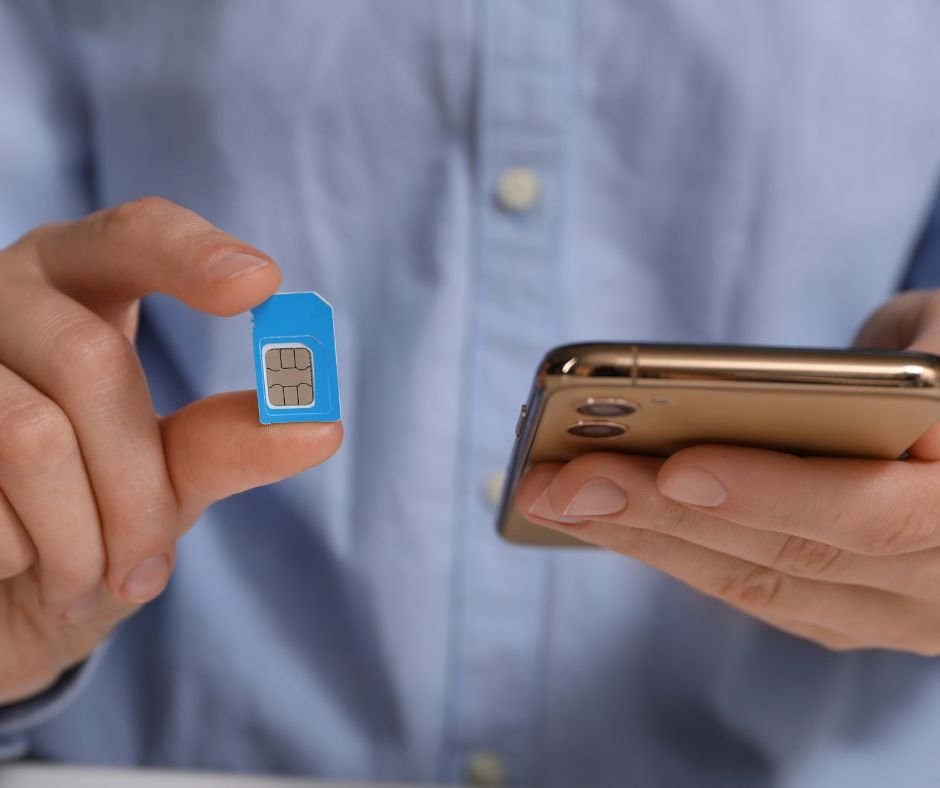
Once you have your SIM, you can also buy a data package at the same counter. Data is affordable, with packages like 25GB for no more than 10 dollars. It's a convenient and cost-effective way to stay connected during your travels.
Currency in Tunisia
Tunisia's local currency is the Tunisian Dinar (TND), with an exchange rate of approximately 3.1 dinars for each US dollar in 2025.
In addition to dinars, Tunisia also uses millimes as decimal currency (1 dinar = 1000 millimes). You may see prices like 24.3 dinars, which translates to 24 dinars and 300 millimes.

Tunisian money comes in two forms: coins and banknotes.
Coins:
100 millimes
200 millimes
500 millimes
1 dinar
2 dinars
5 dinars
Banknotes:
5 dinars
10 dinars
20 dinars
50 dinars
Prices in Tunisia
Most major attractions in Tunisia, such as the Carthage ruins which is a UNESCO WORLD HERITAGE SITE, El Djem, and the Bardo Museum, have an entry fee of around $4 each.
Street food in Tunisia is cheap and affordable. For less than $1, you can enjoy a fricasse (a spicy doughnut) or a bambalouni (a sweet doughnut). For about $2, you can grab a lablebi or kaftaji in many places, and a couscous plate will cost around $3.
Restaurant prices vary widely, with meals ranging from $5 to $40, especially in more luxurious tourist spots like Sidi Bou Said, La Marsa, and Hammamet.
Hotel prices also vary: a 3-star hotel may cost you around $30 per night, while a 5-star hotel can reach up to $200 per night for a luxurious stay.
For those seeking Airbnb rentals in desirable neighborhoods like La Marsa, prices typically range from $500 to $1000.
Payments in Tunisia
In Tunisia, most purchases are made in cash, as only hotels, supermarkets, and some restaurants accept credit cards. Smaller shops, like street food stalls and souvenir boutiques, typically only take cash.
So make sure to prepare cash in advance before heading out. Fortunately, ATMs are widely available throughout the country, allowing you to withdraw cash whenever needed. Just be aware that there is usually a fee of $3 to $6 for each withdrawal.
Tipping in Tunisia
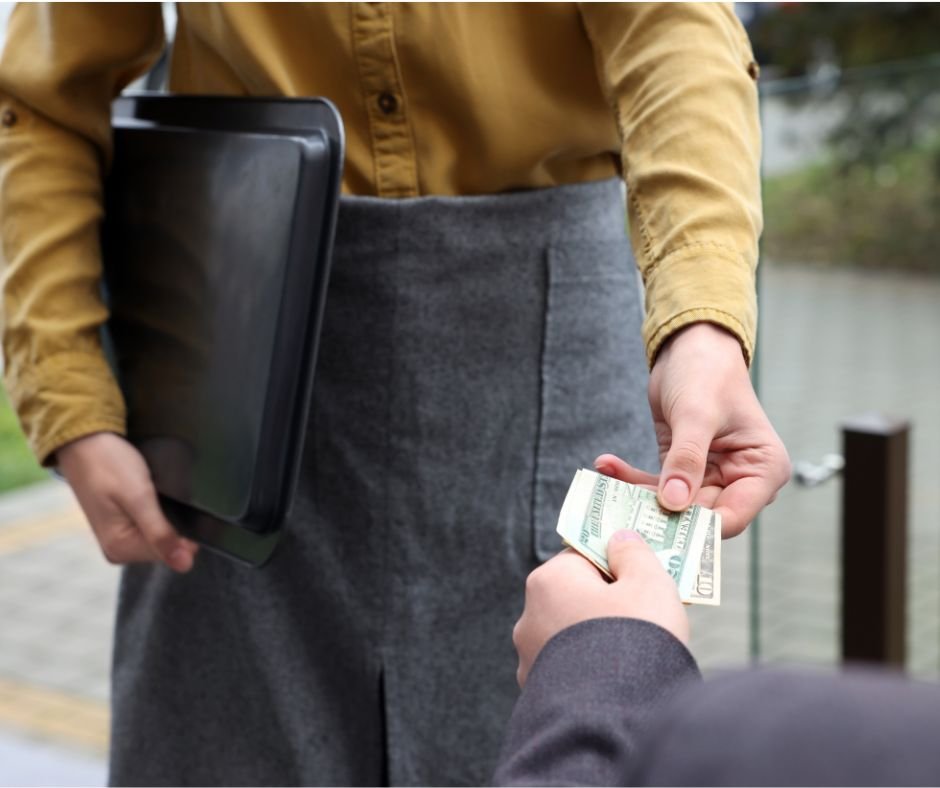
In most places in Tunisia, tipping is not mandatory, but if you choose to leave a tip, 5 to 10% is generally appreciated by waiters or the taxi driver.
Reas also : All You Need To Know About Tipping in Tunisia
Bargaining in Tunisia
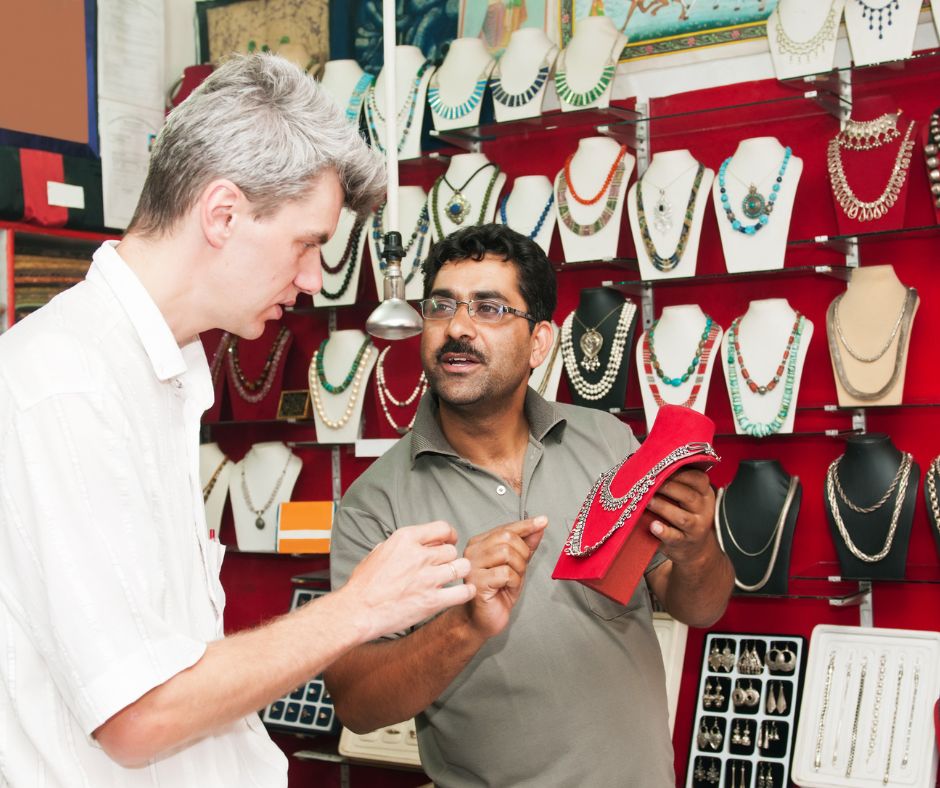
An important tip to remember when shopping in Tunisia is that if you enter a shop and don’t see a price list, expect to negotiate. The seller will likely not provide a direct price and may offer a higher price initially. Be prepared to bargain and lower the price they offer to get a better deal.
Public Transportation in Tunisia
In Tunisia, there are several transportation options available to help you get around. Here’s a quick overview :
Trains
Traveling by train is the slowest option for intercity travel. It's also important to note that trains can sometimes run late.
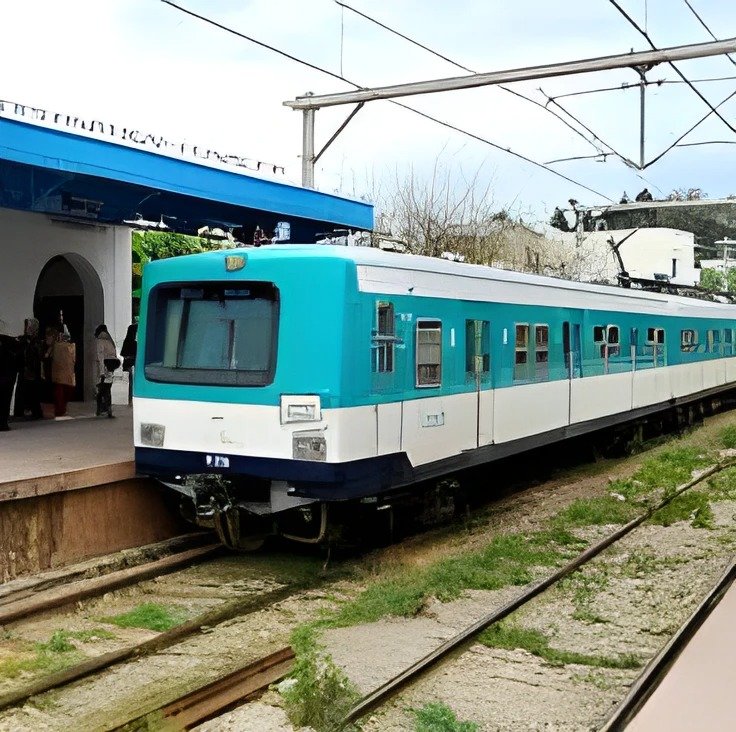
However, if you’re still interested in taking the train, you can head to Gare de Tunis (Tunis’ main train station) to purchase your tickets. Tickets aren’t available online, so be sure to buy them in person.
The prices are very affordable, with a ticket from Tunis to Sousse costing around $3. For train schedules, check out the company’s website for the most up-to-date information.
Buses
The bus around Tunis can be quite crowded, especially the public yellow buses. Timing can also be an issue, as buses may not always run on schedule.
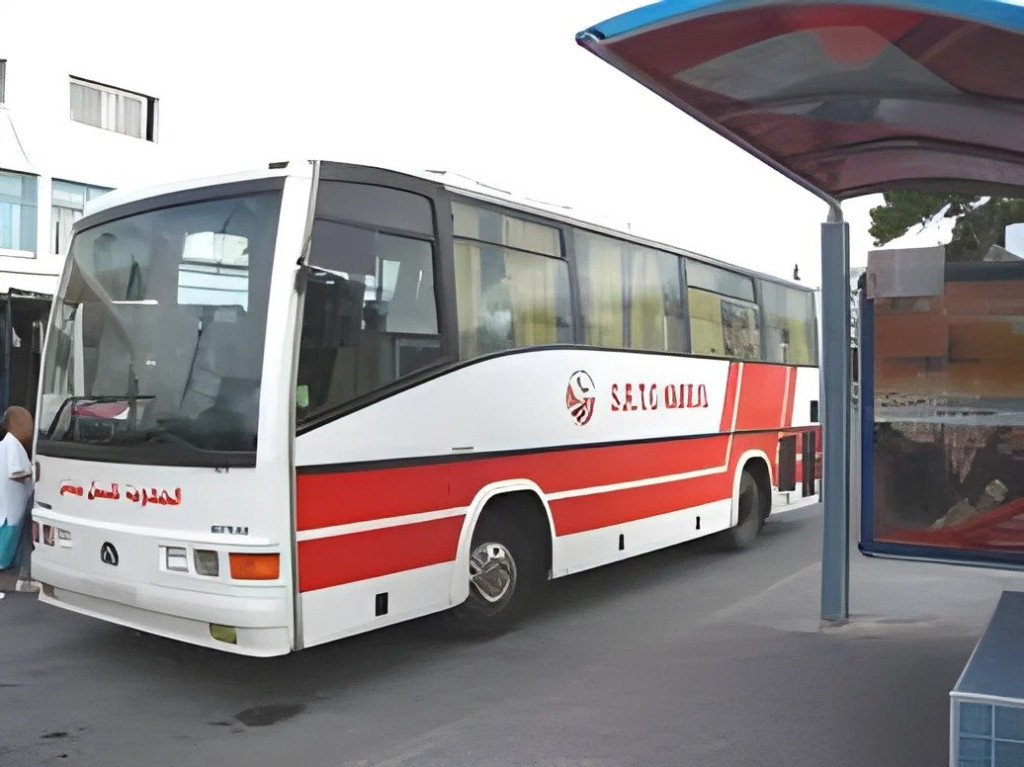
However, for travel to other regions, buses are a reliable and comfortable option, particularly for routes outside of Tunis. They tend to have better timing and the added benefit of reservations for your journey. The fares are affordable, with a Tunis to Nabeul bus ticket costing around $2.
Taxis
Taxis are available throughout Tunis, and you should be able to find one within a couple of minutes, especially in major cities like Tunis. When you get in, make sure the driver turns on the taxi meter. If the driver tries to give you a price in advance, it’s best to get out and find another taxi.

For a more modern option, there’s an app called Bolt, which works similarly to Uber. With this app, you can know the exact fare and the driver’s details upfront, although it might be slightly more expensive than a regular taxi.
Taxis operate on a meter in the cities of Tunis, Ben Arous, Ariana, and Mannouba. In other regions like Nabeul, taxis are typically found at designated taxi stands. The taxi leaves once all four seats are occupied, but you can negotiate with the driver if you'd like to go somewhere specific.
Shared taxi
you'll also find 8-seat vans that take passengers to a fixed destination once all 8 seats are filled. It's a cost-effective option if you're looking to travel around with others, but you'll need to wait until the van is full before it departs.
Louages
These are shared taxis, but unlike the yellow ones in Tunis, they are white and take you to various regions outside the capital. You can find the main louage station for these taxis in Tunis.
This is one of the fastest ways to travel to other parts of the country, and it's also affordable, with fares typically not exceeding $7 for the longest ride across Tunisia.
Read also: Louages Guide in Tunisia
Rental Car in Tunisia
Public transportation in Tunisia is a decent option, especially if you want to immerse yourself in the daily life of the country. However, it primarily operates within the city centers and won't take you to destinations outside the urban areas.
If you're looking for more freedom to explore small towns, rural area and venture off the beaten path, renting a car is a great choice. Consider renting a car with WildyNes partners, as they offer the convenience of delivering the car directly to you, so you don’t have to visit an agency to pick it up.
For more details, you can read our blog post about car rental in Tunisia.
Driving in Tunisia
Driving in Tunisia can be a bit challenging for non-locals, so it's important to be aware of a few things. Parking in the city is often difficult to find, and speed bumps are common on most roads. While driving, be prepared for some drivers who may not always use their turn signals, stick to their side of the road or not even respect traffic lights in some areas
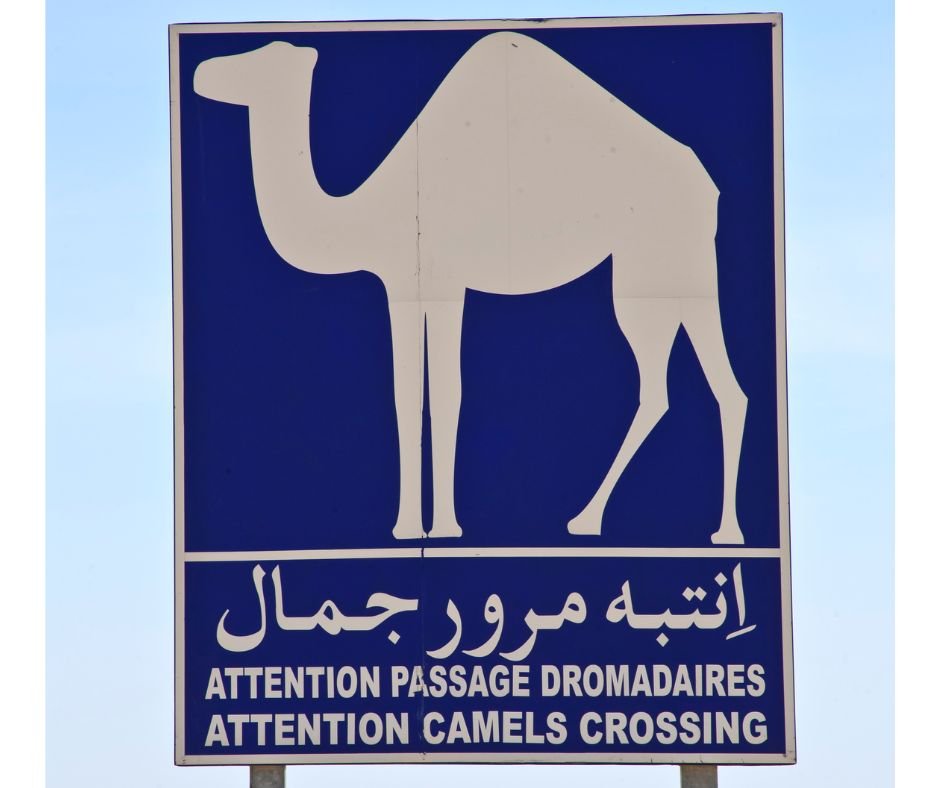
Additionally, it's essential to be mindful of speed limits and road signs. Understanding local traffic laws will help ensure a safer driving experience.
For more detailed information,, check out our blog about driving in Tunisia, that covers everything you need to know.
Religion in Tunisia
Tunisia is predominantly Muslim, and the country is dotted with mosques. As a result, you will hear the call to prayer five times a day, with the first one occurring around 4 or 5 a.m. Don't be alarmed if you wake up to the sound of Allah Akbar during your sleep. It's simply part of the daily rhythm of life.

Tunisia is home to the great mosque of Kairouan called Okba, the 4th holiest city in Islam, which is an important spiritual and historical center that you can explore with the WildyNess guided tour. While the majority of the population practices Islam, there is a small Christian minority and a number of non-practicing individuals throughout the country.
The island of Djerba is particularly well-known for its Jewish community and their historic synagogue, which attracts visitors from around the world
Ramadan in Tunisia
As you may know, Ramadan is a sacred month of fasting from dawn until sunset for Muslims, and it is a mandatory pillar of the religion. During this time, you can expect many cafés and restaurants to be closed during the day, and it's quite rare to see anyone eating or drinking in public.
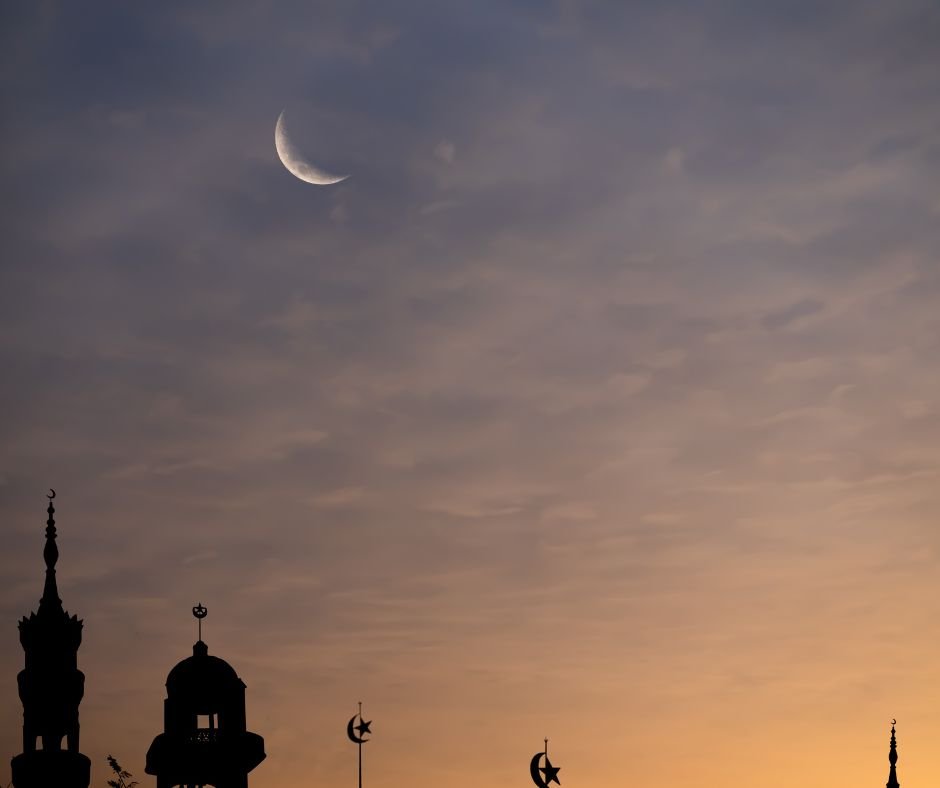
However, at nighttime. People head out to cafés, walk around town, and indulge in sweet treats like zlabia (fried dough soaked in syrup) and mkharek (a traditional pastry) and enjoy sandwiches at Beb Khadhra at 3 am unlike the usual quite nights
It's important to note that alcohol is prohibited during Ramadan. Bars remain closed, and you won’t find beer or alcoholic beverages in supermarkets. If you’re visiting during this time, be mindful of these changes.
For additional information, you can read our blog about Tunisia during Ramadan.
Language in Tunisia
The official language spoken in Tunisia is Tunisian Darija, a dialect derived from Arabic. While you’ll hear this language most often, here are a few common words to help you get by
Aychek = Thank you
Aslema = Hello
Eb kadech = How much
You’ll likely pick up more as you interact with locals. In addition to Darija, many Tunisians, especially those over 30 years old, also speak French, as the country was a French protectorate until 1956. French is still widely understood, particularly in urban areas. Younger generations, however, tend to speak English more fluently, as they are influenced by global media, movies, video games, and internet content.
Clothing in Tunisia
Tunisia is one of the most liberal countries in the Muslim world when it comes to clothing unlike the Middle East, so there are no strict rules to follow. Hijab is not mandatory, and you’ll see a mix of women both wearing it and not. In fact, during the summer, it's common to see women wearing tank tops, shorts, and even bikinis at the beach.
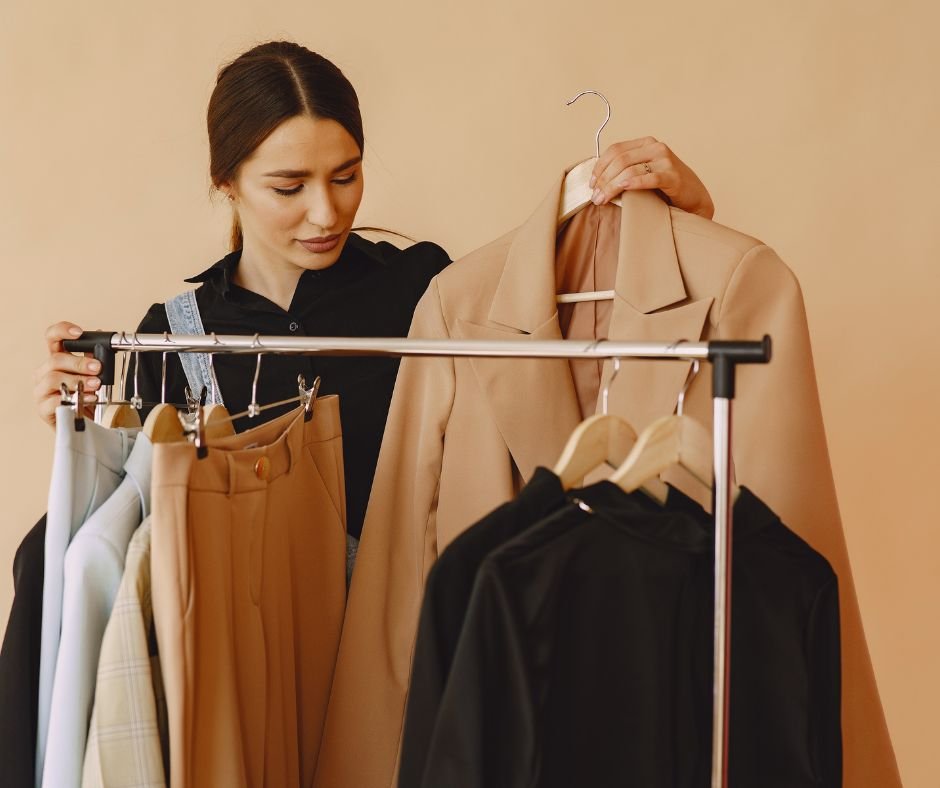
However, it's recommended to dress modestly in more conservative areas, such as the city center or when visiting religious monuments.
Read also: What to Pack & Wear in Tunisia
Greetings in Tunisia
As mentioned earlier, Aslema means hello in Tunisia, and it’s a great word to remember to help you connect with locals.
In addition to saying hello, handshakes are common.
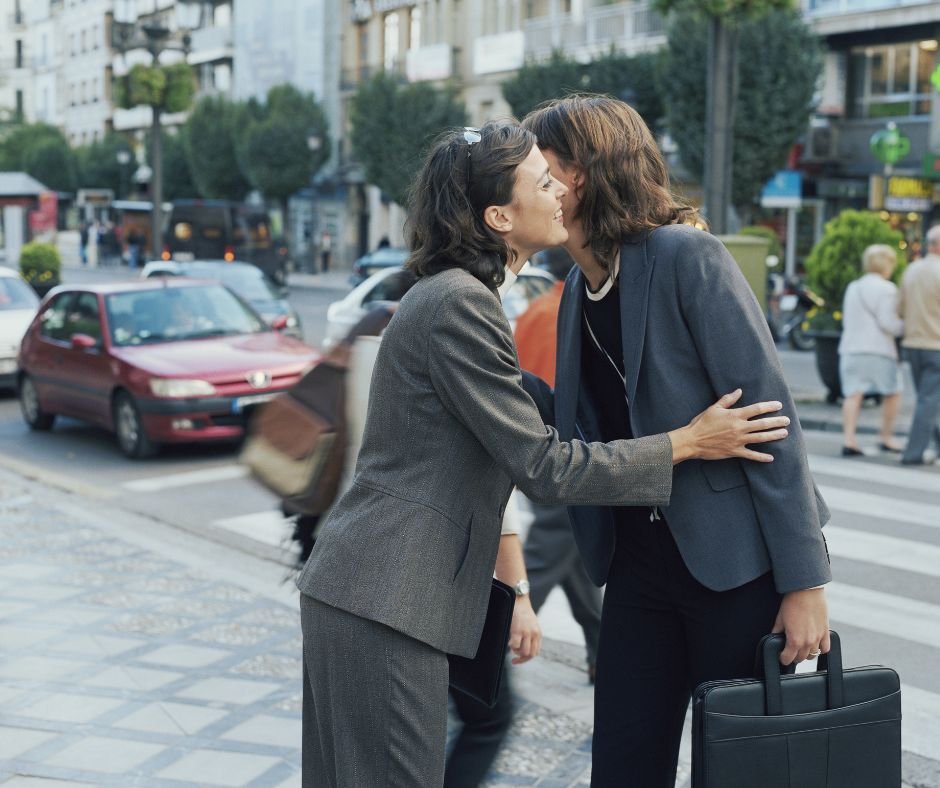
It’s also very normal to exchange kisses on the cheek or hugs as a way to greet each other among close friends and family.
Photography in Tunisia
Photographing police officers, military personnel, or any security-related sites is strictly illegal and can lead to serious consequences. To avoid any issues, be mindful of your surroundings and respect local regulations when using your camera or phone.
You should know that it's a good idea to ask for permission before taking pictures of people, especially in rural areas to show respect and avoid conflicts.
Nightlife in Tunisia
Nightlife in Tunisia is active and vibrant, especially in cities like Tunis Gammarth, Sousse, Hammamet, and Djerba, where you’ll find a variety of clubs, bars, and beach parties. However, during Ramadan, nightlife is significantly reduced as many venues close or limit their operations.
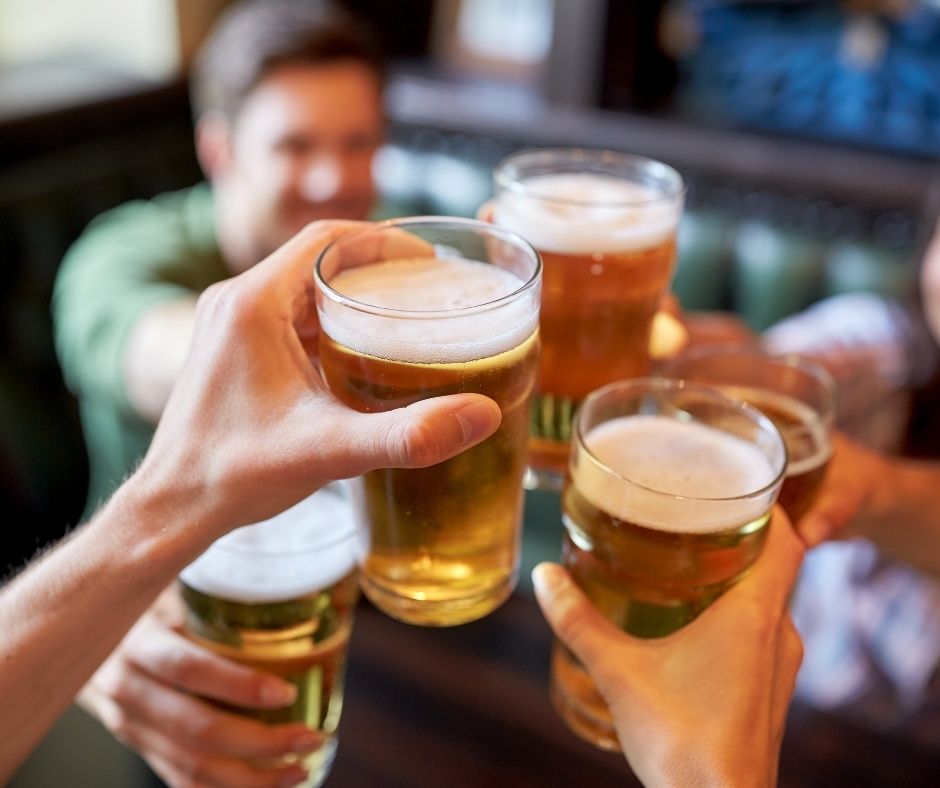
It’s important to note that drinking outside designated areas such as bars, restaurants, hotels, or your own private home is illegal and punishable by law. Driving under the influence is also strictly prohibited.
For safety, it’s best to avoid walking alone at night, especially in unfamiliar or less crowded areas.
Food in Tunisia
Tunisian cuisine is a must-try for visitors, and one of the most popular dishes is couscous.
Street food is also very popular and has a special taste you can only find in Tunisia. Most popular meals are
- Fricasse – Fried bread filled with tuna, olives, boiled egg, and harissa (0.3 dollar)
- Lablabi – A warm chickpea soup spilled on little pieces of bread with an egg and some spices alongside (2 to 3 dollars)
- Kafteji – A mix of fried vegetables, eggs, and spices, usually served with bread or as a sandwich (2 to 3 dollars)
- Brik – deep-fried until crispy thin sheet of malsouka (Tunisian phyllo dough) wrapped around a mixture of egg, tuna, parsley, capers, and sometimes potatoes or harissa for a spicy kick.
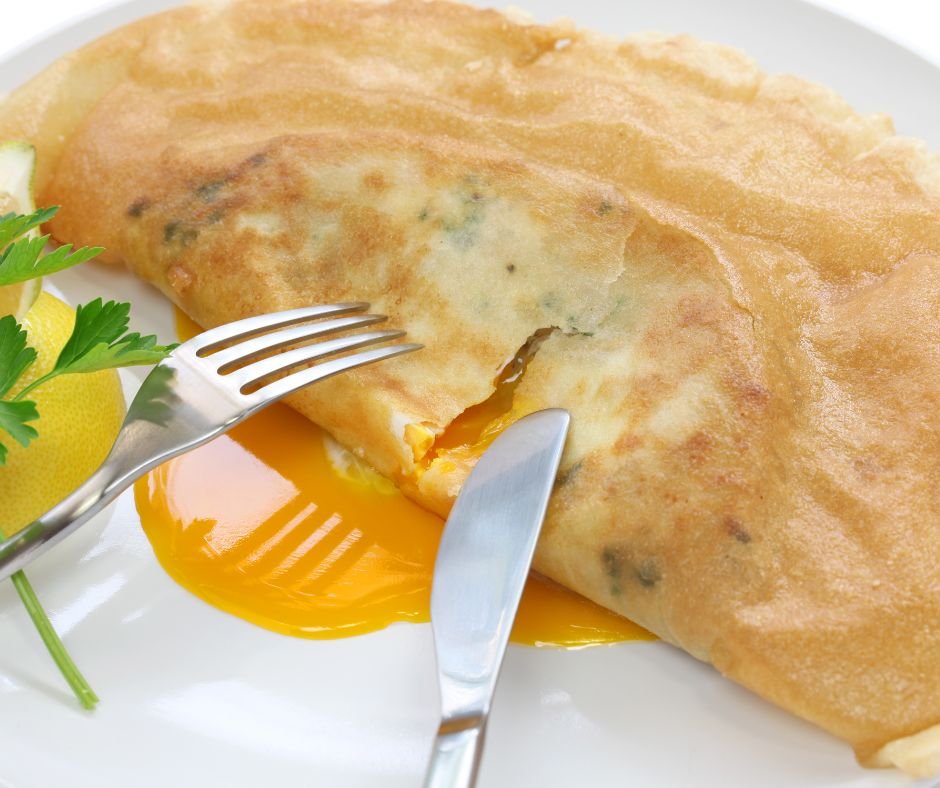
Many Tunisian dishes are spicy, especially street food sandwiches. If you prefer milder flavors, make sure to ask for 'sans harissa' (without harissa) when ordering or just tell the guide if you prefer a street food tour in Tunis Medina.
Drinkable Water in Tunisia
It’s not preferable to drink tap water due to its bad taste. Instead, you can get yourself bottled water. It’s cheap (less than 0.3 dollars for a 2-litter bottle) and available everywhere.
Alcohol in Tunisia
Alcohol consumption is common in Tunisia and legally served in bars, restaurants, hotels, but drinking in public places, like streets, is strictly prohibited by Tunisian authorities.
Prices vary depending on the location, but even in the most expensive venues, a beer typically costs no more than $3.
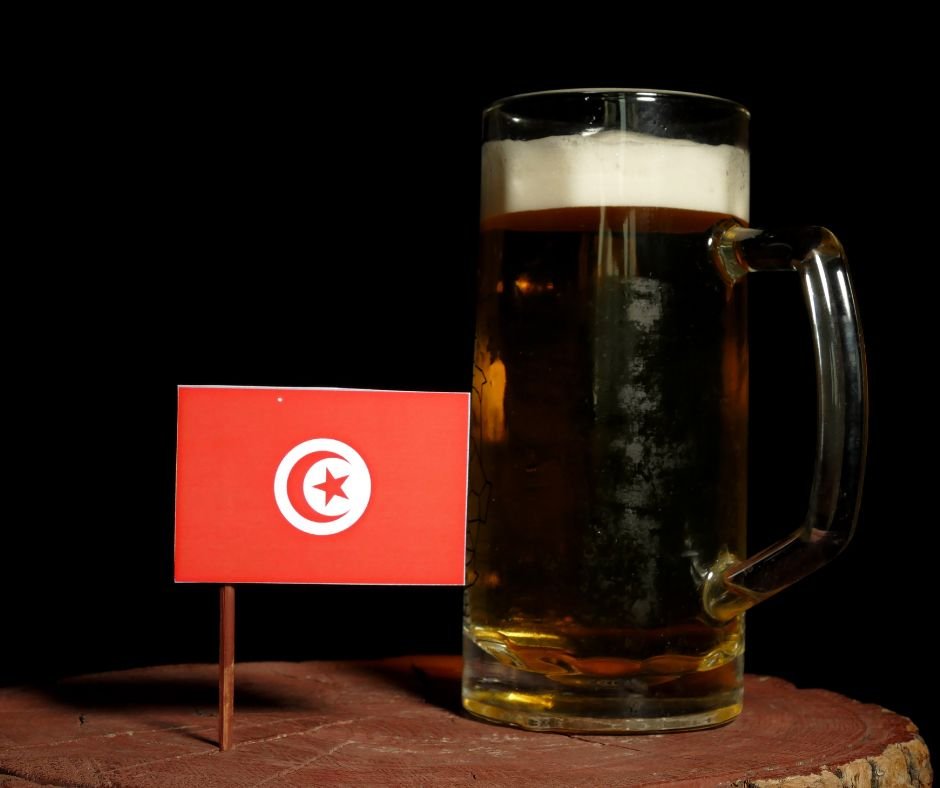
During Ramadan, alcohol sales are restricted. Shops and supermarkets are not allowed to sell until three days after the holy month of Ramadan ends.
So you should consider stocking up before Ramadan starts and drink in the comfort of your own house or go to one of the few hotels that serve alcohol to tourists.
Star Wars Filming Locations in Tunisia
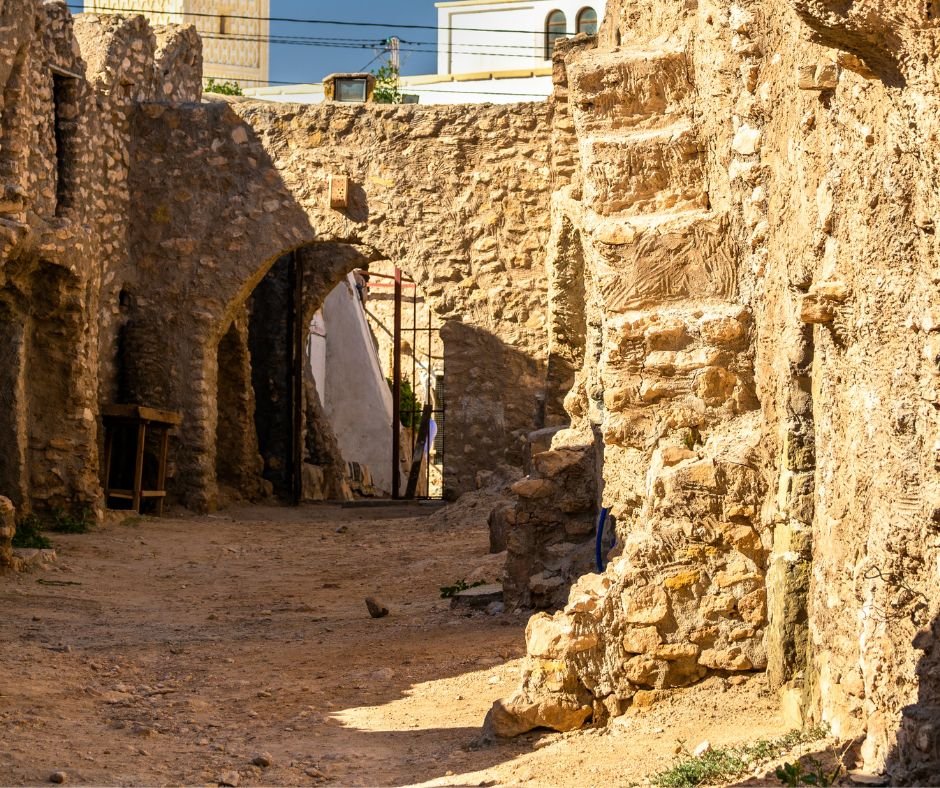
The planet Tatooine is named after the Tunisian town of Tataouine. The movie scenes were shot in Matmata, Ong Jemel, and Tozeur and many of these sets, including the iconic Lars Homestead and Mos Espa marketplace, are still standing and open to visitors. These locations are easily accessible through guided tours or self-driven trips, and they are considered a very popular tourist destination.
If this sounds like one of the major reasons to visit Tunisia to you, consider checking out this full 8-day itinerary that takes you from the north of Tunisia to star wars sites, djerba and more.
Beaches in Tunisia
Tunisia is known for its stunning sandy beaches stretching along the coastal towns from Bizerte in the north to Djerba in the south.
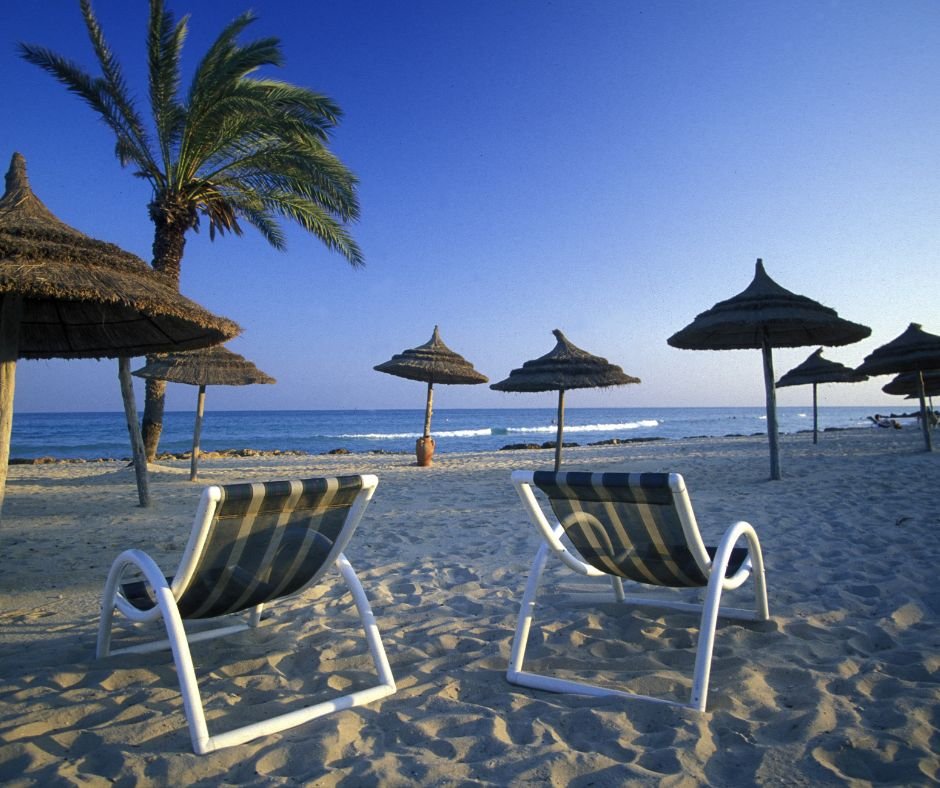
Some of the most popular and best beach destinations include Mahdia, Hergla, Bizerte, Djerba, and Nabeul. Many of these beaches have water activities like paddle boarding and scuba diving, you should consider if you have that adventurous spirit.

Sahara in Tunisia
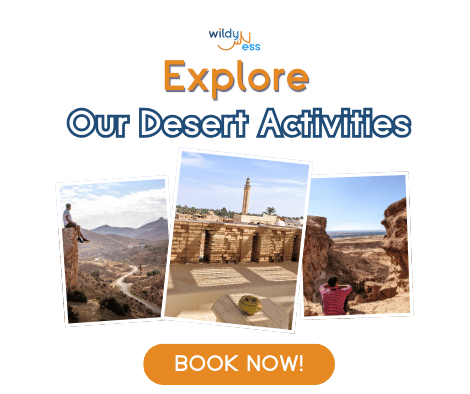
If you’re planning a trip to Tunisia, the Sahara is an absolute must-visit.
Whether it’s camping under the stars, riding camels across the dunes, or exploring ancient Berber villages, the Sahara offers some of the most authentic and breathtaking experiences the country has to offer.
Consider planning your tour with WildyNess to make the most out of the experience.
Roman Ruins in Tunisia
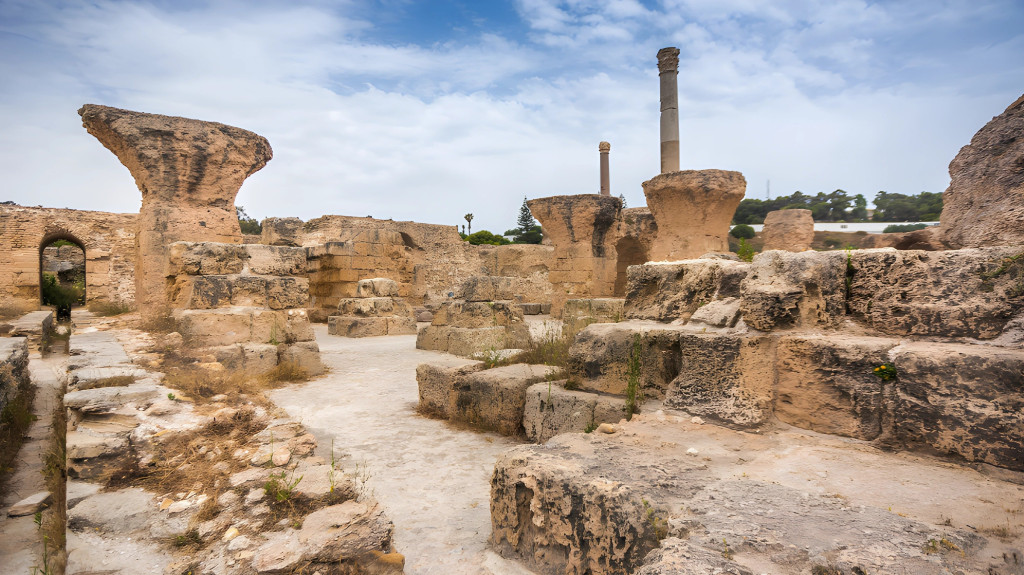
No trip to Tunisia is complete without exploring its incredible Roman ruins, and Carthage stands out as one of the most fascinating sites. Walking through the ancient remains, you’ll feel transported back in time, especially with a knowledgeable local guide by your side in a walking tour. Their stories bring history to life, revealing the secrets of a civilization that once thrived here.
Kerkennah in Tunisia
Located off the coast of Sfax, Life here moves at a slow pace, with quiet beaches and traditional fishing villages. One of the unique experiences is witnessing the traditional fishing technique called charfia, a centuries-old method still used by local fishermen that you can try alongside locals with WildyNess.
You can read all about it in our blog about Kerkennah islands.

Traditional Hammams in Tunisia
One of the most immersive cultural experiences you can have in Tunisia is visiting a traditional hammam. These communal bathhouses offer a unique and authentic way to relax, cleanse, and even socialize. Far from the modern spa experience, yet just as rejuvenating.
Upon arrival, you'll store your clothes in a locker and change into shorts. Get your own bucket from the counter before stepping into the "Bit Skhoun", the hottest room in the hammam, which feels like a steamy sauna. The heat helps open your pores and prepare your body for the next step.
This is where the "Tayyeb" comes in, a skilled professional who will scrub you using a kassah,which you should bring and it’s a rough glove that removes dead skin, leaving you feeling refreshed. Afterward, you’ll move to a private shower to rinse off and complete your bathing ritual.
Before leaving, take a moment to enjoy a cold local gazouza (a Tunisian soft drink) in the locker area, .it's a simple but satisfying tradition. Keep in mind that men and women have separate hours at the hammam. Generally, men visit early in the morning or at night, while women have their sessions during the day.
For additional information, you can read our blog about hammams in Tunisia.
Why Tunisia Should Be on Your Travel List
Tunisia is a hidden gem that deserves a spot on every traveler's itinerary. Unlike other tourist-heavy destinations, it offers a more authentic and relaxed experience without the overwhelming crowds or overpriced attractions.
The warmth of the Tunisian people, combined with the country’s rich history, diverse landscapes, and vibrant culture, makes it the unforgettable best place to visit.
Everything is within reach thanks to Tunisia’s compact size. It’s a destination full of charm and adventure, and with its rising appeal, now is the perfect time to explore it before it becomes the next must-visit spot on the Mediterranean map.
Email us to plan and create together your fully personalized Tunisia itinerary, all while keeping in mind your own preferences and budget to make the most out of it.
Ps: You can also email us with any question you have got in mind about travelling to Tunisia, and we will be more than happy to respond to you quickly.
| Email WildyNess to plan your Tunisia Itinerary |
See you soon!


