
Waking up on a Thursday morning in Algiers with a wide-open weekend ahead can feel surprisingly overwhelming when you realize just how much history and landscape sits within your reach.
That is why our team at WildyNess created this guide to help you navigate the logistics and cultural nuances of a short but high-reward stay in the heart of the Maghreb.
Strategic Logistics and Arrival Essentials
Selecting the Best Neighborhood for Your Base
For the traveler who wants to be in the heart of the action, the downtown area near the Grande Poste is an excellent choice. This central hub puts you within walking distance of grand boulevards and provides immediate access to the metro system.
You will find a high concentration of cafes and restaurants here, making it easy to find a meal at any hour. This location is ideal for those who want to be surrounded by the daily pulse of the city while maintaining easy access to public transport.
If you prefer a more historic atmosphere, the area surrounding the Casbah offers a different experience where the sounds of the modern city fade into the quiet echoes of stone alleys.
While car access can be difficult in this district, the advantage is being able to explore the UNESCO World Heritage site in the early morning before the daytime heat and crowds arrive. For a more local and energetic vibe, Bab El Oued provides an authentic slice of Algiers life with easy access to the waterfront and affordable street food.
Moving Around the Capital with Efficiency
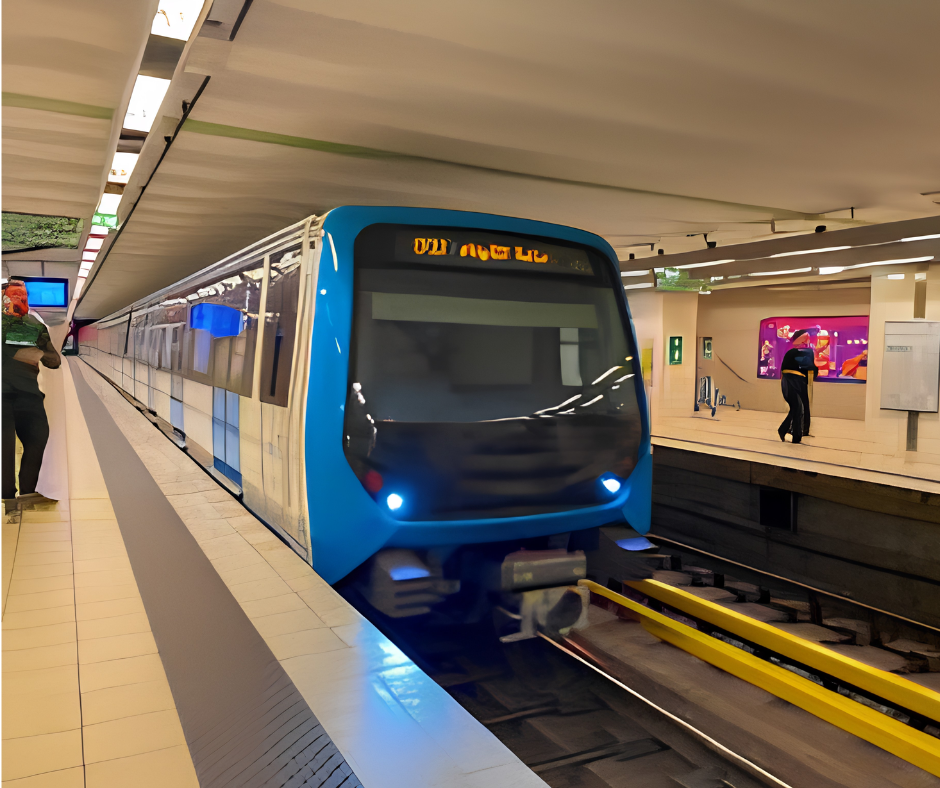
Transportation in Algiers is a blend of traditional methods and modern technology. The Algiers Metro is one of the cleanest and most efficient systems on the continent, providing a fast link between the city center and the eastern districts.
It is particularly useful for visiting sites like the Jardin d’Essai because the station is located directly at the entrance of the park. Tickets are affordable and can be purchased at kiosks in every station, which helps you avoid the legendary street-level traffic.
When the metro does not reach your destination, ride-hailing apps like Yassir are your best alternative. These services function similarly to international apps and provide transparent pricing that eliminates the need for negotiation.
If you choose to flag a traditional taxi on the street, it is essential to agree on the fare with the driver before you begin the trip. For those looking for a unique view of the city, the cable cars or telepheriques offer a functional and scenic way to climb the city’s steep hills.
Exploring the Soul of Algiers in the Casbah
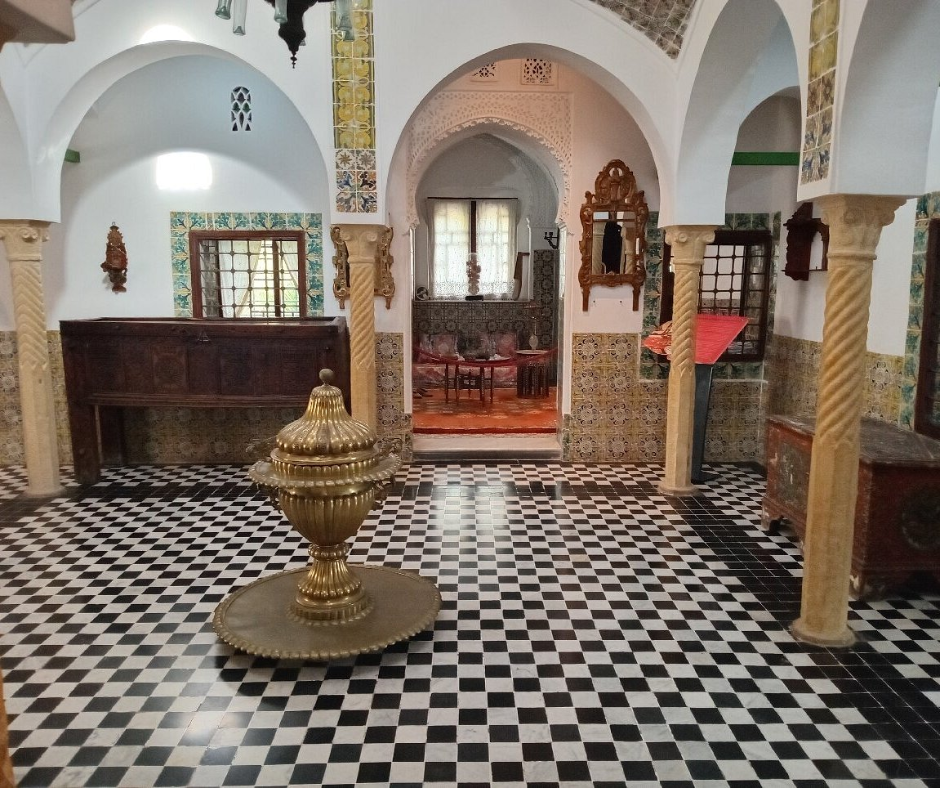
The Casbah of Algiers is a living museum and the historical heart of the nation. It is a dense labyrinth of houses and palaces that climb the hillside in a white-washed cascade toward the Mediterranean. Walking through these streets feels like traveling back to the Ottoman era, as the layout remains largely unchanged from centuries ago.
Navigating the Ottoman Labyrinth
We suggest starting your exploration at the top of the Casbah near the old citadel and walking downward toward the sea. The alleys were originally designed to be narrow and winding to provide shade during the hot summer months and to confuse potential invaders. It is easy to lose your way, but this is often where the most interesting discoveries are made.
You will encounter small workshops where craftsmen still produce traditional leather and copper goods using techniques passed down through generations.
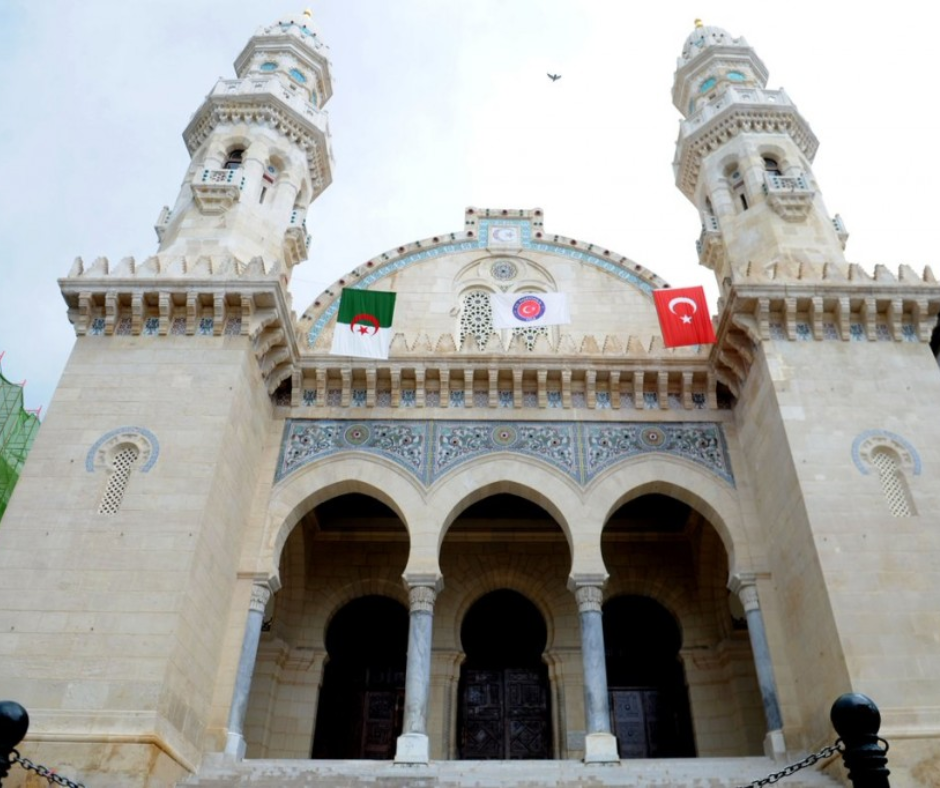
Within the Casbah, the Ketchaoua Mosque stands as a primary example of the city’s complex history. Its architecture is a mix of Byzantine and Moorish styles, reflecting the different empires that have claimed Algiers over the centuries.
Another significant site is the Palace of the Dey, which served as the seat of government during the Ottoman Regency. It is important to dress modestly when visiting this area out of respect for the local community that still calls these ancient houses home.
Practical Tips for a Respectful Walkthrough
Respecting local norms is the fastest way to build rapport with the people you meet in the Casbah. Taking the time to learn basic greetings such as "Salam Alaykum" will open doors and often lead to better service and genuine smiles.
Remember that Friday is a holy day, so some shops and historical sites might have shorter hours or close during mid-day prayers. If you find a doorway open to a private courtyard, it is polite to ask before taking a photograph, as these are private residences.
Architectural Grandeur of the Colonial District
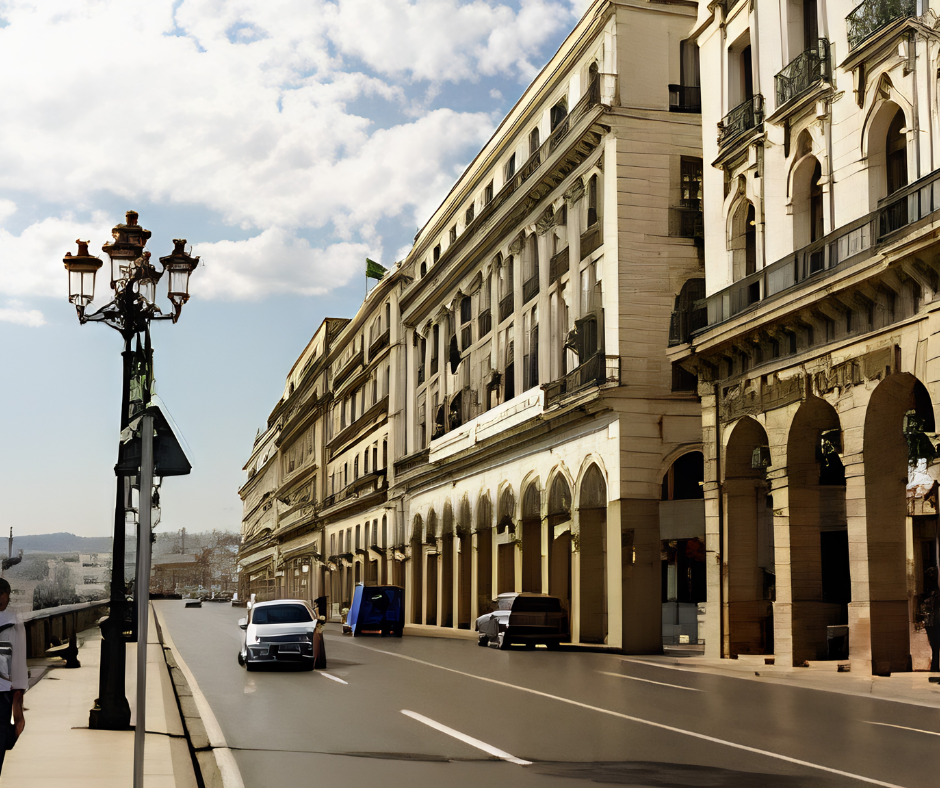
The lower part of the city is characterized by the grand architecture of the late nineteenth and early twentieth centuries. This district features wide boulevards and white buildings with ornate balconies that were designed in a style similar to the major cities of Europe.
The Grande Poste and Civic Landmarks
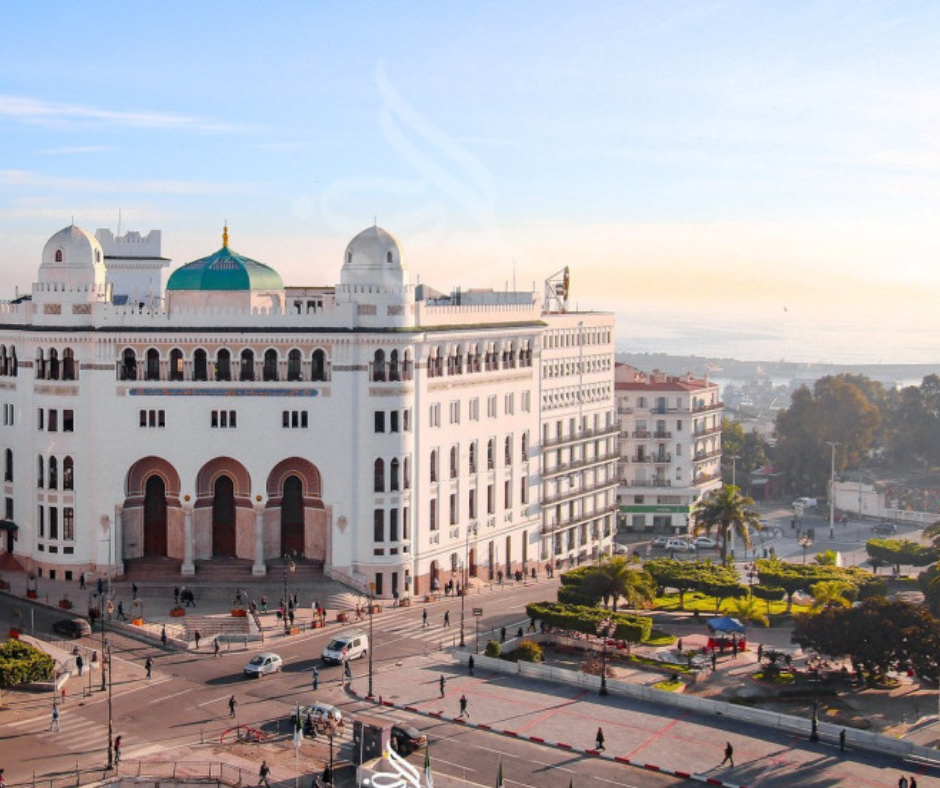
The Grande Poste is the centerpiece of the colonial district and serves as a magnificent example of Neo-Moorish design. This style was a deliberate attempt by architects to incorporate North African decorative elements into European building structures.
You should take a moment to look at the intricate tilework and the massive arched windows that define the facade. This area is also home to several important administrative buildings and the National Library, all of which contribute to the formal atmosphere of the downtown core.
A short walk from the center will lead you to the Bardo National Museum of Prehistory and Ethnography. This museum is housed in a beautiful Moorish villa and offers a quiet escape from the city streets.
The collection includes fossils and artifacts that tell the story of early human life in the Sahara and the Maghreb. It is a perfect Saturday morning activity for those who want to understand the deep roots of the region before continuing their modern urban exploration.
The White Facades of the Waterfront
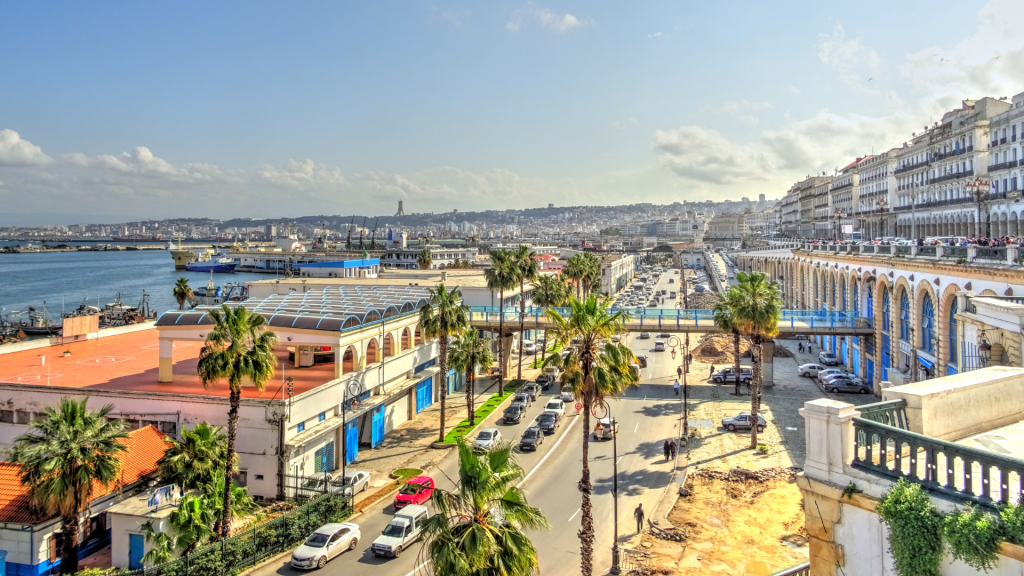
Walking along the Boulevard Che Guevara offers expansive views of the harbor and the Mediterranean Sea. This promenade is a favorite spot for locals to walk in the late afternoon, especially during the hour before sunset. You will see people of all ages enjoying the sea breeze and the cooling temperatures.
The cafes lining the seafront are perfect for people-watching while you enjoy a coffee or a fresh fruit juice. This part of the city feels expansive and open, providing a sharp contrast to the tight and vertical energy of the Casbah just a few blocks away.
Another architectural highlight is the Museum of Fine Arts, located near the Hamma district. It houses one of the most important collections of art in North Africa and the Middle East.
Even if you are not an art enthusiast, the building itself and the terrace views over the botanical gardens are worth the visit. The museum represents the cultural ambition of the city and provides a sophisticated lens through which to view Algerian history.
Escaping to Ancient Tipaza on a Day Trip
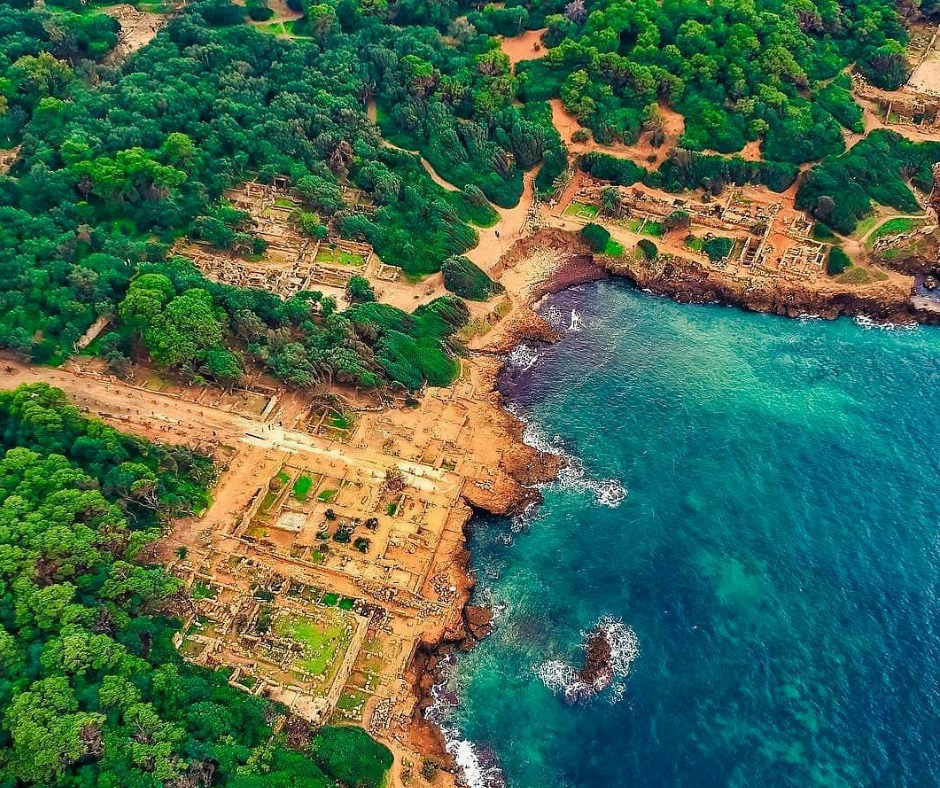
If you have a full day to spare during your weekend, a trip to Tipaza is the best way to experience the Roman heritage of North Africa. Located about seventy kilometers west of Algiers, this archaeological site is unique because the ruins sit directly on the Mediterranean shore.
Organizing Your Coastal Transport
The most efficient way to reach Tipaza for a day trip is by hiring a private driver for the day or taking an intercity taxi. This allows you to set your own schedule and stop at various viewpoints along the coastal road.
Most drivers are happy to wait for you while you explore the ruins and have lunch at one of the seafood restaurants near the small harbor. The local fish is exceptionally fresh and usually grilled simply with lemon and olive oil, providing a perfect Mediterranean meal.
Plan to leave Algiers early in the morning to avoid the heaviest traffic and return by late afternoon. This timing ensures you have enough light to see the ruins and still get back to the city in time for dinner.
Bring a hat and sunscreen because the site is mostly outdoors and the sun can be quite strong even in the cooler months. If you are interested in a more structured experience, a local guide can explain the deep history of each structure you encounter within the park.
Exploring the Roman Ruins and Royal Mausoleum
The archaeological park at Tipaza allows you to walk through the remains of a once-flourishing Roman colony. You can see the foundations of villas, a theater, and several early Christian basilicas.
One of the most interesting features is the collection of sarcophagi and carved stones that are scattered throughout the site, providing a tangible link to the people who lived here nearly two thousand years ago. The combination of ancient stone and turquoise water creates a landscape that is rare to find elsewhere.
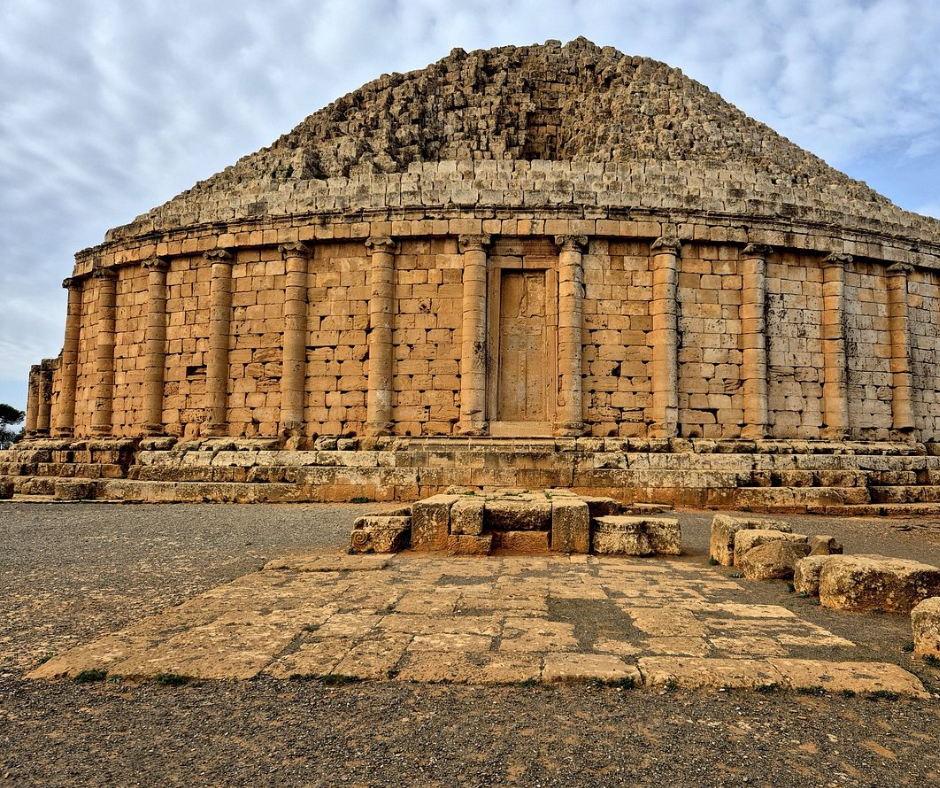
A short drive from the main ruins leads you to the Royal Mausoleum of Mauretania, often called Kbor er Roumia. This massive circular stone structure is the burial place of Juba II and Cleopatra Selene II.
It stands on a high ridge overlooking the Mitidja Plain and the sea, offering one of the most significant historical panoramas in the region. The mystery surrounding its construction and the sheer scale of the tomb make it a perfect addition to your Tipaza itinerary.
Savoring the Culinary Diversity of the North
Food is a central pillar of Algerian hospitality, and a weekend stay offers just enough time to sample the most iconic dishes. The local cuisine is a blend of Berber traditions and Mediterranean flavors, with a focus on fresh ingredients and aromatic spices.
Street Food Staples and Quick Bites
One of the most popular street foods in Algiers is Garantita, which is a savory chickpea flour flan typically served hot in a piece of fresh baguette. It is an affordable and satisfying meal that you can find at small stalls throughout the city.
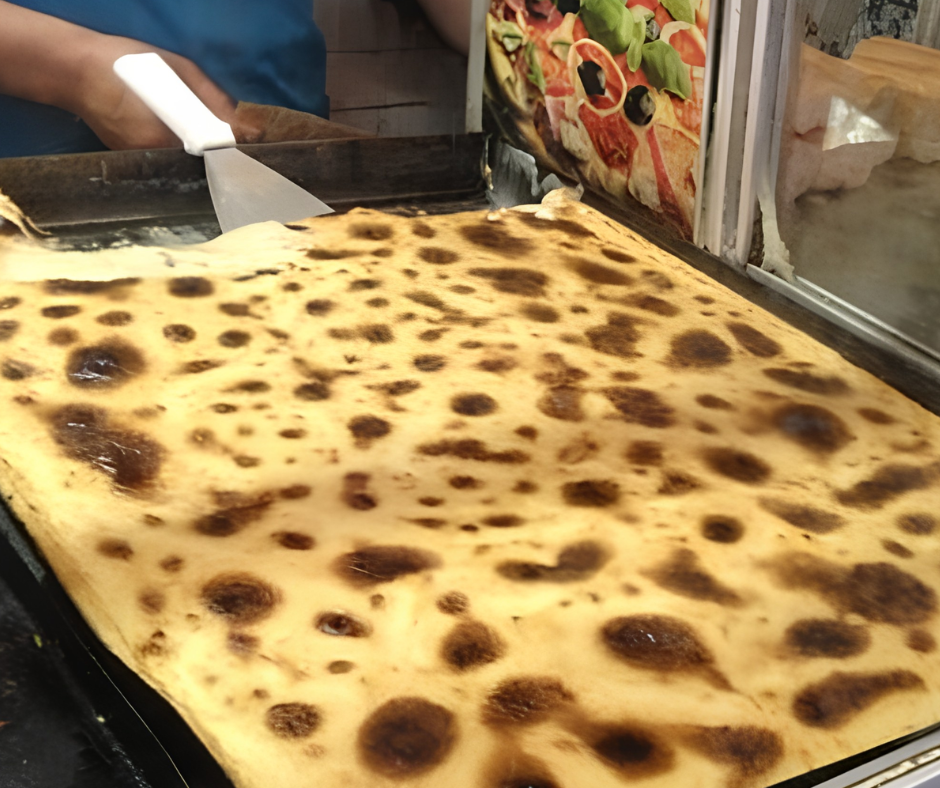
You should also look for Mhajeb, which are thin crepes stuffed with a spicy mixture of tomatoes and onions. These are often made to order on large hot griddles and are best eaten while they are still warm and crispy.
For a unique midday snack, try Maakouda, which are fried potato cakes seasoned with garlic and herbs. These are often sold in the markets of Bab El Oued or the Casbah and make for a perfect fuel source while you are on the move.
If you are near the seafront, look for vendors selling grilled sardines or small fried fish. The proximity to the Mediterranean ensures that seafood is a staple of the local diet and is always prepared with minimal fuss to let the flavor of the fish shine.
Traditional Sit-Down Dining Experiences
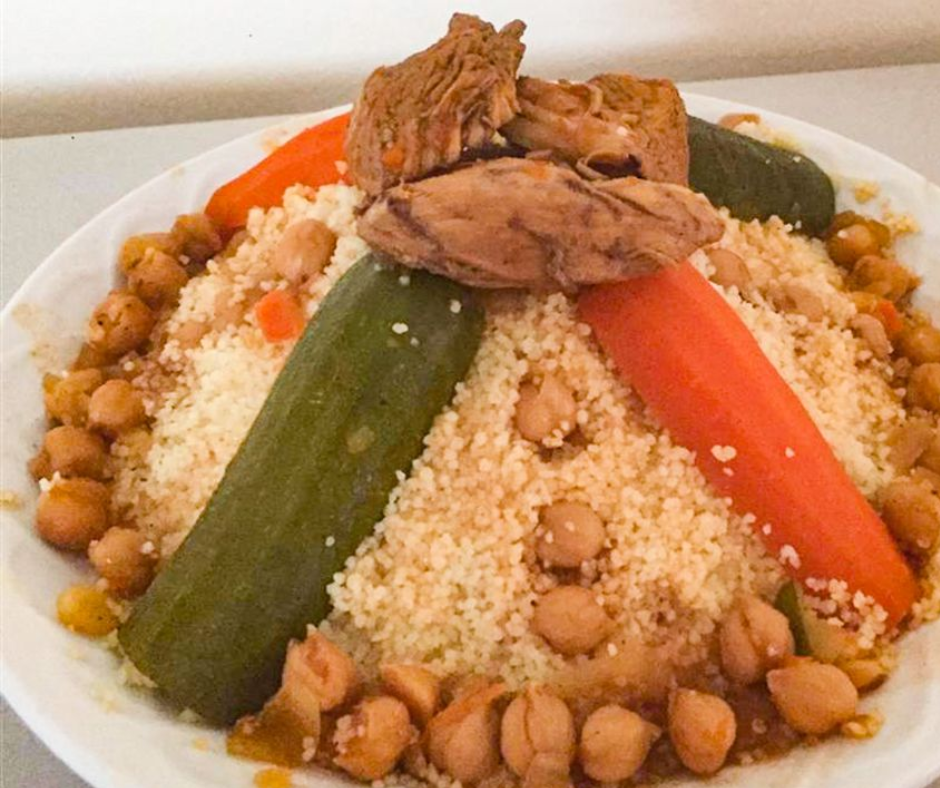
For a more formal meal, you must try a traditional Algerian couscous, which is often served with a variety of vegetables and lamb or chicken. Every household and restaurant has its own version of the sauce, which can range from a light clear broth to a rich red tomato-based stew.
After your meal, the social ritual of mint tea is an essential experience. The tea is often poured from a height to create a layer of foam and is usually served very sweet with fresh mint leaves.
Another iconic dish is Chakchouka, which is a hearty stew of peppers, tomatoes, and onions topped with poached eggs. It is a versatile dish that can be eaten for breakfast, lunch, or dinner and is always served with plenty of fresh bread for dipping.
For dessert, look for Baklawa or Kalb el Louz, which is a semolina cake soaked in honey and flavored with orange blossom water. These sweets are the perfect way to end a day of exploration.
Landmarks of Memory and Nature
To see the full scope of Algiers, you must visit the landmarks that define the modern identity of the city. These sites offer a look at the national history and the natural beauty of the northern coast.
The Symbolism of the Martyrs' Memorial
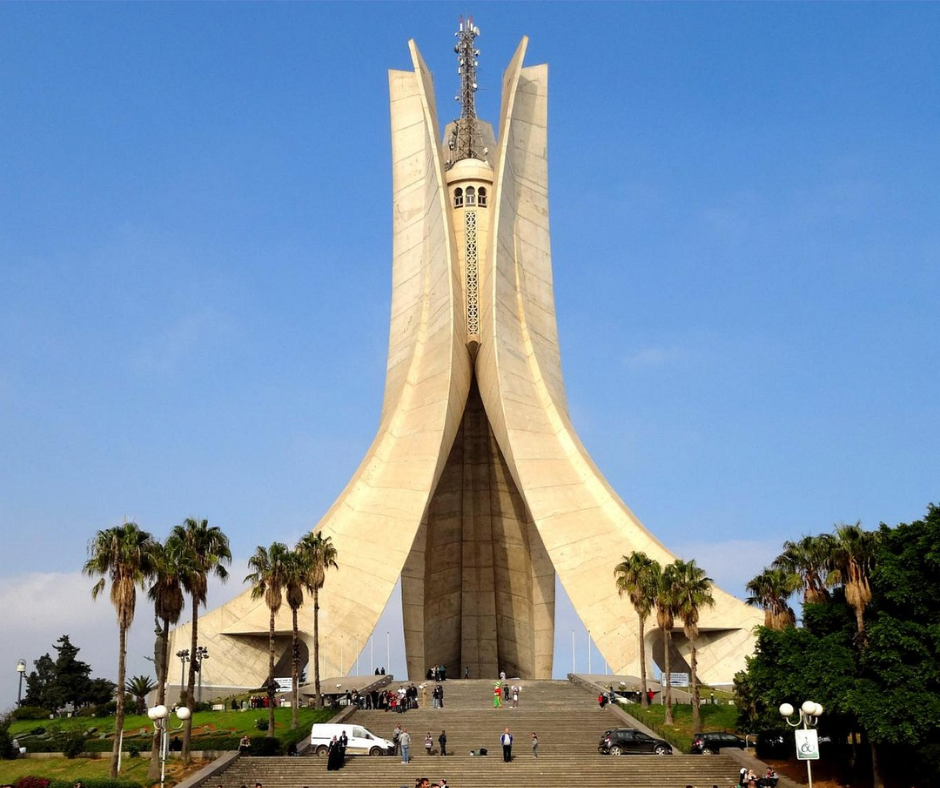
The Maqam Echahid, or Martyrs' Memorial, sits high above the city and is visible from almost every district. This massive concrete monument was built to honor those who fought for Algerian independence and consists of three stylized palm fronds that protect an eternal flame.
The plaza surrounding the memorial provides an expansive view of the Algiers bay and the port. It is a place of deep national pride and a great location for understanding the contemporary history of the country.
Beneath the monument lies the Museum of the Mujahid, which provides a detailed look at the struggle for independence. The exhibits include photographs, documents, and artifacts from the revolutionary period.
Even if you only have a short time, the museum offers vital context for the resilience and spirit of the Algerian people. The atmosphere around the memorial is often lively with families and visitors, making it a social hub as much as a historical one.
The Botanical Riches of Jardin d’Essai
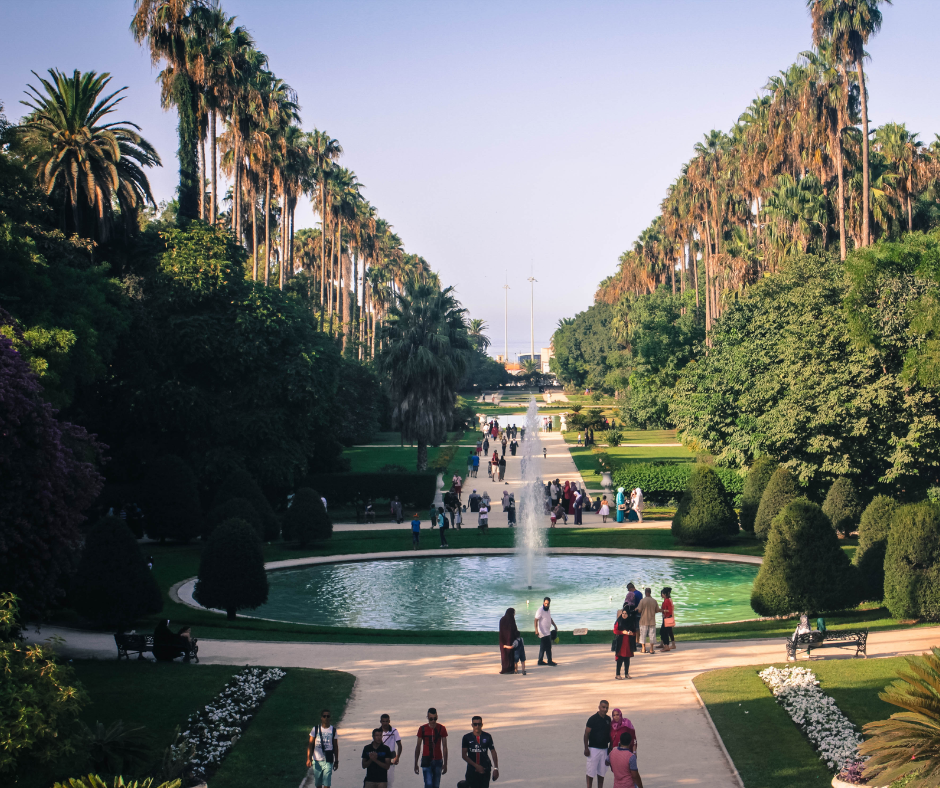
Located at the foot of the hill below the memorial is the Jardin d’Essai du Hamma, a botanical garden established in 1832. It is home to more than twelve hundred species of plants and features both French-style and English-style gardens.
The towering palm trees and shaded paths make it a favorite retreat for locals seeking a break from the urban environment. It is an ideal spot to spend a slow afternoon reflecting on your journey before the weekend concludes.
The garden is easily accessible by metro, with a station located right at the entrance. You can wander through the bamboo forests or sit by the fountains and enjoy the peaceful atmosphere.
It is one of the oldest and most beautiful botanical gardens in the world, and its presence in the heart of the city is a testament to the diverse landscape of Algeria. Taking a few hours here allows you to see a different, more serene side of the capital.