
Finding the right balance between the futuristic skylines and the deep-rooted traditions of the Emirates can feel like a logistical puzzle.
That is why our team at WildyNess created this guide to help you navigate the best UAE cultural tours with confidence and ease.
Navigating the UAE Cultural Landscape
Before you book your first tour, it is helpful to understand that the United Arab Emirates is not a monolith. Each emirate offers a distinct flavor of heritage. Abu Dhabi represents the grand scale of statecraft and faith, while Dubai provides a fast-paced look at trade and maritime history. Sharjah acts as the intellectual heart of the country with its dense concentration of museums, and Al Ain offers a window into the ancient agricultural roots of the region.
When you understand the cultural fabric, you move differently through these spaces. You will know when to dress more conservatively and how to interact in a way that earns respect from the people you meet. We suggest planning your itinerary around these regional strengths rather than trying to see everything in one go. Modern sites show you how the UAE thinks about the future, while historical sites explain why hospitality and privacy remain the cornerstone of local life.
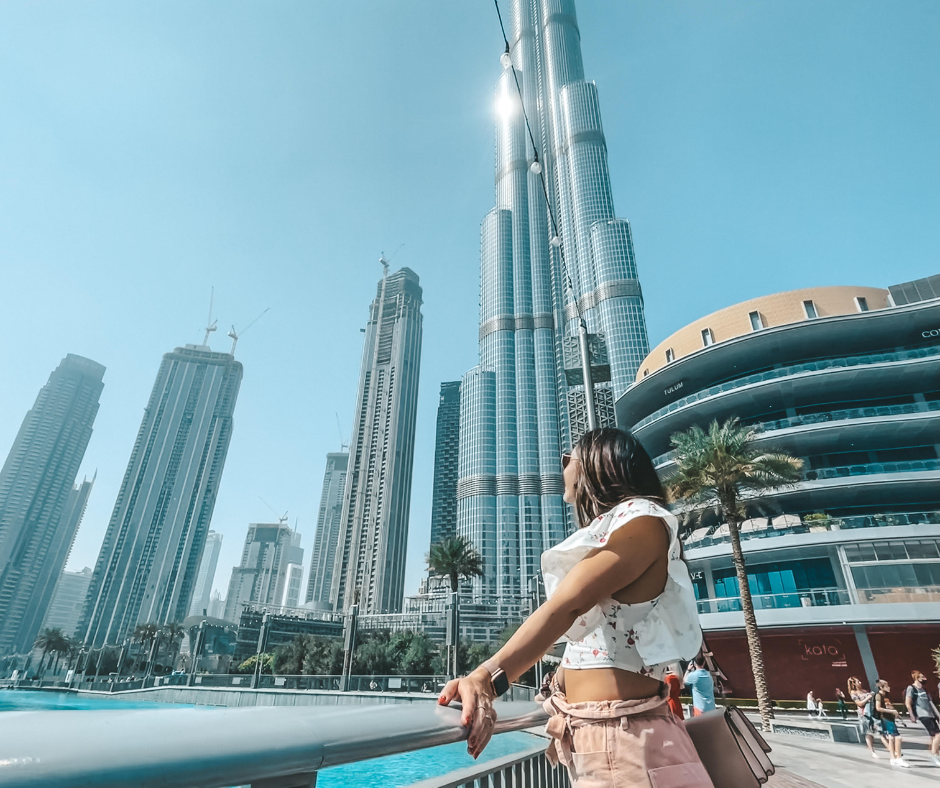
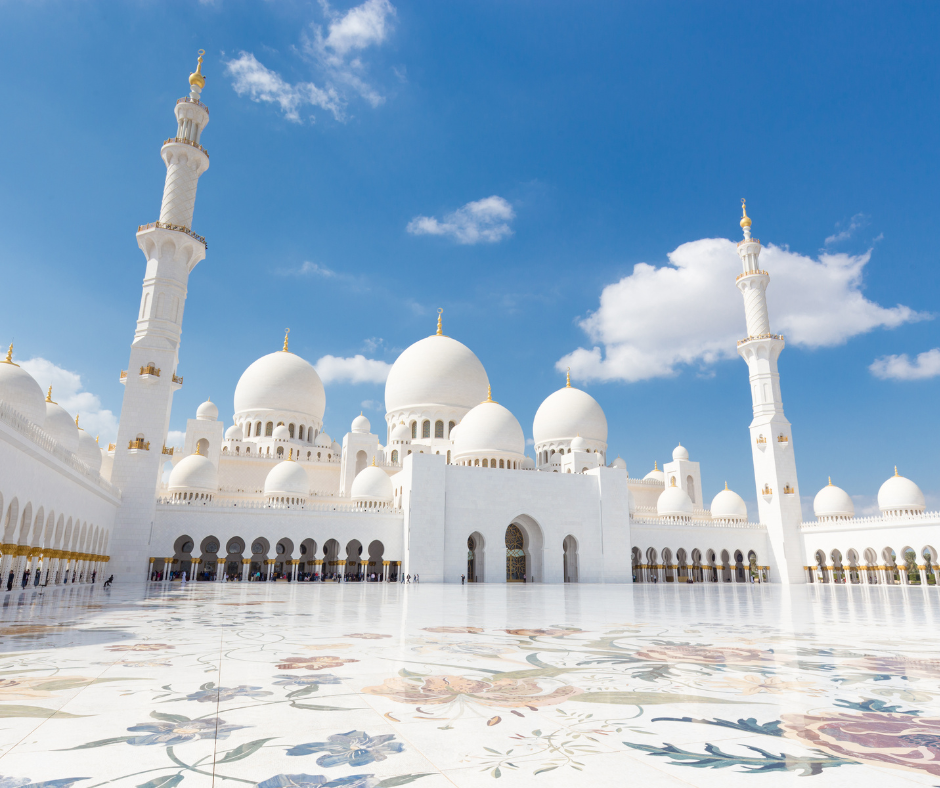
Abu Dhabi Cultural Tours: Landmarks of Faith and State
If you want to see the most impressive architectural feats in the country, Abu Dhabi is your primary destination. We recommend starting your morning at the Sheikh Zayed Grand Mosque. This is a working place of worship and a national symbol where the atmosphere is intentional and calm. You will walk through vast courtyards and see intricate floral patterns in stone before entering prayer halls designed for quiet reflection. Give yourself at least two hours to see the details without rushing.
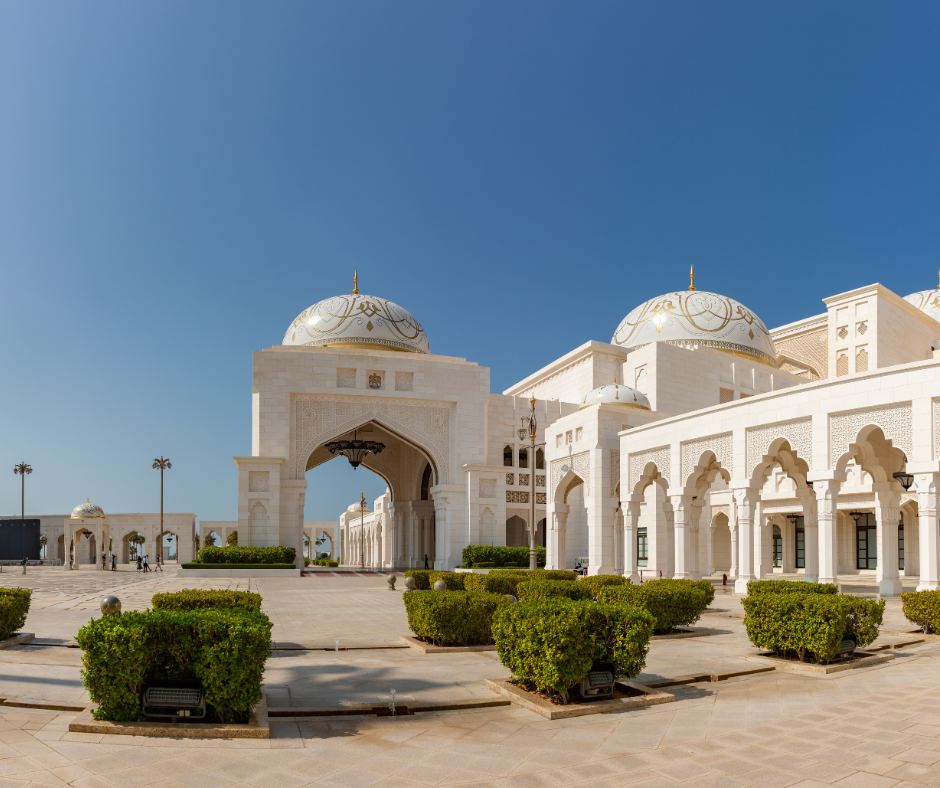
For a deeper look at the country’s governance and craftsmanship, the Qasr Al Watan tour is essential. Known as the Presidential Palace, this site focuses on knowledge and heritage. You can explore the expansive library and the Great Hall, which features one of the largest domes in the world. We suggest booking your tickets online to avoid long queues at the entrance.
Another significant stop is the Founder’s Memorial on the Corniche. This cultural landmark dedicated to Sheikh Zayed bin Sultan Al Nahyan features a three-dimensional portrait called The Constellation. It is best visited at dusk when the lights illuminate the installation. This site provides a more personal look at the man who unified the seven emirates and is a great way to end a day of architectural exploration.
Read also: Top Things to Do in Abu Dhabi: A Local’s Guide to Hidden Gems
Old Dubai Heritage Tours: The Creek and Al Shindagha
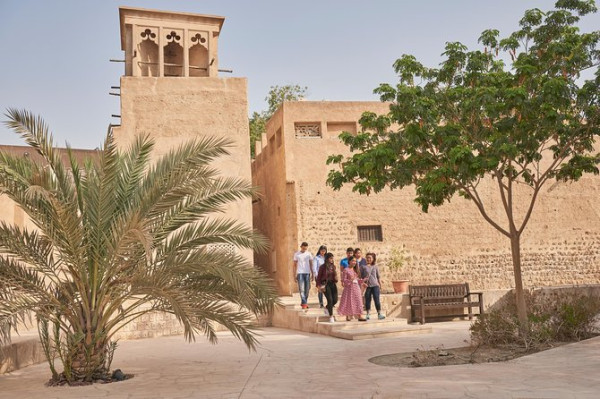
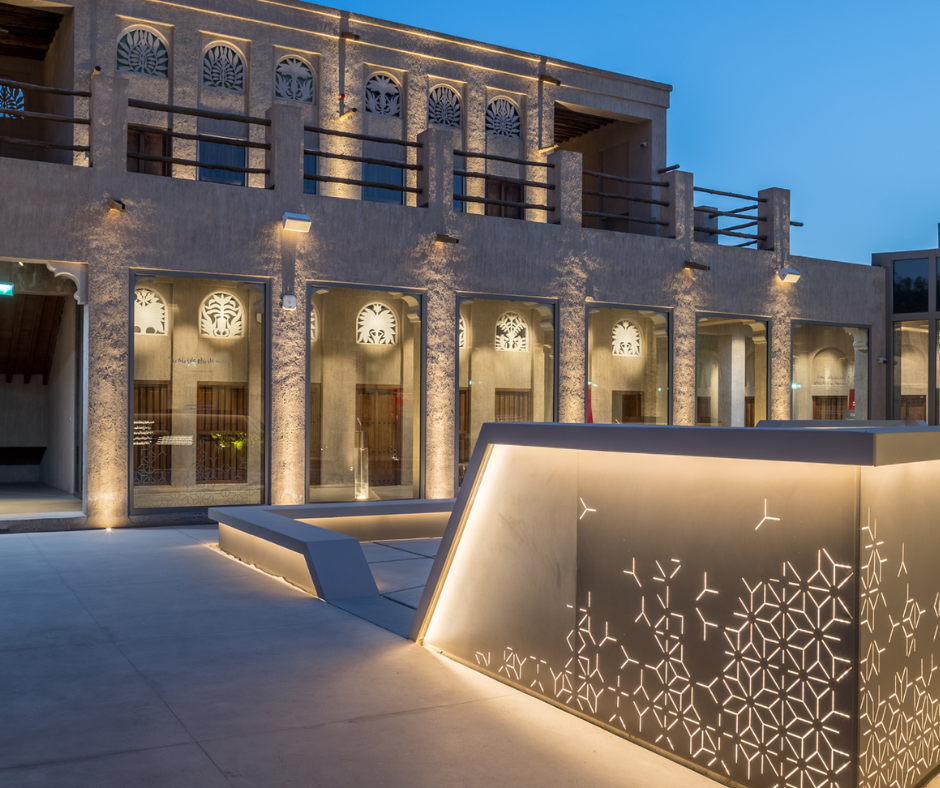
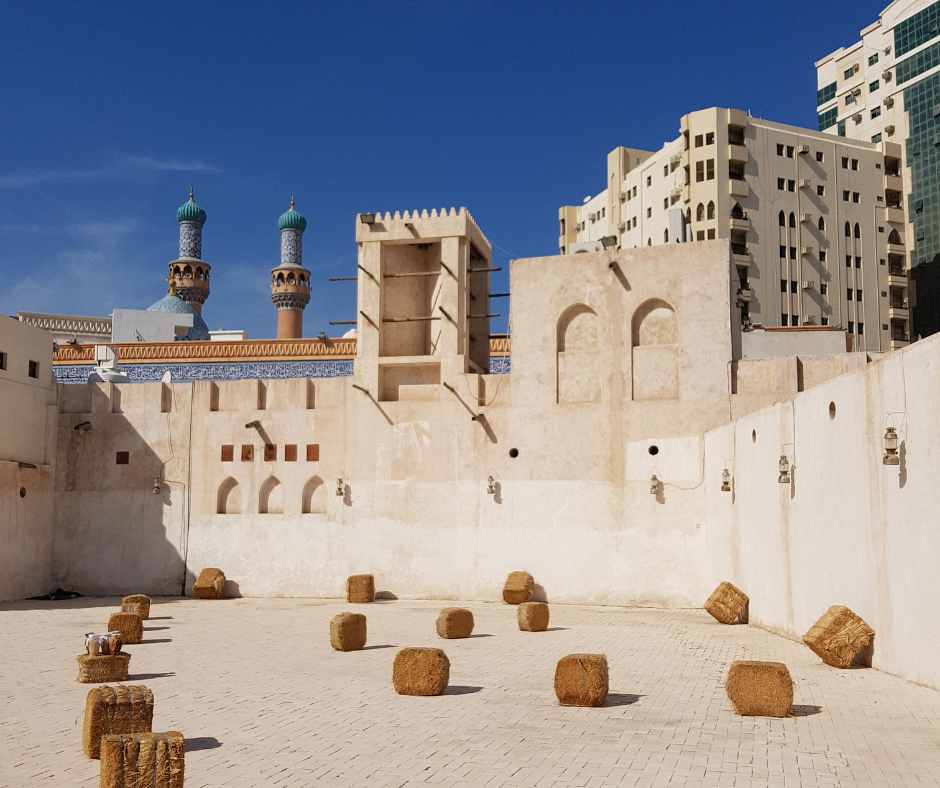
To understand Dubai’s rapid evolution, you must start where the city began along the creek. We love wandering these streets on foot because the narrow lanes and wind towers offer a scale of the city you cannot feel from a car. Start your tour in the Al Fahidi Historical Neighborhood, formerly known as Al Bastakiya. You will see barjeel wind towers which were the original cooling systems of the Gulf, designed to pull a breeze down into the homes.
The Al Shindagha Museum is a newer addition that we consider a mandatory stop for any cultural traveler. It is the largest heritage museum in the UAE and consists of multiple pavilions spread across the historic district.
Read also: Dubai Travel Guide: Authentic Things to Do & Practical Tips
You can learn about the birth of the nation, the history of the perfume trade, and the traditional jewelry of the region. It is a highly interactive experience that provides much more context than a standard walking tour.
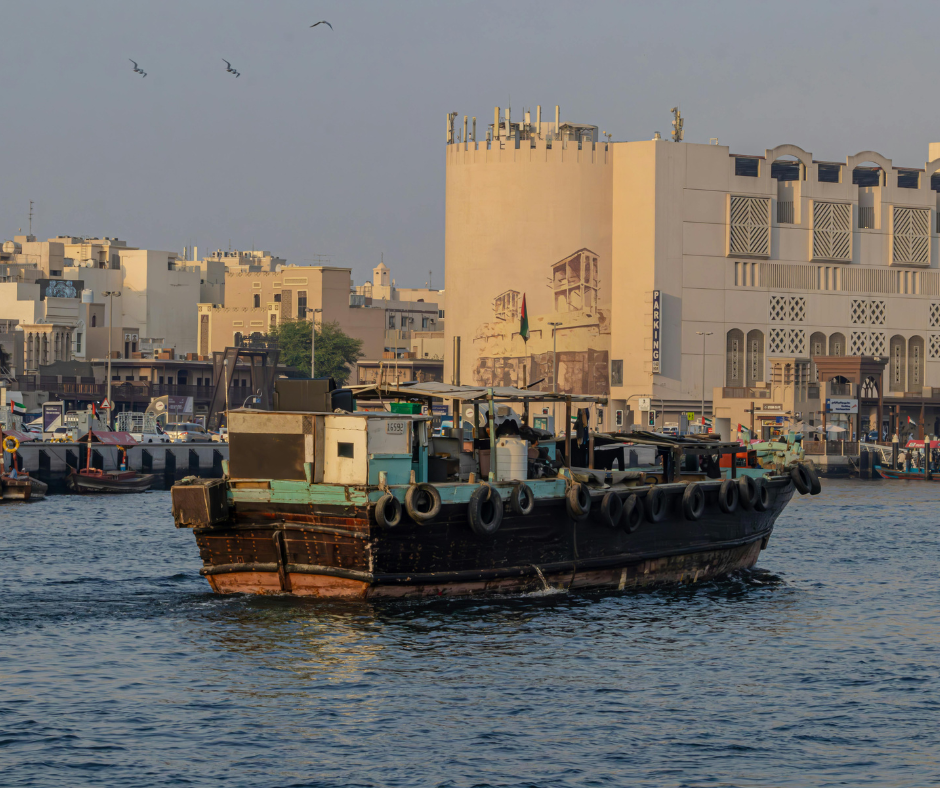
After exploring the museums, take a traditional abra boat across Dubai Creek to the Deira side. This short ride costs only one dirham and places you directly in the heart of the trading district. From there, you can walk through the Spice Souk and Gold Souk. We recommend going in the late afternoon when the markets are most active. Keep your hands free to sample spices and wear comfortable shoes for at least two hours of walking.
Al Ain: The Garden City and UNESCO Heritage
Al Ain is the easiest place to see how life functioned in the desert long before the era of oil. We recommend devoting a full day to this city to explore its unique blend of history and nature. Your first stop should be the Al Ain Oasis, a UNESCO World Heritage site. As you walk the shaded paths under thousands of date palms, you will see the falaj irrigation channels. This ancient engineering system made desert farming possible by transporting water from the mountains to the fields.
For those interested in ancient history, the Hili Archaeological Park offers a look at Bronze Age tombs and remains from the third millennium BCE. This site proves that Al Ain has been a crossroads for trade for thousands of years. We suggest visiting in the early morning when the temperatures are lower and the light is best for photography.
To complete your Al Ain experience, visit the Al Ain Camel Market. This is one of the last traditional camel markets in the country and offers a raw, authentic look at livestock trading. It is a loud and busy place, so we advise staying observant and asking for permission before taking close-up photos of the traders or their animals.

Sharjah: The Capital of Islamic Culture
Sharjah is the emirate where you can spend a full day hopping between galleries and heritage houses without the big-city rush of Dubai. We suggest starting at the Sharjah Museum of Islamic Civilization. This museum explains how Islamic art and science work from the inside out. You will see manuscripts, ceramics, and scientific instruments that connect art to daily life and global trade routes.
After the museum, take a walk through the Heart of Sharjah area. This is a massive restoration project aimed at preserving the traditional character of the city. You can visit the Souq Al Arsah, which is one of the oldest marketplaces in the UAE, and explore the Sharjah Art Foundation galleries nearby. These spaces often host contemporary exhibitions that blend traditional architecture with modern artistic voices.
Read also: Things to Do in Sharjah: The 2026 Guide to the UAE’s Cultural Heart
If you have extra time, visit the House of Wisdom. This modern library and cultural hub was designed by Foster + Partners and represents the future of Sharjah’s commitment to education and art. It is a peaceful place to rest between museum stops and offers a great cafe where you can plan the rest of your day.
Desert Cultural Tours: Bedouin Traditions
A desert safari is one of the fastest ways to swap city noise for the silence of the dunes. However, we advise choosing your tour carefully. Many "desert safaris" focus on high-speed dune bashing and loud entertainment. If you want a cultural experience, look for heritage-focused tours that emphasize Bedouin history and wildlife conservation.
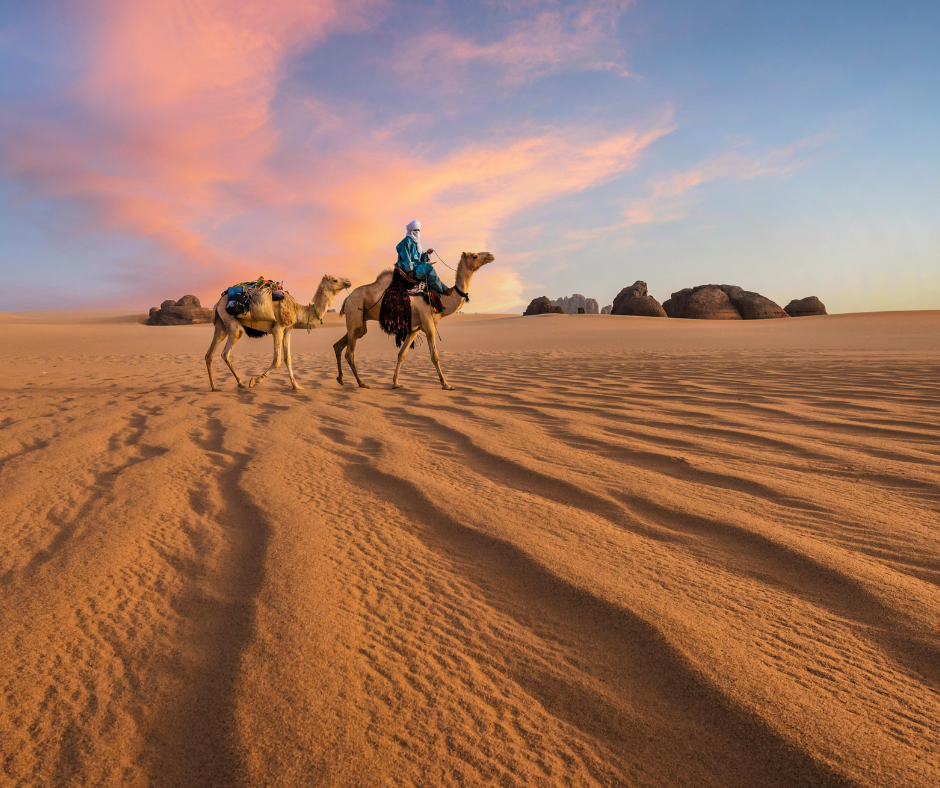
A traditional cultural safari usually begins with a camel ride at a slow pace. This allows you to understand why desert travel was designed for patience. Most of these tours lead to a reconstructed Bedouin camp where you can learn about falconry, which was a vital hunting skill for desert dwellers. You will also see how traditional bread is made over an open fire and how Arabic coffee is prepared.
The evening usually concludes with a meal of grilled meats, spiced rice, and dates. We recommend staying for the storytelling portion of the evening if it is offered. Hearing about life in the desert from a local guide while sitting around a campfire is one of those moments that lands better when you put your phone away and just listen.
Shopping with Purpose in Traditional Souks
If you want souvenirs that carry real meaning, skip the air-conditioned malls and head to the souks. These markets are a feast for the senses where you will find everything from hand-woven textiles to oud perfume oils. We recommend starting with a plan so you do not impulse-buy your way into a heavy suitcase. Choose a theme for the day, such as spices or coffee gear, to keep your focus sharp.
When shopping in the souks, you should negotiate with a friendly and light attitude. We suggest offering a counter-price and being prepared to walk away if the price does not feel right. This is often when the seller will offer their best rate. Always ask where an item was made and how it is used. You will learn more about the culture when you engage the shopkeepers in conversation rather than just asking for the price.
For those interested in spices, look for cumin, cardamom, and dried lime. These items should smell clean and strong. If you are buying perfume, ask for a test on a paper strip and wait a few minutes for the scent to settle before making a decision. Keep small cash notes handy as many small stalls in the souks do not accept credit cards for minor purchases.

The Ritual of Emirati Food and Coffee
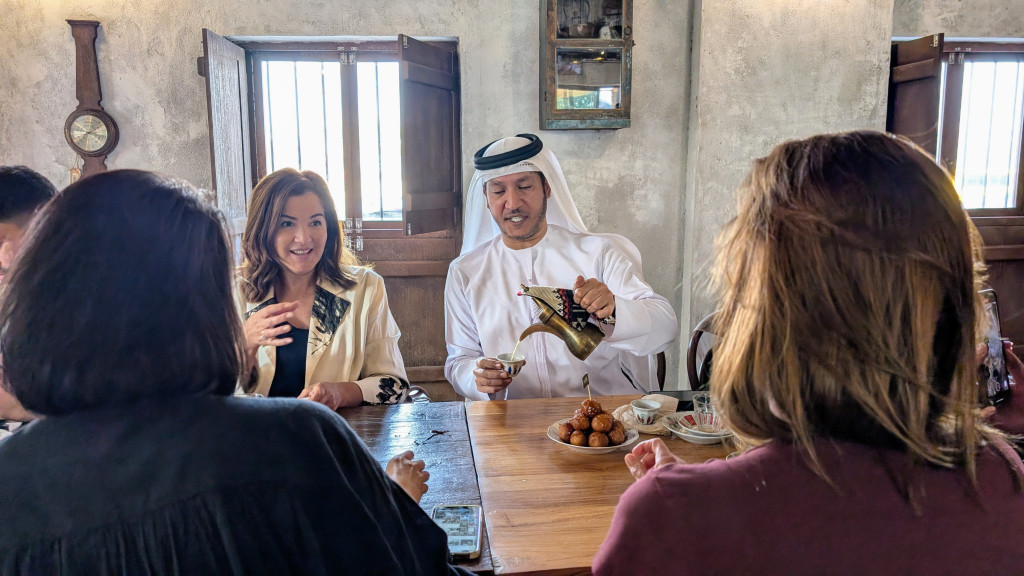
You cannot truly understand Emirati hospitality without experiencing a coffee ceremony. Known as gahwa, Emirati coffee is lightly roasted and scented with cardamom or saffron. It is always served with dates to balance the bitterness of the coffee. When you are offered a cup, accept it with your right hand. If you are finished and do not want a refill, gently shake the cup from side to side before handing it back.
For a full meal, look for traditional dishes like machboos, which consists of spiced rice with meat or fish, and harees, a slow-cooked wheat and meat porridge. For dessert, luqaimat are small fried dough balls drizzled with date syrup that are a staple at any local gathering. We recommend trying these at a local restaurant in Old Dubai or on a guided food tour where a local can explain the ingredients.
This experience and more are available in this WildyNess UAE experiences page.
If you want a more hands-on experience, we can connect you with a pottery and coffee morning. This allows you to learn about traditional crafts while enjoying a proper coffee welcome. It is a relaxed way to meet locals and ask questions about daily life in the UAE in a setting that feels like an invitation rather than a tourist activity.
Mastering the Logistics of Cultural Travel
To have the best experience on your cultural tours, timing is everything. We recommend visiting between November and February when the weather is comfortable for outdoor walking. If you visit during the summer months, you should plan all your outdoor cultural stops for the early morning and save the indoor museums for the afternoon.
Hydration is not optional in the desert climate. We have found it crucial to carry a reusable water bottle at all times and add electrolytes if you are on a full-day schedule. Most cultural sites involve significant walking, so wear breathable, lightweight clothing that covers your shoulders and knees. This ensures you are respectful of local customs and prepared for the strong air conditioning found in museums and palaces.
Finally, be mindful of local etiquette regarding photography and religious holidays. Always ask for permission before photographing people, especially in more traditional areas or near mosques. During the month of Ramadan, you should avoid eating or drinking in public during daylight hours out of respect for those fasting. By following these simple guidelines, you can ensure your cultural journey is both enlightening and respectful.
This Wildyness guide is designed to help you explore the profound cultural fabric of the UAE with confidence. We believe every tour can open doors to a deeper understanding of this fascinating nation. If you have more questions or want a personalized itinerary, we are here to help you plan your next adventure. All you have to do is reach out to us.