


Planning a trip deep into the Algerian Sahara in Timimoun brings a mix of excitement and logistical uncertainty.
Stepping off the beaten path into a remote desert outpost requires a level of preparation that standard holiday destinations simply do not demand.
That is why our team at WildyNess created this guide to ensure your trip to Timimoun region is entirely smooth, safe, and unforgettable.
Navigating the Architecture of the Old Ksar
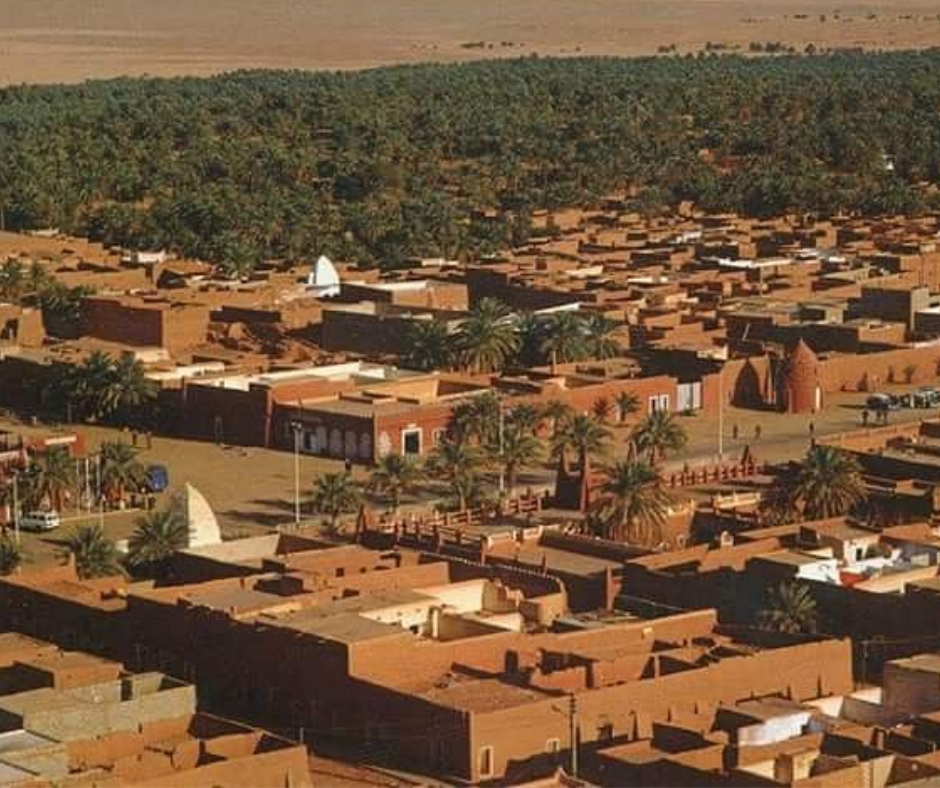
The historic heart of the town is defined by its ancient fortified mudbrick settlement, which showcases an ingenious historical approach to community defense and climate management.
The Neo-Sudanese Structural Style
The buildings are instantly recognizable due to their intense red ochre clay walls, a hallmark of the traditional Neo-Sudanese architectural style found across specific Saharan trading routes.
As you walk along the outer walls, you will notice distinctive clay spikes called picons protruding from the parapets and rooflines.
These projections are highly functional, serving as built-in scaffolding elements during seasonal maintenance when fresh mud plaster must be applied to protect the earth walls from erosion.
Thermal Design of the Covered Alleys
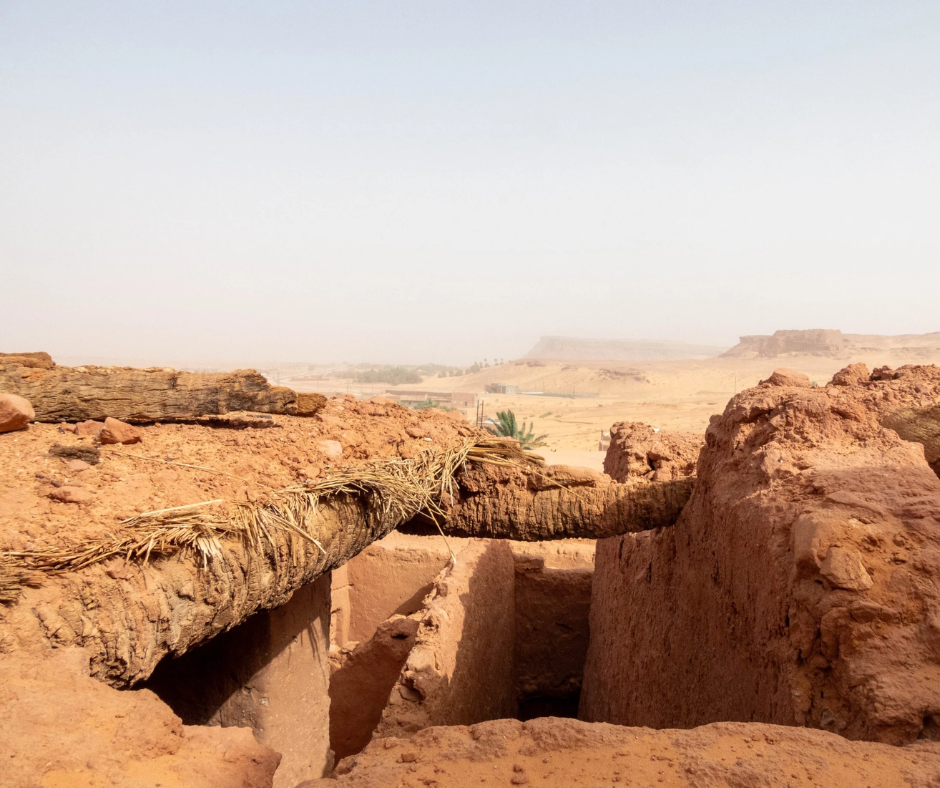
Wandering through the narrow pathways of the old town reveals a complex network of labyrinthine corridors built specifically to mitigate the harsh desert environment.
The tight, winding streets feature abrupt right-angle turns designed to disrupt and slow down powerful sandstorms before they can penetrate the center of the village.
The high clay walls are placed closely together to ensure that the walkways remain almost entirely shaded throughout the afternoon, maintaining a cool microclimate that offers immediate relief from the midday sun.
Cultural Interacting and Local Etiquette
When exploring these historic residential spaces, maintaining a respectful and unhurried presence is highly valued by the resident oasis community.
Initiating interactions with a polite local greeting such as Salam Alaykum signals your respect for the neighborhood, and it is essential to request permission before photographing local residents or their doorsteps.
Engaging a local guide from the community helps support the local economy and provides deep historical context regarding family life, traditional architecture, and old caravan trade relationships.
The Ancient Irrigation Science of the Palm Groves
The survival of this thriving desert community across hundreds of years is due entirely to a brilliant, gravity-based water management system that turns an arid valley into a fertile sanctuary.
Mechanics of the Subterranean Foggaras
The agricultural success of the local palmeraie relies on ancient hand-dug underground aqueducts known as foggaras, which extend for miles into the surrounding sandstone plateaus.
These gently sloping tunnels intercept deep water tables and guide the moisture down toward the oasis using only natural gravitational pull.
Because the water flows entirely underground until it reaches the edge of the gardens, it is completely protected from evaporation under the scorching Saharan sun, representing a monumental achievement in ancient hydrological engineering.
Communal Water Distribution Systems
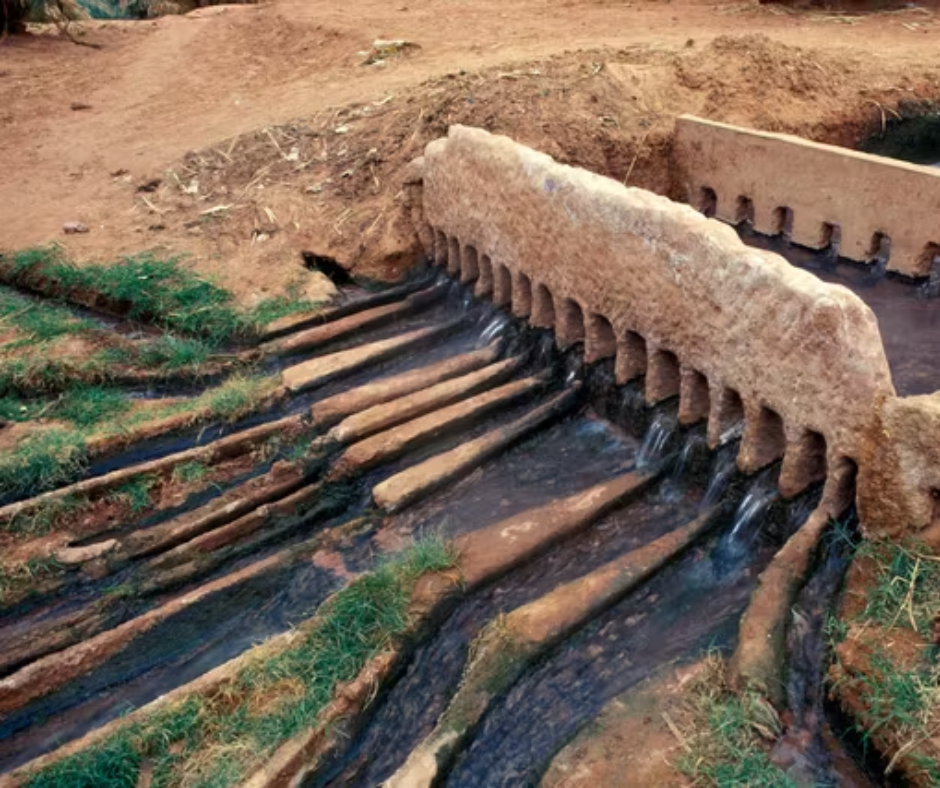
Once the water emerges at the surface of the palm grove, it passes through a central distribution structure that resembles a stone comb, which splits the flow into precise personal channels based on historical ancestral rights.
This traditional management method ensures that every family plot receives a fair share of water to cultivate date palms, fig trees, pomegranate orchards, and seasonal vegetables.
Walking along the shaded earthen paths of the palmeraie allows you to observe these small irrigation streams, showcasing a sustainable agricultural system that remains operational centuries after its initial construction.
Sunset Spectacles Across the Sebkha Salt Lake
The natural boundary of the oasis town is defined by a massive geological depression that creates a dramatic contrast against the surrounding landscape of giant sand dunes.
The Expansive Dry Salt Basin
The Sebkha of Timimoun is a vast ancient salt lake that stretches across the northwestern edge of the town, leaving behind a crust of glittering mineral crystals as surface water evaporates.
The stark white bed of the basin forms a flat plain that sits in direct opposition to the towering red sand walls of the Grand Erg Occidental which border the lake.
Driving along the established perimeter route provides an opportunity to view desert roses, which are intricate natural crystal formations created by the interaction of salt water, sand, and evaporation.
Golden Hour Vantage Points
The late afternoon is the ideal time to travel toward the edge of the basin, as the dropping sun dramatically alters the colors of the desert landscape.
The white salt floor reflects the shifting tones of the sky, shifting from soft pinks to deep purples, while the face of the neighboring dunes turns a deep, fiery crimson.
One of the absolute best spots to capture this expansive view is the elevated terrace overlooking the palm grove, where you can watch the shadow of the oasis lengthen across the salt plains.
Exploring the Outlying Desert Circuits and Grottos
Venturing beyond the immediate town borders requires a reliable four-wheel-drive vehicle and an experienced local driver to navigate the deep sand tracks of the Gourara basin safely.
The Fortified Ruins of Ighzer
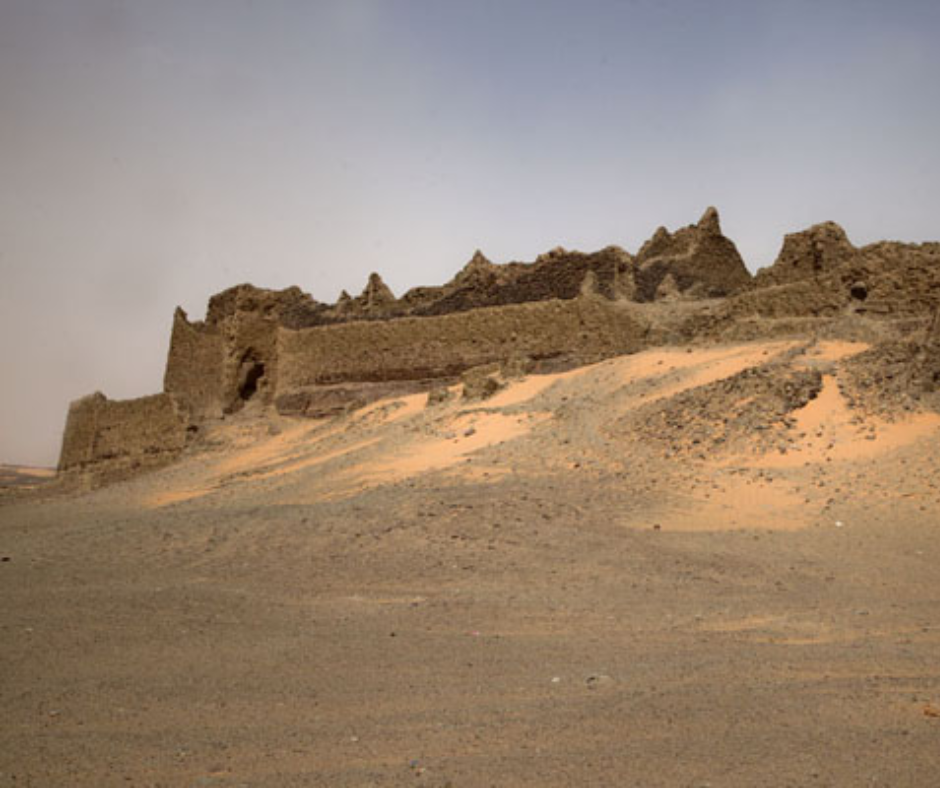
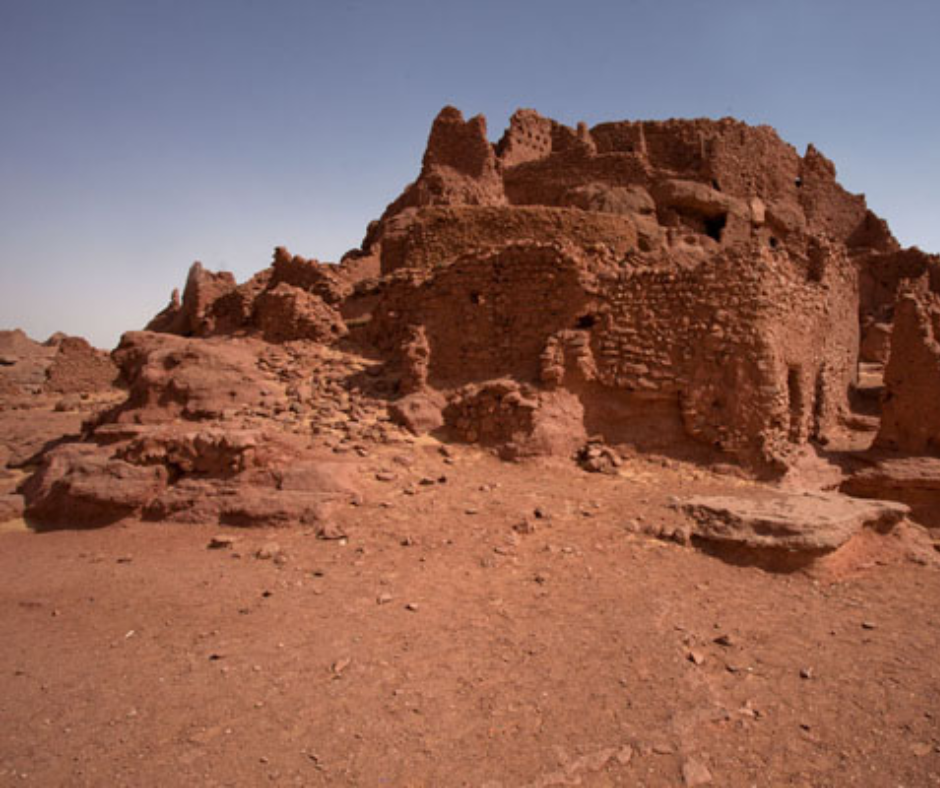
Located a short drive north of the town center, the ancient ksar of Ighzer stands proudly on a rocky plateau overlooking a dry riverbed.
This historic stone and clay settlement offers an exceptional look at early defensive engineering, with its elevated position providing panoramic views of the shifting sand dunes trying to reclaim the abandoned fields below.
Walking up to the highest point of the ruins reveals the preserved tomb of a local marabout, which is a traditional white-domed structure dedicated to an esteemed spiritual teacher.
Thermal Refuges and Hidden Caves
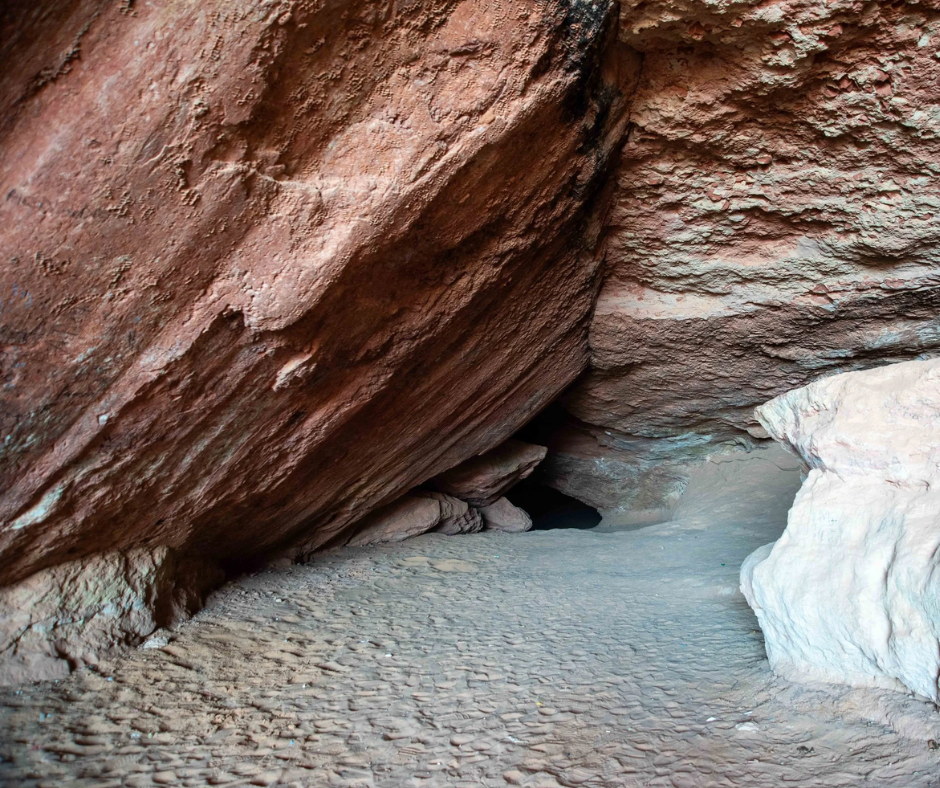
Near the entrance of the Ighzer ruins, you can explore deep natural caves carved directly into the face of the sandstone cliffs.
In earlier eras, villagers would retreat into these deep caverns during the hottest hours of the summer days to find shelter from the sun, highlighting how early populations adapted their daily habits to survive the Saharan climate.
Preserving the UNESCO Musical Heritage of Gourara
The cultural identity of this oasis community is preserved not only through its mudbrick architecture but also through a powerful tradition of oral poetry and collective performance.
The Polyphonic Arts of the Ahellil
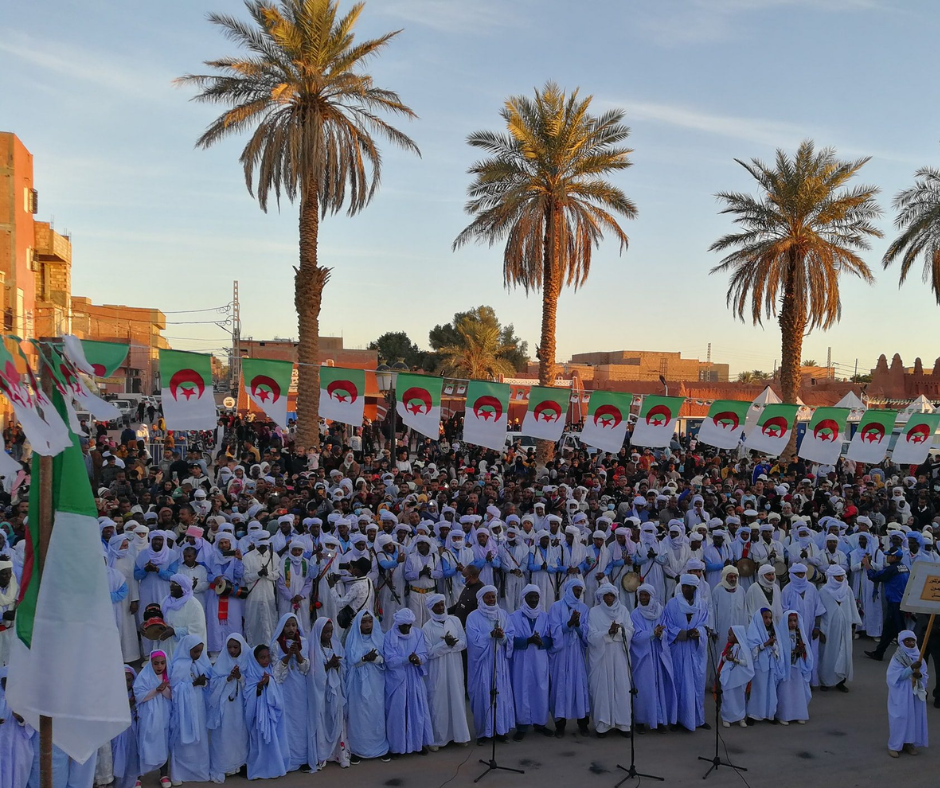
Timimoun serves as the historic heartland of the Ahellil of Gourara, an extraordinary musical and poetic genre that has been formally recognized by UNESCO as Intangible Cultural Heritage.
Performed primarily by the Zenete communities during traditional festivals and cultural gatherings, this ancient art form combines poetic storytelling with unique polyphonic singing.
The performance involves a lead soloist who guides a large circle of community members as they clap rhythmically and chant in a call-and-response pattern, creating a deeply moving acoustic experience.
Historical Narrative Preservation
The chants of the Ahellil function as a living archive for the community, with the poetic lyrics preserving ancient historical events, regional lineage tales, and deep spiritual reflections across generations.
Attending a traditional gathering during local cultural events allows you to witness this heritage firsthand, offering an authentic glimpse into the social fabric of the Sahara.


