
You might feel that once you have seen one skyline in the UAE, you have seen them all. That feeling of repetition is a common travel pain point for those who stick strictly to the glass towers of Dubai or Abu Dhabi. You miss the grit, the mountains, and the deep blue soul of the ocean.
That is exactly why our team at WildyNess created this guide to Fujairah, the emirate that trades skyscrapers for jagged peaks and traffic jams for coral reefs. We want you to swap the mall air conditioning for the salt spray of the Gulf near Oman. Ready to roll?
Snorkeling and Diving at Snoopy Island in Fujairah
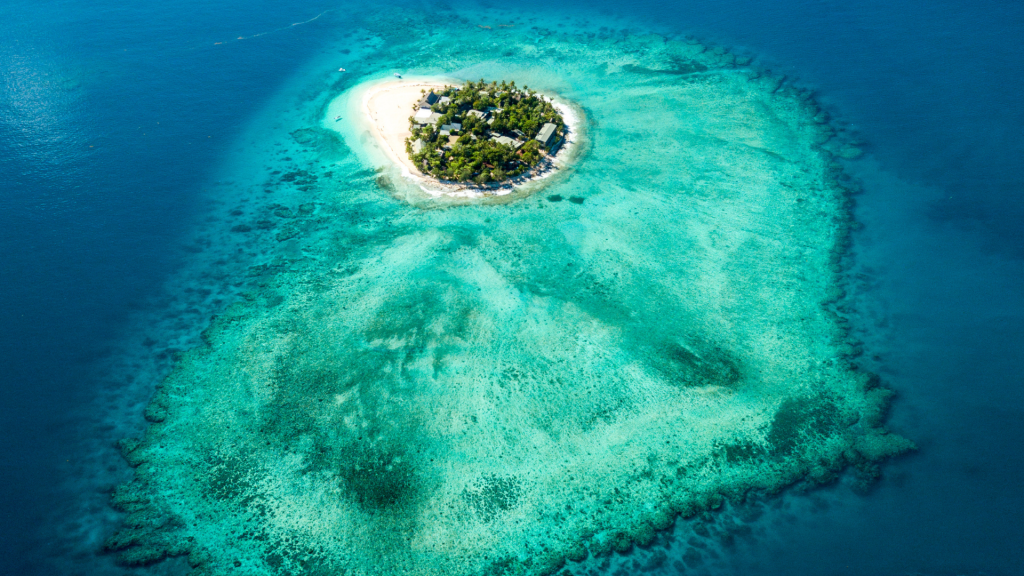
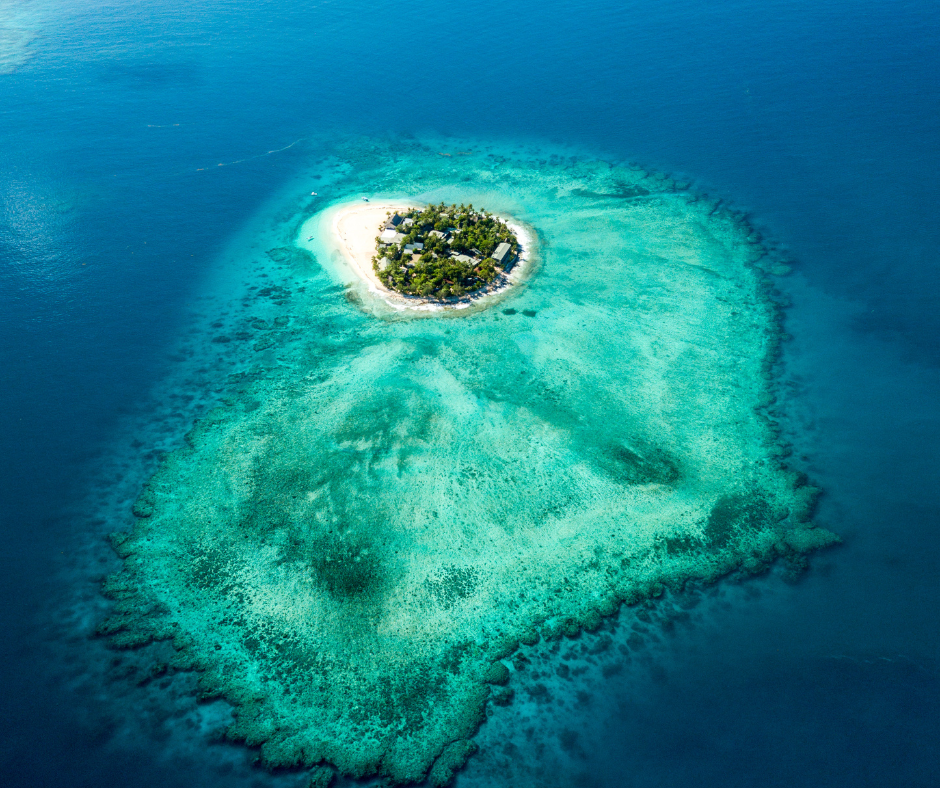
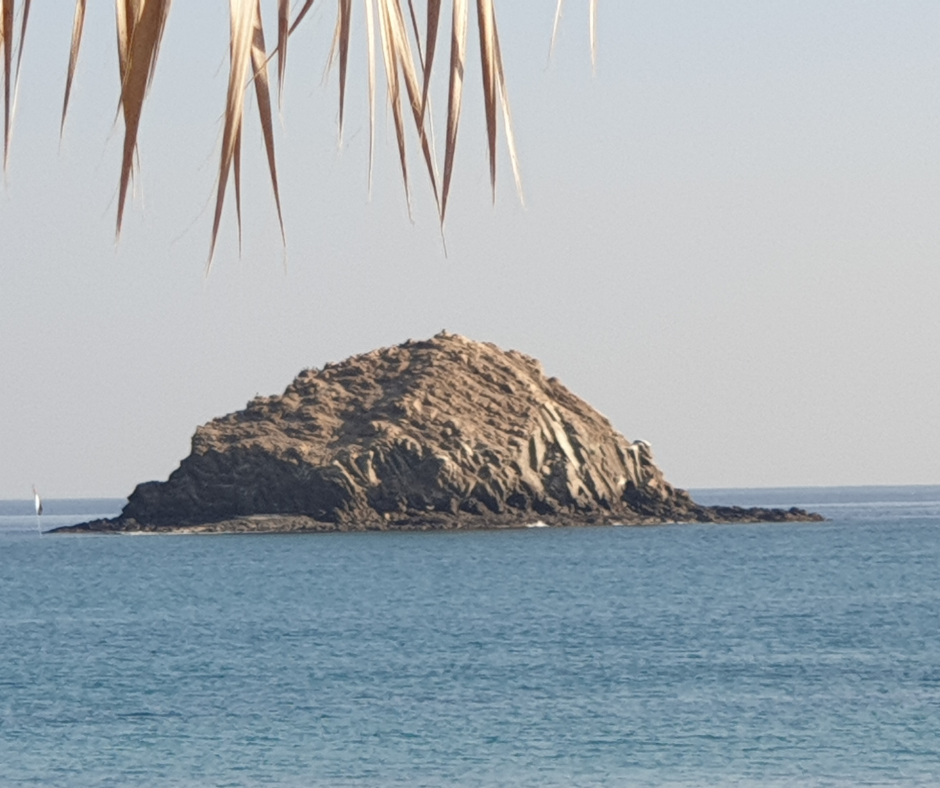
The most popular reason travelers drive east is the ocean. Snoopy Island, named for its resemblance to the cartoon beagle sleeping on his doghouse, sits just a few hundred meters offshore from the Al Aqah beach strip. We recommend this spot because it is accessible to everyone. You do not need a boat to get there; you can swim out from the Sandy Beach Hotel shoreline if you are a confident swimmer, or rent a kayak to paddle closer.
The water here is teeming with life. You will see parrotfish crunching on coral, schools of jacks, and inquisitive needlefish near the surface. We often spot green turtles grazing on the seagrass beds between the beach and the island. For divers, the depth ranges from 2 to 7 meters around the rock, making it perfect for beginners or a relaxed second dive.
If you are a certified diver, we suggest booking a boat trip to Dibba Rock or the artificial reefs nearby. These sites offer deeper waters and the chance to see blacktip reef sharks and stingrays. Visibility is generally best in the mornings before the afternoon wind picks up. Prices for gear rental vary, so we advise booking with a local dive center at Al Aqah or Dibba in advance to secure your size.
Also Read: Underwater Adventures: Diving in Fujairah, UAE 2025
And Snorkelling in Fujairah: Best Spots, Marine Life & Local Tip
Hiking the Hajar Mountains in Fujairah
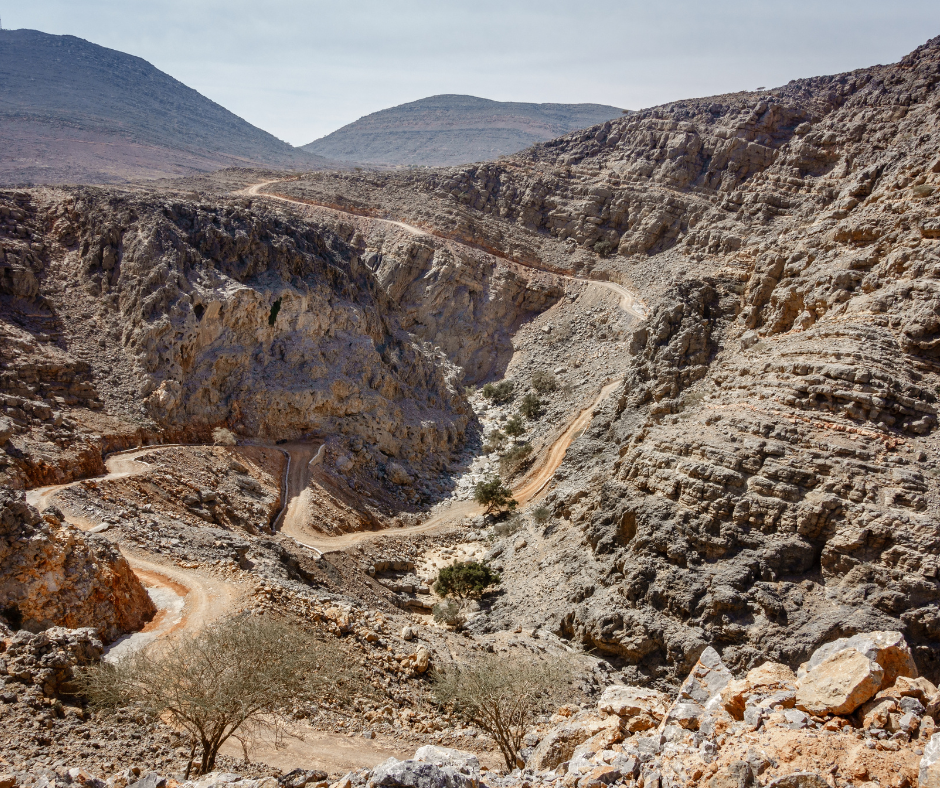
The Hajar Mountains form the spine of Fujairah and offer some of the best hiking in the country. Your primary target should be Wadi Ghub, famously known as the Rainbow Valley. The geology here is unique. Layers of sedimentary rock fold and twist in reds, greens, and whites, creating a visual effect you will not find elsewhere in the UAE.
Read also for more detailed information: Rainbow Valley Fujairah: A Complete Guide to Hiking in Wadi Ghub
We recommend the moderate route if you have some hiking experience. It involves some bouldering and scrambling over loose rocks, so sturdy hiking boots are mandatory. The "Spectrum" formation, where the colored strata are most visible, is about 3 kilometers in. Do not attempt this hike in the summer heat. November to March is the only safe window for daytime trekking here.
For a family-friendly alternative, try Wadi Abadilah. It is a greener trail that often has running water and pools after rain. It is less technical than Rainbow Valley and offers plenty of shade under old acacia trees. If you want a challenge, the Ain Al Sheria trail in northwest Fujairah boasts historical petroglyphs and demanding elevation gains that reward you with views over the entire peninsula. Always carry at least three liters of water per person, as the dry mountain air dehydrates you faster than you realize.
Read also: Hiking in Fujairah: Discover the Wild Heart of the UAE
Family Fun at Fujairah Adventure Park
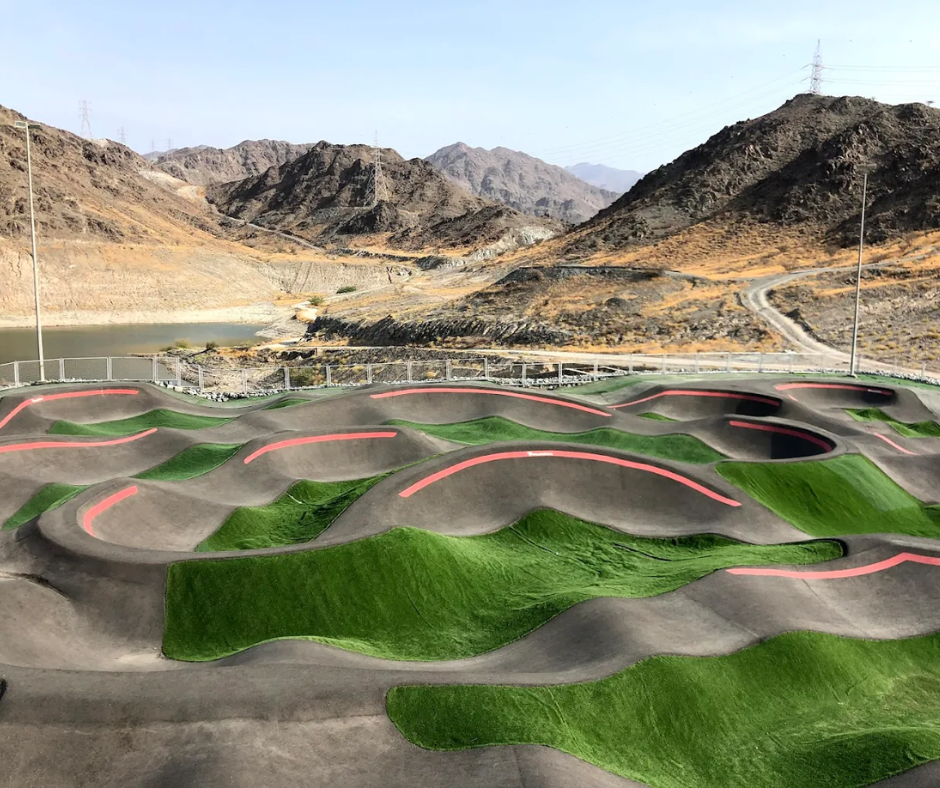
If you want outdoor thrills without trekking into the wild, we suggest the Fujairah Adventure Park. Located near the city center, this facility has become a hub for active families. They have a professionally designed pump track for skaters and BMX riders, which is a great way to burn off energy.
The park also features designated hiking trails and mountain bike routes that are graded by difficulty. This is a safe environment to introduce children to off-road biking or hiking before tackling the wilder wadis. You can rent bikes on-site, and there are instructors available if you want a lesson. It is a controlled, safe entry point into the rugged lifestyle of the emirate.
Stepping Back in Time: Fujairah Fort and Museum
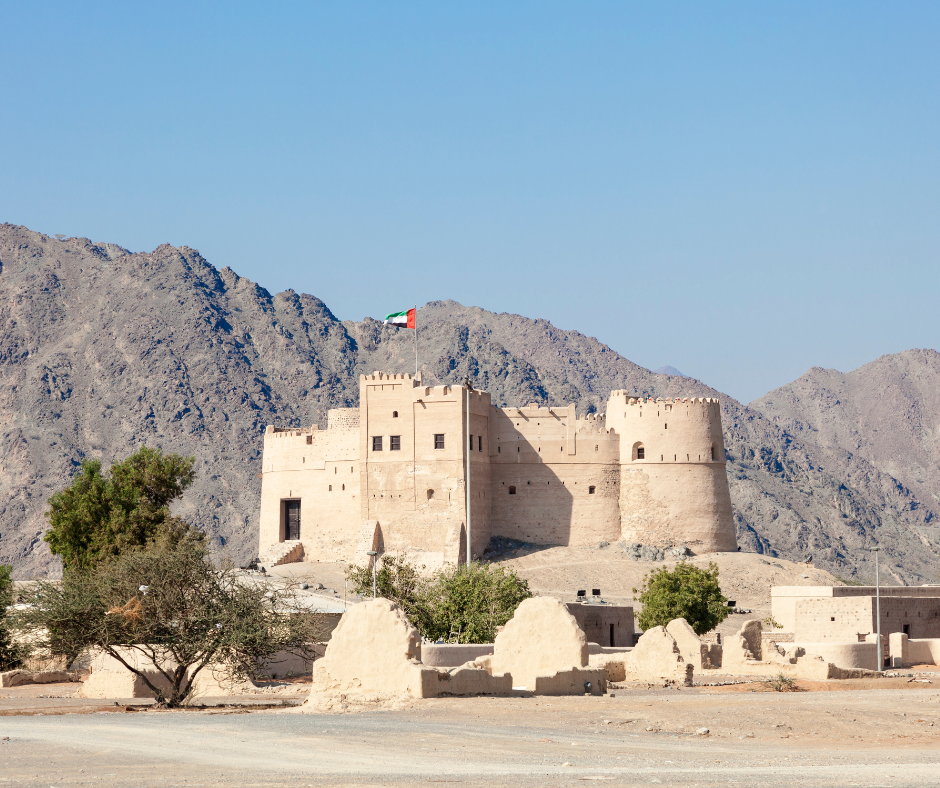
History in Fujairah is not hidden behind glass; it stands on the hills. Fujairah Fort is the oldest in the UAE, dating back to the 16th century. It sits on a rocky hill roughly 20 meters high, which allowed defenders to watch the coast and the inland date groves simultaneously.
When you climb the ramparts, you get a clear sense of how strategic this location was for controlling trade routes.
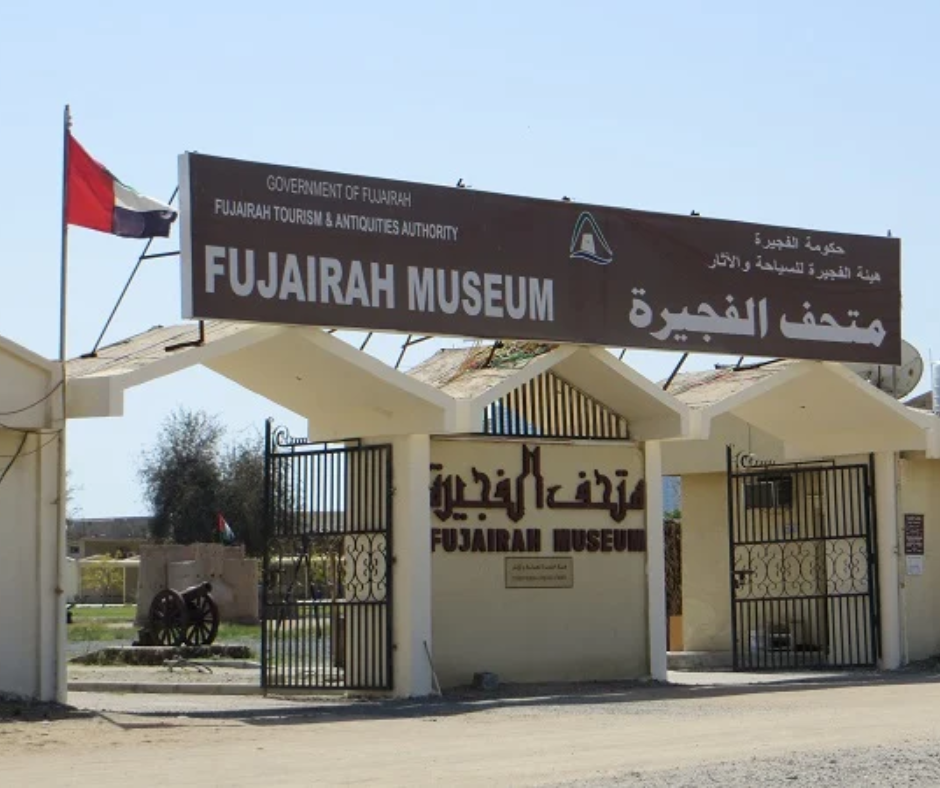
After exploring the fort, walk down to the Fujairah Museum nearby. The entry fee is nominal, usually around 5 AED, making it one of the best value stops in the country.
Inside, you will find a collection that surprises many visitors. The displays include Bronze Age weaponry, painted pottery, and silver coins that prove this region was a bustling trade hub thousands of years ago.
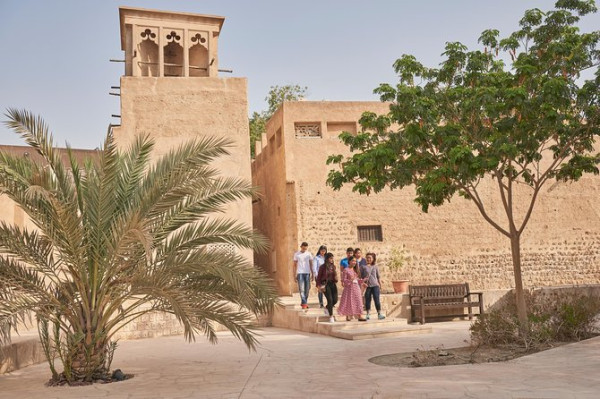
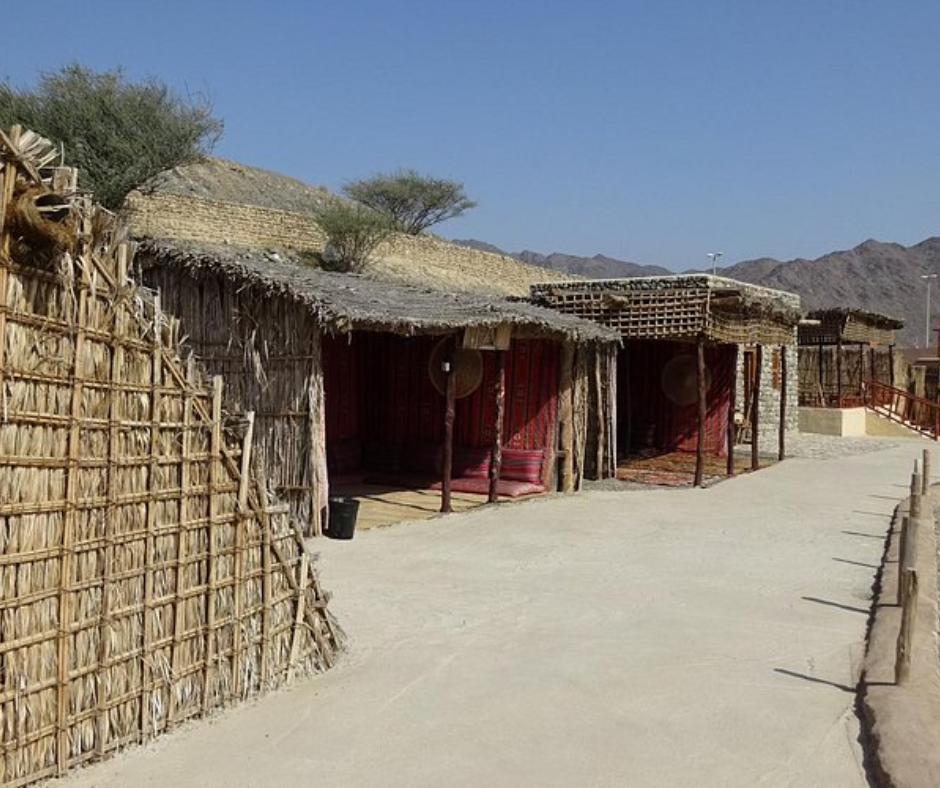
The Heritage Village surrounding the fort creates a living picture of the past. You can walk through restored mud-brick houses and see traditional irrigation systems (falaj) in action.
We recommend visiting in the late afternoon when the setting sun turns the mud walls a deep golden color. It makes for excellent photography and a cooler walk.
The Friday Spectacle: Traditional Bull Butting in Fujiarah
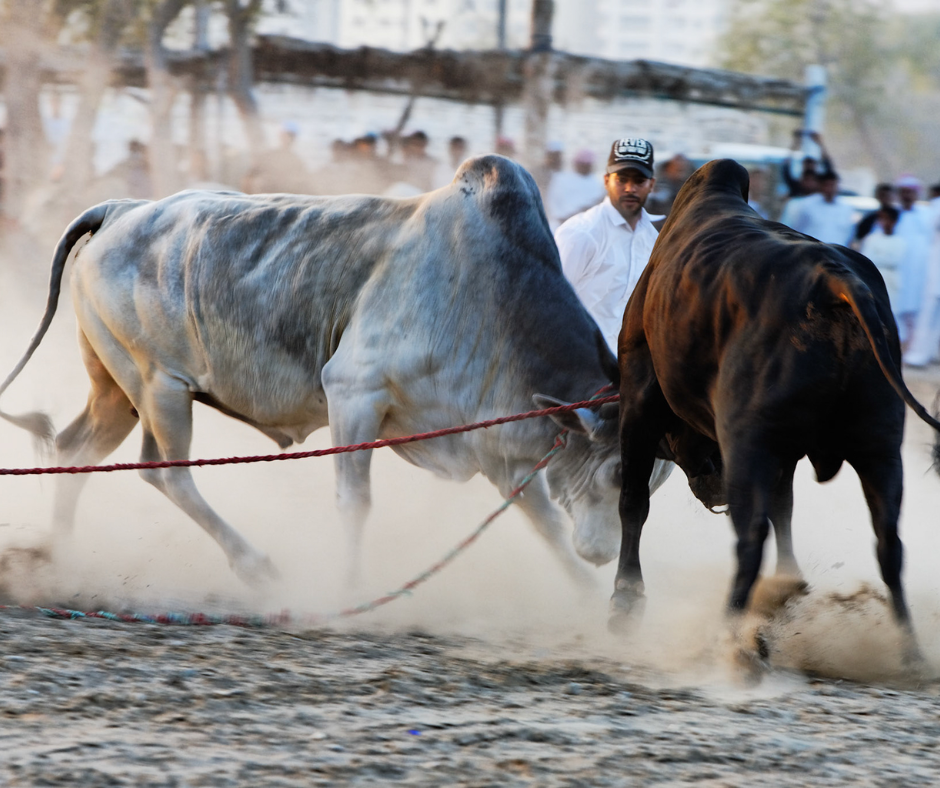
For a cultural experience you cannot find in Dubai, head to the Fujairah Corniche on a Friday afternoon. This is where "Bull Butting" takes place. We want to be clear that this is not a Spanish-style bullfight. There is no blood, no matadors, and the animals are not harmed.
It is a contest of strength between two bulls, similar to sumo wrestling. The bulls lock horns and push until one retreats. The owners prize these animals highly and treat them with great care.
The event usually starts around 4:00 PM or 5:00 PM, depending on the season. You will see hundreds of locals cheering, sitting on the hoods of their cars or in camping chairs. It is a raw, authentic slice of local life that connects you to the agrarian roots of the region.
A Visit to Al Bidyah Mosque in Fujairah
Driving north along the coast, you must stop at Al Bidyah Mosque. It is the oldest standing mosque in the UAE, built from stone and mud brick. Unlike the grand marble mosques of the big cities, Al Bidyah is humble, small, and profoundly spiritual.
The structure is defined by its four unequal domes and a single pillar that supports the internal roof. When you step inside, the temperature drops, and the thick walls block out the road noise. It is still an active place of worship, so you must dress modestly and avoid entering during prayer times.
Women will need a headscarf. We suggest climbing the two watchtowers on the hill behind the mosque. The path is steep but short, and the view from the top frames the mosque against the backdrop of the sea.

A Taste of Fujairah: Where to Eat
You will get hungry after all this exploring. Fujairah has a dining scene that rewards those who look past the fast-food chains. For a traditional meal, we recommend Al Meshwar Restaurant. It looks like a fortress from the outside, and inside, they serve massive platters of Mandi which is spiced rice with slow-cooked meat. It is a communal dining experience perfect for groups.
If you prefer seafood with a view, head to Gonu Bar & Grill at the Le Méridien Al Aqah. It is right on the beach, and the grilled prawns and fish are as fresh as it gets. For a more local seafood experience, The Sailor’s Club near the marine club offers simple, delicious fried fish and white rice at very reasonable prices.
Shopping at the Masafi Friday Market in Fujairah
Despite the name, the Masafi Friday Market (Souq al Juma) is open every day of the week. Located on the edge of the mountains as you drive into Fujairah, this market is a chaotic, colorful stop that you cannot miss.
You will find vendors selling locally grown produce like sweet corn, mangoes, and pomegranates. The corn is often roasted right there on the roadside, making for a perfect travel snack. The market is also famous for carpets and earthenware.
If you are buying a rug or a set of clay pots, bargaining is expected. We suggest starting your offer at about half the quoted price and meeting somewhere in the middle. It is a friendly process, so keep a smile on your face.

Relaxation and Camping at Al Aqah Beach
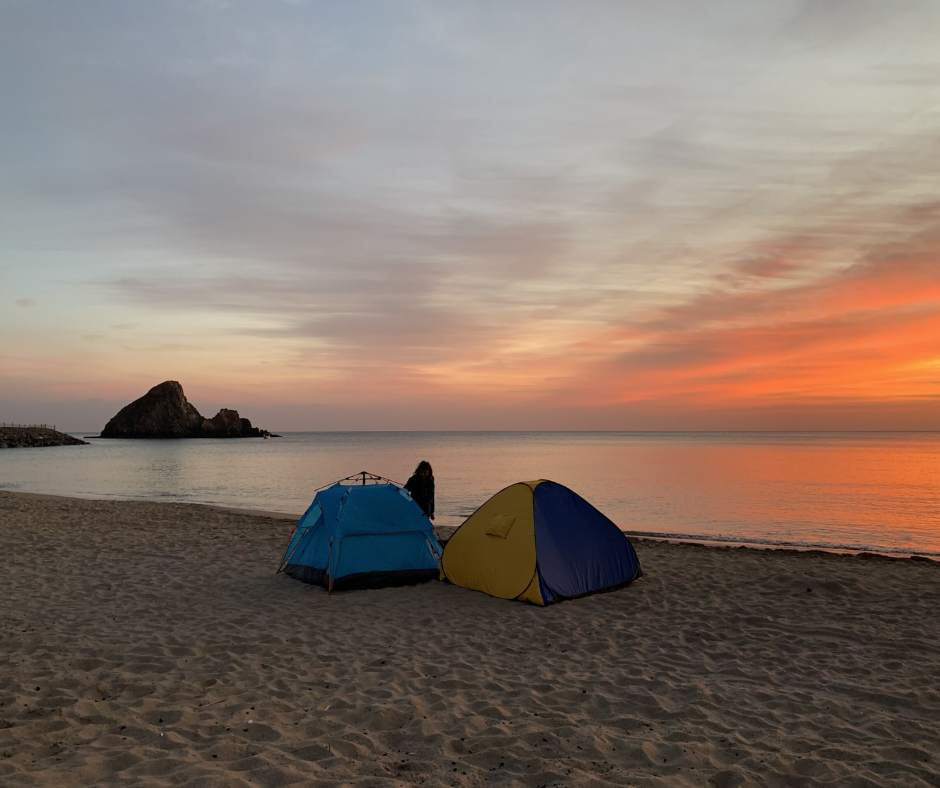
If you want to stay overnight without booking a resort, Al Aqah Beach is a legendary camping spot. It is one of the few places in the UAE where you can pitch a tent near the water. However, rules have become stricter to protect the environment.
You must not light fires directly on the sand; bring a fire pit or a grill. There are no public showers or toilets on the open beach, so you will be relying on the facilities at nearby gas stations or hotels if you book a day pass. If you prefer comfort, the hotels along this strip, like the Rotana and Le Méridien, offer luxury stays. For a balance of nature and comfort, the Sandy Beach Hotel offers bungalows right in front of Snoopy Island.
Read also: Fujairah Beach Guide: Snorkeling, What to Wear & Top Tips
Practical Tips: Logistics and Timing
Reaching Fujairah is part of the adventure. The drive from Dubai takes about 90 minutes via the Sheikh Mohammed bin Zayed Road (E311) and the new scenic tunnels of the Khorfakkan Road, or the traditional E87 through the mountains. We prefer the Khorfakkan route for its smooth tarmac and dramatic mountain views.
The best time to visit is strictly between November and March. The weather is pleasant, with daytime highs around 25°C. Summer temperatures can exceed 40°C with high humidity, which makes hiking and outdoor exploration dangerous. If you visit in summer, stick to water activities and early morning boat trips.
You will need a car to get around. Taxis are available in the city, but the sights are spread out over 50 kilometers of coastline. A rental car gives you the freedom to move from the fort to the wadis and the beach on your own schedule.
Final Thoughts
Fujairah offers a version of the UAE that feels grounded and wild. It is a place where you can touch history at a 500-year-old mosque, swim with turtles before lunch, and watch a mountain sunset from a wadi trail.
We hope this guide helps you look past the resorts and find the real character of the east coast. Pack your hiking boots and your snorkel gear. The mountains and the sea are waiting for you.