

You know that feeling when you are craving a real desert experience in Algeria but the planning starts to look like an impossible puzzle.
Figuring out logistics for the Algerian Taghit Sahara often leads to massive frustration and stress because accurate information is so hard to find.
That is why our team at WildyNess created this guide to uncover the secrets of Taghit and beyond just for you.
Planning Your Trip to Taghit
Choosing the Best Time to Visit
Understanding the extreme climate of the Sahara is the most critical step in planning your journey to Taghit. The desert is completely unforgiving during the summer months, with daytime temperatures easily exceeding fifty degrees Celsius from May to September.
We strongly advise against planning any desert excursions during this intense period because the heat makes outdoor activities dangerous and exhausting. The golden window for visiting Taghit opens in October and closes at the end of April.
During these autumn and winter months, the daytime weather is incredibly pleasant and typically hovers around twenty five degrees Celsius.
This provides the perfect climate for climbing massive dunes and exploring the rocky landscapes without overheating. However, you must be prepared for the dramatic temperature swing that occurs the moment the sun drops below the horizon. Winter nights in the Sahara can easily plummet to near freezing temperatures.
You need to plan your daily schedule around this drastic shift in weather. We recommend waking up early to tackle your most strenuous activities like hiking and sandboarding during the cool morning hours.
You can then use the warmer midday period to relax in the shade of a palm grove or rest inside a traditional guesthouse.
Getting to Taghit from Bechar and Algiers
Reaching this remote oasis requires a bit of logistical planning, but the journey is a beautiful introduction to the vast Algerian interior.
Most international travelers will arrive in the country via the capital city of Algiers. From there, your best option is to book a domestic flight with Air Algerie heading south to the city of Bechar.
Bechar serves as the administrative capital of the Saoura region and acts as the main gateway to the surrounding desert towns.
The flight takes roughly two hours and offers incredible aerial views of the landscape transitioning from green mountains to endless brown plains.
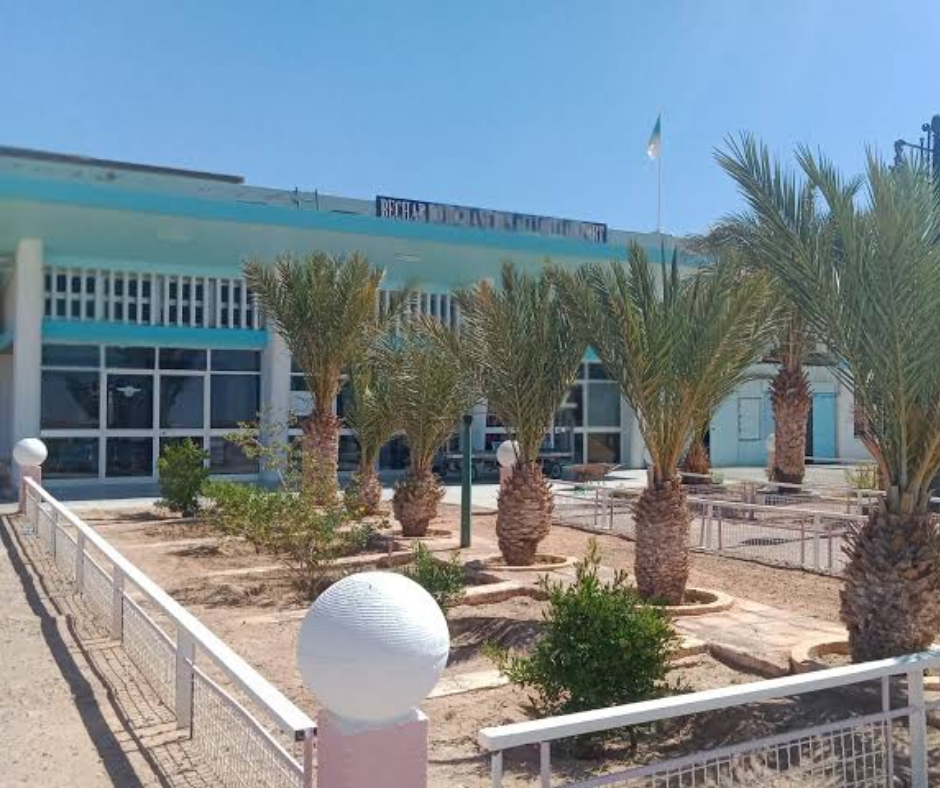
Once you land at the Boudghene Ben Ali Lotfi Airport in Bechar, you still have a ninety kilometer journey south to reach Taghit. You can hire a private taxi directly from the airport, which is the fastest and most comfortable option for the hour and a half drive.
Alternatively, budget conscious travelers can head to the main bus station in Bechar to catch a shared local bus.
The road to Taghit is fully paved and winds through flat desert plains and striking black rock formations. You will encounter official police checkpoints along this highway, which is standard procedure in southern Algeria. Always keep your passport easily accessible and greet the officers politely as they review your travel documents.
Exploring the Main Attractions of Taghit
Climbing the Great Sand Dune of the Grand Erg Occidental
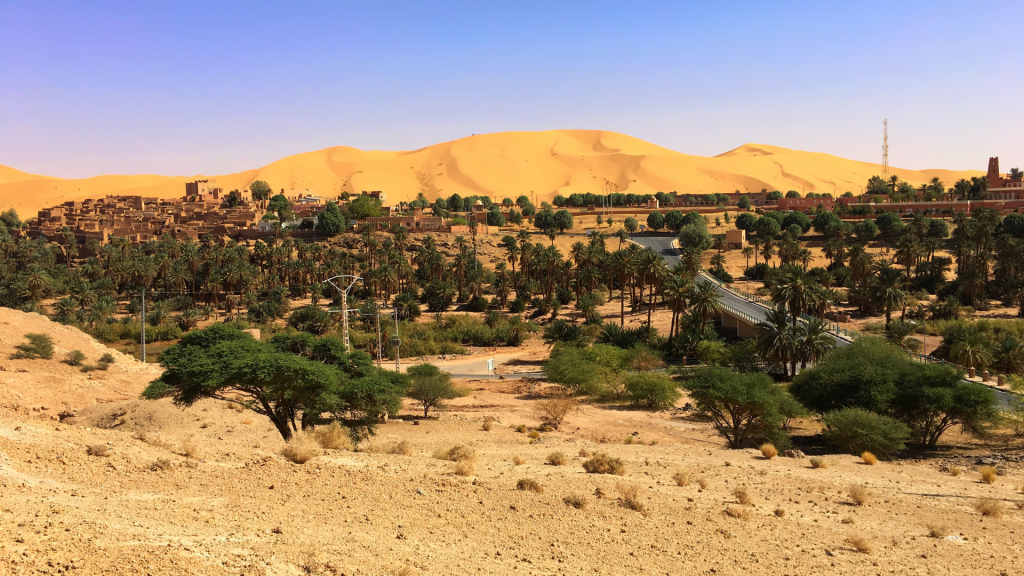
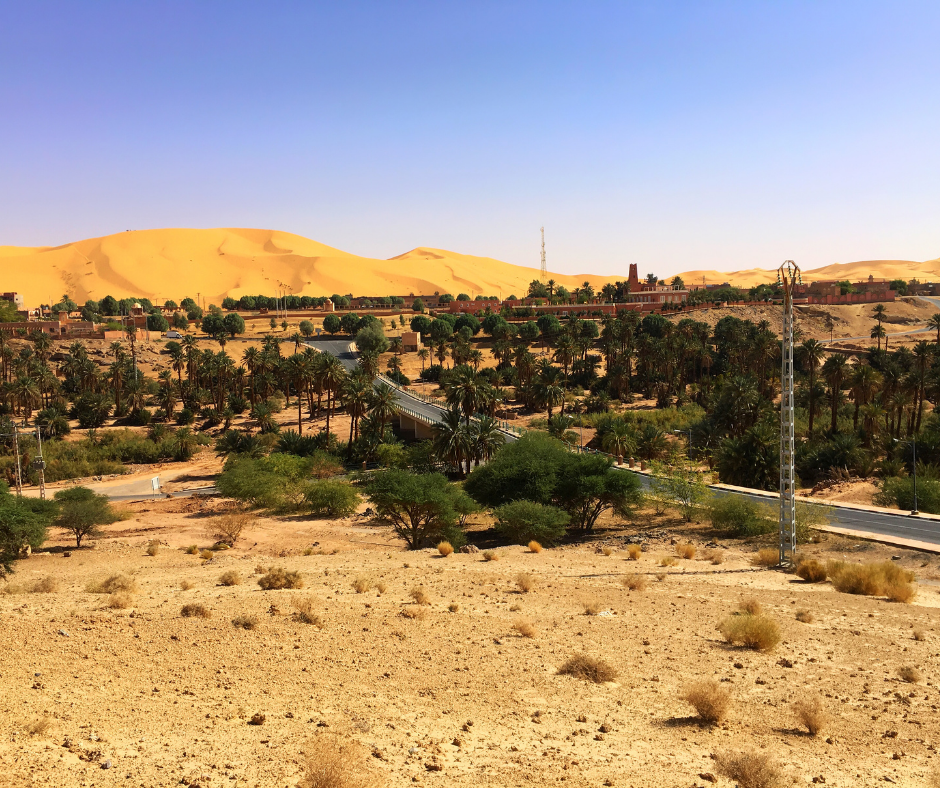
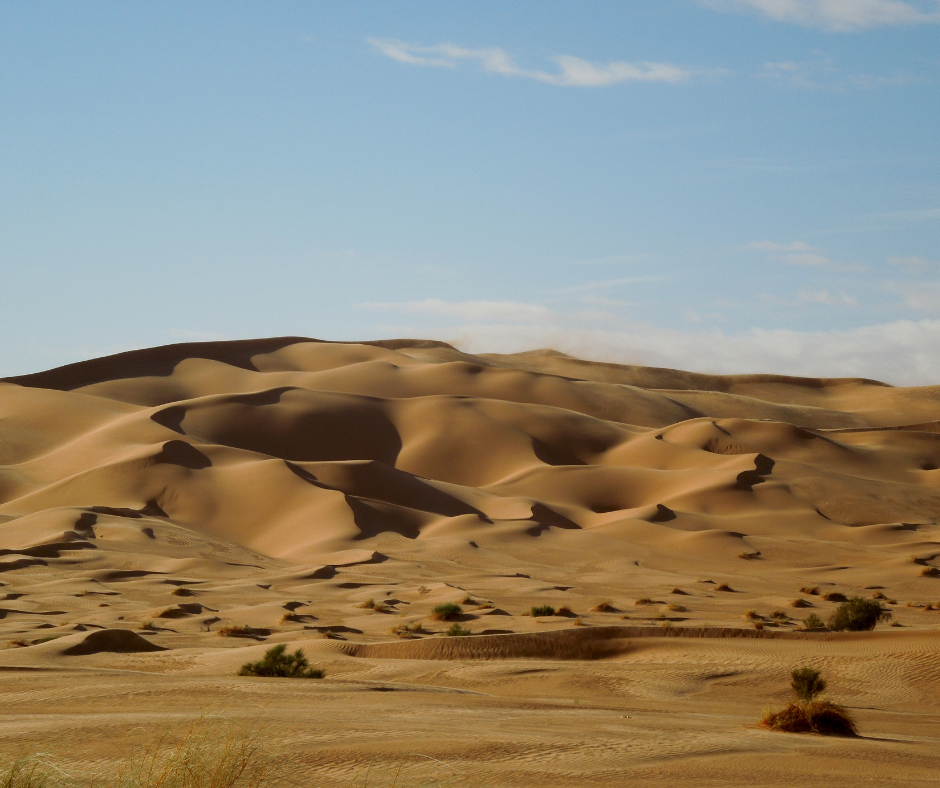
Taghit sits immediately adjacent to the Grand Erg Occidental, a massive sea of sand that stretches across the Algerian Sahara. The town is completely dominated by the Great Sand Dune, an enormous golden wall of sand that towers directly over the local buildings.
Climbing to the top of this natural monument is the absolute highlight of any visit to the region. We suggest starting your climb about an hour before dawn so you can reach the summit in time to watch the sunrise.
Walking in deep, shifting sand requires significantly more physical effort than a standard mountain hike. You will find the ascent much easier if you follow the firmer ridge lines rather than trying to walk straight up the steepest faces.
Take your time, maintain a steady breathing rhythm, and pause frequently to look back at the shrinking town below you. The physical exertion pays off the second you crest the final ridge and take in the panoramic view.
From the summit, you get a full three hundred and sixty degree view of the surrounding landscape. You can see the endless rolling waves of the erg on one side and the deep green canopy of the Zousfana Valley palm grove on the other.
Sitting quietly on the peak while the morning light changes the color of the sand from pale yellow to deep orange is an unforgettable experience.
Wandering Through the Old Ksar
After descending from the dunes, you should direct your attention to the historical heart of the town. The Old Ksar is an ancient mud brick fortress built centuries ago to protect the local population from nomadic raiders and the harsh desert climate. The architecture here is a masterclass in desert survival and traditional engineering.
The builders designed the narrow, covered alleyways to naturally funnel cool air and provide permanent shade during the hottest parts of the year.
You will notice thick adobe walls, small wooden doorways, and ceilings supported by massive palm trunks. Take your time wandering through this historic labyrinth and let your curiosity guide you through the twisting paths.
You will eventually stumble upon small hidden courtyards and the traditional central square where the community gathers. The Ksar is currently undergoing careful restoration efforts to preserve its structural integrity for future generations.
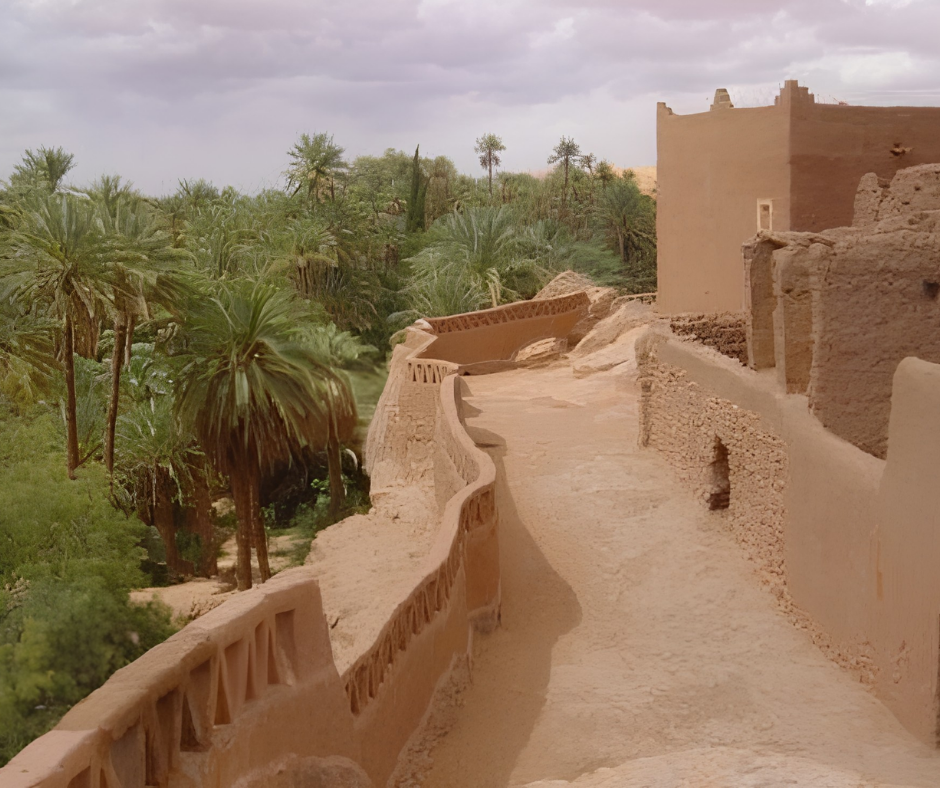
We highly recommend maintaining a quiet and respectful demeanor while exploring these corridors. Local families still live in and around the immediate area, and the Ksar remains a living piece of the community rather than just a museum exhibit.
If you happen to be invited in for a glass of tea by a local resident, graciously accept the offer to experience genuine Saharan hospitality.
Thrilling Desert Activities and Ancient History
Discovering the Prehistoric Rock Carvings
The area surrounding Taghit is rich with ancient history that predates the mud brick buildings by thousands of years. Just a short drive outside the main town, you can find a collection of incredible Neolithic rock carvings known as petroglyphs.
These ancient artworks date back to a time when the Sahara was a lush savanna filled with rivers and wildlife. The carvings are etched directly into the dark rocky outcrops that line the desert floor.
You will see clear depictions of ostriches, elephants, and large herds of horned cattle left behind by the ancient hunter gatherers who once populated this area. Looking closely at these images provides a direct link to the human history that shaped this extreme environment. These sites are completely unmarked and blend perfectly into the vast rocky landscape.
Because they are so difficult to locate, you absolutely must hire a local guide in Taghit to show you the exact locations. Visiting with a guide also ensures that you approach the sites correctly without accidentally stepping on or damaging the fragile stones.
We ask that you never touch the carvings or attempt to clean the dust out of the grooves, as the oils from your hands will degrade the ancient rock over time.
Sandboarding Down the Sahara Dunes
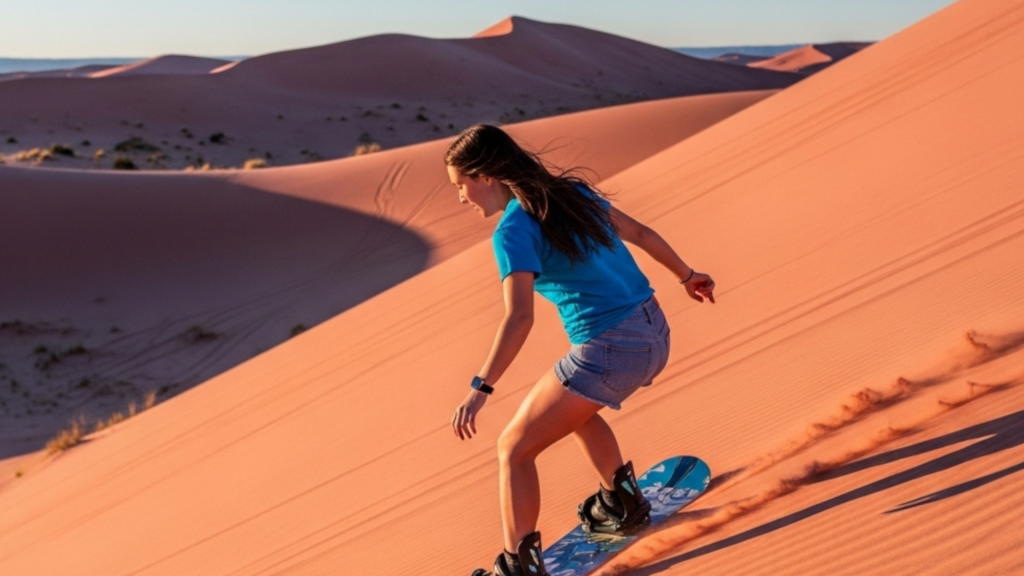
If you are looking to trade historical observation for a rush of adrenaline, sandboarding is the perfect afternoon activity. You can easily rent a wooden sandboard from several small shops or directly through your guesthouse in the center of Taghit.
The process is incredibly simple and requires no previous experience with winter sports. You just tuck the board under your arm, hike up a moderately steep dune, and prepare for the drop.
Applying a generous layer of wax to the bottom of the board is the secret to getting a smooth and fast ride down the sand.
When you are ready to slide, keep your weight centered directly over the board and leave your knees slightly bent to absorb the bumps. The ride starts off slow but quickly accelerates as you reach the steeper sections of the dune face.
You will inevitably take a few tumbles into the soft sand, which is entirely part of the fun. We recommend wearing closed toe shoes because the friction of the sand can be uncomfortable on bare feet.
Remember to always check your run out area at the bottom of the dune to ensure you do not collide with rocks, bushes, or other travelers.
Experiencing a Traditional Desert Camp
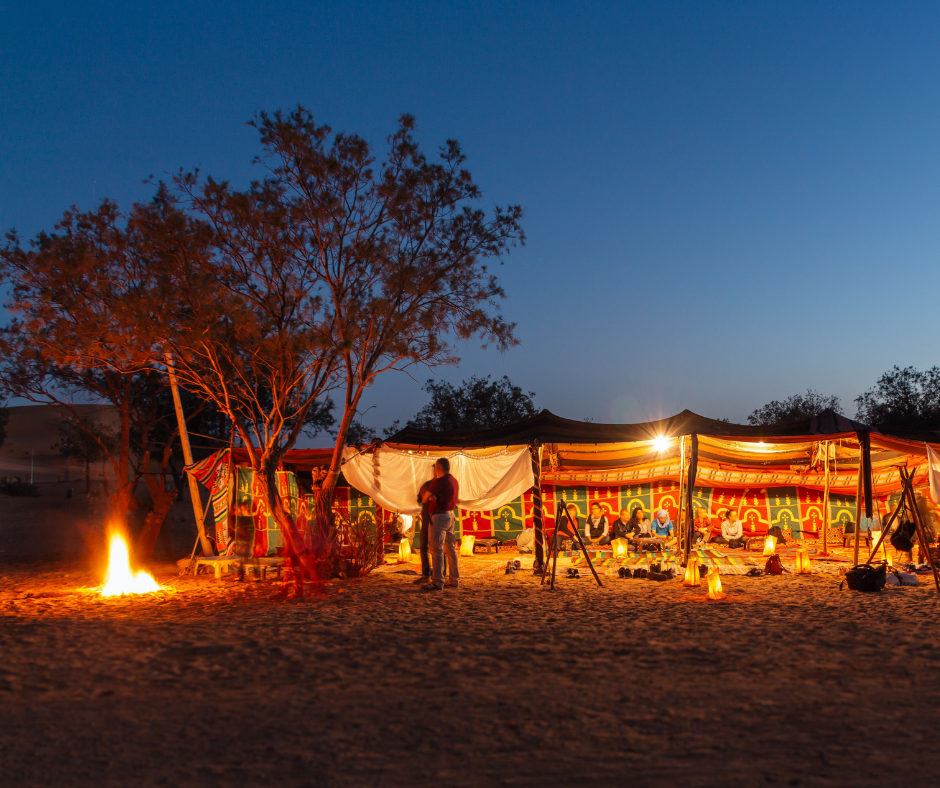
To truly understand the quiet isolation of the Sahara, you must spend at least one night sleeping outside the town limits. Booking a night at a traditional desert camp allows you to experience the vastness of the landscape under a completely unpolluted night sky.
These camps are typically set up in the deep dunes and feature heavy wool tents arranged around a central campfire. The evening always begins with the famous Saharan tea ceremony.
The local guides prepare a strong green tea mixed with fresh mint and copious amounts of sugar. The host will pour the hot tea back and forth between the pot and the glass from a great height to aerate the liquid and create a thick layer of foam.
You are traditionally served three consecutive glasses, with each glass representing a different stage of life and friendship.
After the tea, the evening often transitions into traditional drumming and singing around the fire. The silence of the desert just beyond the glow of the flames is profound and completely unmatched by any other environment.
Because the sand loses all of its heat rapidly after sunset, you must bring a heavily insulated sleeping bag to stay warm through the freezing desert night.
Essential Packing and Cultural Etiquette
Packing the Right Gear for the Sahara
Packing for the Algerian desert requires a highly strategic approach to deal with the aggressive sun and blowing sand. Your daily wardrobe should consist exclusively of loose, breathable cotton or linen clothing in light colors to reflect the heat.
You must pack a traditional long cotton scarf known locally as a cheche. This versatile piece of fabric is your absolute best defense against the elements, serving as a sun shield, a dust mask, and a warm wrap during cold evenings.
Your footwear choices are equally important for navigating the harsh terrain. Bring a pair of sturdy closed toe hiking shoes with excellent grip for walking on the rocky plateaus and exploring the cave systems.
A high quality headlamp is another absolute necessity for navigating the unlit streets of the Ksar and finding your way around the desert camp after dark.
Do not forget to pack strong moisturizing eye drops and heavy lip balm, as the arid desert air will rapidly dry out your face.
Respecting Local Customs in the Saoura Valley
The Saoura region is deeply traditional, and visitors must adjust their behavior to align with local cultural expectations. Modest dressing is the easiest and most important way to show respect to the residents of Taghit.
Both men and women should wear clothing that covers their shoulders and extends past their knees while walking through the town center or visiting the palm groves.
Photography in this region requires a highly respectful and cautious approach. You must always ask for explicit verbal permission before taking photographs of local residents.
This rule is especially strict when it comes to photographing women, children, and the older generations who may feel uncomfortable on camera. If someone declines your request for a photo, simply smile, thank them, and put your camera away immediately.
Taking the time to learn a few basic Arabic phrases goes a very long way in this welcoming community. Greeting shopkeepers and guides with a warm Salam Alaikum shows that you respect their culture and are making an effort to connect.
Algerians are famous for their deep hospitality, and showing basic cultural respect will open doors to incredible conversations and genuine friendships during your time in the desert.


