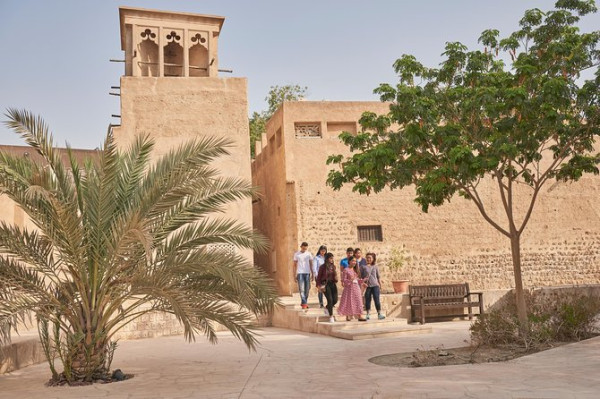
The thought of navigating unfamiliar highways in a foreign country often brings a mix of excitement and mild anxiety about local regulations.
That is why our team at WildyNess created this guide to ensure you feel completely at home behind the wheel.
Legal Requirements for Foreign Drivers
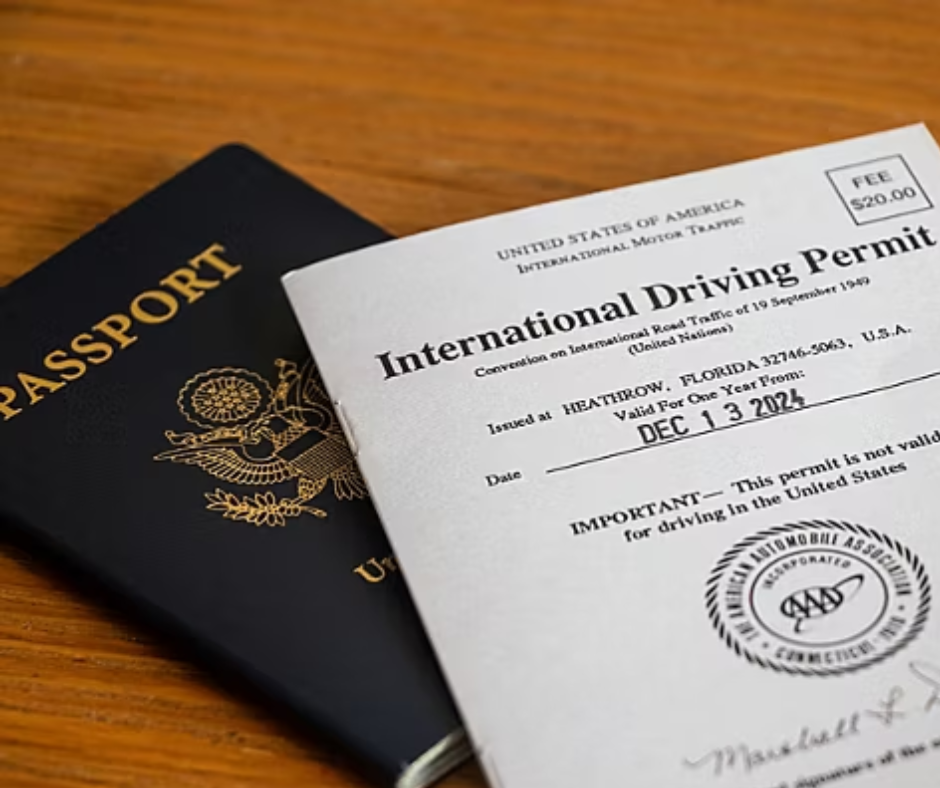
Before you pick up the keys to your rental car, you must ensure your paperwork is in order. Visitors from GCC countries and many Western nations can often drive using their original national license, but requirements frequently change.
We recommend carrying an International Driving Permit alongside your original license to avoid any linguistic confusion with local authorities or rental agents.
Age and Identification Standards
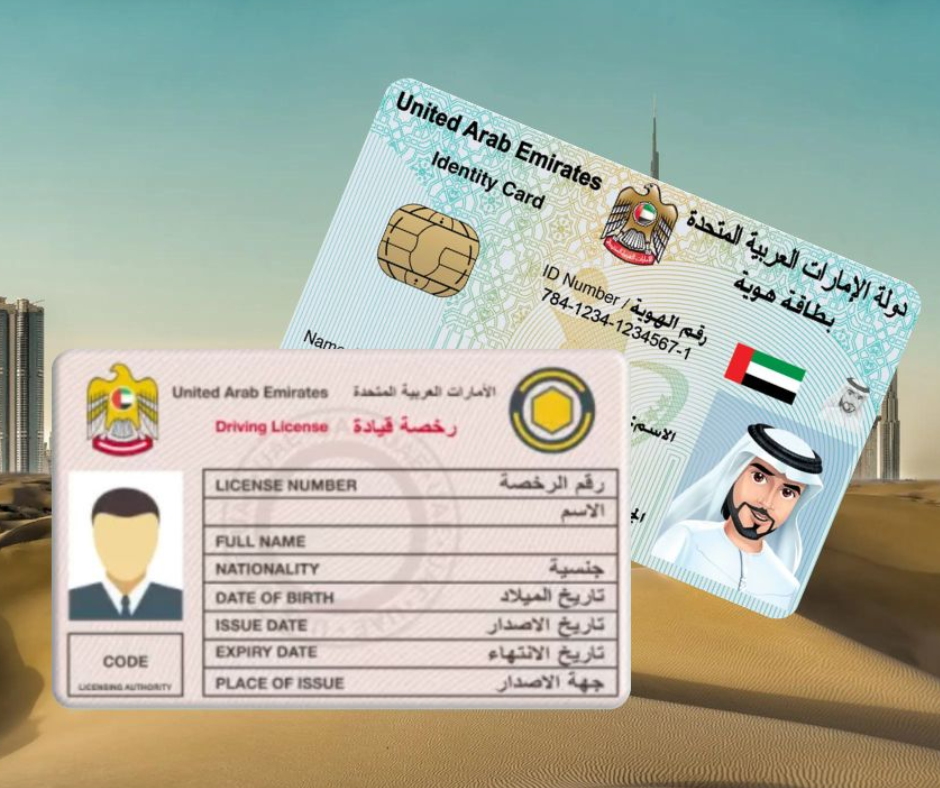
While the legal driving age in the UAE is 18, most rental companies require drivers to be at least 21 or sometimes 25 years old. You will need to present your original passport with the entry stamp and a valid credit card in the name of the primary driver.
If you are a resident, your Emirates ID and UAE driving license are the only documents you need to keep on hand.
Understanding Speed Limits and Traffic Enforcement
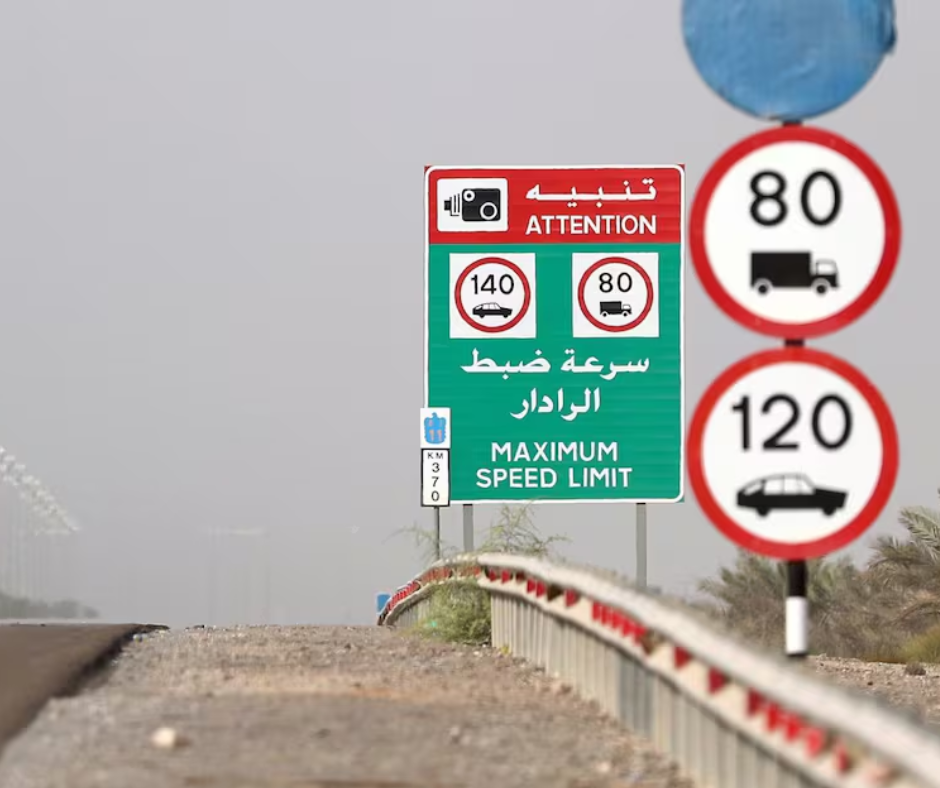
The UAE is famous for its world-class road infrastructure and equally famous for its high-tech traffic enforcement. Speed limits are clearly posted on large overhead signs and smaller roadside markers.
You will notice that speed limits can drop abruptly when entering residential areas or approaching major interchanges, so staying alert is vital for your safety.
Regional Variations in Speed Buffers
In most emirates, there is a technical buffer of 20 km/h over the posted speed limit before a camera triggers. For example, a 100 km/h sign usually means the camera will catch you at 121 km/h.
However, Abu Dhabi does not use this buffer system. In the capital, the speed on the sign is the absolute maximum allowed, and cameras will flash the moment you exceed it.
Automated Camera Systems and Fines
Traffic enforcement is almost entirely automated through a massive network of fixed and mobile cameras. These devices do more than just monitor speed; they also detect tailgating, illegal lane changes, and the use of mobile phones while driving.
Fines are linked to the vehicle plate and are usually settled when the rental car is returned or during the annual registration renewal for private cars.

Navigating the Toll Systems
Modern road travel in the UAE involves crossing several electronic toll gates designed to manage traffic flow during peak hours. You do not need to stop at any booths or search for spare change.
Every rental car is equipped with a small electronic tag on the windshield that communicates with the overhead sensors.
The Salik System in Dubai
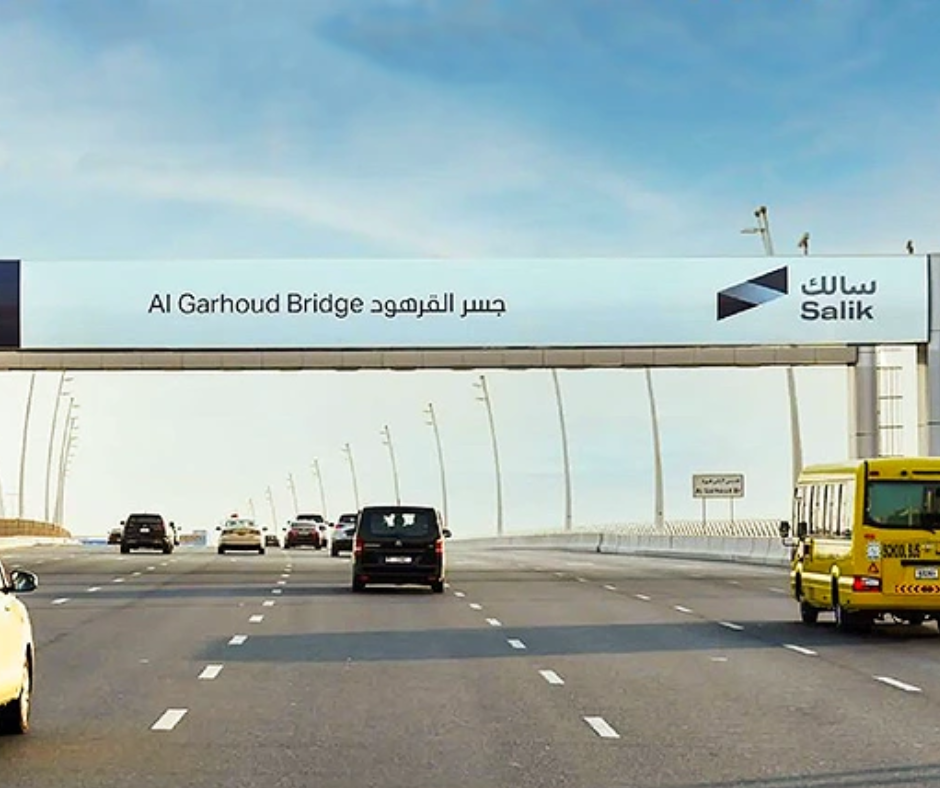
Dubai uses the Salik system, which operates across major arteries like Sheikh Zayed Road and Al Maktoum Bridge. Each time you pass under a red Salik gate, a fee is automatically charged to the vehicle account.
Most rental agencies will bill you for these charges at the end of your trip, often adding a small administrative fee for each transaction.
Darb Tolls in Abu Dhabi
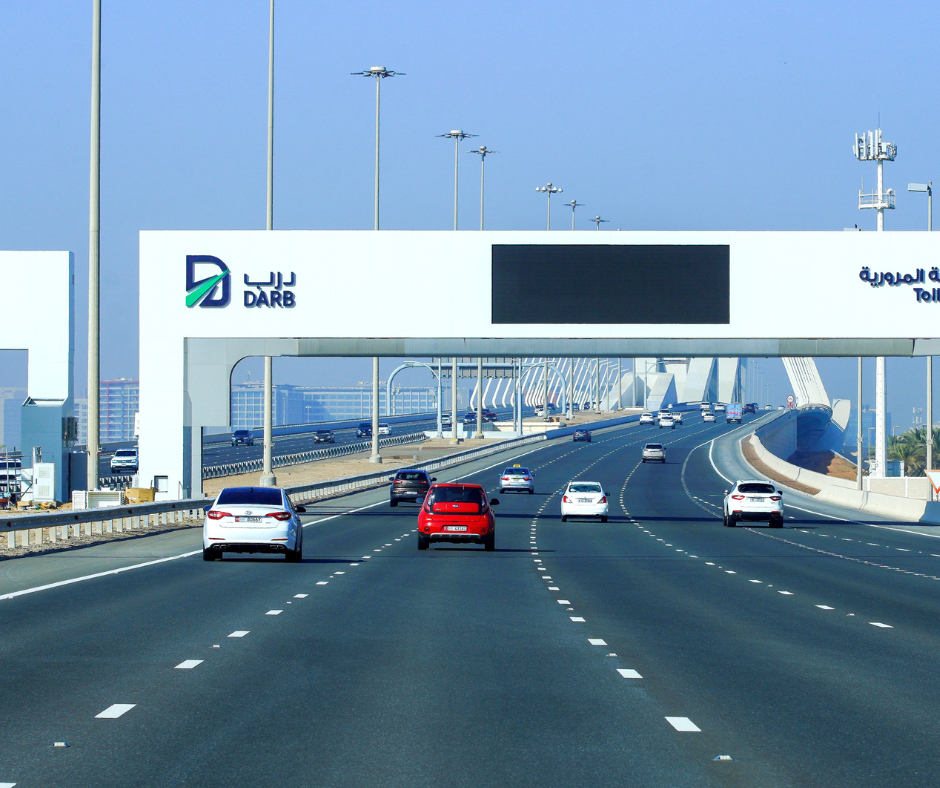
Abu Dhabi uses its own system called Darb, which functions during peak morning and evening hours. Unlike the 24-hour Salik gates in Dubai, Darb charges are only active during specific time windows on weekdays.
It is important to check with your rental provider to ensure your vehicle is registered for both systems if you plan to drive between the two cities.
Read also: The Guide to Heritage in Dubai, Abu Dhabi & Beyond
Parking and Fuel Logistics
Finding a place to park is generally easy due to the abundance of paid parking lots and underground garages. In major cities, parking is divided into different zones that carry different hourly rates and time limits.
You can pay for these using local coins, via SMS if you have a local SIM card, or through official government apps.
Public Parking Zones and Timings
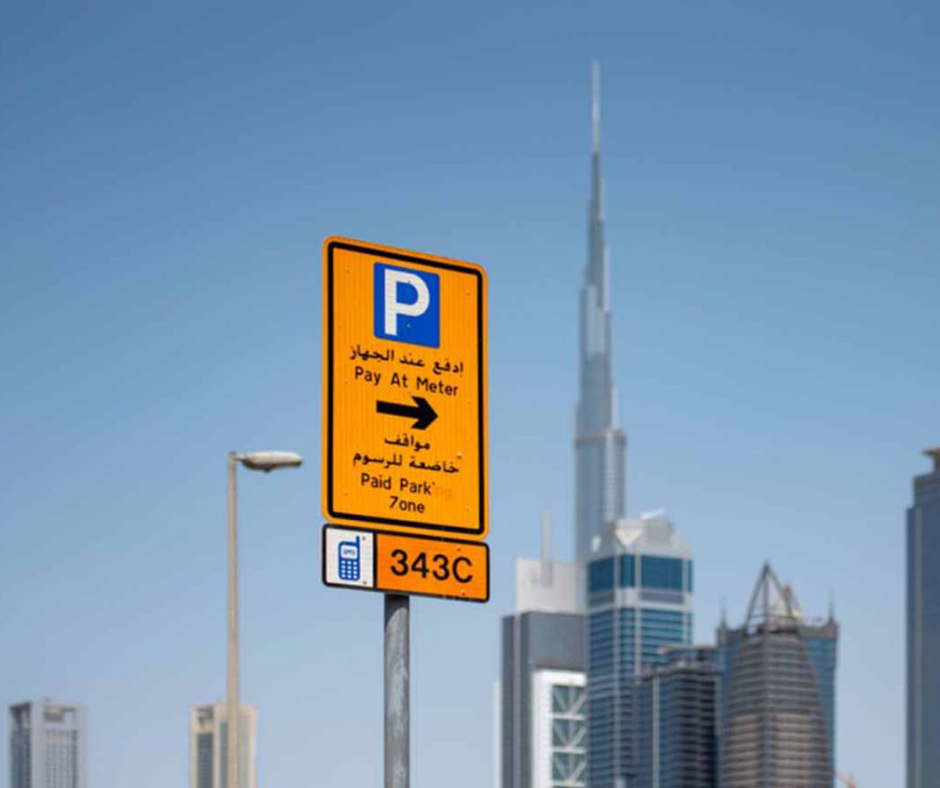
Street parking is usually paid from 8:00 AM until 10:00 PM, though these times vary during public holidays and the month of Ramadan.
In Dubai, parking is typically free on Sundays, while in Abu Dhabi, it is free on Sundays and public holidays. Always read the nearby instructional signs to confirm the specific zone code before you leave your vehicle.
Fuel Types and Service Stations
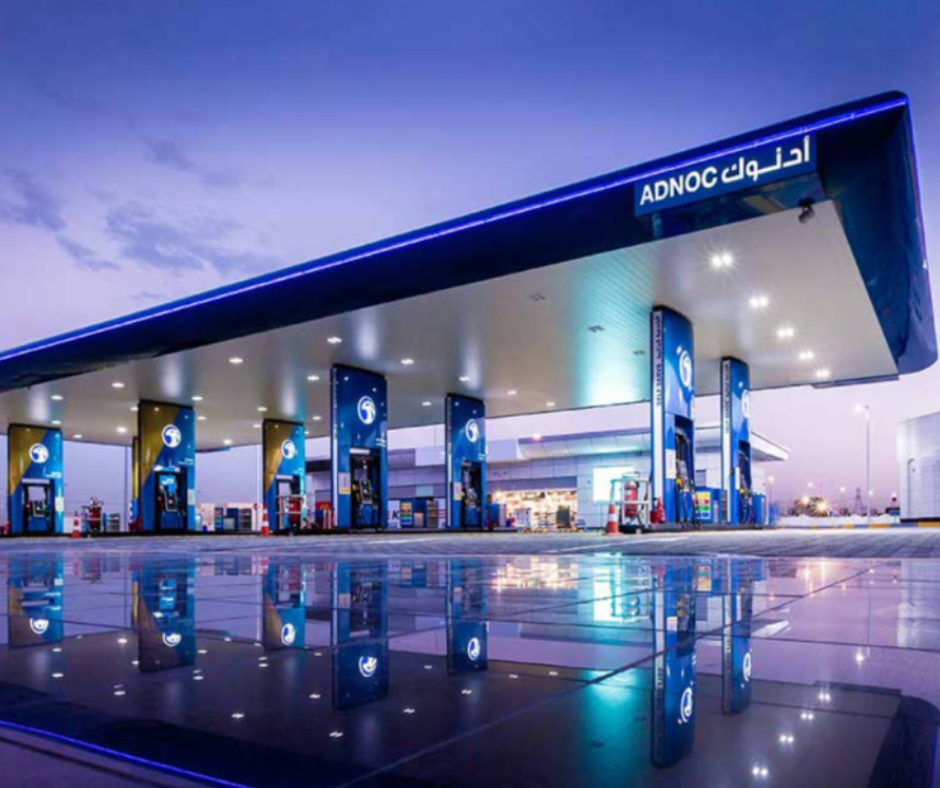
Fuel stations like ADNOC and ENOC are plentiful and offer full-service options where an attendant fills the tank for you. You will usually have a choice between Special 95 and Super 98 petrol.
Most standard rental cars run perfectly on Special 95. Many stations also feature high-quality convenience stores, car washes, and even fast-food outlets, making them perfect spots for a mid-trip break.
Safety Standards and Road Etiquette
The UAE maintains a strict approach to road safety to protect all residents and visitors. Wearing a seatbelt is mandatory for every person in the vehicle, including passengers in the rear seats.
Children under the age of four must be secured in an appropriate child safety seat, which you can typically request from your rental agency.

Zero Tolerance for Alcohol
The UAE has a strict zero-tolerance policy regarding drinking and driving. Even a very small amount of alcohol in your system can lead to severe legal consequences, including heavy fines and jail time.
If you plan on enjoying a drink at dinner, it is best to use the ubiquitous taxi services or ride-sharing apps like Careem and Uber.

Lane Discipline and Signaling
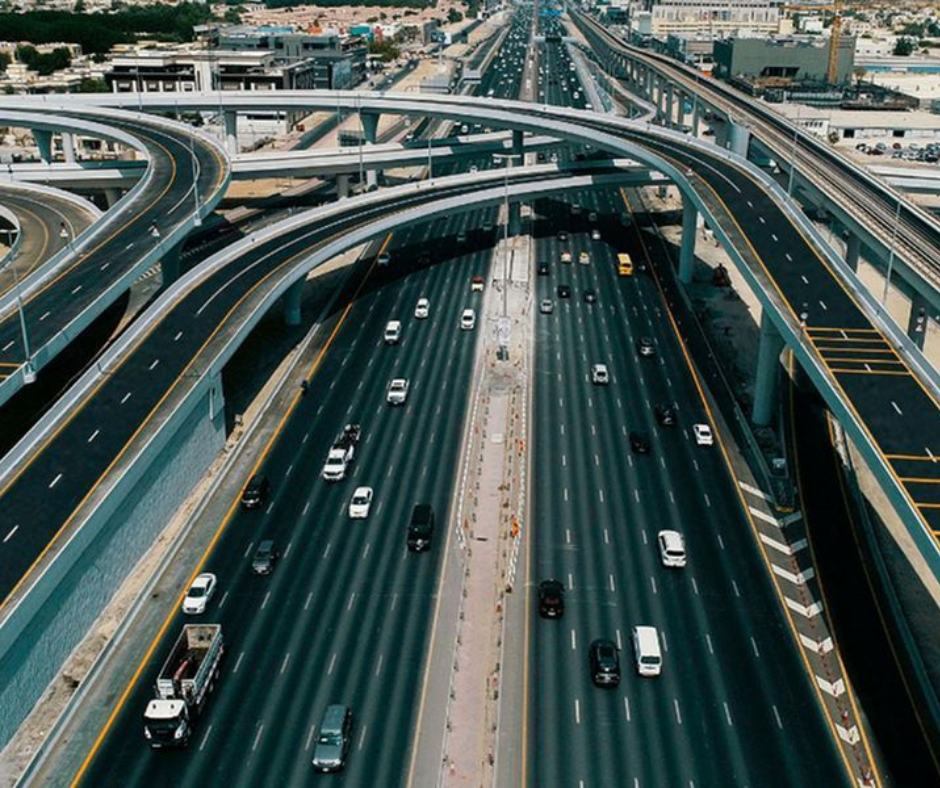
Lane discipline is taken very seriously on the multi-lane highways that connect the emirates. The far-left lane is reserved for overtaking and high-speed travel.
If you are driving slower than the flow of traffic, you should move to the right lanes to allow others to pass. Always use your indicators well in advance of a lane change to maintain predictability for other drivers.
Digital Tools for Seamless Navigation
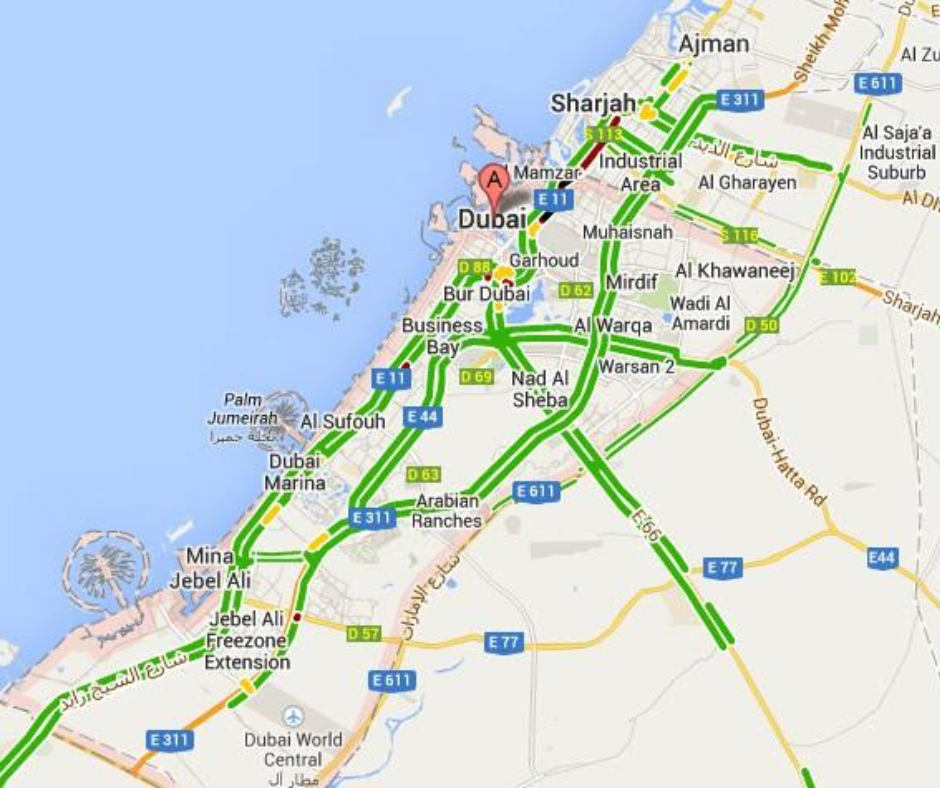
Technology makes road tripping through the desert and cityscapes much more manageable. While the road signage is excellent and provided in both Arabic and English, real-time traffic updates are essential for avoiding congestion.
We recommend using a combination of navigation tools to ensure you stay on the most efficient path.
Reliable Navigation Apps
Google Maps is highly reliable for most urban and rural areas, providing accurate ETA data and lane guidance. Waze is also popular among locals because it provides real-time alerts about road hazards and police presence.
For those heading toward the mountains, such as travelers following our guide to
Government and Utility Apps
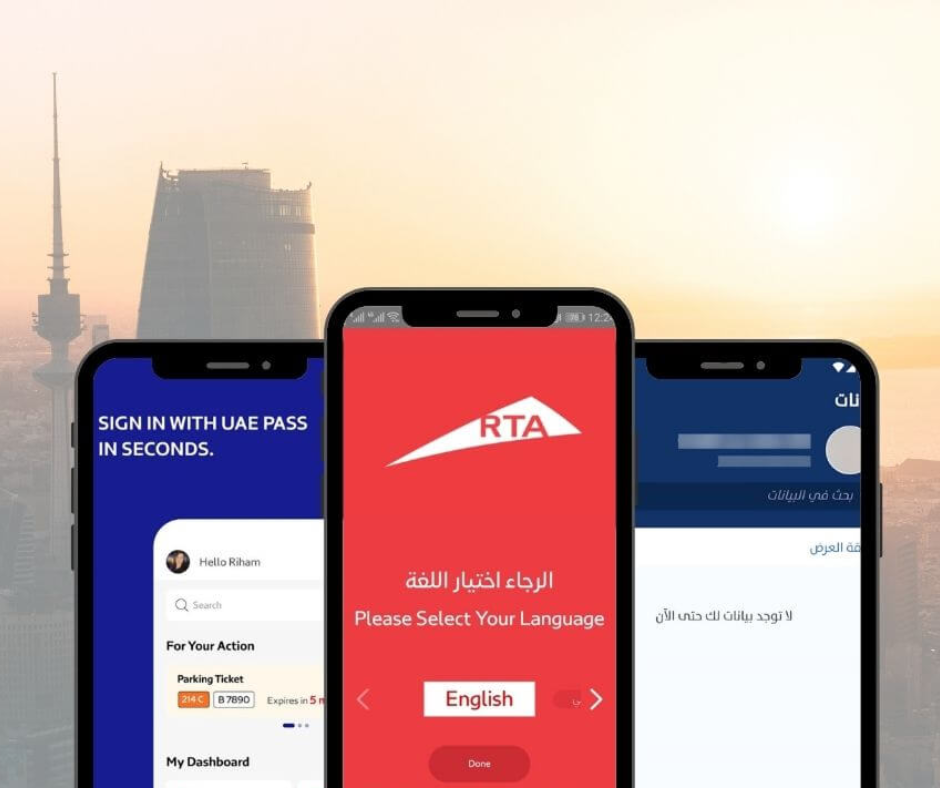
The RTA Dubai app and the DARB app are incredibly useful for managing parking payments and toll balances. If you find yourself needing public transport during your trip, the S'hail app provides a comprehensive overview of bus, metro, and tram schedules.
Having these tools downloaded before you depart will save you significant time and effort.
Essential Gear for Remote Routes
While the main highways are impeccable, your adventure might take you toward the rugged mountains of the northern emirates or the rolling dunes of the south. Preparation is key when leaving the city limits.
The desert environment can be unforgiving, especially regarding heat and vehicle recovery if you decide to venture off the pavement.
Vehicle Safety Kits
Ensure your vehicle contains a spare tire in good condition and the necessary tools to change it. We suggest carrying a small portable air compressor to adjust tire pressure if you plan on driving on soft sand.
A basic first aid kit, a high-visibility vest, and a reflective triangle are standard requirements that should be present in every rental car.
Hydration and Communication
Always carry significantly more water than you think you will need. A minimum of five liters of extra water stored in the trunk can be a lifesaver if you experience a mechanical breakdown in a remote area.
Ensure your mobile phone is fully charged and carry a high-capacity power bank. In many mountainous areas, signal strength can be intermittent, so downloading offline maps is a smart precautionary measure.
If you're coming to Dubai solo, we recommend reading Solo Travel Dubai: The Ultimate Guide to Independent Trips
Cultural Awareness on the Road
Respecting local customs is just as important as following traffic laws. Your behavior behind the wheel reflects your respect for the local culture.
Maintaining a calm and polite demeanor will ensure that your interactions with other drivers and authorities remain positive throughout your journey.
Communication and Gestures
Avoid using aggressive hand gestures or shouting at other drivers, as this can be considered a criminal offense in the UAE. If you find yourself in a stressful traffic situation, it is best to remain patient and avoid any form of confrontation.
Public displays of anger are socially discouraged and can lead to complications with law enforcement.

Respecting Authorities and Customs
If you are pulled over by the police, stay in your vehicle and wait for the officer to approach you. Be polite and provide your documents clearly when asked.
During the holy month of Ramadan, be mindful that many drivers may be fasting. It is respectful to avoid eating, drinking, or smoking in your car if you are in clear view of others during daylight hours. You should also be aware that drivers who are fasting can sometimes be unpredictable especially in the hours close to breaking the fast in sunset.
Preparing for Your UAE Adventure
A road trip through the UAE offers a unique window into the rapid development and natural beauty of the Arabian Peninsula. By understanding the rules and preparing for the environment, you turn a simple drive into a seamless exploration of culture and landscape.
Now that you are equipped with the essential rules and tips, the open road is yours to enjoy. Proper planning is the secret to a stress-free trip, allowing you to focus on the sights rather than the paperwork. We wish you a safe and exhilarating journey across the Emirates.
If you have questions or need assistance, feel free to contact us, and we will get back to you swiftly. And if you would like personalized help planning your perfect itinerary, simply email us and we will craft your dream adventure together.
If you're interested in the wadis in the UAE, we suggest reading The WildyNess Guide to the 9 Best Wadis in the UAE