
Navigating a massive, unfamiliar transit network in a new country can quickly turn an exciting morning into a frustrating puzzle of maps and ticket machines.
That is why our team at WildyNess created this guide; To help you navigate the metro in Riyadh and its 6 lines.
Understanding the Riyadh Metro System
The Six Color-Coded Lines
Riyadh is a sprawling metropolis, and the metro system was designed to connect its furthest corners through a massive network of six distinct lines. The system covers over one hundred and seventy kilometers, making it one of the largest public transit projects in the world.
You will find that navigating these lines is incredibly intuitive once you understand the basic layout.
The Blue Line, also known as Line 1, is perhaps the most useful for visitors. It runs vertically north to south along the main commercial arteries of Olaya Street and Batha Street, giving you direct access to major financial hubs, high-end shopping districts, and older traditional markets.
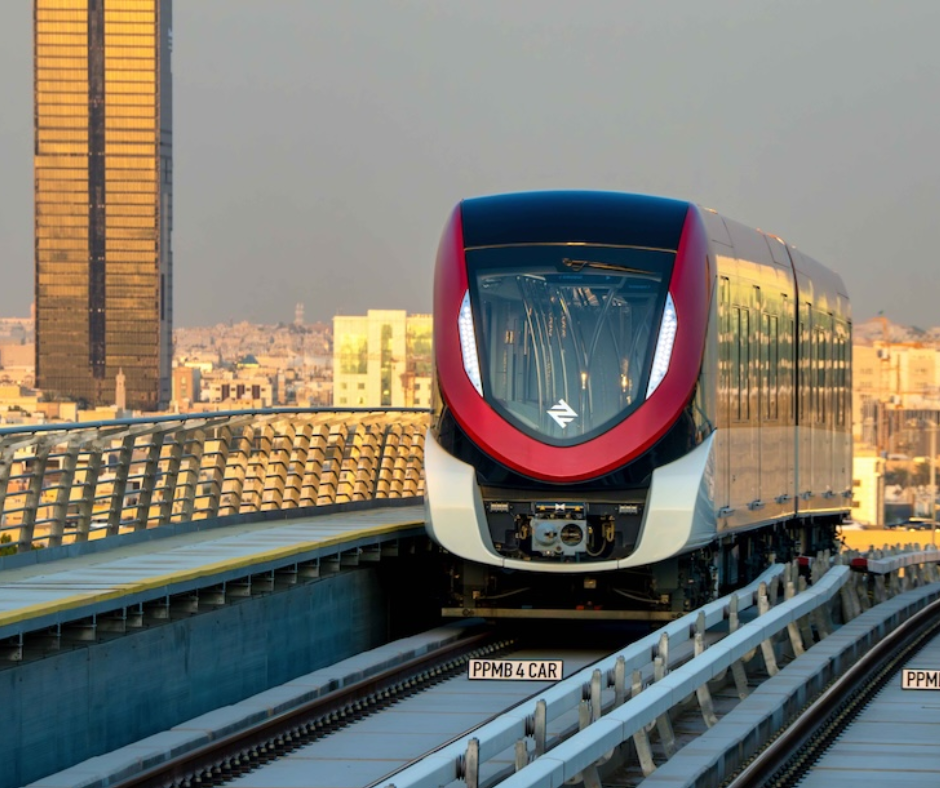
The Red Line, or Line 2, travels east to west along King Abdullah Road, passing by major universities and sports facilities.
The Orange Line is the longest route in the system, stretching across the city and anchoring major transport hubs like the newly opened Western Station.
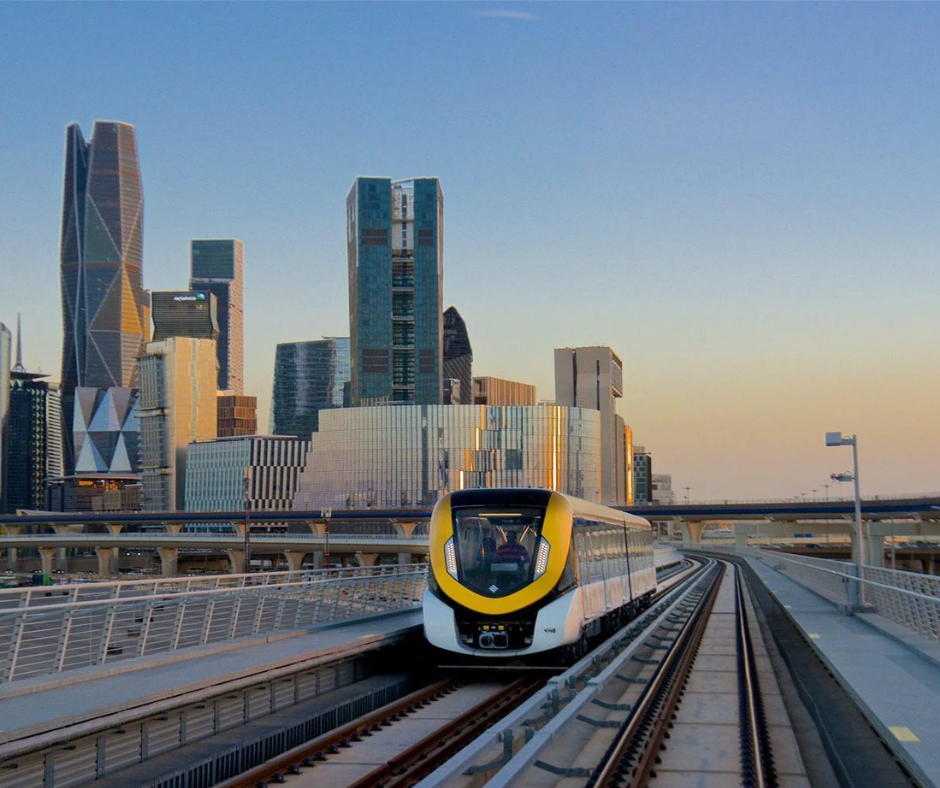
If you are flying into the city, the Yellow Line is your direct link from King Khalid International Airport straight into the King Abdullah Financial District. From there, you can easily transfer to the rest of the network.
The Green Line services the King Abdulaziz Road corridor, dropping you right near important cultural landmarks and government ministries.
Finally, the Purple Line completes the grid, ensuring that even residential and newly developed commercial zones are within easy reach.
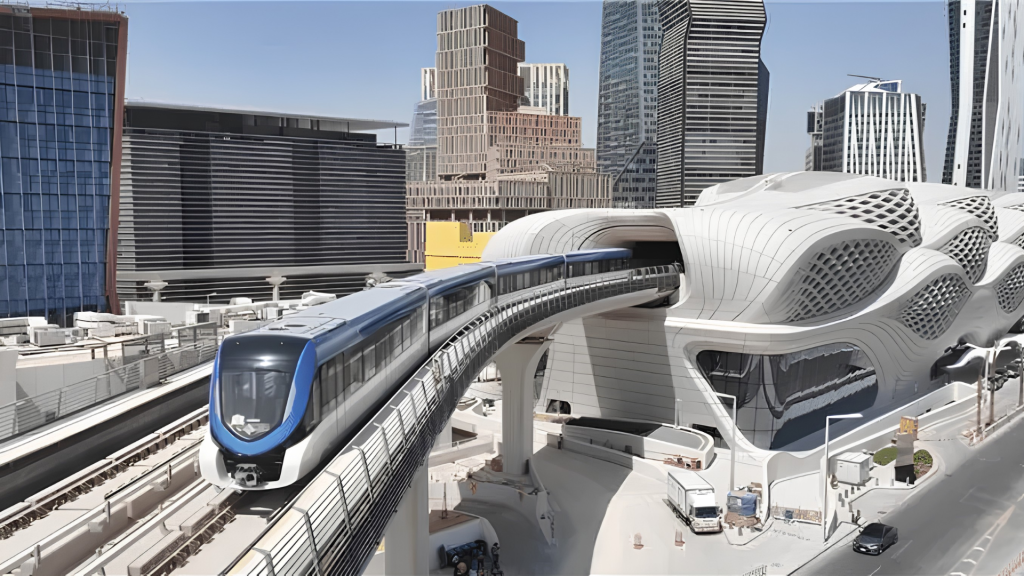
Knowing these primary routes helps you map out your daily movements without constantly checking your phone. The architecture of the stations is also worth noting. Many were designed by world-renowned architects and feature natural light, sweeping arches, and modern amenities that make waiting for a train an enjoyable experience in itself.
Connecting to King Khalid International Airport
Landing in a new country often comes with the immediate stress of negotiating taxi fares or figuring out ride-hailing apps in the arrivals hall. The Riyadh Metro eliminates this entirely by providing a direct, air-conditioned link from King Khalid International Airport right into the heart of the capital.
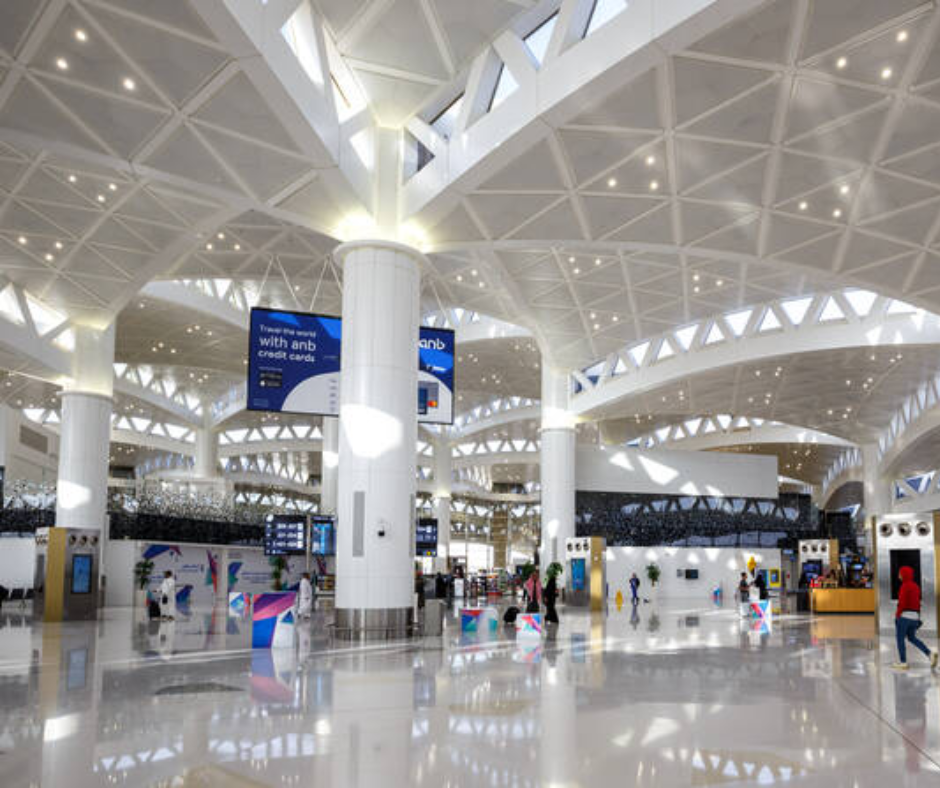
The Yellow Line connects directly to the airport terminals, allowing you to bypass the notorious highway traffic and start your journey smoothly. When you clear customs and step into the arrivals area, simply look for the clear signage pointing toward the metro station. The walkways are wide and designed to accommodate travelers with heavy luggage.
Once you reach the station, you will find ticket vending machines and helpful staff ready to assist. If you prefer to have everything sorted before you even collect your bags, you can download the transport application using the airport internet and purchase a digital pass.
The trains on the Yellow Line are spacious, offering designated areas for your suitcases so you do not have to worry about blocking the aisles. The ride from the airport to the King Abdullah Financial District interchange is swift and comfortable.
From that major hub, you can transfer to the Blue or Purple lines to reach your hotel in the central neighborhoods. This seamless transition from plane to train sets a relaxing tone for your entire visit. It takes the guesswork out of your arrival and immediately plugs you into the local rhythm of the city.
Seamless Transfers Between Metro and Bus
The true power of the public transport network in the Saudi capital lies in how well the metro integrates with the city buses. The transit authority designed the system as a unified web, meaning your ticket or daily pass works across both modes of transport. This is crucial because while the trains cover massive distances quickly, the buses act as the perfect solution for the first and last mile of your journey.
When you exit a main train station, you will almost always find a dedicated bus bay just a few steps away. You do not need to walk long distances under the hot sun to find your connecting ride.
Transferring is a straightforward process. The digital display boards inside the train stations show the live arrival times for the buses waiting outside. You simply walk out, find the matching route number, and tap your phone or travel card on the reader as you board the bus.
There is no need to purchase a separate ticket or figure out a different fare structure. This integration makes it incredibly easy to reach destinations that might be a fifteen-minute walk from the nearest train station. By combining a fast underground trip with a short, cool bus ride, you keep your travel time low and your energy levels high for sightseeing.
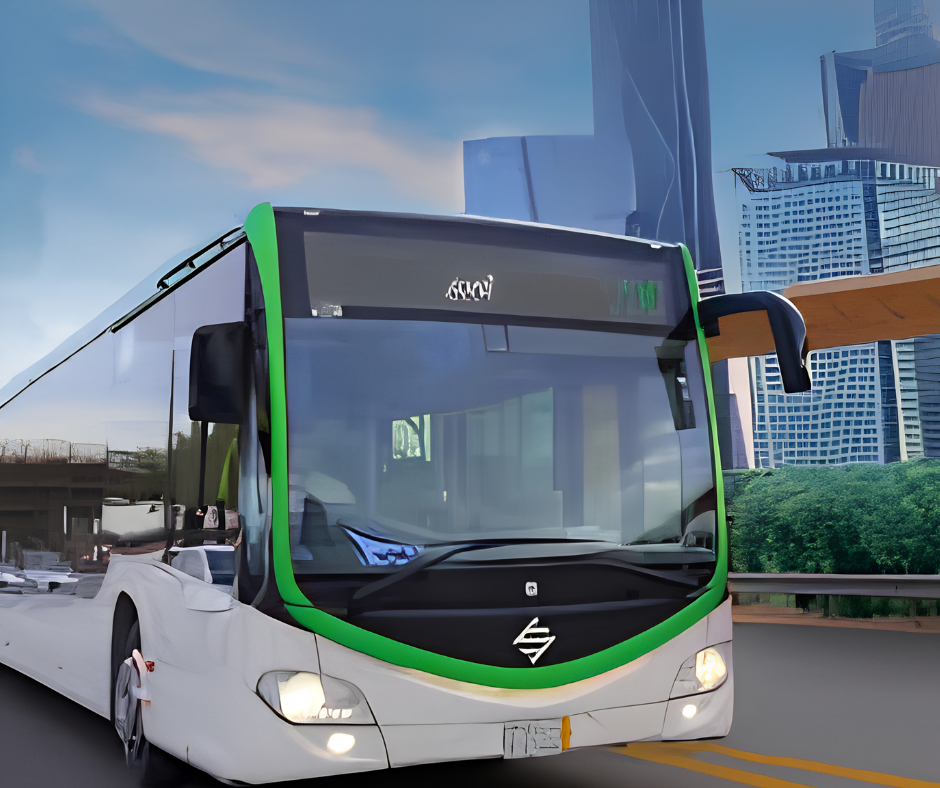
In addition to standard buses, the city has implemented a Bus Rapid Transit system that runs in dedicated lanes, meaning these specific buses bypass regular street traffic entirely. This is particularly useful when you are trying to reach newly developed zones that might not yet have a dedicated train station.
Tickets, Fares, and the Darb App
Setting Up the Darb Application
Before you take your first ride, setting up your digital ticketing will save you time and frustration. The official application for Riyadh public transport is called Darb, and it is available for both Android and Apple devices.
We highly recommend downloading this app while you are still at your hotel or using the airport wireless network. Once the app is installed, you will be prompted to select your preferred language, with English being fully supported and easy to navigate. You will then create a personal account using your email address and verify it through a quick confirmation link.
After your account is active, the next step is adding a payment method to the digital wallet. You can securely link an international credit card or use mobile payment options.
Having your payment method saved means you can buy tickets instantly while walking to the station, rather than queuing at a physical machine. The Darb app is not just for buying tickets; it also features a comprehensive journey planner. You simply type in your current location and your desired destination, and the app will generate the fastest route, including all necessary line transfers and estimated walking times.
When you approach the metro turnstiles, you just open the app, pull up your digital ticket, and scan the QR code on the glowing reader. Just remember to turn up your screen brightness to ensure the scanner reads the code instantly. The application also allows you to track your travel history and review your past purchases, making it an indispensable tool for your trip.
Choosing the Best Ticket Packages
Understanding the fare structure helps you save money and travel more efficiently. The transit system offers several types of tickets, and choosing the right one depends entirely on how much you plan to move around.
A standard single journey ticket costs four Saudi Riyals and is valid for two hours. This is an excellent option if you only plan to make one round trip during the day, such as heading out for a specific dinner reservation and returning to your hotel. However, for a traveler looking to explore multiple neighborhoods, buying single tickets quickly becomes inconvenient and less cost-effective.
This is where the unlimited passes become incredibly valuable. You can purchase a three-day pass for twenty Saudi Riyals, which grants you unlimited rides on both the trains and the buses. If you compare the cost, the three-day pass pays for itself after just five individual trips.
There is also a seven-day pass available for forty Riyals, which is the perfect choice for a week-long vacation. When you have an unlimited pass, you stop worrying about the cost of each individual trip. You might decide to jump on the train just to travel one stop to avoid walking in the midday heat, or take a quick detour to check out a recommended cafe.
Having a loaded pass on your phone gives you the ultimate freedom to navigate the capital without any financial hesitation. It turns the transit network into a hop-on, hop-off experience tailored perfectly to your schedule.
Top Destinations on the Metro Network
Exploring Historic Sites Like Al Masmak
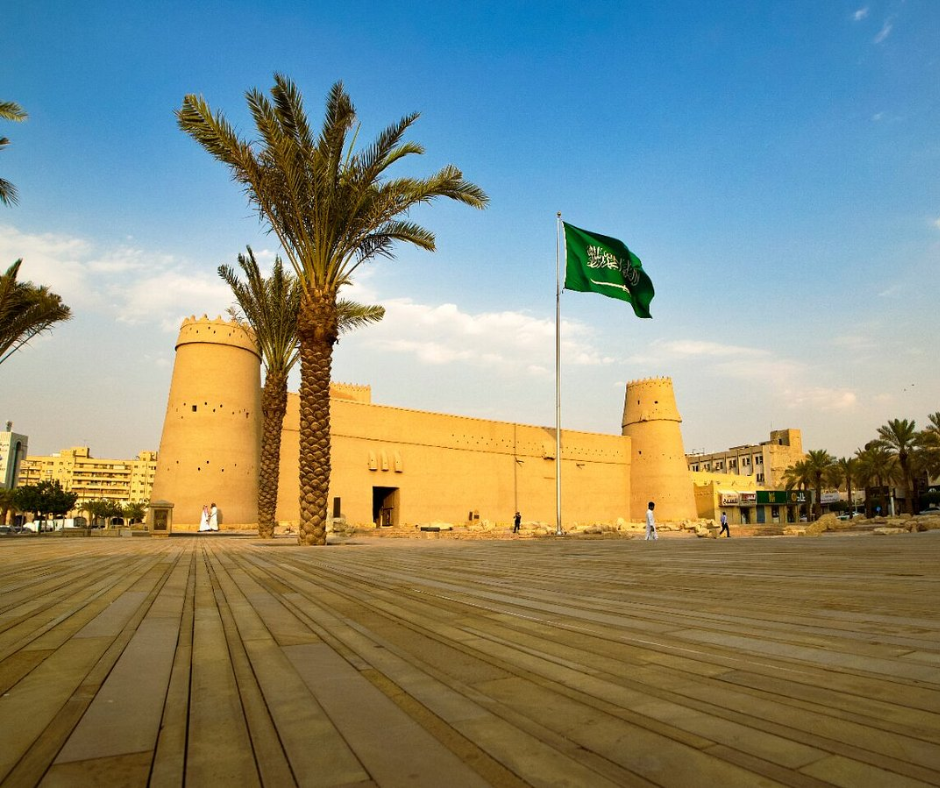
Riyadh is a fascinating mix of ancient history and ultra-modern development, and the train network drops you right at the doorstep of the city's most important heritage sites. One of the absolute must-see locations is the Al Masmak Fortress, a stunning mud-brick citadel that played a pivotal role in the unification of Saudi Arabia.
You can reach this historic area by taking the Orange Line and getting off at the nearby stations in the downtown district. Stepping out of the modern, air-conditioned station and walking toward the traditional architecture of the fortress creates a striking contrast that defines the city. The fortress museum offers a deep dive into the nation's past, and getting there by train means you skip the notorious downtown traffic.
Just a short walk from the fortress, you will find the bustling Souq Al Zal, the oldest traditional market in the capital. Here, you can wander through narrow alleys filled with the scent of burning oud, intricate carpets, and traditional garments.
Because you took the train, you do not have to worry about finding parking in these incredibly crowded historic streets. Another essential cultural stop is the National Museum of Saudi Arabia, located within the King Abdulaziz Historical Center.
By using the Green Line, you can access this expansive museum complex and spend hours learning about the geological and cultural history of the Arabian Peninsula. Combining these historic stops into a single afternoon is effortless when you let the transit system handle the logistics.
Accessing Modern Riyadh and Kingdom Centre
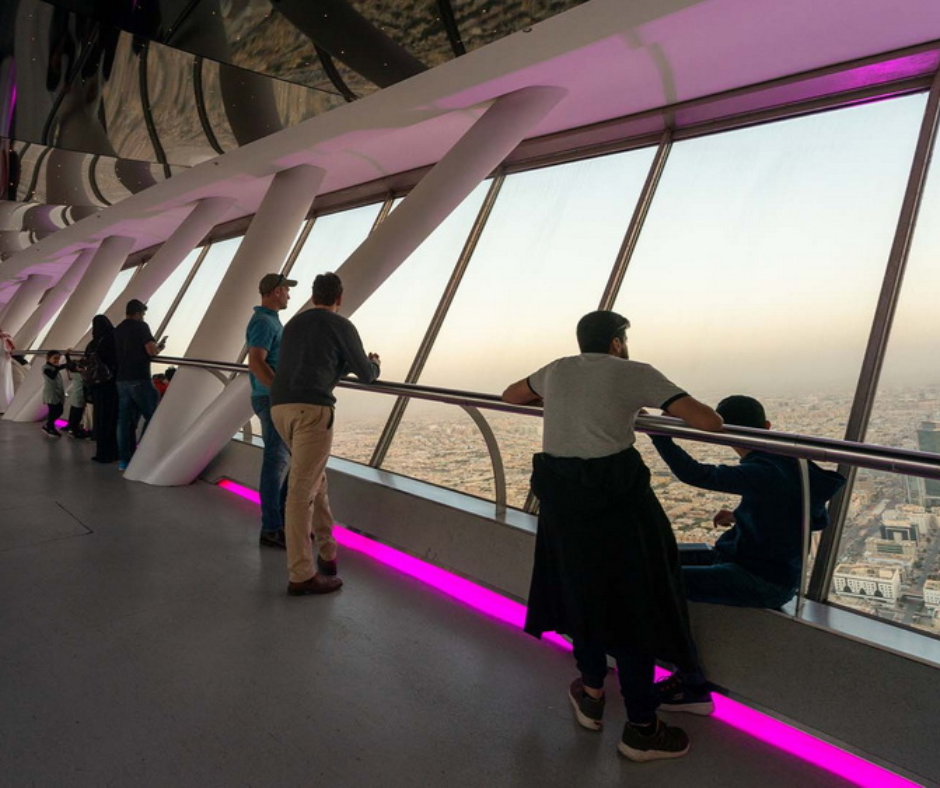
While the southern parts of the city hold the deep history, the northern districts showcase the ambitious future of the country. The Blue Line is your primary transport corridor for experiencing this modern skyline. A trip to Riyadh is never complete without seeing the Kingdom Centre, the iconic skyscraper with its distinctive curved opening at the top.
You can take the Blue Line to the Olaya district, walk a short distance, and take the high-speed elevator to the Sky Bridge observation deck. Looking out over the sprawling, illuminated city at sunset from this vantage point provides an unforgettable perspective that truly highlights the scale of the capital.
Further north on the network, you will find the King Abdullah Financial District, often referred to as KAFD. This architectural marvel feels like a city within a city, featuring glass towers, pedestrian walkways, and striking geometric designs.
The transit station serving KAFD is itself a masterpiece of modern architecture, serving as a major interchange for three different lines. This makes it incredibly accessible from anywhere in the capital. You can spend an entire evening dining at high-end restaurants and strolling through the futuristic plazas of this district.
If you want a perfectly structured plan to see all these modern and historic highlights without the planning stress, you can follow our comprehensive
Practical Advice for a Smooth Ride
Metro Operating Hours and Peak Times
To truly master the transit network, you need to understand the daily rhythms of the city and time your travel accordingly. The trains operate from six in the morning until midnight every single day of the week. This extensive schedule gives you plenty of flexibility for early morning excursions or late dinners.
However, you should be aware of the peak commuter hours. From seven to nine in the morning, and again from four to seven in the evening, the stations and train cars fill up rapidly with locals heading to and from work. During these windows, the platforms are bustling, and finding a seat is highly unlikely.
If you have the flexibility, the smartest strategy is to plan your longest transit journeys during the off-peak hours. Moving across the city between ten in the morning and three in the afternoon guarantees a peaceful, uncrowded experience where you can comfortably review your travel plans or just enjoy the window views on the elevated tracks.
Late evening travel is also generally relaxed. If you do find yourself traveling during the evening rush hour, make sure to move towards the center of the train cars rather than congregating near the doors.
This simple adjustment ensures a smoother boarding process for everyone and keeps you from getting jostled at every stop. It is also important to note that operating hours can occasionally shift during major public holidays or the holy month of Ramadan.
During these special periods, the transit authority often extends the running times well past midnight to accommodate late-night socializing and shopping, which is a central part of the local culture.
Essential Etiquette and Travel Tips
Public transport in Saudi Arabia comes with a few basic rules of etiquette that ensure a pleasant environment for all passengers. The most strictly enforced rule is the prohibition of eating and drinking on the trains and buses.
You should always finish your coffee or snacks before you pass through the ticket gates. The transit authorities maintain incredibly high standards of cleanliness, and respecting this rule is a major part of local transit culture.
Additionally, when you are waiting on the platform, you must stand to the side of the sliding doors and allow arriving passengers to fully exit the train before you attempt to step aboard. The stations have markings on the floor to guide where you should stand while waiting.
Another practical tip involves managing your connectivity underground. While the stations and trains are equipped with wireless internet and excellent cellular coverage, there can occasionally be brief signal drops when transitioning between deep underground tunnels.
To prevent any navigation hiccups, it is always wise to take a quick screenshot of your route map and the name of your final destination before you head down the escalators.
Finally, always travel relatively light if you plan to use the trains extensively. While the system is fully accessible with ample elevators, dragging multiple large shopping bags through a busy interchange station can be exhausting.
Stick to a comfortable day pack, wear your best walking shoes, and enjoy the absolute freedom of zipping beneath the bustling streets of the capital.