


Stepping into the narrow alleys of an Algerian medina is a journey back in time where every turn of a wall tells a story of dynasties, trade, and daily survival.
You turn one corner, the street shrinks to the width of your shoulders, and suddenly you are guessing which doorway leads to a shop, which one is a home, and whether you are about to step into a private courtyard. It is an exhilarating feeling that quickly transforms into confusion if you do not know the local layout.
That is why our team at WildyNess created this guide to centralize all that information for you in one single article to help you get your papers done and join us in this beautiful country.
Planning Your Trip to Algeria’s Historic Medinas
To appreciate the medinas of Algeria, you must first understand that they were not built for modern traffic. They were designed for shade, defense, and social privacy.
As you walk through these districts, you will notice that the streets often follow a winding, organic pattern rather than a grid. This is a deliberate architectural choice intended to break up the wind and sun, keeping the temperatures inside the residential clusters lower than they would be on a straight, exposed road.
You will also find that the architecture prioritizes the interior over the exterior. Many of the most beautiful homes and courtyards in an Algerian medina are hidden behind thick, plain, and windowless walls. This was a cultural and practical necessity to ensure the safety and privacy of the families living inside.
When visiting, keep in mind that these are living neighborhoods rather than museums. You are walking through the personal space of thousands of residents, so maintain a quiet demeanor and respect the privacy of open doorways and thresholds.
The Casbah of Algiers: A World Heritage Maze
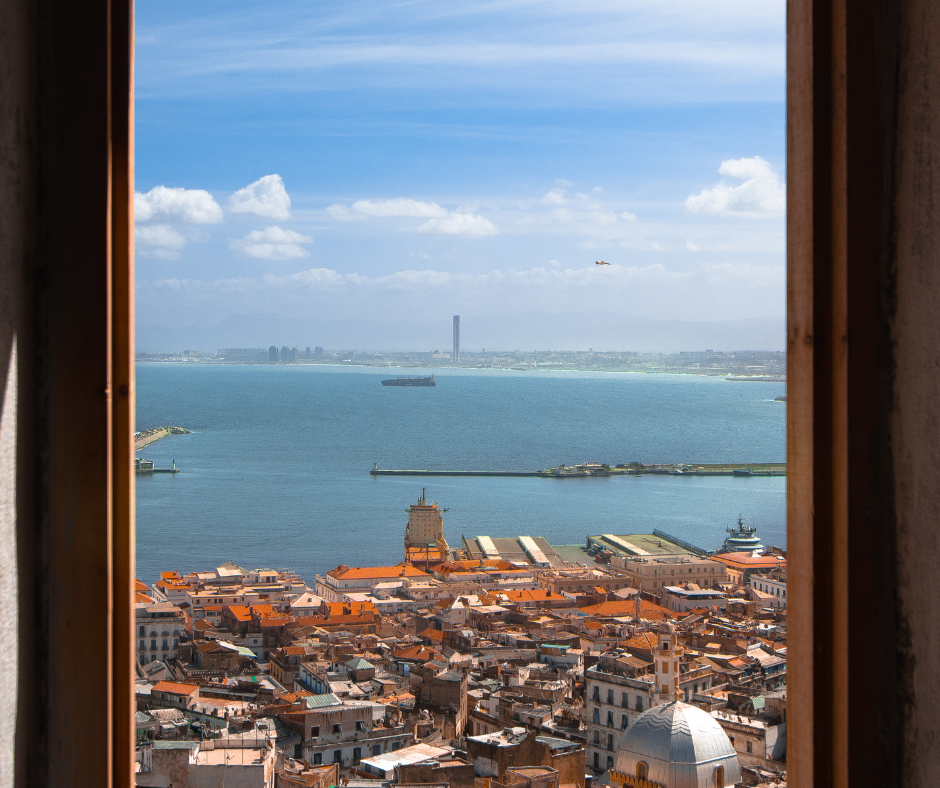
The Casbah of Algiers is arguably the most famous historic district in the country and certainly one of the most significant medinas in algeria to visit. Perched on a hill overlooking the Mediterranean Sea, it serves as the living heart of the capital city.
It was built during the Ottoman period and has survived centuries of change. Exploring it is less about seeing one specific monument and more about absorbing the atmosphere of a neighborhood that has remained essentially the same for hundreds of years.
Navigating the Upper and Lower Casbah
If you are planning to spend a day here, start your exploration at the Place des Martyrs. This area is easily accessible and serves as the perfect entry point into the lower section of the district. From here, you should begin your ascent.
The Casbah is built on a steep incline, so be prepared for a significant amount of walking on uneven stone stairs.
If you feel yourself getting lost, the best strategy is to look for the sea. The layout of the Casbah generally slopes downward toward the water, so if you keep moving downhill, you will eventually emerge onto one of the broader streets of the modern city.
The climb toward the higher sections of the Casbah offers some of the most rewarding views of the bay. You will pass by small mosques, intricately carved Ottoman-era doorways, and hidden workshops where artisans still practice traditional crafts.
Do not rush this ascent. The beauty of the Casbah is found in the pauses, where you might stop to admire the geometric tile work on a wall or listen to the rhythmic hammering of a metalworker in a nearby alley.
Read also: Guide to Algiers: Top Attractions and Activities
Historical Sites and Courtyard Culture
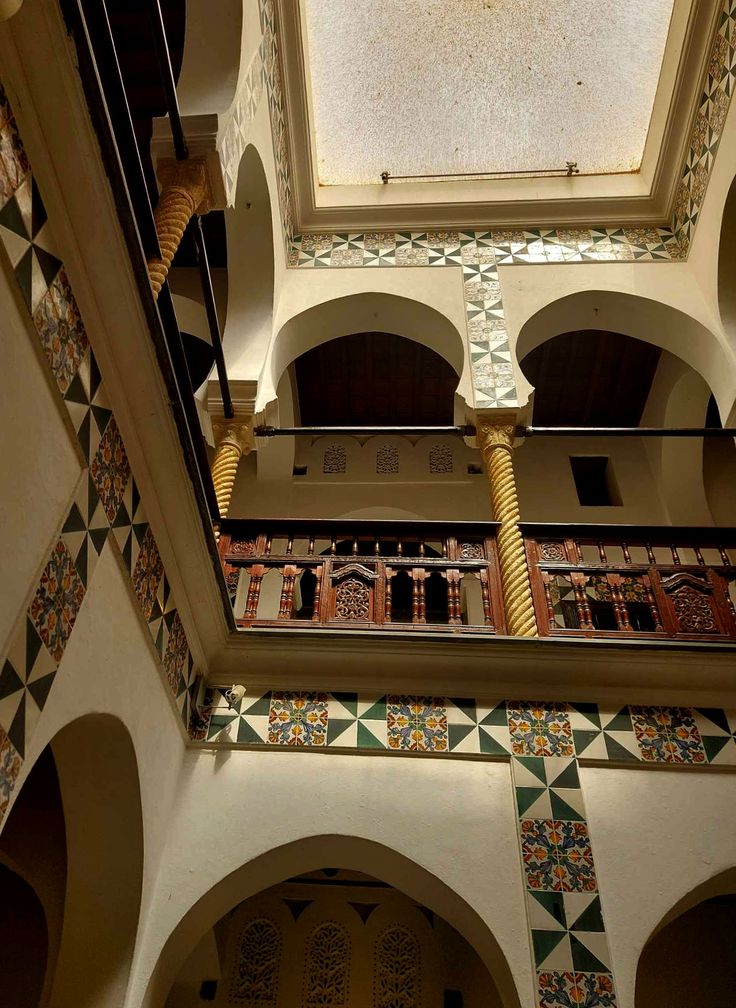
While the district itself is the main attraction, there are specific sites you should keep an eye out for. The Palace of the Rais is one of the most well-preserved examples of Ottoman residential architecture and provides a rare look at how the elite lived in the Casbah.
You should also look for the various smaller mosques that dot the quarter. Their minarets often have a distinct shape that is unique to this region of North Africa.
The true secret to enjoying the Casbah is to look for the open doors of the grand homes. Many of these houses have central courtyards that act as the lungs of the building. You might not always be able to enter, but catching a glimpse of the light pouring into a tiled courtyard is a highlight of any visit.
If you want a deeper understanding, consider hiring a local guide. They can navigate the twists and turns with ease and provide the context behind the different architectural styles that make this UNESCO site so unique.
The M’Zab Valley: An Architectural Desert Masterpiece
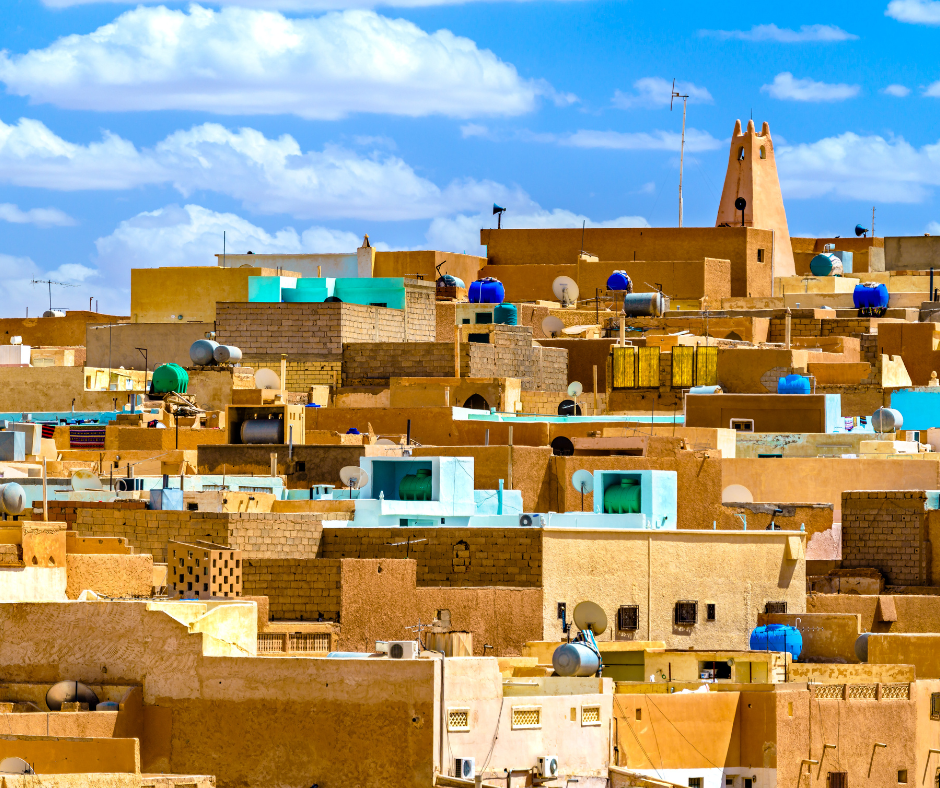
Located deep in the northern Sahara, the M’Zab Valley is a unique cultural landscape that consists of five fortified towns, or ksour. These cities were built in the 11th century by the Mozabite people, and they represent a masterclass in desert urban planning. Visiting the M’Zab Valley is a different experience from visiting the coastal medinas, as the architectural logic here is dictated by extreme desert conditions.
Understanding the Ksour of Ghardaia
Ghardaia is the main town in the valley and serves as the best base for your explorations. The town itself is built around a central mosque, which sits at the highest point of the hill.
From this mosque, the residential streets radiate outward in concentric circles. This layout was designed for defense, but it also creates a sense of community that is still very present today. As you walk through the streets of Ghardaia, notice how the white or pale-colored walls reflect the sun.
The town is a maze of arches, alleyways, and tunnels. Everything here is intentional. The height of the walls, the placement of the windows, and the width of the streets all serve a purpose in keeping the living spaces cool.
You will notice that many of the houses have rooftop terraces. These were traditionally used for sleeping during the hottest months of the year, a practice that highlights the ingenuity of the local desert builders.
Rea also: Mzab Valley Algeria: A Guide to the Ancient Pentapolis

Cultural Protocols for Visiting the M’Zab
Because the M’Zab Valley is a conservative and traditional society, your behavior as a visitor is closely observed. Modesty is paramount here. Both men and women should ensure their arms and legs are covered.
When you walk through the residential areas, keep your voice at a low volume and do not disturb the inhabitants. Many of the streets are so narrow that you will be walking very close to the houses, so maintain a respectful distance from private doorways.
Photography protocols are particularly strict in the M’Zab. You must ask for permission before taking any photos, and it is generally forbidden to photograph people, especially women.
However, the architecture is fair game if you ask a shopkeeper or a local official first. Many of the ksour require you to be accompanied by a local guide to enter the older sections of the town, which is a great way to ensure you are following the local customs correctly while learning about the history of the valley.
Tlemcen and Nedroma: Western Algerian Jewels
Tlemcen, located in the west near the Moroccan border, is often referred to as the city of art and history.
It was once a major capital of the Maghreb and retains a refined, Andalusian character that distinguishes it from the cities in the north. The historic quarters of Tlemcen and the nearby town of Nedroma offer a fantastic look at the western Algerian medina style.
Exploring El Mechouar Palace
El Mechouar Palace is the most significant historical site in Tlemcen. This was the royal residence of the Ziyanid dynasty, and it has been beautifully restored to reflect its past glory.
Unlike the organic growth of the Casbah in Algiers, the palace represents a planned, royal aesthetic. The complex includes beautiful gardens, carved stucco walls, and arched doorways that clearly show the strong influence of the Al-Andalus architectural tradition.
When visiting the palace, plan to spend at least two hours walking through the various halls and gardens. The best time to visit is early in the morning when the light is soft and the temperatures are comfortable.
As you walk through the palace, look for the intricate tile work that covers the lower sections of the walls. These patterns are a hallmark of the Tlemcen style and reflect the high level of craftsmanship that existed in the city during the 14th century.
Read also: Best Things to Do in Tlemcen Algeria: A Local Guide
The Walled Medina of Nedroma
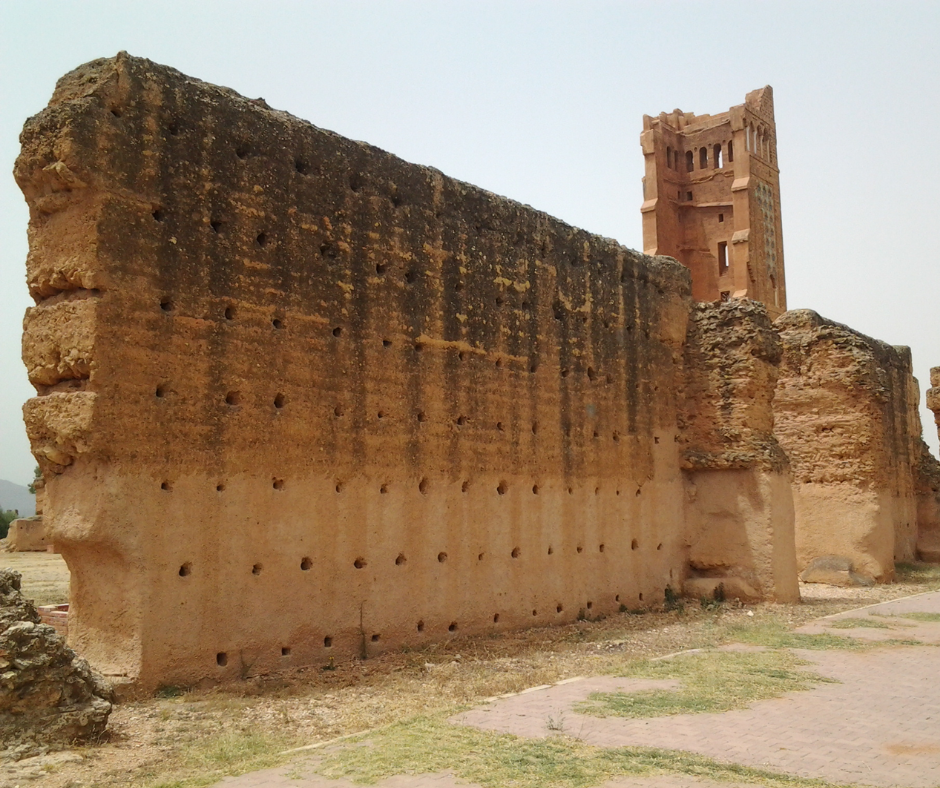
Nedroma is a compact, walled town located a short drive from Tlemcen. It is significantly smaller than the other cities on this list, which makes it much easier to explore on foot.
The town is surrounded by ancient walls, and the medina inside is a labyrinth of quiet residential streets. It is one of the best places in Algeria to experience the feeling of an authentic, non-touristy town.
The medina in Nedroma is famous for its narrow, shaded streets and its traditional prayer spaces. As you walk through, you will see few other travelers, which allows you to observe the daily rhythms of the town without the noise and bustle of larger urban centers.
Make sure to visit the central mosque area, which is the heart of the community. In the afternoon, you can find small cafes where you can sit and enjoy a glass of mint tea while observing the slow pace of life in this historic mountain town.
Constantine: The City of Bridges and Old Stone
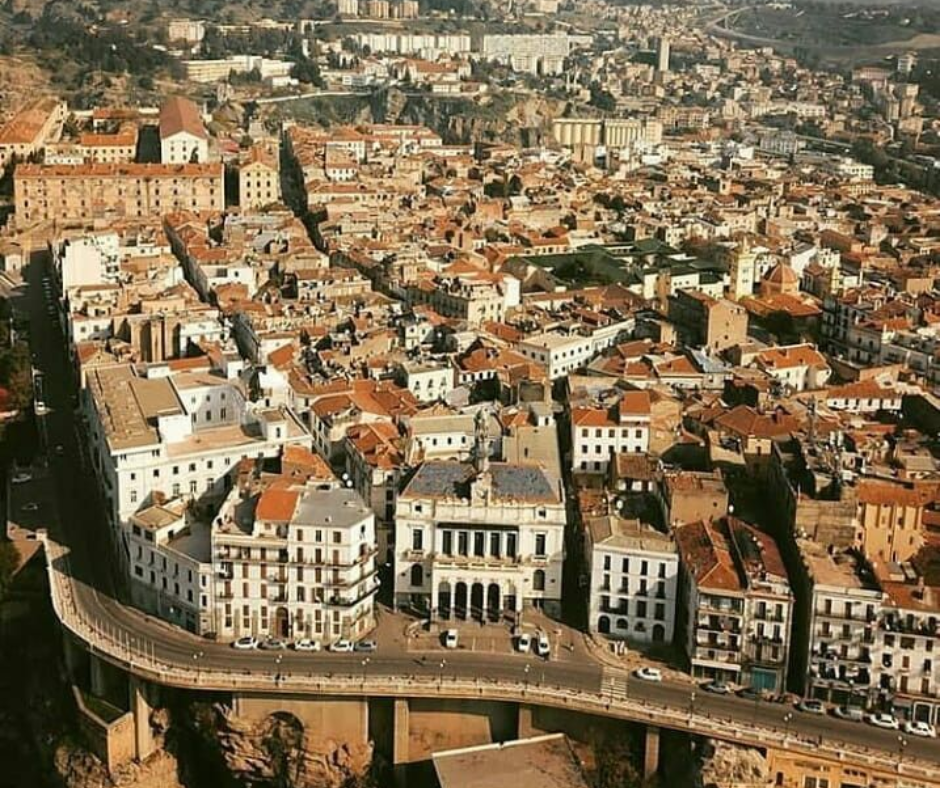
Constantine is visually perhaps the most dramatic city in Algeria. It is built on a rocky plateau that is surrounded by a deep gorge, with several massive bridges connecting the city to the surrounding plains. The old town, or medina, clings to the edges of this plateau, offering views that you will not find anywhere else in the country.
Traversing the Old Town Streets
The old town of Constantine is a dense collection of stone buildings that have been adapted to the steep landscape. The streets here are often stairways that wind up and down the hill.
Walking through the medina here feels like a vertical adventure. You will find that the architecture is more robust and heavy than the white, airy buildings of Algiers, reflecting the need to withstand the winds that blow across the gorge.
As you explore, look for the traditional artisan workshops. Constantine has a long history of leatherworking and metal crafting. You will often see craftsmen working in the doorways of their shops, their tools spread out on the floor.
If you are interested in purchasing crafts, this is a great place to find items that are made right there in the workshop, ranging from embossed leather goods to copper kitchenware.
Read also: Must-See Attractions in Constantine, Algeria (2026)
Architectural Significance of the Rhumel Gorge Area
You cannot visit the medina in Constantine without interacting with the gorge. The city is defined by the Rhumel River that cuts through the rock.
The old town walls are often built right up to the edge of the precipice, providing views that can be quite dizzying. Take the time to walk across the Sidi M’Cid bridge, which offers the best perspective on how the medina hangs over the abyss.
This integration of human-built stone structures and the raw power of the gorge makes Constantine a unique medina experience. The bridges are not just for transport; they are the viewing platforms from which you can best understand the city.
As you walk along the edges, you will see how the medina expands to the very brink of the cliffs, creating a dramatic contrast between the stability of the stone buildings and the void of the canyon below.

Practical Strategies for Medina Exploration
While the history and architecture of these districts are the main draws, your experience depends heavily on your practical preparation. Algerian medinas are not standardized, so you need to be ready to adapt to the reality of the local infrastructure.
Managing Money and Haggling
The most important rule for exploring the medinas is that cash is king. Most small shop owners, snack vendors, and cafe operators will not accept credit cards.
You should ensure that you have enough Algerian Dinar in small denominations to cover your daily expenses. ATMs are available in the modern centers of these cities, but do not rely on finding them inside the medina streets.
When it comes to shopping, haggling is a part of the local culture, especially in the larger souks. The goal is not to win an argument but to find a price that is fair for both parties. Start by asking for the price, then suggest a counter-offer that is slightly lower.
Keep the mood light and friendly. If the price does not come down to a level you are comfortable with, it is perfectly acceptable to thank the vendor and walk away. A smile and a polite exit will often lead the vendor to call you back with a better price.
Transport and Navigation Tactics
Getting around Algerian cities is becoming easier thanks to modern technology, but you should still maintain a traditional approach. In cities like Algiers and Oran, the ride-hailing app Yassir is highly recommended.
It allows you to see the price and the route before you get in the car, which removes the need for awkward negotiations over taxi fares. However, if you are in a smaller town or prefer a classic taxi, always agree on the price before the engine starts.
For navigation inside the medina, do not rely solely on your phone. Digital maps often struggle with the narrow, multi-level nature of these streets. Instead, use a combination of offline maps and landmark memory.
When you enter the medina, pick a permanent feature (a large mosque, a unique doorway, or a specific town gate) and use that as your anchor. If you ever feel lost, return to your anchor point and restart your route from there.
Food and Refreshment Stops
One of the highlights of wandering the medinas is discovering the local food. Every quarter has its own specialties. In the street stalls, look for mhajeb, which are square flatbreads stuffed with spicy tomato, onions, and chili.
They are freshly made, inexpensive, and perfect for a quick snack while you explore. You will also find maakouda, which are small fried potato cakes that are popular throughout the country.
When you need a break, look for the local cafes. These are the true centers of medina life. You do not need to order a full meal; a simple glass of mint tea is the traditional way to pass the time.
Mint tea in Algeria is usually served very hot and quite sweet. If you are visiting a pastry shop, pair your tea with a piece of baklawa or other almond-based sweets.
These breaks are not just about food; they are an opportunity to sit, observe the rhythm of the neighborhood, and let the culture of the medina sink in.


