
Selecting the right equestrian experience in a landscape as vast as the Arabian sands can feel like a daunting task for any traveler.
That is why our team at WildyNess created this guide to help you navigate the logistics and beauty of the dunes.
Top Destinations for Horse Riding in the Dubai Desert
Choosing the right location for your ride determines the type of scenery you will encounter throughout your journey. Dubai offers a variety of landscapes ranging from manicured polo fields to the raw, rolling dunes of the conservation reserves.
Professional Equestrian Clubs and Estates
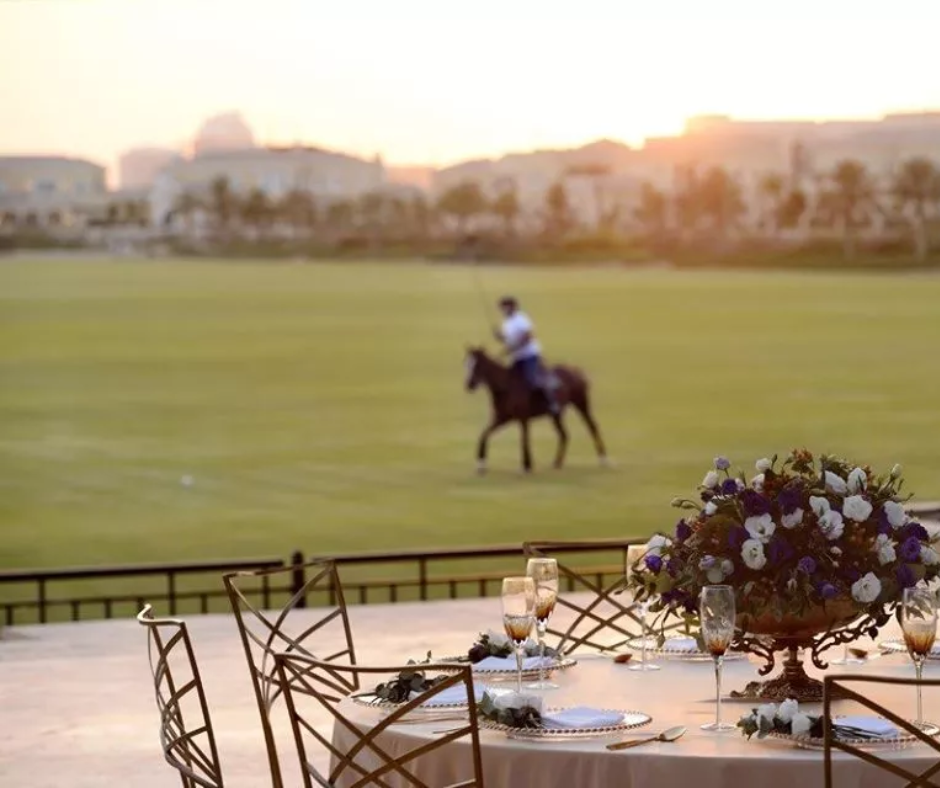
The Dubai Polo and Equestrian Club provides a high level of professionalism for those who prefer a structured environment. This venue is situated near the city and offers well-trained horses that are ideal for beginners who might feel nervous about heading straight into the deep desert. The instructors here focus on foundational skills, making it a great starting point for families with children or individuals who have never sat in a saddle before.
Another reputable option is the Emirates Equestrian Centre, which is located in the Jebel Ali area. This center is recognized by international governing bodies and maintains strict standards for horse welfare and rider safety. Because it is an established training ground, you can expect high-quality tack and professional guides who understand the technical aspects of riding in a sandy environment.
Desert Wilderness and Conservation Reserves
For a more rugged experience, the Al Marmoom Desert Conservation Reserve offers a vast expanse of open sand. Riding here allows you to see the desert in its most natural state, away from the sounds of the city and the sight of skyscrapers. This area is particularly famous for its sunrise rides where the light creates long shadows over the dunes, providing a quiet and reflective atmosphere that is hard to find elsewhere in the UAE.
The Al Qudra region is another favorite for those seeking wide-open spaces. This area is home to man-made lakes and a variety of local bird species, offering a unique contrast between the dry sand and the water's edge. When you ride in these conservation areas, you are more likely to encounter local wildlife such as the Arabian Oryx or the sand gazelle in their natural habitat.
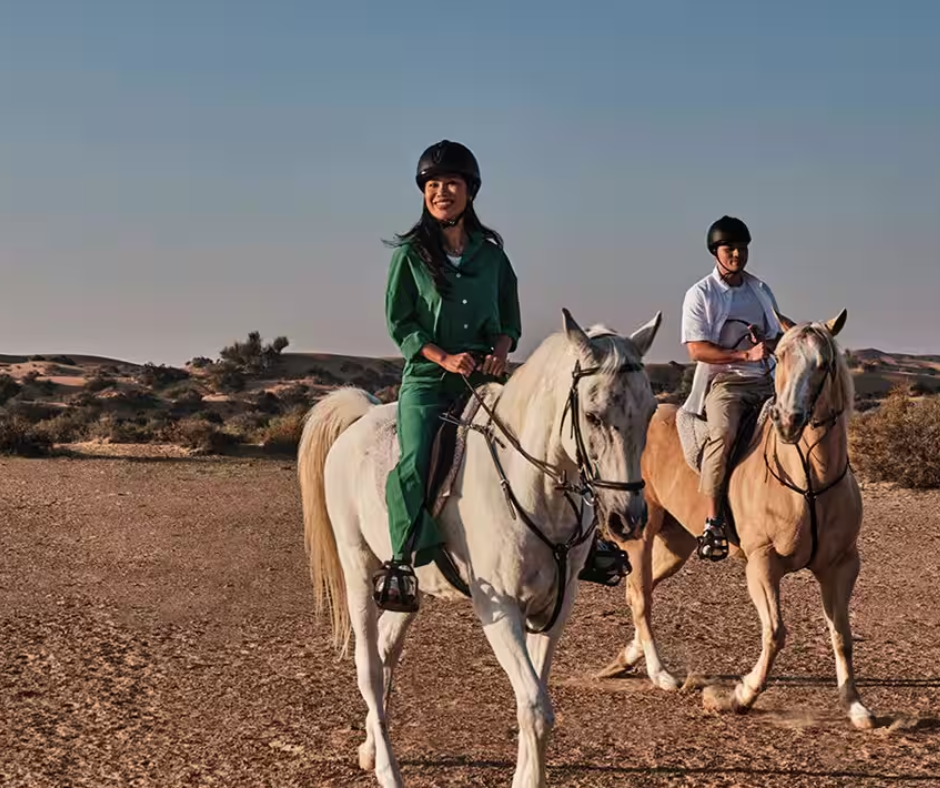
Choosing the Best Time for Your Desert Ride
The desert climate in Dubai is extreme, which makes timing the most critical factor of your entire experience. A ride during the wrong part of the day can lead to physical exhaustion from the heat, while a well-timed trip offers comfortable temperatures and stunning visual displays.
The Benefits of Sunrise and Morning Sessions
Early morning rides usually begin just as the sun starts to peak over the horizon. This is often considered the best time for horse riding in the Dubai desert because the sand has cooled down overnight, making it easier for the horses to navigate. The air is crisp and the wind is generally calmer in the morning, which helps prevent sand from blowing into your eyes while you move through the dunes.
Morning sessions also allow you to finish your activity before the peak heat of the day sets in. Most riders find that they have more energy for the rest of their Dubai itinerary after an early start. Photography enthusiasts will also appreciate the soft, golden light of the morning, which highlights the textures of the sand without the harsh glare found at midday.
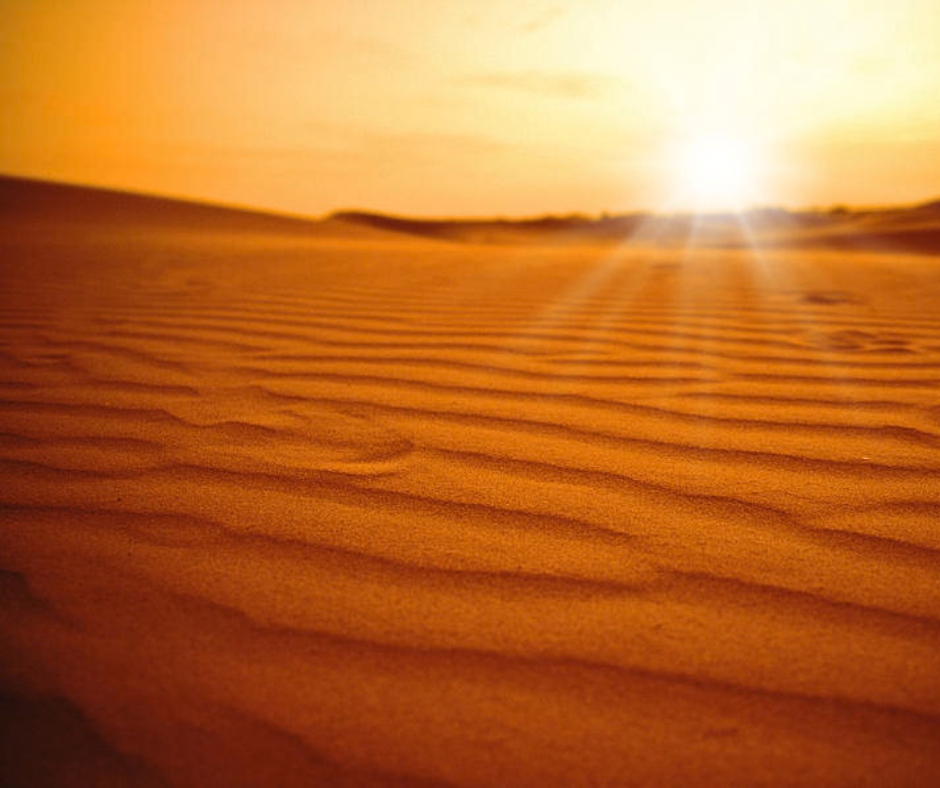
Sunset and Full Moon Evening Treks
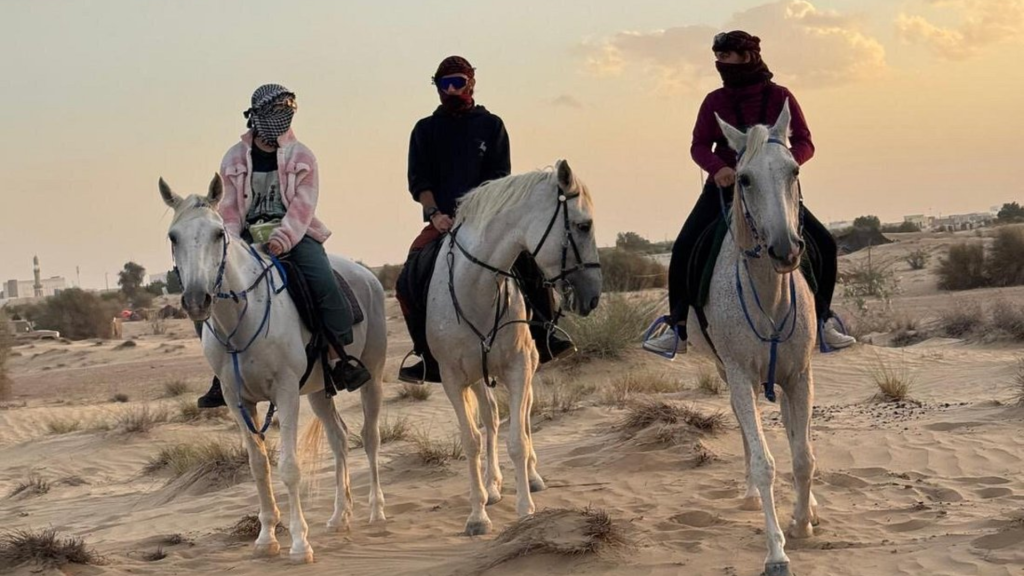
Sunset rides are the most popular choice for travelers because they offer a dramatic transition from day to night. As the sun dips below the dunes, the temperature drops rapidly, creating a pleasant environment for a long trek. These rides often conclude just as the stars begin to appear, giving you a dual experience of the desert in the light and the dark.
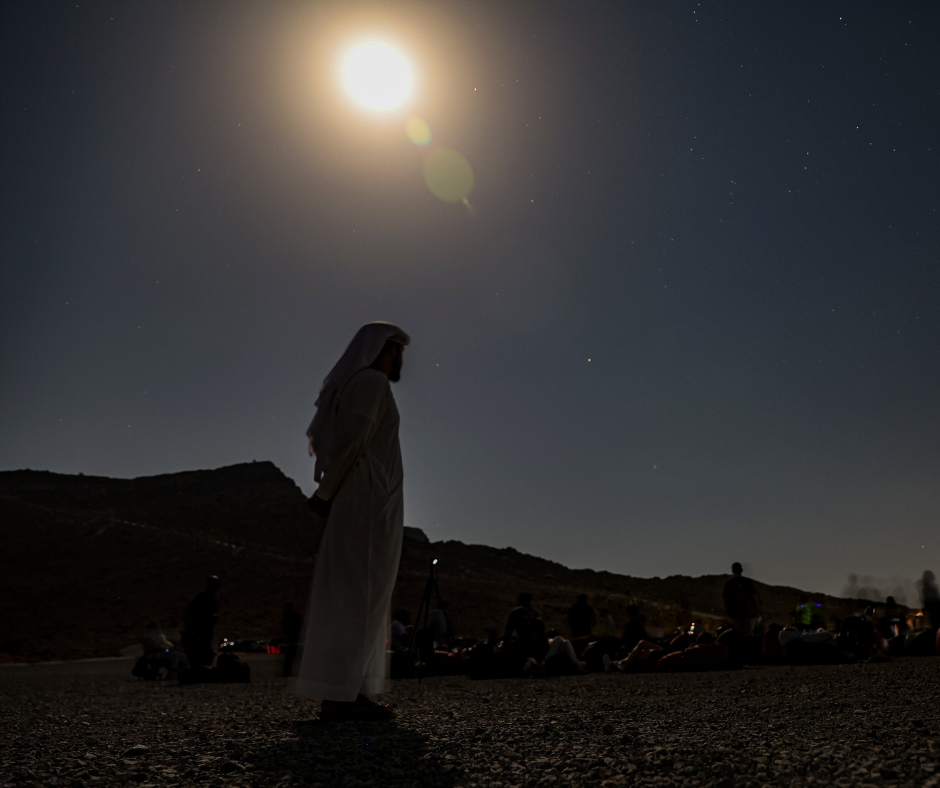
For a truly unique experience, some stables offer full moon rides during specific times of the month. Riding under the light of a full moon provides enough visibility to see the path ahead while offering a sense of solitude and peace. This is an excellent option for experienced riders who are comfortable navigating in lower light conditions and want to experience the desert's nocturnal side.
Essential Gear and Clothing for Desert Riding
The environment of the UAE requires specific clothing to ensure you stay protected from both the sun and the physical friction of the saddle. Dressing incorrectly can lead to skin irritation or heat stroke, so it is important to prepare your outfit before arriving at the stable.
Protective Clothing for Skin and Body
You should always wear long pants regardless of the temperature. Denim jeans or specialized riding breeches are the best choice because they protect your inner thighs from the friction of the leather saddle. Short pants or skirts will quickly lead to painful rubbing and potential blistering after only a few minutes of trotting or cantering.
A lightweight, long-sleeved shirt made from breathable fabric will protect your arms from UV rays. Many people assume short sleeves are better for the heat, but keeping your skin covered actually helps regulate your body temperature and prevents severe sunburn. Light colors such as beige, white, or light gray are preferable because they reflect sunlight rather than absorbing it.
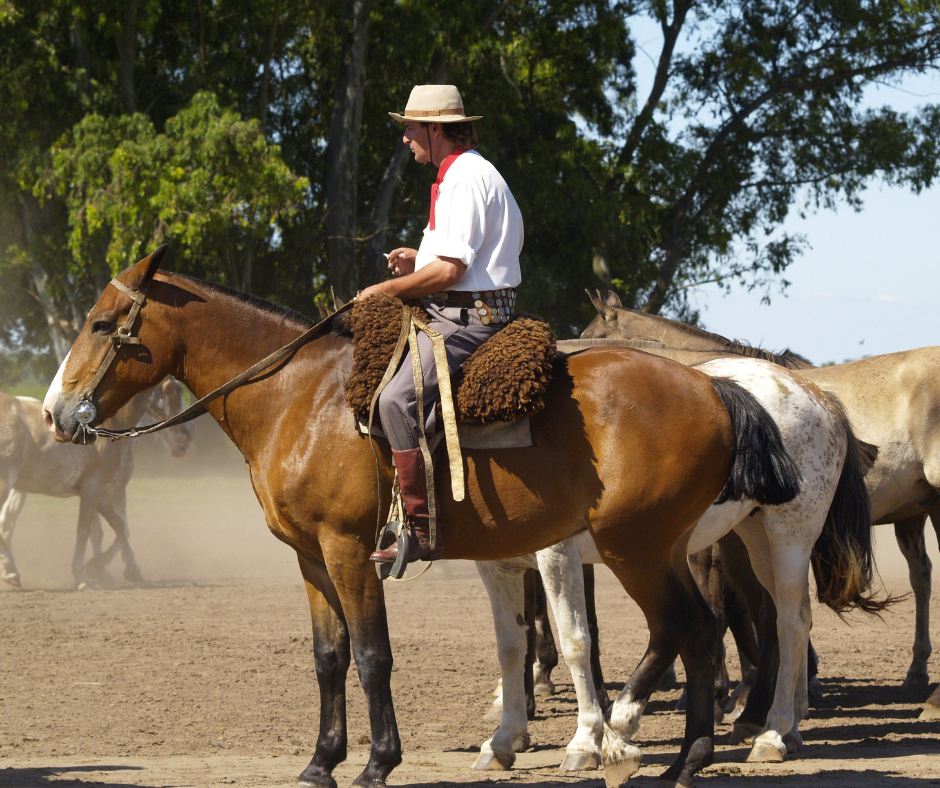
Footwear and Safety Accessories
Closed-toe shoes are a mandatory safety requirement at every reputable stable in Dubai. Boots with a small heel are the gold standard because they prevent your foot from sliding through the stirrup, which is a major safety concern if you were to lose your balance. If you do not have riding boots, sturdy sneakers or hiking shoes are usually acceptable, though you should avoid footwear with heavy treads that might get stuck in the stirrup.
Safety helmets are non-negotiable and are provided by the equestrian centers. You should also bring a pair of high-quality sunglasses to protect your eyes from the glare of the sand and the occasional gust of wind. A light scarf can also be useful for covering your nose and mouth if the wind picks up and begins to kick up dust during your trek.
Mastering the Technical Skills of Sand Riding
Riding on sand is a different physical experience than riding on grass or a dirt track. The terrain is shifty and requires both the horse and the rider to adjust their balance and momentum constantly to stay safe and comfortable.
Maintaining Balance on Shifting Dunes
When you are riding up a dune, you should lean slightly forward and shorten your reins to help the horse find its center of gravity. This shifts your weight off the horse's hindquarters, allowing it to use its powerful back legs to push through the loose sand. Conversely, when you are heading down a slope, you should sit deep in the saddle and lean back slightly to prevent the horse from becoming front-heavy.
It is also important to keep a steady momentum when moving through deep patches of sand. If the horse stops moving in a soft area, it can be difficult for them to start again without straining. You should use gentle leg pressure to encourage a consistent walk or trot, which allows the horse to "float" over the surface rather than sinking in.
Understanding Horse Welfare in the Heat
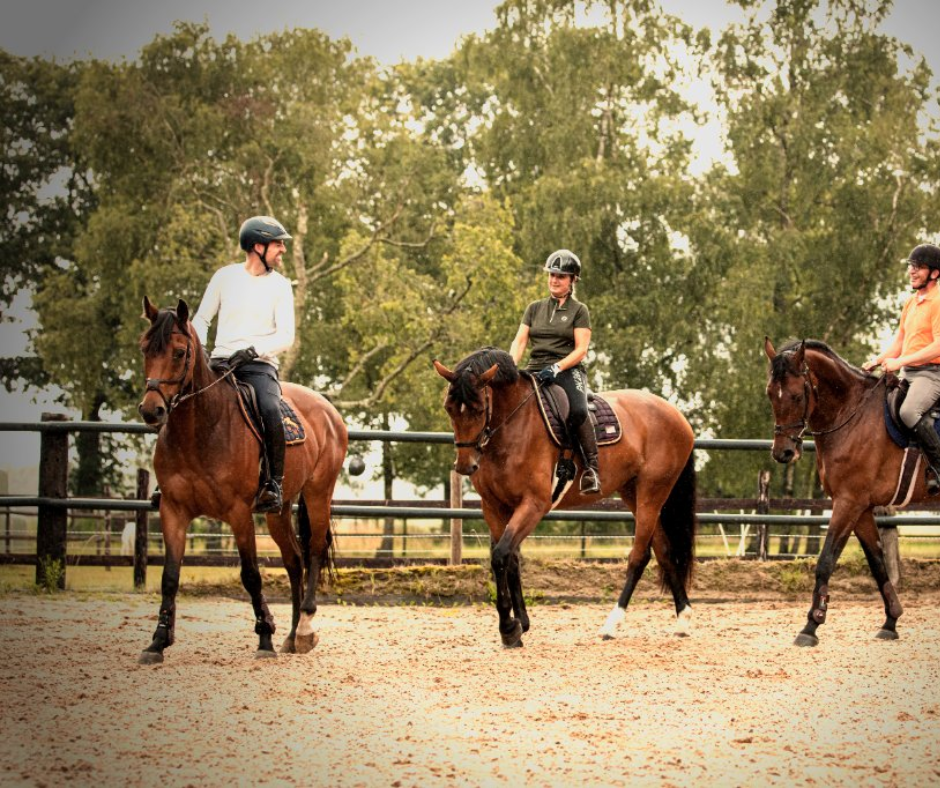
As an ethical traveler, you should always monitor the condition of the horses at the stable you choose. Look for animals that appear well-fed, have clean coats, and show no signs of sores or injuries. A responsible operator will never take horses out during the hottest part of the afternoon and will always ensure they have access to shade and water immediately after a ride.
At WildyNess, we prioritize working with partners who treat their animals with respect and follow strict health protocols. We believe that a happy and healthy horse provides a much better experience for the rider. If you see a horse that looks distressed or overworked, it is perfectly acceptable to voice your concerns or choose a different provider for your adventure.
Expanding Your Experience with Desert Packages
Many travelers choose to combine their horse riding with other traditional desert activities to create a full day of exploration. This allows you to see different facets of Emirati culture and enjoy the landscape from various perspectives.
Combining Rides with Safari and Dining
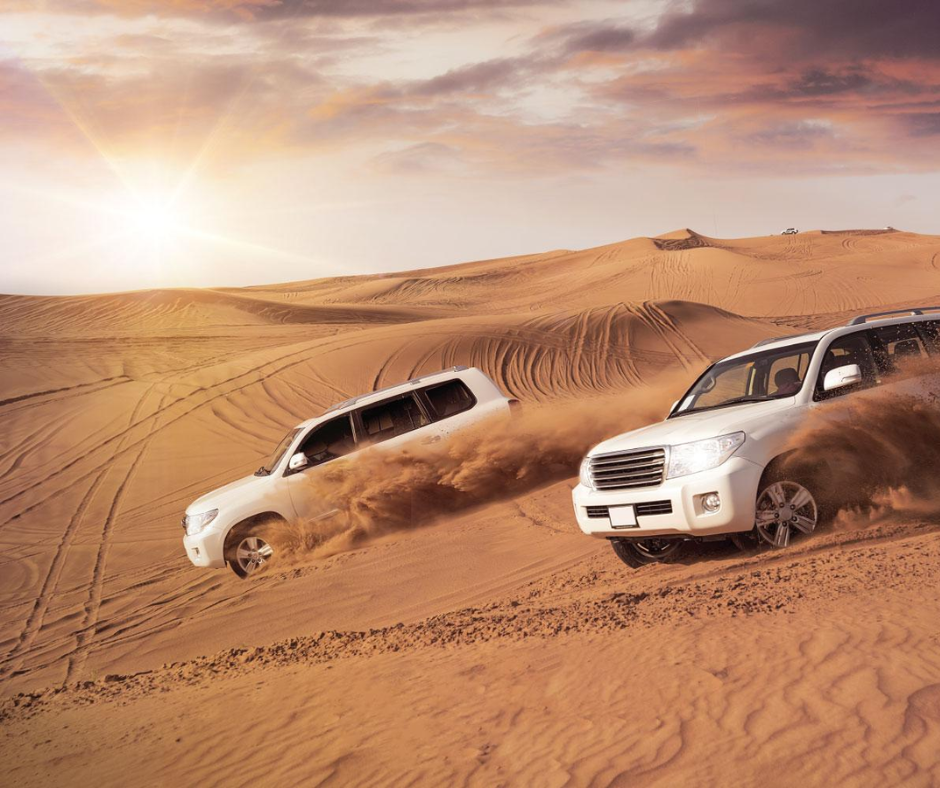
A popular way to spend an afternoon is to start with a horseback trek and transition into a 4x4 desert safari. This combination gives you the quiet, traditional experience of animal transport followed by the high-energy thrill of dune bashing. After the sun sets, these packages often include a traditional BBQ dinner at a desert camp where you can enjoy local food and music under the stars.
If you prefer a more tranquil end to your day, you can look for packages that include a camel trek or a falconry demonstration. These activities are deeply rooted in the history of the region and provide great insight into how people lived in the desert for centuries. Taking the time to engage with these cultural elements makes your trip more meaningful and educational.
Private versus Group Excursions
When booking your ride, you will often have the choice between a private tour or a group session. Private tours are ideal for couples or families who want a personalized pace and the undivided attention of a guide. This is also the best option for advanced riders who want the freedom to gallop or explore more challenging terrain that a general group might not be able to handle.
Group tours are a fantastic way to meet other travelers and are generally more budget-friendly. Most stables limit their group sizes to ensure safety and quality, so you will still receive plenty of guidance. Whether you choose a private or a group setting, the shared experience of watching the sun move over the horizon creates a lasting bond between you and your fellow riders.
Planning Your Logistics and Booking
Most desert stables are located about forty-five minutes to an hour outside of Downtown Dubai. You will need to factor in travel time when booking your slot, especially if you have chosen a sunrise ride that starts as early as 5:00 AM. Many stables can arrange for a private transfer from your hotel, which simplifies the process and ensures you arrive on time for your safety briefing.
It is always a good idea to book your experience at least a few days in advance, particularly during the peak winter months when tourism is at its highest. This ensures you get your preferred time slot and that the stable can prepare the right horse for your height and weight. Our team can help you coordinate these details as part of a larger travel plan.
Dubai offers a unique blend of modern luxury and ancient natural beauty that is best experienced from the back of a horse. By choosing the right time, wearing the correct gear, and respecting the environment, you can ensure that your time in the dunes is both safe and rewarding. The desert is waiting to share its secrets with you, one hoofbeat at a time.
Read also:
UAE Cultural Tours: A Guide to Heritage in Dubai, Abu Dhabi & Beyond
Dubai Travel Guide: Authentic Things to Do & Practical Tips
Desert Camping UAE: The Ultimate Guide to Spots, Gear & Safety