
Finding a clear path to rural tourism can occasionally feel overwhelming when dealing with remote destinations.
That is why our team at WildyNess created this guide to help you find, book, and enjoy working agricultural properties across the Kingdom.
Strategic Logistics and Booking Preparation
Transport and Vehicle Requirements for Rural Access
Navigating the routes to rural properties requires careful transport planning because most agricultural sites sit well outside major urban transit networks. Renting a reliable vehicle is the most practical choice for maintaining flexibility during your trip.
Rural roads frequently transition from paved highways to graded dirt tracks that demand high clearance. It is highly recommended to secure a four-wheel-drive vehicle if your destination lies within the mountainous terrain of the southern provinces.

Communication Strategies and Arrival Timing
Direct communication with your host before departure ensures a smooth arrival process. Many rural properties do not use standard street addresses, meaning you must request precise coordinates or digital map pins directly from the owner.
Also, downloading comprehensive offline maps is an essential step due to intermittent cellular coverage in remote valleys.
Always aim to coordinate your arrival during daylight hours because identifying unmarked farm gates and navigating narrow access roads becomes significantly more difficult after dark. If you are designing a comprehensive road trip across the country, pairing these transit schedules with a structured one week Saudi Arabia itinerary helps keep your daily driving distances manageable and realistic.

AlUla Date Palm Oasis and Heritage Agritourism
Ancient Irrigation Systems of the Palm Groves
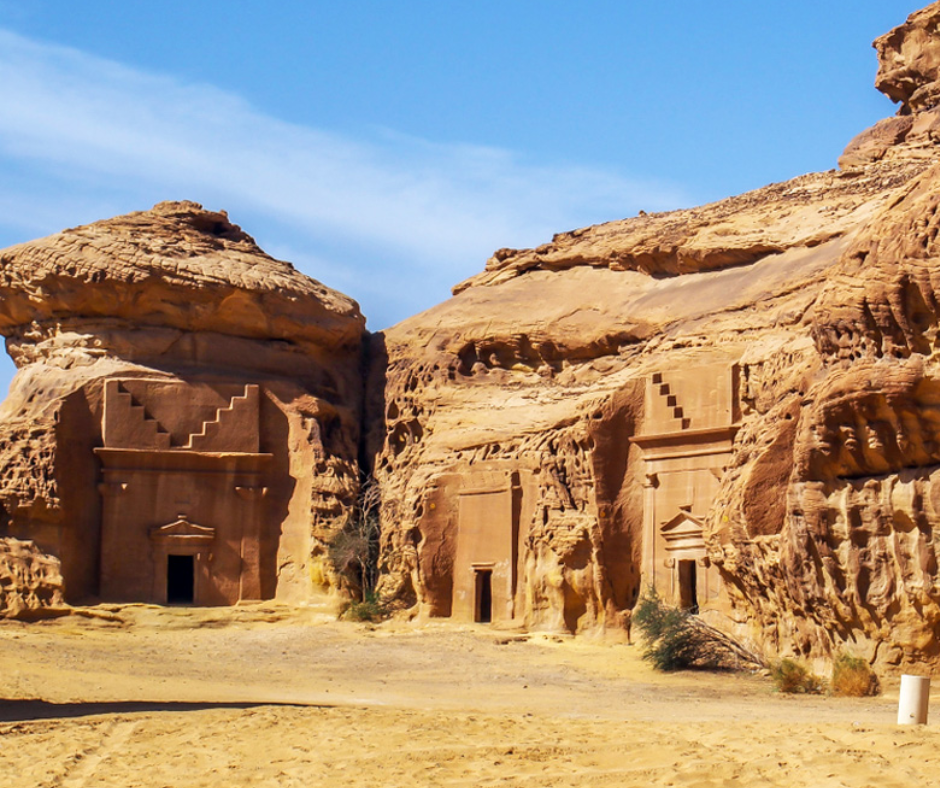
The agricultural heartland of AlUla functions as a living testament to thousands of years of continuous desert farming. The entire valley relies on historical water management techniques that distribute life-giving moisture through a network of narrow mud channels.
Walking along these ancient paths allows you to see how gravity-fed irrigation systems still sustain millions of fruit-bearing trees. The thick canopy creates a distinct microclimate that lowers the ambient temperature, making daytime exploration comfortable even when the surrounding desert heat rises.
Cultivation of the Renowned Barni Date
Dates are far more than a simple snack because they represent hospitality, primary trade, and a proud local crop that defines the cultural identity of the region. The AlUla oasis is especially famous for the cultivation of the Barni date, a specific variety prized for its exceptional quality and texture.
During the late summer harvest season, you can observe farmers climbing the tall trunks to collect the fruit by hand. Visitors staying on these properties can learn how the dates are meticulously sorted, naturally sun-dried on elevated raised beds, and prepared for local markets and international export.

Aseer Highlands and Mountain Terrace Resorts
Cool Climate Farming in High Altitude Terraces
The southern mountain ranges of Aseer provide a sharp contrast to the arid landscapes found throughout the rest of the country. High-altitude farming relies on stone-walled terraces carved directly into the steep cliffs surrounding Abha and Rijal Almaa.
This unique geography allows for the successful cultivation of cool-climate fruits including sweet pomegranates, green figs, and crisp apricots. Morning fog regularly blankents the mountainsides, providing natural moisture that supplements the seasonal summer rainfall.
Architectural Styles of Highland Stone Lodges
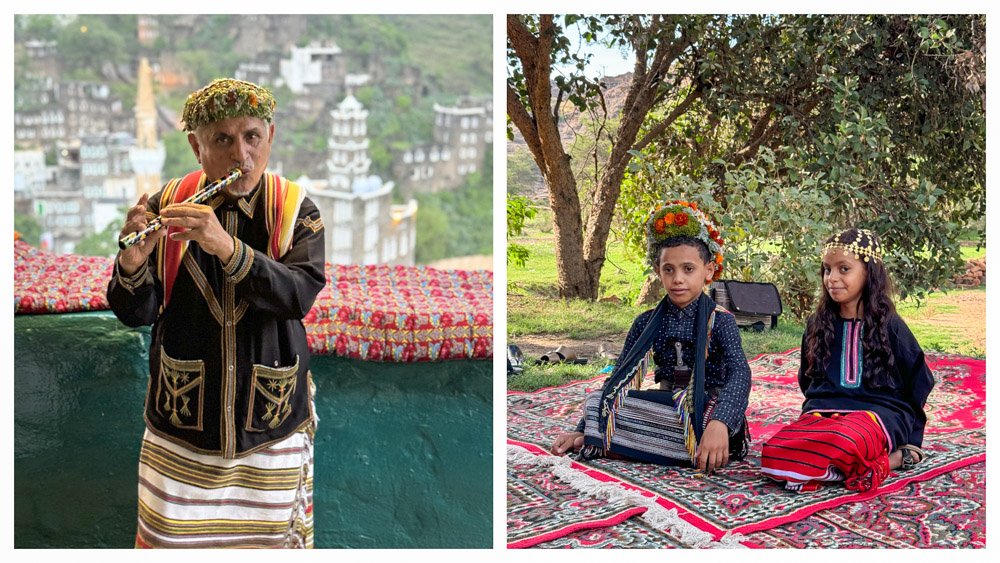
Accommodations in the Aseer highlands reflect the architectural traditions of the local tribes. Many farm stays utilize restored stone structures built with thick granite walls and inlaid quartz detailing that insulate the interiors against chilly mountain nights.
Guests can stay in private cabins that look out over deep valleys and layered green hillsides. These properties typically feature spacious outdoor terraces where visitors can gather around open wood fires to enjoy hot tea infused with fresh mountain mint and wild herbs collected from the surrounding fields.
Active Harvesting at Aryaf Tourist Farm in Al-Baha
Seasonal Fruit Picking and Orchard Management
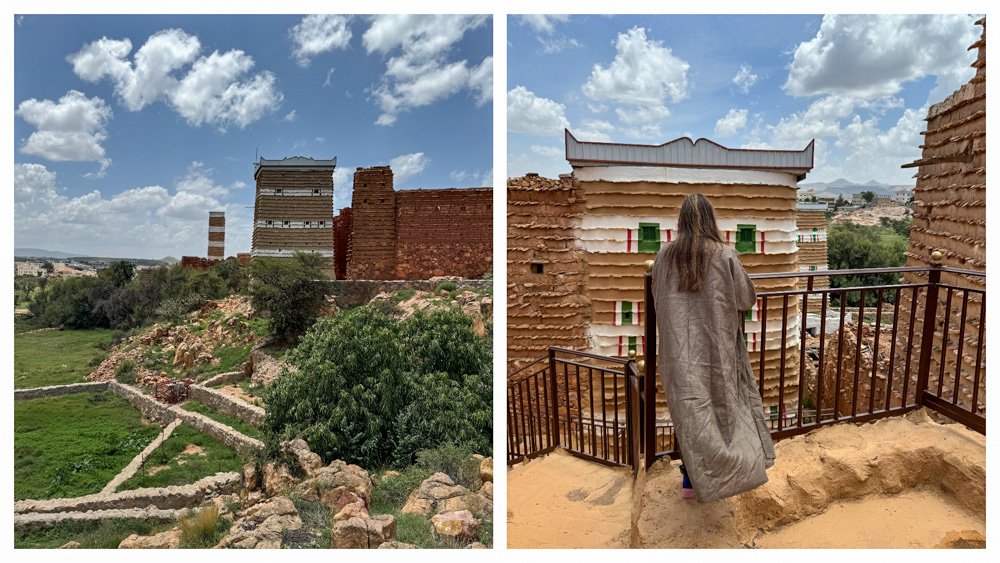
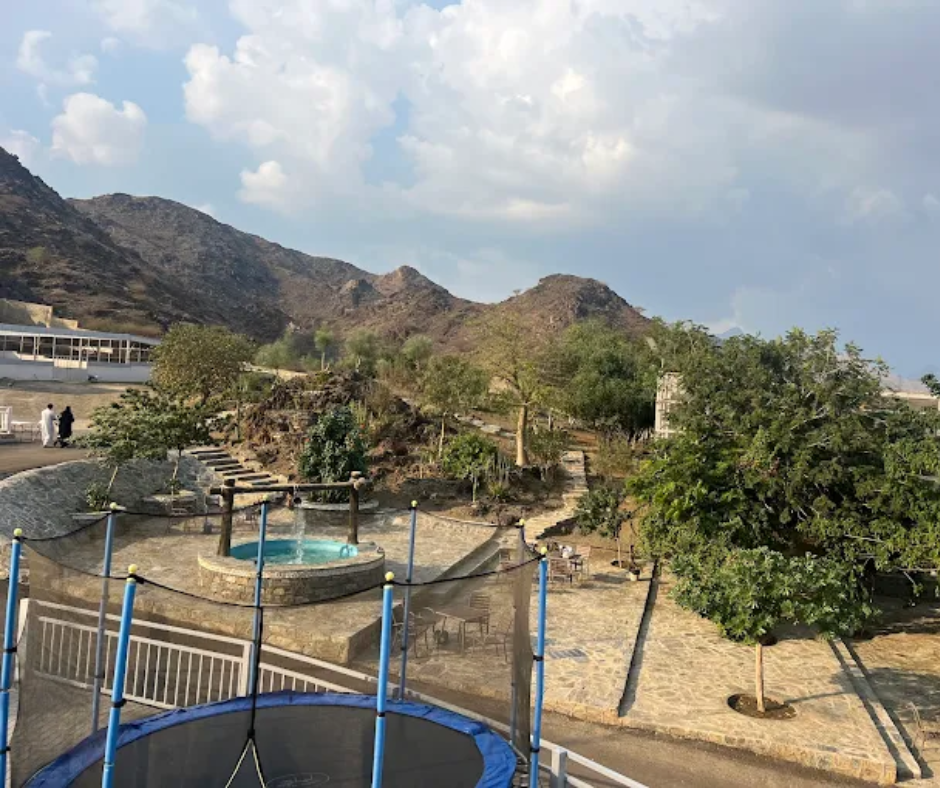
Aryaf Tourist Farm serves as a leading model for hands-on agritourism in the southern province of Al-Baha. The property invites visitors to actively participate in the seasonal maintenance and harvesting of extensive orchards. Depending on the exact month of your visit, you can collect baskets of fresh blackberries, dark plums, or heavy pomegranates directly from the branches.
Local agricultural experts guide guests through the orchards to explain how specific pruning and organic cultivation techniques keep the fruit trees healthy throughout the changing seasons.
Exploring Regional Highland Flora and Fauna
The terrain surrounding the farm features a diverse ecosystem of native plants and local wildlife species. Walking trails loop through the property, allowing guests to identify wild juniper trees, aromatic shrubs, and unique bird species native to the Arabian highlands.
The elevated location provides an excellent vantage point for understanding how modern eco-friendly farming practices help protect local water resources and preserve the delicate biodiversity of the regional landscape.
Fragrant Fields and Rose Distillation in Taif
Dawn Harvesting of the Damask Rose
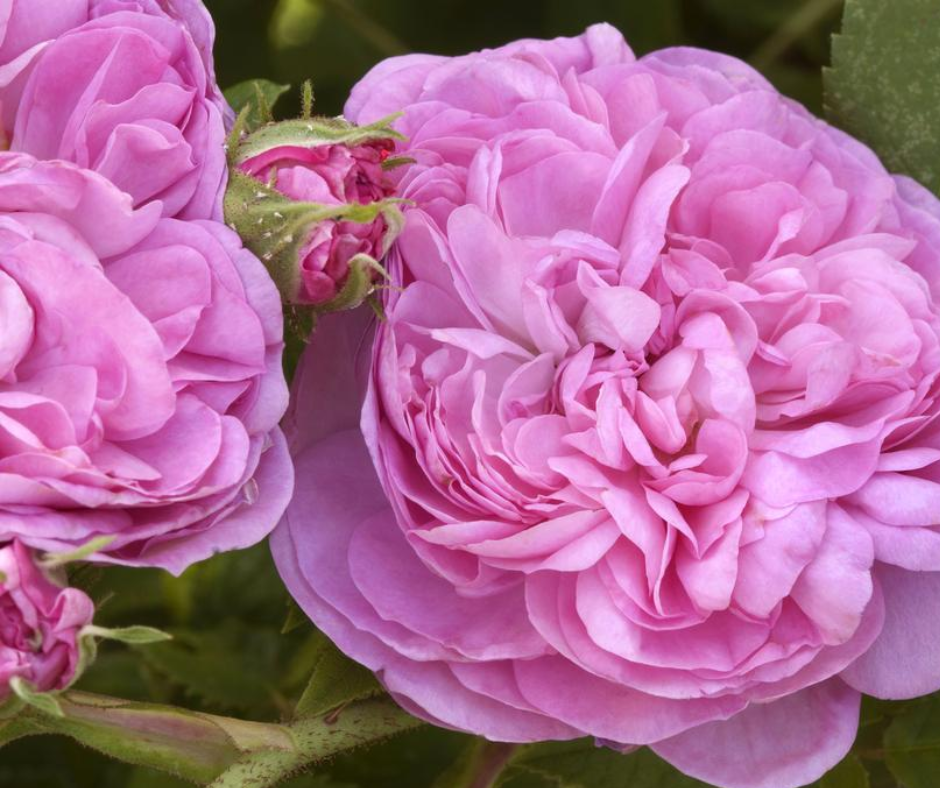
The high valley of Taif transforms into a vast pink landscape during the annual spring bloom, which typically occurs from early March through late April. The famous Damask roses must be harvested at dawn before the morning sun causes the delicate essential oils to evaporate from the petals.
Workers move quickly through the fields to snap the blossoms by hand into large woven baskets. Farm stay guests can join the early morning harvest to learn the exact touch required to remove the flowers without damaging the thorny bushes.
The Traditional Steam Distillation Process
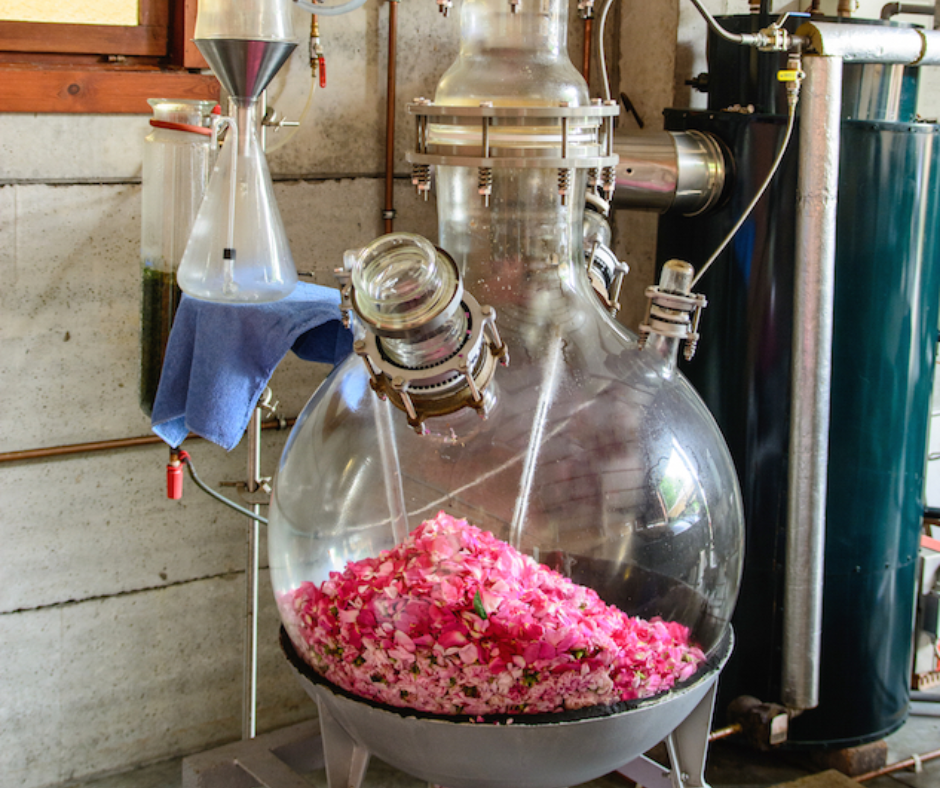
The processing of the harvest takes place inside traditional on-site distilleries using large, wood-fired copper alembic stills. The rose petals are mixed with pure mountain water and brought to a slow simmer to capture the volatile aromatic vapors.
This intensive process yields highly concentrated rose water and precious rose oil, which is widely considered one of the most valuable cosmetic ingredients in the world. Visitors can watch the entire extraction process, sample the fresh distillate, and purchase authentic products directly from the farming families who operate the stills.
Eco-Gardening and Soil Regeneration Workshops
Arid Land Composting and Soil Building
Several progressive farms in the northern oases now offer educational workshops focused entirely on sustainable desert agriculture. Participants learn how to convert organic farm waste into nutrient-rich compost capable of retaining moisture in sandy desert environments.
These sessions teach practical methods for enhancing soil microbiology without relying on synthetic chemical additives. Understanding how to build resilient topsoil is a crucial skill for ensuring long-term food security and environmental health in hyper-arid regions.
Water Conservation and Smart Irrigation
Water management is the single most critical factor for agricultural survival in the Arabian Peninsula. Workshops cover advanced water-saving methodologies, including subterranean drip irrigation lines, precision moisture sensors, and targeted mulching practices.
Instructors demonstrate how combining modern technology with historic water distribution concepts helps small-scale farmers significantly reduce their total consumption while maintaining excellent crop yields.
Animal Husbandry and Livestock Interaction
Management of Mountain Goat and Sheep Herds
Livestock ownership has been an integral part of rural Arabian domestic life for centuries. Visitors to countryside retreats can spend time learning how traditional shepherds manage herds of native Najdi sheep and mountain goats.
Guests can assist with morning feeding routines, learn about the seasonal movement of animals to different pastures, and observe the processing of raw wool. Some properties allow visitors to try traditional hand-milking techniques under the direct supervision of experienced local handlers.
Breeding and Care of Arabian Horses
Many established rural estates feature specialized equestrian facilities dedicated to preserving the legacy of the purebred Arabian horse. These majestic animals are celebrated for their endurance, intelligence, and historical significance to the heritage of the peninsula.
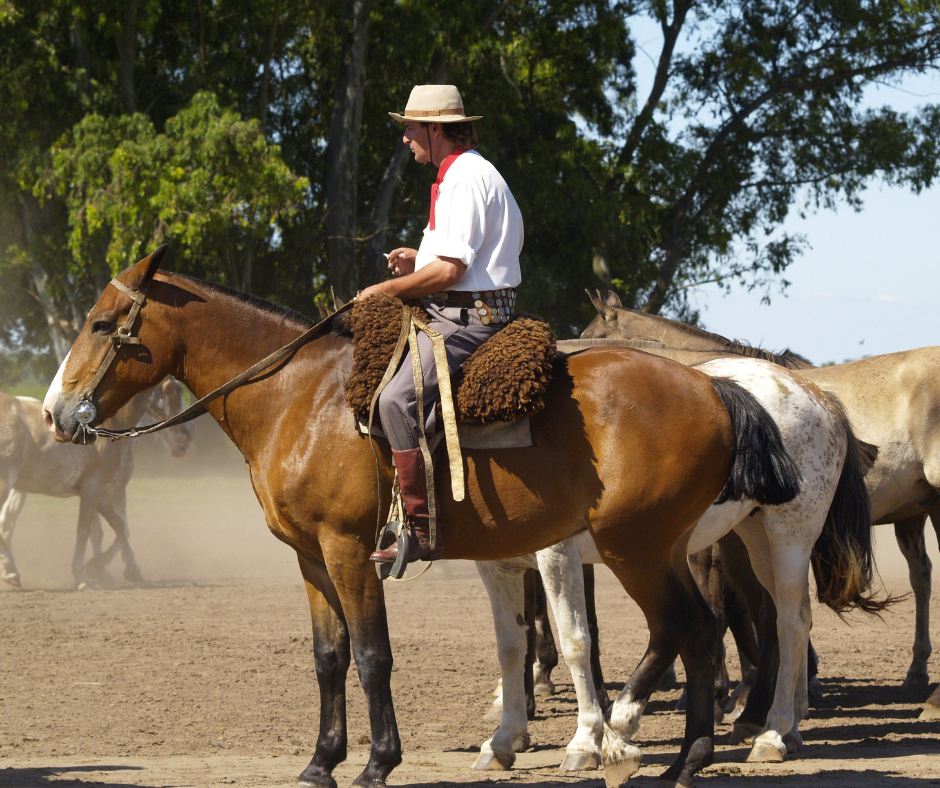
Farm guests can participate in daily stable care routines, including grooming sessions, dietary management, and ground exercises. Guided trail rides are often available, allowing riders to explore the borders of nearby palm groves and sandy desert trails from a unique perspective.
Farm-to-Table Culinary Traditions
Preparation of Authentic Regional Dishes
Nothing matches the experience of eating directly where the food is grown. A traditional farm meal is not a standard restaurant night out since it serves as an immersive window into daily life. Traditional farm-style dining emphasizes communal platters prepared using family recipes that have been passed down through multiple generations.
Guests gather in shaded open-air courtyards to enjoy classic dishes such as slow-cooked Kabsa or creamy Saleeg made with local grain. The meals are accompanied by freshly baked flatbreads cooked over open flames in traditional clay ovens located right in the farmyard.

Utilizing Fresh Harvested Produce and Oils
The flavors of rural Saudi cuisine depend heavily on the immediate availability of fresh seasonal ingredients. Dishes are generously seasoned with locally pressed cold-pressed olive oils, clarified butter known as ghee, and aromatic spice blends featuring cardamom, saffron, and dried lime.
Side dishes highlight freshly harvested vegetables including local tomatoes, onions, and field herbs. Every meal concludes with hot cups of Arabic coffee spiced with cardamom and served alongside premium dates sourced from the surrounding trees.
Heritage Farm Stays in the Architecture of Jalajil
Mud-Brick Thermal Insulation Properties
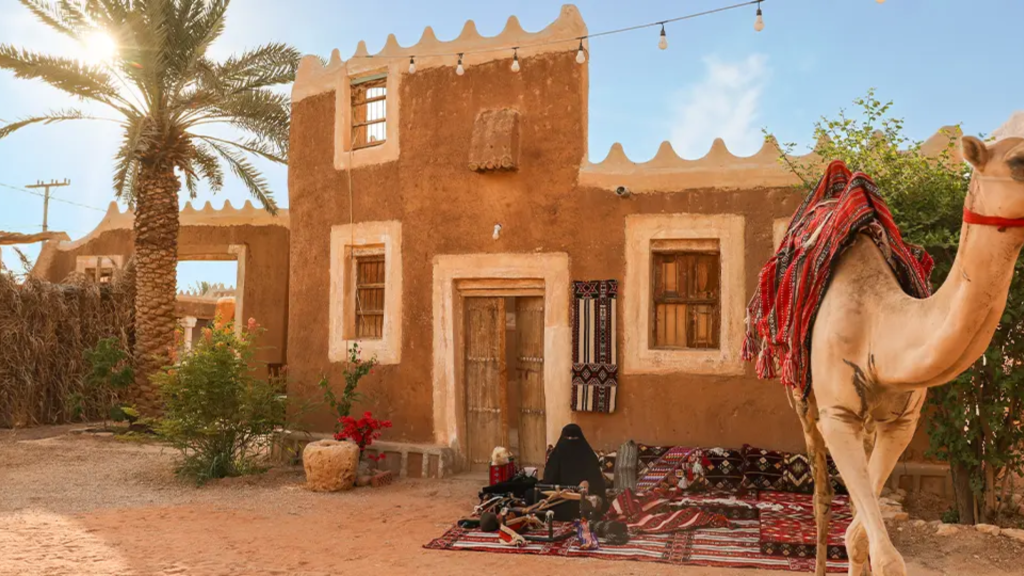
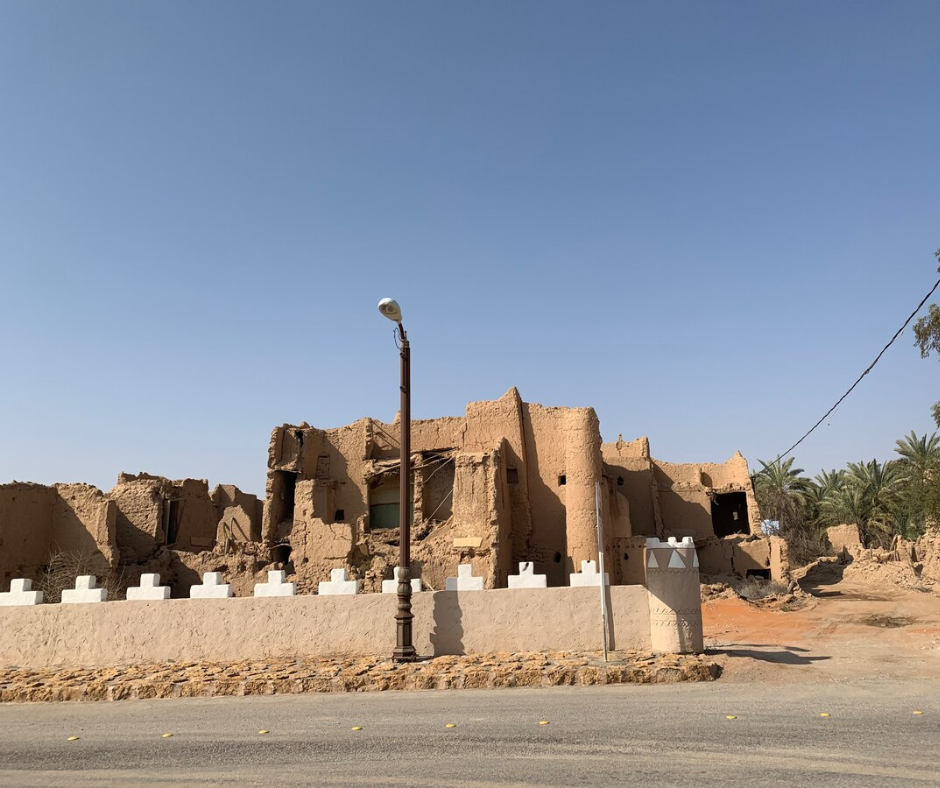
Heritage farm stays near the historic village of Jalajil offer a direct pathway to authentic Najdi hospitality while maintaining high standards of modern comfort. The historic buildings are constructed using sun-dried mud bricks and straw, a traditional building technique ideally suited for desert climates.
These thick mud walls provide incredible thermal mass, keeping the indoor living spaces comfortably cool during the peak heat of the day and radiating warmth back inside during the cold desert nights.
Courtyard Design and Community Gatherings
The architectural layout of a classic Najdi farm estate centers around a large, open-air central courtyard. This open design maximizes natural ventilation and serves as the primary social hub for the entire property.
Guests can spend their evenings relaxing on comfortable floor cushions around the courtyard perimeter, sharing travel stories with the hosts, and listening to local history. The surrounding dates and citrus trees create a peaceful, private environment that allows you to fully unplug from the rapid pace of modern city life.
Cultural Etiquette and Respectful Guest Engagement
Modest Dress and Social Greetings
Entering a rural community requires a thoughtful awareness of local cultural expectations and social norms. Visitors should dress modestly at all times, ensuring that shoulders and knees are fully covered when exploring nearby villages or working fields.
Greet your hosts and farm workers with a polite vocal salutation and always use your right hand when accepting coffee, dates, or food platters during communal meals. Demonstrating these basic manners shows a sincere respect for the local lifestyle and opens the door to deeper hospitality.
Photography Protocol and Personal Privacy
Working farms are also private family spaces where personal privacy is highly protected. It is critical to always ask for explicit permission before taking photographs of any local residents, farm employees, or private residential quarters.
Focus your camera on the natural landscapes, historic architecture, fruit trees, and agricultural processes instead. The natural environment of a working farm ensures that the most memorable moments are often the ones that happen without a fixed schedule. Keeping your daily itinerary flexible allows you to fully enjoy unexpected invitations to share a cup of tea or watch a farmer demonstrate a traditional skill.