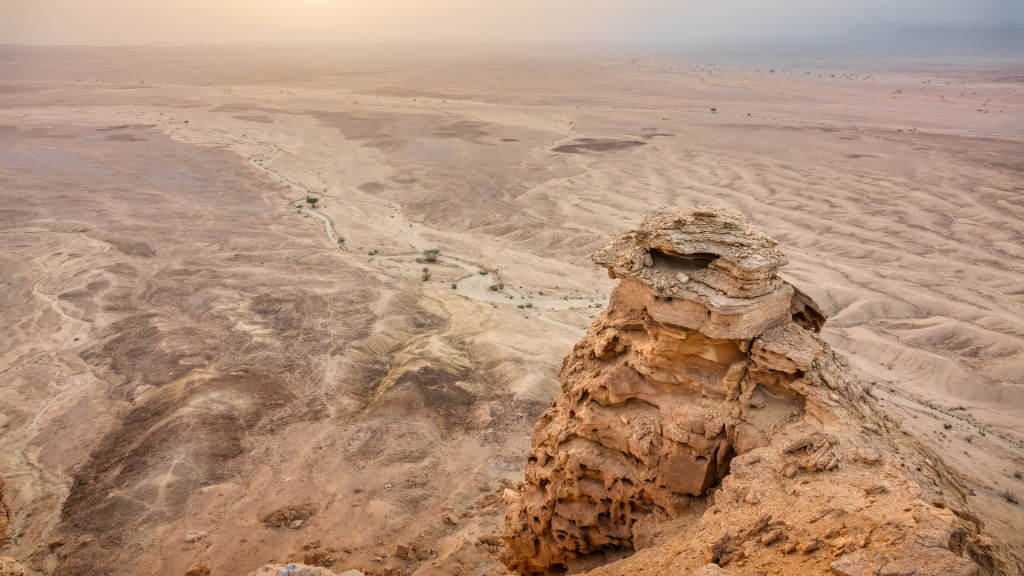

Planning a trip into the deep Jebel fihrayn can feel overwhelming when you realize how quickly the paved roads disappear into the dust.
That is why our team at WildyNess created this guide to ensure your journey to the edge of the world is seamless and safe. Let’s get you out into the wild.
What Makes the Edge of the World Worth the Drive
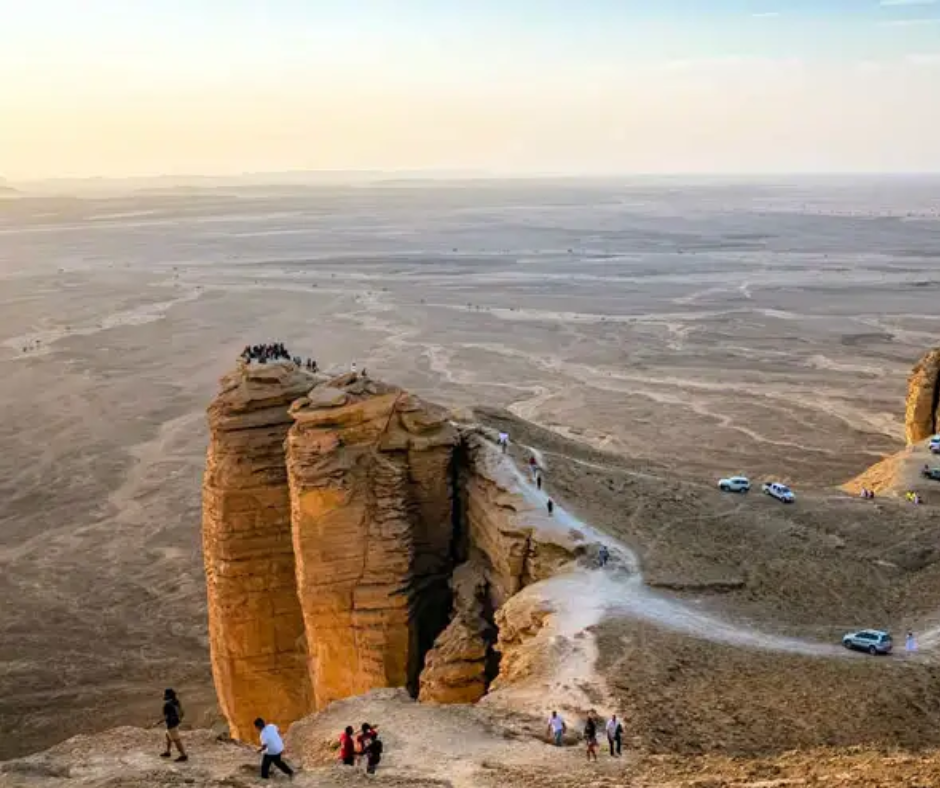
Jebel Fihrayn is the local name for what most visitors call the Edge of the World, part of the Tuwaiq Escarpment, a ridge that runs for over a thousand kilometers through central Saudi Arabia. The cliffs here drop straight into what used to be an ancient ocean floor, and the views stretch far enough that the horizon feels like it's still moving.
Standing at the ridge means standing on a formation that has shaped this part of the Arabian Peninsula for millions of years. It's worth taking a moment at the edge just to let that sink in before the logistics take over.
Essential Logistics for the Edge of the World
Reaching Jebel Fihrayn requires more than just a GPS coordinate and a sense of adventure. The terrain transitioning from the outskirts of Riyadh to the cliff edge involves soft sand, sharp rocks, and winding wadis that test both driver and vehicle. You need to prepare your transportation and route well before you leave the city limits.
Choosing the Right Vehicle
A standard sedan or a small crossover will not survive the journey to the cliff edge. You must use a 4x4 vehicle with high ground clearance to navigate the rocky tracks and sandy patches. Many travelers find that renting a capable SUV in Riyadh is the most reliable way to ensure they do not get stranded in the desert heat.
Before you depart, check your spare tire and ensure you have a working jack and a heavy duty tow rope. Lowering your tire pressure slightly can help with traction in sandy areas, but you must remember to reinflate them once you return to the asphalt. Taking these mechanical precautions allows you to focus on the scenery rather than worrying about a breakdown.

Navigating the Access Gates
The most common route to the Edge of the World is through the Acacia Valley, which is accessed via a gate that has specific opening and closing times. These gates are generally open during the daylight hours, but they often close shortly after sunset. You should aim to arrive at the gate by early afternoon to allow enough time for the drive and the hike.
If the main gate is closed for maintenance or environmental protection, there are alternative routes through the town of Huraymila. These back routes are often more rugged and require advanced off-road driving skills. Always check local travel forums or ask your hotel concierge for the most current gate status before you commit to the hour-long drive from Riyadh.
Optimal Timing for Your Desert Trek
The climate in the Riyadh region is unforgiving during the summer months, making the time of year you visit the most important factor for your comfort. Proper timing ensures that the physical exertion of the hike remains enjoyable rather than exhausting.
Seasonal Weather Windows
The best time to plan your day trip is between November and March. During this window, the daytime temperatures are mild and the air is crisp, providing the visibility needed to see the plains below. Winter nights in the desert can drop toward freezing, so even a day trip requires a warm layer if you stay for the sunset.
You should generally avoid the months of June through August when temperatures regularly exceed 40 degrees Celsius. Exploring the escarpment during the peak of summer is dangerous due to the risk of heatstroke and the lack of natural shade. If you must visit during the shoulder seasons of April or October, limit your activity to the very early morning hours.
Mastering the Golden Hour
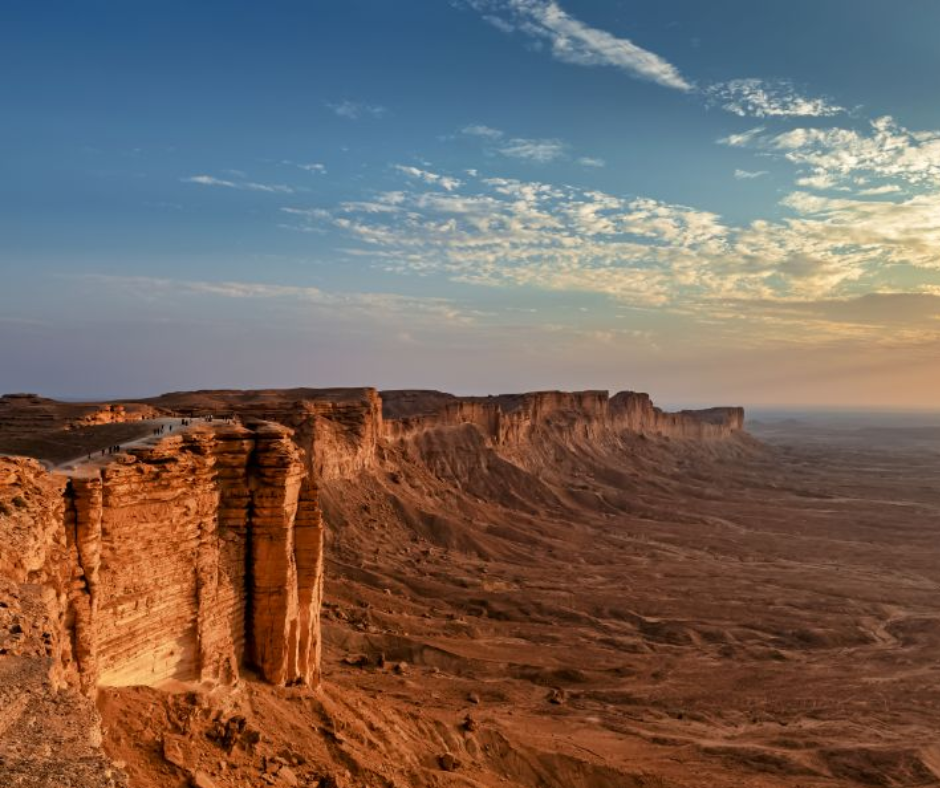
Arriving at the cliffs about ninety minutes before sunset gives you the perfect balance of light and safety. This timing allows you to explore the different viewpoints while the sun is still high enough to illuminate the valley floor. As the sun begins to dip, the limestone walls of the escarpment glow with deep oranges and reds.
You must keep a close watch on the time as the light fades. Navigating the unpaved desert tracks in total darkness is significantly more difficult and increases the risk of losing the trail. Plan to start your drive back toward the main gate as soon as the sun disappears below the horizon to ensure you reach the paved road safely.

Consider a Sunrise Trek Instead
Sunset isn't the only way to see the escarpment glow. Arriving before dawn means beating the heat and watching the desert wake up in soft purples and oranges, with none of the sunset crowds.
This means leaving Riyadh around four in the morning, so it's not for everyone. If you make the drive, a headlamp is essential since you'll be moving in low light, and a light windproof layer will keep you comfortable while you wait, since the escarpment gets surprisingly cold before dawn.
What to Expect on the Trail
This isn't a paved path with clear signage. Expect a mix of hard-packed plateau ground, loose scree, and narrow ridges that ask for steady footwork more than raw fitness. Most of the challenge comes from balancing on uneven limestone, not from any real elevation gain.
Give yourself three to four hours to explore properly. The main cliff gets most of the attention, but the secondary ridges branching off nearby offer the same views with a fraction of the crowd.
Safety Protocols for the Tuwaiq Escarpment
The Edge of the World earned its name because the land drops away into a massive abyss with no fences or guardrails. Safety in this environment is a matter of personal responsibility and constant awareness of your surroundings.
Managing the Cliff Edge
The limestone that forms the escarpment can be brittle and prone to crumbling under pressure. You should never stand on overhanging ledges or areas where the ground appears cracked or undercut. Keeping a distance of at least two meters from the edge provides a safety buffer against unexpected gusts of wind or loose gravel.
If you are traveling with children, you must keep them within arm's reach at all times. The sheer drop is hundreds of meters deep, and the wind at the top can be surprisingly strong and unpredictable. Focus on finding stable, flat ground for your photos rather than seeking out the most precarious positions.

Checking the Weather Before You Go
Desert weather can shift fast. Check the local forecast for the Riyadh region before you leave, since strong winds are common on the escarpment and can make walking near the ridge harder than expected. If a sandstorm is in the forecast, postpone the trip. Visibility can drop to almost nothing, and the drive back becomes far riskier than the hike itself.
Hydration and Emergency Preparedness
The dry desert air pulls moisture from your body much faster than you might realize. You should carry at least three liters of water per person for a standard day trip. Drinking small amounts frequently is more effective for hydration than drinking large amounts all at once after you already feel thirsty.
Mobile phone signals can be spotty or non-existent once you descend into the wadis or move deep along the ridge. It is wise to download offline maps of the Riyadh province and inform a friend or hotel staff of your intended return time. Bringing a basic first aid kit and a portable power bank ensures you can handle minor issues without turning them into emergencies.
Water alone doesn't always cut it once you're sweating steadily in the heat. Adding electrolyte tablets to your bottle helps maintain energy and can prevent cramping over a longer day out.
Choosing Between Self-Drive and Guided Tours
Deciding how to reach the escarpment depends on your comfort level with off-road navigation and your interest in local history. Both options offer a different perspective on the Saudi wilderness.
The Independence of Self-Driving
Self-driving allows you to set your own pace and explore the smaller side trails that lead to quiet viewpoints. This is the ideal choice for experienced drivers who enjoy the challenge of reading the terrain and finding the best path through the rocky wadis. You have the freedom to stay as long as you like at the summit without following a group schedule.
However, self-driving means you are responsible for any mechanical issues or navigation errors. If you choose this path, it is often safer to travel in a convoy of at least two vehicles. This ensures that if one car gets stuck in the sand or has a flat tire, there is another vehicle available to assist or go for help.
Keep a solid gap between vehicles in a convoy. The dust kicked up on these tracks can blind the driver behind you if you follow too closely.
The Benefits of Professional Guides
Booking a guided tour from Riyadh removes the stress of navigation and vehicle maintenance. Local guides often share stories about the geological history of the region and the caravans that once traveled these routes. They also know the best spots for traditional coffee and dates, which adds a cultural dimension to your adventure.
Most guided tours include transportation in well-maintained 4x4s and often provide a traditional camp setup at the end of the day. This is a great way to meet other travelers and enjoy the landscape without the technical worries of desert driving.
Guides based around Al Uyaynah, the small town the route passes through, often know the area's history in more depth than what's written on any sign, along with the quieter spots along the ridge that don't make it into standard tours.
Explore: Edge of the World: Full-Day One in a Lifetime Adventure
Discovering the Geology and Wildlife
The Tuwaiq Escarpment is a massive natural museum that holds the secrets of the ancient world. Taking the time to look closely at the ground and the sky reveals a surprisingly active ecosystem.
Finding Ancient Marine Fossils
Millions of years ago, this entire region was the floor of a shallow tropical sea. As you walk along the plateau, you can find the remains of ancient sea life preserved in the limestone. Look for spiral shapes that indicate ammonites or small, ribbed patterns that were once coral reefs.
It is important to remember that these fossils are part of the natural heritage of Saudi Arabia. You should feel free to clear away dust to take a photograph, but you must leave the fossils exactly where you found them. Preserving these artifacts allows future explorers to experience the same sense of discovery.
Spotting Desert Fauna and Flora
While the landscape looks barren at first glance, it is home to many resilient species. You might see the nimble Arabian gazelle or the large, lizard-like dhub sunning itself on the rocks. Birds of prey, such as eagles and falcons, often use the thermal currents rising from the valley floor to soar high above the cliffs.
The vegetation is equally fascinating, with acacia trees and hardy desert shrubs dotting the wadis. These plants have deep root systems and small, waxy leaves designed to conserve every drop of moisture. After a rare rain event, the desert floor can quickly transform with a carpet of green shoots and small wildflowers.
Why the Cliffs Look the Way They Do
The dramatic shape you see today comes from millions of years of erosion. A hard cap of limestone sits on top of softer sandstone and shale. Over time, the layer underneath wears away, and the limestone above breaks off in massive blocks. That's the process behind the "edge" the site is named for. Every rain event and windstorm is still shaping it, even now.
Expanding Your Day Trip Itinerary
The drive to the Edge of the World takes you through areas that offer additional glimpses into Saudi Arabian life and history. Adding a few stops can turn your excursion into a full day of discovery.
Visiting Local Camel Farms
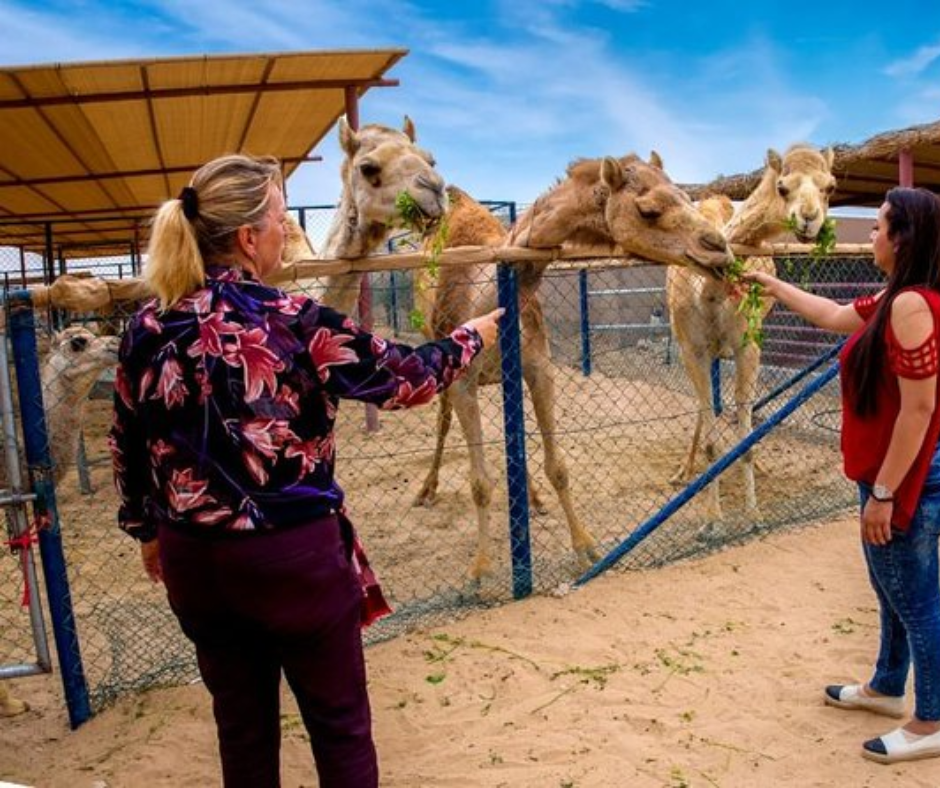
As you exit the main highways and enter the desert tracks, you will likely pass several camel farms. Camels remain a central part of Saudi culture and economy, and seeing them in their natural environment is a highlight for many visitors. You can often watch the herders tending to the animals, especially during the late afternoon.
Always keep a respectful distance and ask for permission before taking photos of the herders or their livestock. Some owners may offer you a chance to see the camels up close or even try fresh camel milk. These interactions are a wonderful way to experience the hospitality that the region is known for.
Exploring the Hidden Bat Caves
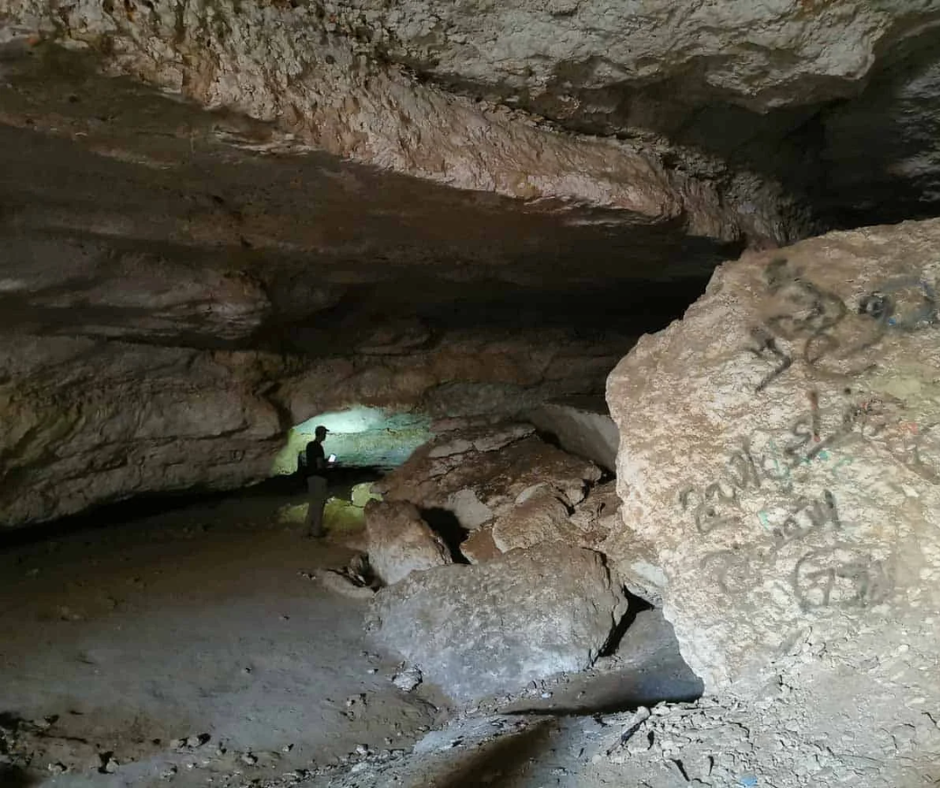
Near the escarpment, there are several limestone caverns often referred to as "bat caves." These cool, dark spaces provide a stark contrast to the heat of the plateau above. You will need a strong flashlight to navigate the interior safely, as the floors can be uneven and slippery.
Inside, you can observe colonies of small bats hanging from the ceiling. It is vital to remain quiet and avoid shining your light directly at the animals to prevent disturbing them. These caves are a unique geological feature of the Tuwaiq range and offer a refreshing break from the intense sun.
What to Wear and Pack
The key to a successful day trip is dressing for a wide range of conditions. The transition from the air-conditioned car to the windy cliffside requires a thoughtful wardrobe.
Clothing for Sun and Wind
You should wear loose, breathable clothing made from natural fibers like cotton or linen. Long sleeves and long pants are the best defense against both the sun and the abrasive sand. A light scarf is a versatile tool that can protect your neck from sunburn or your face from dust if the wind picks up.
Standard sneakers are usually insufficient for the rocky terrain near the edge. You should wear sturdy hiking boots with good ankle support to prevent injury on the uneven limestone. Bringing a spare pair of socks is a simple luxury that can make the drive back to Riyadh much more comfortable.
Essential Gear Checklist
Beyond water and food, you should pack a high-quality sunscreen with at least SPF 50 and a pair of polarized sunglasses to reduce the glare from the white rock. A wide-brimmed hat with a chin strap is essential, as the wind at the cliff edge can easily blow away a standard baseball cap.
For photography, bring a lens cleaning kit to remove the fine desert dust that will inevitably settle on your equipment. If you plan to stay for the sunset, pack a headlamp so you can keep your hands free while walking back to your vehicle. These small items ensure that you remain focused on the beauty of the landscape rather than minor discomforts.
If boots feel like overkill, high-quality trail runners with a grippy sole can handle the loose gravel too. Either way, moisture-wicking socks like merino wool are worth the extra cost, since they keep your feet dry and blister-free over a few hours of walking.
Respectful Travel and Environmental Ethics
As more people discover the Edge of the World, the impact on the environment increases. Following basic principles of responsible travel ensures that the escarpment remains a pristine destination.
Practicing Leave No Trace
The desert ecosystem is fragile and takes a long time to recover from human interference. You must pack out every piece of trash you bring in, including organic waste like fruit peels which do not decompose quickly in the arid climate. Avoid driving off the established tracks to prevent destroying the micro-habitats of small desert animals.
If you decide to have a picnic, ensure that you secure all lightweight plastics so they do not blow over the cliff. The wind can carry trash for miles across the plains, where it becomes a hazard for wildlife. Leaving the site cleaner than you found it is the hallmark of a true explorer.
Cultural Etiquette in the Desert
When traveling through the small villages on the way to the escarpment, it is important to dress modestly and act with respect toward the local residents. While the desert is a place of freedom, the communities nearby are often traditional. Keeping your music at a reasonable volume and being polite during interactions goes a long way.
If you encounter locals while hiking or driving, a simple greeting is always appreciated. Saudi hospitality is legendary, and you may find yourself invited for tea or a snack. Embracing these moments with an open mind is often the most memorable part of any Wildyness journey.
Traveling with Wildyness means you are part of a community that values authenticity and local expertise. Whether you are navigating the high cliffs of Riyadh or exploring the historic markets of the city, we are here to help you find the heart of the destination.
If you still have any other questions, don't hesitate to contact us, and we will respond to you quickly! Also, we can help you create the perfect itinerary for your trip. All you have to do is email us, and we will plan together your personalized itinerary.
Read also: The Ultimate Road Trip from Riyadh: 6 Iconic Routes