The thought of navigating a foreign road network often brings a mix of excitement and legitimate anxiety about local laws or different driving cultures.
That is why our team at Wildyness created this guide to give you the confidence and practical knowledge needed to explore the Kingdom behind the wheel.
Prepare yourself for the ultimate desert road trip.
Legal Requirements and Essential Documentation
Before you even step into a rental office, you must ensure your paperwork aligns with Saudi law. Most visitors can drive using their original national license for up to three months, provided the license is valid. However, there are specific nuances regarding the language and origin of your permit that could halt your plans at the rental desk.
Licensing and International Permits
You should carry an International Driving Permit along with your original national license. This is especially important if your home license is not printed in English or Arabic.
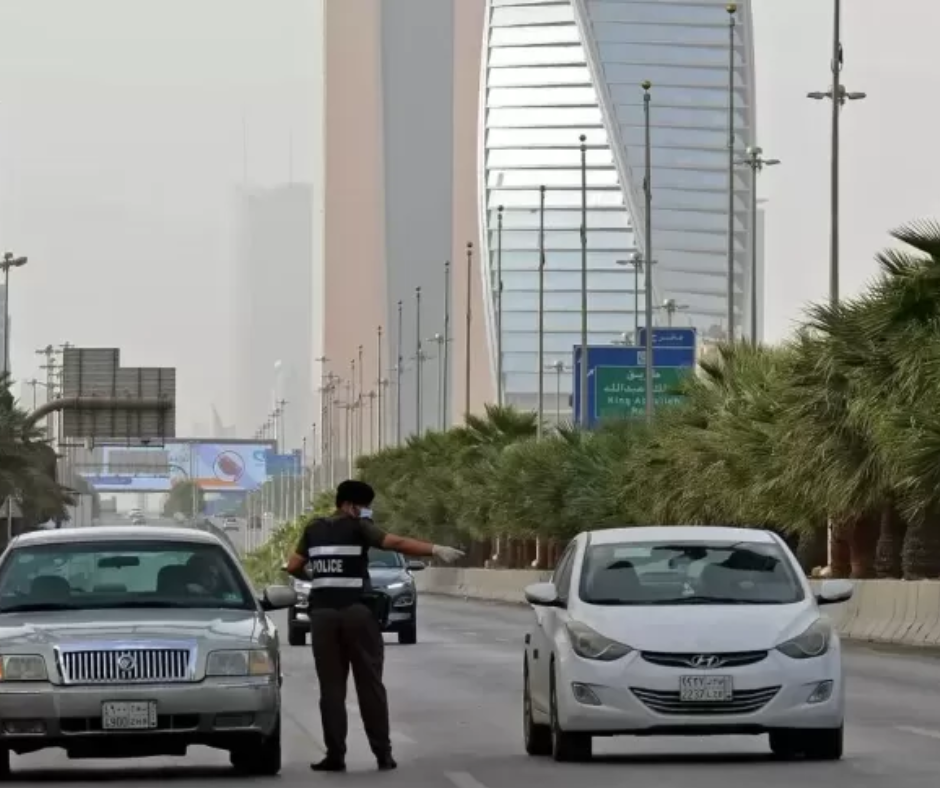
While some major rental agencies might overlook this in Riyadh or Jeddah, the traffic police will require it during any routine stop or in the event of an accident. Always verify that your IDP is valid for the duration of your stay to avoid legal complications.
Age Restrictions and Rental Paperwork
The legal driving age in Saudi Arabia is 18, but most rental companies set their own minimum at 21 years old. If you are under 25, you might face a young driver surcharge or be restricted from renting high-performance SUVs.
When you arrive at the counter, have your passport, entry visa, and a credit card in the lead driver's name ready for processing. Digital copies are helpful for your records, but the physical documents are mandatory for the rental agreement.

Choosing and Renting the Right Vehicle
The vast geography of the Kingdom means that your choice of vehicle will dictate which parts of the country remain accessible to you. A compact car is perfect for the paved streets of Dammam, but it will fail you the moment you attempt to reach the more rugged landscapes. You must match your car choice to your specific itinerary goals.
Selecting Between a Sedan and a 4x4
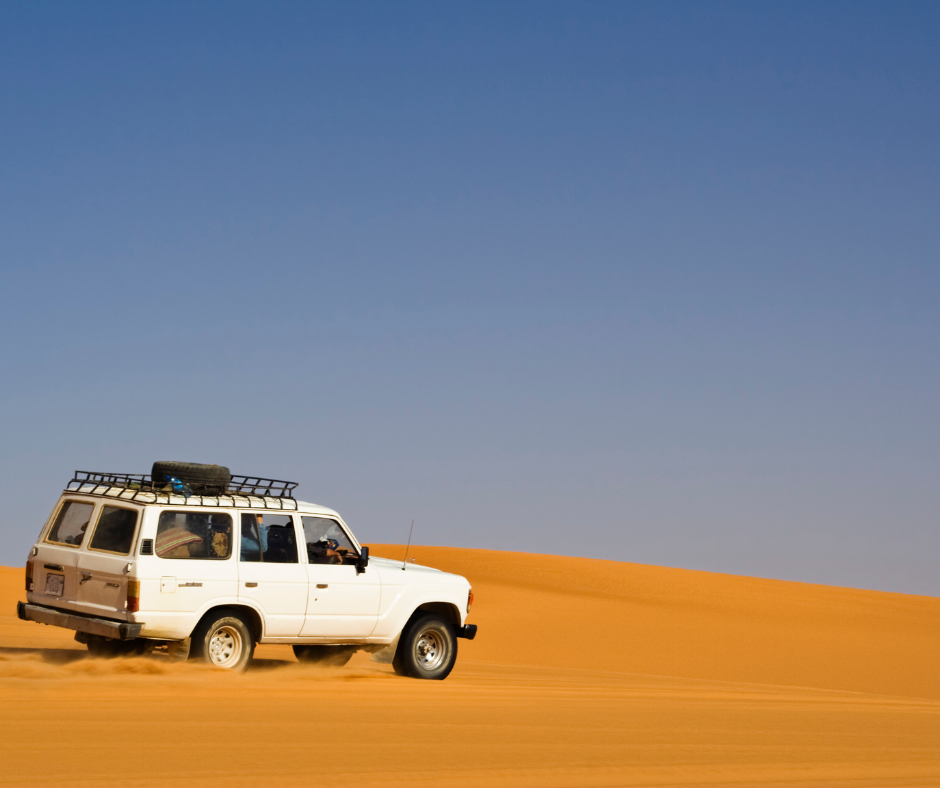
Standard sedans are economical and perfectly suitable for the well-maintained highways connecting major cities. However, if your plans include the Edge of the World or the sands of the Empty Quarter, a 4x4 is non-negotiable.
Many iconic landmarks require high ground clearance and low-range gears to navigate soft sand or rocky wadis. Ensure your rental agreement specifically allows for off-road use if you plan to leave the asphalt, as standard insurance often excludes these areas.
Understanding Insurance and Mileage Limits
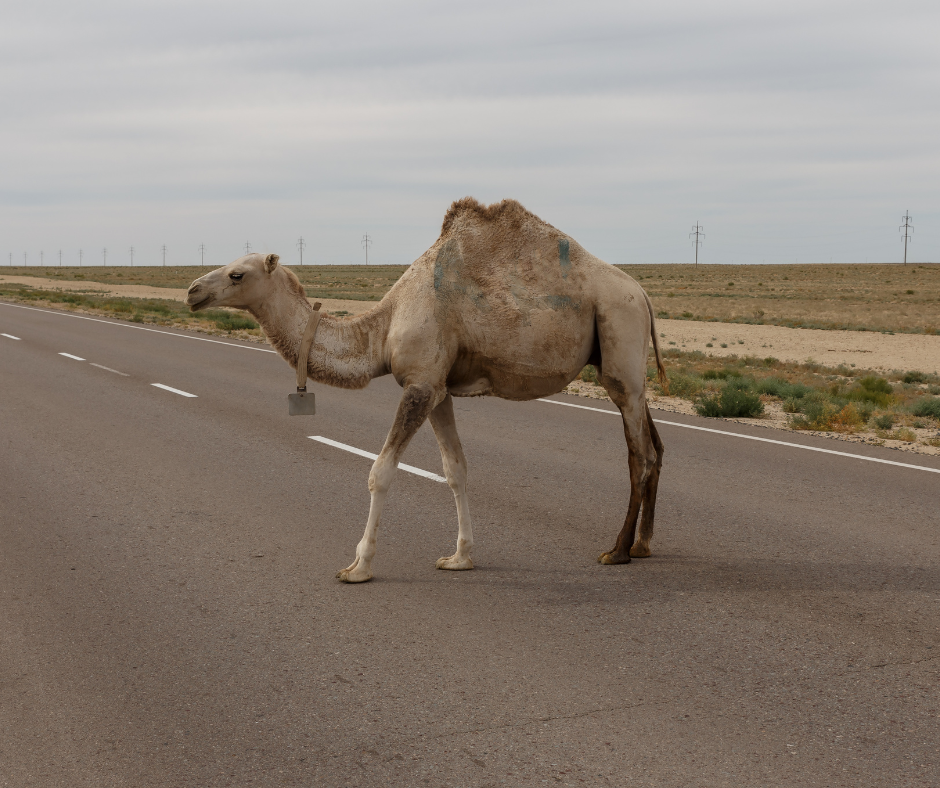
Always opt for comprehensive insurance that includes collision damage waivers. Given the high speeds on Saudi highways and the occasional camel on the road, the peace of mind is worth the extra daily cost.
You should also check for unlimited mileage packages. Saudi Arabia is massive, and a simple round trip between Riyadh and AlUla can easily add thousands of kilometers to the odometer, leading to heavy fees if you are on a restricted plan.
Navigating the Saudi Road Culture and Rules
Driving in the Kingdom is a fast-paced experience that requires constant attention and a proactive approach. While the infrastructure is world-class, the local driving style is often more assertive than what you might find in Europe or North America. Understanding the flow of traffic will help you merge and navigate junctions without unnecessary stress.
The Saher Camera System and Speed Limits
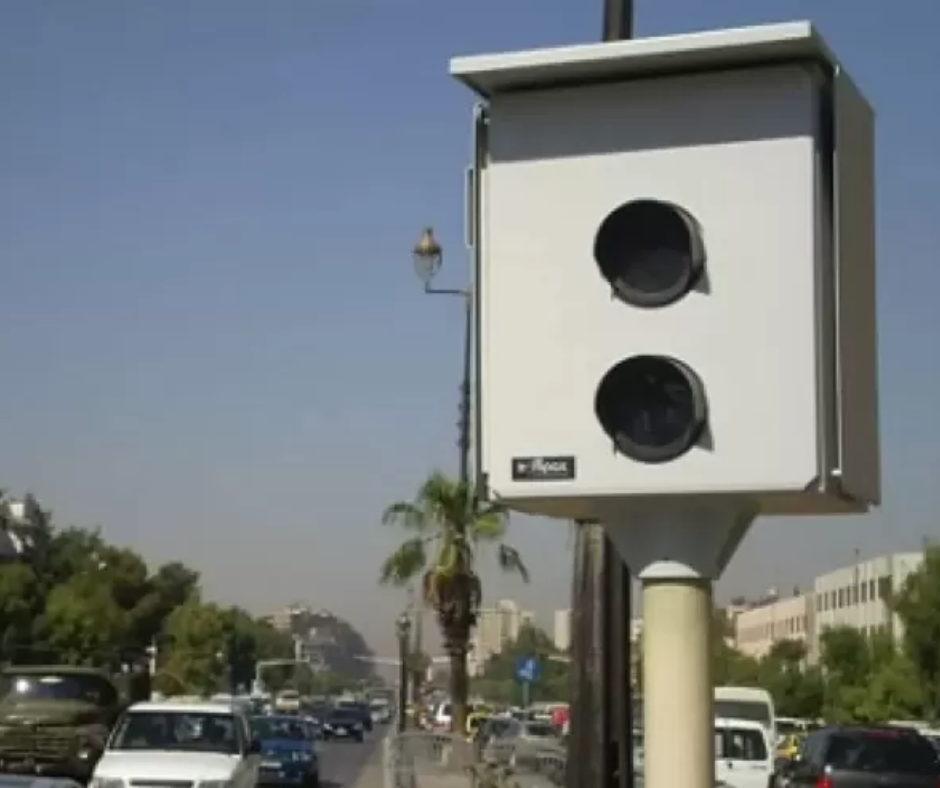
Saudi Arabia uses an advanced automated traffic control system known as Saher. These cameras are everywhere, from city intersections to remote desert highways. They do not only monitor speed but also check for seatbelt violations and mobile phone use while driving.
If you see a bright white flash, the camera has captured a violation. Fines are linked to the vehicle's plate and will be charged back to your rental account, often with an administrative fee added by the agency.
Traffic Signals and Roundabouts
Traffic lights in the Kingdom are generally easy to follow, but you should be aware that many intersections allow for a "right turn on red" after a complete stop. Always look for signs that might prohibit this at specific junctions. Roundabouts are also extremely common and follow the standard rule where those already inside the circle have the right of way. Use your indicators clearly when exiting to help the drivers waiting to enter understand your intentions.
Mastering Urban Driving in Major Cities
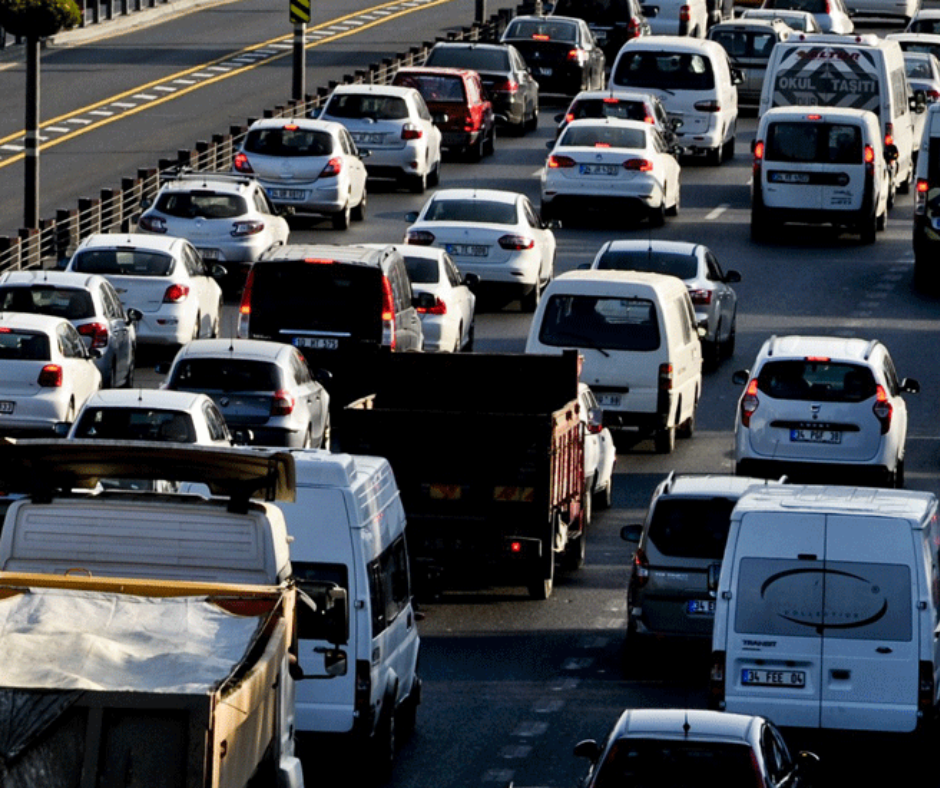
Driving in Riyadh or Jeddah is a different beast compared to the open highways. These cities are sprawling metropolises where the car is the primary mode of transport, leading to significant congestion during peak hours. You will need to adapt to multi-lane highways that can have up to seven or eight lanes in each direction.
Handling Peak Hours and Congestion
Traffic in Riyadh is heaviest from Sunday to Thursday, particularly during the morning commute and late afternoon. If you can, try to schedule your cross-city drives between 10:00 AM and 4:00 PM.
Jeddah experiences similar patterns, though the coastal roads can become crowded in the evenings as locals head to the Corniche. Using live navigation apps like Google Maps or Waze is essential for finding the fastest routes and avoiding sudden road closures due to construction.
Parking Regulations and the Mawaqif App
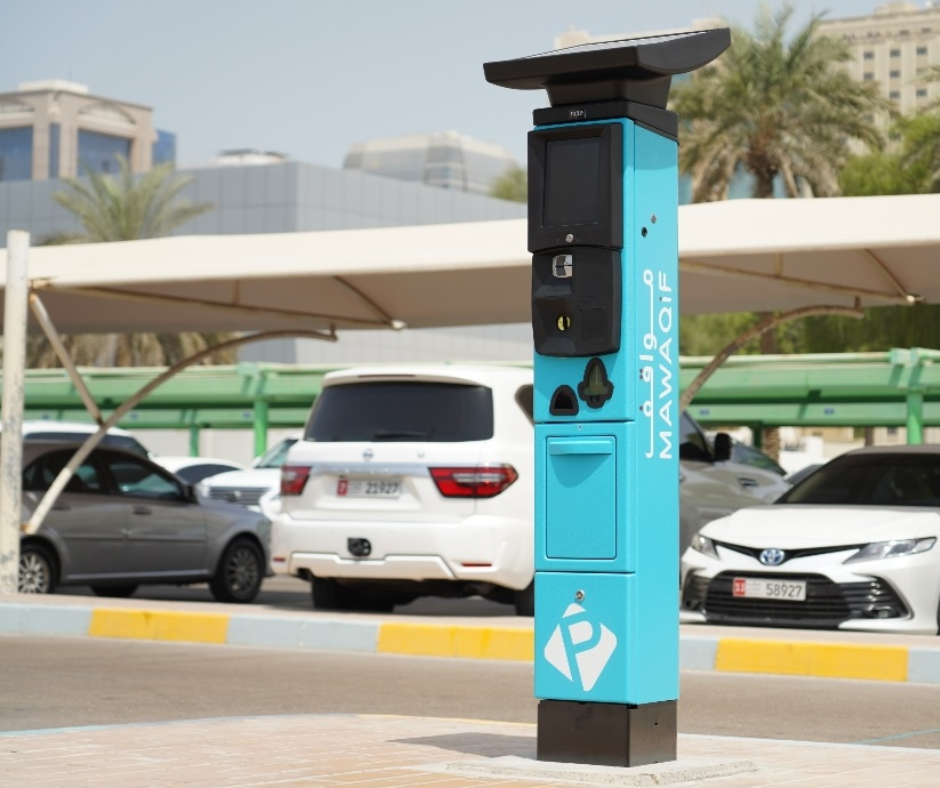
Parking in busy districts can be a challenge, and illegal parking is strictly enforced with fines or towing. Many areas in Riyadh and Jeddah now use the Mawaqif paid parking system. You can pay via SMS or by downloading the dedicated app, which allows you to top up your balance digitally.
Look for colored curbs to understand the rules. Blue and white usually indicate paid parking, while yellow and black signify no-parking zones where you are likely to be ticketed.
Essential Safety for Desert Highways
Once you leave the city limits, you will find yourself on some of the most beautiful and isolated roads in the world. The transition from urban bustle to desert silence is quick, and you must be prepared for the change in conditions. The main challenges here are the distances between services and the presence of local wildlife.
Fuel Management and Service Stations
Never let your fuel tank drop below half when driving between cities. While there are many "Mawaqif" service stations along the major routes, some stretches can go for over 100 kilometers without a single pump.
Most modern stations accept Mada, Apple Pay, and international credit cards, but it is wise to carry some cash for the smaller, more remote stations. These stops often include small supermarkets and prayer rooms, making them good places to rest and hydrate.

Dealing with Sand and Camel Crossings
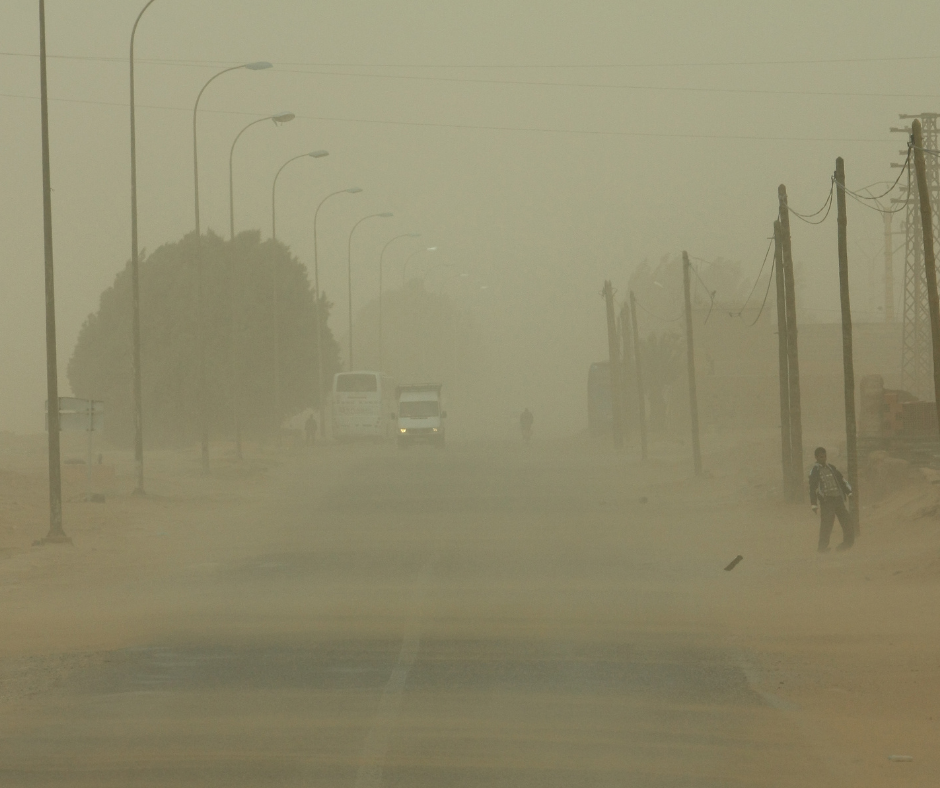
Wind-blown sand can quickly accumulate on the roads, creating slippery patches that feel like driving on ice. If you encounter a sandstorm, reduce your speed and turn on your lights, but avoid stopping on the shoulder unless visibility is zero.
You must also remain vigilant for camels. These animals often wander near the highways and can cross without warning, especially at dawn or dusk. If you see a camel warning sign, slow down and scan the horizons carefully.
Emergency Protocols and Accident Procedures
Even the most careful drivers can encounter issues on the road. Knowing who to call and what steps to take will prevent a minor incident from becoming a major problem. Saudi Arabia has a very structured approach to road accidents that involves specific third-party reporting agencies.
Using the Najm App for Accidents
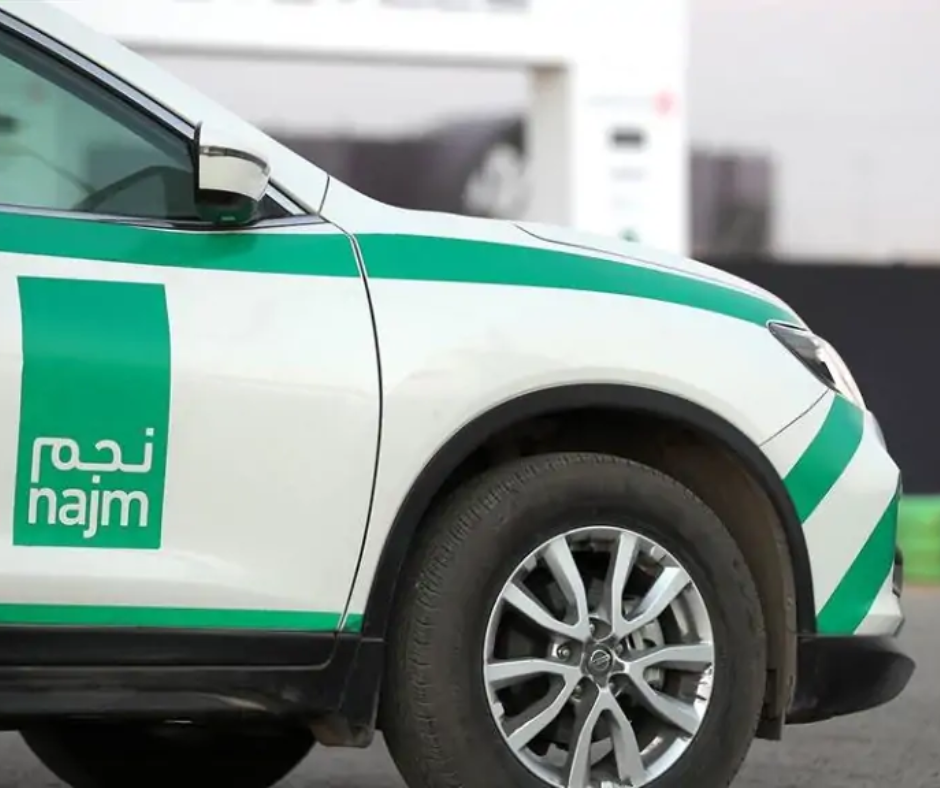
If you are involved in a minor accident where no one is injured, you should not call the police first. Instead, you use the Najm app or call their service number. Najm is the private company responsible for assessing insurance claims for traffic accidents in the Kingdom.
They will arrive at the scene, document the damage, and provide the necessary paperwork for your rental company and insurance provider. Taking photos of the vehicles and the surrounding area before moving them is highly recommended.
Emergency Contact Numbers
In the event of a more serious situation involving injuries, you must contact the emergency services immediately. Dial 997 for an ambulance or 999 for the police. For general traffic-related issues that do not involve an accident, 993 is the number for the traffic police. It is also helpful to keep the Saudi Health Hotline number, 937, saved in your phone for any non-emergency medical advice.
Planning Your Journey with Wildyness
Exploring Saudi Arabia by car allows you to see the Kingdom at your own pace, from the ancient ruins of AlUla to the modern skyline of Riyadh. Our team at WildyNess is dedicated to helping travelers experience the authentic heart of the Middle East through sustainable and expertly curated adventures. We focus on connecting you with local culture and breathtaking natural landscapes while ensuring every logistical detail is managed.
Whether you are looking for a pre-planned route or a customized experience, we can provide the framework for your trip. You might consider looking into our
Final Summary of Road Trip Success
Driving in the Kingdom offers a level of freedom that public transport simply cannot match. By securing the correct license, choosing a vehicle that suits the terrain, and respecting the local Saher camera system, you set yourself up for a smooth experience.
Remember to keep your fuel tank full, stay alert for camels on desert stretches, and use the Najm app if any minor bumps occur. These simple steps ensure that your focus remains on the incredible vistas and the warm hospitality you will encounter at every stop along the way.