
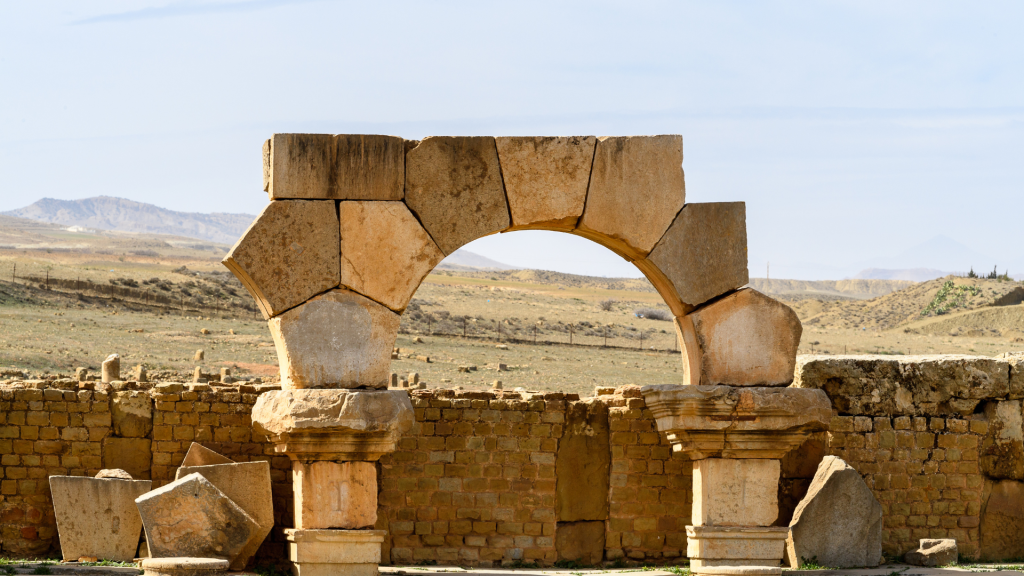

The Aurès Mountains are a world away from the coast. You’ve got red rock canyons, Roman ruins, and high-altitude cedar forests that feel raw and untouched. It’s the kind of place where the view changes every few miles, from rocky massifs to lush green pockets.
That is why our team at WildyNess created this guide to help you navigate one of the most rugged and rewarding regions in North Africa.
Discover the Rugged Beauty of Ghoufi Canyon
The eastern Atlas range offers a stark departure from the coastal Mediterranean vibe of Algiers. Here the landscape shifts into high passes and open plateaus where villages cling to slopes amidst swiftly changing light. We believe this area stands out because the view changes every few miles from rocky massifs to lush green pockets. This makes the vastness feel intimate and moving as you move through the heart of the Batna province.
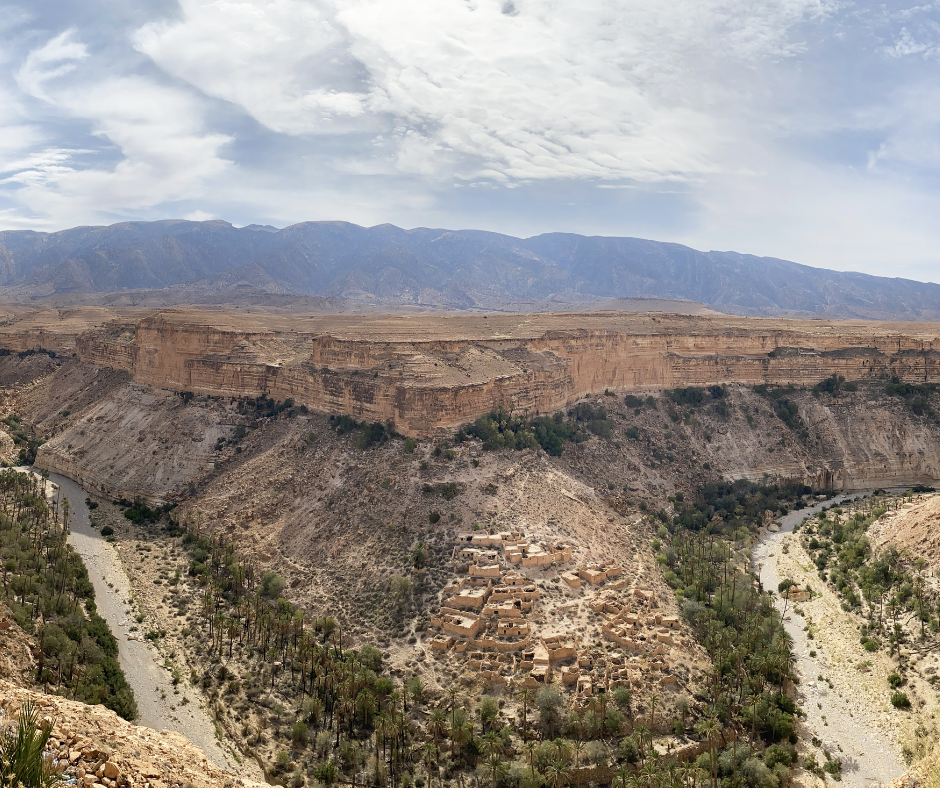
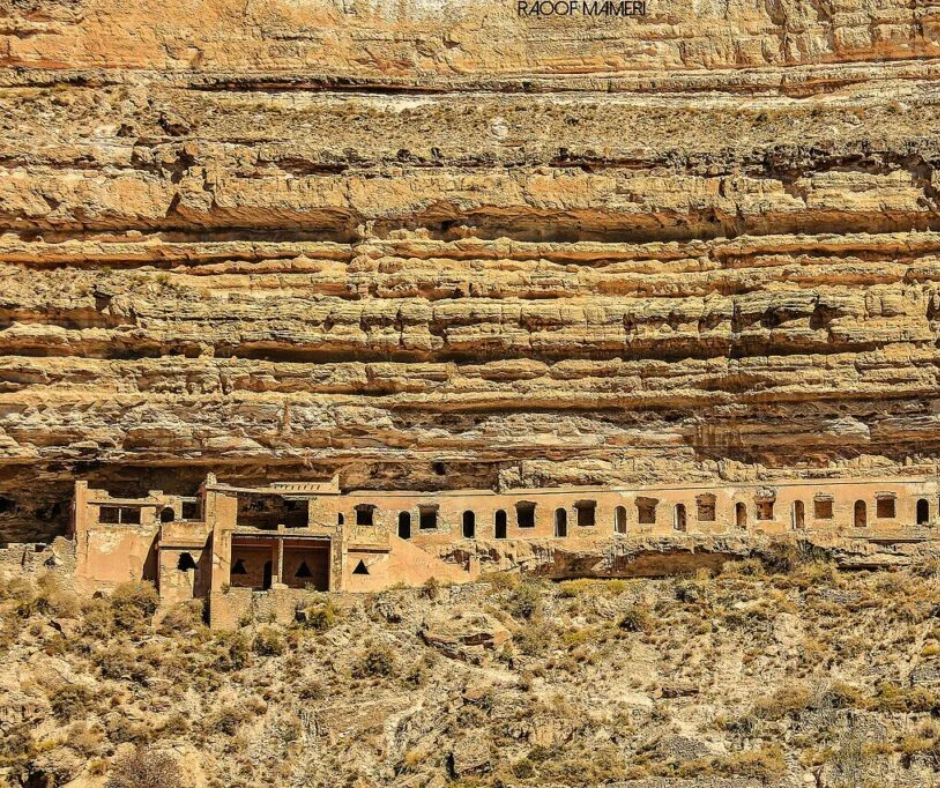
The primary highlight in this region is the Ghoufi Canyon. This site is far more than a simple photo opportunity because it represents a deep geological cut with a river ribboning through the base. Palm-filled oases hide far below the canyon walls which provide a vertical scale that defines the Aurès. You can find abandoned stone and mud-brick dwellings carved directly into the cliffs which tell the story of the people who lived here for centuries.
Access and Best Viewing Points
Reaching the canyon is straightforward if you are traveling from Batna to the north or Biskra to the south. We recommend arriving early in the morning to catch the soft light on the red rocks and to enjoy the cooler temperatures before the midday sun hits the canyon floor. There are several balconies or lookout points along the main road where you can safely park and walk to the edge for a full view of the palm groves below.
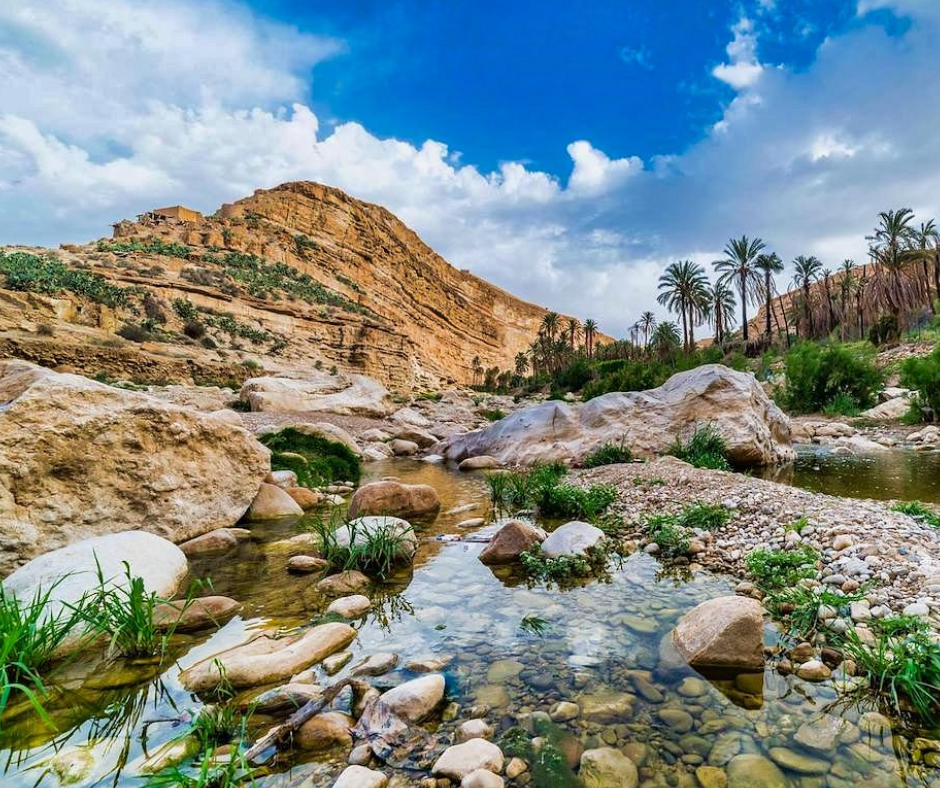
If you have more time, you can hike down into the canyon itself. The descent is steep but manageable if you follow the established paths used by locals. Walking among the date palms at the bottom provides a completely different perspective than the view from the top. You will hear the sound of the Abiod River and see the intricate irrigation systems that have kept these gardens alive for generations.
Exploring the Surrounding Hamlets
The area around Ghoufi is dotted with small hamlets that offer a glimpse into traditional Chaouia life. Many of these villages are built with local stone that blends perfectly into the mountainside. Taking a slow drive through these settlements allows you to see the traditional granaries and storehouses that were once vital for survival in this harsh climate.
As you explore these villages, you will notice the architectural ingenuity required to build on such steep terrain. The houses are often stacked on top of one another with the roof of one dwelling serving as the terrace for the one above it. This vertical living is a hallmark of the Aurès and shows how the inhabitants adapted to the limited space available on the canyon walls.
Journey Through Time at the Timgad Roman Ruins
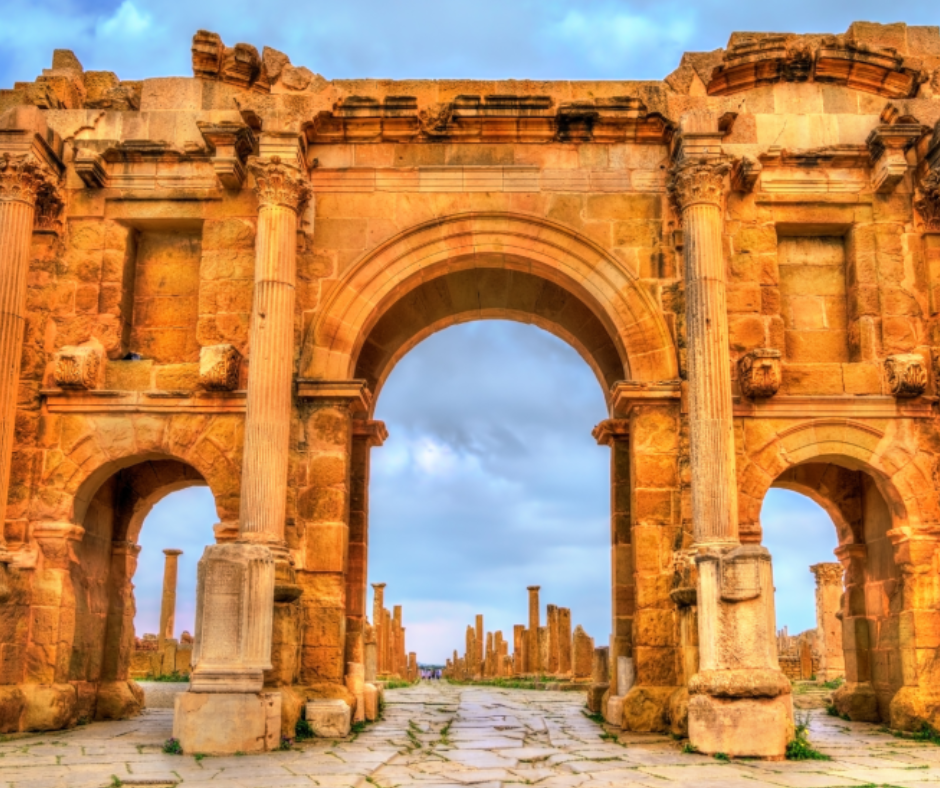
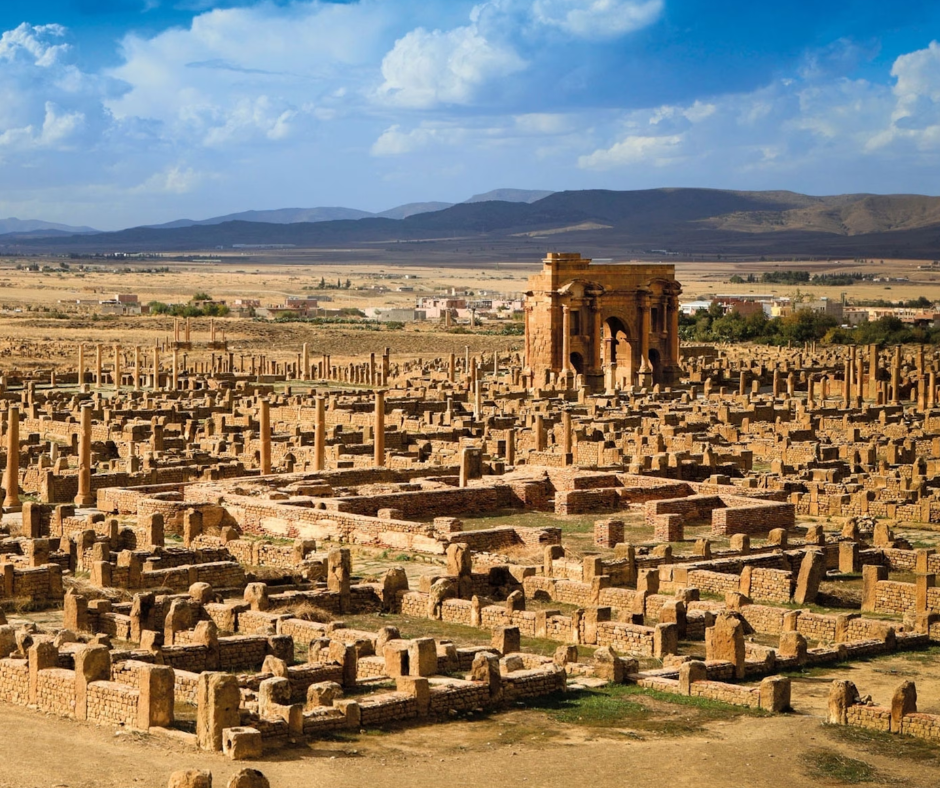
Located on the northern slopes of the Aurès Mountains, Timgad serves as a preserved example of Roman urban planning that has remained remarkably intact over two millennia. Originally founded by Emperor Trajan around 100 AD as a military colony for veterans, the city showcases the classic grid system known as the centuriation. Walking through the streets allows you to see the Cardo and Decumanus which are the primary North-South and East-West axes of the city.
The site is so vast that it can feel overwhelming without a plan. We suggest starting at the massive triumphal arch known as Trajan’s Arch which stands as a gateway to the ancient city. From there you can move toward the forum which was the center of public life and the large theater that could once hold thousands of spectators. Each stone reflects a time when Roman law and culture were firmly established in the mountains of North Africa.
Architectural Highlights of the Colony
The public library at Timgad is one of the most significant finds because it is one of the few Roman libraries ever discovered in such a preserved state. You can still see the niches in the walls where scrolls were once stored for the citizens of the colony. Another essential stop is the complex of Roman baths which demonstrates the high level of engineering and luxury the Romans brought to this frontier region.
The Capitolium is another major structure located on a raised platform at the end of the city. While much of it is in ruins, the massive columns still give a sense of the scale of the temple dedicated to Jupiter, Juno, and Minerva. Taking the time to study the intricate mosaics in the on-site museum is also highly recommended. These artworks depict scenes of daily life, mythology, and the natural world with incredible detail and color.
Read also : Visiting Timgad: Essential Day Trip Tips for the Pompeii of Africa
Practical Tips for Visiting Timgad
Because the site is almost entirely exposed with very little shade, you must bring a wide-brimmed hat and plenty of water. The ancient stones can become very hot during the afternoon so visiting in the early morning or late afternoon is the best strategy. Wear sturdy shoes with good grip because the original Roman paving stones can be uneven and slippery in certain sections.
If you are coming from Constantine or Batna, give yourself at least three to four hours to explore the ruins properly. The scale of Timgad is much larger than many people expect and you will want time to walk to the outskirts where the Byzantine walls and later additions are located. For a deeper dive into the history of the country, you can check out our
Hike to the Summit of Djebel Chélia
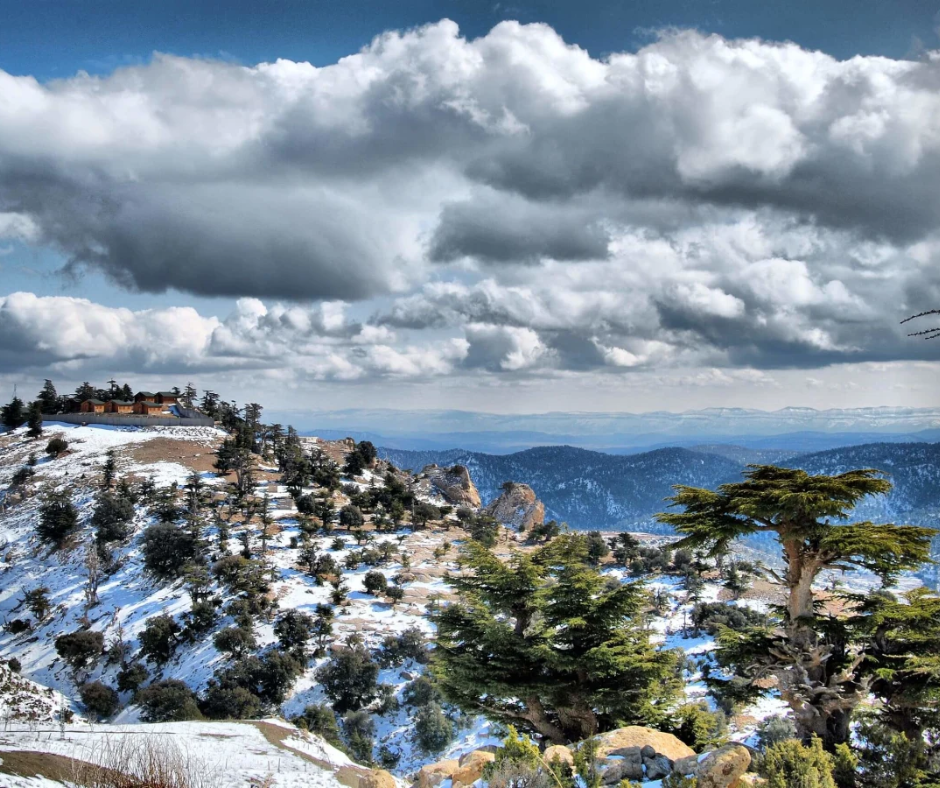
Standing on the highest peak of the Aurès Mountains is an experience that stays with you long after the descent. Djebel Chélia reaches an altitude of over 2300 meters and offers a panorama that covers the rugged peaks and the distant plains. The air at this height is crisp and clean providing a welcome break from the heat of the lower valleys. This trek is the pinnacle of any adventure in eastern Algeria.
The mountain is famous for its ancient forests of Atlas Cedars which are some of the most resilient trees in the world. These giants provide shade during the initial stages of the climb and create a unique alpine atmosphere that feels different from the rest of the Sahara-adjacent region. As you climb higher the trees thin out and the landscape becomes more alpine with low shrubs and rocky outcrops.
Preparing for the Ascent
You should set aside a full day for this trek to ensure you have enough time for a steady pace. While the hike is not technically difficult for experienced trekkers, the altitude and the steady incline require a good level of physical fitness. We recommend starting your hike at dawn to ensure you reach the summit before any clouds roll in which often happens in the early afternoon.
Your packing list for Djebel Chélia must include layers of clothing. Even if it is warm at the base, the temperature at the summit can be significantly lower and the wind can be quite strong. Bring at least three liters of water and high-energy snacks like dates and nuts to keep your strength up during the climb. Using a local guide is a smart move not just for navigation but also for the stories they can tell about the mountain and its history.
The Summit Experience and Descent
Once you reach the top, you are rewarded with a view that spans across the Aurès range. On a clear day, you can see the distinct layers of the mountains stretching toward the horizon. There is a small monument at the peak marking the highest point where many hikers stop to take photos and eat lunch before starting the journey back down.
The descent requires just as much care as the climb because the loose scree on some parts of the path can be slippery. Take your time and use trekking poles if you have them to save your knees from the impact. As you move back down into the cedar forests, keep an eye out for local bird species and the unique flora that thrives in this protected environment. It is a peaceful end to a challenging and rewarding day.
Immerse in Chaoui Berber Culture and Village Life
The Aurès Mountains are the heartland of the Chaoui people who are a Berber group with a deep pride in their language and traditions. Engaging with this culture is often the most memorable part of a trip to this region. You will find that hospitality is a core value here and it is common for visitors to be invited for tea or a meal.
When you enter a village, it is important to respect the local rhythm of life. The Chaoui people have maintained their traditions for centuries and showing interest in their customs is always appreciated. Whether it is observing the traditional weaving of rugs or learning about the agricultural cycles of the mountains, these interactions provide a layer of depth to your travel that you cannot find in a guidebook.
Gastronomy of the Mountains
Chaoui cuisine is hearty and built for the mountain climate. One of the most famous dishes is El Aich which is a thick soup made with hand-rolled grains and vegetables. It is the ultimate comfort food after a long day of hiking. You might also be served different types of couscous often prepared with dried meat or spicy sauces that are unique to the eastern part of Algeria.
Bread also plays a central role in every meal. You will often see Kesra which is a flatbread made with semolina and olive oil. It is usually served warm and used to scoop up honey or local olive oil. Trying these local flavors is an essential part of the experience and we encourage you to be adventurous with your palate while visiting the local markets in Batna or the smaller village stalls.
Cultural Etiquette and Traditions
To have the best experience, we suggest following a few simple rules of etiquette. Always ask for permission before taking portraits of people especially the elderly or women. Dress modestly by keeping your shoulders and knees covered which is the standard in these traditional communities. Learning a few words in the local dialect like "Azul" for hello will instantly bring a smile to the faces of the people you meet.
Accepting an invitation for tea is a sign of respect. These gatherings are usually relaxed and are a great way to learn about the history of the region from the perspective of those who live there. You do not need to speak the language perfectly to enjoy the company because the shared experience of a hot glass of mint tea transcends most language barriers.
Stroll Through the M’Chouneche Oasis
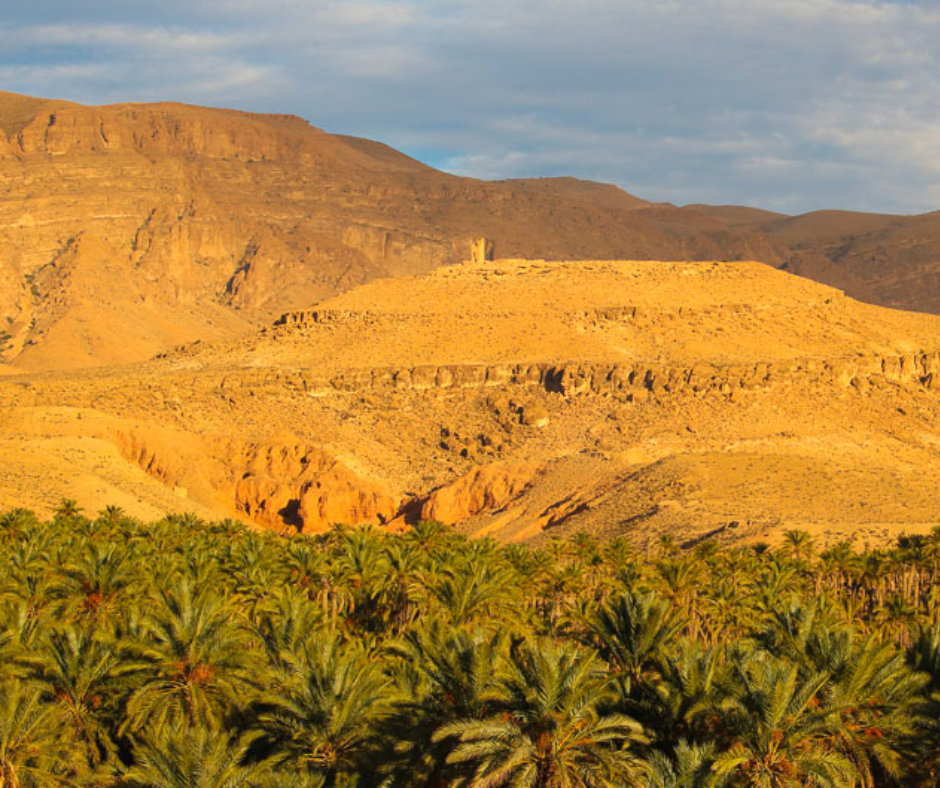
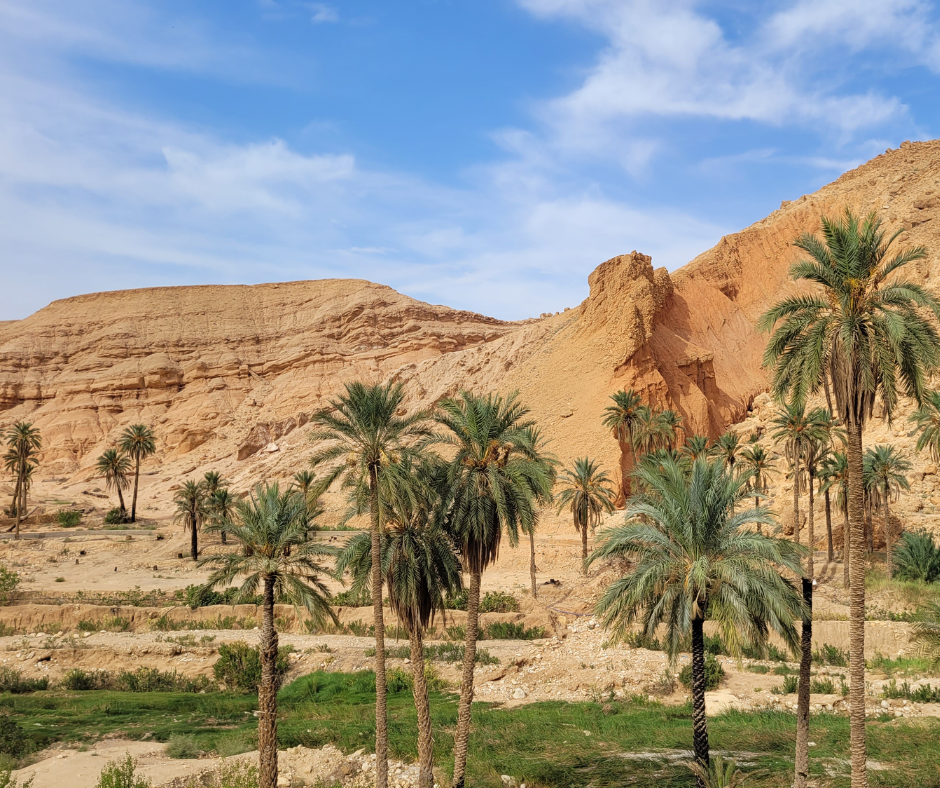
If you want to experience the transition from the mountains to the desert, the oasis of M’Chouneche is the place to be. This lush area is filled with date palms and fruit trees providing a cool sanctuary from the sun. The sound of running water from the traditional irrigation channels creates a peaceful atmosphere that makes you want to linger for hours.
The oasis is not just a place of beauty but also a feat of traditional engineering. The way the water is shared among the different gardens is based on ancient rules that are still followed today. Walking through the narrow paths between the palm groves allows you to see how the locals grow pomegranates, figs, and apricots under the shade of the larger trees.
Exploring the Palm Groves
The best way to see M’Chouneche is on foot. You can wander through the groves and watch the farmers at work tending to their trees. The date harvest in the autumn is a particularly exciting time to visit as the whole community comes together to gather the fruit. The quality of the dates from this region is famous throughout Algeria and you should definitely buy some to take with you.
There are also small streams where you can sit and cool your feet in the water. The contrast between the dry rocky mountains surrounding the oasis and the bright green of the palms is a visual reminder of how precious water is in this part of the world. It is a great place to slow down and reflect on your journey through the Aurès.
The Village of M’Chouneche
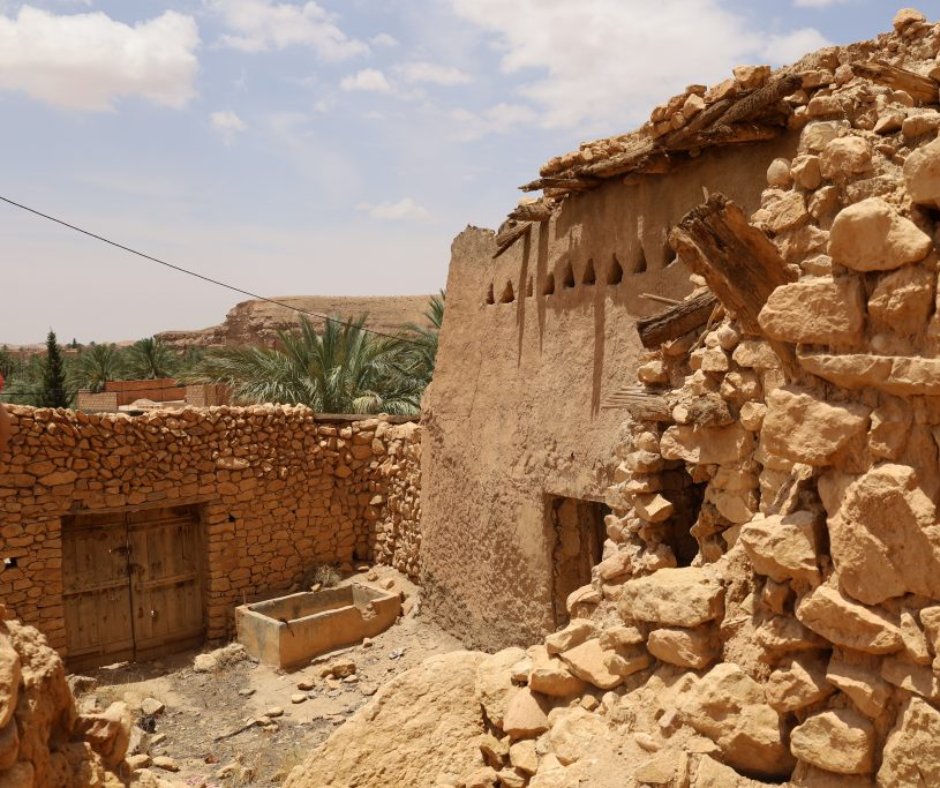
The village itself is built on the edge of the oasis and features traditional architecture. The houses are often painted in light colors to reflect the heat and many have small shops selling local crafts and food. It is a quiet place where the pace of life is dictated by the sun and the seasons.
We suggest visiting the local museum if it is open as it often houses artifacts and information about the history of the oasis. The people here are very proud of their heritage and are usually happy to share stories about the origins of their community. Spending an afternoon here is the perfect way to recharge your batteries before heading further into the desert or back to the city.
Planning Your Logistics and Gear
Traveling through the Aurès requires a bit more planning than a trip to the coast. The distances between sites can be long and public transport is not always frequent in the more remote areas. However, with a bit of preparation, navigating this region is entirely possible for the independent traveler.
We recommend using Batna as your main base for exploring the northern part of the range including Timgad and Djebel Chélia. For the southern sites like Ghoufi and M’Chouneche, you might find it easier to stay in Biskra which is known as the gate to the Sahara. Both cities have a range of accommodations from basic hotels to more comfortable options.
Transportation and Getting Around
The easiest way to get to the Aurès is by flying into Batna or taking a train or bus from Algiers. Once you are in the region, renting a car gives you the most flexibility to visit the canyons and mountain peaks at your own pace. The roads are generally in good condition although they can be winding and steep in the heart of the mountains.
If you prefer not to drive, you can use the local taxis known as "louages" which run between the major towns. They are a cheap and efficient way to get around but they only leave when they are full so you need to be flexible with your schedule. For specific sites like the summit of Djebel Chélia, you will likely need to arrange a private driver or join a guided tour.
Essential Packing and Gear
Your gear can make or break your trip to the mountains. Beyond the layers of clothing we mentioned earlier, you should invest in a good pair of broken-in hiking boots with ankle support. The terrain in the Aurès is often rocky and uneven so proper footwear is a safety requirement. A versatile daypack is also essential for carrying your water, snacks, and camera.
Do not forget a power bank for your electronic devices because the cold mountain air can drain batteries faster than usual. Having offline maps downloaded on your phone is a necessity as signal can be spotty in the deep canyons or on high ridges. We also recommend carrying a small first aid kit with basics like bandages and antiseptic wipes just in case of minor scrapes on the trail.
Final Insights for Your Journey
The Aurès Mountains hit differently when you tackle them the Wildyness way by exploring on foot and embracing the local pace. We handle the logistics and smooth out the surprises so you can focus wholly on the ridge walks and the shared meals. This region is not just a destination but a place that challenges you and changes your perspective on what travel can be.
Remember to bring plenty of cash because credit cards are rarely accepted once you leave the larger cities. Small denominations are especially useful for buying snacks or crafts in the villages. Most importantly, keep an open mind and a flexible attitude. The beauty of the Aurès is found in the unexpected moments like a conversation over tea or a sudden change in the light over the canyon.
The Aurès Mountains promise a journey that is as much about personal discovery as it is about geographic grandeur. If you have more questions about how to plan your trip, you can contact us and we will help you figure out the details. We are here to help you create the perfect itinerary that fits your interests and your level of adventure. You can even email us directly and we will work together to plan your personalized experience in the heart of Algeria.
Read also :
How to Travel Algeria Off the Beaten Path: The Full Guide
The Ultimate Guide to Tourist Attractions in Algeria


