
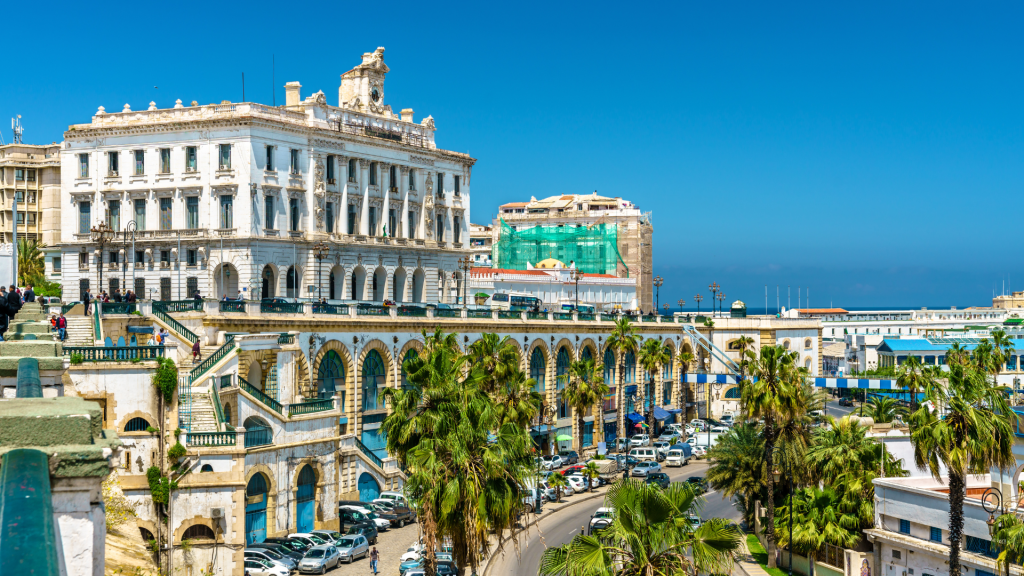

Exploring the vast landscapes of the North African coast often brings a mix of excitement and a bit of anxiety regarding the intense heat. You might find yourself landing in Algiers with a long list of Roman ruins and markets to see, only to feel the weight of the sun making every step feel like a chore.
That is why our team at WildyNess created this guide to ensure your summer journey through Algeria is filled with refreshing sea breezes and smart cultural discoveries rather than just a search for the nearest air conditioner.
Navigating Algeria’s Mediterranean Summer Climate
Summer in Algeria does not follow a single pattern because the country’s geography creates distinct zones of heat and humidity. While the northern coastline enjoys the classic Mediterranean influence with temperatures often resting between 25°C and 30°C, the inland areas can feel significantly different. Understanding these variations is the first step in building a schedule that allows for both adventure and relaxation without the risk of heat exhaustion.
Understanding Regional Heat Variations
The coastal cities like Algiers, Oran, and Annaba benefit from sea breezes that make the summer months quite pleasant for walking along the boulevards. However, the humidity in these areas can sometimes make the air feel heavier than the thermometer suggests.
As you move just a few kilometers inland to places like Constantine or the ruins of Timgad, the air becomes much drier and the temperatures begin to climb. This dry heat is often easier to handle than coastal humidity, but it requires much more diligent hydration to keep your energy levels stable throughout the day.
Adapting Your Schedule to the Sun
Local life in Algeria shifts significantly during the summer to accommodate the movement of the sun. Most shops and markets open very early in the morning and may close for a few hours in the mid afternoon when the heat is at its peak.
We recommend following this local rhythm by planning your most physically demanding activities, such as hiking in national parks or exploring archaeological sites, for the first few hours after sunrise. After a long and leisurely lunch in the shade, you can return to the streets in the late afternoon when the light softens and the cities truly come to life with families and music.
Beating the Heat at Algeria’s Best Beaches
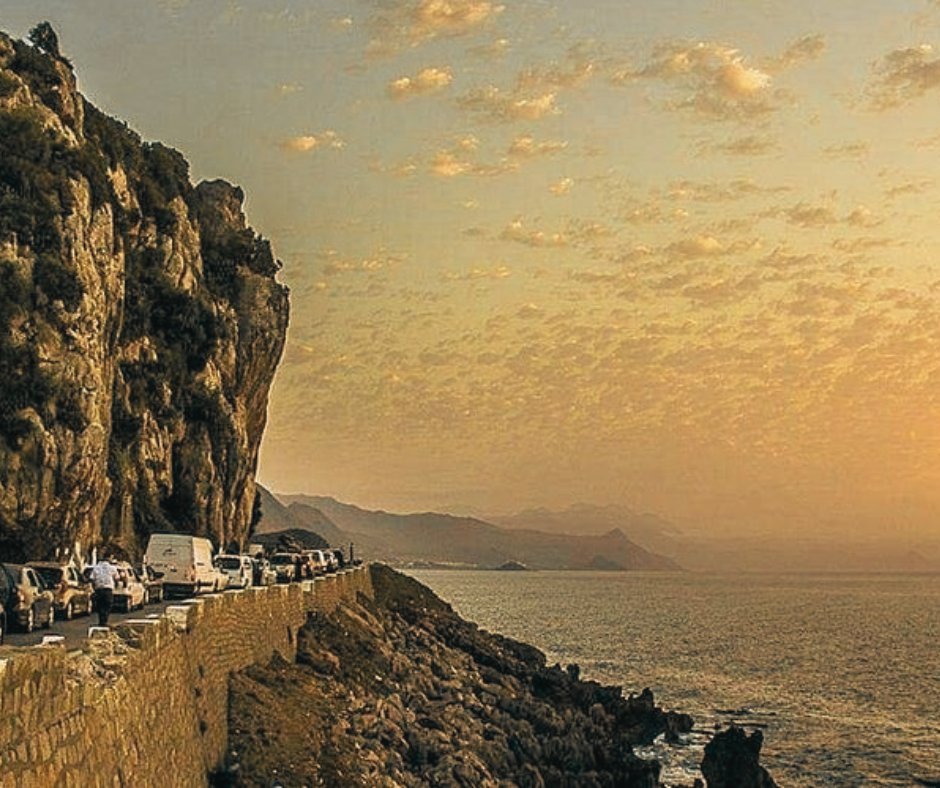
With a coastline stretching over 1200 kilometers, the Mediterranean Sea is the ultimate refuge for anyone traveling through Algeria in the summer. The beaches here offer more than just sand and water; they are central hubs for social life and local culture. From the developed resorts near the capital to the wilder, rocky coves of the eastern coast, there is a seaside experience for every type of traveler.
The Wild Coves of Jijel and Bejaia
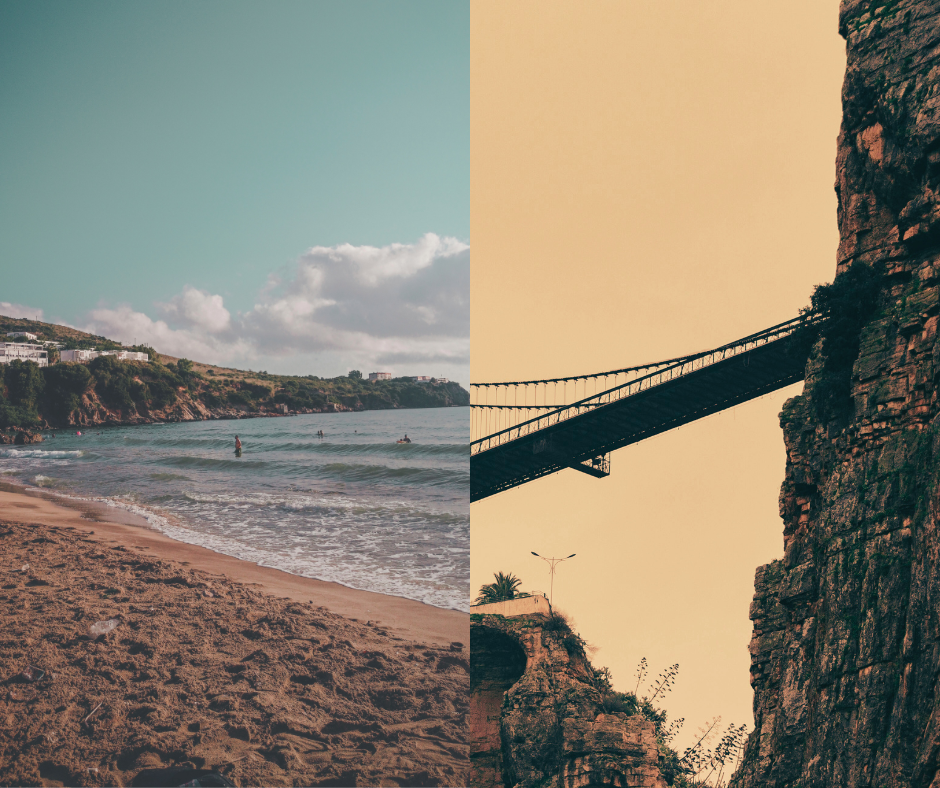
For those who prefer a more rugged and natural setting, the coastlines of Jijel and Bejaia are some of the most impressive in North Africa. In Bejaia, the Yemma Gouraya National Park provides a unique combination of mountain trails that lead directly down to turquoise waters. You can spend the morning hiking to the Cap Carbon lighthouse and then descend to small, secluded coves for a refreshing swim.
Jijel is equally famous for its Grottoes Merveilleuses and its red sand beaches which provide a dramatic contrast against the blue of the Mediterranean. These areas are perfect for travelers who want to escape the crowded city beaches and enjoy a more tranquil environment.
Family Friendly Shores in Annaba and El Kala
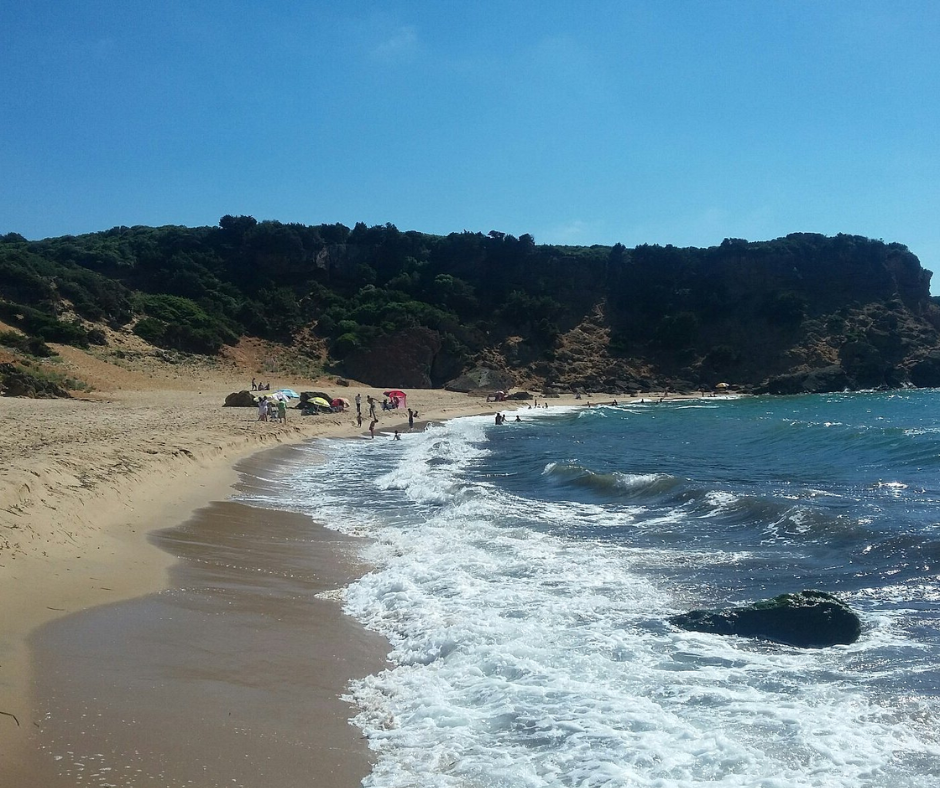
If you are looking for beaches with more amenities and a relaxed atmosphere, the far northeast of the country is an excellent choice. Annaba is known for its beautiful coastline, particularly the beaches of Saint Cloud and Chapuis which are lined with cafes and restaurants.
Further east near the Tunisian border lies El Kala, a town surrounded by lakes and forests that meet the sea. The beaches here are often shallower and calmer, making them ideal for families or those who simply want to float in the warm water for hours.
Experience in Annaba: Explore Annaba: Algeria’s Best-Kept Coastal Secret
Top Summer Destinations in Northern Algeria
While the Sahara is best left for the cooler months, the northern half of the country is packed with cities that offer a rich blend of history and culture. Each city has its own personality, from the City of Bridges in the east to the Andalusia of Africa in the west. Planning a route that connects these hubs allows you to see the diversity of Algerian life without the extreme temperatures found in the deep desert.
Exploring the City of Bridges in Constantine
Constantine is one of the most visually striking cities in the world, built on a massive rock plateau that is split by the deep Rhumel Gorge. In the summer, the city remains relatively comfortable because of its elevation. You should start your visit by walking across the Sidi M’Cid suspension bridge, which offers views of the valley floor hundreds of meters below.
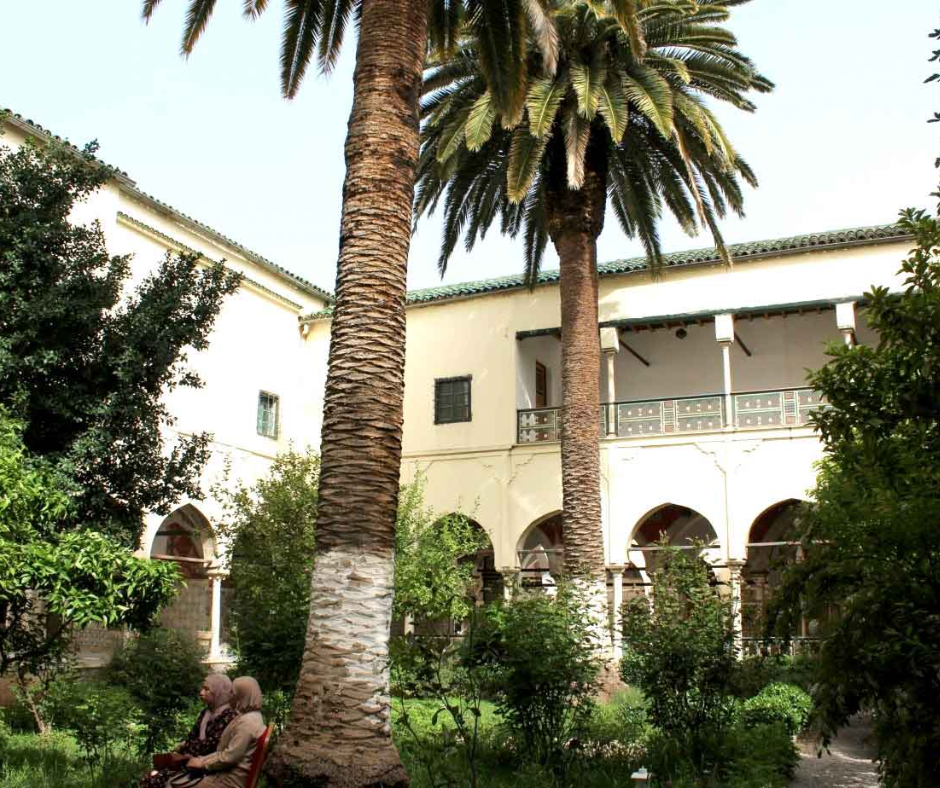
Another excellent stop is the Palace of Ahmed Bey, where the thick stone walls and shaded courtyards provide a natural cooling effect. The palace is decorated with intricate tile work and lush gardens that make it a peaceful retreat from the busy city streets outside.
Also read: Must-See Attractions in Constantine, Algeria
The Andalusian Charm of Tlemcen
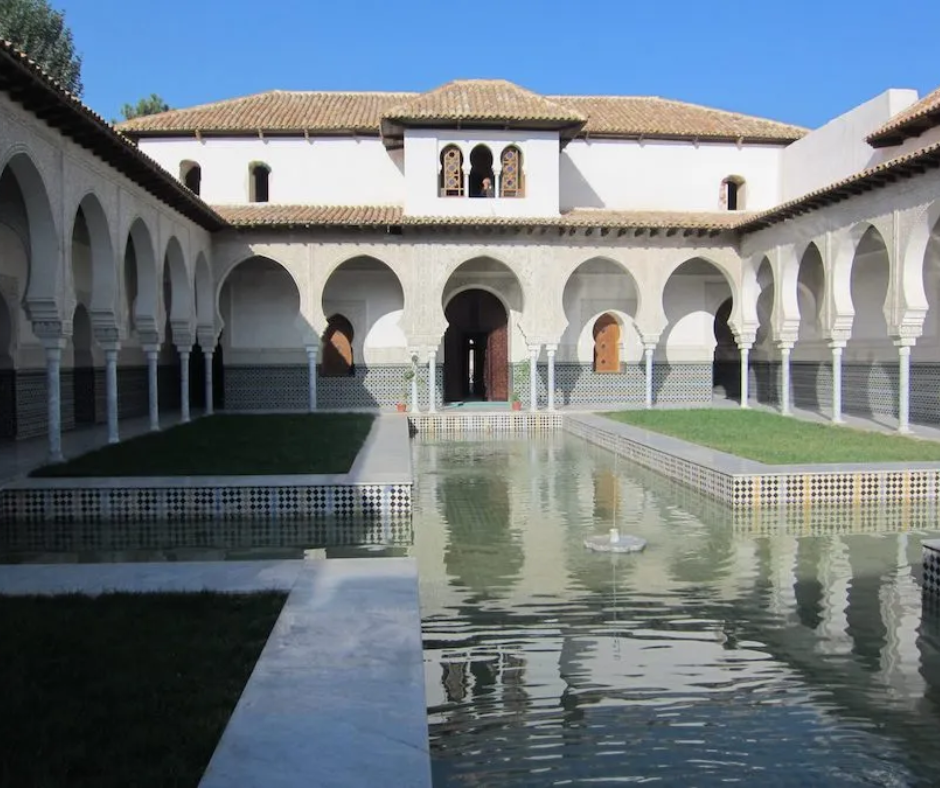
Located in the northwest near the Moroccan border, Tlemcen feels like a step back into a different era of North African history. The city was a major center of Islamic culture and architecture, and its buildings still reflect a strong Andalusian influence. You can wander through the Great Mosque of Tlemcen, which dates back to the 12th century, or explore the ruins of the Mansourah Fortress just outside the city center.
Because Tlemcen sits on a plateau surrounded by mountains and forests, the summer air is often fresher here than in the coastal lowlands. This makes it a perfect destination for those who want to combine historical sightseeing with light mountain walks.
Practical Strategies for High Season Logistics
Traveling in Algeria during the peak summer season requires a bit more foresight than at other times of the year. Domestic tourism is very popular during July and August, meaning that transport and accommodation in coastal areas can book up quickly. Being proactive with your bookings and understanding the local transport landscape will save you a lot of stress once you are on the ground.
Mastering Domestic Flights and Trains
Because Algeria is the largest country in Africa, distances between major cities can be quite long. While driving is an option, we highly recommend taking advantage of the domestic flight network operated by Air Algerie for jumps between Algiers, Oran, and Constantine. These flights are relatively affordable and save you from spending ten hours in a car during the heat of the day.
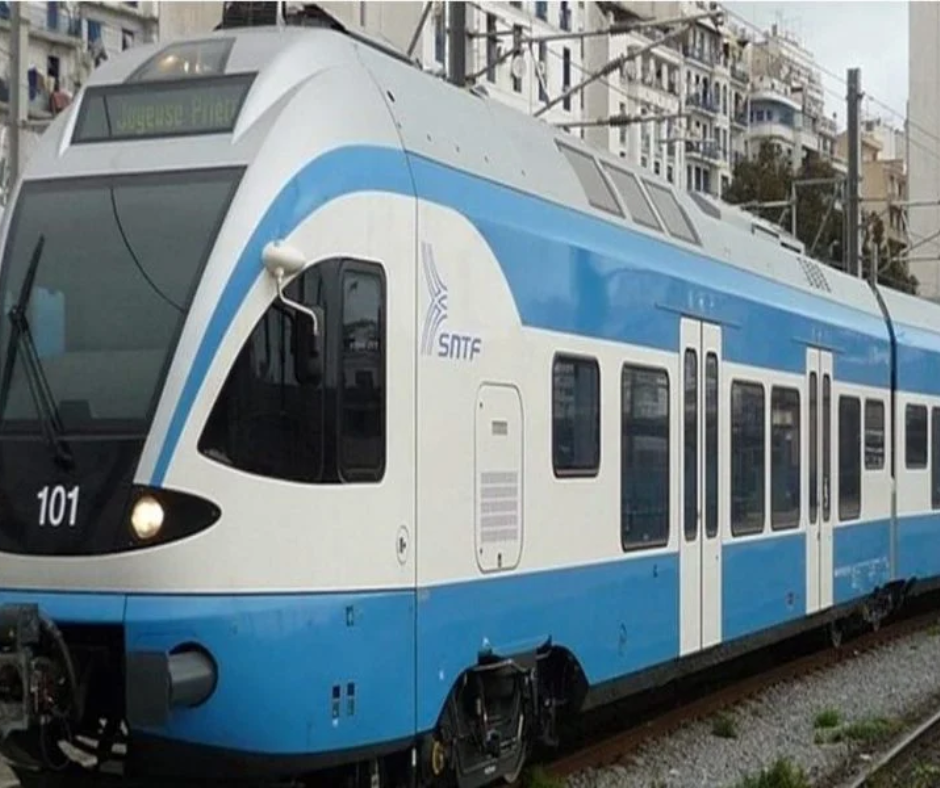
For shorter trips along the coast, the SNTF train service is a reliable alternative. The trains are generally air-conditioned and offer a scenic way to see the landscape, though you should always try to book your tickets at least a day in advance during the busy summer months.
Also Read: Algeria Public Transport Guide: Master the Metro, Trains, & Sahara Flights
Navigating Cities with Ride Hailing Apps
Once you arrive in a new city, the most efficient way to get around is often by using local ride-hailing apps. The most popular app in Algeria is Yassir, which works similarly to other global platforms. Using an app like this removes the need to negotiate fares with taxi drivers and ensures that you have a set price for your journey.
This is particularly helpful in the summer when you may not want to stand on a street corner waiting for a passing taxi in the sun. If you prefer traditional taxis, always make sure to agree on the fare before the car starts moving to avoid any confusion at the end of the trip.
Seasonal Flavors and Hydration for Travelers
Staying energized in the heat is not just about drinking enough water, it is also about choosing the right foods that will not weigh you down. Algerian cuisine in the summer shifts toward lighter, fresher ingredients that highlight the incredible produce of the region. Knowing what to order at a cafe or market can make a big difference in how you feel throughout the day.
Refreshing Summer Drinks and Juices
Hydration in Algeria often comes in the form of delicious, freshly squeezed juices. You will find juice bars in almost every major city offering everything from orange and lemon to more exotic fruit blends. One of the most popular summer drinks is citronnade, a refreshing and tangy lemon beverage that is often served with a hint of mint.
Another traditional option is Raïb, which is a chilled fermented milk that is surprisingly effective at quenching thirst and settling the stomach after a meal. It is commonly found in small neighborhood shops and is a favorite among locals for its cooling properties.

Eating Light with Mediterranean Seafood and Fruit
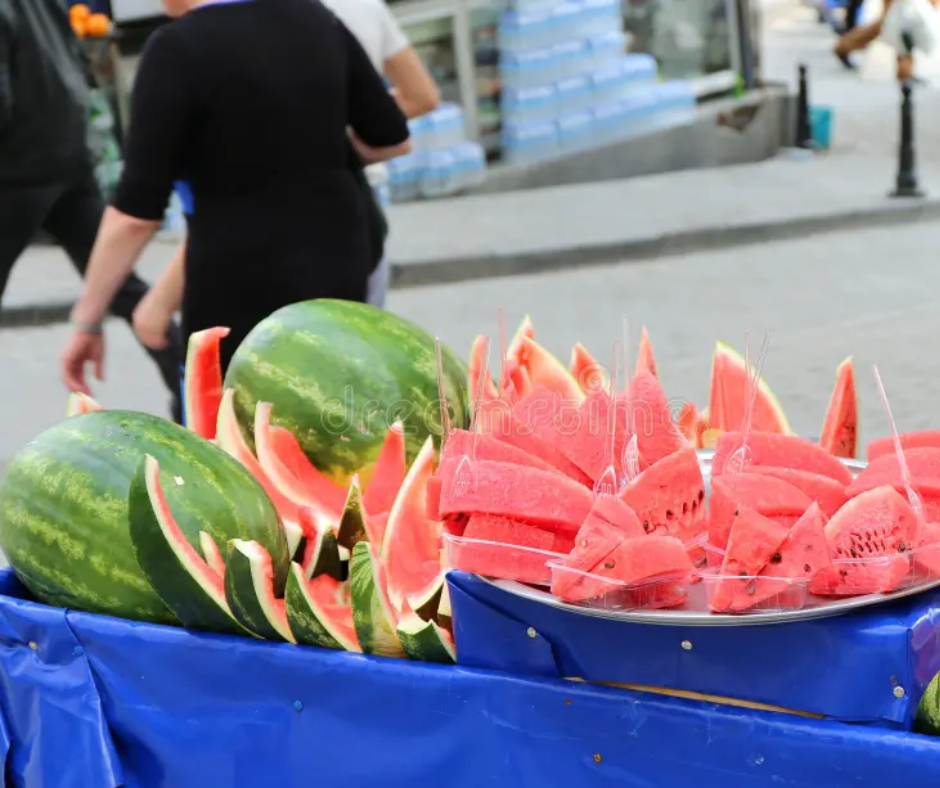
When the temperature rises, a heavy meal of couscous might feel like too much during the middle of the day. Instead, look for grilled seafood if you are near the coast, as it is often caught the same morning and served with fresh salads. Summer is also the peak season for some of Algeria's best fruits, including watermelons, figs, and prickly pears.
You will see vendors along the roads and in the markets selling slices of cold watermelon which is the perfect afternoon snack. For more detailed advice on navigating the local food scene, you can explore our full Algeria guide to ensure you are eating like a local.
Also Read: Algeria Food Tour: An Authentic Guide to Local Flavors & Street Food
Cultural Etiquette and Summer Fashion
Respecting local customs while staying cool is a balancing act that every traveler in Algeria must master. While the country is welcoming and hospitable, it is also conservative, especially in smaller towns and inland cities. Choosing the right fabrics and styles will help you stay comfortable while also showing respect for the local culture.
Dressing for Modesty and Airflow
The secret to staying cool in the North African sun is not wearing less clothing, but wearing the right kind of clothing. We suggest opting for loose-fitting garments made from natural fibers like cotton or linen. These materials allow air to circulate around your body and help moisture evaporate more quickly. For men, lightweight trousers or long shorts are appropriate, while women often find that midi-skirts or loose tunics are the most versatile options. A light scarf is also an invaluable accessory, as it can be used to protect your neck from the sun or as a quick cover-up when visiting religious sites.
Also Read: What to Pack and Wear in Algeria: A Traveler’s Guide to Packing Smart
Social Expectations in High Season
During the summer, the social life of Algeria moves into the public squares and cafes after the sun goes down. It is common to see families out late into the evening enjoying the cooler air. As a visitor, joining in this evening culture is one of the best ways to experience the real Algeria. Remember to always ask for permission before taking photos of people, especially in more traditional neighborhoods. Being mindful of these small gestures of respect will often lead to deeper conversations and a more authentic connection with the people you meet along the way.
Festivals and Entertainment After Dark
The Algerian summer is a time of celebration, with music and film festivals taking place across the northern regions. These events are a great way to see the country's artistic side and to enjoy performances in unique historical settings. If your travel dates align with one of these festivals, it is well worth adjusting your itinerary to attend.
Music and Culture at Timgad and Oran
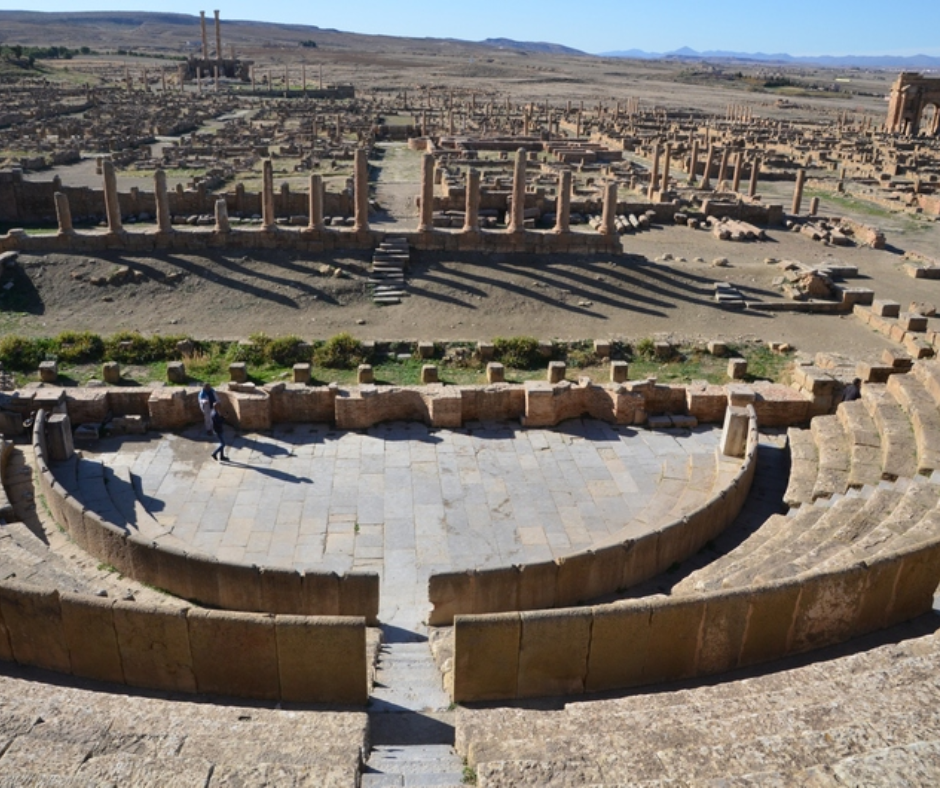
The Timgad International Music Festival is perhaps the most famous summer event in the country. It takes place within the ancient Roman amphitheater of Timgad, allowing you to listen to a mix of Algerian and international artists while surrounded by 2000 year old stone columns.
Further west in Oran, the Rai Festival celebrates the city's famous musical heritage. Rai is a soulful and energetic genre of folk music that originated in the Oran region and has since gained global recognition. These festivals usually start late in the evening when the air is cool, making them the perfect end to a summer day of exploration.
Evening Life in Algiers and Beyond
Even if there is no major festival happening, the cities themselves provide plenty of entertainment. In Algiers, the seaside promenade known as the Sabliettes becomes a massive gathering place in the evening with food stalls, live music, and a festive atmosphere. You can grab some street food and enjoy the breeze coming off the Mediterranean while watching the city lights reflect on the water. This lively evening culture is a testament to the resilience and hospitality of the Algerian people, who know exactly how to turn a hot summer day into a beautiful and memorable night.
Final thoughts
Whether you are walking across the bridges of Constantine or cooling off in the coves of Bejaia, a summer trip to Algeria is an adventure that stays with you long after you return home. By following the local rhythms and staying prepared for the heat, you can unlock a side of North Africa that most travelers never get to see.
If you find yourself wanting more personalized advice or help building your perfect itinerary, we are always here to help.


