
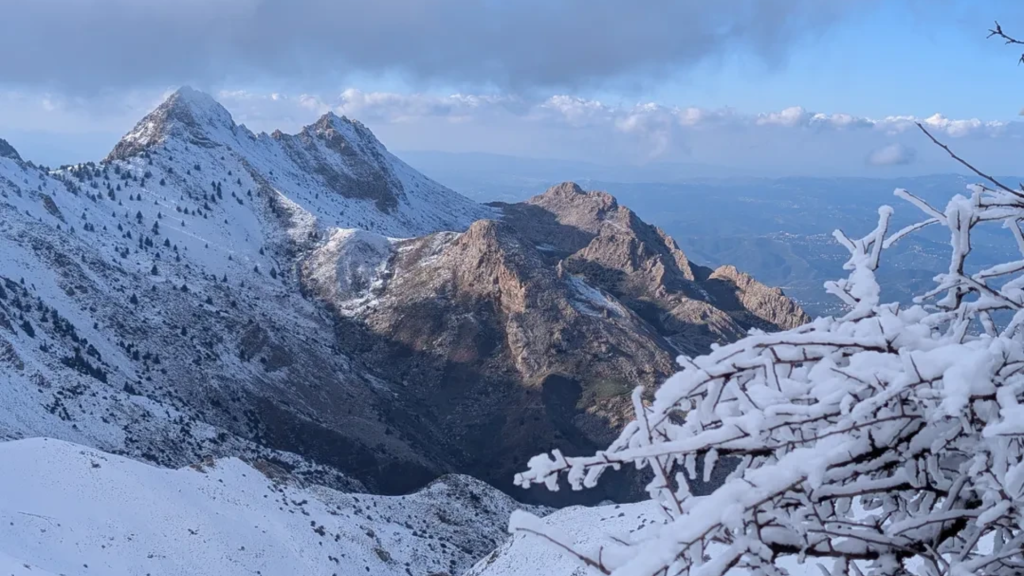

Finding the right information for a multi-terrain trek in North Africa (Algeria) often feels like navigating a desert without a compass.
That is why our team at WildyNess created this guide to help you choose the best Algeria hiking tours, prepare your gear, and understand the unique logistics of this vast landscape.
Choosing Between the Sahara and the Atlas Mountains
Algeria is essentially multiple worlds in one country, and your tour planning must match this reality. When you understand what the terrain and climate will throw at you, you can pack smarter and choose the right season. The Sahara and the Atlas Mountains require completely different physical and logistical preparations.
Sahara Hiking in Algeria
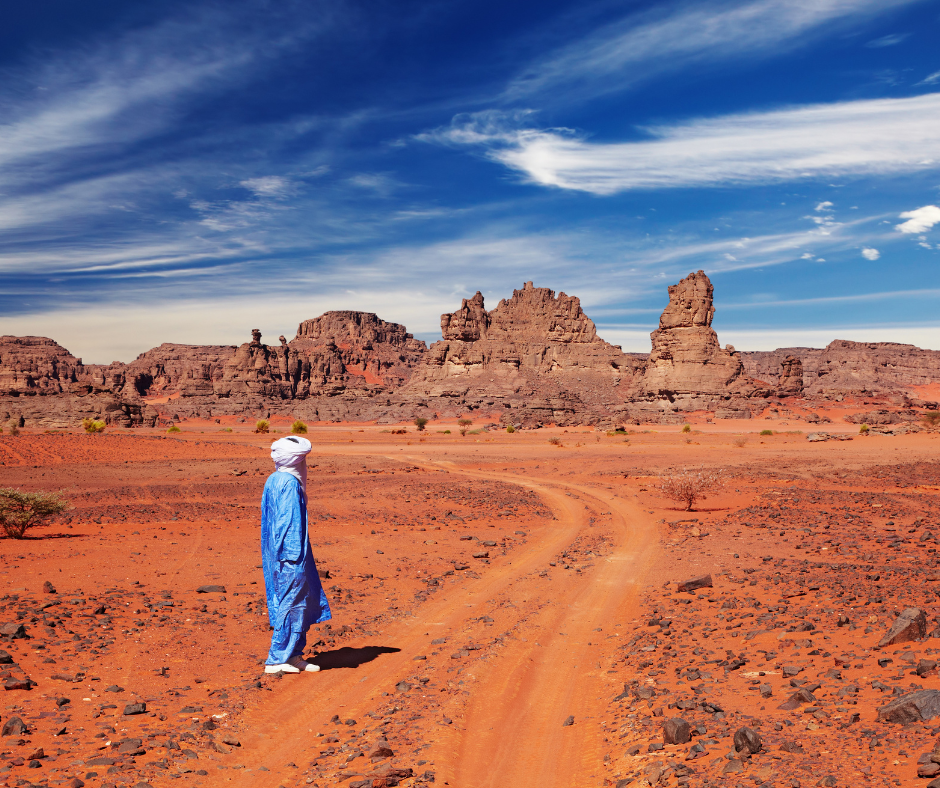
Southern Algeria is built on a massive scale. You will encounter open plains, giant dune systems, and rocky plateaus. Distances are significant, and landmarks can be subtle.
The ground changes quickly from soft sand that drains your energy to hard-packed gravel that can be difficult on your ankles. Summer temperatures in the desert frequently push past 45°C, so we plan these hikes for the cooler months when the days are manageable and the nights are cold.
Read also: Algerian Sahara Travel Guide: Routes, Visas & Safety Tips

The Atlas Hiking in Algeria
The Atlas and northern ranges offer a different set of challenges. Here you will find steep climbs, rocky trails, and forested sections. Elevation changes will test your lung capacity.
March through May and September through November are the best times for these mountains because the temperatures are mild. Variability is the main factor in the north. A sunny morning can quickly turn into wind or fog at higher altitudes. The footing is often technical with loose rock and narrow paths that require sturdy boots.
Planning a Trip to Algeria? Top Things to Know
Trekking the Sandstone Forests of Tassili n’Ajjer
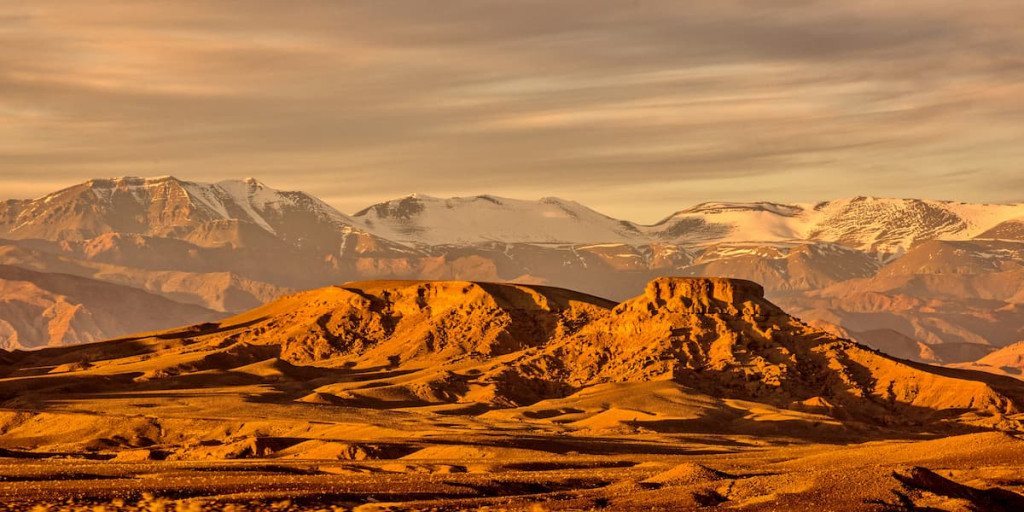
Tassili n’Ajjer is located near Djanet in southern Algeria and is a primary destination for desert hiking tours. This area is recognized by UNESCO for its collection of prehistoric rock art. These paintings and engravings record thousands of years of life from a time when the Sahara was a much greener environment. You will see scenes of cattle, hunters, and wildlife that tell the story of how ancient cultures adapted as the climate changed.
Exploring this region is a combination of a hike and a history lesson. You do not simply drive to a viewpoint. You must trek between rock shelters and narrow passages where the wind has carved the sandstone into natural corridors. We recommend early starts and steady walking. Much of the art is tucked under overhangs or etched into flat slabs that you might miss if you are rushing.
Preservation is a major responsibility when visiting these sites. You should never touch the rock art or use water to make the colors appear more vivid for photos. Do not lean your gear against the panels and always keep a respectful distance. Staying on established paths and packing out all trash helps protect this site for future travelers. If you want a souvenir, take a photograph and leave the stones exactly as they were found.
High Altitude Adventure in the Hoggar Mountains
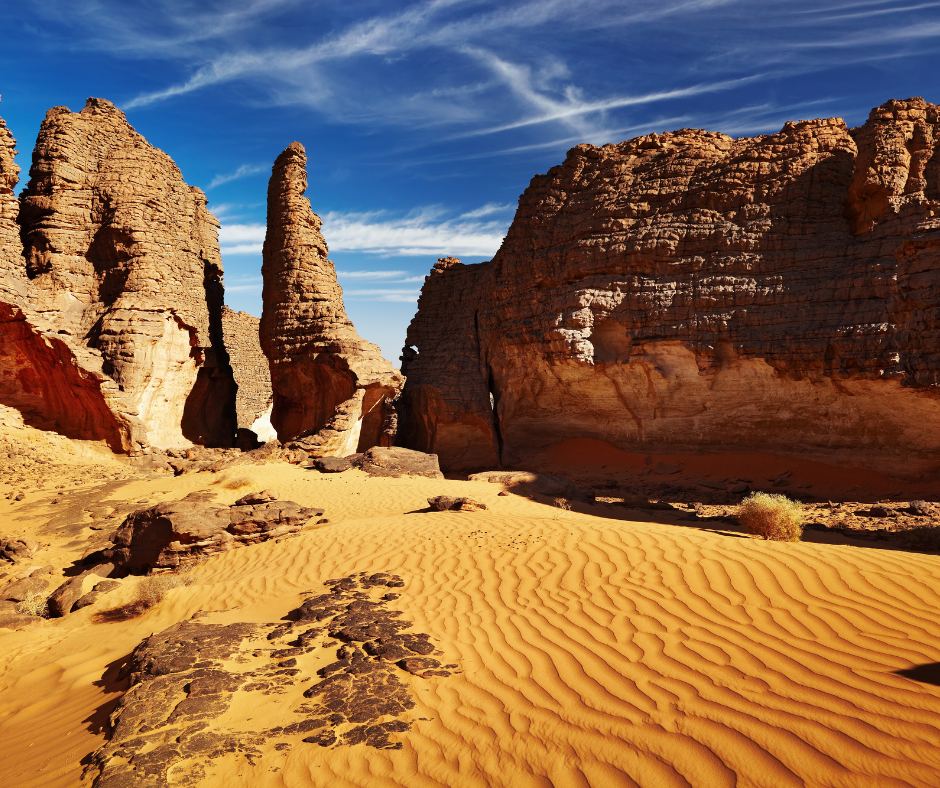
For those who want a more demanding desert trek, the Hoggar Mountains near Tamanrasset are the best choice. This is where the Sahara transforms into a high-altitude mountain range. The signature goal for many tours is the Assekrem plateau. This area requires more physical effort than the dunes of Djanet. You will face higher altitudes and longer uphill pushes.
Mount Tahat is the highest peak in the country, reaching approximately 2,908 meters. Hiking in this volcanic landscape feels different from the sandstone of Tassili. The air is thinner and the mornings are much colder than most visitors expect. You will need to pack heavy layers for the pre-dawn starts. The reward for the effort is a view across volcanic plugs and a sense of remote silence that is hard to find anywhere else.
Food on these tours is a highlight of the local culture. Your guides will often prepare taguella, which is a traditional bread baked directly in the hot sand and embers of a campfire. It is typically served with a vegetable or meat stew. This calorie-dense meal is designed for the high-energy demands of trekking. Learning how the Tuareg guides manage fire and cooking in the open desert adds a significant cultural layer to your physical journey.
Exploring the Green Peaks of the Djurdjura Range
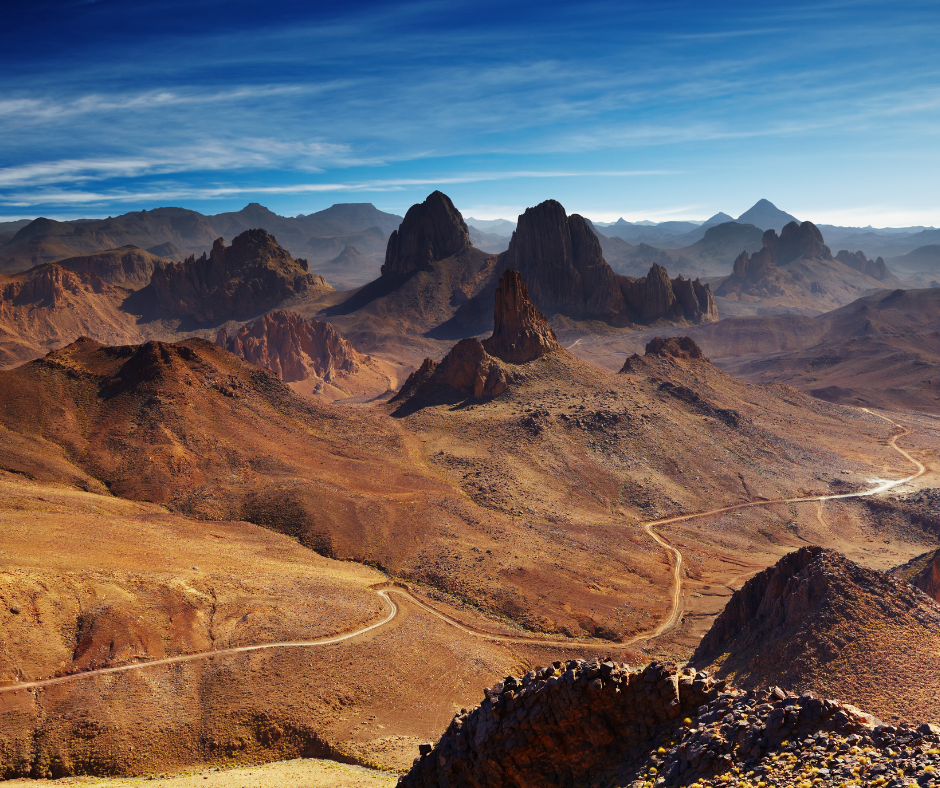
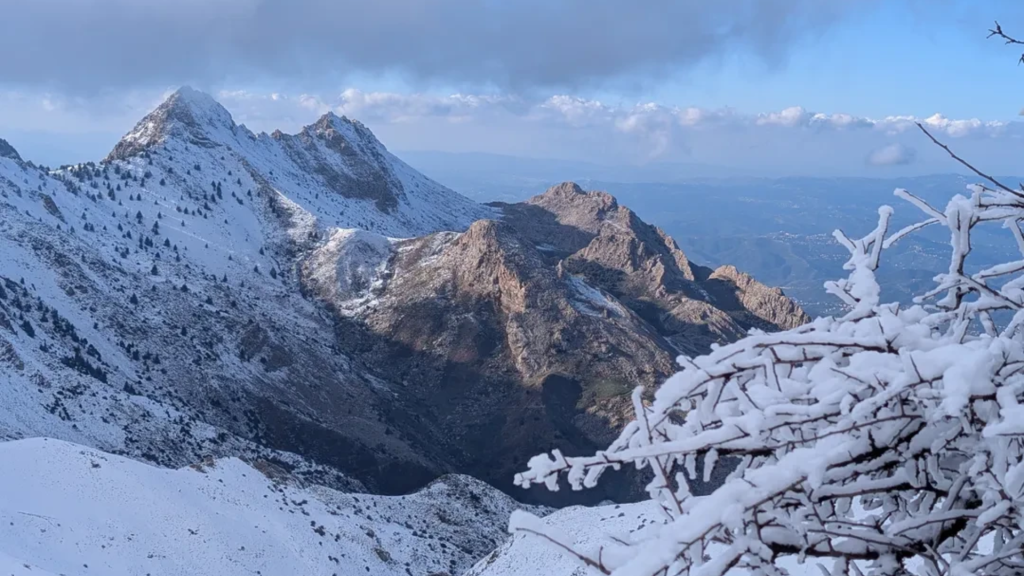
The north offers a lush contrast to the southern desert. The Djurdjura Mountains in the Kabylie region feature limestone ridges and deep valleys. This area is ideal for hikers who prefer forested slopes and mountain village culture. The Tikjda resort area serves as a popular base for many northern hiking tours. From here, you can access trails that range from simple day walks to more intense ridge scrambles.
One of the most famous objectives in this range is the ascent of Lalla Khedidja, which is the highest peak in the Djurdjura. The trail takes you through cedar forests and eventually above the tree line where the views extend toward the Mediterranean.
Djurdjura Mountain Hiking Guide: Trails, Tips & Everything You Need to Know
You will likely encounter local shepherds and may be invited for coffee in a nearby village. These interactions are as much a part of the tour as the hiking itself.
Navigating the Southern Visa and Permit Process
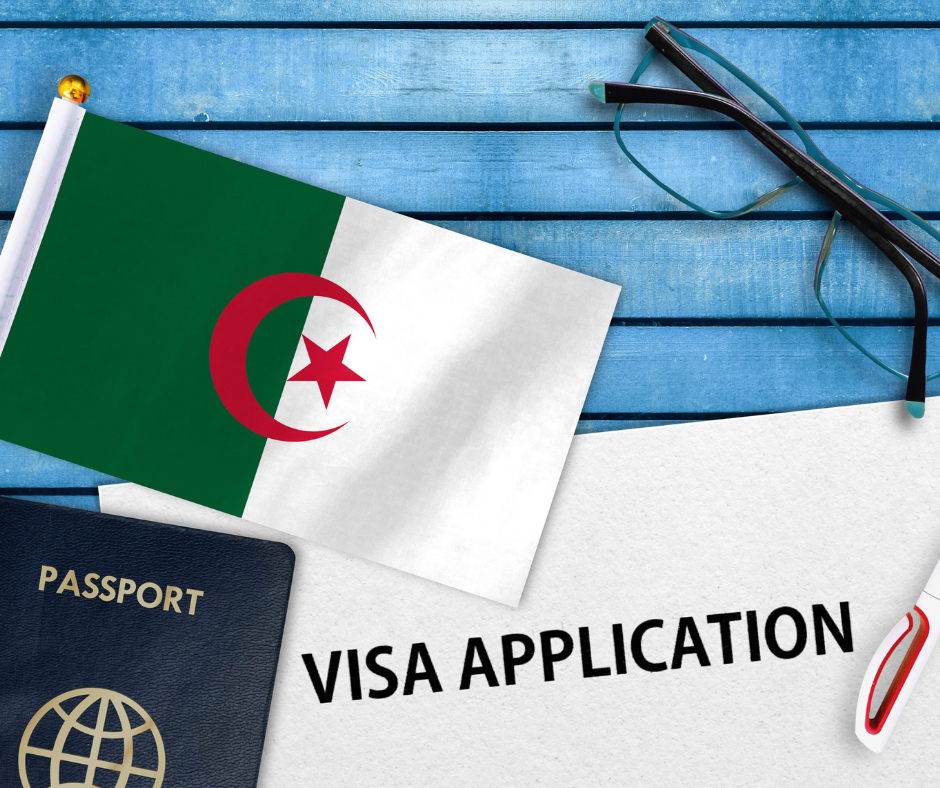
Logistics for southern Algeria hiking tours are specialized. For desert treks in Djanet or Tamanrasset, you will need your standard tourist visa plus specific authorizations for the Grand Sud. A major recent development is the facilitation of visas for tourists visiting the south through approved travel agencies. This process often allows you to receive your visa upon arrival at the southern airports, provided all paperwork was submitted by your tour operator in advance.
You should ensure your passport is valid for at least six months beyond your stay. We recommend keeping a paper copy and a digital copy of your passport and visa in separate bags. For southern itineraries, officials require a clear plan of your route and your sleeping locations. If you are trekking, your specific route is a matter of compliance with local regulations.
Read also: Your Guide to Algeria: Visa, Safety, and Security
Always print your documents before you leave home. When you fly into Algiers or take a domestic flight south, you will go through multiple checkpoints. Hard copies of your itinerary, travel insurance, and accommodation confirmations will make these transitions much smoother. Do not attempt to deviate from your approved route in the south without consulting your guide, as certain zones are restricted for your safety.
Why a Local Guide is Mandatory for Success
Hiring a local guide for an Algerian hike is a practical necessity rather than an optional luxury. Most trails in Algeria are not marked with the standard signs you might find in Europe or North America. A guide knows the actual trailheads and the seasonal detours that are not visible on digital maps. This saves you from dead ends and ensures your energy is spent on the hike itself.
Safety is the most important reason to work with a professional. A guide understands the local weather patterns and can spot the signs of an approaching sandstorm or a mountain flash flood. They also manage critical logistics like water replenishment and pacing. We have seen how a guide can turn a potentially dangerous situation into a manageable one simply by knowing the terrain.
Beyond safety, guides act as your cultural bridge. They explain the history of the villages you pass and help you navigate local customs. This is especially helpful during prayer times or when visiting religious sites. A guide ensures you move with confidence and respect, helping you feel like a guest rather than an outsider.
Packing and Preparation for Two Worlds
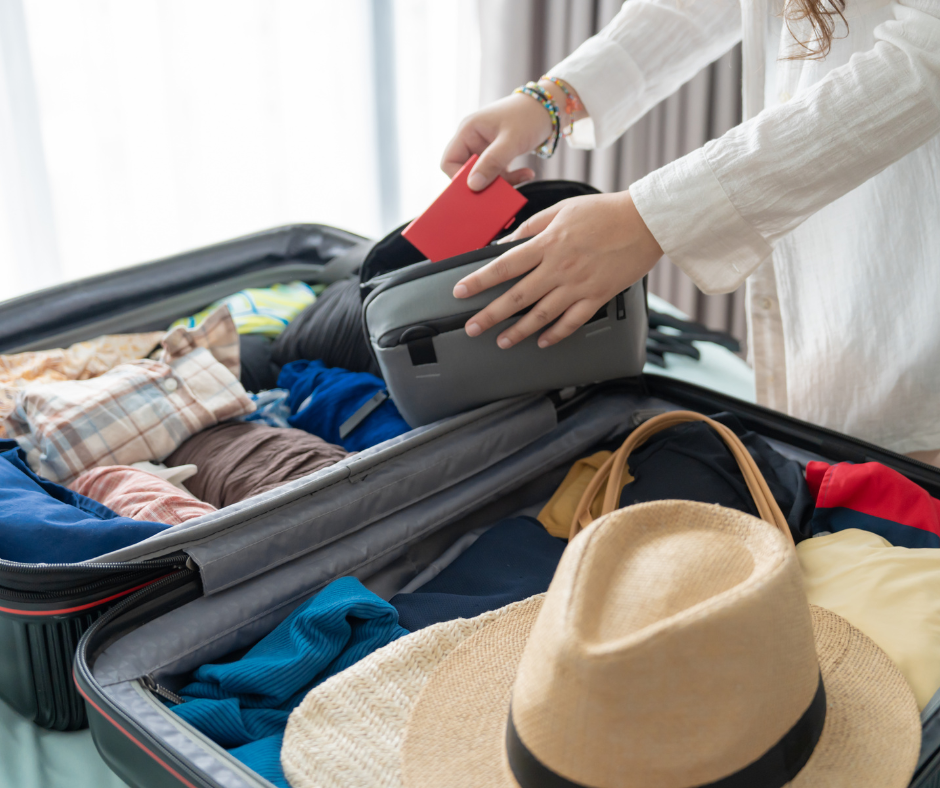
Packing for Algeria requires you to prepare for extreme opposites. You will experience high heat during the day and sharp cold at night. A breathable base layer made of quick-dry material is essential. You should add a warm fleece for the evenings and a lightweight waterproof shell for wind and rain. In the mountains, you will need thin gloves and a warm hat, while the desert requires long-sleeved light shirts and pants for sun protection.
Your footwear will determine the success of your tour. You need hiking shoes with a well-sewn, non-slip sole that you have already broken in. If you are heading into rocky terrain like the Hoggar or Djurdjura, we recommend higher-cut boots to support your ankles. Do not bring brand-new boots on a multi-day trek, as blisters can end a trip early.
Read also: What to Pack and Wear in Algeria: A Traveler’s Guide to Packing Smart
Hydration is your most important task on the trail. You should carry at least three liters of water for a full day of hiking. We recommend using a hydration bladder for frequent sipping and a hard-sided bottle as a backup. Adding electrolytes to your water helps your body retain moisture in the dry desert heat. Always pack more water than you think you will need, especially for remote southern routes.
Combining History with the Trail
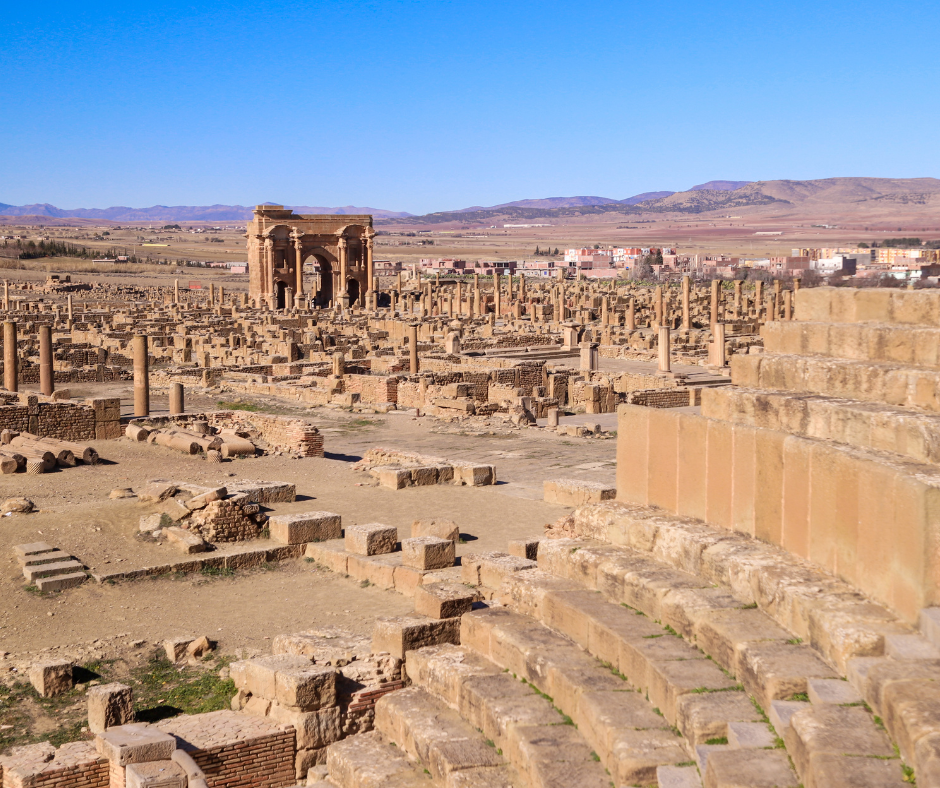
If you enjoy history, you can easily combine your hiking tour with visits to Roman ruins. In the east, you can hike the foothills of the Aurès Mountains and then walk through the ancient streets of Timgad. This site was a Roman military colony and still retains its original grid layout. Unlike many museums, this is an open-air experience where you can walk among the columns and theaters.
We suggest hiking in the cooler morning air of the Aurès and visiting the ruins in the afternoon. Timgad is located in an area with great visibility, allowing you to see how the Romans used the terrain for defense.
Read also: Visiting Timgad: Essential Day Trip Tips for the Pompeii of Africa
Djemila is another mountain-based Roman site that offers a similar experience. It is located on a narrow triangular plateau between two rivers and requires a fair amount of walking just to see the entire site.
Cultural Etiquette and Trail Hospitality
The fastest way to receive a warm welcome in Algeria is to show respect for local customs. Many hiking areas are in conservative rural regions. You should start every interaction with a greeting. A simple "Salam alaykom" is the standard way to begin a conversation or ask for directions. A friendly tone is more important than perfect language skills.
Modest dress is required in most villages. We recommend keeping your shoulders covered and choosing long pants or skirts rather than shorts. Women should carry a light scarf that can be used for sun protection or for covering the head when entering a mosque. This shows that you understand and respect the local culture.
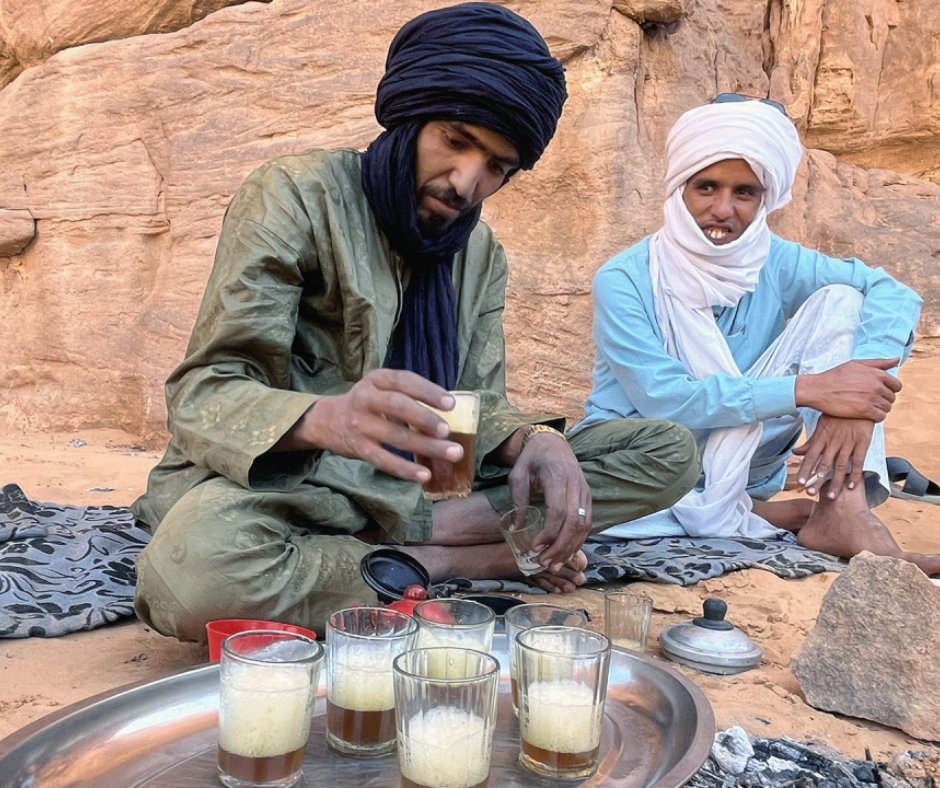
Hospitality is a core value in Algeria. If a local resident offers you tea or food, it is usually a sincere gesture of welcome. You do not have to accept everything, but you should decline politely by smiling and saying "Merci" or "Inshallah next time." If you do accept, taking a small bite or a sip of tea is considered the polite way to acknowledge the host.
Practical Tips for Your Daily Hike
Success on an Algerian trail comes down to your daily routine. We recommend starting your day at sunrise to avoid the peak heat of the afternoon. This is especially true in the Sahara where temperatures rise rapidly after 10:00 AM. If you move early, you can reach your next camp or rest spot by the time the sun is most intense.
Always communicate your plans. You should share your route and expected return time with your host or a contact person. If you are on a guided tour, your operator will handle this with the local authorities. You should also be aware of your physical limits. Algeria offers everything from gentle walks to very rugged scrambles. Choose a tour that matches your current fitness level so you can enjoy the scenery rather than struggling with the pace.
Finally, keep your gear organized and your electronics charged. A power bank is essential since you will often be away from electricity for several days. Use offline maps as a backup, but rely on your guide for the most accurate navigation. If you follow these preparation steps, you can move through the Algerian landscape with total confidence.
You now have the framework to plan an incredible journey through one of the most diverse hiking destinations in the world. Whether you choose the sandstone corridors of the south or the green ridges of the north, planning ahead ensures you focus on the experience.
If you have more questions about specific routes or need help choosing a tour, you can


