
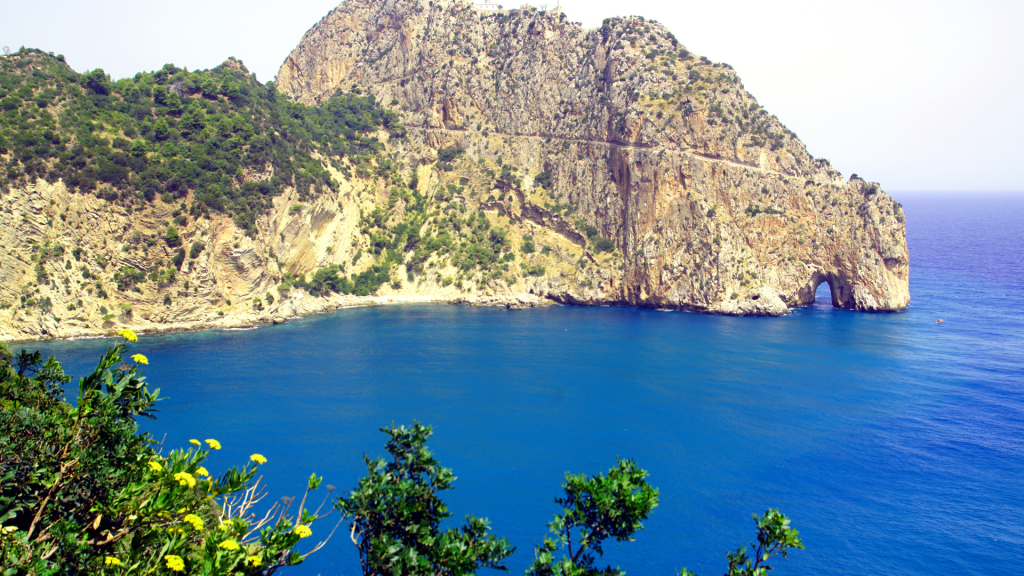

Choosing a Mediterranean coastal destination often leads travelers to the same crowded resorts and over-touristed boardwalks, leaving little room for genuine discovery or cultural connection.
That is why our team at WildyNess created this guide to help you navigate a completely different kind of waterfront adventure along North Africa's most underrated coastline.
Discovering Algiers and the Central Coast
Algiers provides a striking introduction to the country with its steep hills sloping dramatically down to the Mediterranean Sea. The capital city functions as the political and cultural heart of the nation, where the sea air mixes with the scent of traditional coffee and fresh pastry.
Walking along the waterfront gives you an immediate sense of how the sea shapes daily life for the residents of this metropolis.
Exploring the Historical Kasbah and Port District
The historic core of the capital requires a slow pace and a pair of reliable walking shoes. You can begin your journey at the edge of the Port of Algiers, where fishing boats bring in the daily catch every morning.
From there, a short walk leads to Place des Martyrs, which acts as the traditional gateway to the ancient Kasbah. This UNESCO World Heritage site is a dense network of steep, winding alleys and whitewashed houses.
As you climb higher into the district, the narrow passages occasionally open up to reveal views of the blue waters below. The architectural contrast between the Ottoman-era residences and the nearby French colonial apartment blocks tells the complex story of the city's past.
Architecture and Viewpoints in Downtown Algiers
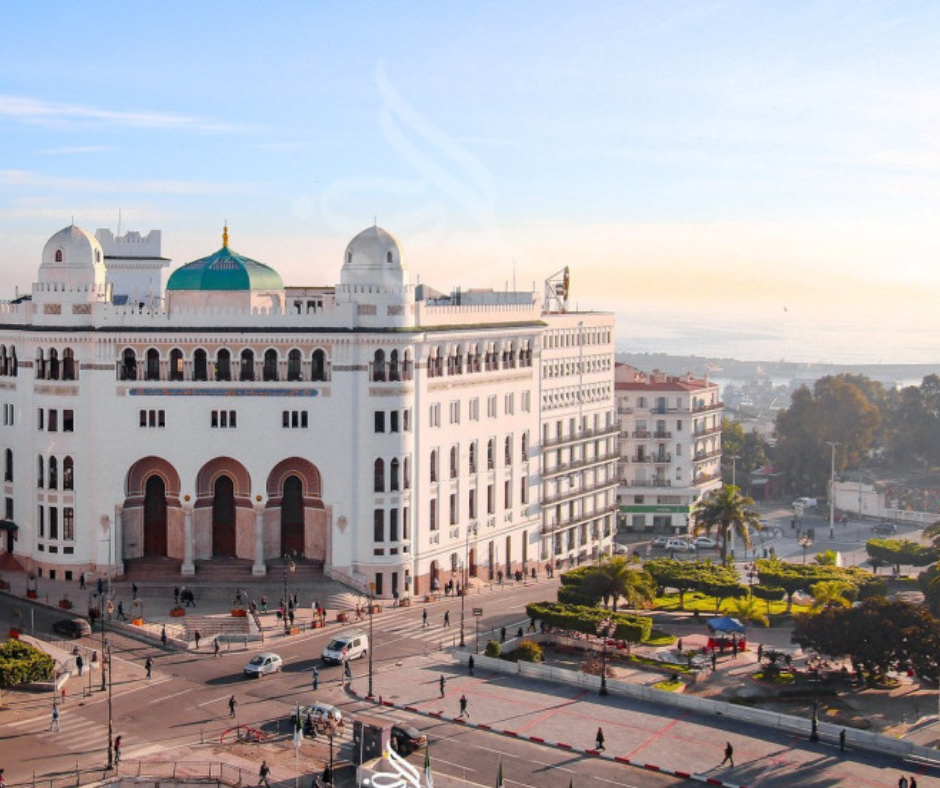
Once you descend from the hills of the Kasbah, the architecture shifts toward the grand style of downtown Algiers. A central point of interest is La Grande Poste, an impressive neo-Moorish structure that marks the center of the modern commercial district.
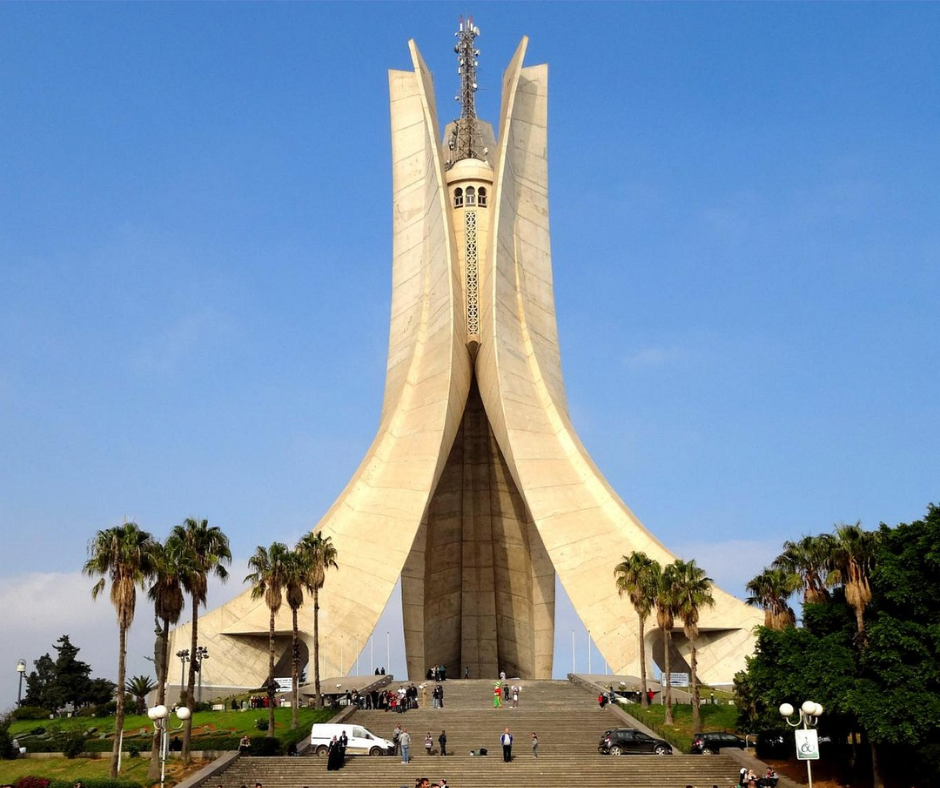
The surrounding streets are lined with cafes where locals gather on outdoor terraces to talk and watch the city move. To get a complete perspective of the entire bay, you can take a cable car ride up to the Martyrs' Memorial, known locally as Maqam Echahid.
This massive monument stands high above the botanical gardens and offers an elevated view of the sprawling harbor, the shipping lanes, and the distant horizon.
Experiencing the Culture and Heritage of Oran
Moving west along the coastline brings you to Oran, a city defined by its open-ended maritime horizons and its distinct local traditions. Oran has a character that sets it apart from the capital, marked by a relaxed pace during the day and a lively social scene that stretches late into the night.
The Birthplace of Rai Music and Summer Festivals
Oran is globally recognized as the birthplace of Raï music, a genre that blends traditional Algerian poetic song with modern electronic instruments and folk rhythms.
The city’s identity is deeply tied to this musical heritage, which historically served as a voice for the youth and covered topics ranging from romance to social commentary. If you visit during the summer months, you will find the city hosting outdoor concerts and cultural festivals that draw crowds from across North Africa.
Even outside of festival season, the cafes and seaside venues around Place du 1er Novembre frequently feature local musicians playing impromptu sets.
Spanish Colonial History and Coastal Neighborhoods
The historical footprint of Oran is heavily influenced by centuries of Spanish rule, which is visible in the fortifications and public squares scattered throughout the city.
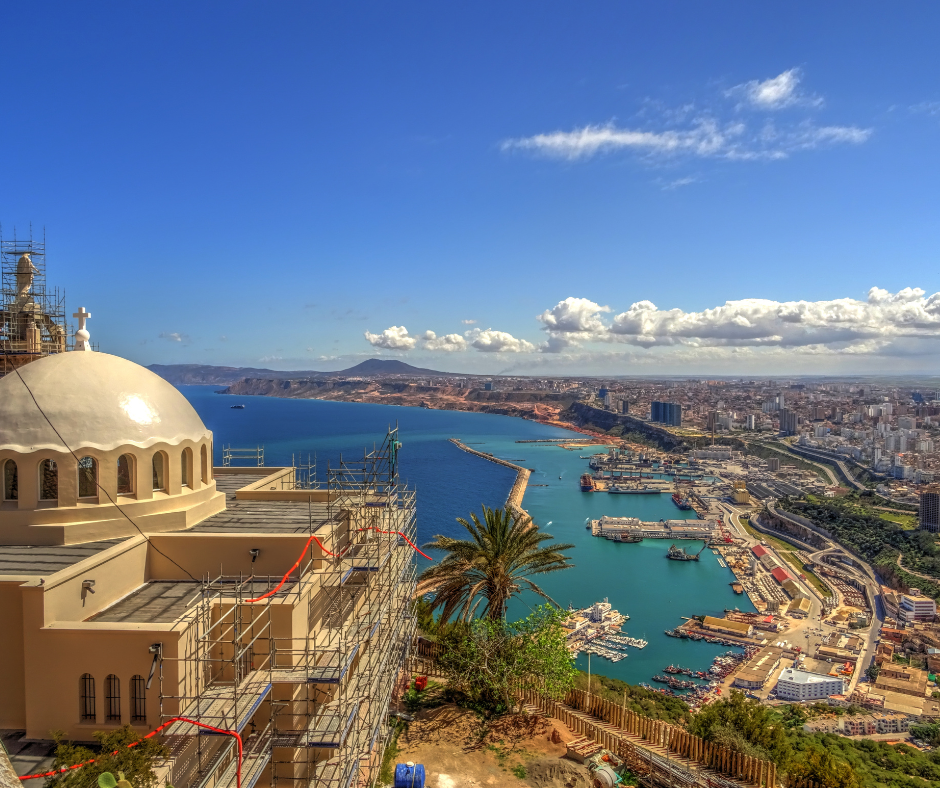
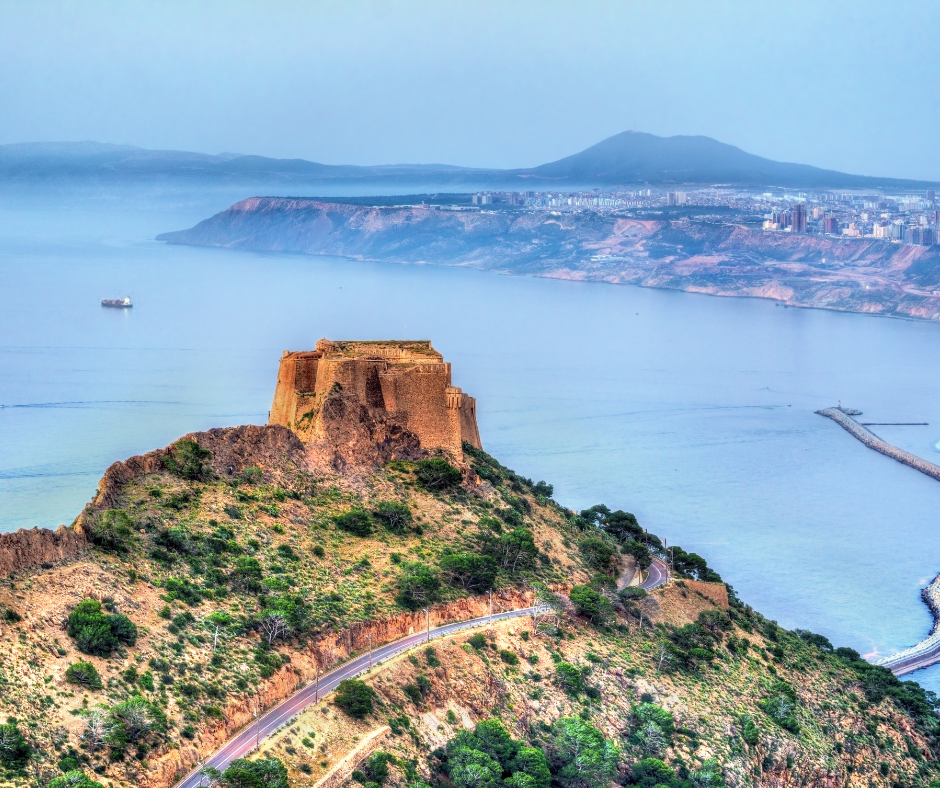
You can explore the old quarter to see the architectural remnants of the Place d’Armes and the impressive Fort of Santa Cruz, which sits high on the peak of Mount Murdjadjo.
The fort offers a clear look at how the military architecture protected the strategic harbor below. After exploring the historic heights, you can head down to the Marine neighborhood to try karentika, a popular local street food pie made from chickpea flour and eggs, seasoned heavily with cumin and served hot from street vendors.
Exploring the Roman Ruins of Tipaza
A short drive west of the capital leads to Tipaza, a location where ancient history sits right at the water's edge. This coastal town is unique because its archaeological treasures are not confined behind museum glass, but are instead integrated into the natural seaside landscape.
Walking Through the Seaside Archaeological Park
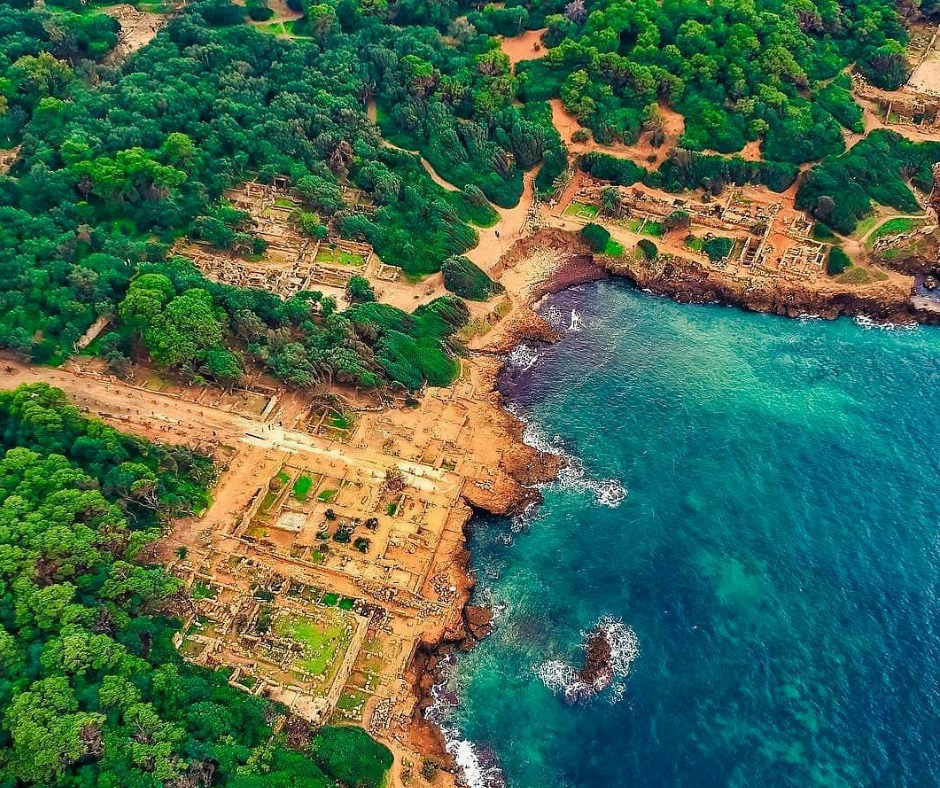
The Roman ruins of Tipaza are exceptional because they sit directly on the Mediterranean shoreline, surrounded by pine trees and olive groves.
Walking through the archaeological park allows you to see the remnants of an ancient Roman forum, theaters, and early Christian basilicas with the sound of waves crashing against the rocks just steps away.
The preservation of the stones lets you easily visualize how the ancient port functioned as a trading hub thousands of years ago. It is best to arrive early in the morning when the sunlight hits the stone columns and the site remains quiet before day trippers arrive from the capital.
The Fishing Harbor and Local Culinary Spots
Directly adjacent to the archaeological park is the working fishing harbor of Tipaza, which maintains a busy and authentic atmosphere.
Local fishermen mend their nets on the docks while small wooden boats unload catches of sardines, sea bream, and red mullet. The waterfront is lined with simple, family-run restaurants that specialize in preparing this fresh seafood over open charcoal grills.
Dining here involves sitting at outdoor tables, enjoying the sea breeze, and eating whatever the boats brought in that morning, accompanied by traditional flatbread and local salads.
Hiking the Wilderness of Bejaia and Gouraya
For travelers who want to combine a coastal trip with outdoor sports and nature, Béjaïa is the ideal destination. The region is famous for its dramatic topography, where steep forested mountains drop straight down into deep blue waters.
Trails of Gouraya National Park
Gouraya National Park sits on the edge of Béjaïa and serves as a protected sanctuary for local wildlife, including the endangered Barbary macaque.
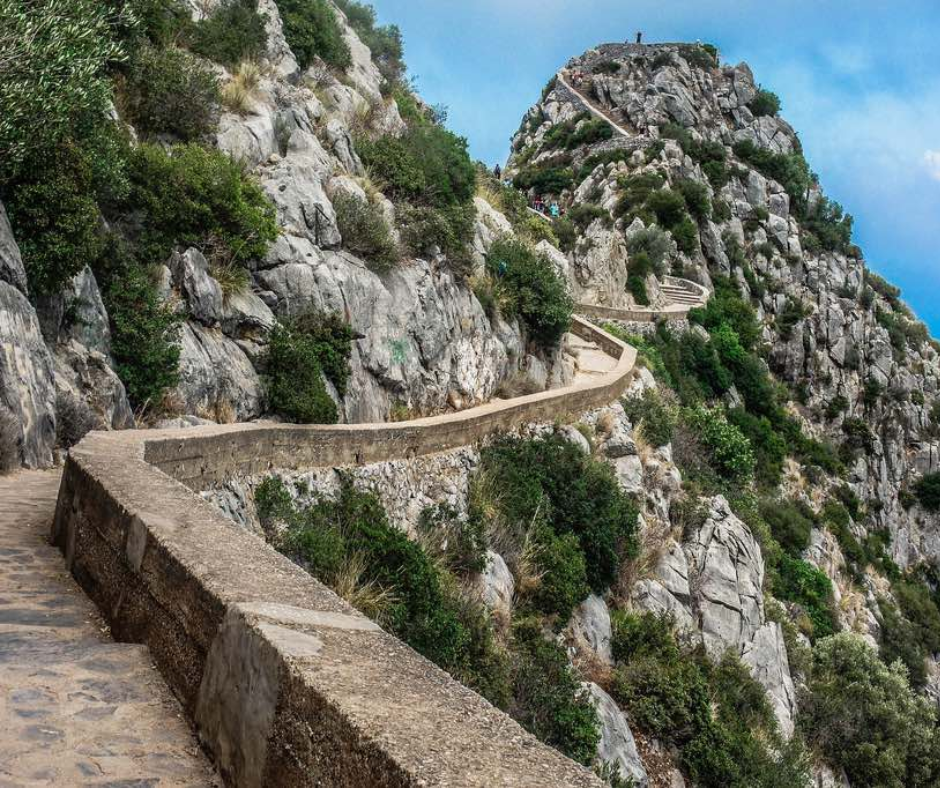
The park features a well-maintained network of hiking trails that wind through dense Mediterranean pine forests and oak groves. A popular route takes hikers up to the summit of Mount Gouraya, where an old fort sits at the peak.
The trail offers consistent views of the cliffs meeting the sea, making it an excellent option for an active morning trek before the afternoon heat sets in.
Coastal Views from Cap Carbon
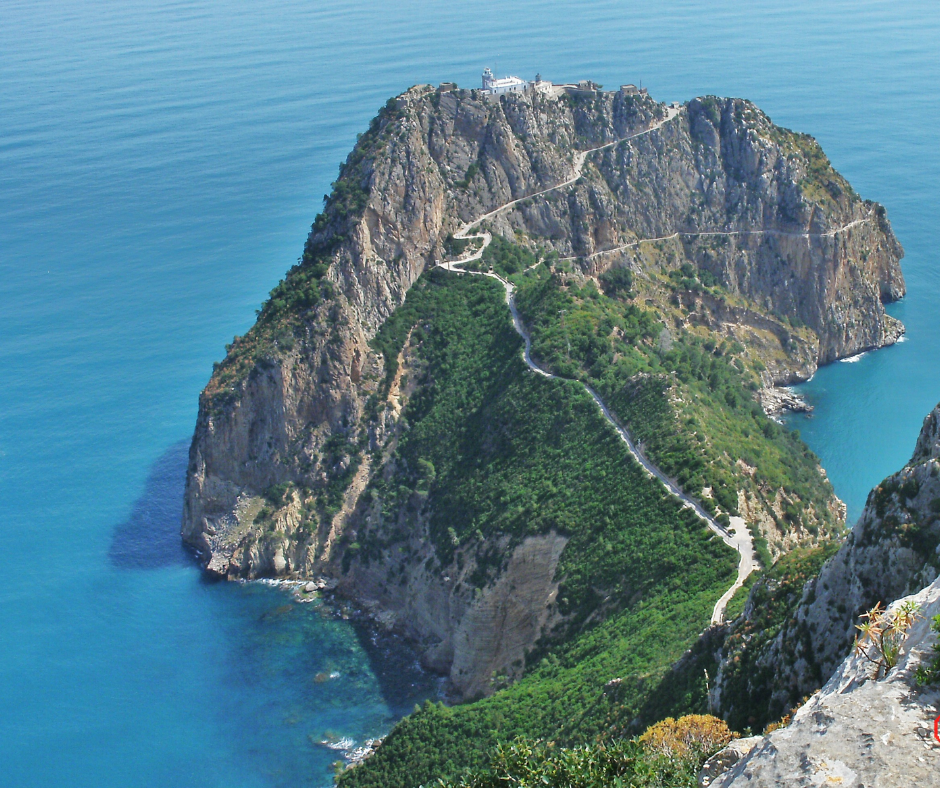
Another essential stop within the park system is Cap Carbon, which features one of the highest lighthouses in the world built on a sheer cliff face.
The walk out to the cape follows a path carved into the rock, passing through natural stone arches and offering views of secluded rocky coves below. These small beaches are often inaccessible by foot, requiring a short boat ride from the main harbor if you want to swim in their clear waters.
The area is also highly valued by birdwatchers who come to spot migratory seabirds nesting along the vertical rock walls.
Relaxing in Annaba between Architecture and Beaches
Located on the eastern side of the coastline near the Tunisian border, Annaba combines a rich religious history with some of the most relaxed beach stretches in the country. The city layout spreads from a historic plain up into green hillsides.
The Basilica of St Augustine and Hippo Regius
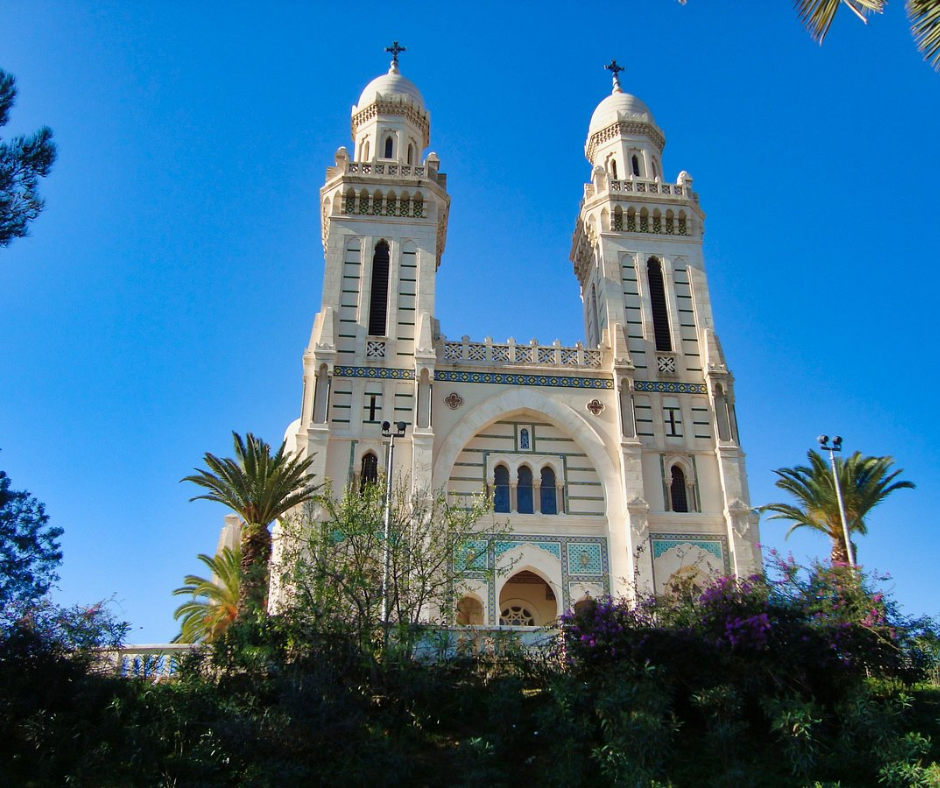
Annaba was known historically as Hippo Regius, an important center of early Western Christianity. High on a hill overlooking the modern city stands the Basilica of St. Augustine, dedicated to the famous theologian who served as the bishop here in the fourth century.
The architecture of the basilica combines Byzantine and Moorish design elements, and its elevated position provides a view of the ancient Roman ruins of Hippo Regius located on the plains below.
Exploring these ruins reveals the foundations of grand villas, public baths, and a large forum that highlight the past wealth of the region.
The Corniche and the Heights of Seraidi
After exploring the historical sites, the local lifestyle centers around the vibrant Corniche, a long pedestrian promenade that tracks the sandy beaches of the city.
In the late afternoon, families and groups of friends walk along the path, stopping for ice cream or sitting on the sand as the sun sets.
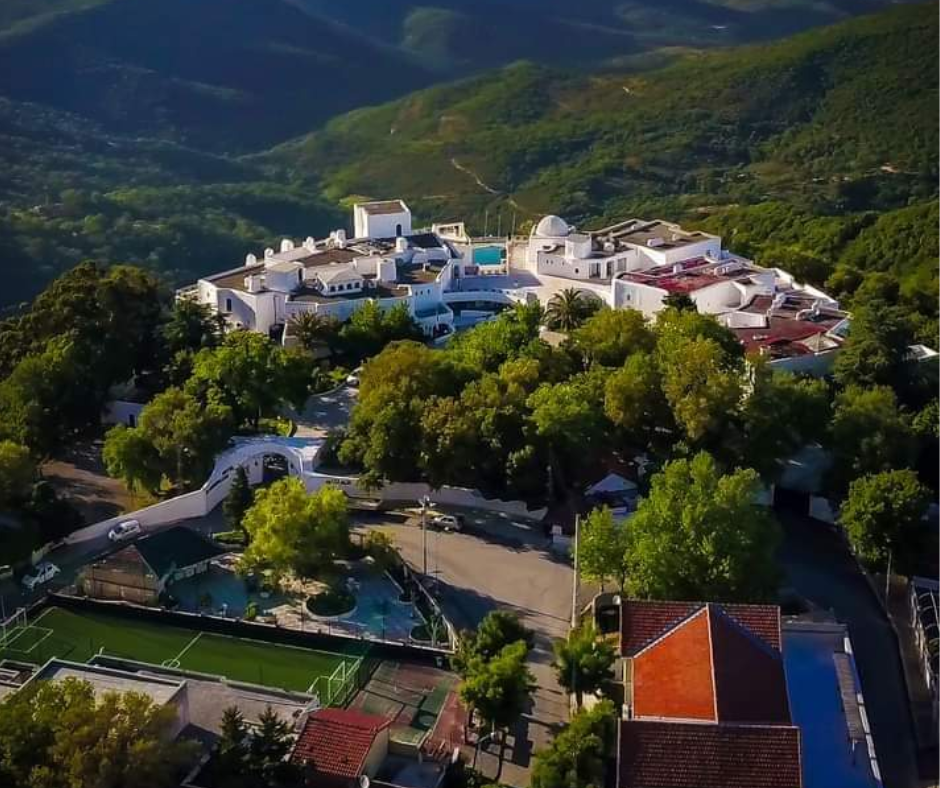
If you want a break from the maritime humidity, you can travel up a winding mountain road to the village of Seraïdi, located in the Edough mountains.
This mountain community sits surrounded by thick cork oak forests, offering cooler temperatures, fresh mountain air, and an expansive view of the coastline below.
Practical Logistics for Your Coastal Journey
Traveling along a coastline that spans nearly 1,000 kilometers requires some logistical preparation to ensure a smooth journey between the different towns and points of interest.
Choosing Your Mode of Coastal Transportation
Navigating the long roads between Algerian coastal towns can be accomplished using three primary methods depending on your specific travel style.
First, independent travelers often prefer renting a car because it provides complete freedom to stop at isolated beaches and small coastal villages that lack formal transit stops. The main coastal highway is generally well-maintained, though driving inside major cities requires careful attention to local traffic patterns.
Second, public transit offers an affordable and highly authentic way to move between major hubs. The national rail network connects Algiers to both Oran and Béjaïa, offering scenic routes that track the shoreline and cut through coastal mountain ranges. For shorter trips between neighboring towns, shared intercity taxis operate continuously from central stations, departing as soon as every seat is filled by local passengers.
Third, opting for an organized excursion allows you to focus entirely on the scenery while a professional handles the navigation and local driving customs. Our team at Wildyness specializes in connecting travelers with these authentic experiences, ensuring that your trip respects local communities and supports sustainable tourism initiatives across the country.
Best Seasons and Cultural Timing for Travel
To get the most out of the Mediterranean climate, timing your visit is essential for balancing beach weather with city exploration. The spring months from March to May and the autumn months from September to November offer the most balanced conditions, featuring comfortable daytime temperatures and fewer crowds at major historical sites.
Peak summer brings high temperatures and a massive influx of local holidaymakers to the beaches, which makes finding quiet coastal spots more challenging.
Winter brings cooler, rainier weather that is less suitable for swimming, but it remains a great time for exploring the cultural museums, enjoying fresh seafood dinners, and walking through the historic quarters without the summer heat.


