
Every travel guide seems to cover the same spots, doesn't it? You scroll through lists of the usual suspects, feeling like you’re missing out on the real discoveries. Finding those authentic experiences, the ones off the beaten path, can feel like searching for a needle in a haystack. How often have you wished for a local's guide, someone who knows the secret pathways and introduces you to genuine discoveries? We understand that feeling.
That's why our Wildyness team crafted this detailed guide just for you. We’re not about the typical tourist traps; we’re about opening doors to the UAE’s lesser known wonders. We're here to transform your experience from ordinary to extraordinary.
Table of Contents
- Exploring the Hajar Mountains: Wadis, Hikes, and Mountain Villages
- Coastal Secrets: Fujairah and the East Coast
- Al Ain’s Oases and Forts: The Garden City
- Cultural Capitals: Sharjah and Ras Al Khaimah
- Desert Adventures Far From the Crowds
- Island Escapes: Sir Bani Yas
- Planning Your UAE Adventure Beyond the Cities
- Ready for Your Own Adventure in UAE?
Exploring the Hajar Mountains: Wadis, Hikes, and Mountain Villages
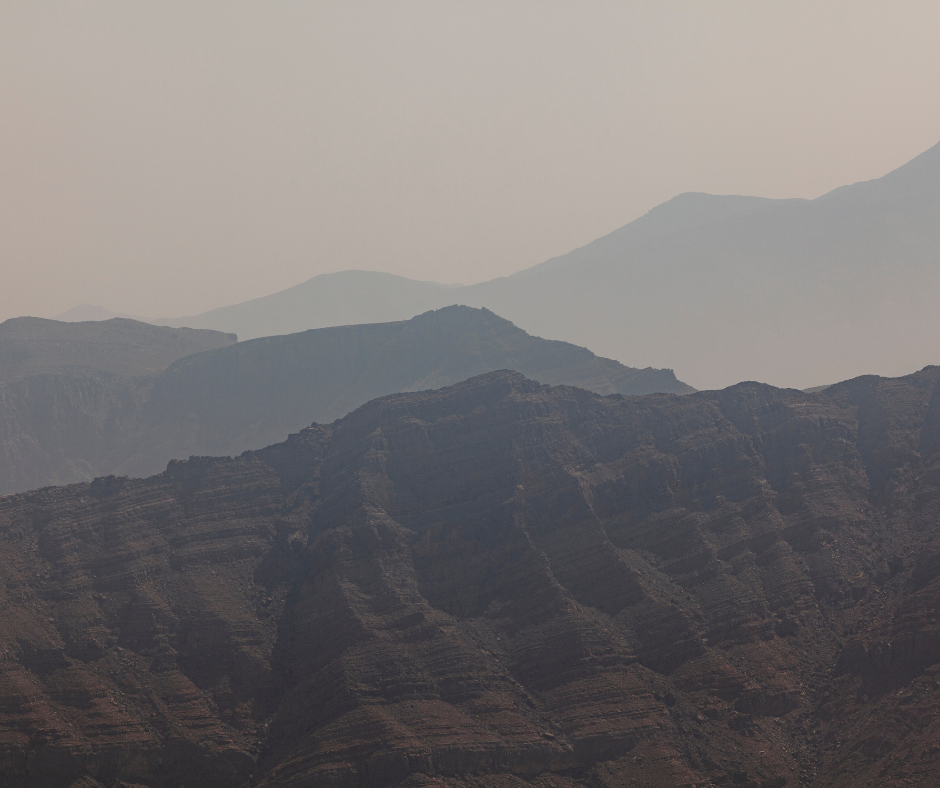
The Hajar Mountains form the rocky spine of the eastern UAE, offering a dramatic escape from the coastal cities. This is the country's adventure playground.
Hatta: The Mountain Enclave
Technically part of the Emirate of Dubai, Hatta is a mountain exclave nestled against the Omani border. It has been brilliantly developed for adventure.
-
Hatta Dam: The highlight is the striking dam, where turquoise water fills a canyon. You can rent kayaks, pedal boats, or water bikes to explore it.
-
Hatta Wadi Hub: This center offers activities like mountain biking (on 50km+ of trails), archery, and hiking.
Read all about it in: Rainbow Valley Fujairah: A Complete Guide to Hiking in Wadi Ghub -
Hatta Heritage Village: A restored traditional village that provides a glimpse into ancient mountain life.
Jebel Jais: The UAE's Highest Peak
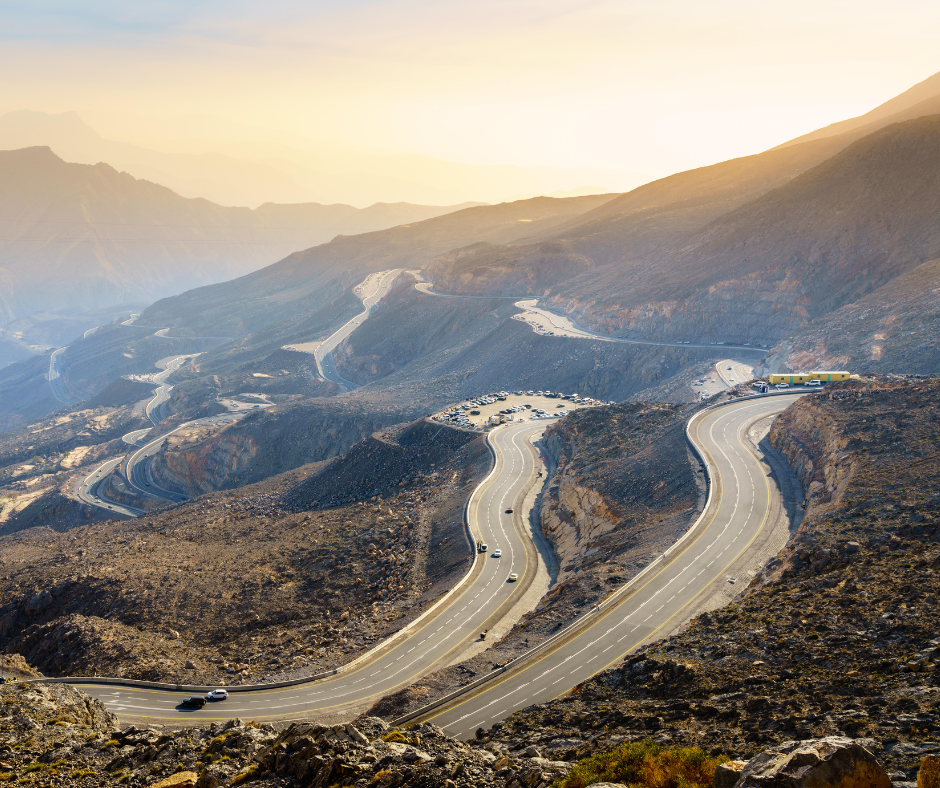
Located in Ras Al Khaimah, Jebel Jais is the highest point in the UAE. The drive up the smooth, winding road is one of the world's great road trips, with designated viewing points along the way.
-
Jebel Jais Flight: Home to the world's longest zipline, this is a must do for adrenaline junkies. You'll fly over the canyons at speeds up to 150 km/h. Booking in advance is essential.
-
1484 by Puro: The highest restaurant in the UAE, offering great views from its terrace.
Wadi Shawka: The Accessible Adventure
Also in Ras Al Khaimah, Wadi Shawka is a popular choice for a first wadi adventure. It's relatively easy to access and has several trails. You can do a short walk around the Shawka Dam or embark on a longer 9km loop trail that takes you through the wadi, over rocky hills, and past small farms.
Read also: Wadi Shawka: A Scenic Hiking Oasis in the UAE's Mountains
Wadi Ghalilah: The "Stairway to Heaven"
For expert hikers only. This is not a casual walk. Located in northern Ras Al Khaimah, this is a famously challenging and steep trail that climbs a series of rock steps built by local shepherds. It's a grueling, exposed scramble that requires a high level of fitness, a good head for heights, and at least 6-8 hours. Do not attempt this alone or in summer.
Coastal Secrets: Fujairah and the East Coast
While the west coast has city beaches, the east coast, on the Gulf of Oman, has the country's best snorkeling, diving, and most relaxed seaside towns.
Snorkeling at Snoopy Island
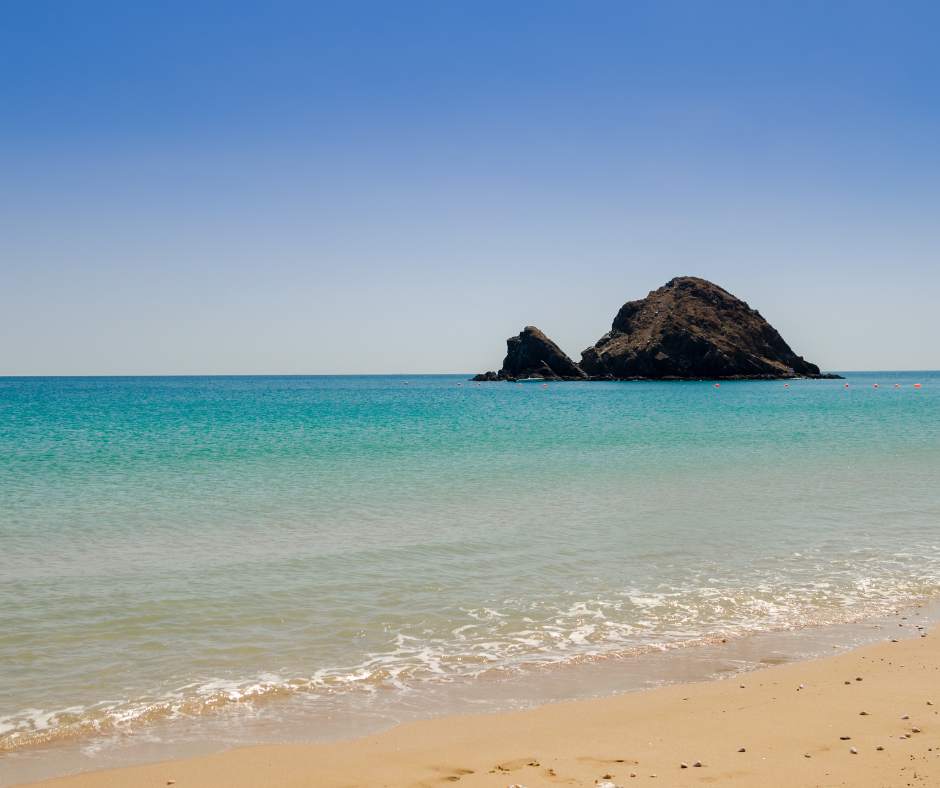
Located just off the shore of Al Aqah beach in Fujairah, this small rock formation (which looks like the cartoon dog sleeping on his house) is the center of a rich marine environment. You can easily swim to it from the beach (many hotels like the Sandy Beach Hotel are right there). The shallow, protected waters are perfect for snorkeling, and you are almost guaranteed to see green sea turtles grazing on the seagrass, along with parrotfish and angelfish.
Diving at Dibba Rock
A bit further north, near the town of Dibba, this small island is a protected marine reserve and one of the UAE's top dive sites. For snorkelers, the clear water offers great visibility. You can often spot blacktip reef sharks (harmless to humans) patrolling the area, along with moray eels, rays, and huge schools of fish. Boat trips are required to reach the rock.

Read all about water activities in Fujairah in: Underwater Adventures: Diving in Fujairah, UAE 2025
Khor Fakkan: The Sharjah Enclave
This surprisingly developed coastal town is geographically in the east but belongs to the Emirate of Sharjah.

-
Khor Fakkan Beach: A long, pristine corniche perfect for a family day out.
-
Roman Amphitheater: A new, large scale amphitheater built into the rock face, which hosts events and is impressive to see.
-
Al Rabi Trail: A popular, well marked hiking trail that starts near the town and switchbacks up the mountain, offering fantastic views of the port and the ocean.
Al Bithnah Fort
Just a 15 minute drive inland from Fujairah city, this stone and mud brick fort is one of the oldest in the country. It has historically guarded the main route through the Hajar Mountains, and its restoration gives you a real sense of the region's past.
Al Ain’s Oases and Forts: The Garden City
A UNESCO World Heritage site, Al Ain is one of the world's oldest continually inhabited settlements. It’s a true oasis city, run by the Emirate of Abu Dhabi, that feels a world away from the coast.
The Al Ain Oasis: Understanding the Falaj System
This is the heart of the city. A 3,000 acre oasis filled with over 147,000 date palms. What makes it special is the 3,000 year old falaj irrigation system that still carries water from the nearby mountains to the palm groves. You can explore the shady pathways on foot or, even better, rent a bicycle at the entrance. It's a peaceful, green, and fascinating look at ancient engineering.

Al Jahili Fort: A Desert Stronghold
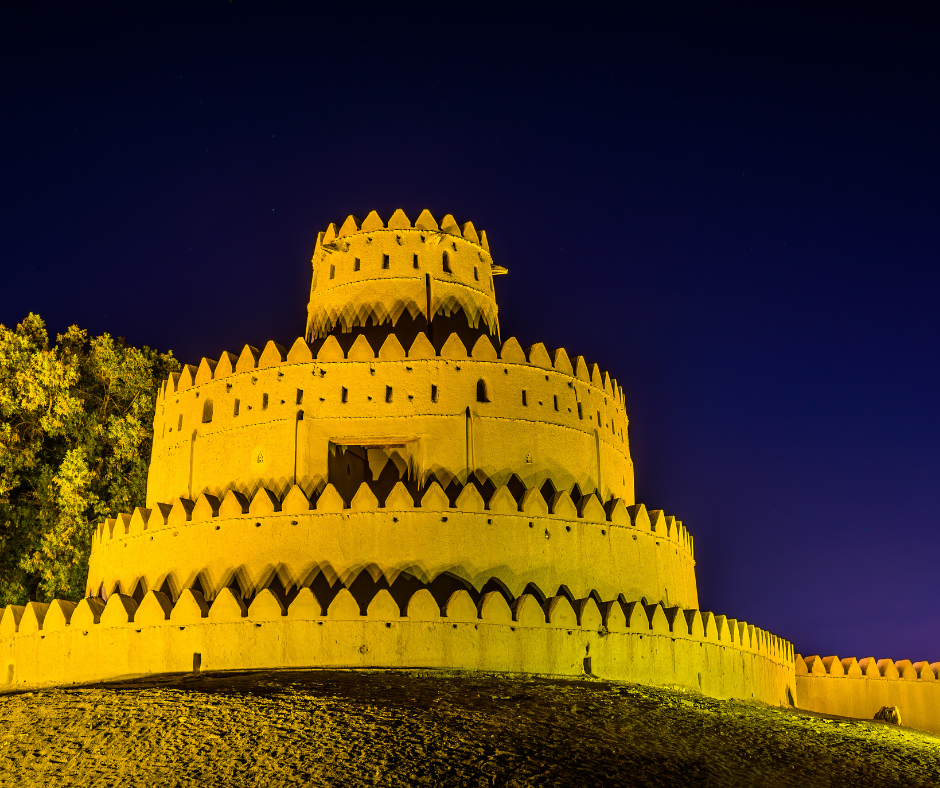
One of the largest and most impressive forts in the UAE, Al Jahili was built in the 1890s. Its clean, photogenic mud brick walls are a perfect example of traditional desert architecture. Inside, don't miss the permanent exhibition of photographs by Wilfred Thesiger, the British explorer who famously crossed the Empty Quarter desert in the 1940s.
Jebel Hafeet: The Essential Sunset Drive
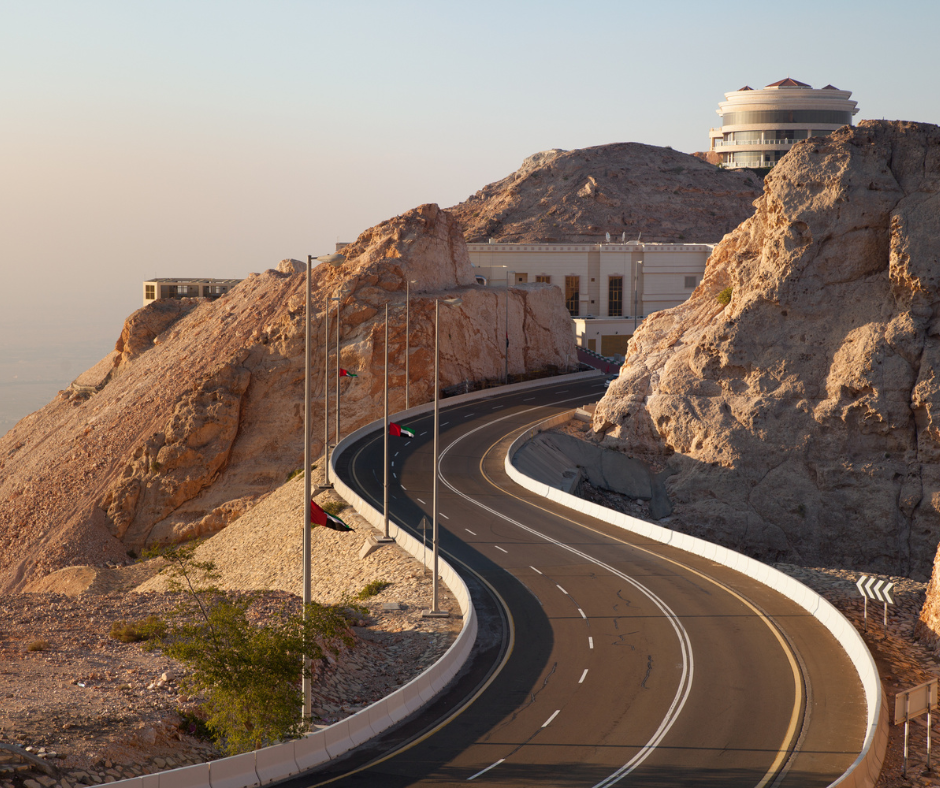
You cannot visit Al Ain without driving up Jebel Hafeet. This 1,249 meter mountain stands alone on the edge of the desert. The road to the summit is a famous winding stretch of perfect pavement, often cited as one of the best driving roads in the world. Go up about an hour before sunset. The view from the top, looking out over Al Ain on one side and the empty desert on the other, is magnificent.
The Al Ain Camel Market
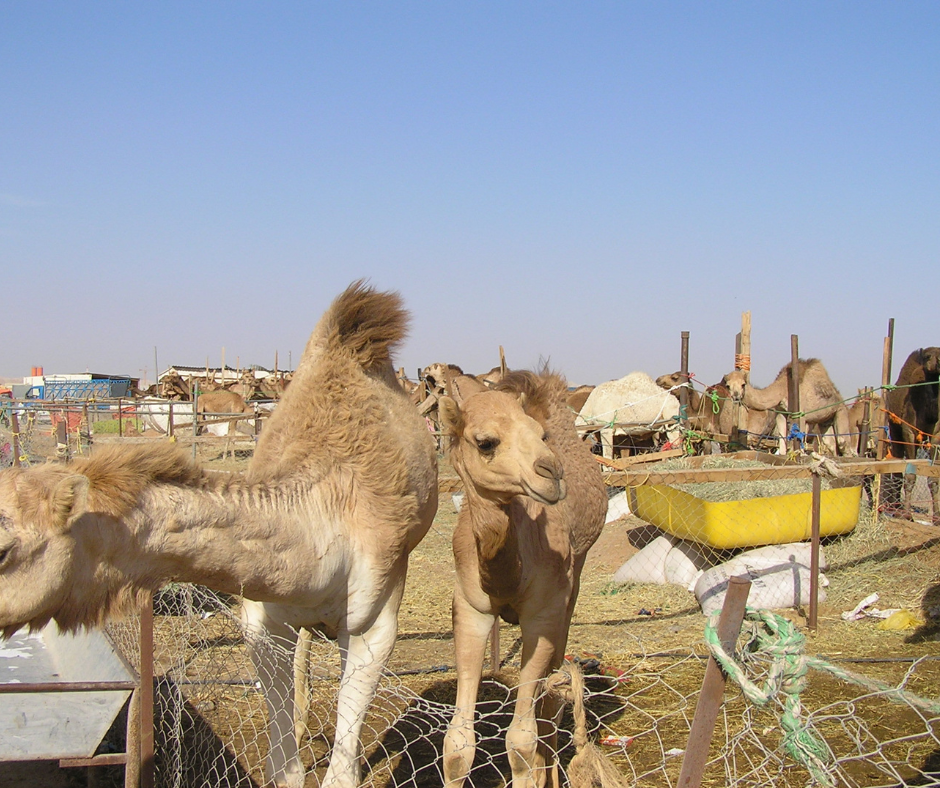
For a dose of real, unfiltered local commerce, visit the Al Ain Camel Market (part of the larger Al Ain Central Market). This is not a tourist show; it's a working market where Bedouins come to buy and sell camels and goats. Be prepared for the noise, the smells, and the intense haggling. It’s an authentic experience, but be respectful with your camera.
Cultural Capitals: Sharjah and Ras Al Khaimah
Beyond the adventure, these two emirates offer the country's deepest dive into history and art.
Sharjah: The Heart of Heritage
Sharjah is the UAE's cultural capital, and it takes this title seriously.
-
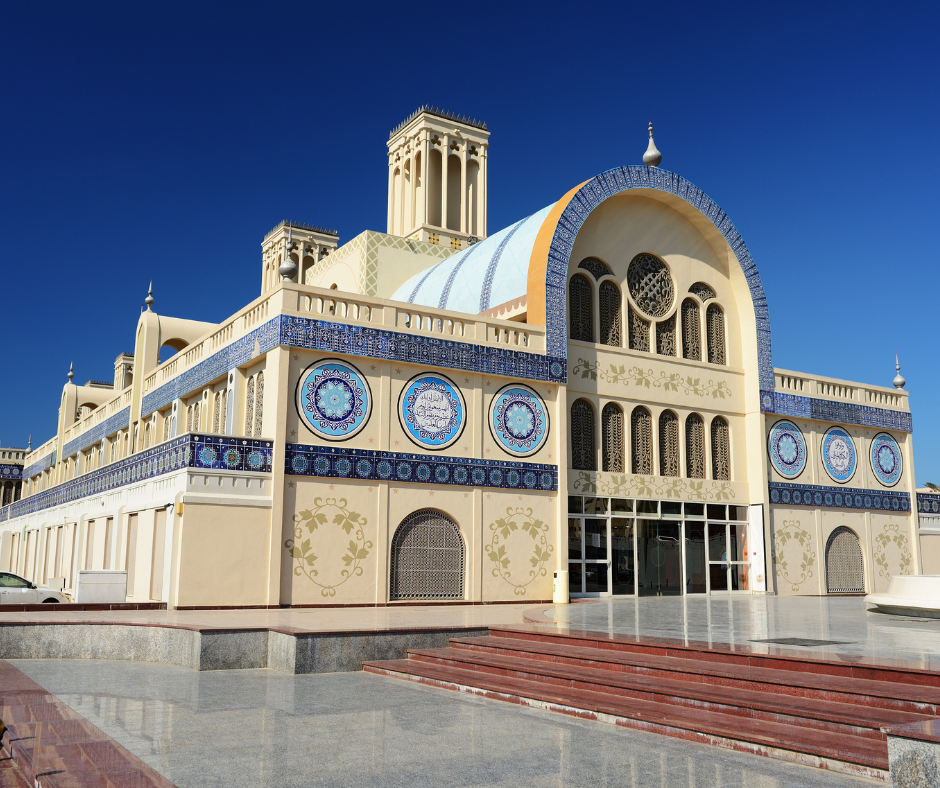
Heart of Sharjah: This is a large scale heritage project restoring the old city. Wander through the covered alleyways of Souk Al Arsah, one of the oldest souks in the country, and explore the beautifully restored traditional homes, many of which are now small museums.
-
Sharjah Art Foundation: This is the center of the UAE's contemporary art scene, with world class exhibitions and installations set in the heritage area.
-
Museum of Islamic Civilization: Housed in a stunning building on the waterfront, this museum has thousands of artifacts celebrating Islamic art, science, and history.
Ras Al Khaimah: History at Dhayah Fort
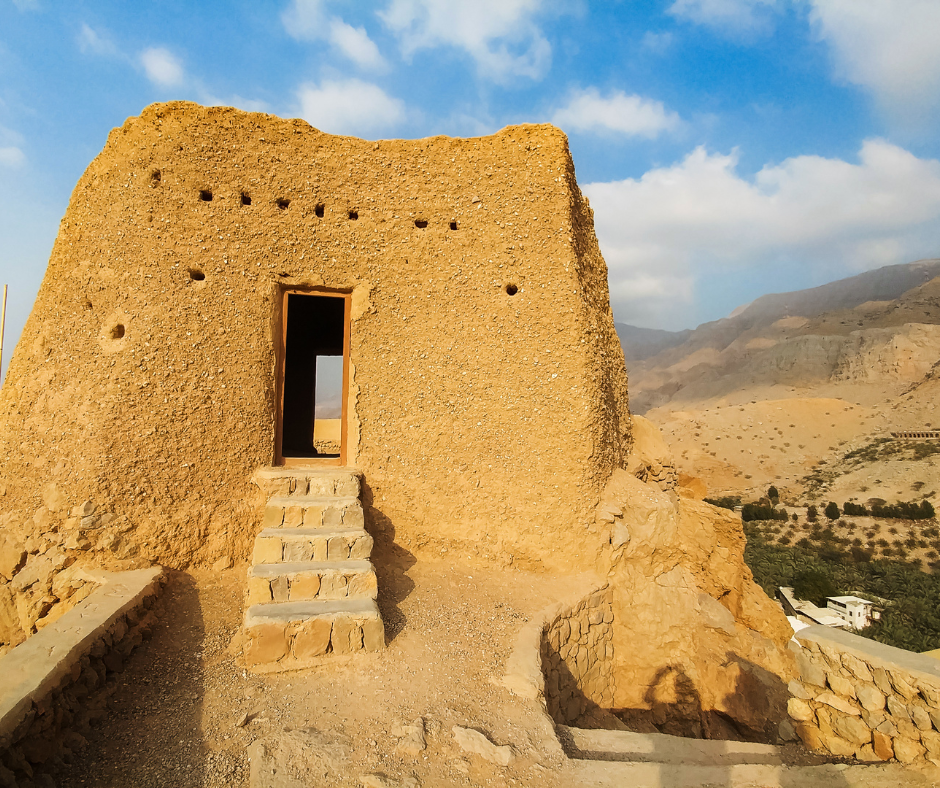
While RAK is known for Jebel Jais, its history is just as compelling. The Dhayah Fort is the one to visit. It’s a 19th century hilltop fort that was the last bastion of local resistance to British forces in 1819. The climb up the steps is short but steep, and the reward is a 360 degree view of the surrounding date palm gardens, mountains, and sea.
Desert Adventures Far From the Crowds
Al Madam: The Buried "Ghost Village"
About an hour's drive from Dubai, this small, abandoned village is being slowly reclaimed by the desert. It consists of two rows of houses and a small mosque, all in various states of being filled with sand. The reasons for its abandonment in the 1990s are debated, adding to the mystery. It's a favorite spot for photographers. You will need a 4WD vehicle to drive through the sand to reach it.
Mleiha Archaeological Centre
This is a must visit. Mleiha, in the Emirate of Sharjah, is a UNESCO World Heritage site that details the story of human settlement in the region, from the Paleolithic Age to the pre Islamic period.
-
The Centre: The museum itself is excellent, with artifacts and displays.
-
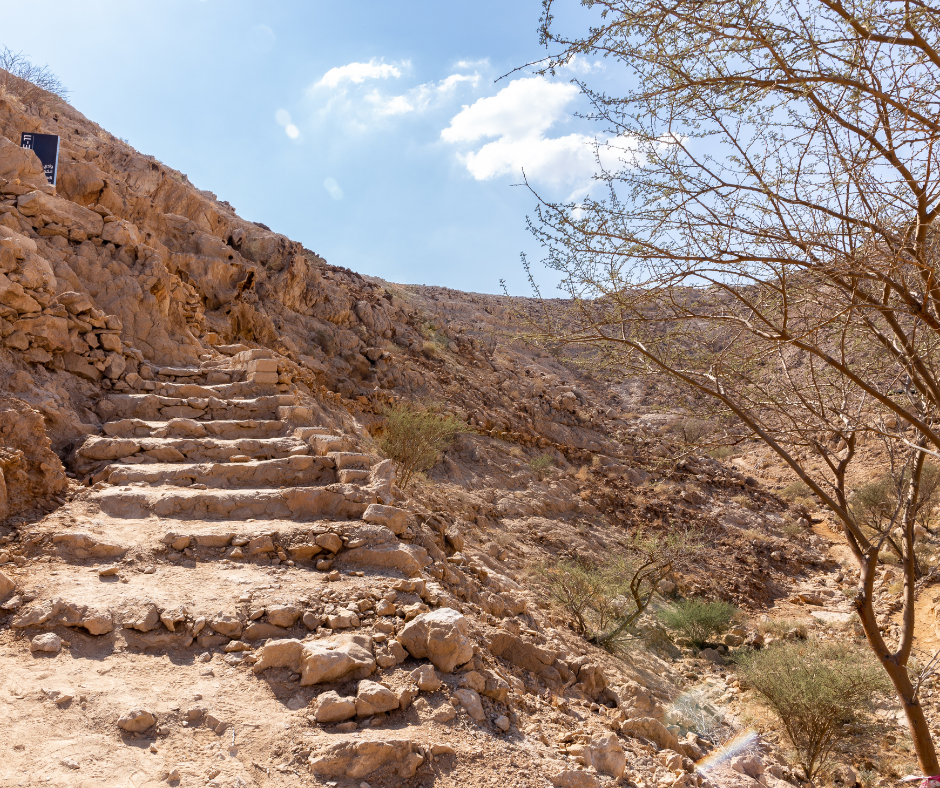
Off Road Tours: Book a tour with the center to be driven in a 4WD to see Fossil Rock and Camel Rock and to visit ancient Bronze Age tombs set high on the jebels (hills).
Liwa Oasis: Gateway to the Empty Quarter
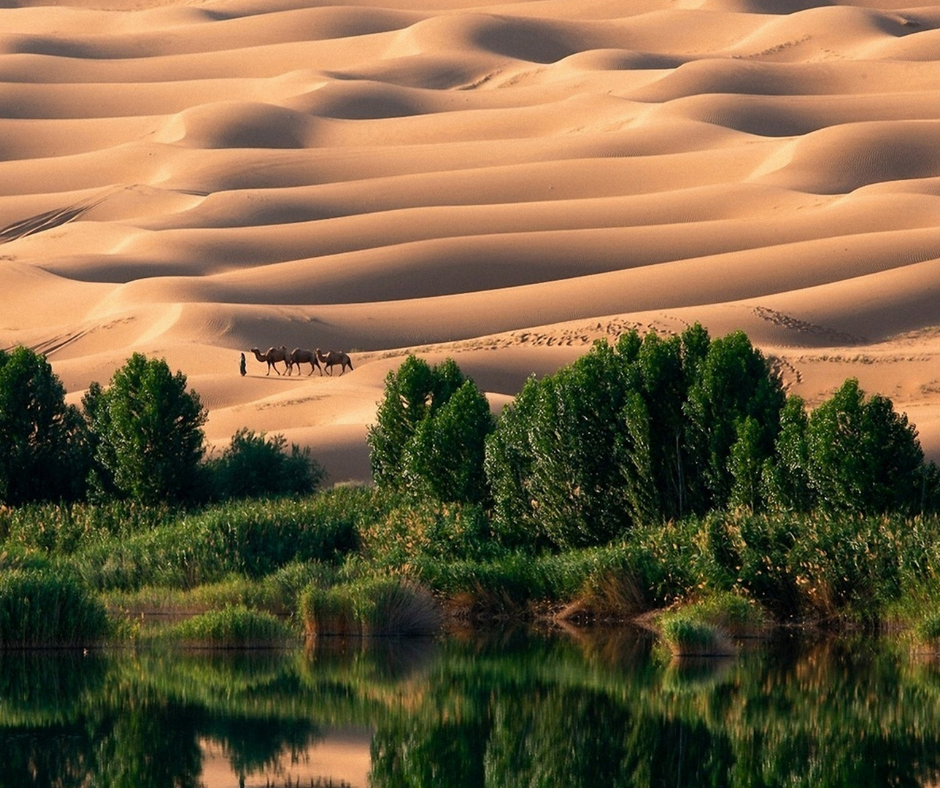
If you really want to see the desert, head to Liwa. This is a 100km long string of oases at the northern edge of the Rub' al Khali (the Empty Quarter), the largest contiguous sand desert in the world.
-
Moreeb Dune: Visit one of the world's tallest sand dunes, a towering mountain of sand.
-
The Landscape: The scale here is hard to describe. The dunes are a deep, rich orange, and the silence is absolute. This is a 3-4 hour drive from Abu Dhabi, so it's best as an overnight trip.
Island Escapes: Sir Bani Yas
A nature based destination unlike any other in the UAE, Sir Bani Yas Island was the private reserve of the UAE's founding father, Sheikh Zayed. It's now a protected wildlife sanctuary.
The Arabian Wildlife Park
The main draw. This park takes up more than half of the island and is home to over 17,000 free roaming animals. You take guided 4WD tours to see herds of the native Arabian Oryx (which was saved from extinction here), gazelles, and giraffes, as well as cheetahs and hyenas in large, secure enclosures.
How to Get to Sir Bani Yas
This is an adventure in itself. You must drive about 2.5 hours from Abu Dhabi to the Jebel Dhanna Jetty, then take a 20-25 minute (boat transfer) to the island. Access is generally reserved for guests of the three Anantara resorts on the island.
Activities Beyond the Safari
Besides the wildlife drives, you can go kayaking through the island's mangrove forests, try mountain biking on dedicated trails, or visit the island's 7th century Christian monastery, a fascinating historical site discovered only a few decades ago.
Planning Your UAE Adventure Beyond the Cities
Before you start bookmarking wadis and forts, let's cover the essentials. A trip outside Dubai and Abu Dhabi requires a different mindset and a bit more planning as we mentionned earlier, but the rewards are immense.
The Best Time to Visit for Outdoor Adventures
This is critical. The best time for hiking, wadi exploration, and desert trips is during the cooler months, from late October to early April. Temperatures are pleasant, ranging from the high teens to high twenties Celsius (60s to 80s Fahrenheit).
We strongly advise against attempting serious hikes or desert excursions from May to September. The summer heat and humidity are extreme and dangerous, with temperatures regularly soaring past 45°C (113°F) unless it's in the early morning or late afternoon.
Renting a Car vs. Using Drivers
For the kind of exploration this guide covers, renting a car is almost essential. Public transport between these offbeat locations is limited or nonexistent.
-
Standard Car: A regular sedan is perfectly fine for visiting Al Ain, driving up Jebel Hafeet, reaching the main towns in Fujairah and Ras Al Khaimah, and driving up Jebel Jais. The highway systems are excellent.
-
Four Wheel Drive (4WD): You will need a 4WD vehicle to safely access many of the best locations. This includes the Al Madam "Ghost Village," the Mleiha Archaeological Centre's off road sites (like Fossil Rock), the drive to Liwa Oasis, and the start of many wadi trails. While some tour companies offer trips, a 4WD gives you the freedom to explore at your own pace.
-
Drivers: You can hire a car with a driver for day trips, but this will be expensive and less flexible. This option is best if you are based in one city (like Dubai) and want to do a single day trip (e.g., to Hatta or Al Ain) without driving yourself.
Packing Essentials for Adventure
Your packing list for the mountains and deserts is very different from your list for Dubai.
-
Sturdy Footwear: This is non negotiable. For wadi hikes, you need hiking boots or trail runners with excellent grip. Water shoes are also useful for wadis with a lot of water.
-
Sun Protection: A wide brimmed hat, high SPF sunscreen, and quality sunglasses are essential. The sun is intense, even in winter.
-
Hydration: Bring more water than you think you'll need. A reusable hydration pack or several large water bottles are a must for any hike or desert drive.
-
Light Layers: The desert and mountains can get surprisingly cool in the evenings and early mornings during winter. A fleece or light jacket is smart.
-
Modest Clothing: While the UAE is generally tolerant, when visiting smaller towns, heritage sites, and interacting with local communities, it's respectful to dress modestly. This means covering your shoulders and knees.
-
First Aid Kit: A basic kit for cuts and scrapes is always a good idea.
Driving and Navigation
-
Offline Maps: Cell service is unreliable in the mountains and deep desert. Download offline maps (like Google Maps offline feature or an app like maps.me) for your entire route before you leave.
-
Fuel Up: Gas stations can be sparse once you leave the main highways. Always start your day trip with a full tank of fuel.
Cultural Etiquette in Smaller Emirates
-
Ask Before Photographing: Always ask for permission before taking photos of people, especially women and families.
-
Respect Local Customs: Be mindful of prayer times, especially if you are near a mosque. During Ramadan, be discreet with eating and drinking in public during fasting hours.
-
Greetings: A simple "As-salamu alaykum" (Peace be upon you) is a warm and appreciated greeting.
Staying Safe in the Outdoors
The biggest risk in the Hajar Mountains is not animals; it's the weather.
-
NEVER Enter a Wadi if it is Raining: Wadis are natural drainage basins and are extremely prone to flash floods. Water can rush through a dry canyon with terrifying speed, even if the rain is falling miles away. Check the weather forecast specifically for the mountain areas before you go.
-
Tell Someone Your Plan: If you are going on a remote hike, let someone at your hotel or a friend know your route and your expected return time.
Ready for Your Own Adventure in UAE?
Let us take the stress out of planning. We're a team of travel experts who specialize in crafting personalized itineraries that combine authentic local encounters with breathtaking landscapes, all with seamless logistics.
Let us handle the planning and coordination so you can simply enjoy a memorable trip.
Share with us your ideal trip, budget, and preferences.
You'll receive a fully personalized travel plan, completely free of charge, after a short call to understand better your preferences.
Share Your Trip Idea With WildyNess
Curious what other travelers have to say? WildyNess reviews on Google