


In the heart of North Africa lies Algeria, a land of immense size and even greater diversity. It is known for its Mediterranean climate in its northern regions.
As the largest country in Africa, its vast landscapes stretch from the sun-kissed sands of the Sahara Desert to the echoes of ancient ruins. It sews together a rich tapestry of natural beauty and diverse culture.

In this remarkable country, rich history meets modernity in surprising ways. It invites visitors to explore its unique treasures at every turn.
If you're planning to visit this country, we bet you'll love knowing more than 20 interesting facts and information about this gem.
That's why we compiled everything you need to know about Algeria, before your visit.
-
Algeria is the largest country in Africa
Algeria expands across an awe-inspiring 2.38 million square kilometers. Plus, the Algerian population is estimated to be around 45 million people.
This country holds the title of not only the largest country in Africa, but also the largest in the Arab world. Its vast expanse unravels a landscape of striking contrasts and beauty.

To the north, the Mediterranean coastline shines with picturesque beaches and lively coastal cities. Major cities like Algiers and Oran offer a mixture of modern energy and scenic charm.
Travel south, and the landscape transforms drastically as the immense Sahara Desert takes over.
-
Algeria, home of the Great Sahara Desert
The Sahara Desert is one of Algeria’s most iconic features, covering about 80% of the country’s landmass. It is the largest hot desert in the world.
The Sahara isn’t just a vast stretch of sand dunes; it’s an ancient and storied land filled with adventure.
Stargazing in the Sahara is a once-in-a-lifetime experience due to the absence of light pollution. That makes it one of the best places on Earth to observe the night sky.
The Sahara offers you a chance to experience some of the most awe-inspiring landscapes on the planet. The Hoggar Mountains, located in the south, provide experiences for trekking, climbing, and camping.
From prehistoric rock art to nomadic cultures that have thrived here for centuries, what you see will astound you.
-
Land of Ancient Numidia
Algeria was formerly known as the Kingdom of Numidia. The people living there were known as Imazighen and Numidians, which translates to "free men."
Many people traveled between Europe and Africa over the ages. While some left their mark, others settled.
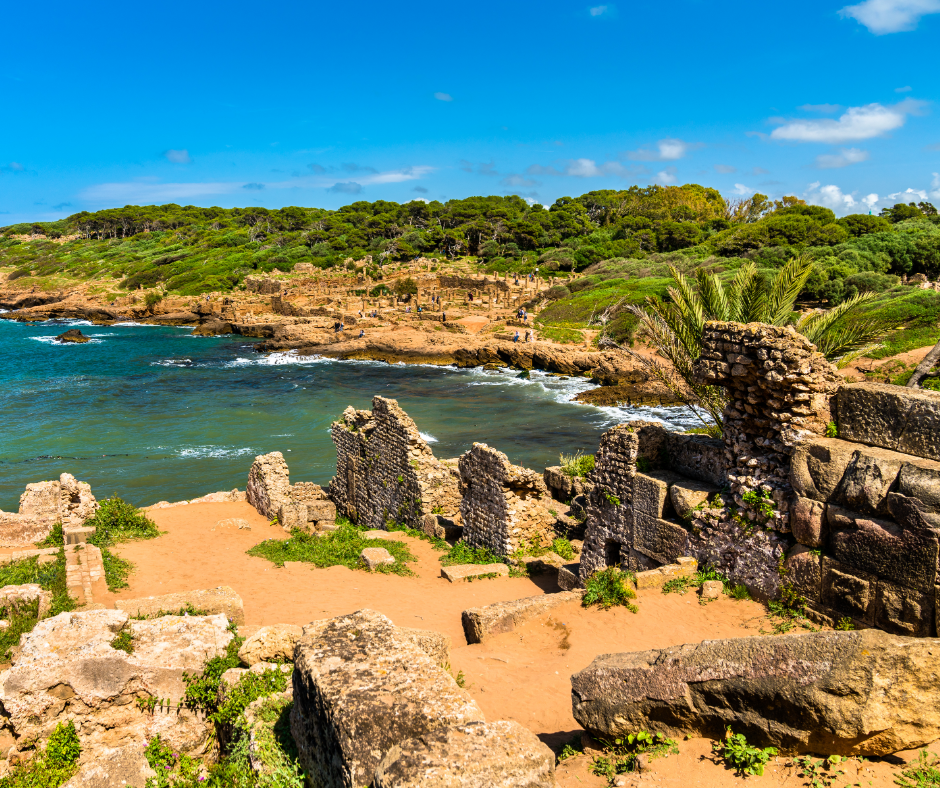
Phoenician traders arrived on the coast of North Africa in 1250 BC and founded Carthage, which is now Tunisia.
Roman triumphs in the Punic Wars caused Carthage's dominance to diminish, and Numidian leaders became more influential in the area.
Massinissa, the renowned monarch, was successful in uniting Numidia under his control. He established his kingdom's capital at Cirta, which is now Constantine.
By defeating King Jugurtha of Numidia, the Romans had taken control of Algeria by 106 BC. The Numidians continued to rule the rest of Algeria.
Roman triumphs in the Punic Wars caused Carthage's dominance to diminish. Numidian leaders became more influential in the area.

However, Numidian incursions caused Roman dominance in Algeria to fade away by the fifth century.
The Vandals' destruction in 430–431 marked the end of effective Roman rule.
-
Algeria boasts a rich roman legacy
Algeria boasts some of the most well-preserved Roman ruins in Africa. This makes it a must-visit destination for history buffs.
Timgad and Djemila are among the most impressive ancient cities. Both are UNESCO World Heritage Sites.
These cities were integral parts of the Roman Empire. They served as hubs of administration, culture, and military might in North Africa.

Timgad, founded by Emperor Trajan in the 1st century AD, is an exemplary model of Roman urban planning.
Known as the "Pompeii of Africa," Timgad features meticulously preserved streets. It is also marked by triumphal arches, temples, and theaters.
Djemila, another gem nestled in the mountains, offers views of the surrounding landscapes. The city’s forum, basilica, and temples stand as testaments to the grandeur of Roman civilization in North Africa.
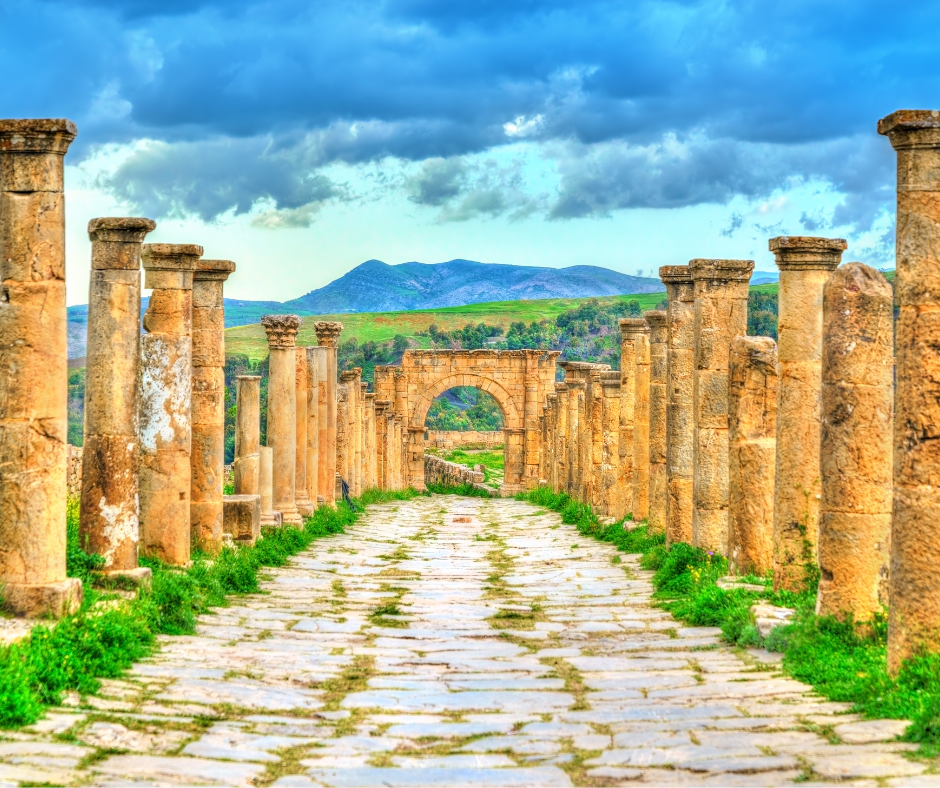
If you’re passionate about the ancient world, a visit to these cities is a must.
-
Algeria has a turbulent but triumphant history
Algeria’s modern history is marked by its struggle for independence from French colonial rule. The Algerian War of Independence (1954-1962) was one of the bloodiest decolonization conflicts of the 20th century.

It resulted in the deaths of over a million Algerians. This hard-fought battle for freedom has left an indelible mark on the country’s national consciousness.
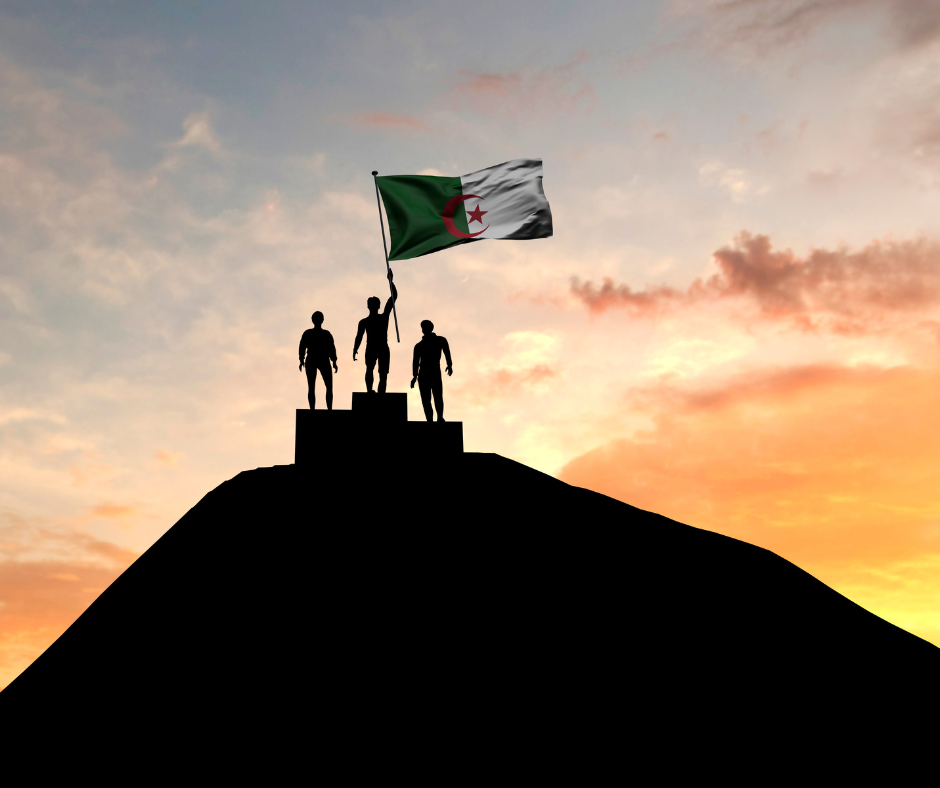
Today, Algeria celebrates its independence with pride.
-
The country of a million martyrs
After 132 years of cruel colonialism, Algeria, gained independence from France on July 5, 1962.
The country is often referred to as "the country of a million martyrs".
Between 1 and 1.5 million Algerians lost their lives in the eight-year Algerian War of Independence.

Algeria commemorates National Shaheed Day on February 8th annually, in remembrance of the martyrs of the 1954 Algerian Revolution who lost their lives battling for freedom.
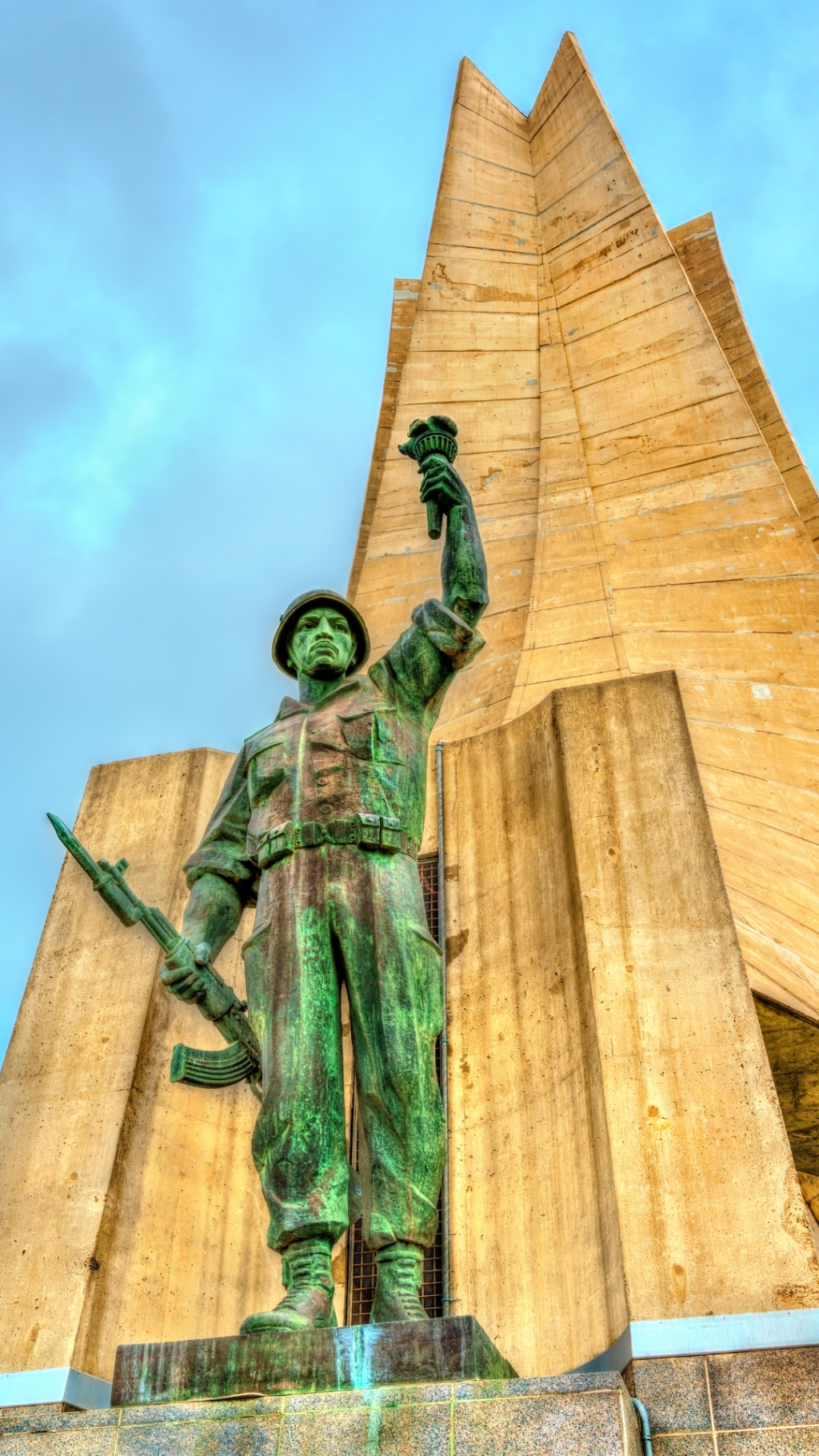
One of the most remarkable attractions overlooking the city of Algiers, is Maqam Echahid or the Martyrs' Memorial.
It was built in 1982 to mark the 20th anniversary of Algeria's independence and stands as a tribute to those who sacrificed their lives for the country’s freedom.
-
The Algerian national anthem
For the record, the country's national anthem, "Kassaman," is a powerful reminder of the country's fight for Algerian independence from French colonization.
Moufdi Zakaria composed the 1956 hymn. It embodies the strong sense of patriotism and tenacity that characterize Algerians.
The translation of "Kassaman," "We Pledge," highlights themes of bravery, sacrifice, and an undying dedication to independence.
Its moving lyrics inspire pride in the country . It recalls the collective memory of those who valiantly battled for Algeria's liberation.
-
A nation of UNESCO world heritage sites
Algeria is home to 7 UNESCO World Heritage Sites, which reflect its deep and diverse history. Each site offers insight into different periods of the past.
From the prehistoric rock art of Tassili n'Ajjer to the medieval Beni Hammad Fort. These sites are a testament to Algeria’s historical and cultural significance.
Algeria’s Tassili National Park located in the heart of the Sahara, is one of the most striking sites in Algeria. It is known for its ancient rock art that dates back thousands of years.
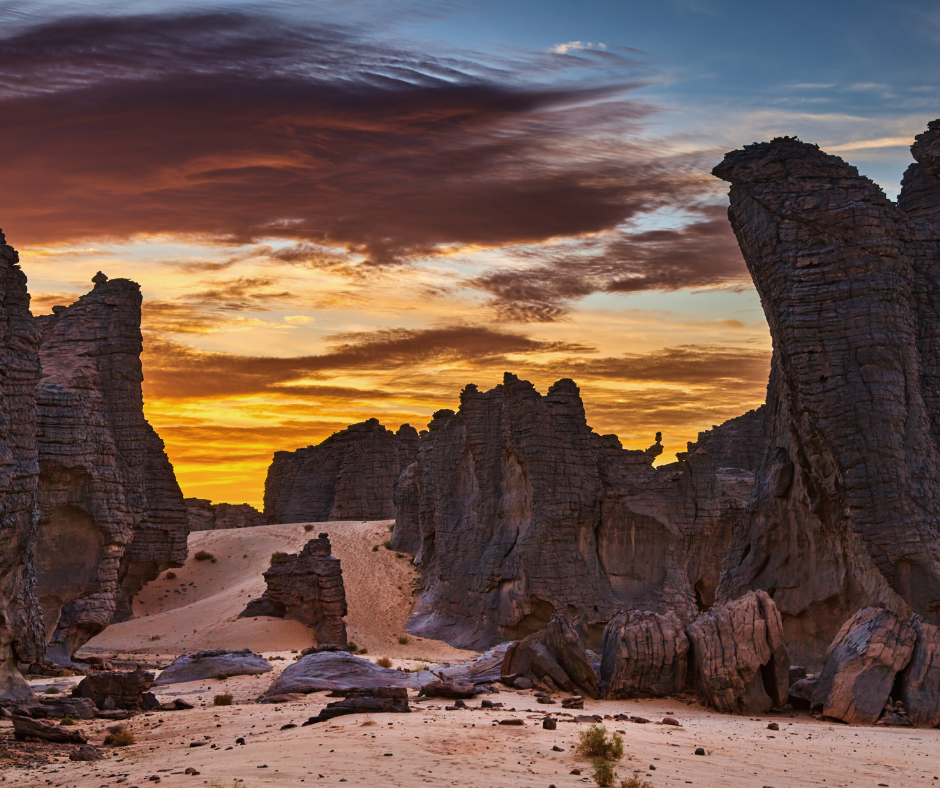
These petroglyphs provide valuable insight into the early inhabitants of the region and the dramatic environmental changes that have taken place over millennia.
Another notable site is the M’Zab Valley, a region inhabited by the Mozabite people.

The valley’s unique architecture consists of compact, fortified towns. It reflects the Mozabites' adaptation to the harsh desert environment.
-
Algiers, a sun-bleached capital
Algeria's capital, Algiers, is frequently referred to as "Alger la Blanche" or "Algiers the White". This is due to its eye-catching white structures that sparkle in the sunlight.
It is the nation's largest city and a thriving center of history and culture, nestled along the Mediterranean coast.

Algiers features both contemporary architecture and historical landmarks. This includes the UNESCO-listed Casbah, a tangle of narrow streets filled with traditional houses and souks.
The city's blend of French and Arab heritage, which is reflected in its daily life, language, and food, gives it a distinctive identity.
Algiers provides a fascinating window into Algeria's rich cultural heritage with its breathtaking seaside vistas and vibrant urban ambiance.
-
The Amazigh culture, a key part of Algerian identity
The Amazigh or Berber people are the indigenous inhabitants of North Africa. Their culture is a vital part of Algeria’s national identity.
The Amazigh language was officially recognized by the Algerian government in 2002. It is now the second official language of algeria.
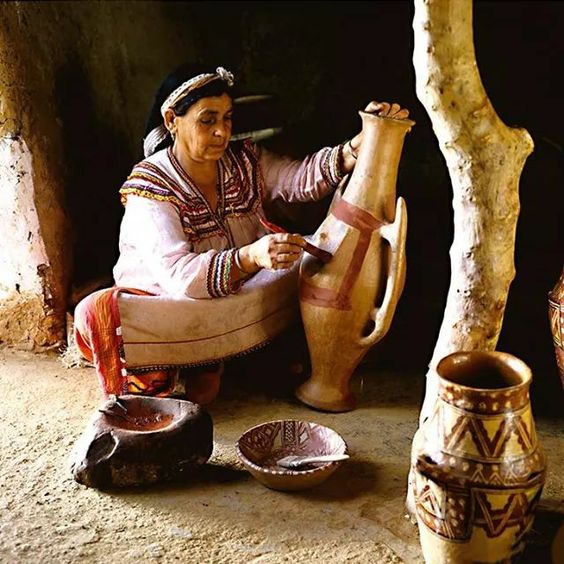
The majority of the Amazigh population lives in regions such as Kabylie and the Aurès Mountains, where their traditions remain strong.
Amazigh culture is known for its rich oral traditions, distinctive textiles, and traditional music.
Their unique tattoos have always fascinated anthropologists and visitors. They often have symbolic meanings related to protection and identity.

The Amazigh people are incredibly proud of their heritage, and their hospitality is legendary. We highly recommend visiting the ancient villages to get a glimpse into the traditional lifestyle.
We bet you will leave with a deep appreciation for the resilience and vibrancy of Amazigh culture.
-
Algeria, a natural gas powerhouse
Algeria is one of the world’s leading exporters of natural gas. This industry plays a critical role in the country’s economy.
With vast reserves of both natural gas and oil, Algeria is a major supplier to Europe and other regions.
The energy sector has been a key driver of its economic development. It allows Algeria to maintain a prominent position on the global stage.
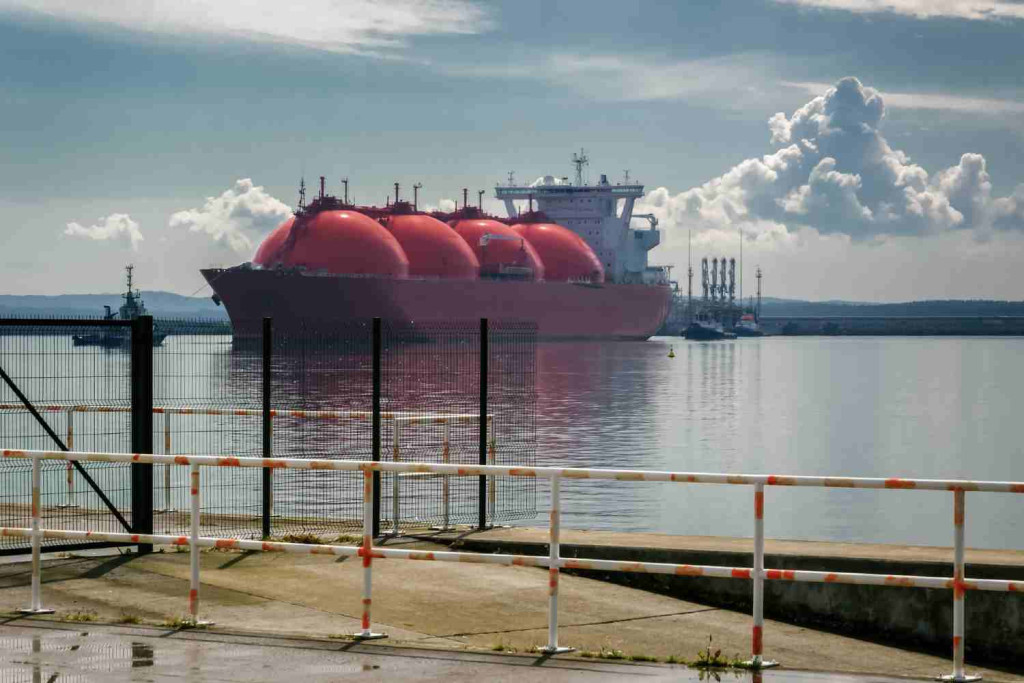
However, Algeria is also working to diversify its economy beyond oil and gas. In recent years, there has been a push to invest in renewable energy and other sectors to reduce reliance on fossil fuels.
Algeria is a fascinating case study of how resource-rich countries navigate the challenges and opportunities of the global economy.
-
Home to modern architecture marvels:
Algeria is not just a land of ancient history. It is also a country looking toward the future, as evidenced by the stunning Djamaa el Djazair Mosque, also known as the Great Mosque of Algiers.
This architectural marvel is the third-largest mosque in the world, and its 265-meter-high minaret is the tallest on the planet. It is located in the historic Casbah region, close to the harbor.
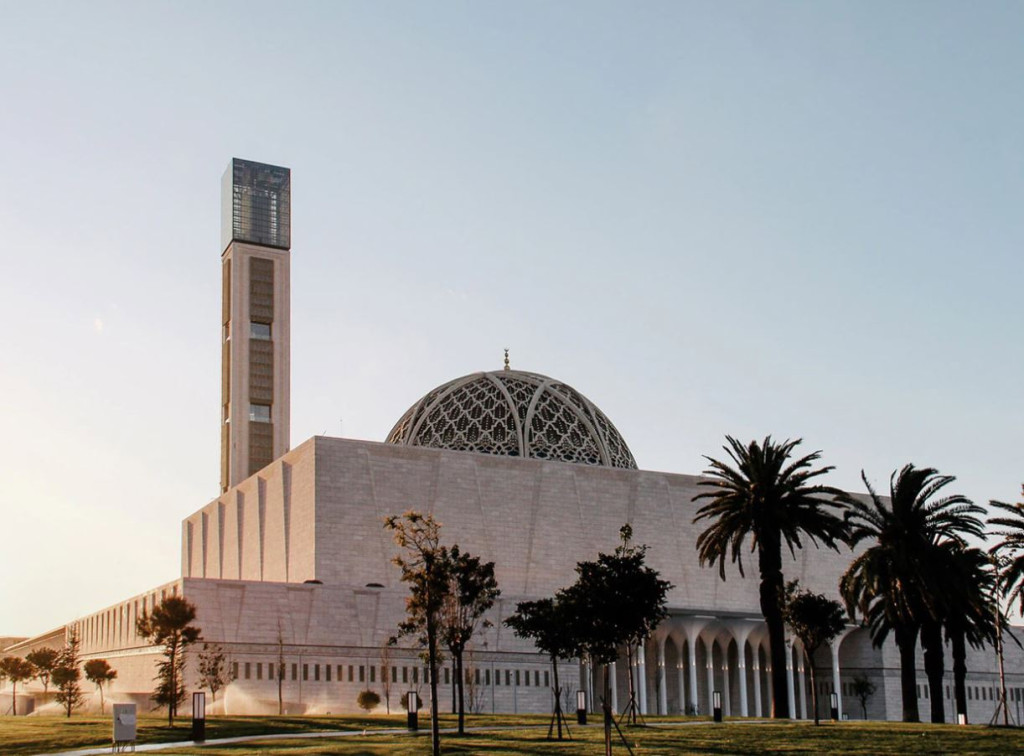
Crafted from stone, brick, and wood, this magnificent white building is adorned with elaborate wood and ceramic accents. You can climb to the top of the minaret for breathtaking views of Algiers and the Mediterranean Sea.
The mosque is not only a place of worship but also a cultural center, featuring a library, museum, and conference halls.
-
Algeria, where the Atlas Mountains stretch
The Atlas Mountains are located in parts of Algeria, Morocco, and Tunisia in Northern Africa. They perfectly shape the landscape with high plateaus, rugged peaks, and diverse ecosystems.
Mount Lalla Khedidja is the highest point in the Tell Atlas's Djurdjura Range in northern Algeria. It reaches 2,308 meters. It serves as a natural border between the Mediterranean coast and the Sahara Desert.

These mountains are home to a variety of ecosystems, such as forests. They provide refuge to the endangered Barbary macaque, one of the few native monkey species in the region.
The Atlas Mountains have been instrumental in forming Berber traditions and local communities. The latter developed farming methods that fit with the rocky and plateau landscapes.
-
Algeria, land of the Fennec Fox
Beyond its natural beauty, the Algerian desert is also home to unique wildlife adapted to its extreme conditions.

But did you know that the fennec fox is the national animal of Algeria? Known for its large ears and nocturnal habits, this animal is a symbol of life’s resilience in the desert.
The southern region of Algeria is a haven for wildlife enthusiasts. Other species found in the Sahara include wild boars, jackals, and various migratory birds.
-
Algeria is the home of the endangered Saharan cheetah
Based on estimates, there are only about 250 Saharan cheetahs remaining in the world as of 2015. They're thought to be the world's rarest and most elusive carnivores, with the majority found in Algeria.

In contrast to their other counterparts, they are distinguished by their pale color and shorter coat.
-
A land driven by football passion
Algerians have a deep-rooted passion in football. The majority of teenagers play on vacant lots or in neighborhoods. One of their idols is the legendary football player Zinedine Zidane, a true hero of Algeria.
The national team's players, known as the Fennecs, had their chance to shine, especially in a 1982 World Cup encounter against Germany (then West Germany). In addition, the Fennecs played in the 2014 World Cup.
Football games are more than just athletic competitions in Algeria; they are social activities that unite people.
-
Algerian law honors tradition
Algeria's legal system reflects its colonial past and Islamic influence. It combines Islamic law, tribal traditions, and international legal frameworks.
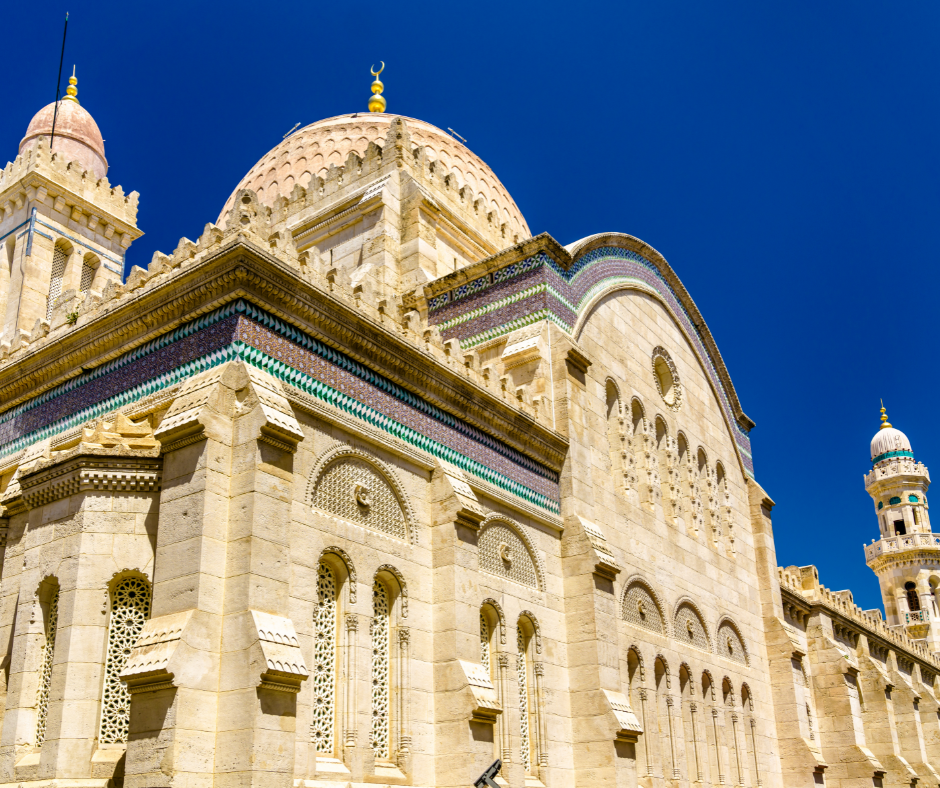
Islam is recognized as the official religion. Both the national flag and government institutions have Islamic symbolism.
It is against the law to promote any other faith besides Islam.
-
Algeria, birthplace of Rai music
Rai first appeared in the 1920s in Algeria. It represented the post-World War II hopes of a younger generation for change.
The Rai songs blend Western electric beats with native Algerian melodies. Its lyrics, which discuss colonial oppression and socioeconomic difficulties, deeply resonate with people.
It was specifically born in the heart of the vibrant city of Oran and evolved due to its buzzing nightlife.

As Oran's modern port grew, Rai changed as well. It was influenced by Egypt, the United States, the United Kingdom, and France and featured electric guitars and synthesizers.
-
Rich culinary heritage
Among the richest and most varied cuisines in Africa is Algerian. With French influences and distinctive sub-Saharan flavors, it combines traditional Maghreb cuisine.
As a result, the country's cultural heritage is represented through a diverse range of regional culinary delights.
The dishes of each region vary, ranging from aromatic stews and pastries to savory tagines and couscous.
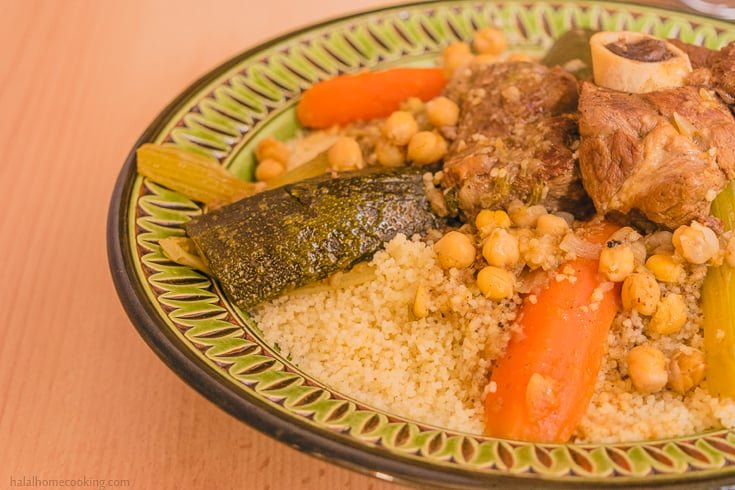
Algerian cuisine is a cultural and historical journey that goes beyond simply satisfying hunger.
Algerian food satisfies the senses and offers a genuine glimpse of the country's varied customs. You can enjoy it in a family home or in an authentic restaurant,
-
Sweet dates of Algeria
Algeria is known for its large palm groves. It is the world's tenth-largest producer of dates. The date fruit is the preferred snack in Algeria because it is delicious and nutrient-dense, high in dietary fiber and vitamins.

Dates from Algeria are known for their flavor and quality. Dates and milk are customarily served to guests in Algeria, demonstrating the fruit's cultural significance.
Algeria is frequently referred to as the "land of cherries and dates". Its unique climate includes a hot, dry temperature in the Saharan south and a pleasant climate in the north.
-
Mint Tea is the national drink of Algeria
Refreshing mint tea holds a special place in Algerian local traditions and gatherings.
It can be enjoyed in every café in the country, and there will always be a chance to sip it. It is typical of the desert regions and nomadic or Arab cultures generally.

As part of the local custom, it is served in tiny glass jars and is prepared and served following a true ritual.
In little metal teapots, it is brewed and simmered three times. It is served in three rounds, each with a different flavor.
They often begin with the bitterest and end with the lightest and sweetest, after being expertly poured to produce foam.
In your desert journey, you can share a tiny glass of tea with your friends or locals under starry skies and around a crackling fire before heading to your tent.
-
Algerian history serves an inspiration behind “Dune”
Algeria's history serves as a major source of inspiration for Frank Herbert's famous “Dune” series.
Dreamer of Dune, Brian Herbert's biography, also emphasizes the fight for freedom. He points out that the battle had a big impact on the development of the "Fremen," the people who lived in the desert and inhabited Arrakis.
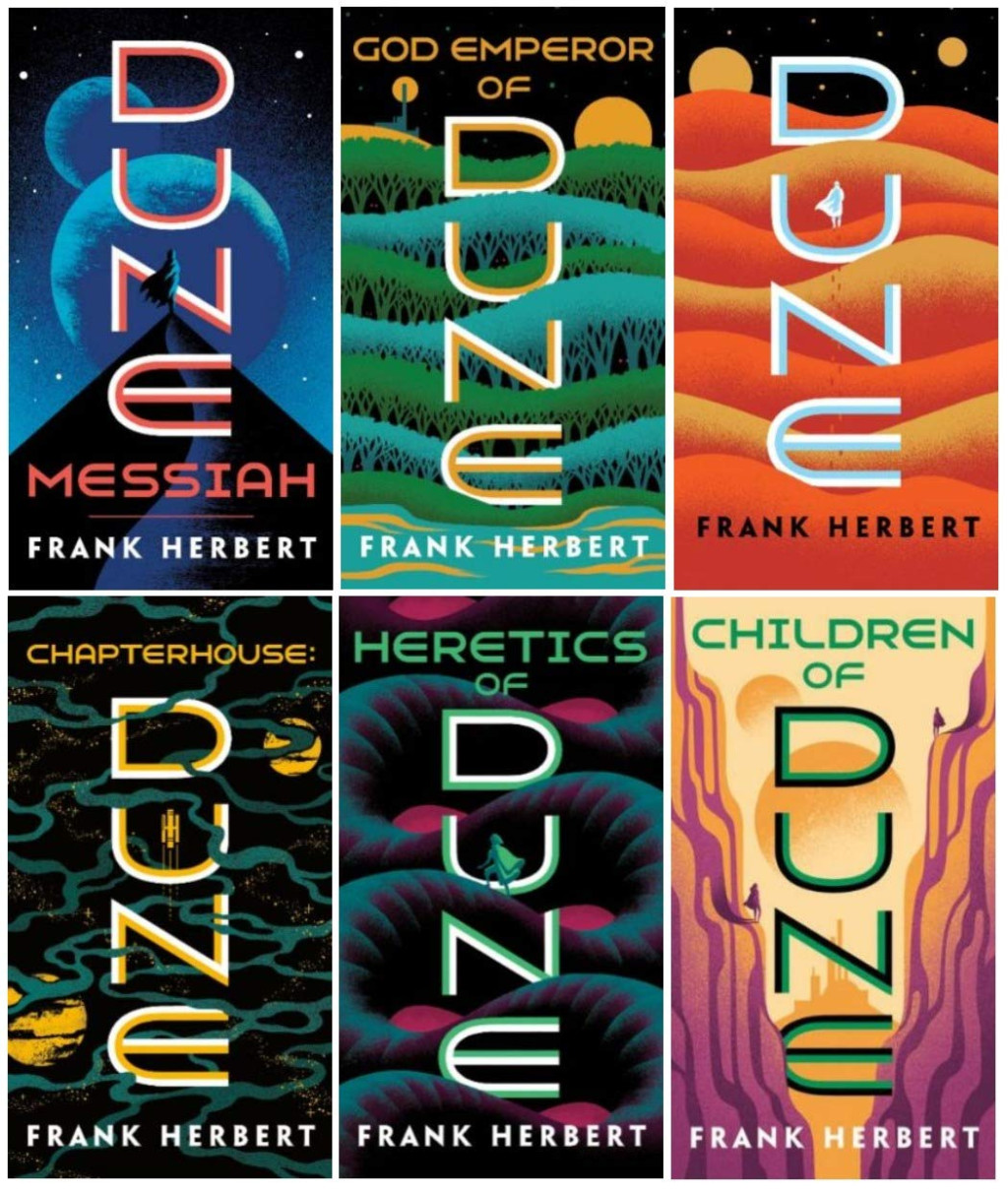
Leon l'Africain translated "Amazigh" as "Free Men," which is where the term "Fremen" originates.
The novel, which was written during the 1950s and 1960s independence movements, includes the chant Yahya Chouhada. People used this slogan in Algerian streets in 1962.
The customs of the Tuareg and other desert peoples are reflected in Fremen culture. Herbert even used Tamazight and some Arabic words in his writings.
In Children of Dune, the southern Algerian desert region "Tanezrouft" is referred to as "Tanzerouft," signifying its parched terrain and lack of water.
-
Home to Nobel Prize-winners
Claude Cohen-Tannoudji and Albert Camus are the two Nobel laureates from Algeria.
Camus, who was born in Mondovi (now Dréan), was awarded the 1957 Nobel Prize in Literature for his writings on absurdism and the human predicament.
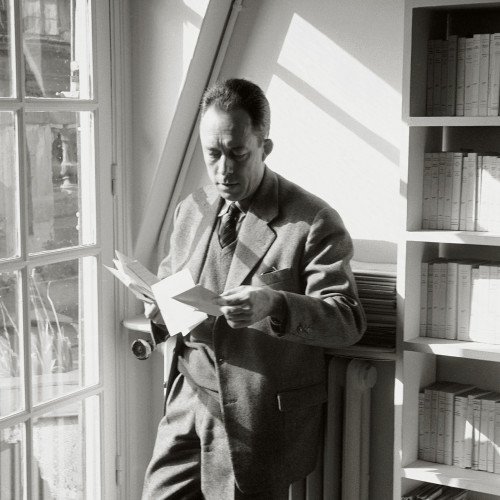
Born in Constantine, Cohen-Tannoudji won the 1997 Nobel Prize in Physics for his research on atom trapping and laser cooling.
Algeria's strong intellectual and cultural heritage is highlighted by both laureates.
-
From heatwaves to snowflakes in the Sahara
Even though the Algerian Sahara Desert is one of the world's hottest deserts, snowfall can occasionally surprise visitors.
In the last forty years, snow has only fallen a few times.
©BBC
This uncommon phenomenon occurred in the town of Ain Sefra in northwest Algeria in 2022. Significant snowfall also fell on the peaks of Béchar Province, which is located at the edge of the Sahara, in 2023.
Although desert temperatures can reach above 50°C, mountain temperatures can drop as low as -14°C, which can shatter frost and cause rocks to deteriorate.
Practical information and final thoughts
This is just a sneak peak of what this African country has to offer.
Algeria is a country of contrasts. Ancient history meets modern innovation, and rugged landscapes give way to bustling cities.
Whether you’re interested in exploring Roman ruins, experiencing the vastness of the Sahara, or exploring Algeria’s rich culture, this North African gem has something for everyone.
With its nature, history, and vibrant culture, it is a must-visit destination for travelers seeking discovery and adventure.
You can check our latest post on the top landmarks to visit or explore our Algeria itinerary guide for key travel insights.
Thinking about making Algeria your next travel destination? Reach out to us and we'll be happy to help plan your personnalized itinerary!


