Deciding what to pack for a journey to the Kingdom of Saudi Arabia frequently induces a sense of hesitation as travelers try to navigate local cultural expectations while preparing for an incredibly warm environment.
That is why our team at WildyNess created this guide to help you select a versatile, elegant wardrobe that ensures complete comfort while fully honoring local traditions.
General Rules Regarding Clothes in The Kingdom
Public Decency Laws and Wardrobe Baselines
Public dress codes across the country are governed by formal public decency laws that apply to both international visitors and local residents.
For female travelers, the historical legal requirement to wear a traditional black abaya or a headscarf in everyday public spaces was officially lifted.
However, the current enforceable legal standard mandates that all clothing worn in public spaces must cover the shoulders and extend well past the knees.
For male travelers, the baseline expectation is highly similar, strictly prohibiting the use of sleeveless tank tops, mesh shirts, or short athletic shorts in public thoroughfares, commercial malls, and government municipal buildings.

Silhouettes and Garment Fits for Urban Exploration
When assembling your daily outfits for cities like Riyadh or Jeddah, prioritizing loose-fitting silhouettes is the most effective strategy for managing both local etiquette and the climate.
Garments that drape loosely over the body allow for optimal air circulation, which prevents body heat from becoming trapped against your skin.
Excellent core options for women include flowing maxi skirts, wide-leg utility trousers, and long-line tunics with long sleeves.
For men, chinos, lightweight linen trousers, and loose button-down shirts provide a highly polished appearance that transitions smoothly into any business or leisure setting.

Navigating Traditional Neighborhoods and Heritage Sites
While modern commercial districts in the major metropolitan areas feature a highly relaxed approach to contemporary international style, exploring historical locations requires a more conservative approach.
When walking through older traditional markets, ancestral mudbrick villages, or rural agricultural provinces, choosing maximum coverage helps you integrate smoothly into the local environment.
Women will find it highly beneficial to wear a lightweight, open abaya or a long kimono over their western clothing in these zones, as it demonstrates cultural awareness and encourages warm, authentic interactions with local merchants.

Selecting High-Performance Fabrics for the Gulf Climate
The atmospheric conditions across the Arabian Peninsula are defined by intense solar radiation and high daytime temperatures that require a thoughtful approach to textile selection.
Packing the wrong materials can lead to severe discomfort, meaning your luggage choices should focus heavily on raw fiber composition.
The Primacy of Flax Linen and Cambric Cotton
Natural fibers represent your absolute best defense against the intense heat of the desert sun. Pure flax linen and fine cambric cotton are exceptionally breathable, allowing sweat to evaporate rapidly while continuously shielding your skin from direct UV exposure.
When sourcing items for your trip, look for garments made from 100 percent natural fibers, as synthetic blends like polyester, nylon, and acrylic trap moisture and insulate heat.
Opt for light color palettes such as sand, stone, bone, and soft khaki, which actively reflect solar rays instead of absorbing them.

Practical Daytime Styling Combinations
For a standard day of urban sightseeing or archaeological exploration, a simple clothing formula will keep you cool and compliant throughout the afternoon.
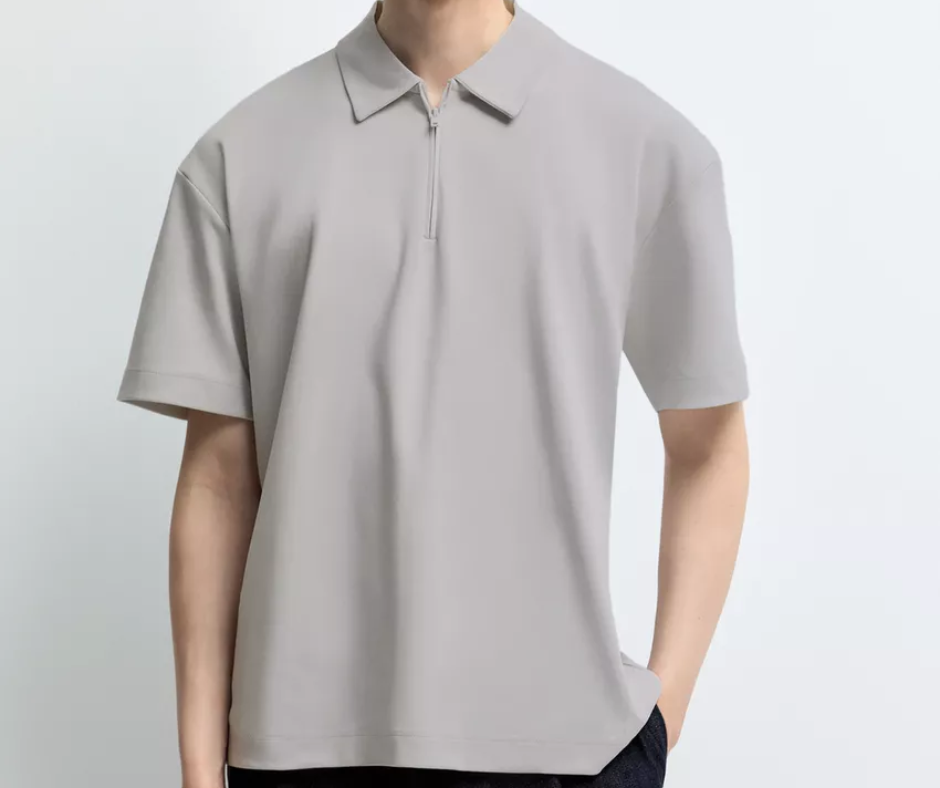
Men can comfortably pair a premium cotton polo shirt with lightweight, straight-leg cotton trousers.
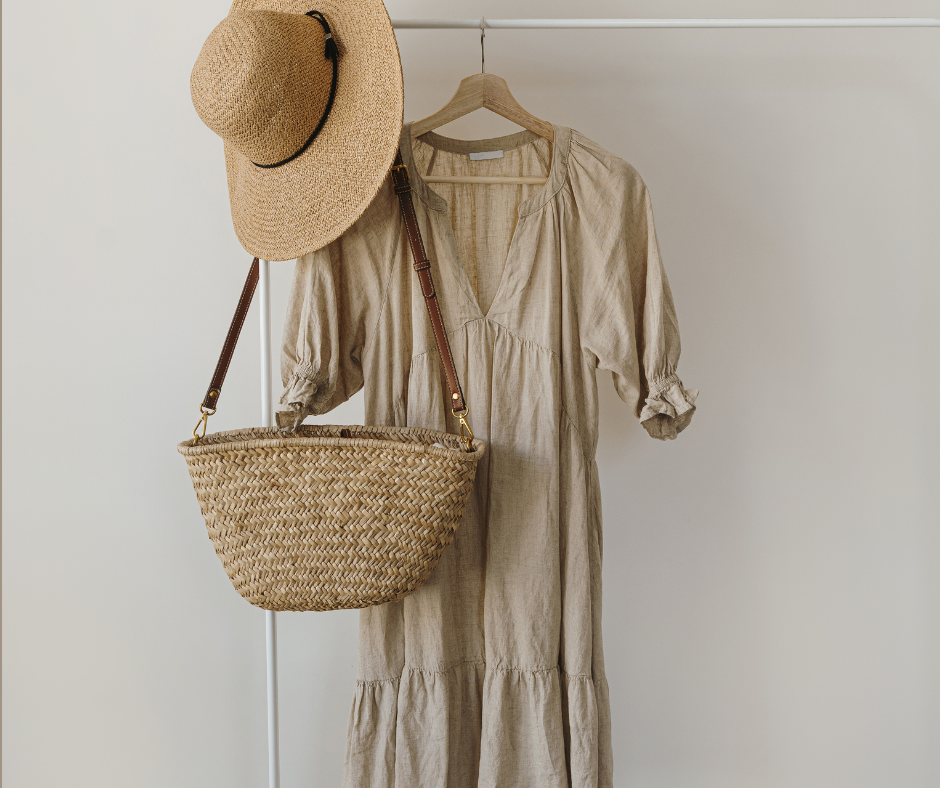
Women can opt for a breathable cotton midi dress featuring a conservative neckline and mid-length sleeves, or combine a loose linen shirt with an airy tiered skirt.
Incorporating these structured yet breathable combinations allows you to remain highly active without experiencing thermal exhaustion during long walking tours.
Strategic Layering for Intensive Air Conditioning
The physical challenge of exploring the country is not limited to managing the outdoor climate, as indoor environments present a completely opposite atmospheric reality.
Shopping centers, luxury hotels, restaurants, and transport vehicles utilize industrial climate control systems that keep interior spaces exceptionally cold.
The Essential Companion Cardigan and Pashmina
You should always maintain a dedicated light layer within your daytime shoulder bag or backpack rather than leaving it behind at your accommodation.
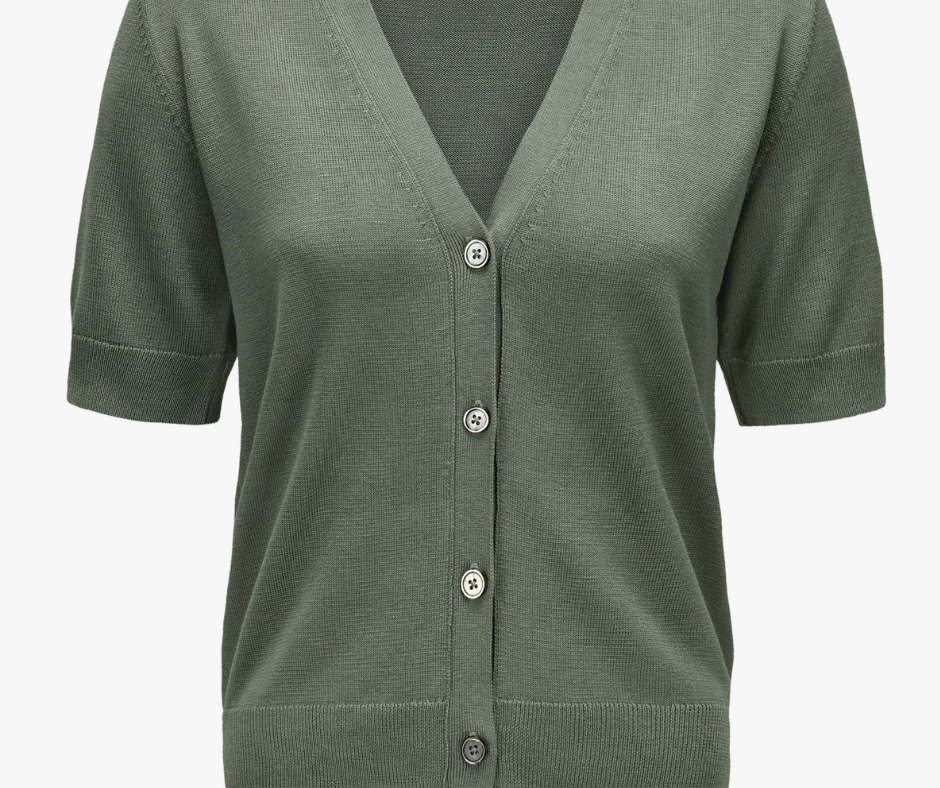
A fine-knit cotton cardigan, a structured linen overshirt, or a premium pashmina shawl can be draped over your shoulders in seconds when stepping into a heavily air-conditioned building.
This simple habit prevents the immediate physical shock of moving from forty degrees of outdoor heat into a simulated winter setting, ensuring you remain completely comfortable during extended indoor activities.
Base Layer Construction for Thermal Whiplash
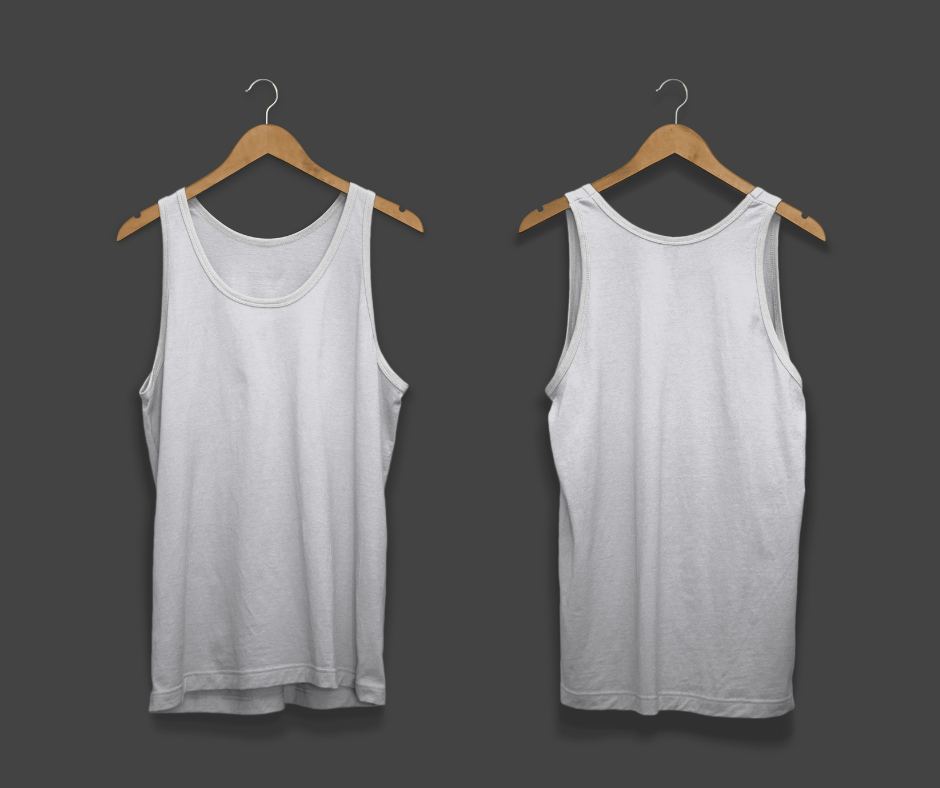
To make your layering strategy highly efficient, build your look on top of a thin, moisture-wicking base layer. A premium lightweight jersey tee or a breathable cotton tank top functions perfectly when standing in direct sunlight outside.
Once you transition indoors, your secondary layer provides immediate defense against cold air drafts, allowing you to remain comfortable inside restaurants or cafes without the need to carry heavy, bulky winter outerwear.
Wardrobe Requirements for Sacred Spaces and Mosques
Entering active places of worship requires strict adherence to traditional religious clothing protocols to preserve the sanctity of the environment. Security personnel at mosque entrances systematically audit all visitors to ensure compliance before granting access to prayer halls.
Comprehensive Female Coverage Requirements
When preparing to visit landmark religious structures such as the grand mosques, female travelers must ensure their clothing provides total coverage from the wrists down to the ankles.
Clothes must be entirely opaque and loose-fitting, as form-fitting trousers or sheer materials are strictly prohibited inside sacred parameters.
Additionally, women must utilize a traditional headscarf to cover their hair completely before approaching the security gates. It is highly practical to pack a dedicated dark abaya and a matching shayla scarf specifically for these excursions to guarantee an entry process that is entirely free of delay.

Male Modesty Standards in Places of Worship
Male visitors must also elevate their baseline attire when planning to enter a mosque or a religious landmark.
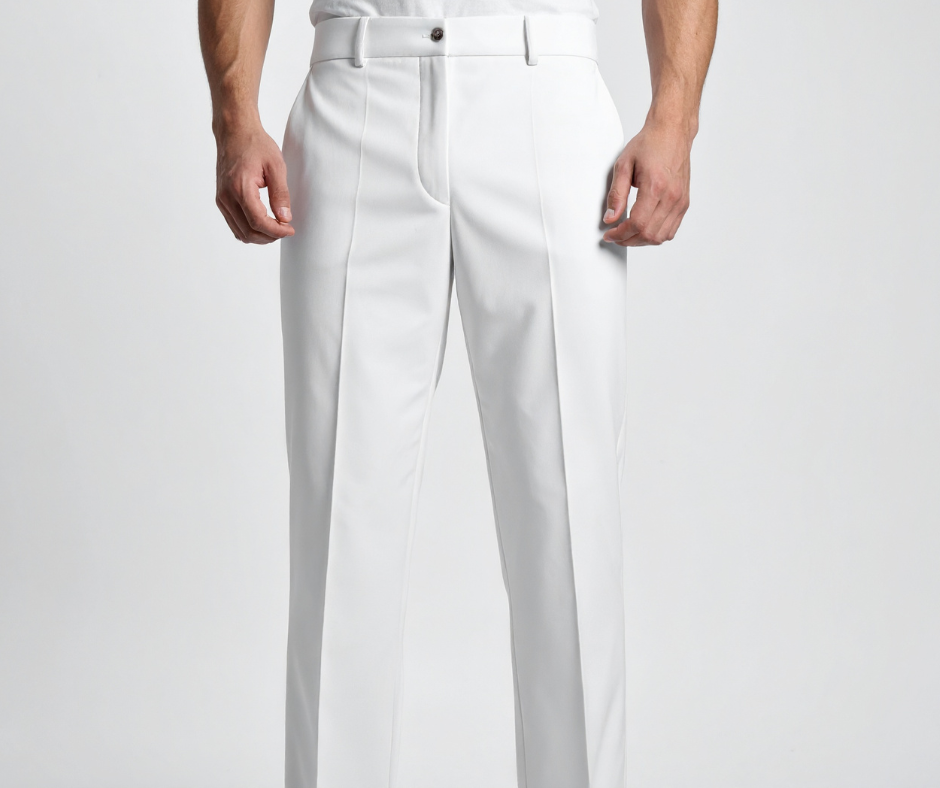
Shorts of any length are entirely unacceptable, meaning men must wear full-length trousers or formal chinos that completely cover the ankles.
Shirts must feature sleeves that cover the upper arms, making sleeveless undershirts completely non-compliant.
For an incredibly respectful approach, men can choose to wear a high-quality local thobe, which is a crisp, ankle-length white shirt dress that is perfectly suited for the regional climate and local spiritual settings.
Resort Apparel and Private Beach Etiquette
The hospitality sector across the Red Sea coast and luxury urban centers features private microclimates where Western holiday apparel is integrated into daily operations.
However, specific boundaries govern where these relaxed rules apply.
Poolside Relaxations and Swimwear Guidelines
Within the confined parameters of international hotel pools, private beach clubs, and luxury coastal resorts, standard international swimwear is entirely acceptable.
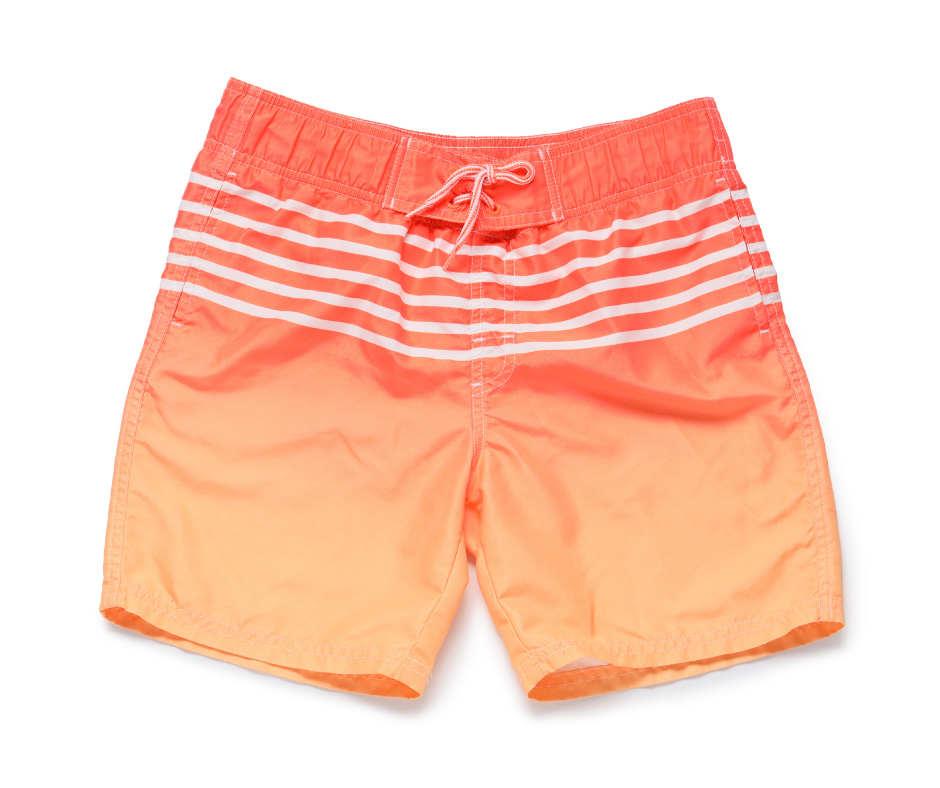
Men may utilize standard swim trunks, and women are permitted to wear conventional one-piece or two-piece swimsuits.
However, conservative cuts remain preferred, and revealing strings or exceptionally brief cuts should be avoided to align with general cultural sensitivities.
Transitional Spaces and Hotel Lobby Coverage
The tolerance for standard resort swimwear ends immediately at the edge of the pool deck or the sand line.
When walking through a shared resort corridor, entering a hotel lobby, sitting at an outdoor lunch terrace, or visiting a property spa, full modest attire must be reinstated immediately.
Women should utilize a high-quality tailored kaftan or a structured linen dress over their swimwear, while men must put on a shirt and tailored shorts before stepping into any indoor commercial zone.
Footwear Selection and Specialized Adventure Gear
An expedition through the country requires a diverse selection of shoes, as your itinerary will likely stretch from polished marble museum floors to jagged mountain ridges and shifting sand dunes.
Urban Footwear and Mosque Accessibility
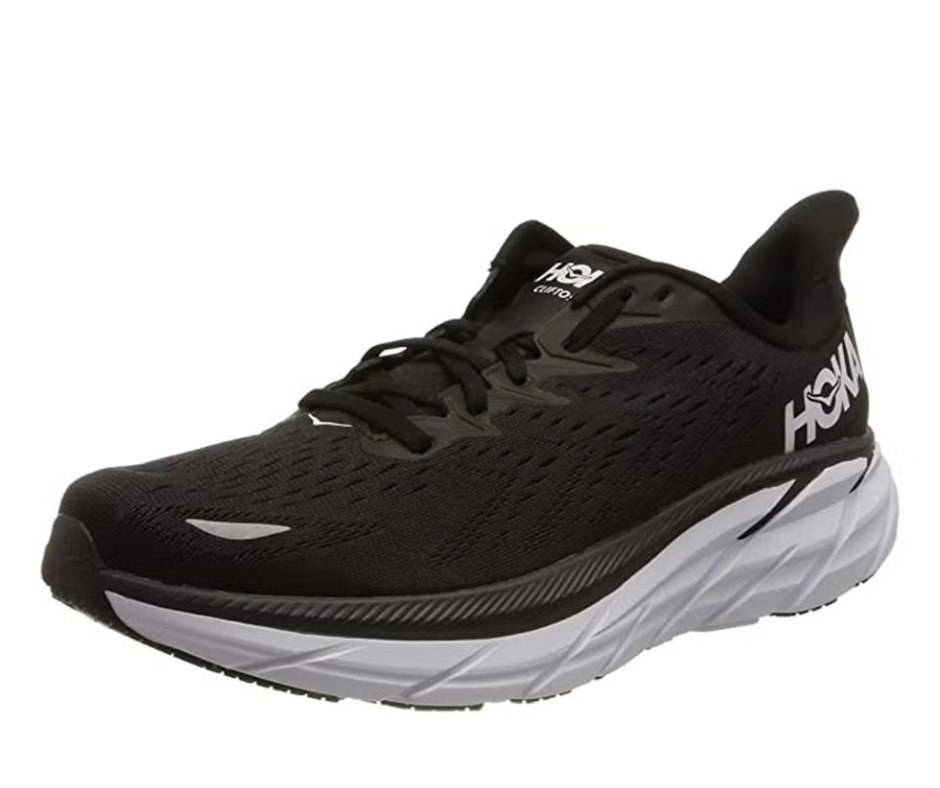
For daily urban sightseeing, select supportive walking shoes or smart trainers with breathable mesh elements. Many upscale restaurants and urban establishments welcome clean, premium sneakers, but distressed athletic wear may restrict entry during evening hours.
Because you will be required to remove your shoes frequently before stepping onto the hand-woven carpets of historical mosques and traditional majlis seating areas, choosing slip-on loafers or easily unlaced shoes will save considerable time.
Sturdy Protection for Desert Safaris and Hikes
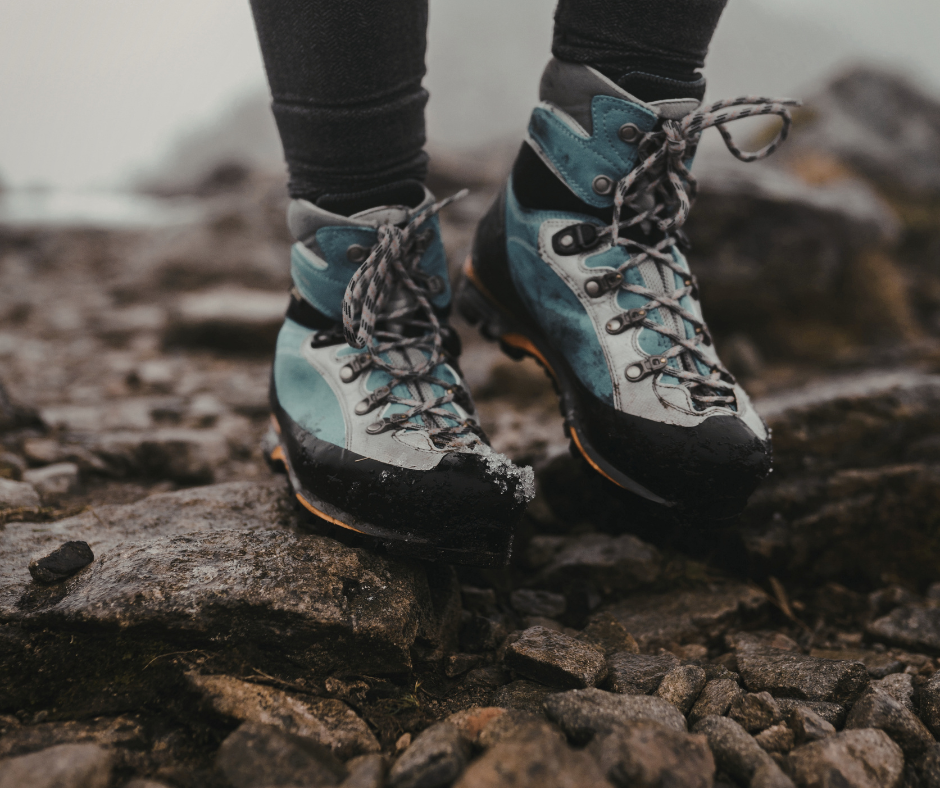
When heading into the wilderness zones of AlUla or the empty expanses of the desert, your footwear must prioritize physical foot protection.
Closed-toe hiking boots or robust trainers with a deep lug profile are mandatory for keeping coarse, hot sand and sharp volcanic rock fragments from entering your shoes.
Pairing your boots with dense cotton socks prevents painful blisters caused by sand friction, ensuring you can navigate steep dunes and rocky trails with complete physical stability.
Managing Severe Temperature Variations in the Desert
Many first-time travelers to the Arabian Peninsula operate under the assumption that the desert remains intensely hot throughout the night, which can lead to a severe packing mistake.
The Mechanics of Post-Sunset Desert Cooling
The dry, uninsulated air of open desert environments possesses an incredibly low capacity for retaining thermal energy once the sun disappears below the horizon.
During the prime winter travel season, which stretches from November through February, daytime temperatures hovering around a pleasant twenty-five degrees Celsius can plummet down to single digits after darkness falls.
A sudden evening wind can make an outdoor desert camp setup feel bitter cold, requiring immediate access to warm clothing layers.
Layering for Stargazing and Overnight Glamping
If you have booked an evening dune dinner, a stargazing excursion, or an overnight glamping experience in the wilderness, packing heavy outerwear is essential.
A windproof fleece jacket, a heavy denim coat, or a premium down jacket will allow you to comfortably sit around the campfire and enjoy the evening entertainment without shivering.
Additionally, bringing along mid-weight thermal undergarments to wear inside your luxury tent ensures a completely restful night of sleep, allowing you to wake up fully energized for early morning sunrise treks across the dunes.