
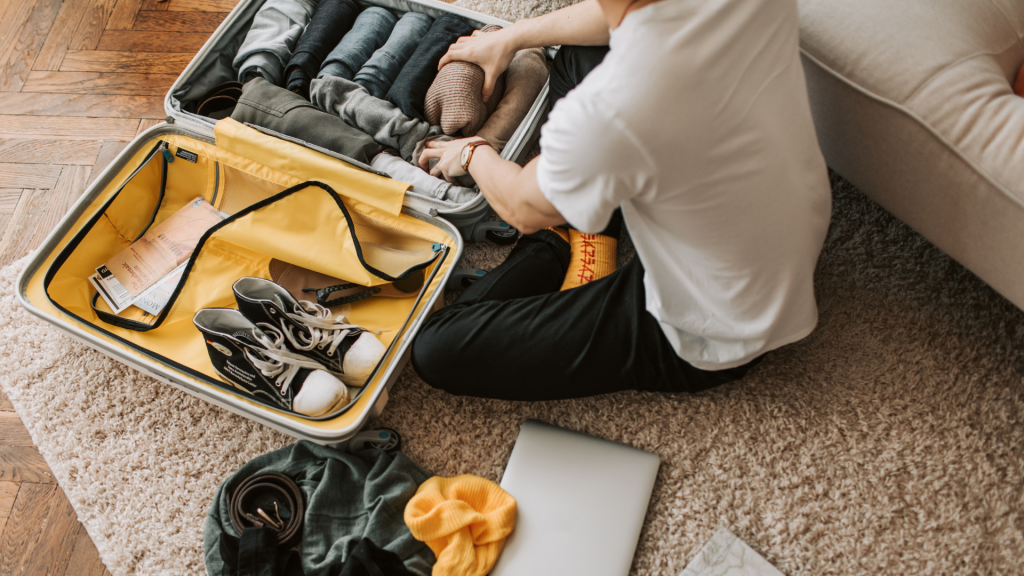

Dress modestly and in layers. Loose clothes that cover your shoulders and knees work everywhere in Algeria, from Algiers to the Sahara, and you'll need a warm jacket more often than you'd think, because desert nights and northern winters get cold. Foreign women don't have to cover their hair except in mosques, so one big scarf does most of the work.
Below, the advice is split by gender, season and region, with a checklist at the end. For the Sahara, our Algeria travel guide adds a few desert extras, like light colors that reflect the sun and a wide-brimmed hat.
Algeria dress code basics
| Situation | What to wear |
|---|---|
| Out in public, men and women | Shoulders, upper arms and knees covered |
| Your hair | Foreign women can leave it uncovered, except inside mosques and at religious sites |
| Strictness by place | Algiers and Oran are the most relaxed; the M'Zab Valley around Ghardaïa is the strictest |
| The beach | Swimwear is fine at hotel pools; on public beaches a one-piece or a cover-up is the low-key choice |
| Sahara, October to April | Loose long sleeves and a hat by day; thermals, a down jacket and a beanie at night |
| If you pack one thing | A large, lightweight scarf |
Table of Contents
How Algeria’s Dress Code Works
What you wear shapes how people read you here, because Algeria is a conservative, mostly Muslim country. Nobody expects visitors to dress like locals, but covered shoulders and knees show you've made an effort, and you'll get fewer stares in markets and small towns. For a little background on the country before you go, our fun facts about Algeria make a quick read.
Is there a legal dress code in Algeria?
No law tells foreign visitors what to wear. The dress code is social: ignore it and you risk stares and a cooler welcome, not a fine.
Two situations call for more care. One is Ramadan, expected to start around 8 February 2027: the UK Foreign Office notes that clothes outside local norms cause more offense during the fast, so add a layer. The other is mosques, where everyone covers shoulders and legs, women cover their hair, and shoes come off at the door, so pack socks you are happy to show.
Photos at religious sites and of people
People and mosques: Ask before you photograph anyone, especially women. In mosques, take photos only if the caretaker or your guide says it is fine, and never during prayers.
The M'Zab Valley: Photos of people, especially women, are not allowed, and some parts of the towns are off-limits to cameras altogether.
Security sites: Don't photograph police, military or gendarmerie posts, checkpoints, ports, airports or government buildings.
The Basic Rule: Shoulders and Knees Covered
For men and women alike, keep your shoulders, upper arms and knees covered in public. How strictly this applies depends on where you are: Algiers and Oran are the most relaxed, smaller towns and the south are more conservative, and the M'Zab Valley around Ghardaïa is the strictest of all.
-
Cities and towns: This is where it matters most. In markets, at historical sites and in ordinary local restaurants, modest dress is the norm.
-
The desert: On a guided trek in the Sahara nobody checks your sleeves, but you're traveling with local guides and cooks, often Tuareg, and in towns like Djanet the usual rules apply. Long, loose clothes are also the best sun protection out there, so covering up costs you nothing.
-
Hotels and beaches: Inside large international hotels you can dress much as you would at home, including swimwear at the pool. Family-run guesthouses are someone's home, so dress as you would in town. On public beaches Algerian women wear everything from burkinis to swimsuits; a one-piece plus something to throw on when you leave the sand is the low-key choice.
Practical Advice for Female Travelers
For women, modest means no shorts, no skirts above the knee, no sleeveless or low-cut tops, and nothing tight. You'll see young Algerian women in fitted jeans in central Algiers, so the line is softer in the big cities, but outside them this list holds.
-
What works: Loose linen or cotton trousers, maxi skirts and dresses, and tunics or shirts that cover your shoulders and upper arms.
-
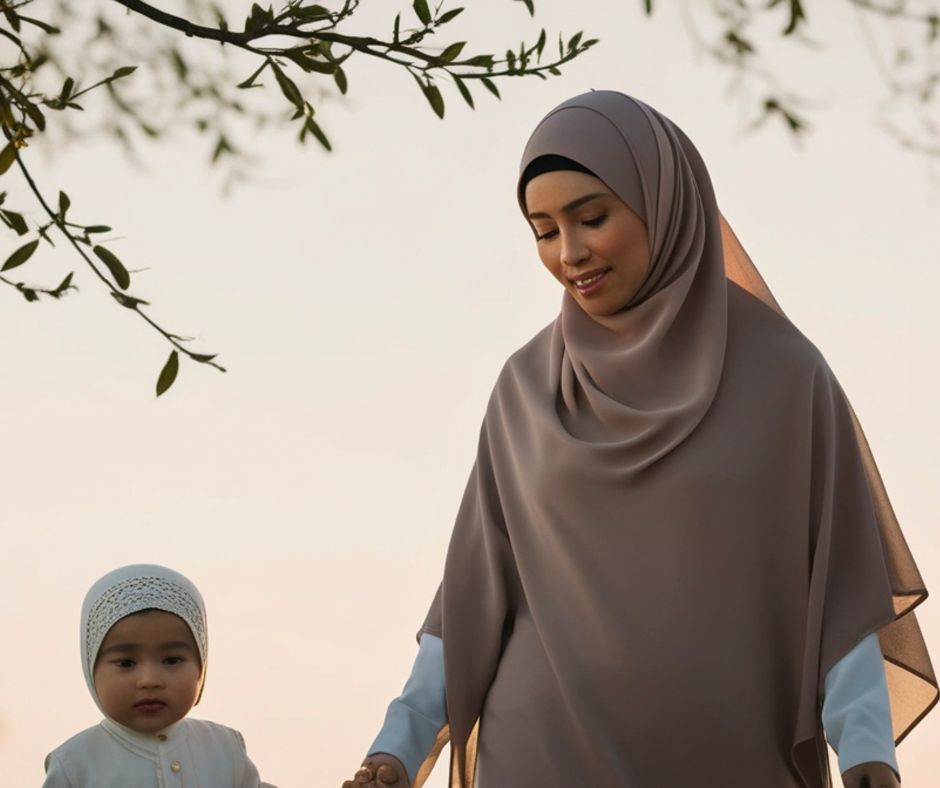
The headscarf: Foreign women do not need to wear a hijab. Plenty of Algerian women don't cover their hair either, especially in Algiers and Oran. You do need a scarf for your hair when you visit a mosque or another religious site, along with long sleeves and a long skirt or trousers.
Practical Advice for Male Travelers
The same rules apply to men, with a little more slack.
-
Tops: T-shirts are fine in most places. A polo or a button-down shirt (short or long sleeves) looks smarter, which helps in restaurants and if you're invited to someone's home.
-
Long trousers are the norm: Most Algerian men wear long trousers in town, even in July. Pack lightweight trousers, chinos or linen pants for city days.
-
Shorts: Bring a pair for hiking, the beach or the hotel. In town, and especially in old quarters, at mosques and in the south, shorts mark you out as a tourist and can come across as disrespectful.
Packing Essentials for Female Travelers
Go for loose, light pieces you can layer. Cotton, linen and rayon breathe best in the heat; polyester gets sticky fast.
Tops and Layers (The 3 Layer Rule)
Think in three layers. For most of the year mornings and evenings are much cooler than midday, especially inland and in the desert.
-
Base Layer: A simple cotton t-shirt or a light long sleeve shirt. Pack several in neutral colors.
-
Mid Layer: A button down linen shirt, a loose tunic, or a light cardigan. This adds modesty and a bit of warmth.
-
Outer Layer: A light jacket, a denim jacket, or a windbreaker for cool evenings, especially in the desert or mountains.
Bottoms (Skirts, Trousers, and What to Avoid)
-
Pack: Maxi skirts, long loose dresses, and loose linen, cotton or wide-leg trousers. They're cooler than jeans and fine everywhere, from Algiers to Ghardaïa.
-
Avoid: Skinny jeans (hot and tight), leggings on their own (fine under a long tunic or dress), shorts and mini skirts.
The Scarf (And Other Accessories)
If you pack one accessory, make it a large, lightweight scarf or pashmina. Nothing else in your bag does as many jobs. Use it to:
-
Cover your hair when entering a mosque.
-
Drape over your shoulders for extra modesty if you’re wearing a t-shirt.
-
Protect your neck and face from the sun.
-
Wrap around your face during a windy day in the desert to protect from sand.
-
Add a bit of style to a simple outfit.
Also pack a bag that zips fully, such as a crossbody, for crowded souks and buses. Pickpockets work the crowds here as in any big city, so keep large sums of cash out of sight, which is also the UK Foreign Office (FCDO) advice. Travelers on our trips often say Algeria felt much friendlier than they had expected, and our guide to safety in Algeria covers the rest.
Footwear for All Terrains
Expect a lot of walking on uneven ground: stepped, cobbled lanes in the Casbah of Algiers, loose stone at the Roman sites, and sand and rock in the desert.
-
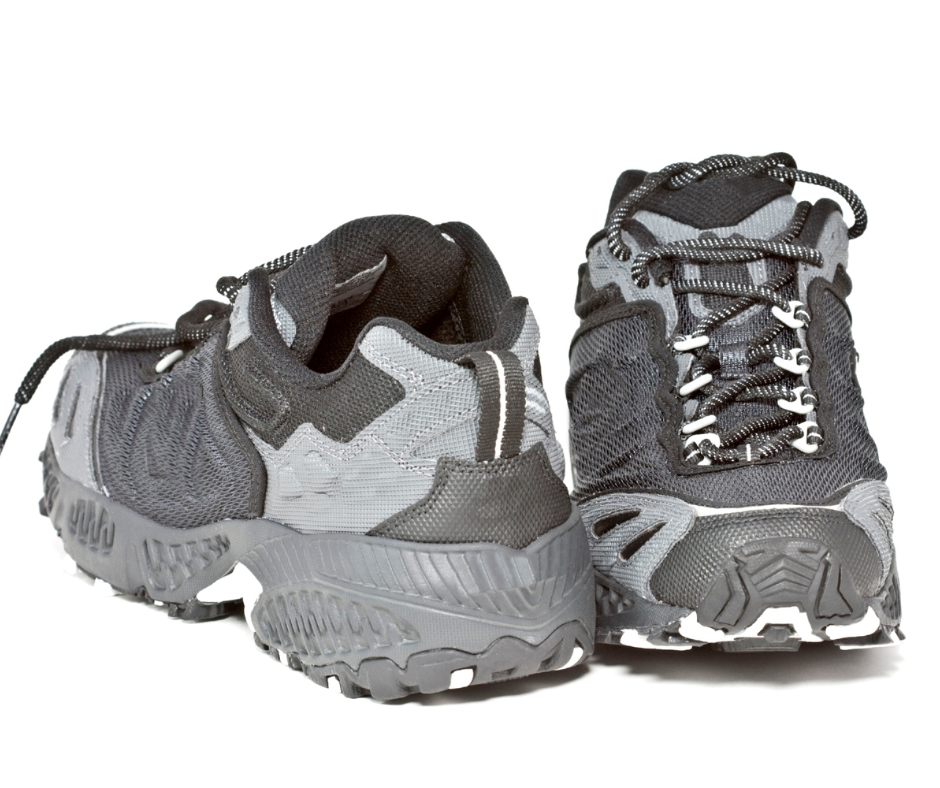
Sturdy walking shoes: Comfortable trainers or walking shoes, broken in before you fly.
-
Good sandals: A sturdy pair with proper straps and support (Birkenstock-style or sport sandals) for warm days. Leave flip-flops at home: they're useless on ruins and give your feet no protection.
-
Nicer Flats: Include one pair of nicer flats or sandals for evenings out in Algiers or Oran.
What Men Should Pack and Wear
For men it's simple: smart-casual in the cities, practical gear for the desert.
Shirts and Tops for Comfort
-
Linen shirts: A long-sleeved linen shirt is the most useful thing a man can wear in the desert. It keeps the sun off, lets air through and still looks smart in town. Pack two or three.
-
Polo Shirts: A step up from a t-shirt, polos are comfortable and blend in well in urban settings.
-
T-Shirts: Good for layering or as a base, but avoid shirts with loud graphics or slogans.
Trousers and Shorts (The When and Where)

-
Lightweight trousers: Pack at least two pairs of lightweight chinos, linen pants or travel pants. You'll wear them most days.
-
Jeans: One pair of jeans is fine for cooler evenings in the north, but they are often too hot and heavy for daytime or desert wear.
-
Shorts: One pair for hiking, the beach or the hotel. Don't plan to wear them around cities or towns.
Outerwear and Sun Protection
-
Light jacket: A windbreaker or light fleece. Desert nights and the mountains get cold, and even on the coast the evenings can be breezy and cool.
-
Wide-brimmed hat: Don't skip it. A baseball cap is better than nothing, but a full brim also shades your neck and ears.
-
Sunglasses: The sun, especially in the Sahara, is intense. Bring a quality pair of UV blocking sunglasses.
Shoes for Cities and Expeditions
-
Walking Shoes: A comfortable pair of trainers or walking shoes for city days and visiting ruins.
-
Desert Boots: If you are planning serious trekking in the Sahara, a pair of light hiking or desert boots is a good idea to protect from sand and rocky ground.
-
Sandals: Useful for casual wear at your hotel or on the coast.
Dressing for Algeria's Varied Climates
With more than four-fifths of Africa's largest country taken up by the Sahara, where you are matters as much as when. Pack for the regions and months of your trip, not for "North Africa".
Algeria temperatures by month: what to pack
Average daytime highs and night lows, rounded, for the coast (Algiers), the inland north (Constantine) and the Sahara (Djanet). Figures are NOAA averages for 1991 to 2020.
| Month | Algiers (day / night) | Constantine (day / night) | Djanet (day / night) | What to pack |
|---|---|---|---|---|
| January | 17 / 6°C | 12 / 2°C | 20 / 4°C | Rain jacket in the north; thermals, down jacket and beanie for desert nights |
| February | 18 / 6°C | 13 / 3°C | 23 / 6°C | Same as January; snow is still possible in the mountains |
| March | 20 / 8°C | 17 / 5°C | 27 / 12°C | Layers: T-shirts by day, a fleece for the evening |
| April | 22 / 9°C | 20 / 7°C | 33 / 17°C | Light layers; a sun hat in the south |
| May | 25 / 13°C | 25 / 11°C | 36 / 22°C | Cotton and linen; the desert is already hot |
| June | 29 / 16°C | 31 / 15°C | 39 / 24°C | Lightest fabrics, sun hat, high-SPF sunscreen |
| July | 32 / 19°C | 35 / 18°C | 38 / 24°C | Loose linen that covers your skin; low season in the Sahara |
| August | 33 / 20°C | 35 / 19°C | 38 / 24°C | As July; humid on the coast |
| September | 30 / 18°C | 29 / 16°C | 37 / 22°C | Summer clothes plus one light layer |
| October | 27 / 14°C | 24 / 12°C | 32 / 17°C | Desert season starts: light days, a fleece at night |
| November | 21 / 10°C | 18 / 7°C | 26 / 10°C | Rain jacket in the north; warm jacket for desert nights |
| December | 18 / 7°C | 13 / 4°C | 21 / 5°C | Full winter kit for the Sahara; warm layers for Constantine |
Summer (June to August): Coastal Humidity and Desert Heat
The hottest months, and the low season for Sahara trips.
-
The north (Algiers, Oran): Hot and humid. Algiers averages about 33°C (91°F) in the afternoon in August, and nights average about 20°C. Wear your lightest cotton and linen.
Also read: 15 Best Things to Do in Algiers and 12 Best Things to Do in Oran -
The Sahara (Djanet, Tamanrasset): At over 1,000 m, neither town gets the 45°C-plus afternoons of low desert towns such as In Salah; July averages about 36 to 38°C (97 to 100°F). It's still very hot, and the sun is fierce. Cover your skin: long sleeves and long pants in loose linen keep you cooler than bare skin and prevent sunburn. A sun hat is a must. Most Sahara trips run from about October to April, and those are the months we'd pick.
Also read: Djanet, Algeria: Things to Do and Tassili Treks
Winter (December to February): Cool Coasts and Cold Desert Nights
Algeria isn't hot all year. Winters can be properly cold.
-
The north: The coast is cool and damp. In January Algiers averages about 17°C (63°F) by day and 5 to 6°C (about 42°F) at night, with rain on and off. Bring a rain jacket, warm layers and closed-toe shoes. Inland it's colder: snow falls on the high plateaus around Setif (about 1,100 m) and in the Djurdjura and Aurès mountains.
-
The Sahara: Days are at their best: mild, dry and sunny. Once the sun sets the temperature drops fast. Djanet averages about 3 to 4°C (about 38°F) at night in January and has dropped below -7°C, and higher ground such as the Tassili plateau and Assekrem (about 2,726 m) in the Hoggar is colder still. You must pack thermal underwear, a warm fleece or down jacket, a beanie and gloves.
Spring and Autumn: Warm Days, Cool Nights
March to May and October to November are the most comfortable months in the north. For the Sahara, aim for October to April: in Djanet, May and September afternoons still average about 36 to 37°C (97 to 99°F).
Packing strategy: Layers again. Bring T-shirts, long-sleeved shirts, a light jacket and one warmer sweater for desert nights and cool evenings in the mountains.
Region by Region: Adapting Your Wardrobe
Where you are in Algeria decides what you wear each day.
Cities (Algiers, Oran, Constantine)
These are big cities, and people dress smart-casual. Think office worker on a weekend rather than backpacker.
-
What to wear: For men, clean trousers and a polo or button-down shirt. For women, a maxi dress, or linen pants with a long tunic. Constantine sits on a rock well above the coast and is noticeably colder than Algiers in winter, so pack an extra layer for it.
-
What not to wear: Full safari kit (zip-off cargo pants, hiking boots) looks out of place in town. Save it for the desert.
Sahara Desert Expeditions (Tassili n'Ajjer, Djanet)
Here, function beats fashion. Your clothes are your sun and sand protection.
-
Sun: Cover your skin. A light-colored long-sleeved shirt and a wide-brimmed hat are the desert uniform.
-
Sand: Get a chèche, the long cotton cloth Tuareg men wrap around the head and face (worn that way it's called a tagelmust). It keeps sun and blowing sand off your face. You can buy one in Djanet or Tamanrasset, and your guide can show you how to tie it.
-
Footwear: Closed toe shoes or hiking boots are best. Sand gets into everything, and sandals offer no protection from rocks or hot sand.
-
Night: Pack thermal layers, a warm hat and an insulated jacket. From November to February you'll wear them every night.
The M'Zab Valley (Ghardaïa): This is where to dress most conservatively, with shoulders and legs covered. In Beni Isguen you go round with a local guide you hire at the gate, and residents, women above all, are off-limits to cameras.
Coastal Sites and Roman Ruins (Tipasa, Timgad)
Roman sites have almost no shade, so go early in the day.
-
Sun and wind: A sun hat is essential at both. Tipasa's ruins run along the sea and are often breezy, so a light windbreaker helps. Timgad, 35 km east of Batna, sits at about 1,000 m: shadeless and hot in summer, cold in winter.
-
Footwear: You'll be walking on big, uneven Roman paving stones. Wear sturdy walking shoes or supportive sandals, not flip-flops.
Your Algeria Packing Checklist
Use this as a final check before you zip your bag. For everything that isn't clothing, like first aid, dust protection and electronics, see our full Algeria packing list.
-
Tops:
-
3-4 T-shirts or light base layers
-
2-3 Long sleeve shirts (linen or cotton)
-
1-2 Tunics or nicer blouses (women)
-
1-2 Polo or button down shirts (men)
-
-
Bottoms:
-
2-3 Pairs of loose linen or cotton trousers
-
1 Pair of chinos or smart casual pants
-
1-2 Maxi skirts or dresses (women)
-
1 Pair of jeans (optional, for winter/north)
-
-
Outerwear & Layers:
-
1 Light cardigan or mid layer
-
1 Fleece or light insulated jacket
-
1 Windbreaker or rain jacket (especially for winter/coast)
-
1 Set of thermal underwear (for desert/winter)
-
-
Accessories:
-
1 Large, lightweight scarf (essential)
-
1 Wide brimmed sun hat
-
1 Pair of UV protection sunglasses
-
1 Warm beanie and gloves (for desert/winter)
-
-
Footwear:
-
1 Pair of comfortable walking shoes/trainers
-
1 Pair of sturdy sandals
-
1 Pair of nicer flats or shoes (for evenings)
-
-
Essentials:
-
Sunscreen (high SPF)
-
Lip balm with SPF
-
Secure day bag (crossbody or backpack)
-
Beyond clothes: small things worth packing
Refillable water bottle: You will drink a lot in the south.
Tissues and wet wipes: Roadside and rural toilets often have no paper.
Head torch: For nights at desert camps.
Cash pouch: Outside large hotels and a few upscale shops, Algeria runs on cash, and the south almost entirely so.
Common questions
Will I get looks in shorts? In town, yes. Men can wear them on the beach, at the hotel and on hikes, but local men stay in long trousers even in July, so in markets, old quarters and the south shorts mark you out and can look disrespectful. Women should keep them for the hotel and the beach. Loose linen trousers are cooler anyway.
Do I have to cover my hair? Only inside mosques and at other religious sites, so keep a large scarf in your day bag; plenty of Algerian women in Algiers and Oran go without one.
Is a bikini OK on the beach? At hotel pools and resort beaches, yes. On public beaches you will see Algerian women in everything from burkinis to swimsuits, so a bikini is not against any rule, but on busy family beaches a one-piece draws less attention. Whatever you wear, put a cover-up or dress on as soon as you leave the sand.
What do I wear to visit a mosque? Long sleeves and long trousers or a long skirt, for men and women alike, plus a scarf over the hair for women. Shoes come off at the entrance, so clean socks help. Go outside prayer times, especially Friday midday, and ask before taking photos; your guide will know which mosques welcome non-Muslim visitors.
How cold does the Sahara get at night in winter? Cold enough for real winter kit: Djanet's January lows average 3 to 4°C and have dropped below -7°C, even though days average about 20°C. Pack thermal underwear, a fleece or down jacket, a beanie and gloves, wear light long sleeves and a hat by day, and get a chèche for sun and sand.
Will my charger plug in? With an adapter if you come from the UK or the US. Algeria uses type C and F sockets with two round pins, at 230 V and 50 Hz, like most of continental Europe. Phone and laptop chargers are usually dual-voltage, but a device that only runs on 110 V also needs a converter.
Planning Your Algeria Trip
WildyNess works with local guides and hosts across Algeria, from the Algiers Casbah to the Tassili n'Ajjer, and we can put together a custom itinerary with guides, drivers and places to stay, including homestays with host families, arranged for you.
If you'd rather not juggle the logistics yourself, we can handle them.
Share with us your ideal trip, budget, and preferences. After a short call about what you want, we'll send you a personalized travel plan, free of charge.
Share Your Trip Idea With WildyNess
Curious what other travelers have to say? WildyNess reviews on Google


