


Packing for a journey across the largest country in Africa can feel like preparing for three different trips at once.
That is why our team at Wildyness created this guide to ensure you have every essential for the Mediterranean coast, the rugged Atlas Mountains, and the deep Sahara.
Strategic Clothing for Cultural Respect and Climate Shifts
When you decide what to pack for Algeria, you must balance the conservative nature of the local culture with the intense physical demands of the environment. Most of the country follows Islamic traditions where modest dress is the standard for both men and women. In urban centers like Algiers or Oran, you will see a mix of modern and traditional styles, but keeping your shoulders and knees covered remains the most respectful approach.
Mastering the Art of Modest Urban Wear
For city exploration, choose loose and breathable fabrics that provide full coverage without causing you to overheat. Men should opt for lightweight chinos or linen trousers rather than shorts, as shorts are rarely worn by local adults and can make you stand out as a tourist. A simple polo shirt or a button down linen shirt is perfect for navigating the busy streets of the Casbah or dining in local restaurants.
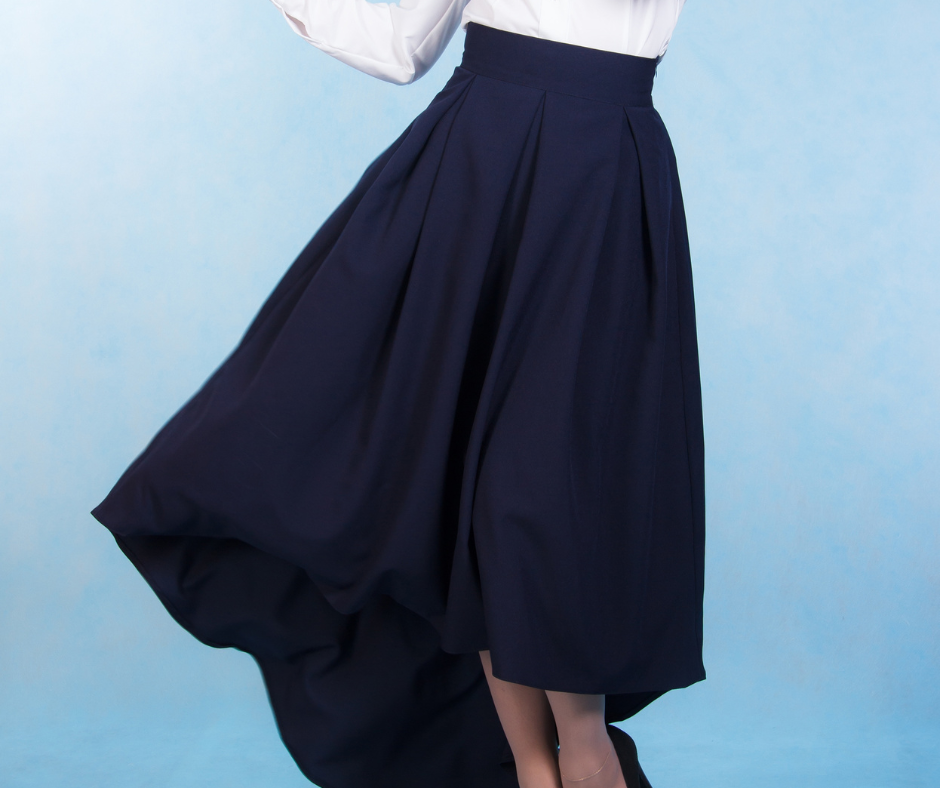
Women will find that long, flowing skirts or wide-leg trousers are the most comfortable and culturally appropriate choices. Pair these with tunics or shirts that reach mid-thigh to ensure a modest silhouette. While a headscarf is not mandatory for daily life in Algeria, carrying a light pashmina or scarf in your day bag is essential for visiting mosques or entering more traditional neighborhoods.
Adapting to the Sahara Heat and Cold
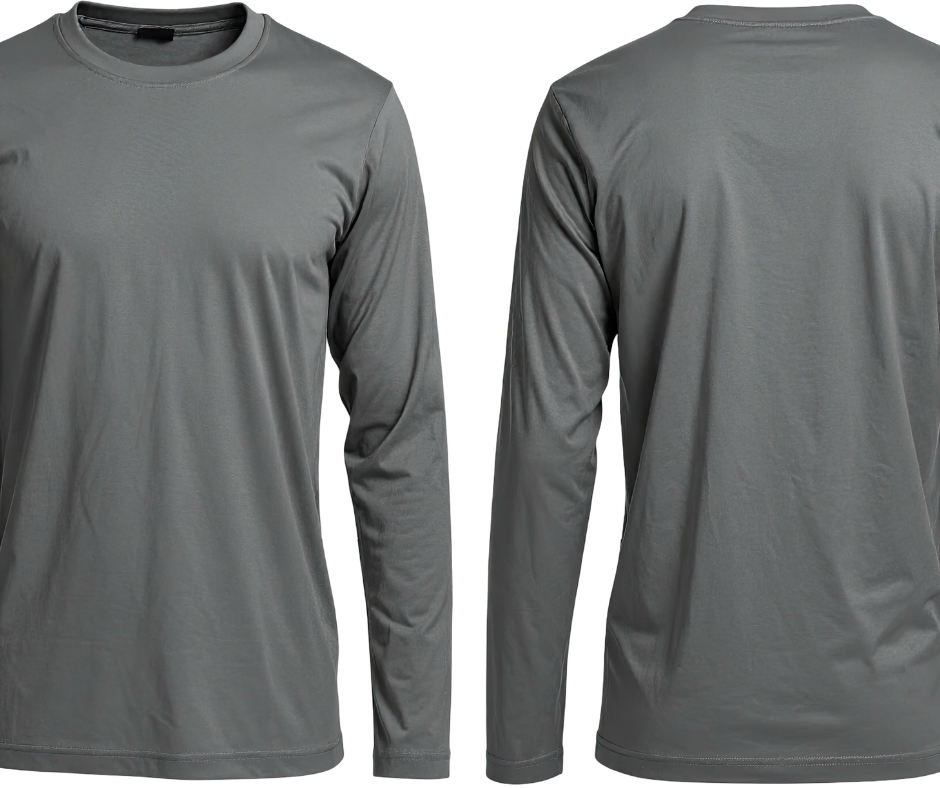
The Sahara Desert presents a unique challenge because the temperature can swing by more than twenty degrees Celsius between midday and midnight. During the day, you need protection from the relentless sun. Long-sleeved shirts made of cotton or linen act as a personal shield against UV rays and help prevent dehydration by keeping the skin cool. Light colors such as beige, khaki, and off-white are superior to dark colors as they reflect the sun rather than absorbing its heat.
As soon as the sun sets, the desert air loses its heat rapidly. You must pack a high-quality mid-layer such as a fleece or a light down jacket even if the daytime temperature was sweltering. Thermal base layers are highly recommended if you are camping in the desert during the winter months from December to February. This layering system allows you to adapt to the environment throughout the day without needing to carry an excessive amount of heavy luggage.
Footwear Solutions for Diverse Terrains
The ground beneath your feet in Algeria changes constantly from the polished stones of ancient Roman ruins to the soft and shifting sands of the Great Eastern Erg. Bringing the wrong shoes can lead to blisters or joint pain that might sideline your adventure. You need a two-shoe system that covers both technical hiking and relaxed evening recovery.
Navigating Ancient Ruins and Coastal Cities
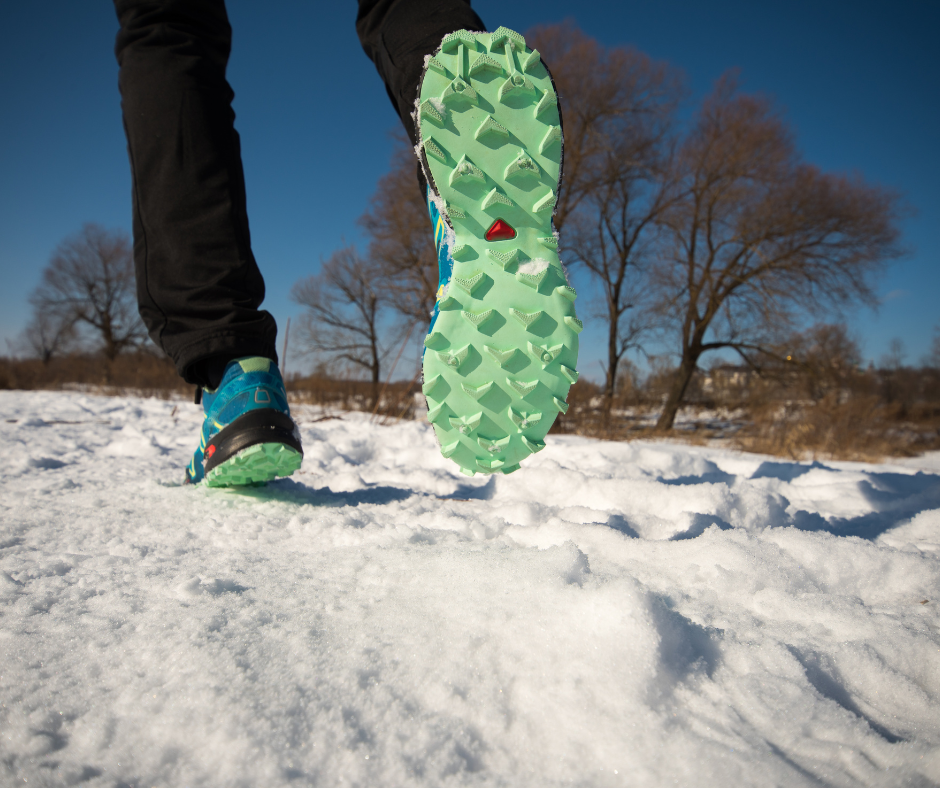
Algeria is home to some of the most well-preserved Roman sites in the world, including Timgad and Djemila. These sites feature uneven stone paths, loose gravel, and steep climbs. A sturdy pair of walking shoes or trail runners with a high-traction outsole is the best choice for these locations. Look for shoes that offer good arch support and a reinforced toe cap to protect against sharp rocks.
In the cities, you will likely walk several miles a day on concrete and tile. The same trail runners can serve as your primary city shoe, provided they are clean and in good condition. If you prefer a more "city-appropriate" look, a pair of leather sneakers or comfortable loafers can work well for evening walks or museum visits. Avoid flimsy flip-flops for long walks as they offer no support on the often-uneven Algerian sidewalks.
Conquering the Saharan Dunes and Canyons
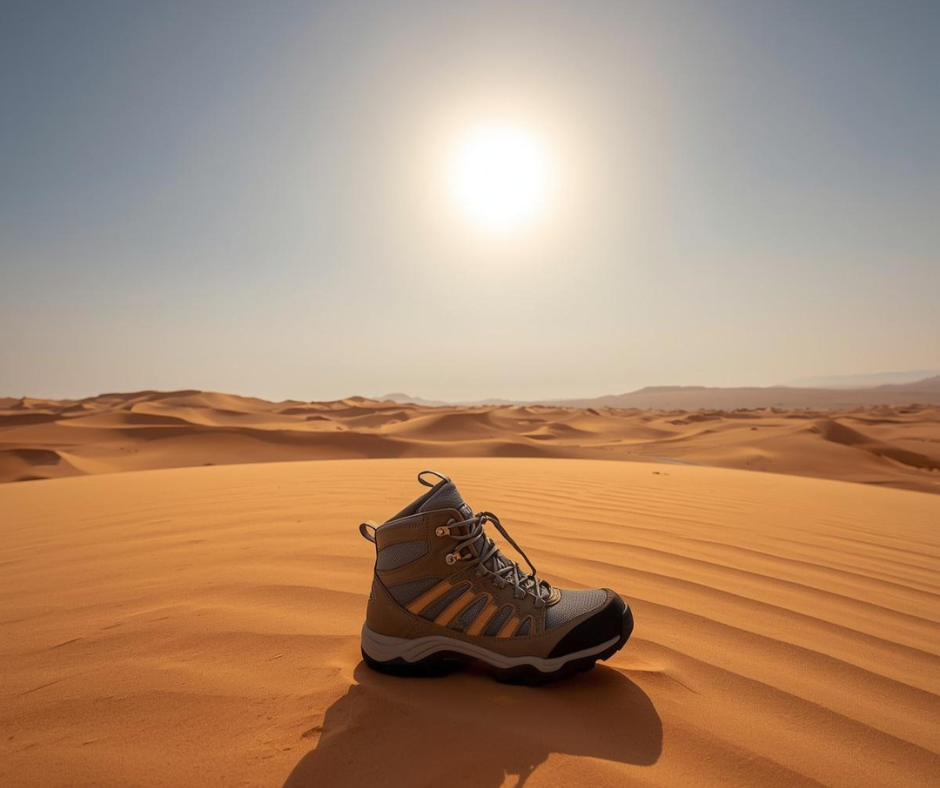
Trekking in the Sahara requires footwear that can handle deep sand while keeping your feet cool. While some travelers prefer sandals, the sand can often be too hot to touch during the peak of the day. A lightweight hiking boot with a breathable mesh upper is often the best compromise. If you choose boots, consider bringing a pair of sand gaiters. These small fabric covers wrap around the top of your boot and your ankle to prevent sand from filling your shoes with every step.
For your time in the desert camps, a pair of simple slip-on sandals or sturdy flip-flops is essential. These allow your feet to breathe and recover after a day of trekking. They are also practical for navigating the camp area at night or using shared facilities. Always keep your camp shoes inside your tent or bag when not in use to avoid any unwanted visits from desert insects seeking a dark place to hide.
Health and Hygiene Essentials for Remote Travel
Staying healthy in Algeria requires a proactive approach to sun protection and hydration. The air is exceptionally dry in the interior regions, which can affect your body faster than you might realize. Beyond basic toiletries, your medical kit should focus on the specific environmental stressors of North Africa.
Advanced Sun and Dust Protection
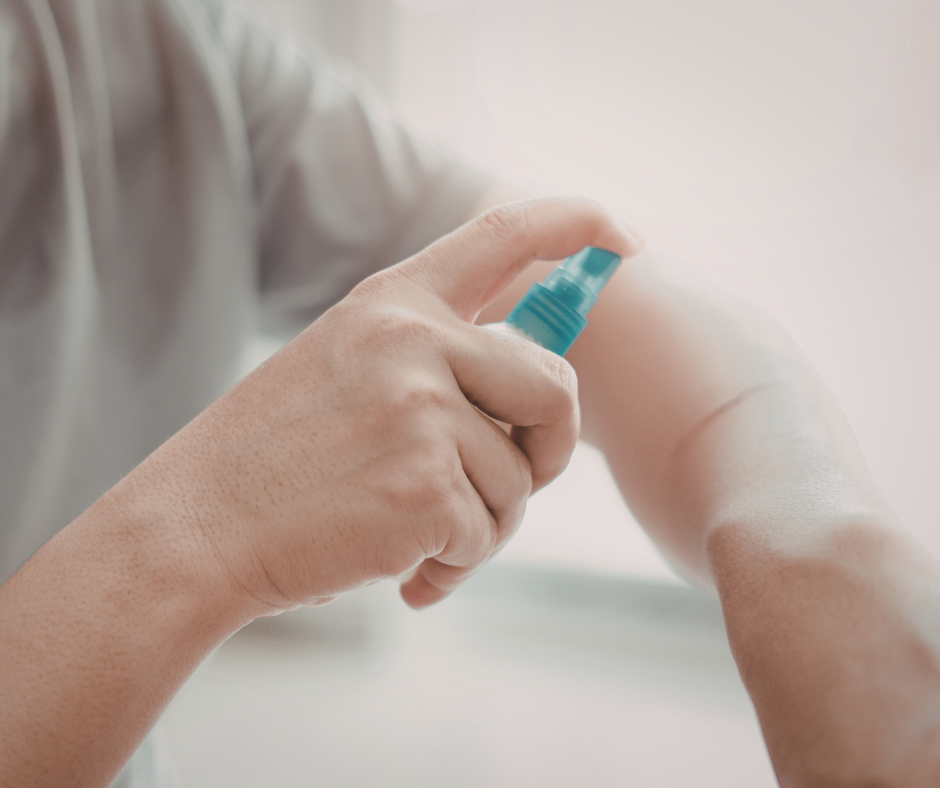
Sunscreen is a non-negotiable item for any Algerian itinerary. Use a broad-spectrum formula with at least SPF 50 and remember to apply it to often-forgotten areas like the back of your neck and the tops of your ears. High-quality sunglasses with UV400 protection are also vital as the glare from the white buildings in the north and the orange sands in the south can cause significant eye strain.
A versatile desert scarf is perhaps the most important accessory you can pack. Locally known as a cheche, this long piece of fabric can be wrapped around your head and face to protect you from sudden sandstorms or dusty winds. It also provides an extra layer of sun protection for your neck. If you are traveling through the Sahara, we recommend learning the local way of tying a scarf as it is the most effective method for staying cool and keeping dust out of your lungs.
Hydration and First Aid Priorities
In the heat of the Sahara or the humidity of the coast, plain water is sometimes not enough to keep your body balanced. Pack a supply of electrolyte powders or rehydration salts to add to your water bottle. These help replace the minerals lost through sweat and can prevent the headaches and fatigue associated with mild heat exhaustion. A reusable water bottle with a built-in filter is a smart addition if you plan on visiting more remote oases where bottled water may not be readily available.
Your first aid kit should include basic items like antiseptic wipes, blister plasters, and a broad-spectrum antibiotic if your doctor recommends one. Digestive upsets can happen as you adjust to the local cuisine, so including anti-diarrheal medication and probiotics is a wise precaution. For a more comprehensive look at preparing for your journey, you can refer to our guide on

Digital Preparation and Connectivity Gear
Algeria is a country where you can easily find yourself off the grid. While major cities have reliable mobile networks, the vast stretches of the Sahara and the mountainous regions of Kabylie often have limited or no signal. Your tech kit should be designed for self-reliance and long periods without a power outlet.
Power Management for Long Expeditions
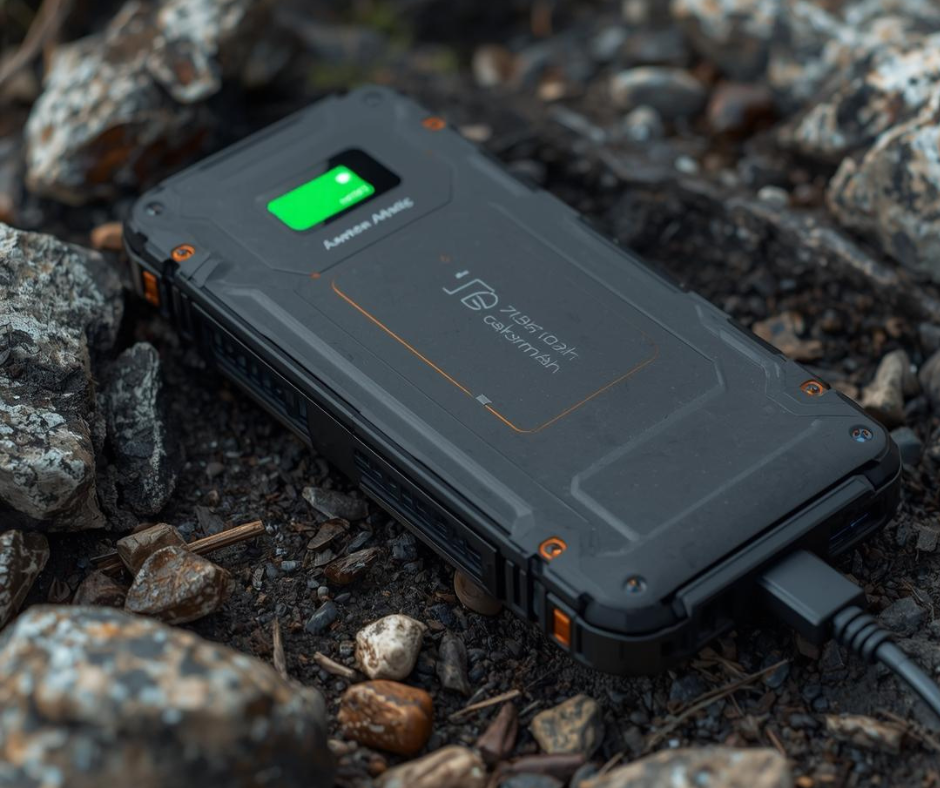
If you are joining a desert expedition, you may go several days without access to a traditional power source. A high-capacity power bank of at least 20,000mAh is necessary to keep your phone and camera charged. If you use a professional camera, bring at least two spare batteries as the cold desert nights can drain battery life faster than expected.
A universal travel adapter is required for Algerian outlets, which typically use the European-style Type C or Type E plugs. If you have multiple devices to charge, a small travel power strip can be a lifesaver in older hotels that may only have one or two available outlets in the room. This ensures all your gear is ready for the next day of adventure without a struggle for plug space.
Offline Navigation and Communication
Before you arrive in Algeria, download the offline maps for the regions you plan to visit. Google Maps and specialized apps like Maps.me allow you to navigate using GPS even when you have no data connection. It is also helpful to save digital copies of your itinerary, hotel confirmations, and emergency contact numbers in a folder that is accessible offline on your phone.
Upon arrival at the airport, we recommend purchasing a local SIM card from providers like Mobilis or Djezzy. These offer affordable data packages that work well in most populated areas. However, always have a backup plan for communication. If you are headed deep into the Sahara, your tour operator will likely carry a satellite phone, but having your own offline tools ensures you stay oriented at all times.
Final Packing Check and Organization
The best way to pack for Algeria is to remain organized and avoid overpacking. You want to be mobile and ready to jump into a 4x4 or board a domestic flight without a struggle. Using packing cubes can help you separate your dusty desert gear from your clean city clothes, which is essential for maintaining hygiene.
Small Extras with Big Impact
A few small items can significantly improve your comfort on the road. A pack of high-quality wet wipes is essential for "Sahara showers" during camping trips. A small headlamp is much more practical than a phone flashlight for navigating dark campsites or exploring caves. You should also pack a few large Ziploc bags to protect your electronics and camera lenses from the fine Saharan dust that seems to find its way into every crevice.
Final Review of Your Kit
Before you close your suitcase, ensure you have balanced your needs for sun protection, cultural modesty, and thermal warmth. Double-check that your documents are printed and your offline maps are downloaded. By following these guidelines, you will be prepared for the logistical realities of the country while remaining open to the incredible hospitality and diverse landscapes that Algeria offers.
Read also:
3 Days in Algeria: The Ultimate 72-Hour Itinerary for First-Time Visitors
Algeria Solo Travel 2026: A Complete Safety & Logistics Guide
If you have more questions or need help planning your Algeria trip, feel free to reach out to us and we will be happy to help.


