

Nestled in the vast stretches of Southern Algeria, Ghardaïa is a region rich in history, culture, and timeless beauty. It is steeped in centuries of tradition and architectural ingenuity. It offers visitors an extraordinary blend of historical depth and cultural vibrancy.
Part of the UNESCO World Heritage site M'Zab Valley, this city is known for its unique architecture. It is famous for its fortified villages, narrow alleys, and ancient stone and clay dwellings.
With its mix of history, culture, and breathtaking landscapes, Ghardaïa is a destination that offers a deeper connection to Algeria’s heritage.
We bet that this city will captivate you. That's why we compiled a comprehensive guide to help you make the most of your visit.
Experience the magic of M’zab Valley
Recognized as a UNESCO World Heritage Site, the M’zab Valley is home to a collection of ancient towns: Ghardaïa, Beni Isguen, Bou Noura, El Atteuf, and Melika. Each contributing to the valley’s rich cultural heritage.
The M’zab Valley dates back to the 10th century. It was established by the Mozabite people. They are a Berber-speaking community adhering to the Ibadi school of Islam. Seeking refuge from invasions and political unrest, they settled in this remote desert region.
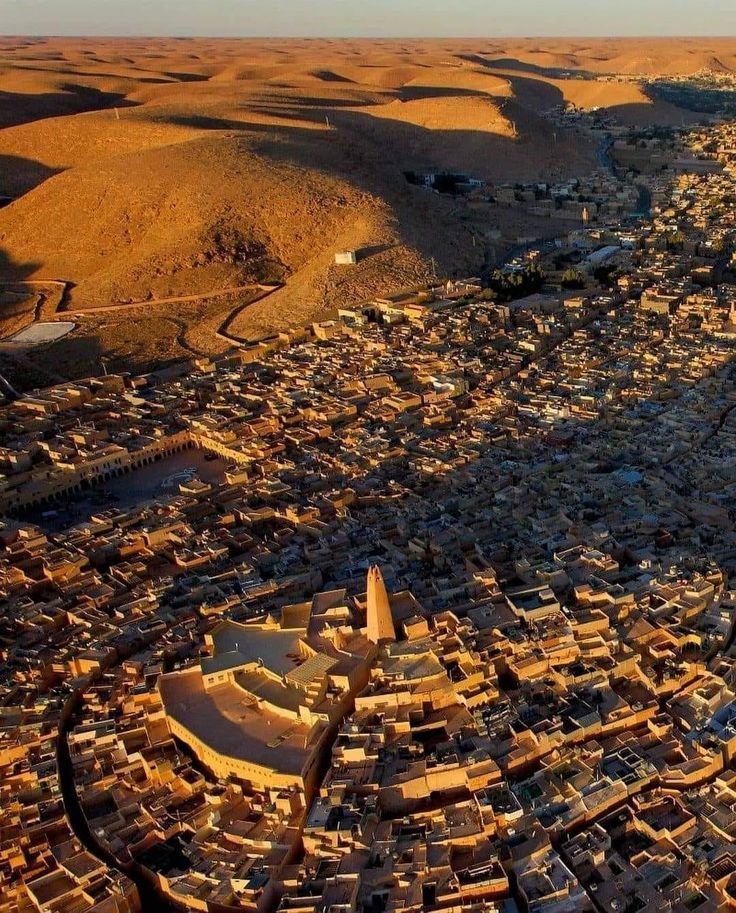
They built fortified towns, known as ksour, that harmonized with their environment. The result was a unique architectural style that prioritized functionality. It also reflects deep spiritual values.
This ingenuity has allowed the valley to endure throughout time. Today it remains one of the most well-preserved regions in North Africa.
Discover Ghardaïa, the heart of the Valley
Ghardaïa is the largest town in the M'zab Valley. It is commonly known as "the pearl of the oasis." It is a captivating gateway to the region's rich heritage and timeless beauty.
The city of Ghardaïa is a lively hub that blends history, culture, and daily life. It promises an authentic and unforgettable experience for visitors.

The old town, with its labyrinth of narrow, winding streets, is a living museum where the past and present converge.
While walking through this maze, take the time to marvel at its simplicity and elegance. The whitewashed buildings are an enduring testament to centuries of architectural ingenuity.
Visit the Great Mosque of Ghardaïa
The Great Mosque of Ghardaïa is one of the area's most recognizable landmarks. It stands at the heart of Ghardaïa, atop a hill that overlooks the town. It is a true architectural gem dating back to the 11th century.
This mosque, which combines functionality and aesthetic simplicity, is a notable example of Mozabite architecture. Its towering minaret, visible from nearly every corner of the city, is not just a spiritual symbol.
The mosque was constructed utilizing indigenous materials like clay and stone. Its whitewashed facade mixes in perfectly with the surroundings. The interior is just as simple, including a huge and open prayer hall.
Ath Salem

In addition to being a house of worship, the Great Mosque of Ghardaïa is a representation of the identity of the Mozabite people. It showcases the Mozabites’ ethos of modesty and practicality.
This design marvel serves as a hub for the neighborhood, holding religious services and regular prayers. It stands as a living testament to the resilience and spirit of the Mozabite people.
Wander through the local markets
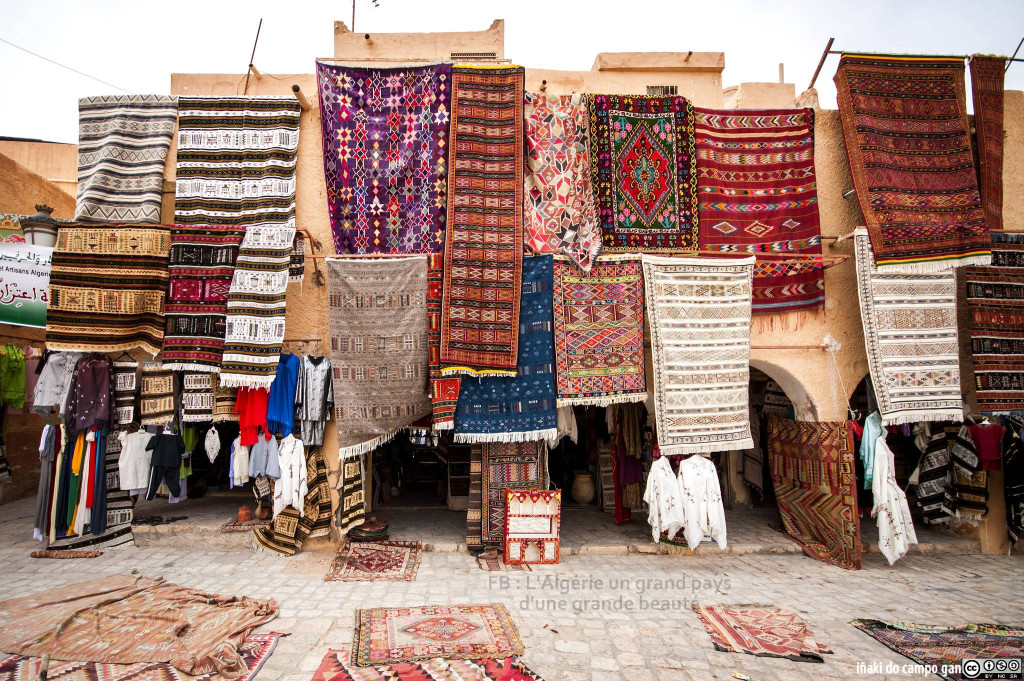
No visit to Ghardaïa would be complete without exploring its bustling local markets. They showcase the vibrant region’s artisanal traditions.
As you meander through the tiny streets, the scents of freshly cooked meals and spices will immerse you in a sensory journey.
These souks are brimming with handcrafted treasures. You can find beautiful ceramics, vibrantly woven rugs, dazzling silver jewelry, and exquisite leather goods. Every piece narrates a story of the artistry that has been handed down over the years.

The markets offer a window into the craftsmanship and dedication of local artisans. They preserved ancient techniques passed down through generations. For those seeking a deeper immersion, watching these artisans at work is a mesmerizing experience.
Additionally, the marketplaces function as social hubs where residents gather, trade, and share stories.
Ghardaïa's friendly locals are always happy to share their stories, customs, and history of the area. They make it easy to connect, whether you're looking for guidance on hidden gems, curious about local customs, or just looking to have a casual conversation.
Savor the local specialties:
After a day of exploration, indulge in the region’s delectable culinary treats. The M'zab Valley's Berber traditions are strongly reflected in the local cuisine of Ghardaïa. The latter focuses on stuffed, aromatic dishes prepared using locally sourced ingredients.
Couscous, which is served with lamb, meat, or vegetables and frequently accompanied with a delicious soup, is one of the most famous dishes.
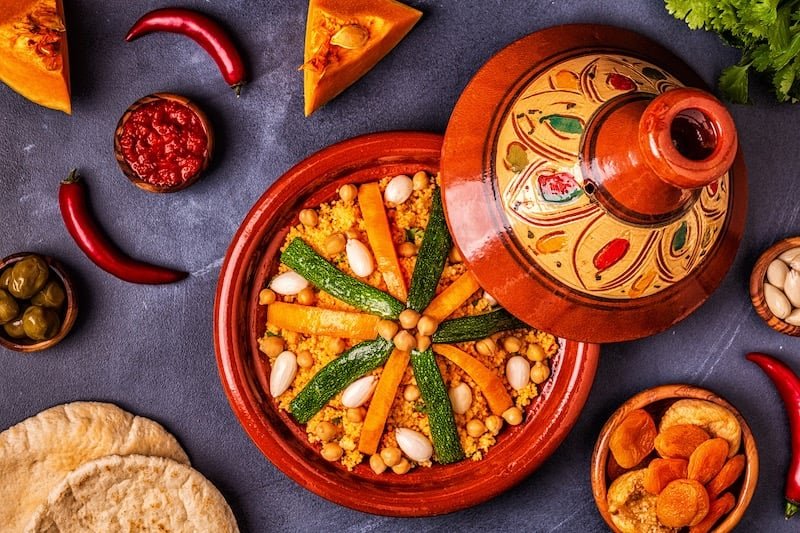
Another classic is tajine, which are slow-cooked stews made with meat, vegetables, and dried fruits. They are all carefully simmered in a clay pot to give the dish rich tastes.
Another local favorite is berkoukes, a savory meal made with tiny pasta grains and usually served with a tasty meat or vegetable sauce.
These meals' hearty texture makes them ideal for the arid climate. They offer warmth and energy. You won't want to miss Makroud for dessert! It is a deep-fried, honey-drenched sweet semolina pastry filled with dates and nuts
Local restaurants offer the chance to taste these traditional dishes, all served with the comforting sweetness of mint tea.
You can also enjoy sharing a meal with locals. Local delights at Ghardaïa represent a journey through the flavors and traditions that define the city's unique cultural identity.
Discover the wonders of Beni Isguen
If you’re seeking a deeper connection to the cultural heart of the M'zab Valley, you definitely shouldn't miss Beni Isguen.
A short drive from Ghardaïa, itt is widely regarded as the most sacred and enigmatic town in the M'zab Valley.
This fortified settlement is full of history and tradition. It offers a rare opportunity to step back in time and experience a way of life that has endured for centuries.
Encircled by well-preserved walls, the town stands as a testament to the Mozabite's commitment to preserving their cultural and spiritual heritage.
The heart of Beni Isguen beats in its vibrant marketplace, renowned for its unique evening auctions. These gatherings are far more than simple trade events.
They are dynamic, almost ceremonial, occasions where merchants and buyers engage in lively exchanges over handmade crafts, colorful textiles, and other locally produced goods. The auctions reflect the town's deep connection to tradition, blending commerce with a sense of communal identity.
Beni Isguen’s cultural richness extends to its distinctive customs. Including a modest dress code that underscores the residents' religious and cultural values. We encourage you to opt for modest attire as a sign of respect for the community and its deeply rooted traditions.
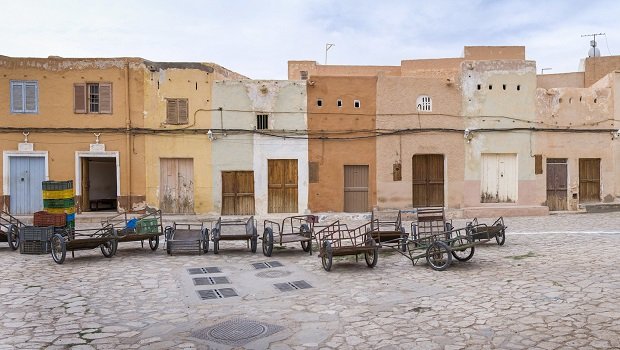
As you wander through the town’s narrow, winding streets, you’ll encounter traditional houses designed to withstand the intense heat. This is a true example of the Mozabites remarkable architectural ingenuity.
Enjoy the fascinating glimpse into the Mozabites’ resourcefulness and harmony with their environment. Each element of the architecture is a testament to centuries of adaptation and innovation. From the thick walls to the shaded courtyards.
To truly uncover the secrets of Beni Isguen, we highly recommend hiring a local guide. Their knowledge brings the town’s history, customs, and stories to life. You’ll enjoy a richer and more immersive experience.
Visit El Atteuf, the oldest Ksar of the Valley
El Atteuf is the oldest village or ksar in the M'zab Valley. It invites visitors to uncover the deep roots of Mozabite culture and history.
This ancient town was founded in the 11th century. It serves as a living chronicle of the region's heritage. It represents the town's spiritual and cultural hub.
Its blend of historic landmarks, serene landscapes, and air of timeless tranquility makes it a must-visit. The town's iconic mosque stands at its heart. It is a masterpiece of Mozabite architecture.
The mosque's design reflects the Mozabites' preference for modesty and functionality. Simple yet elegant.
El Atteuf’s charm is amplified by its picturesque setting, with swaying palm trees framing its whitewashed buildings.
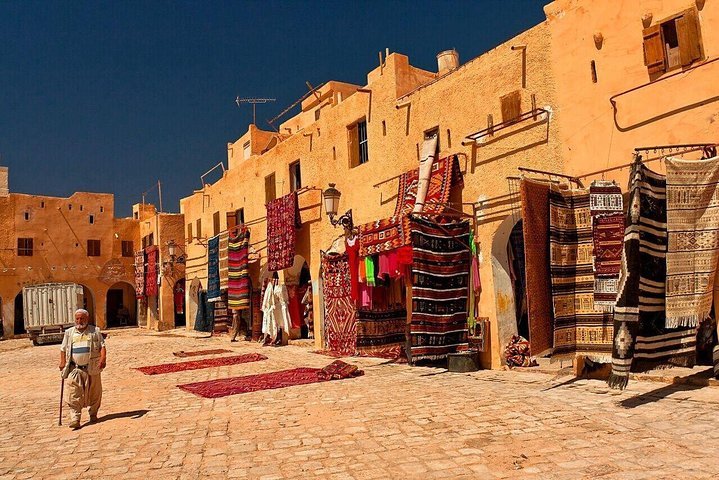
These traditional houses, with their thick walls and ingenious layouts, tell stories of adaptation to the harsh Saharan climate while preserving the traditional architectural aesthetics of the valley.
The town’s tranquil atmosphere provides a stark contrast to the rush of modern life. It makes it an ideal escape for those seeking peace and reflection. Stroll through the narrow streets of El Atteuf for a sensory journey into the past.
If you’re a history buff, we highly recommend day trips to El Atteuf. With its ancient ruins, captivating architecture, and serene beauty, El Atteuf will mesmerize you.
It is not just a destisation! It is a timeless experience that connects visitors to the heart of Mozabite heritage.
Explore Bou Noura, a hidden gem in the M'zab Valley
Tucked away in the shadow of its more prominent neighbors, Bou Noura is a town that captivates with its understated charm and natural beauty.
Surrounded by lush palm groves and blessed with a tranquil atmosphere, it is the perfect destination for those seeking a peaceful retreat in the heart of the M'zab Valley.
The town’s whitewashed buildings, nestled among the greenery of palm groves, create a picture-perfect setting.
Bou Noura’s quiet streets and unhurried pace of life provide a refreshing contrast to the bustling energy of nearby towns. The local market, though smaller in scale, is just as vibrant. It offers an authentic slice of Mozabite culture.
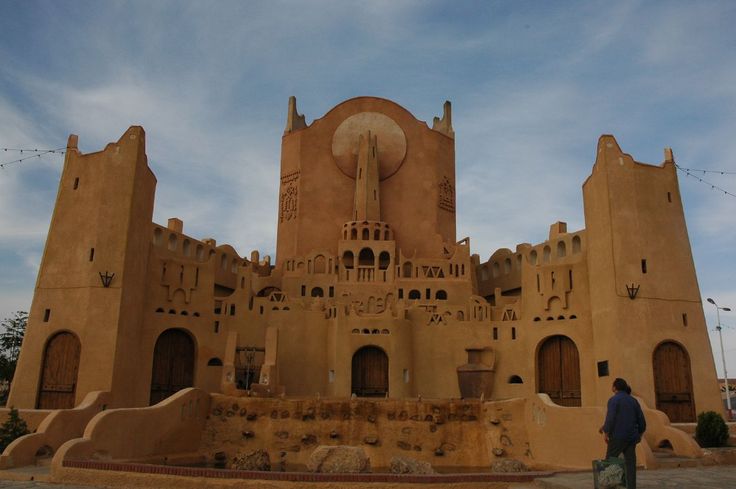
You can browse through stalls filled with handcrafted items, engage in friendly exchanges with local vendors, and savor traditional dishes that reflect the region’s culinary heritage. A guided tour of Bou Noura will surely reveal all of its hidden treasures.
Whether you’re drawn by the promise of peaceful landscapes or the allure of authentic experiences, Bou Noura is a not-to-be-missed place for anyone seeking to explore the rich history and culture of the M'zab Valley.
Its quiet charm and deep connection to Mozabite traditions make it a true hidden gem waiting to be discovered.
Admire the Sahara Desert and beyond
To truly discover Ghardaïa, a journey into the surrounding desert is essential. The vast expanses of sand dunes and golden landscapes offer endless opportunities for adventure.
Camel rides are a popular activity, allowing visitors to traverse the dunes and experience the desert’s charm.
Consider spending a night camping under the stars, where the silence of the desert is broken only by the whisper of the wind.
The nearby Atlas Mountains provide a striking contrast to the desert landscape. They offer hiking trails and stunning views.
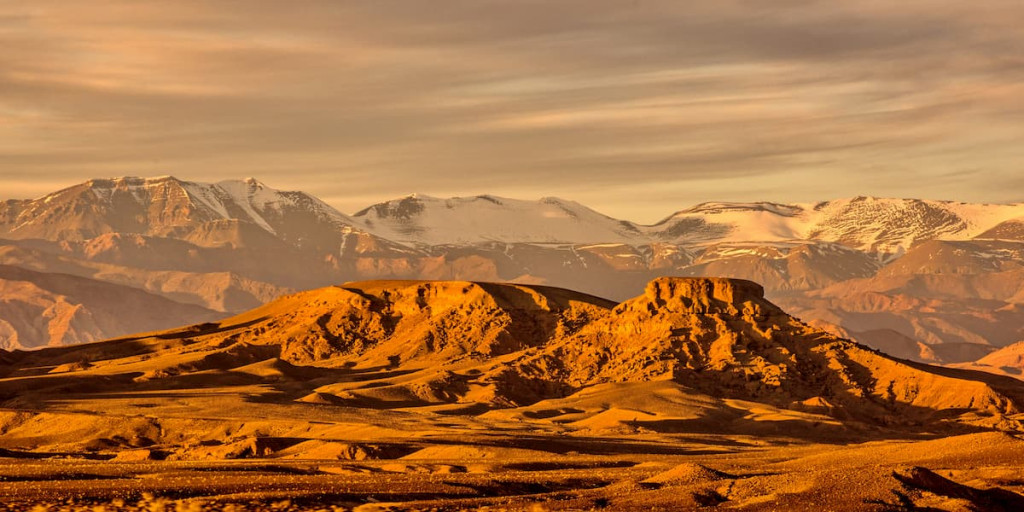
National parks in the region showcase the biodiversity of the area, with opportunities to see native flora and fauna.
Practical tips for visiting Ghardaïa
When is the best time to visit Ghardaïa
When planning your trip to Ghardaïa, you need to carefully choose the best time. Usually, the ideal time to explore Ghardaïa is during the cooler months, from October to April.
During this period, the weather is mild, with pleasant temperatures perfect for outdoor adventures. It would be more comfortable to explore the town and its surroundings.
The scenery is more attractive in the spring, when wildflowers blossom and the colors of the desert become more intense. However, autumn also provides a revitalizing mood, with colder nights and sunnier days.
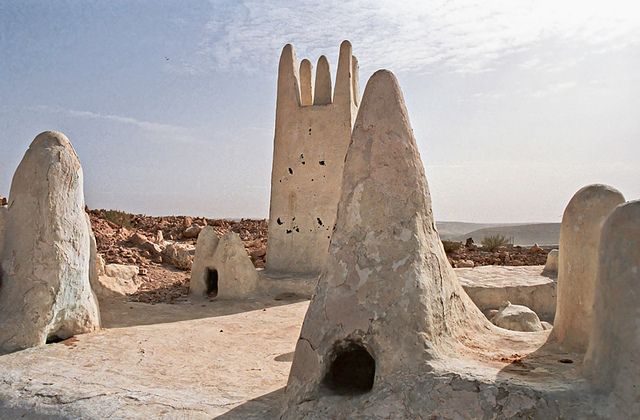
During these months, Ghardaïa hosts cultural events like the M'zab Festival, which showcases local traditions, food, and music. Visiting at this time will allow you to fully immerse yourself in the region's culture.
Note that summers can be intensely hot. Temperatures often soar above 40°C, making it less suitable for exploring the region's key attractions.
Where to stay in Ghardaïa
From hotels to guesthouses, Ghardaïa has a variety of lodging options to suit different preferences and budgets.
Numerous hotels provide authentic, traditional experiences that complement the regional architecture and traditions.
One option is the Hotel Belveder Ghardaïa, a 3.5-star agritourism hotel with comfortable accommodations and amenities close to Ghardaïa.
M'Zab Ghardaia Ranch, a ranch-style hotel that offers a unique experience with local hospitality and traditional architecture, is an alternative.
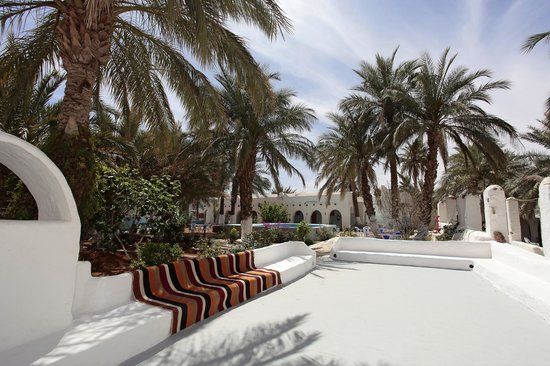
You can also stay at Hotel El Ghardaïa, which offers suitable accommodations for both business and leisure travelers and has basic amenities.
Keep in mind that the prices can vary based on the season, kind of accommodation, and online booking platform. We recommend checking the most recent prices and availability directly on the booking websites.
We also recommend booking your stay in advance, nevertheless, particularly during popular travel times or national holidays.
You will have more options if you make your reservation early, and some places might offer you a discount.
Respect local customs
Ghardaïa is home to a large Muslim population, particularly the Ibadi sect. It is deeply rooted in cultural and religious traditions. Respecting these is key to having a positive experience with the M'zabite community.
It is polite to refrain from background noise, loud music, and other distracting activities during prayer times.
As the locals fast throughout Ramadan, it's best to avoid eating, drinking, or smoking in public during the day.
Always get permission before taking pictures of people, especially women. You should also be considerate when taking pictures of places of worship or religious events.

Both men and women are expected to dress modestly in Ghardaïa. Opt for lightweight, breathable garments that keep you comfortable in the desert climate.
For women, covering shoulders and knees is recommended, especially when entering religious sites. For men, avoiding overly casual attire like shorts in public spaces is appreciated. And remember to take off your shoes before entering mosques as well.
Plan and book ahead
To make the most of your trip, it’s wise to plan and book tours in advance. This guarantees access to the region’s top attractions and experiences. From exploring the ancient ruins of El Atteuf to wandering through the bustling markets of Ghardaïa.
Whether you're interested in the rich culture and customs, the tranquil desert scenery, or the breathtaking architecture, we can create a customized itinerary particularly for you.
We'll take care of everything, from choosing the top places to visit to recommending local activities that suit your interests. Just be prepared for an unforgettable journey through this fascinating region!

By following these tips, you’ll be prepared to enjoy the beauty, history, and culture of Ghardaïa while respecting the traditions of its people.
An enriching experience in the M'zab Valley
Ghardaïa is not merely a destination, it is a profound journey through time, culture, and tradition.
It offers travelers a rare blend of iconic landmarks, captivating history, and breathtaking nature. Every corner of this remarkable region tells a story, inviting visitors to immerse themselves in its timeless charm.
From the maze-like streets of Ghardaïa, bustling with local life, to the sacred serenity of Beni Isguen’s fortified walls, the experiences here are as diverse as they are enriching.
Remember, prioritizing safety is crucial during your visit. Be sure to check out our latest article on travel safety tips. It will assist you in thoroughly preparing for your trip.
Embrace each moment of your journey as a celebration of culture and tradition. Discover the resilience of Ghardaia's people and the enduring spirit of the desert.
We bet that the memories of Ghardaïa’s will linger long after you leave. The warmth of its hospitality and the richness of its heritage ensure that Ghardaïa remains etched in your heart.


