Finding the perfect escape from the glass and steel of the city often leads to the rugged valleys of the Hajar Mountains, yet the transition from urban comfort to rocky wilderness can feel overwhelming. You might worry about the capabilities of your car, the intensity of the heat, or the simple fear of losing the trail in a place where phone signals often vanish.
That is why our team at WildyNess created this guide to give you the practical knowledge and confidence needed to navigate these desert arteries safely and enjoyably.
Understanding the Wadis of the United Arab Emirates
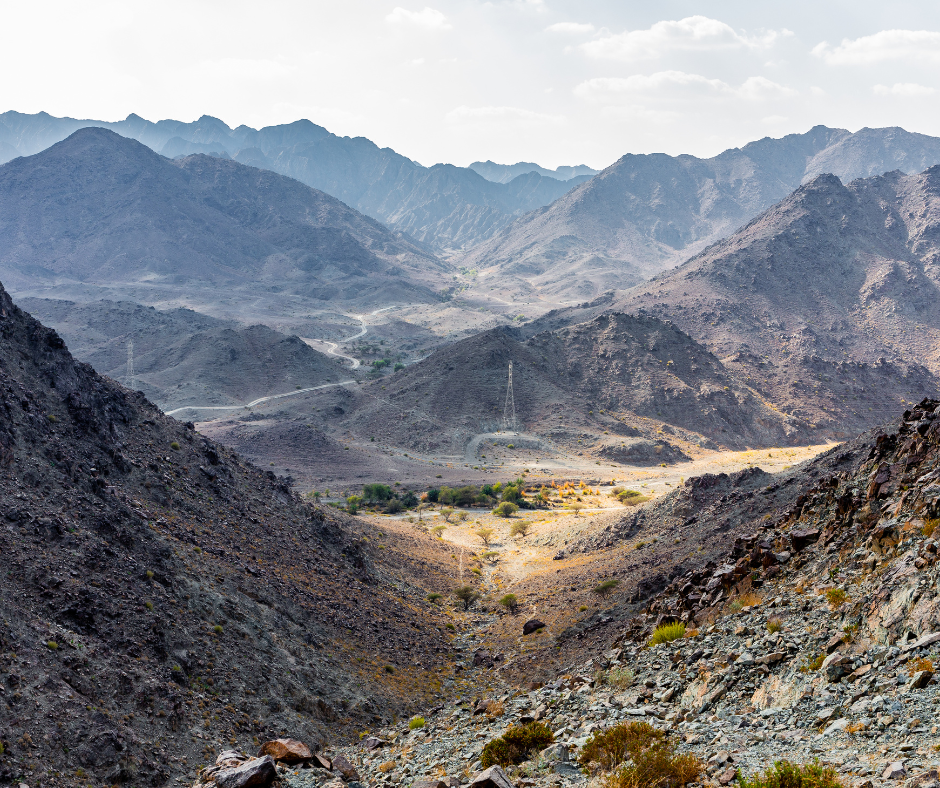
A wadi is essentially a dry riverbed that transforms during the rainy season into a watercourse. In the United Arab Emirates, these landscapes offer some of the most diverse terrain you can find, ranging from flat gravel plains to steep limestone canyons. We often see travelers confusing wadis with simple hiking trails, but they are dynamic environments that change with the weather. Understanding the layout of these valleys is the first step toward a successful trip. Most of the premier wadis are located in the Northern Emirates, specifically Ras Al Khaimah, Fujairah, and Sharjah.
The geography here is characterized by the Hajar Mountain range, which provides a dramatic backdrop for outdoor enthusiasts. Unlike the rolling dunes of the Liwa Desert, the wadis are rocky, sharp, and often surprisingly green. You will find ancient stone houses, terrace farms, and even natural pools if you know where to look. We recommend approaching these areas with a sense of respect for both the power of nature and the local communities that have lived in these valleys for centuries.
Top Wadis to Visit for Every Skill Level
Wadi Shawka in RAK
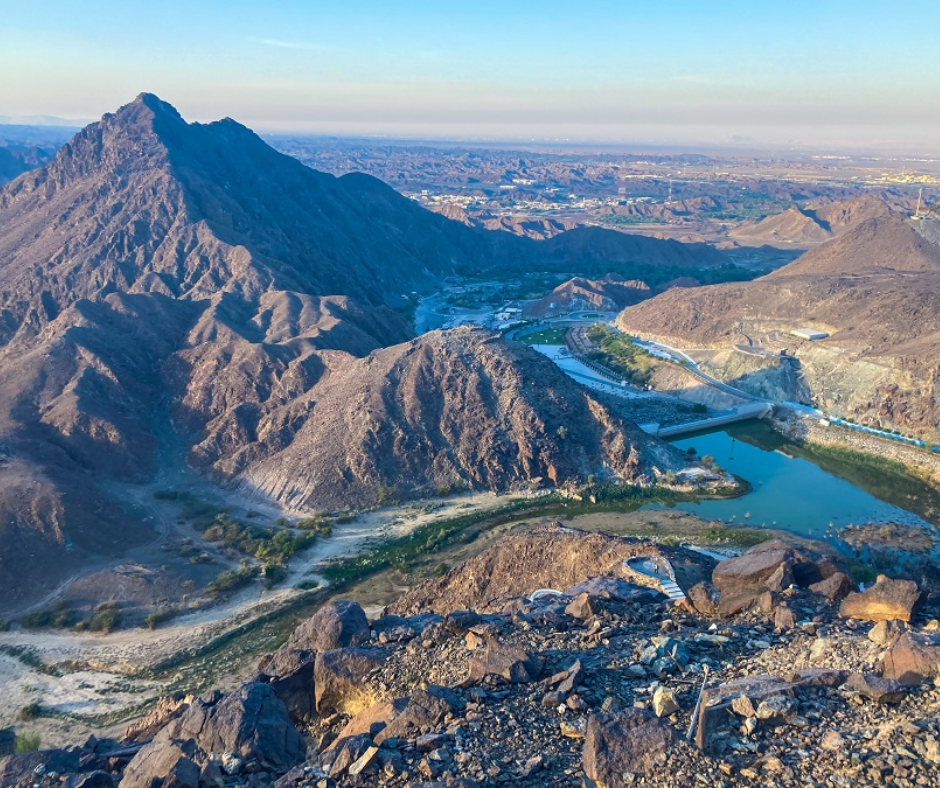
Wadi Shawka is perhaps the most accessible and popular starting point for anyone new to the UAE outdoors. Located in Ras Al Khaimah, it is roughly an hour's drive from Dubai and offers a variety of loops.
You can choose the easy walk around the Shawka Dam or commit to the more strenuous 10 kilometer hike that takes you through ridgelines and rocky pools. The area is well-marked compared to others, making it a reliable choice for families or those who are still building their confidence in navigation.
Read all about this Wadi in Wadi Shawka: A Scenic Hiking Oasis in the UAE's Mountains
Wadi Hatta in Dubai
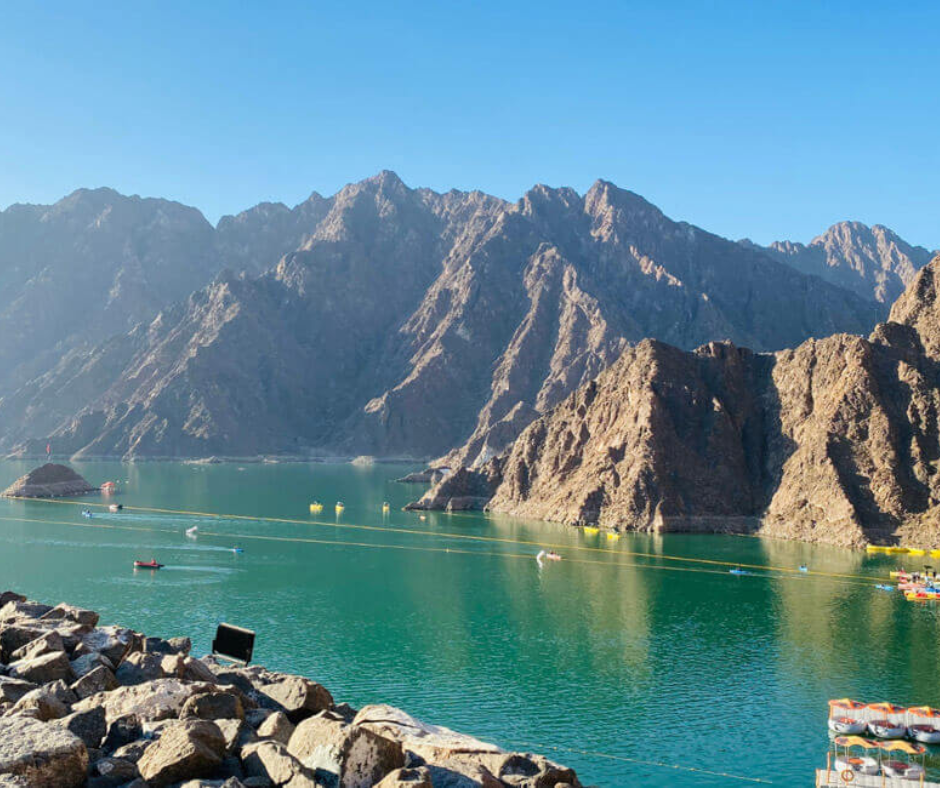
For a mix of heritage and high-energy adventure, Wadi Hatta is a destination that stands in a league of its own. Located in the Dubai exclave of Hatta, this wadi has been transformed into a premier outdoor hub where you can combine a mountain hike with kayaking on the Hatta Dam.
The trails here are varied, ranging from gentle walks around the Hatta Heritage Village to more demanding mountain bike paths that wind through the craggy peaks. It is a fantastic spot for those who want a structured environment with clear signage and plenty of amenities nearby.
Read also: The Ultimate Guide to Hiking Near Dubai in 2026
Wadi Wurayah National Park
Wadi Wurayah National Park represents the ecological heart of the UAE mountains. As the first protected mountain area in the country, it holds a prestigious UNESCO Biosphere Reserve status and serves as a sanctuary for rare wildlife like the Arabian Tahr and the Blanford’s fox.
While certain sections of the park are occasionally restricted to public access for conservation purposes, the surrounding trails offer a glimpse into one of the few places where natural waterfalls and permanent freshwater springs exist. We recommend checking with local authorities in Fujairah for the latest visitor permits to ensure you are exploring this fragile ecosystem responsibly.

Wadi Ham
If you are looking for sheer scale and ease of access, Wadi Ham is one of the longest and largest wadis in the northeastern part of the country. Stretching between Al Dhaid and Fujairah, it features a massive dam that is a sight to behold after the winter rains.
The terrain is generally flat and wide, making it a great option for a long, scenic drive or a relaxed walk where you can appreciate the vastness of the mountain landscape without needing technical climbing skills. It is a popular spot for birdwatchers and those who enjoy the quiet solitude of the open desert plains.
Wadi Shees in Sharjah
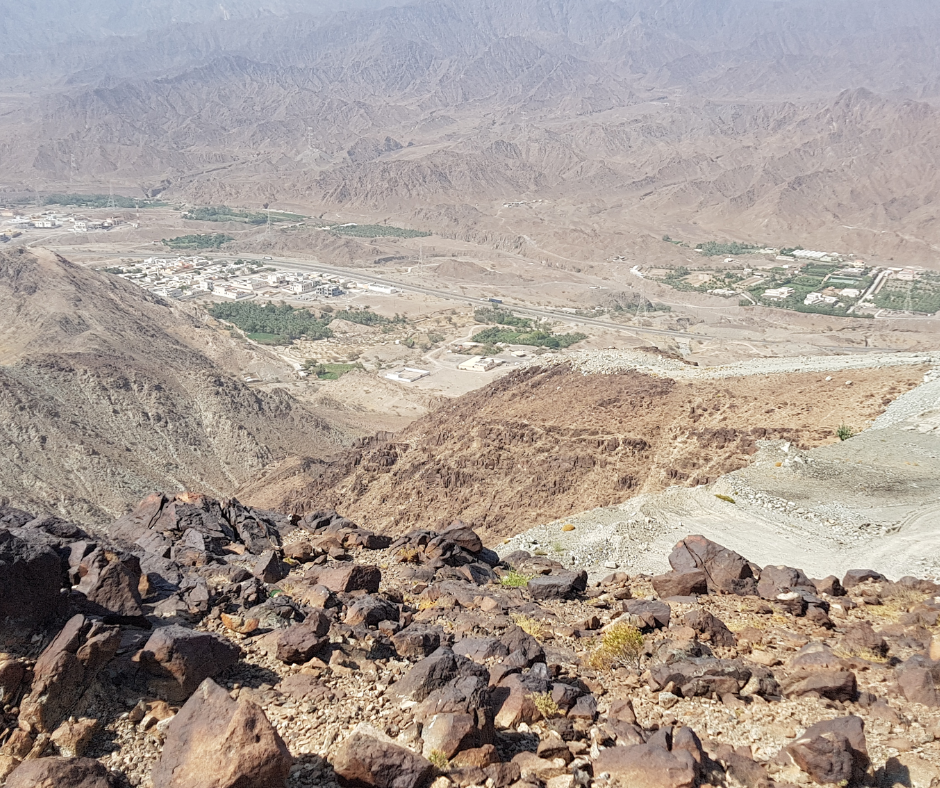
For those who prefer greenery and a more relaxed pace, Wadi Shees in Sharjah is an excellent destination. This wadi is famous for its nature trail which winds through old farms and traditional irrigation systems. It is one of the few places where you can see water flowing almost year-round.
The path is relatively flat and well-maintained, which means you do not need specialized hiking boots to enjoy the scenery. It is an ideal spot for a weekend morning when you want to experience nature without a full day of heavy exertion.
Wadi Ghalilah
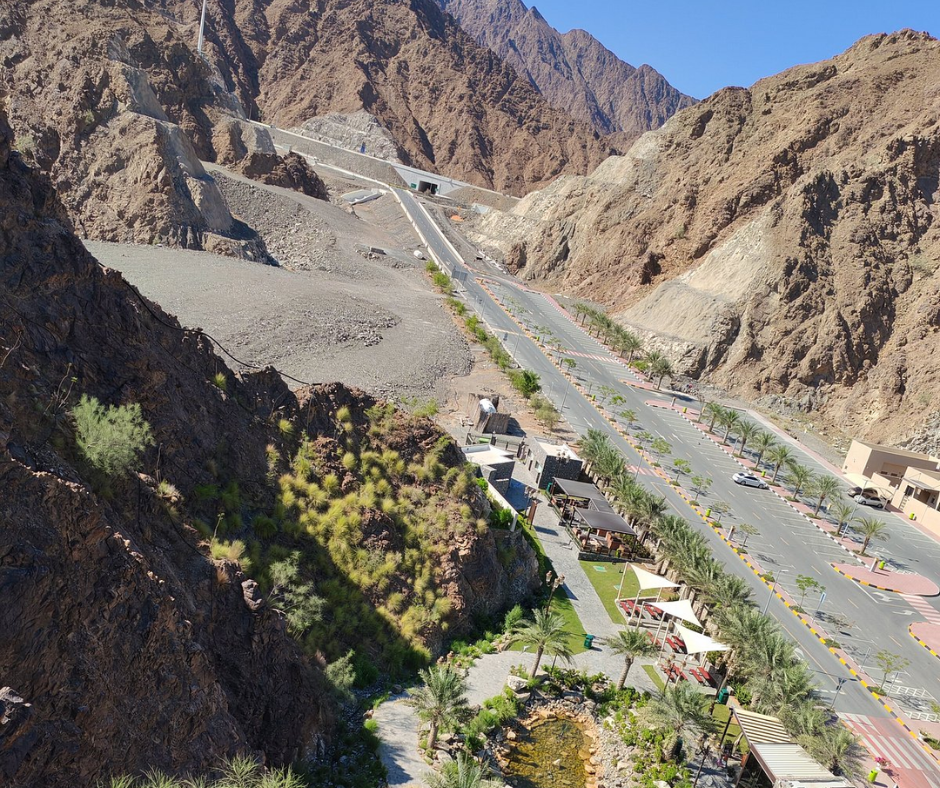
If you are looking for a challenge that tests your physical limits, Wadi Ghalilah is home to the famous Stairway to Heaven. This is not a trail for the faint of heart or the inexperienced. It involves a steep climb up an ancient mountain goat path that reaches heights offering views across the Arabian Gulf.
We strongly advise that only seasoned hikers with proper equipment and a high level of fitness attempt this route. The terrain is technical and requires a full day of commitment, but the sense of accomplishment at the summit is unmatched in the region.
Wadi Naqab
Wadi Naqab offers a different aesthetic with its deep red rocks and narrow canyon walls. This wadi is perfect for those who enjoy bouldering or scrambling, as the path often requires you to use your hands to navigate over large rocks.
As you move deeper into the canyon, you will find the Bat Cave and several old settlements. The colors of the stone change throughout the day as the sun moves overhead, providing a constantly shifting perspective of the landscape.

Wadi Abadila in Fujairah
Wadi Abadila in Fujairah provides a lush contrast to the arid mountain peaks. This trail is relatively easy and takes you through banana trees, mango trees, and date palms. It is a lower-altitude hike, which means it can get warmer than the mountain ridgelines, but the presence of water and shade makes it a favorite for many.
You will likely see local wildlife, including lizards and various bird species, as you follow the stream through the valley floor.

Wadi Bih
Wadi Bih is often referred to as the Grand Canyon of the UAE for its massive scale and sheer cliffs. This area is best explored by vehicle first to reach the higher elevations. From the top, you can look down into the winding valley and across the border into Oman.
The road is gravel and requires a sturdy vehicle, but the views of the limestone formations are some of the most impressive in the country. It is a prime location for those who want to feel truly remote.

Essential Gear and Packing Requirements
What to Wear
Your choice of footwear is the most critical decision you will make before heading out. The rocks in UAE wadis are often limestone, which can be incredibly slippery when wet and sharp when dry. We suggest wearing durable hiking boots with good ankle support to protect against loose scree.
If the wadi you are visiting involves swimming or wading through pools, bring a pair of specialized water shoes with a grippy rubber sole. Traditional flip-flops or thin sneakers will not provide the protection or traction needed for these terrains.

Hydration
Hydration is a non-negotiable priority in the desert. We recommend carrying at least four liters of water per person for a full-day hike, even during the cooler winter months. The dry air can dehydrate you faster than you realize, and once you feel thirsty, you are already behind on your fluid intake.
Including electrolyte tablets or salty snacks in your pack will help maintain your mineral balance as you sweat. It is always better to return to your car with extra water than to run out while you are still kilometers away from the trailhead.

What Else to Consider
A well-prepared pack should also include a high-SPF sunblock, a wide-brimmed hat, and polarized sunglasses to combat the intense glare from the rocks. We also advise carrying a basic first aid kit that includes antiseptic wipes, bandages, and tweezers for removing desert thorns.
Because mobile phone signals are notoriously unreliable in deep canyons, we recommend downloading offline maps on an app like AllTrails or Wikiloc. Carrying a portable power bank is also a smart move to ensure your phone remains functional for navigation throughout the day.

Navigating Transport and Vehicle Choice
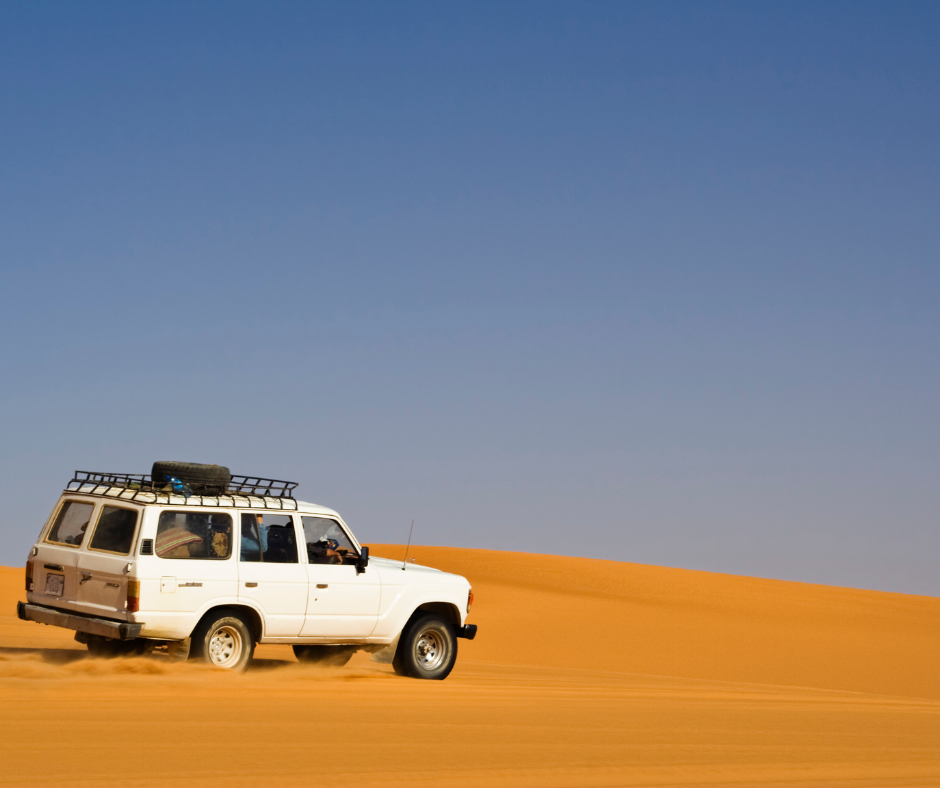
Deciding whether to take a sedan or a 4x4 depends entirely on which wadi you plan to visit and how deep you intend to go. Many popular spots like Wadi Shawka or Wadi Shees have paved roads leading right to the entrance or the dam areas. In these cases, a standard sedan is perfectly fine for the journey. However, if you want to explore the inner reaches of Wadi Bih or the more remote sections of Wadi Ghalilah, a vehicle with high clearance and four-wheel drive is essential.
Gravel tracks in the wadis can be unpredictable. Heavy rain can wash away parts of the road or leave large boulders in the middle of the path. If you are driving a 4x4, ensure you know how to engage the system and that your spare tire is in good condition. We have found that many travelers underestimate the sharpness of the rocks on these tracks, which can easily puncture a standard highway tire. If you are renting a car for your adventure, opting for an SUV provides a much wider margin for error and allows you to reach the most interesting trailheads.
Weather Safety and the Danger of Flash Floods
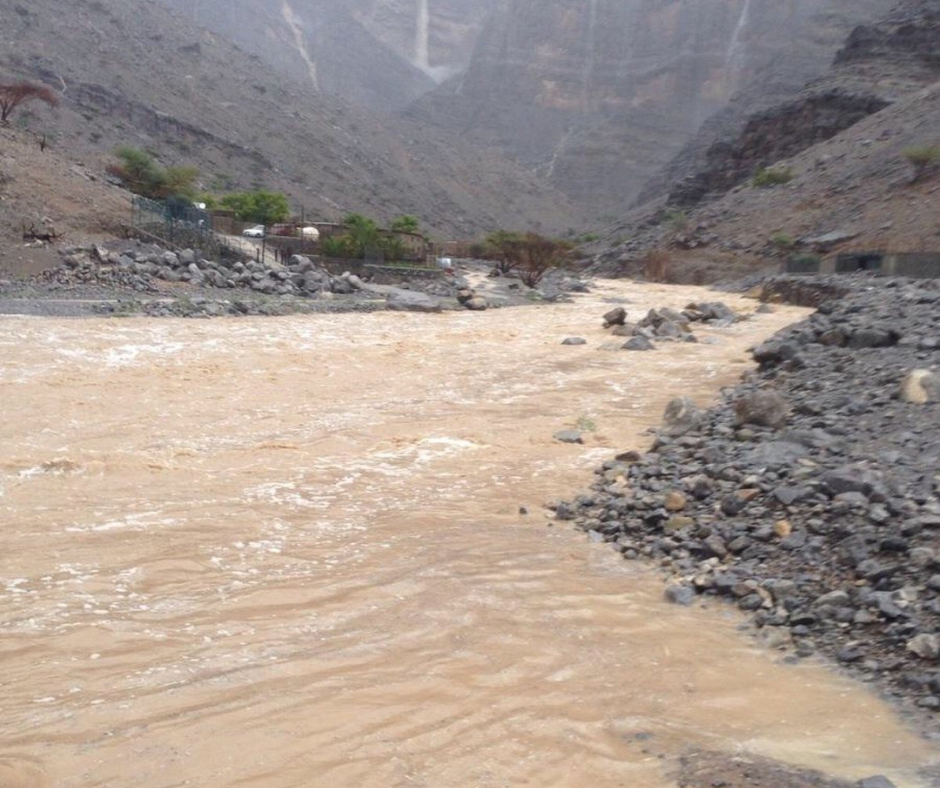
Safety in the wadis is largely a matter of timing and weather awareness. Flash floods are a very real and very dangerous occurrence in the Hajar Mountains. Even if it is not raining where you are standing, a heavy downpour several kilometers upstream can send a wall of water through a narrow canyon in minutes. We emphasize checking the National Center of Meteorology forecasts before you leave. If there is any chance of rain in the mountains, it is best to reschedule your hike for another day.
While you are on the ground, stay alert for signs of approaching water. If you hear a distant rumbling sound that resembles a low-flying aircraft or a freight train, move to higher ground immediately. Another indicator is the color of the water in existing pools. If clear water suddenly turns muddy or starts to rise rapidly, you should exit the wadi bed and find an elevated position on the canyon walls. Never attempt to drive or walk through flowing water, as the force is often much stronger than it appears.
The heat is the other primary safety concern. During the peak summer months from May to September, wadi hiking can be dangerous due to the risk of heatstroke. We recommend limiting your explorations to the winter season or the very early hours of the morning during the shoulder months. If you begin to feel dizzy, nauseous, or stop sweating, find shade immediately and hydrate. Our team always suggests starting your hike at dawn so that you can complete the most strenuous sections before the sun reaches its zenith.
Planning a Family Trip or Camping Mission
For families looking to spend a night under the stars, the area around the Shawka Dam offers some of the best camping spots in the country. The ground is relatively flat, and the proximity to the road makes it easy to haul gear. We recommend bringing a sturdy tent and warm sleeping bags, as temperatures in the desert can drop significantly once the sun goes down. Camping in the wadis provides a unique opportunity to see the stars away from the light pollution of the cities.
If you are planning a day trip with children, Wadi Abadila is our top recommendation. The trail is engaging enough to keep them interested but not so difficult that it leads to exhaustion. There are plenty of rocks to climb and small pools to investigate, which makes for a natural playground. We suggest packing a picnic and finding a shaded spot under the palms to enjoy a meal. Just remember to pack everything back out with you when you leave.
Final Thoughts about the Wadis in UAE
Exploring the wadis of the UAE is one of the most rewarding ways to experience the natural heritage of the Middle East. By choosing the right trail for your fitness level, packing the correct gear, and staying informed about the weather, you can enjoy a safe and memorable adventure. Whether you are seeking the high-altitude thrills of the Hajar peaks or a quiet walk through a palm-filled valley, there is a wadi that fits your goals.
At WildyNess, we are dedicated to helping you find these authentic experiences and providing the expert knowledge to make them happen. We believe that the best journeys are the ones that connect you deeply with the landscape and the local culture. If you feel ready to start your next mission, take the time to prepare your gear and check your maps. The mountains are waiting for you.