
The prospect of navigating the vast Saudi desert to find water-filled canyons often feels intimidating because of the vague information available on logistics and local customs.
That is why our team at WildyNess created this guide to help you explore these natural wonders with total confidence.
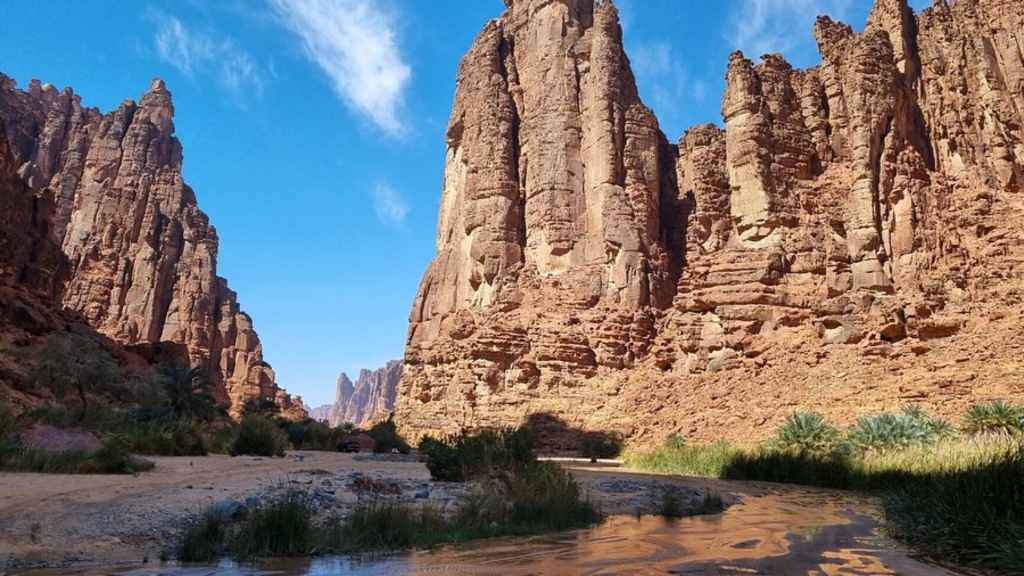
A wadi is much more than a simple valley. In the Arabian Peninsula, these geographical features serve as the primary drainage systems for rare but intense rainfall. While they often appear as dry, rocky riverbeds, they can transform into lush oases or powerful rivers within minutes. Understanding this dual nature is the first step toward a successful adventure in the Kingdom.
Top Wadis to Visit in Saudi Arabia
Wadi Al Disah
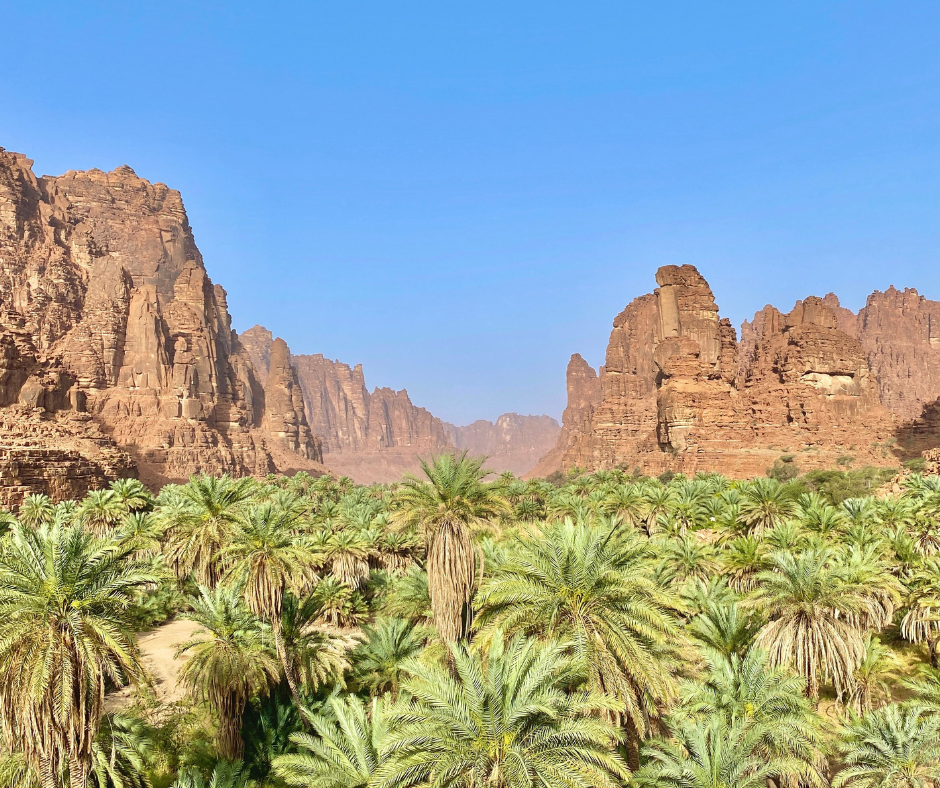
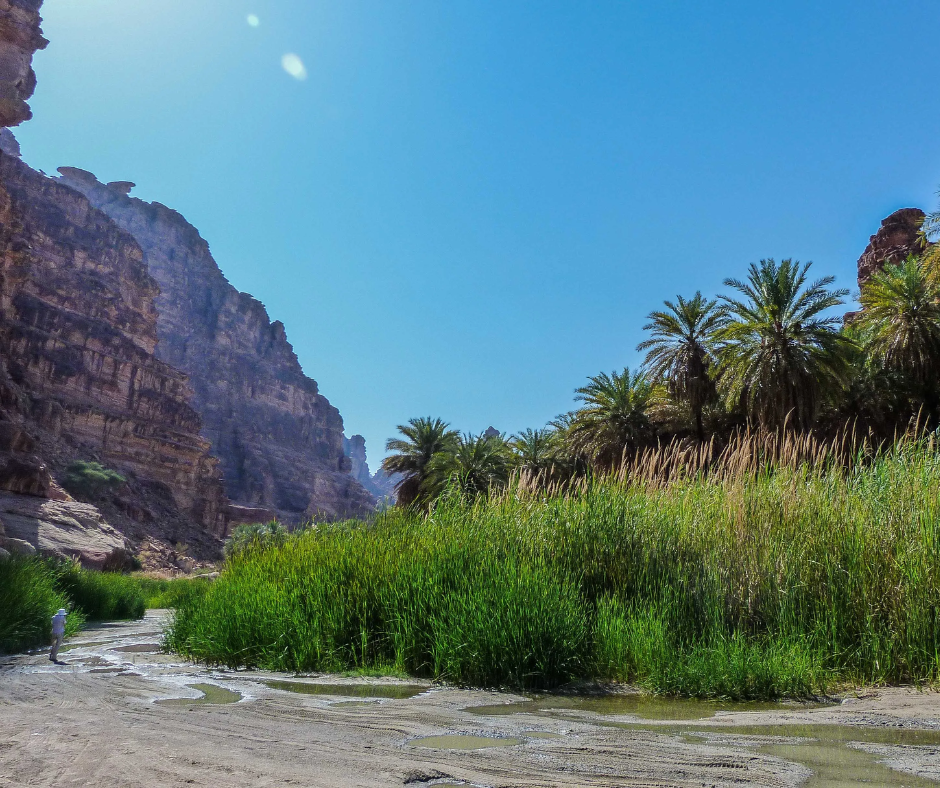
Wadi Al Disah stands as the most famous valley in the Tabuk Province. The name translates to the Valley of the Palm Trees, and it lives up to that title. You will find massive sandstone pillars that rise hundreds of meters from the canyon floor.
Between these cliffs, freshwater springs feed a dense collection of palms and tall grasses. We recommend entering from the southern side near the town of Al Disah. While you can explore the entrance on foot, a 4x4 vehicle is necessary if you plan to drive deeper into the canyon where the sand becomes soft and the tracks less defined.
Wadi Lajab
Wadi Lajab offers a completely different experience in the southern Jazan Province. This is a narrow slot canyon where the walls are so close together that the sun only hits the canyon floor for a few hours a day. It is famous for its hanging gardens, which are mosses and ferns growing directly out of the cliffside where water seeps through the rock.
Because this wadi often contains standing water, you should expect to wade through pools that can reach waist-height. We suggest wearing canyoning shoes or old sneakers with excellent grip because the rocks are polished and very slippery.
Wadi Qaraqir
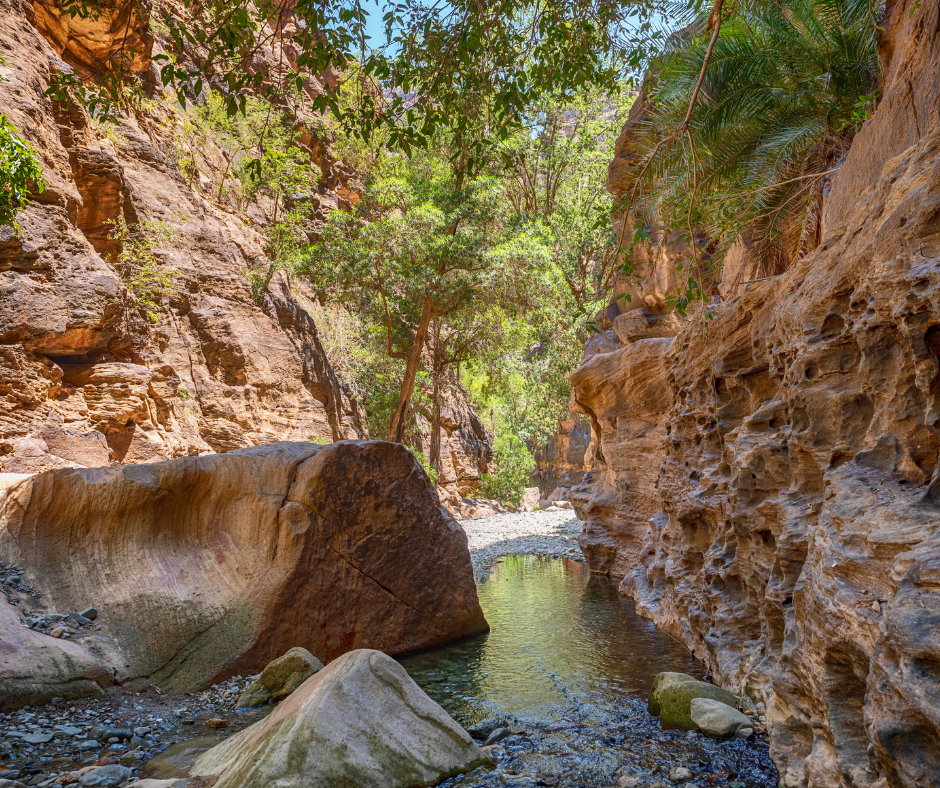
Wadi Qaraqir is often considered the heart of the Great Canyon of Saudi Arabia. Located near the town of Tabuk, this valley features a year-round running stream, which is a rarity in the region. You can spend an entire day hiking through the oleander bushes and citrus trees that grow wild along the water.
The scale here is immense. We suggest starting your trek early in the morning to see the light hitting the red rock walls, as the temperature remains significantly cooler at the base of the canyon than on the surrounding plateau.
Accessible Wadis Near Major Cities
Wadi Hanifa from Riyadh
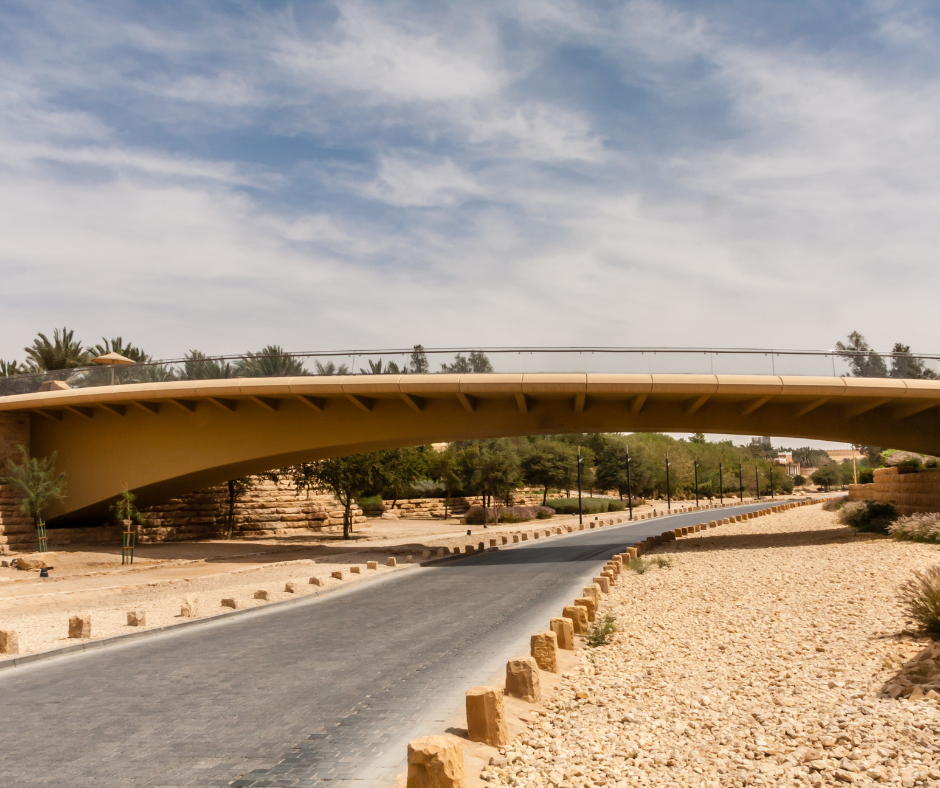
If you are staying in Riyadh and do not have time for a full expedition to the north or south, Wadi Hanifa is your best option. It is a long valley that runs right through the capital. The government has transformed parts of it into a massive eco-park with walking trails and picnic spots.
While it is more developed than the wild canyons of Tabuk, it provides a great introduction to how wadi ecosystems function. You can see the ancient stone dams and the modern water treatment systems that keep the valley green even during the height of summer.
Wadi Al-Baida
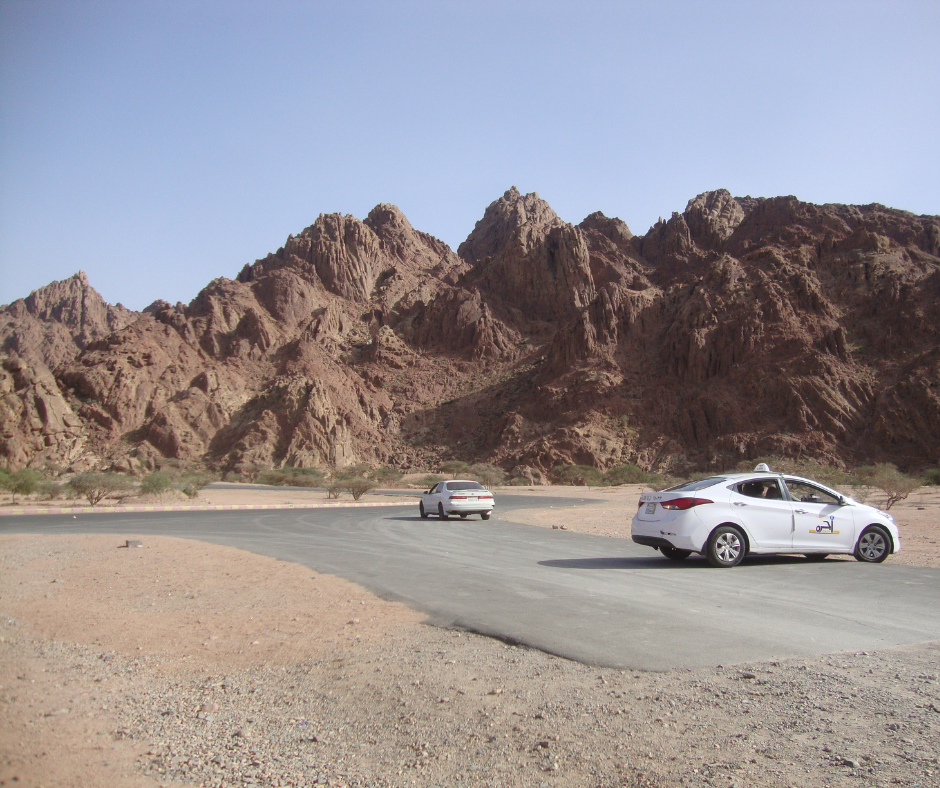
Wadi Al-Baida is located just outside the holy city of Madinah. It is famous for a geological phenomenon often called the Magnetic Hill, where cars appear to roll uphill when left in neutral. Beyond this curiosity, the wadi itself is a popular spot for local families to camp.
The terrain is wide and sandy, framed by dark volcanic mountains. It is a perfect place to experience a traditional desert sunset without needing professional-grade off-road equipment.
The Best Months for Wadi Exploration
between November and March
Timing your visit is the difference between a comfortable hike and a dangerous heat situation. We recommend planning your trip between November and March.
During these winter months, daytime temperatures in the northern and central regions usually hover between 15 and 25 degrees Celsius. This weather allows you to spend the entire day outside without the risk of heat exhaustion.

October and April
The shoulder seasons of October and April are also manageable, though you will notice the heat rising significantly by midday. If you visit during these months, we suggest being off the trail by 11:00 AM. We generally advise against exploring remote wadis from May to September.
The temperatures in the desert can easily exceed 45 degrees Celsius, and the shade inside a canyon offers little relief when the air itself is that hot.
Safety and the Reality of Flash Floods
You must understand the risk of flash floods before entering any canyon. In the desert, it does not need to be raining where you are for a flood to occur. A storm 50 kilometers away can send a wall of water down a wadi with almost no warning. If you see dark clouds over the mountains upstream, you should exit the canyon immediately and move to higher ground.
We also suggest checking the weather via local Saudi apps or websites like ArabiaWeather before you set out. Look for the "Relief" of the terrain. If you see debris like dried branches or plastic caught high up in the trees or rock cracks, that is a clear indicator of how high the water can rise. Never park your car or set up a camp in the middle of a dry riverbed if there is any chance of rain in the forecast.
Gear and Packing Essentials
Footwear
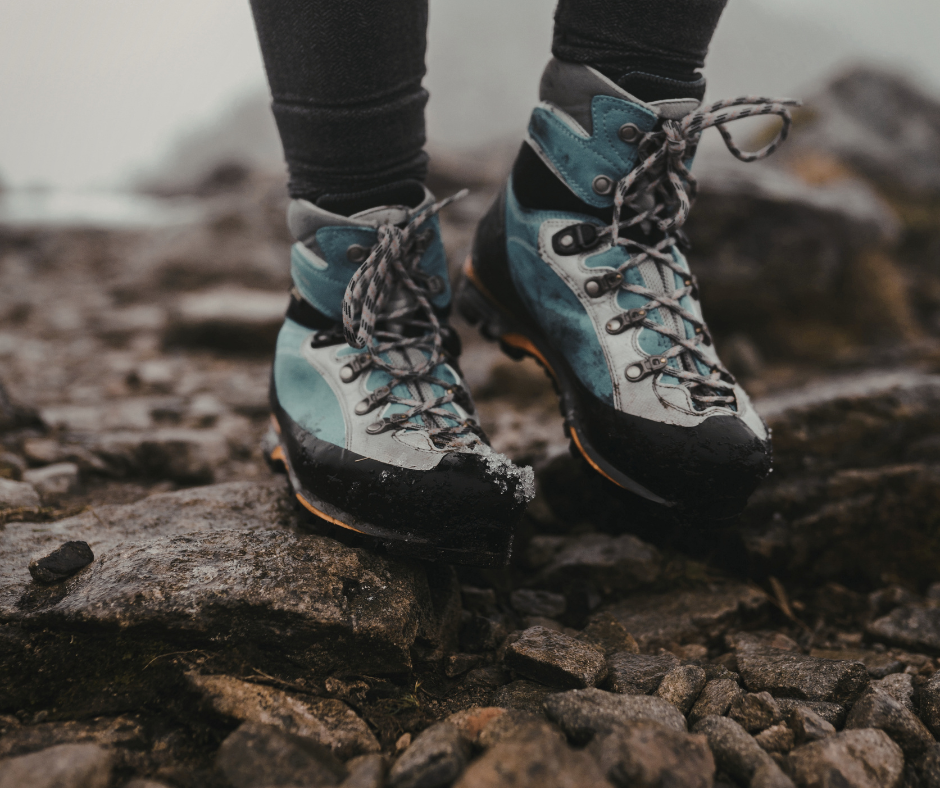
Proper footwear is the most important piece of gear you will bring. We recommend hiking boots with ankle support for rocky valleys like Al Disah, but you will want water-friendly shoes for Wadi Lajab.
A pair of trail runners that drain quickly is often the best compromise. Do not wear flip-flops or flat-soled sandals, as the terrain is often a mix of loose gravel and slick, wet stone.
Water
Water strategy is your next priority. We suggest carrying at least three liters of water for a half-day hike and five liters for a full day. Even if the air feels cool, the dry desert environment pulls moisture from your body rapidly. We always include electrolyte powder in our packs to help with hydration. For food, we recommend high-energy snacks like dates and nuts, which are staples of the local diet and travel well in the heat.
Clothing
Your clothing should prioritize sun protection and cultural awareness. We recommend lightweight, long-sleeved shirts and breathable trousers. This combination protects you from UV rays and prevents scratches from thorny desert shrubs. A wide-brimmed hat and high-quality sunglasses are non-negotiable. We also suggest carrying a lightweight power bank for your phone, as searching for signal in remote canyons can drain your battery quickly.
Navigating Logistics and Car Rentals
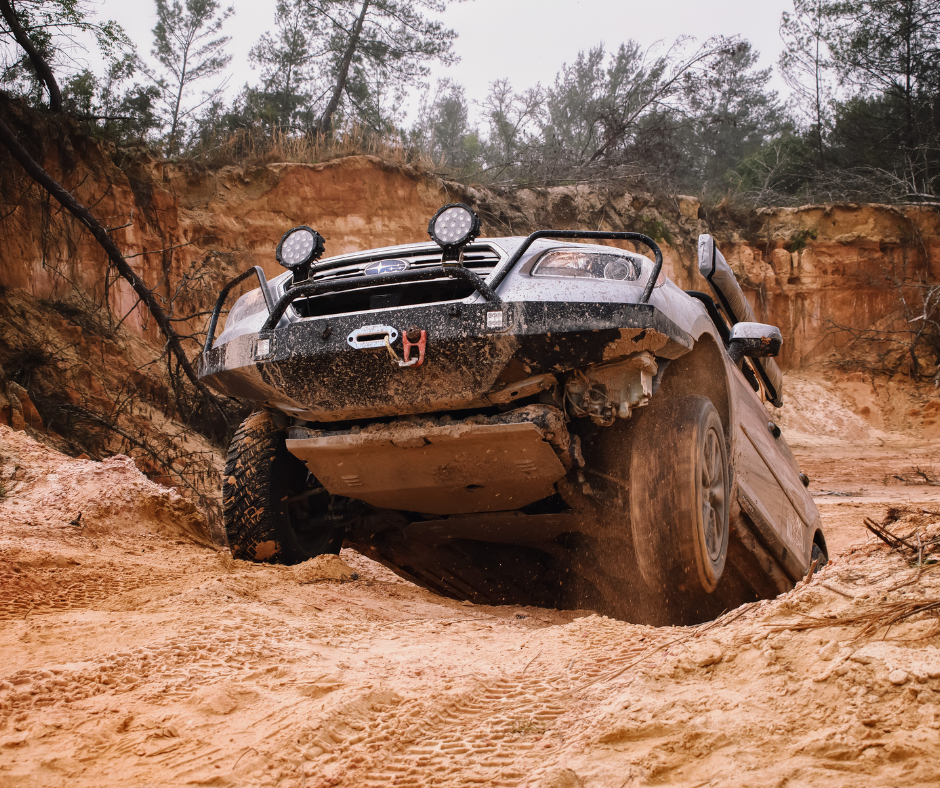
If you plan to visit the more remote wadis, renting a car is the most practical choice. For most destinations, a standard SUV will suffice, but we strongly recommend a vehicle with 4WD capability for places like Al Disah or the deeper parts of Wadi Qaraqir. When you pick up your rental, ensure the spare tire is fully inflated and that the jack and lug wrench are in the trunk. We have found that many rental cars in the region have high tire pressure for highway driving, so you may need to lower the pressure slightly if you are driving on soft sand.
Navigation can be tricky because GPS signals often drop out once you enter deep canyons. We recommend downloading offline maps of the entire region on Google Maps or using an app like Gaia GPS. Before you leave a city, tell someone your planned route and your expected return time. There is rarely cell service inside the wadis, so having an established check-in plan is a vital safety step.
Hiring a local guide can significantly enhance your experience, especially in the south. Local guides know the current water levels and can show you petroglyphs or rock carvings that you would likely walk right past on your own. You can often find guides in the nearest town to the wadi entrance. We suggest negotiating the price upfront and confirming that they have a recovery kit in their vehicle if you are driving together.
Cultural Etiquette in Rural Areas
The people you meet near the wadis are often incredibly hospitable. It is common for local families picnicking in the valley to invite you for coffee or tea. If this happens, it is polite to accept at least one small cup. When you have had enough, gently jiggle your cup from side to side to signal that you are finished. This is a standard piece of Saudi social sign language that locals will appreciate.
Modesty remains important when you are outside the major international hubs of Riyadh or Jeddah. For men, this means avoiding very short shorts. For women, loose-fitting clothing that covers the shoulders and knees is the standard. While you might see people swimming in some wadi pools, we suggest keeping a t-shirt on while in the water if there are local families nearby. It is a simple gesture that shows respect for the local environment.
Photography is generally welcomed, but you should always ask for permission before taking photos of people, particularly women. Most younger Saudis are happy to chat and may even want to take a photo with you. A friendly "Salam" or "Kaif halak" (How are you?) is the best way to start any interaction.
Protecting the Desert Environment
The wadi ecosystems are fragile. We follow a strict leave-no-trace policy and ask that you do the same. Because these valleys are the primary source of water for local livestock and wildlife, keeping them clean is a matter of survival for the local community. We recommend carrying a small trash bag to pack out all your wrappers and bottles.
Avoid disturbing the local vegetation. The trees in these wadis often take decades to reach maturity because of the harsh conditions. Likewise, if you encounter camels or goats, give them plenty of space. They are almost always owned by a local Bedouin family, and interfering with them is considered a serious breach of etiquette. By moving quietly and respectfully, you ensure that these valleys remain open and welcoming for the travelers who come after you.
Exploring the wadis of Saudi Arabia is a way to see a side of the Kingdom that many visitors never experience. It is a landscape of massive scale and quiet beauty that rewards those who take the time to prepare correctly. We hope this guide helps you step off the beaten path and into the heart of the Arabian desert.
Read also: One Week Saudi Arabia Itinerary, an Adventure Travel Guide
Hiking experiences in Saudi you might like.