The transition from a busy city week to the silence of the Hajar Mountains often comes with a mix of excitement and logistical uncertainty. That is why our team at Wildyness created this guide to ensure your overnight stay in the desert is seamless and safe.
Selecting the Best Camping Locations Near Shawka Dam
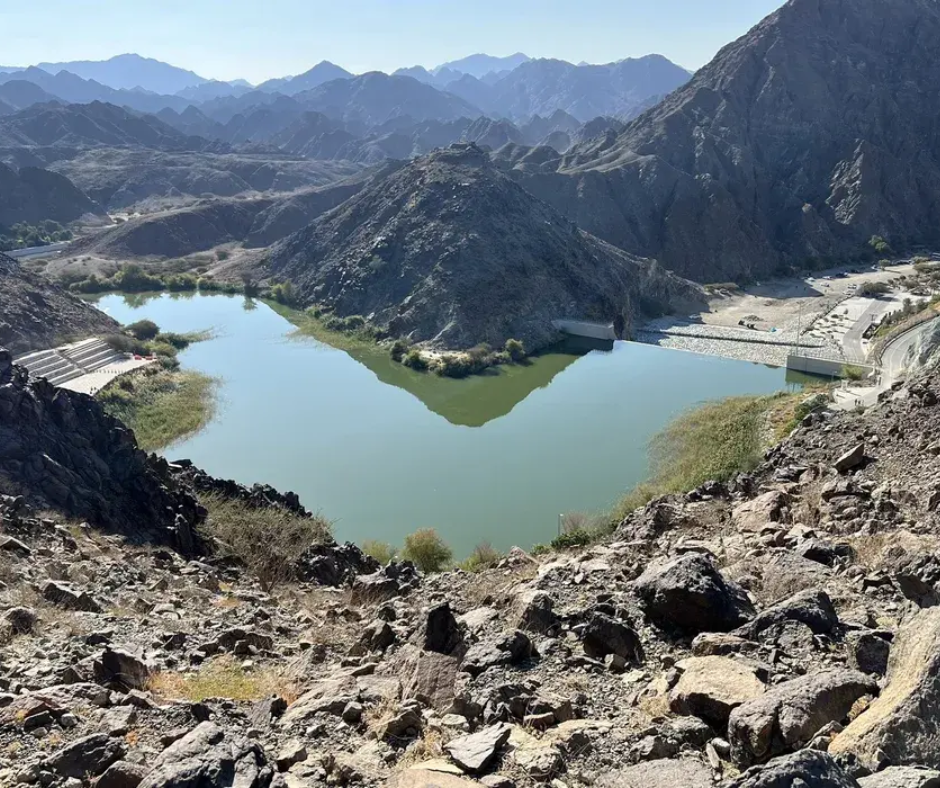
Choosing the right spot in Wadi Shawka depends largely on your vehicle type and your desire for solitude. The area near the dam is the most popular choice for weekend travelers because it offers a sense of security and easy access to the water. This region is characterized by flat gravel patches that provide a stable foundation for most modern camping tents.
The Dam Rim and Upper Gravel Pads
The upper gravel pads overlooking the Shawka Dam are ideal for those who want to be the first on the hiking trails at sunrise. These spots are elevated, which provides a natural vantage point to watch the light change over the water. Since these areas are close to the main access roads, they are often the first to fill up during the cooler months between November and March.
The ground here is exceptionally hard, so we recommend bringing heavy duty steel pegs rather than the thin aluminum ones that often come with standard tents. If you find the ground too stubborn, using large rocks to anchor your guy lines is a common and effective local technique. Being at a higher elevation also means you will feel the wind more prominently, so positioning your vehicle as a windbreak can significantly improve your comfort during the night.
Read also: Wadi Shawka: A Scenic Hiking Oasis in the UAE's Mountains
The Wadi Mouth and Group Flatlands
For travelers visiting in larger groups or with multiple vehicles, the wide flats at the mouth of the wadi offer significantly more space. This area is situated further down from the dam and features a more expansive layout where you can set up a central kitchen or social area. The surrounding rocky walls provide a degree of natural protection from the wind, making it a warmer option during the peak of winter.
One of the main advantages of the wadi mouth is the proximity to several easy walking loops. Families often prefer this area because children have more room to explore without the immediate drop-offs found near the dam rim. You should still remain vigilant about parking locations. Even in dry weather, it is best to stay on the slightly elevated banks rather than the very bottom of the wadi floor to avoid any unexpected moisture from the mountain runoff.

Essential Gear for Rocky Desert Terrain
Camping in a wadi environment is significantly different from camping on sand dunes or in a forest. The Hajar Mountains are composed of sharp limestone and igneous rock, which requires a specific approach to your gear selection. Standard equipment often fails in this environment, so we focus on durability and protection against the elements.
Footwear and Clothing for Thermal Regulation
The temperature in Wadi Shawka can fluctuate by as much as 15 degrees Celsius between mid-afternoon and midnight. We suggest wearing moisture wicking base layers that allow your skin to breathe during the hike in. Once the sun drops behind the mountain peaks, the air cools rapidly, making a fleece or a lightweight down jacket necessary for a comfortable evening.
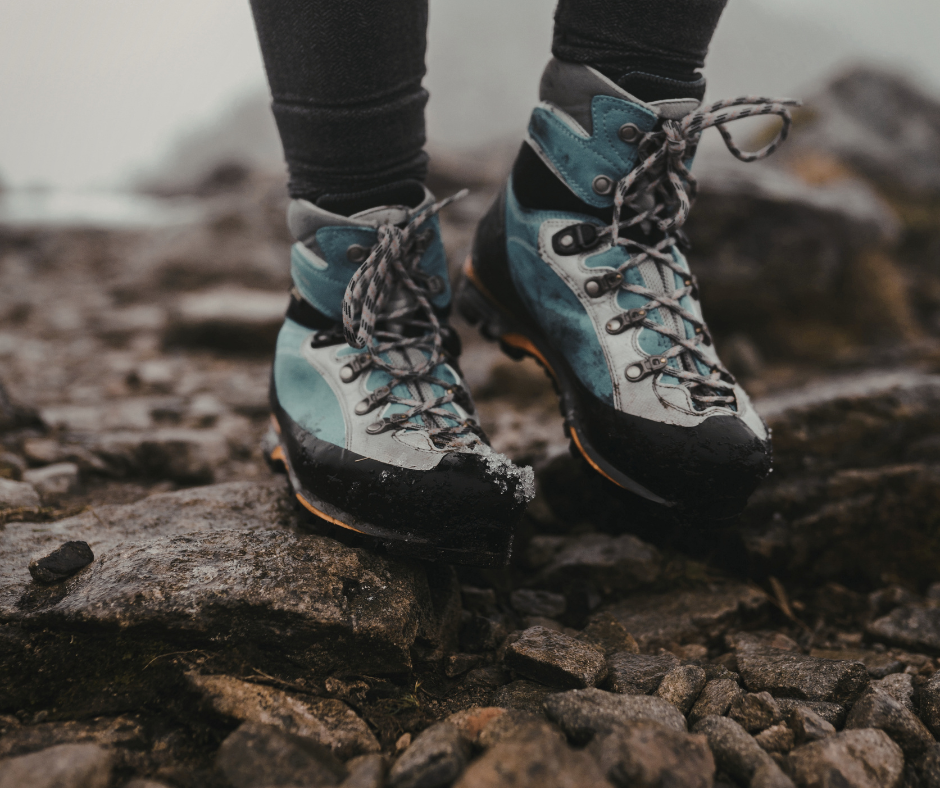
Footwear is perhaps the most critical part of your kit. The rocks in the wadi are often loose and can be quite sharp, so high ankle hiking boots with a stiff sole are far superior to standard trainers. These boots provide the lateral support needed to prevent ankle rolls on uneven ground. We also recommend bringing a pair of thick wool socks specifically for sleeping, as cold feet are the primary reason campers struggle to stay asleep during desert nights.
Sleeping Systems and Hardware
Because the ground in Wadi Shawka consists of compacted gravel and stone, a thin yoga mat or a basic foam pad will not suffice. We suggest using a self inflating sleeping pad with a high R-value or a raised camping cot if your vehicle has the space. This insulation is not just for comfort; it prevents the cold ground from sapping your body heat throughout the night.
When it comes to hardware, your light source should be a priority. A hands free headlamp is much more useful than a handheld flashlight when you are trying to cook or set up a tent in the dark. We also suggest carrying a portable power bank to keep your navigation devices charged, as the search for a signal in the mountains can drain phone batteries faster than usual. For a broader look at how we approach outdoor preparation, you can explore our insights on specialized trekking gear and safety mindsets.

Seasonal Weather Patterns and Timing
Understanding the seasonal shifts in the United Arab Emirates is vital for a successful trip to Ras Al Khaimah. While the desert is accessible year round, the experience changes drastically depending on the month you choose to visit. We generally advise against camping during the peak summer months due to extreme heat and humidity.
The Peak Winter Season
From November to February, the weather is nearly perfect for outdoor activities. Daytime temperatures usually hover around 25 degrees Celsius, providing an ideal climate for exploring the various hiking loops and mountain bike trails. This is the busiest time for Wadi Shawka, so we recommend arriving by Thursday evening or early Friday morning to secure a prime spot.
During this window, the risk of rain is higher than in the summer. While rain in the desert is rare, it can be intense when it occurs. Always check the local forecast for the entire Ras Al Khaimah region, not just the specific coordinates of the dam. If there is rain in the mountains miles away, that water eventually flows down through the wadis, which is why we never set up camp in the center of a dry riverbed.
Spring and Autumn Transitions
March, April, and October represent the shoulder seasons. During these months, the days are noticeably hotter, often reaching 35 degrees Celsius, but the nights remain pleasant. This is a great time for those who enjoy swimming in the natural pools that sometimes form after the winter rains. The water stays cool even as the air temperature rises.
If you choose to visit during these transition months, sun protection becomes your primary concern. The mountain sun is intense and reflects off the light colored rocks, increasing your UV exposure. We suggest setting up a dedicated shade structure or a gazebo if your campsite does not have natural shade from the cliffs. This allows you to enjoy the outdoors during the heat of the day without the risk of heat exhaustion.

Vehicle Logistics and Navigation Tips
The road to Wadi Shawka is well maintained, but the final approach involves driving on unpaved surfaces. Most visitors arrive via the Sharjah-Kalba Road, which offers a scenic drive through the desert before the mountains begin to rise. How you navigate the final few kilometers depends entirely on what you are driving.
Accessing the Wadi in a Sedan
You do not strictly need a 4x4 vehicle to enjoy Wadi Shawka camping. Many of the primary camping areas near the dam are accessible via graded gravel roads that a standard sedan can handle with ease. The key is to maintain a slow and steady speed to avoid puncturing a tire on a sharp stone. We suggest keeping your speed under 20 kilometers per hour once you leave the asphalt.
If you are driving a low clearance car, stay on the established tracks and avoid trying to cross any sandy patches or muddy areas. If a track looks too rugged or has deep ruts from previous rains, it is better to park early and walk a short distance to your campsite. This prevents unnecessary damage to your vehicle's undercarriage and ensures you can leave easily on Sunday morning.

Exploring Deeper with a 4x4 Vehicle
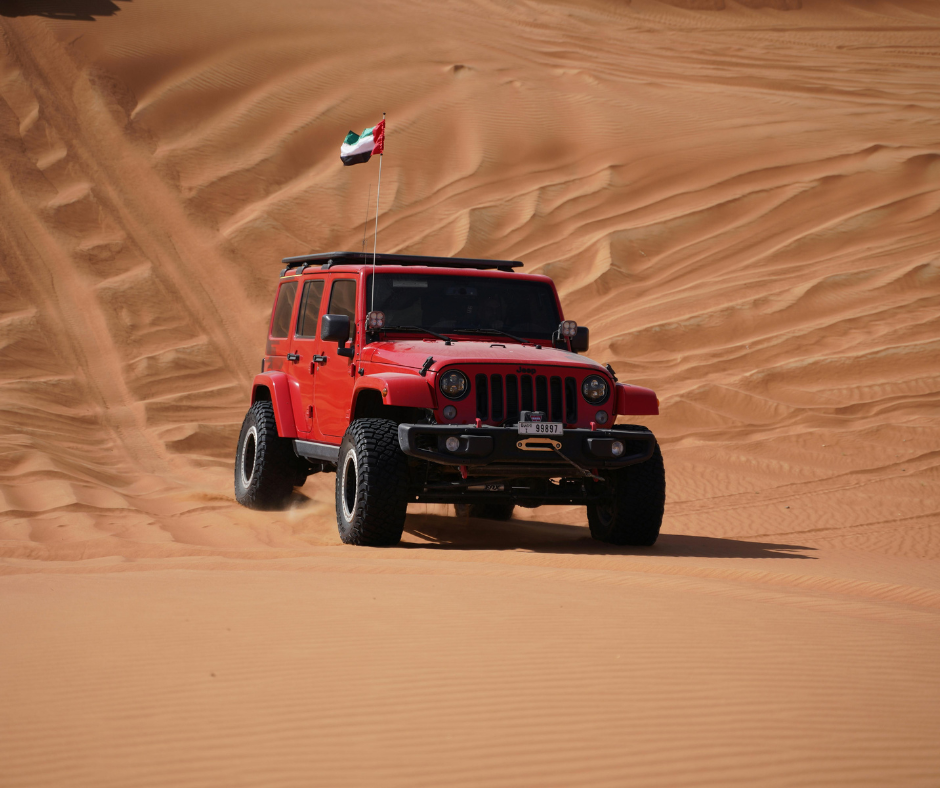
A 4x4 or a high clearance SUV opens up the "Up-Wadi" bends and quieter pockets further away from the dam. These areas are less crowded and offer a more authentic wild camping experience. Having a 4x4 allows you to navigate the softer gravel and small rocky inclines that would stop a sedan. We still recommend staying on existing tracks to protect the local environment and prevent soil erosion.
Before you head into the deeper parts of the wadi, ensure your spare tire is in good condition and that you have a jack suitable for uneven ground. It is also wise to carry a small air compressor to adjust your tire pressure. Dropping your pressure slightly can provide better traction on the loose rocks and a much smoother ride for everyone inside the vehicle.
Activities and Exploration Near the Dam
Wadi Shawka is more than just a place to sleep; it is a hub for outdoor enthusiasts in the UAE. The area has been developed with several marked trails that cater to different fitness levels. Whether you want a challenging climb or a casual walk, the landscape provides ample opportunity for movement.
Hiking and Mountain Biking Trails
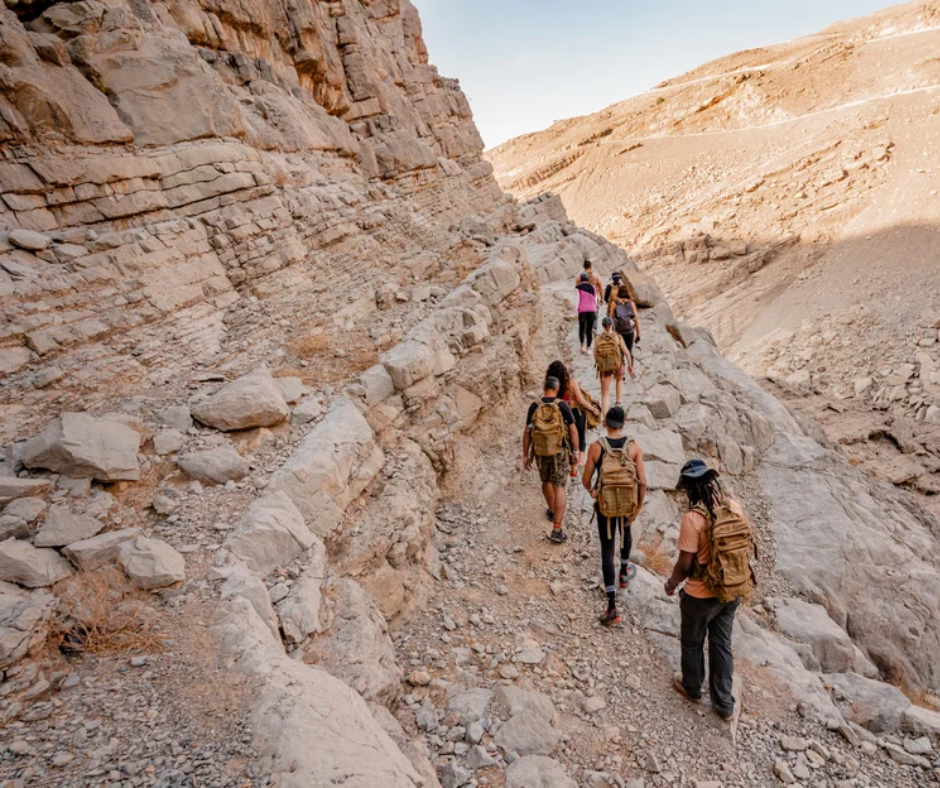
The Shawka Trail network is one of the most well known in the country. There is a popular staircase hike near the dam that leads to a high ridge, offering views of the surrounding Hajar range. This climb is steep but rewarding, especially at sunrise when the mountains are bathed in orange light. We suggest starting this hike no later than 6:00 AM to beat the heat and the crowds.
For mountain bikers, the terrain offers everything from technical rocky descents to flowing singletracks. The local community has spent years developing these paths, so please stay on the marked trails to avoid damaging the fragile desert crust. If you are new to the area, downloading an offline map app is essential, as the valley walls often block mobile phone signals.
Finding Natural Pools and Water Features
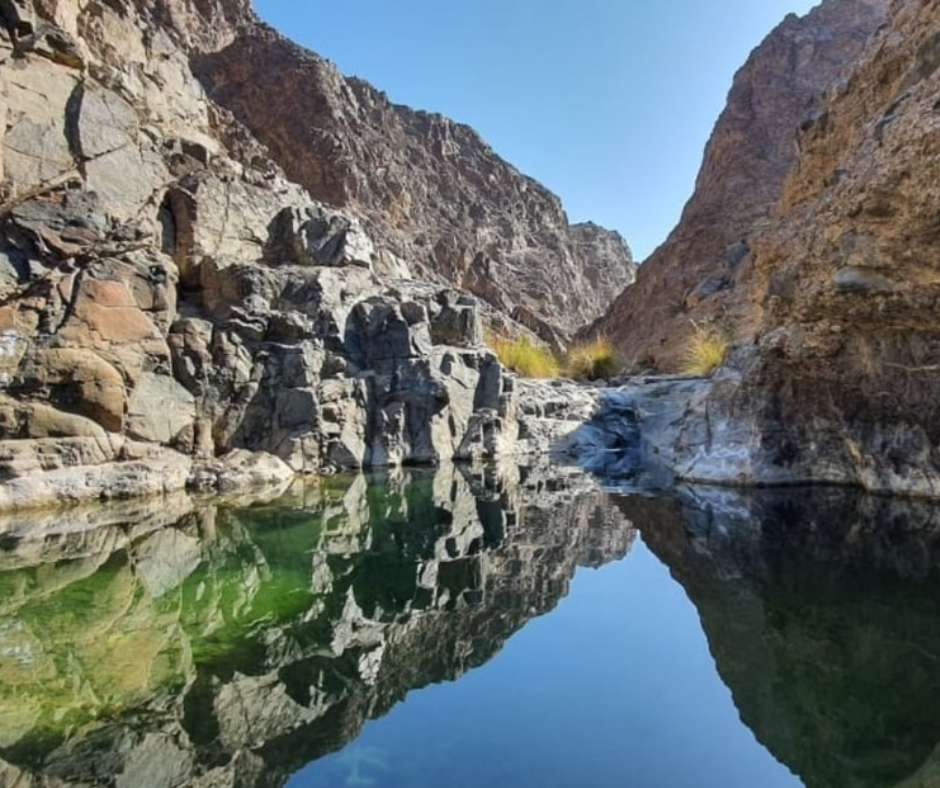
After a period of rainfall, the wadi transforms as water collects in deep rock basins. These natural pools are a highlight of the Shawka experience and can often be found by walking upstream away from the main dam. The water is usually clear and cool, providing a perfect place to rest after a long morning hike.
We encourage all visitors to enjoy these pools responsibly. Avoid using soaps or detergents in the water, as these can harm the local ecosystem and the animals that rely on these pools for drinking. Always test the depth with a stick before stepping in, as the visibility can be deceiving and the rocks underwater are often very slippery.
Safety Protocols and Wildlife Awareness
While Wadi Shawka is a popular destination, it remains a wild environment where safety should be taken seriously. Being prepared for the unexpected is the hallmark of an experienced camper. This includes understanding the local wildlife and knowing how to respond to changes in the weather.
Flash Flood Risks and Monitoring
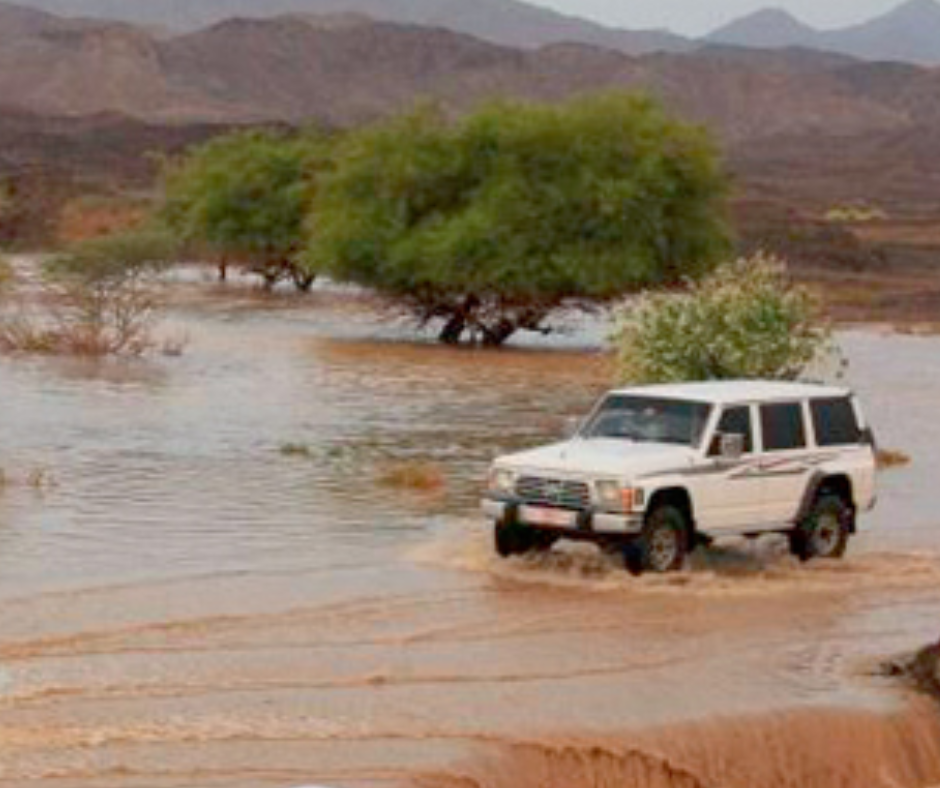
Flash floods are the most significant natural hazard in the mountain wadis. Because the ground is rocky and does not absorb water quickly, rain that falls miles away can travel down the valley in a fast moving wall of water. We suggest monitoring the sky for dark clouds over the mountains and listening for a distant rumbling sound, which can often precede a flood.
If you notice the water level in the wadi beginning to rise or turning muddy, move to the highest ground available immediately. Do not attempt to drive your vehicle through moving water, as even a small amount of flow can wash a car off the track. Safety always comes first, so if the forecast looks questionable, it is better to reschedule your trip for a clearer weekend.
Respecting the Local Ecosystem and Wildlife
The Hajar Mountains are home to a variety of resilient species, including mountain goats, donkeys, and several types of reptiles. Most of these animals are shy and will avoid humans, but you should still keep a clean campsite to avoid attracting them. Store your food in hard plastic bins or inside your vehicle to prevent foxes or goats from rummaging through your supplies at night.
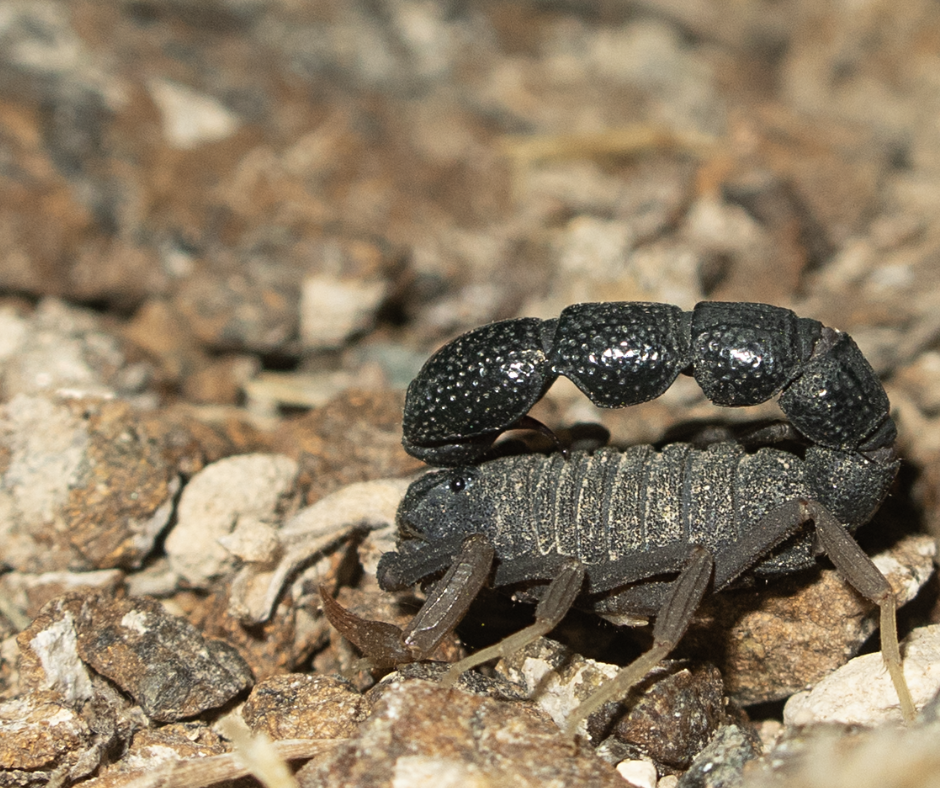
Snakes and scorpions are present in the area but are generally inactive during the colder months. As a precaution, always shake out your boots before putting them on in the morning and avoid sticking your hands into dark crevices between rocks. If you encounter wildlife, observe from a distance and never attempt to feed them, as this disrupts their natural foraging habits and can lead to aggressive behavior.
Leave No Trace and Ethical Camping
The beauty of Wadi Shawka depends entirely on the behavior of its visitors. Because this is a free public space, there are no maid services to clean up after campers. We believe in leaving the desert better than we found it, a philosophy that ensures these areas remain open for future generations.
Waste Management and Fire Safety
Everything you bring into the wadi must leave with you. This includes small items like cigarette butts, fruit peels, and bottle caps. We suggest bringing extra heavy duty trash bags and even picking up any litter you find left by previous campers. Since there are no large bins in the heart of the wadi, you will need to transport your waste back to the main road or all the way home.
Fire safety is another critical concern. While a campfire is a staple of the experience, please use a raised fire pit or a dedicated BBQ grill rather than building a fire directly on the ground. This prevents unsightly scorch marks on the rocks and reduces the risk of spreading embers to dry brush. Ensure your fire is completely extinguished with water and buried with sand before you go to bed or leave the site.

Respecting the Quiet and Local Community
Wadi Shawka is a place for peace and reflection. We encourage visitors to keep music at a low volume and respect the silence of the desert, especially after 10:00 PM. Many people visit the wadi to escape the noise of the city, and loud generators or music can ruin the experience for everyone nearby.
Additionally, remember that there are local farms and small villages in the surrounding area. Be respectful of private property and avoid driving through cultivated land. By being a thoughtful guest in the mountains, you help maintain a positive relationship between the outdoor community and the local residents of Ras Al Khaimah.
Read also: The WildyNess Guide to the 9 Best Wadis in the UAE
And: Hiking in the UAE | Everything You Need to Know Before You Go