Finding real culture in the United Arab Emirates can feel impossible when all you see are glass skyscrapers, massive shopping malls, and staged tourist traps.
That is why our team at WildyNess created this guide to help you find the real culture in the homestays experience in the UAE.
What to Expect from an Emirati Homestay
The Shift from Tourist to Honored Guest
The United Arab Emirates is famous for its luxury hospitality, but home hospitality is completely different. It is deeply personal. You will trade the polished anonymity of a resort for the warm, involved environment of an Emirati family.
When you book a homestay experience, you step into a space where generosity is a core cultural value. Your hosts will treat you as an honored guest rather than a paying customer.
This means you will spend a lot of time interacting directly with the family. You will learn about their heritage, listen to their stories, and participate in their daily routines. It requires you to be adaptable and open minded.
There are no rigid buffet times or concierge desks. Instead, you follow the natural rhythm of the household. This might mean waking up early for a cool morning walk or staying up late into the night chatting over tea.
The Central Role of the Majlis
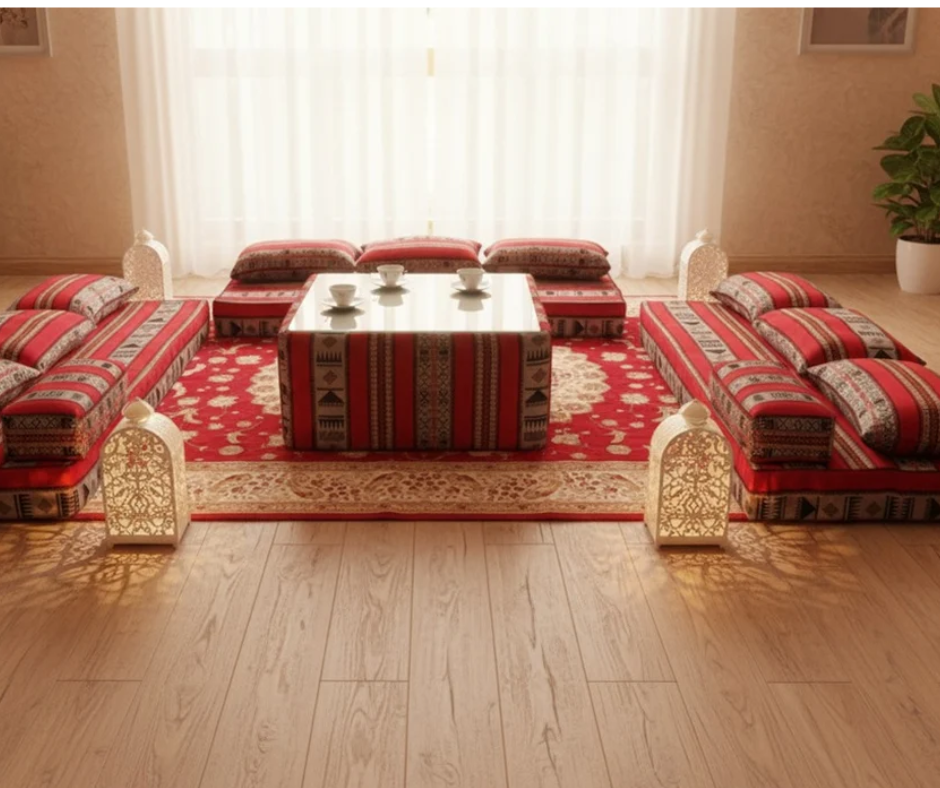
The majlis is the heart of any Emirati home. The word itself translates to a place of sitting, and it serves as the main reception area for guests.
When you arrive at your homestay, this is where you will be welcomed. Traditional majlis rooms are lined with floor cushions and carpets, though many modern homes also include low sofas.
You will notice that the space is designed to encourage conversation. It is customary to take your shoes off before entering this room.
Once inside, you should greet everyone present, starting with the oldest person first as a sign of respect. You will spend a significant amount of your stay in the majlis.
This is where coffee is poured, meals are sometimes served, and long evening discussions take place. The atmosphere is always relaxed. Your hosts simply want you to feel comfortable and included in their family environment.
The Tradition of Bukhoor Incense
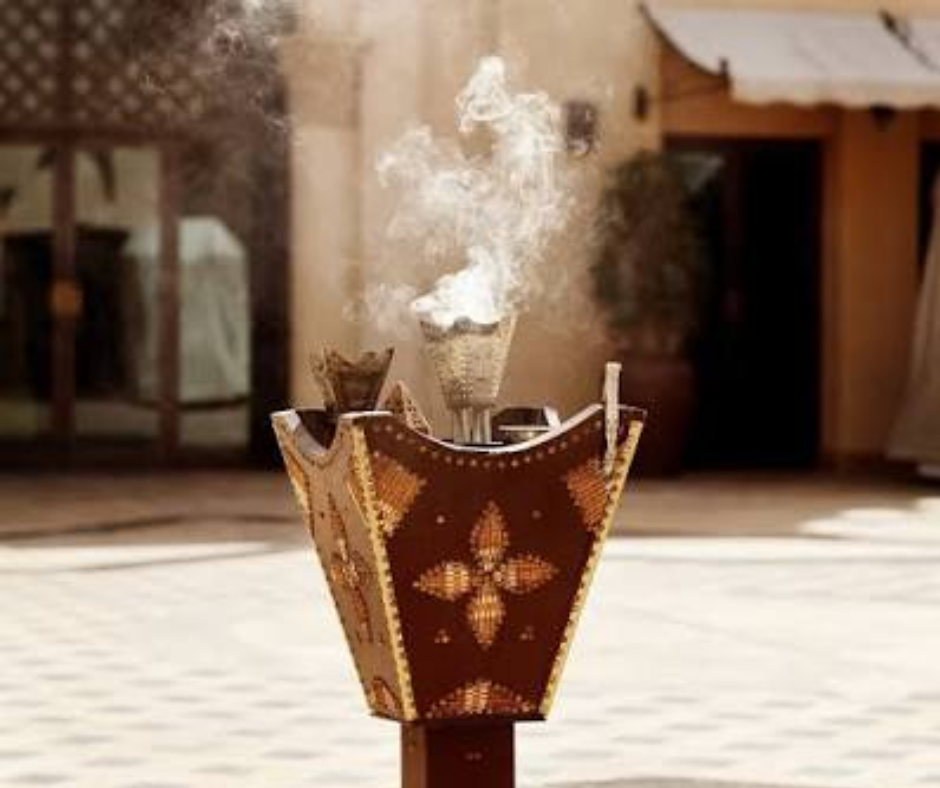
You will also notice a lingering, rich scent in the majlis and throughout the home. This is bukhoor, a traditional incense made from wood chips soaked in fragrant oils like oud, sandalwood, and rose.
Hosts often pass an incense burner around the room to perfume the clothes and hair of their guests. It is a beautiful gesture of hospitality that instantly makes you feel at home.
When the incense burner is handed to you, simply waft the smoke toward yourself with your hands and pass it to the next person. These small sensory details are what make a homestay so incredibly memorable.
The scent of bukhoor is deeply tied to Emirati identity, and experiencing it in a private home provides a level of authenticity you cannot find in a commercial hotel lobby.
Regional Homestay Environments Across the Emirates
Historic Courtyard Homes in the Coastal Cities
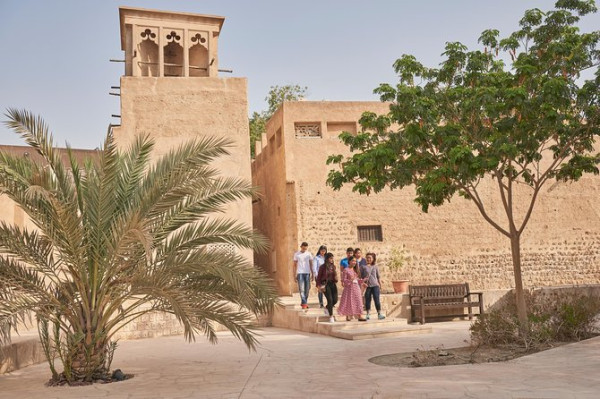
You do not have to leave Dubai or Sharjah to find a traditional living experience. Some local hosts offer stays in historic neighborhoods featuring classic wind-tower architecture.
These homes were brilliantly designed to catch the coastal breeze and funnel it downward before modern air conditioning existed. The houses are built around a central courtyard, offering a private, shaded sanctuary away from the busy city streets.
Staying in one of these homes gives you a glimpse into the pearl diving and trading history of the coast. You will wake up to the sound of the call to prayer and the smell of cardamom wafting from the kitchen.
The thick coral-stone walls keep the interior incredibly quiet. Sitting in the courtyard with your host, you can easily imagine what the Emirates looked like a century ago. It is the perfect contrast to the hyper-modern skyline just a few miles away.
Authentic Bedouin Camps in the Arabian Desert
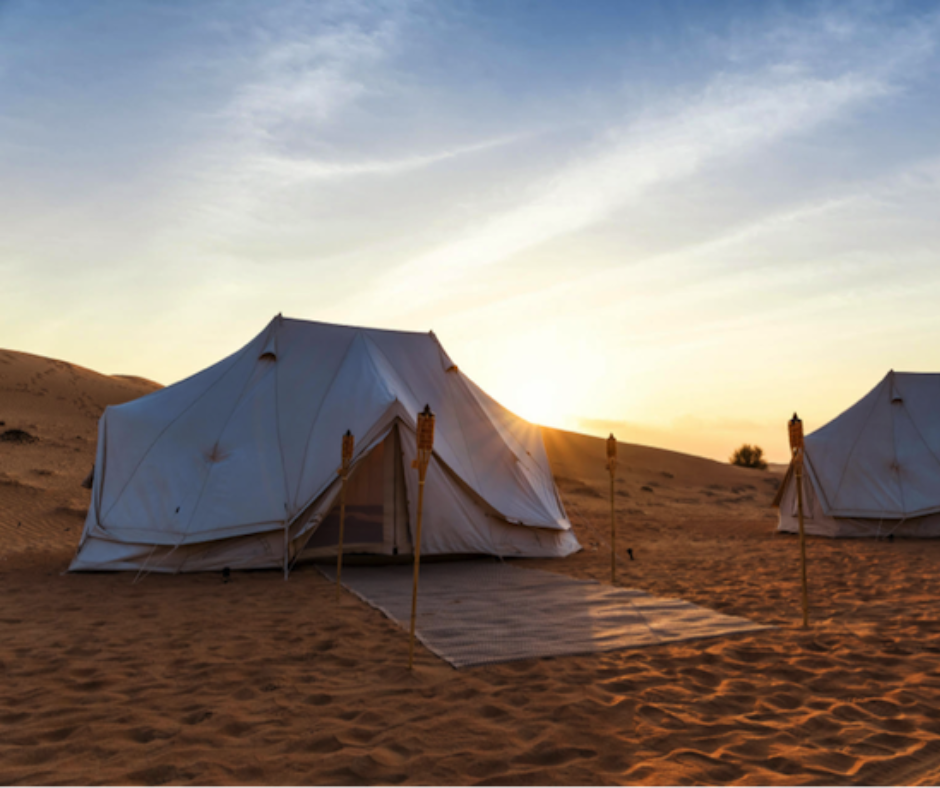
For a truly immersive historical experience, you can spend time with hosts running traditional Bedouin-style camps deep in the desert.
This is entirely different from the commercial desert safaris packed with dune bashing and loud music. An authentic homestay in the dunes focuses on the quiet reality of desert survival. You will sleep in woven tents made from goat hair or modern canvas adaptations that breathe in the dry heat.
The day revolves around the sun. You will wake up at dawn to enjoy the cool morning sand and watch the camels being tended to. During the peak heat of the afternoon, everyone retreats to the shade to rest.
As the sun sets, the camp comes back to life. You will sit around a small fire, watching your hosts prepare dinner over the open coals. The lack of light pollution means you will experience some of the most spectacular stargazing of your life.
Culinary Traditions and Shared Meals
The Ritual of Arabic Coffee and Dates
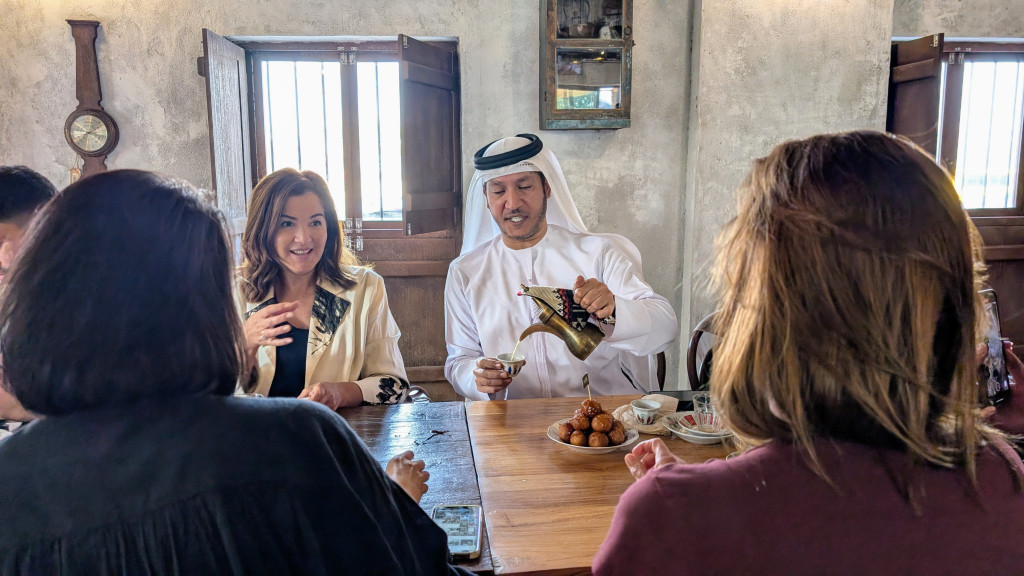
The moment you arrive at any Emirati home, you will be offered Arabic coffee and dates. This is not just a quick refreshment. It is a vital ritual that signals respect and welcome.
The coffee, called gahwa, is lightly roasted and heavily spiced with cardamom, cloves, and sometimes saffron. It is poured from a beautiful traditional pot called a dallah into small, handleless cups known as finjans.
Your host will hand you the cup with their right hand, and you must receive it with your right hand as well. You will only be poured a small amount at a time. This keeps the coffee hot and encourages a continuous, flowing interaction between you and the host.
The sweetness of the dates perfectly balances the bitter, spiced coffee. When you have had enough, simply give the cup a gentle shake as you hand it back. If you do not shake it, your host will automatically refill it for you.
Experiencing a Traditional Emirati Breakfast
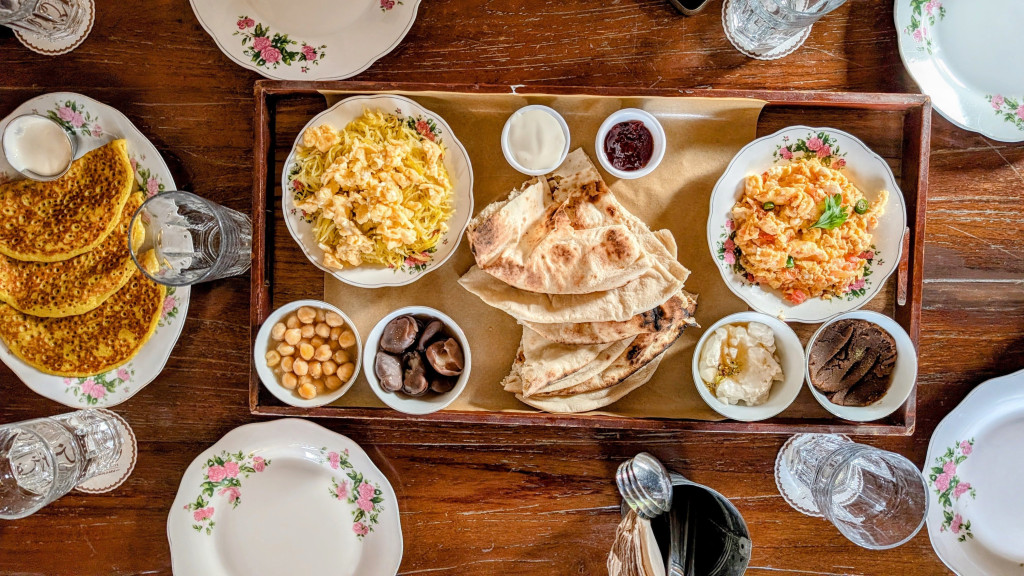
Breakfast in the United Arab Emirates is a feast of contrasting flavors. When you wake up in your homestay, you will likely find a spread that mixes savory and sweet dishes. One of the most famous morning meals is balaleet.
This dish consists of sweet, cardamom-infused vermicelli noodles topped with a savory, salty omelet. The flavor combination sounds unusual, but it is incredibly delicious.
You will also be served chebab, which are Emirati pancakes flavored with saffron and yeast, often drizzled with sticky date syrup. Another staple is khameer, a soft, puffy bread served alongside fresh cream, local cheese, and zaatar.
Your host will encourage you to try a bit of everything. Breakfast is a slow, relaxed affair. You will sit around the table sipping strong, sweet karak tea while discussing the plans for the day ahead.
This tea is heavily boiled with evaporated milk, sugar, and spices, giving it a rich, caramelized flavor.
Sharing the Iconic Machboos for Dinner
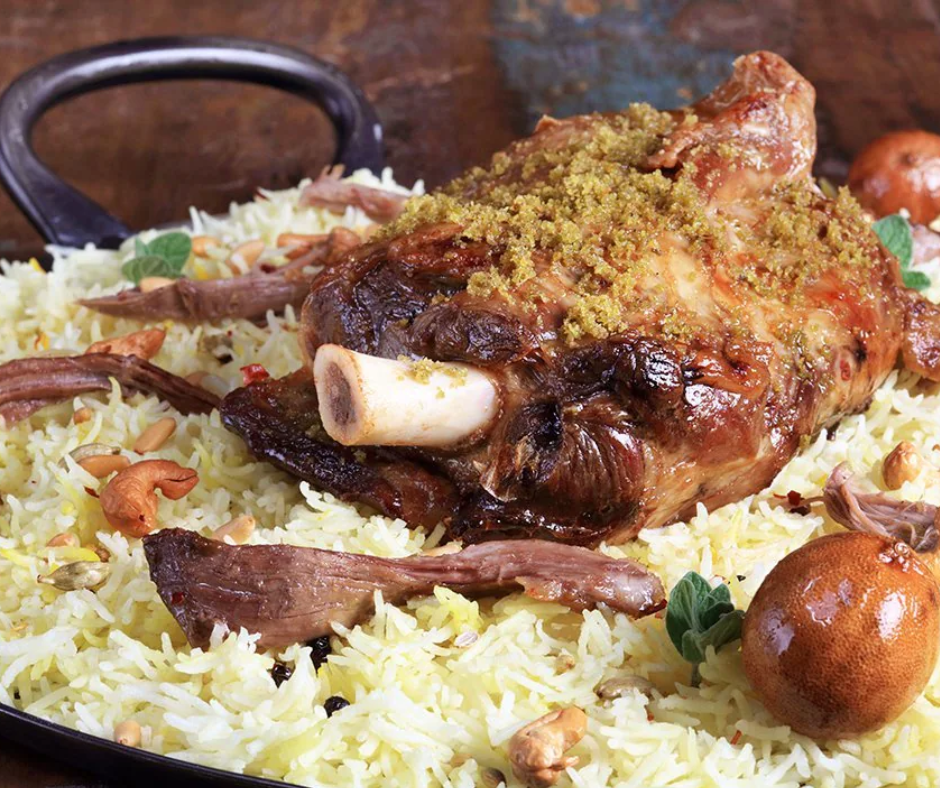
Dinner is the most important meal of the day, and it is usually served quite late in the evening. The centerpiece of an Emirati dinner is often machboos.
This is a fragrant, hearty dish of basmati rice cooked slowly in a rich broth with tender chicken, lamb, or fish. The secret to a perfect machboos lies in the spice blend, which includes dried limes known as loomi, turmeric, cinnamon, and coriander. The dried limes give the rice a distinct, earthy tang that you will not find in other regional cuisines.
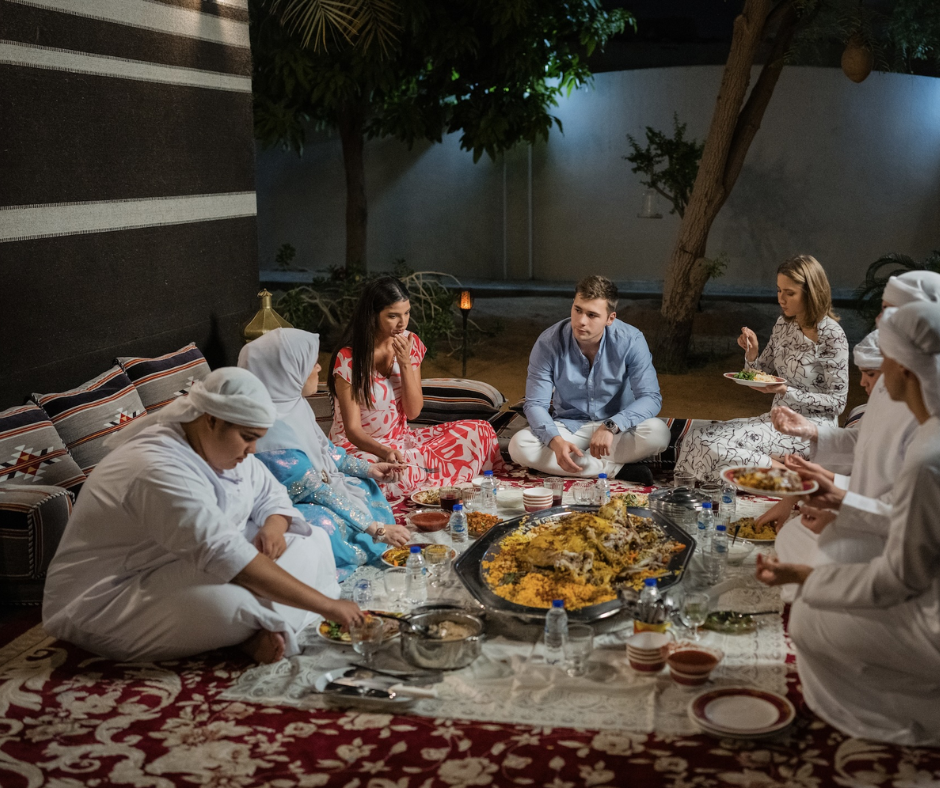
Meals are typically served on one massive communal platter. Your host might invite you to eat in the traditional manner, sitting on the floor and using your right hand to scoop up the rice and meat.
Eating from the same platter creates a deep sense of community and connection that a standard restaurant setting can never replicate. The meal usually concludes with a platter of fresh fruit or a local dessert like luqaimat.
These are deep fried dough balls that are crispy on the outside, fluffy on the inside, and drenched in sticky date syrup.